REVIEW · BUDAPEST
Communist History Evening Walking Tour of Budapest
Book on Viator →Operated by Perfect European Tours - Budapest FREE Walking Tours. · Bookable on Viator
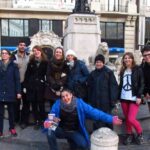
Budapest’s communist past is written into the streets. This 2-hour evening walking tour uses real city landmarks to explain how the Soviet-era system shaped religion, protests, and daily life—then shows what those choices still echo today. With guide Victoria leading the way, you get history told in plain language, not museum-brochure style.
What I like most is the small-group format (up to 15) and the fact you learn how communism changed both institutions and people, not just buildings. The tour also keeps you comfortable with a simple setup: bottled water, an easy-going pace, and a route you can actually follow. One thing to consider: it’s still a walk—about 3 kilometers—so bring comfortable shoes and expect some street-level noise around the stops.
In This Review
- Key Things to Know Before You Go
- Why This Communist History Tour Works in Budapest
- Starting at Blaha Lujza tér: Getting Your Bearings Fast
- Andrassy Avenue: The City’s Memory Before the Big Stops
- St. Stephen’s Basilica: Church, Control, and a Football Story You Won’t Expect
- Liberty Square: Where Economic Power and Protest Collided
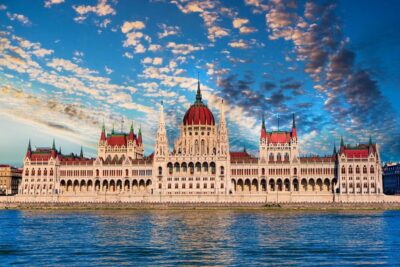
- Hungarian Parliament Building: 1956 and the Weight of Collective Memory
- What You Learn: Communism as a System, Not a Theme
- Pace, Distance, and Comfort: The 3-Kilometer Reality Check
- Price and Value: Is $36.01 Worth It?
- Who This Tour Suits Best (and Who Might Skip)
- Practical Tips for a Smoother Evening
- Should You Book This Tour?
- FAQ
- How long is the Communist History Evening Walking Tour of Budapest?
- How much does the tour cost?
- What time does the tour start?
- Where does the tour start and end?
- Is the tour in English?
- How far do you walk?
- What’s included in the ticket price?
- Are there entry fees for the main stops?
- What happens if the weather is bad?
- How big is the group?
Key Things to Know Before You Go
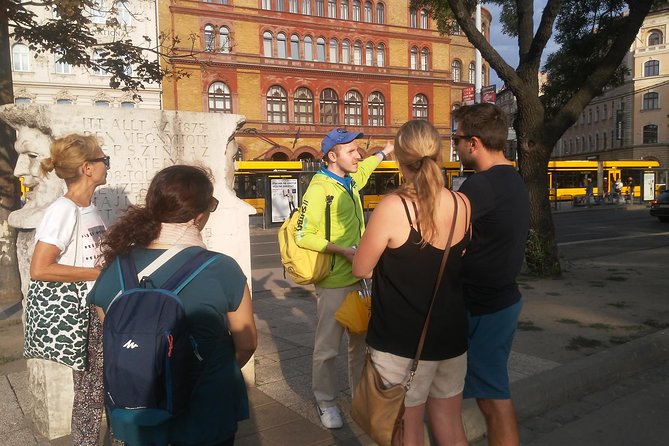
- Small group, big attention: You’re capped at 15 people, so it’s easier to ask questions.
- Victoria’s teaching style: Expect clear explanations, strong English, and stories that connect past to present.
- An “evening view” of power: Seeing key political sites after dark changes the mood in a way daylight doesn’t.
- Bottled water included: A practical touch for a 6:00 pm start.
- No heavy entry hassle: The listed major stops are marked as free admission on the tour plan.
- Route includes more than the headline sites: Along the way you cover a long string of monuments across central districts (V, VI, VII, VIII), not just three big photos.
Why This Communist History Tour Works in Budapest
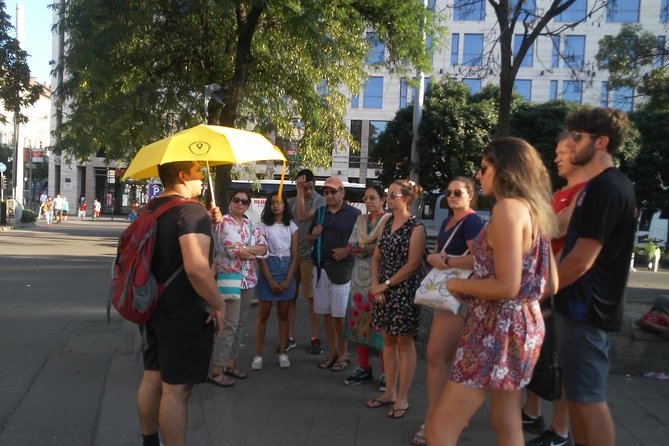
Budapest has a way of turning politics into architecture. You can walk past domes, squares, and government buildings and still feel the pressure of the 20th century under your feet. This tour makes that connection for you, step by step, without making it feel like a lecture.
I especially like that you’re not stuck in one “theme zone.” Instead, the guide links communism to three different areas people care about: religion, public order, and resistance. That mix is what keeps it from becoming a single-note history walk.
You’ll also get a sense of how Budapest’s present-day rhythms are shaped by what happened under communist rule. The best moments aren’t the postcard views—they’re the guide’s explanations of why a place looks the way it does, and what changed when the system did.
You can also read our reviews of more walking tours in Budapest
Starting at Blaha Lujza tér: Getting Your Bearings Fast
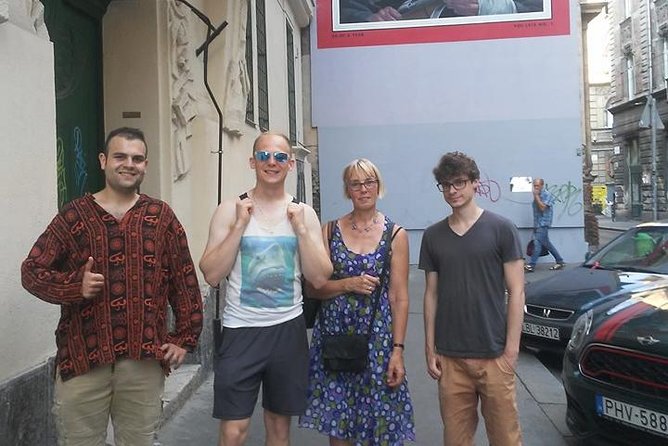
The tour starts at Blaha Lujza tér at 6:00 pm, then ends on Kossuth Lajos tér 1–3 near the Parliament area. That end point matters because it places you at the center of the story—Hungary’s political stage—right when the light and crowds are different from midday.
You’ll be walking through central Budapest with the help of a guide who knows how to pace attention. With a group size capped at 15, you’re not being herded or left behind. And because the route is designed for people who can walk (or wheel) themselves about 3 kilometers, you should feel like you’re part of the walk, not stuck “keeping up.”
A practical tip: check the weather before you go. The experience requires good weather, which makes sense for an evening route that depends on outdoors time.
Andrassy Avenue: The City’s Memory Before the Big Stops
Before you hit the headline landmarks, you walk down Andrassy Avenue. This stretch is a smart opener because it gives you context for how neighborhoods and monuments evolved over time. Instead of starting with one dramatic building, you start with a corridor of change—where the guide points out shifts to areas and former monuments.
This “setup walk” is useful even if you’re only casually interested in communism. You’ll start noticing how regimes left marks in planning, cultural signals, and public symbolism. It also helps you understand why later stops feel so charged.
If you don’t love long stretches of sidewalk history, the good news is the guide keeps moving and ties each note back to what you’re actually seeing around you.
St. Stephen’s Basilica: Church, Control, and a Football Story You Won’t Expect
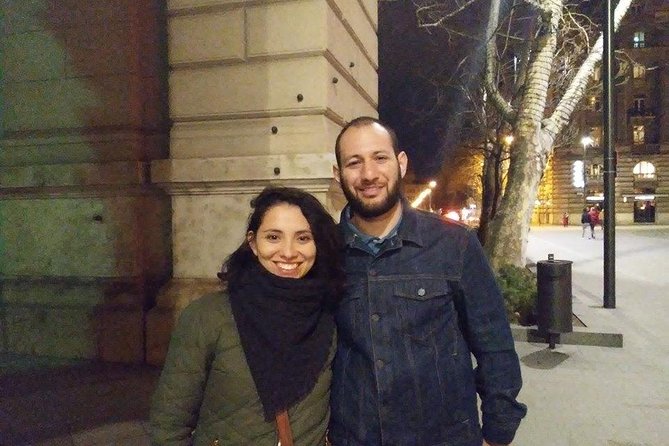
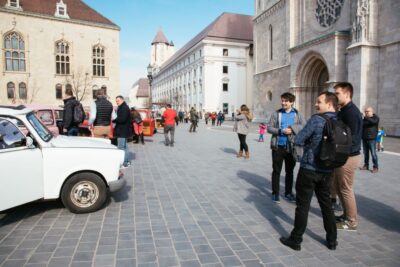
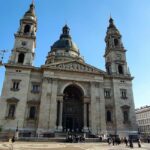
Stop 1 is St. Stephen’s Basilica (Szent Istvan Bazilika). On paper, it’s a stunning religious landmark; in this tour, it becomes a lens for how communism affected church life and religious practice in Hungary.
The guide explains communism’s impact on Hungarian religion, which adds a human layer to the political story. You’re not just hearing about laws or slogans—you’re seeing how ideology can pressure spiritual life and public identity.
A memorable detail here involves a famous Hungarian football player: the guide tells you how he fled the communist system and was later buried at the church. That kind of personal arc makes the stop feel less abstract, like you’re connecting ideology to real people making dangerous choices.
This stop is marked as free admission, so you’re not adding an extra cost for getting inside. Plan for about 10 minutes at the basilica—enough time to orient yourself and absorb what the guide is explaining, without turning it into a long detour.
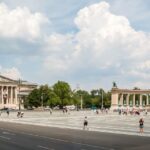
Liberty Square: Where Economic Power and Protest Collided
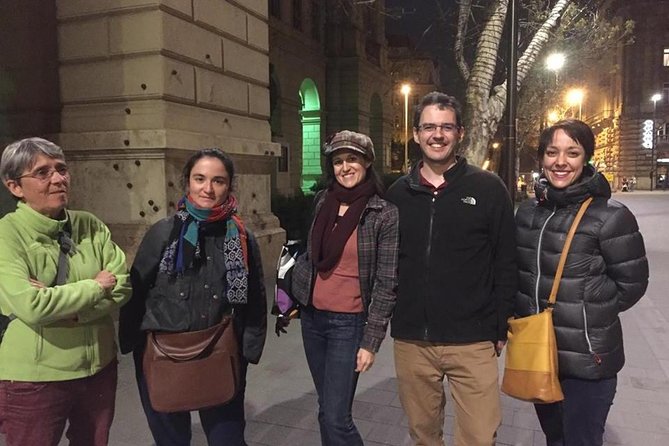
Then you head to Liberty Square, one of the most important places in the tour for anyone who wants the “communism in real life” version of history.
Liberty Square is where the stock exchange used to be and where it shut down at the beginning of communism. That’s a sharp clue about what the system prioritized—control over markets and economic flow, not the normal rhythms of capitalism. The guide ties that economic change to the way the public experienced the new order.
This is also a protest site, with the tour noting it as the location of bloody protests. That phrase isn’t used for drama. It’s used to help you understand that resistance wasn’t only in speeches or underground pamphlets. It showed up in public spaces, and those spaces carried consequences.
Expect around 15 minutes here. The setting can feel busy at street level, and you might have to deal with the usual urban sounds while you listen. One review note that struck me as realistic: sometimes your exact spot on the street can matter for comfort. If you can, arrive with a little patience and be ready to shift a step for better sightlines.
Like the basilica stop, this is marked as free admission on the plan.
You can also read our reviews of more historical tours in Budapest



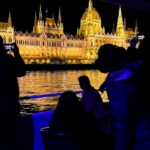
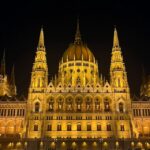
Hungarian Parliament Building: 1956 and the Weight of Collective Memory
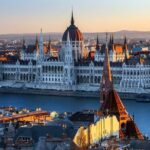
Next is the Hungarian Parliament Building. Even if you’ve seen photos, the explanation here is what gives the building its emotional weight.
The tour focuses on the 1956 uprising against the ruling communist party. The guide points out that considerable blood was shed during that period, and you feel the gravity of the place as the story lands on the real location—not just in theory.
This stop ties the entire tour together. Earlier you learned about communism’s impact on institutions like religion and the economy. At Parliament, you see the final piece: what happened when citizens pushed back hard enough that the conflict became visible and deadly.
You’ll have about 15 minutes at this stop. That’s not a “stand in front of a building all night” pace. It’s timed to keep you moving and learning, while still letting you absorb the core message.
The tour plan also marks admission here as free, which helps keep the experience straightforward.
What You Learn: Communism as a System, Not a Theme
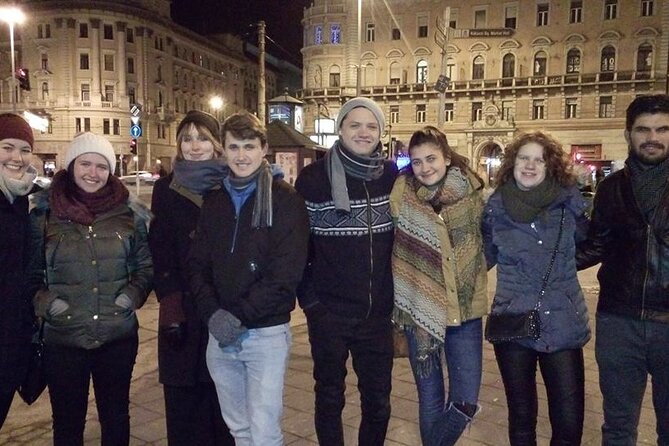
The tour’s strongest quality is how it connects politics to everyday life. It’s not only about dates. It’s about how a regime shapes how people behave, what they fear, and what they practice quietly.
I like that the guide speaks like a teacher: clear structure, strong command of details, and a way of explaining that doesn’t assume you already know the terms. In particular, Victoria’s background as an academic-style instructor comes through in the way she connects cause and effect. She also uses humor and story elements so the facts don’t feel heavy in a lifeless way.
You also learn to look at Budapest differently after this walk. Once you’ve heard the specific explanations—like why the stock exchange closed, or what the church represented under communist pressure—you’ll notice the city’s “signals” more easily in your next day of wandering.
And if you’re the type who wants follow-up, the tour naturally points you toward deeper study. One of the best suggestions people make after this kind of evening walk is combining it with a darker, museum-focused perspective on terror and repression—but you can decide that based on your own comfort level.
Pace, Distance, and Comfort: The 3-Kilometer Reality Check
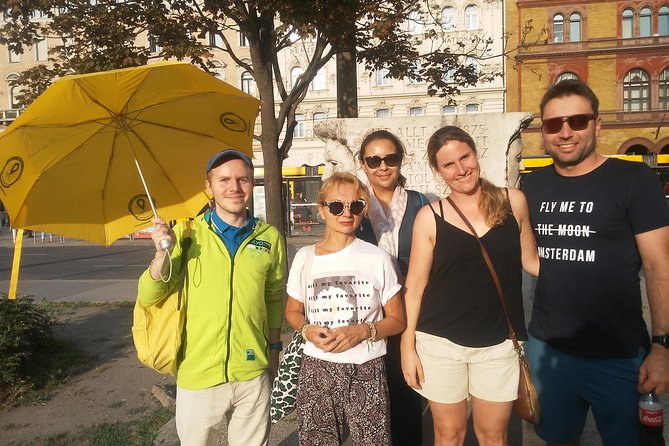
This is an evening walking tour designed for people who can handle roughly 3 kilometers on their own (or with a wheelchair). Most travelers can participate, and service animals are allowed, which is helpful to know up front.
In practical terms, the pace is active but not sprint-fast. The best way to enjoy it is to treat it like a guided “city reading session.” Wear shoes you can stand and walk in comfortably for an hour or two. If you’re sensitive to crowds, keep in mind you’ll be on public streets and at major landmarks—so you’ll get normal city noise.
Because bottled water is included, you don’t need to think about buying a drink at the last minute. Still, it’s smart to bring your own small snack if you tend to get hungry in the evening.
Price and Value: Is $36.01 Worth It?
At $36.01 per person for about 2 hours, this is priced like a focused guided experience rather than a casual neighborhood stroll. The value comes from three things you can feel during the tour: small group size, a guide who teaches with depth, and a route that connects multiple high-impact sites.
You’re also not paying for separate entry in the listed major stops, which reduces surprise costs. The inclusion of bottled water is small but real. For an evening start, it’s the kind of detail that makes the experience smoother.
If your goal is to “see Budapest,” you might think this is too specific. If your goal is to understand the communist era’s imprint on the city’s institutions and public life, this is a strong use of your time—especially because it teaches you to read the buildings and squares you’ll pass later on your own.
Who This Tour Suits Best (and Who Might Skip)
This works well for you if:
- you want political history that explains why places matter
- you like walking tours with a clear storyline
- you prefer a small group and a guide who can answer questions
- you want an evening option that still feels substantial
You might consider skipping if:
- you dislike history that includes protests and violence (the tour addresses bloody protests and the 1956 uprising)
- you want a purely architectural sightseeing loop with minimal context
- you have limited mobility and can’t manage about 3 kilometers of walking
Practical Tips for a Smoother Evening
Here are a few no-stress moves that help you enjoy the walk more:
- Bring comfortable shoes first. The main stops are outdoors public spaces, and you’ll be on sidewalks.
- Expect normal city sounds near squares and landmark areas. If a spot is noisy, the guide can usually reposition the group slightly.
- If you’re also visiting museums the same day, plan buffer time. This tour ends near Parliament Square, which can be a convenient launching point for more exploration.
- If you like learning, come ready with at least a basic idea of what you mean by communism vs. resistance. The guide’s job is to add clarity, not teach from zero.
Should You Book This Tour?
I think you should book this tour if you want Budapest’s communist era explained in a way that actually changes how you see the city. With Victoria as the guide, the experience feels structured and teachable, and the small-group size keeps it from turning into a noisy group shuffle.
It’s also a smart value for the time: you get multiple major sites, a coherent narrative, and bottled water included, all in roughly two hours. Just be honest with yourself about the walking distance and the subject matter. If you can handle that, you’ll leave with a much sharper understanding of why Budapest looks the way it does—and why certain squares and buildings still carry weight.
FAQ
How long is the Communist History Evening Walking Tour of Budapest?
The tour runs about 2 hours.
How much does the tour cost?
The price is $36.01 per person.
What time does the tour start?
The start time is 6:00 pm.
Where does the tour start and end?
It starts at Budapest, Blaha Lujza tér, 1085 Hungary and ends at Budapest, Kossuth Lajos tér 1-3, 1055 Hungary, near Parliament Square.
Is the tour in English?
Yes, the tour is offered in English.
How far do you walk?
You should be able to walk (or wheel) yourself about 3 kilometers.
What’s included in the ticket price?
Bottled water is included.
Are there entry fees for the main stops?
The tour plan notes free admission for the listed major stops including St. Stephen’s Basilica, Liberty Square, and the Parliament Building.
What happens if the weather is bad?
The tour requires good weather. If it’s canceled due to poor weather, you’ll be offered a different date or a full refund.
How big is the group?
The maximum group size is 15 travelers.