REVIEW · BUDAPEST
Budapest: Buda Castle Cave Tour
Book on GetYourGuide →Operated by Duna-Ipoly Nemzeti Park Igazgatóság · Bookable on GetYourGuide
Under Buda Castle, history walks beside you. The Budapest Buda Castle Cave Tour guides you through limestone passages and 800-year-old cellars, with stories that range from wine cellars to wartime shelters. I like the mix of geology and human survival, and I also love how guides such as Vicky or Eva keep it lively.
One catch: the cave runs around 12°C / 54°F year-round, and your clothes can get dirty on the walk. If you have mobility limits or struggle with claustrophobia, this is unfortunately not a good fit, and the tour isn’t wheelchair accessible.
For about $19, you get a guided stroll that lasts 40 minutes to 1.5 hours. It’s a practical way to understand Castle Hill that still feels like an adventure, not just another indoor stop.
In This Review
- Key things to know before you go
- Entering the Castle Hill labyrinth: where the tour actually starts
- What the “1-mile” cave walk feels like underground
- The big story you’ll hear: limestone, cellars, shelters, and prisons
- The geology lessons you can actually sense (not just read)
- The guides: humor, pacing, and real personalities like Vicky and Eva
- Price and value: is $19 worth 40 minutes to 1.5 hours?
- What to bring (and wear) for a 12°C cave
- Rules that affect comfort: no pets, no strollers, and no cameras
- Who should book this cave tour, and who should skip it
- Should you book the Buda Castle Cave Tour?
Key things to know before you go
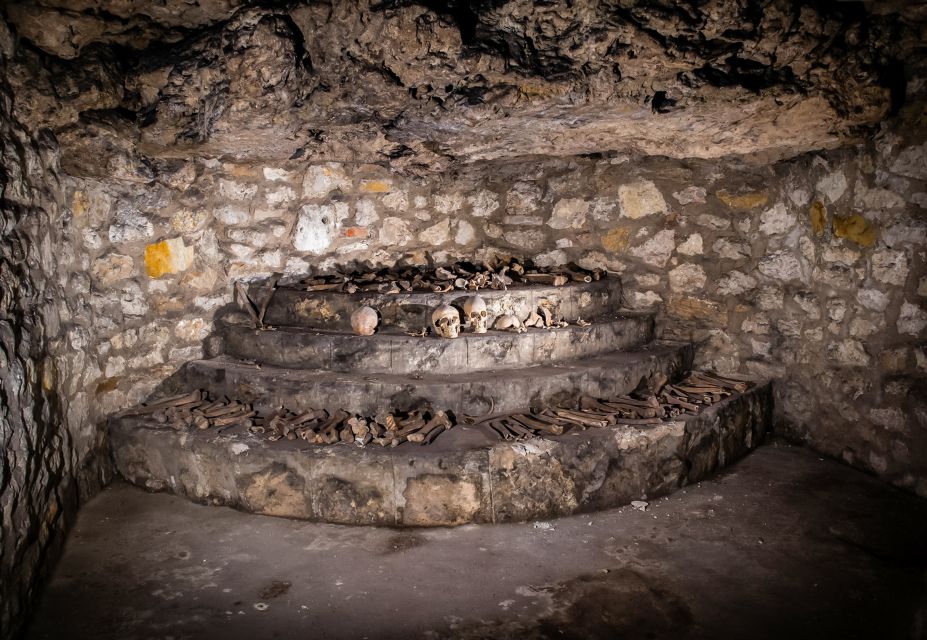
- A true “walk through history”: tunnels and chambers used for multiple eras, from medieval functions to WWII shelter stories
- Built for a manageable pace: paved cave roads, lighting, and a roughly 1-mile route on the standard walk
- Cold, but predictable: expect 12°C / 54°F, even in winter
- Guided, not self-guided: English live guide, and audio guides are not included
- No cell service down there: plan to rely on the guide and any offline info you saved
- Not for everyone: not recommended for mobility issues or claustrophobia, and not accessible for wheelchairs
Entering the Castle Hill labyrinth: where the tour actually starts
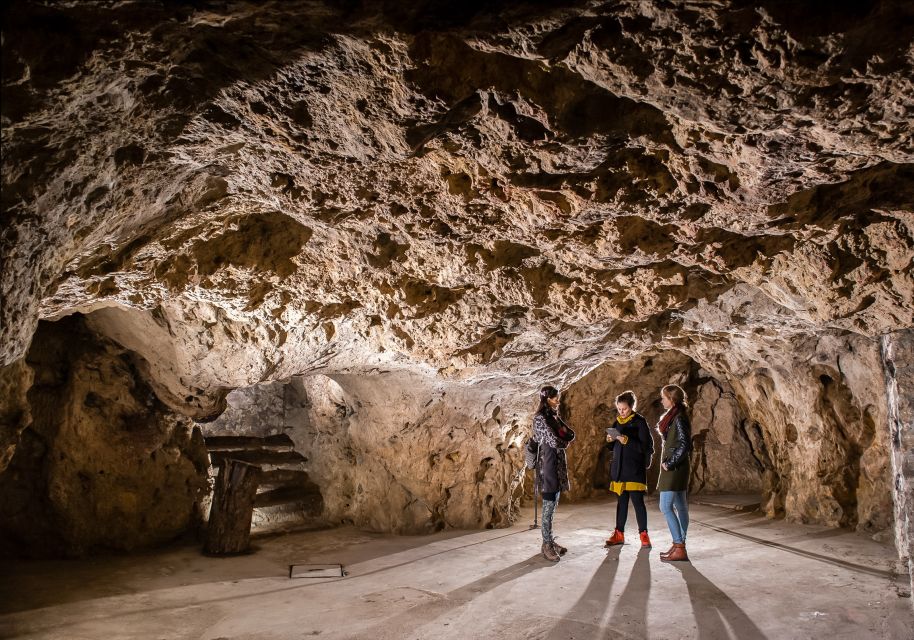
This is one of those Budapest experiences where the setting matters as much as the underground sights. You’ll meet the group either at Trinity Square (Szentháromság tér) or, for the shorter option, at Dárda Street. The meeting point can vary by which tour time and option you book, so check your confirmation and arrive a little early.
Once you’re inside, the tour starts with a quick introduction. That matters because this cave network can feel like a maze even when the roads are paved. The guide sets the map in your head—what you’re seeing, why it exists, and how people used it across centuries.
Practical tip: the tour meeting point can be different from where you end. I’d strongly suggest you confirm the finish point with the guide or in your booking details before you lock in any meet-up plans outside the cave.
You can also read our reviews of more tours and experiences in Budapest.



What the “1-mile” cave walk feels like underground
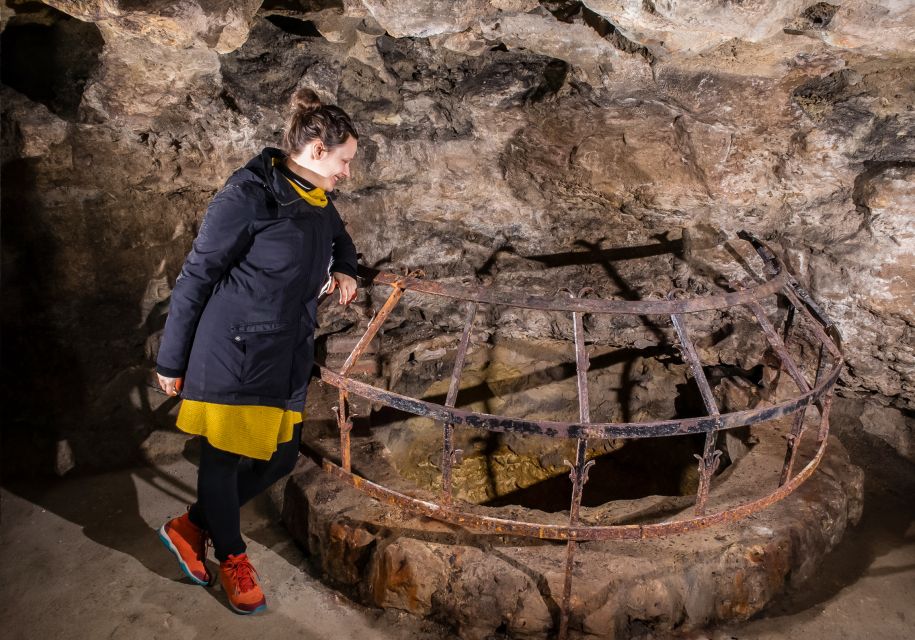
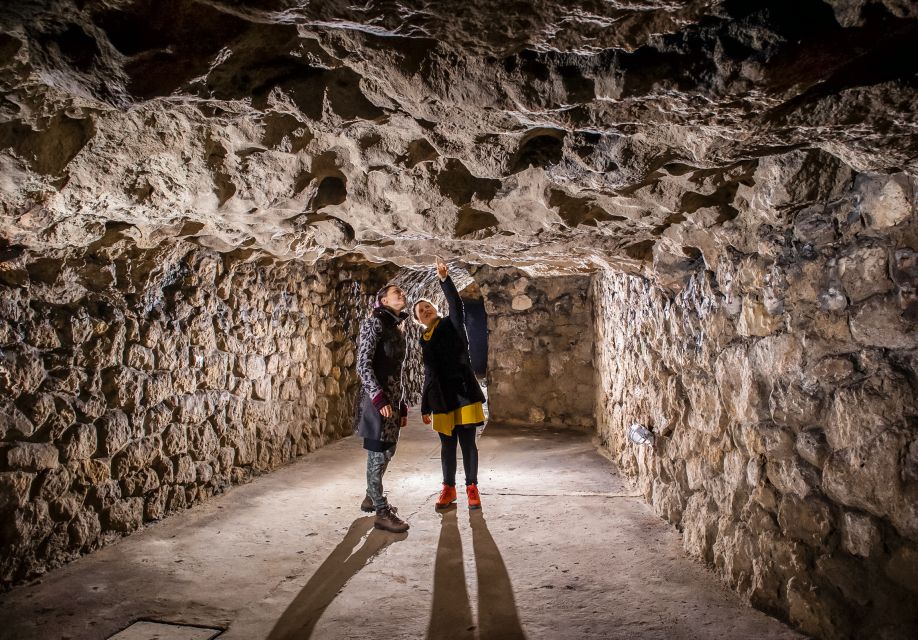
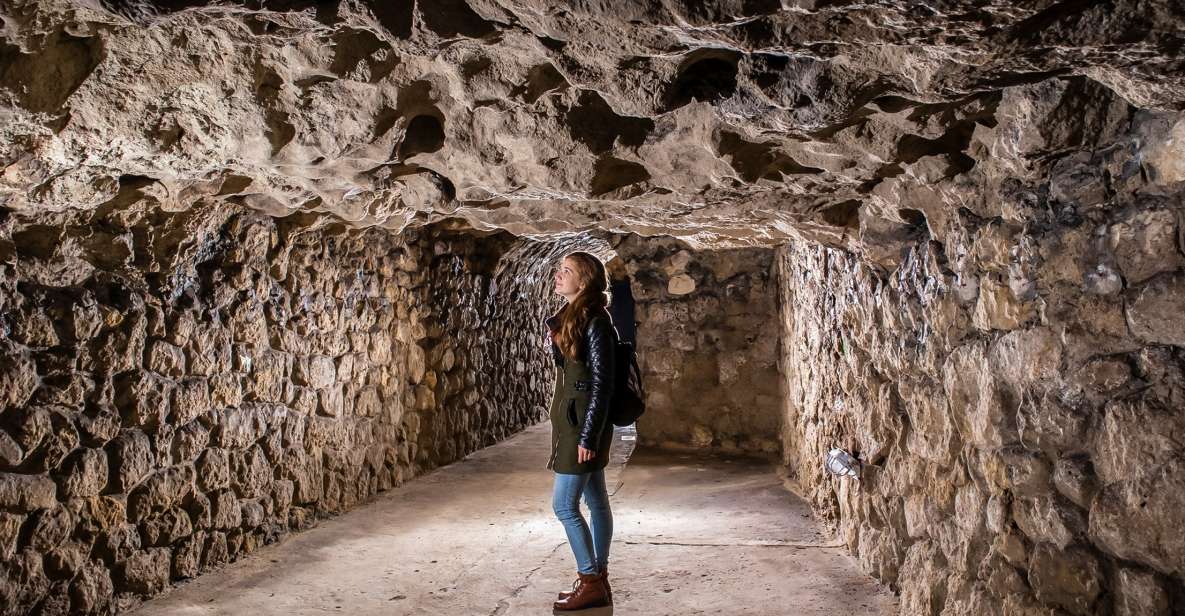
The standard route is roughly 1.5 km (about 1 mile). You’re not scrambling across rocks or hiking a muddy slope. The tour takes place in a cave with paved roads and lighting, so the main challenge is the environment, not technical terrain.
Expect a steady guided walk rather than a stop-every-few-minutes museum style. That’s a good thing for most people because you still get that “time travel” feeling. Reviews also point out that the cave areas can feel spacious—so if you’re only mildly uneasy about tight spaces, it may not be as bad as you fear. Still, the tour is explicitly not recommended for claustrophobia, and it isn’t designed for anyone who needs easy accessibility.
Bring the right shoes. Closed-toe footwear is required, and even on paved cave paths, your shoes and pants may pick up cave dust or get scuffed. The rules also warn that you might get dirty if you lean on walls or if the paths are muddy.
The big story you’ll hear: limestone, cellars, shelters, and prisons
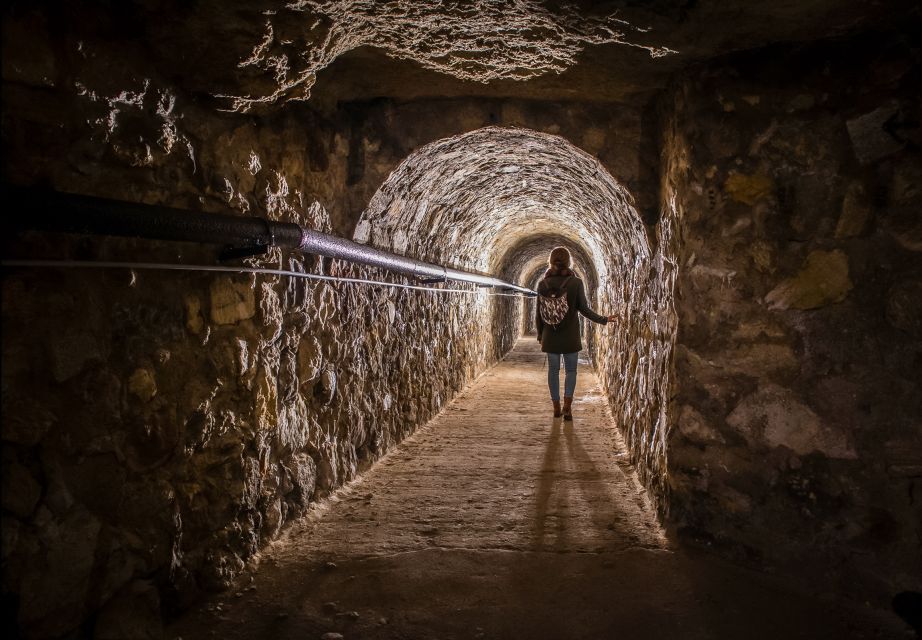
The heart of the tour is what the guide links together: the natural cave geology plus centuries of human use.
You’ll learn about:
- the limestone that forms the caverns
- the shape of the underground network under Castle Hill
- how people adapted parts of the system for practical needs
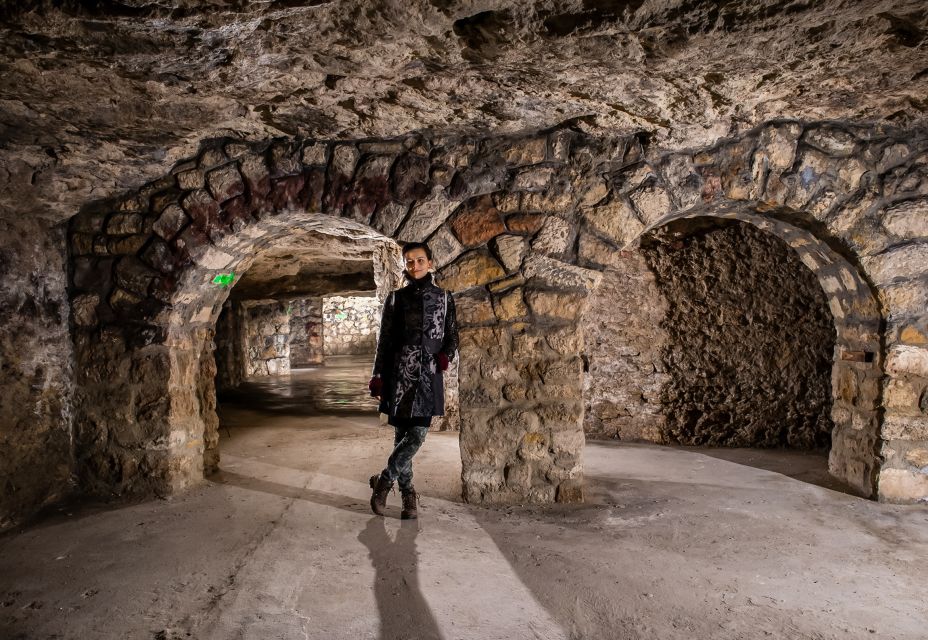
The human timeline is part of the magic. The cave network is described as having served as wine cellars, bomb shelters, and even a medieval prison. That’s the kind of contrast you can’t get from a surface walking tour. One moment you’re looking at natural rock formations; the next, you’re hearing how people used the same space for survival, storage, and confinement.
One of the coolest details is the combination of natural and man-made layers—especially the 800-year-old man-made cellars. You don’t just hear the number. In the cave setting, the age feels real because you’re standing in the same stone environment that kept those rooms intact enough to be interpreted today.
From a “why it’s worth your time” angle, this is more than spooky underground sightseeing. It gives you a concrete reason Castle Hill is so important: the hill isn’t just pretty and historic above ground. It’s practical infrastructure below ground too.
The geology lessons you can actually sense (not just read)
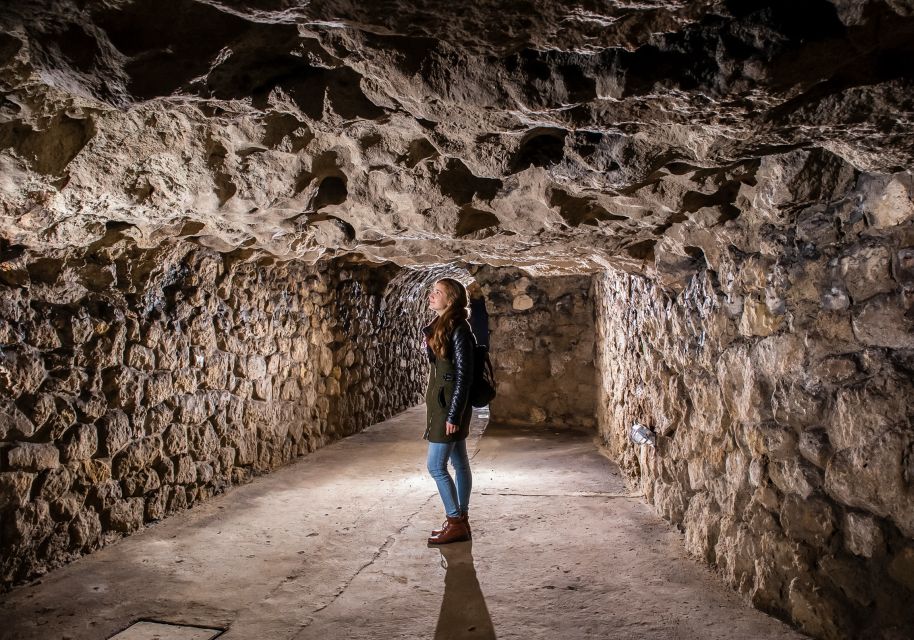
Budapest sits on layers of geology that shape how the city looks and how it holds water, caves, and rock. Down here, you see that geology up close.
The tour’s focus on the unique geology isn’t just a lecture. You’ll be walking through limestone caverns, and your guide connects the rock to the cave system’s layout. That makes the underground feel less random. Instead of thinking, Why is there a tunnel here?, you start thinking, How did the water and rock create this space, and how did humans use it?
If you like science-lite travel—history with real-world material explanations—this part hits well. And because the cave paths are lit, you’re not guessing what your guide points to. You can look, then hear the story, then connect the two.
The guides: humor, pacing, and real personalities like Vicky and Eva
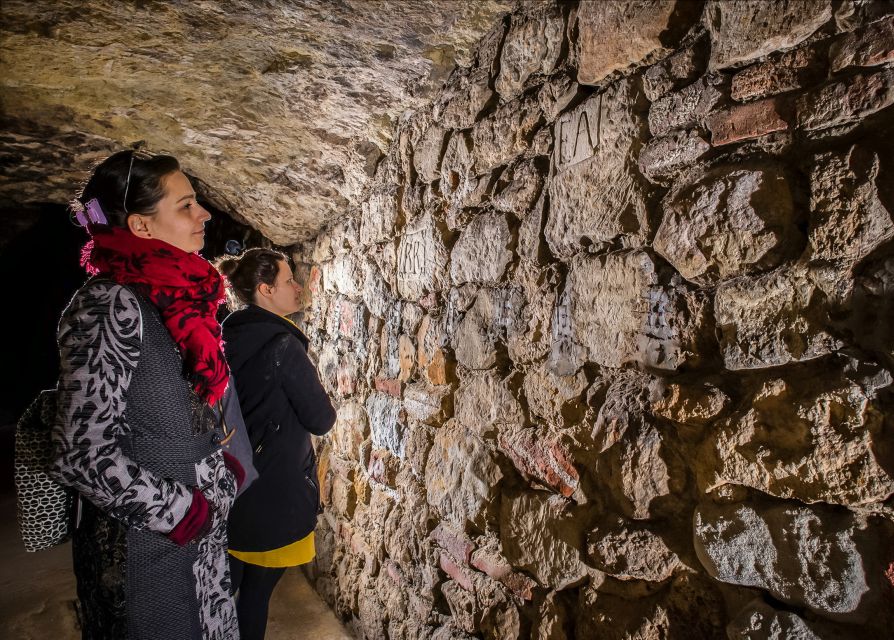
This tour lives or dies by the guide. The good news: English-language guides like Vicky and Eva show up again and again in the experience details you provided. What stands out is how they mix clear history with humor, so the time passes quickly instead of dragging.
You’ll also notice a pattern in how the best guides run the group:
- They keep a good pace for the cave environment
- They explain concepts in plain language
- They answer questions along the way
- They make sure everyone stays together
Some tours may include small extras such as artifacts shown to the group, which helps break up the walking and gives you something physical to connect the stories to.
What you should do as a guest: ask one question early. Since the guide is the main source of information and the cave has no cell service, your best way to get value is to lean into the live storytelling.



Price and value: is $19 worth 40 minutes to 1.5 hours?
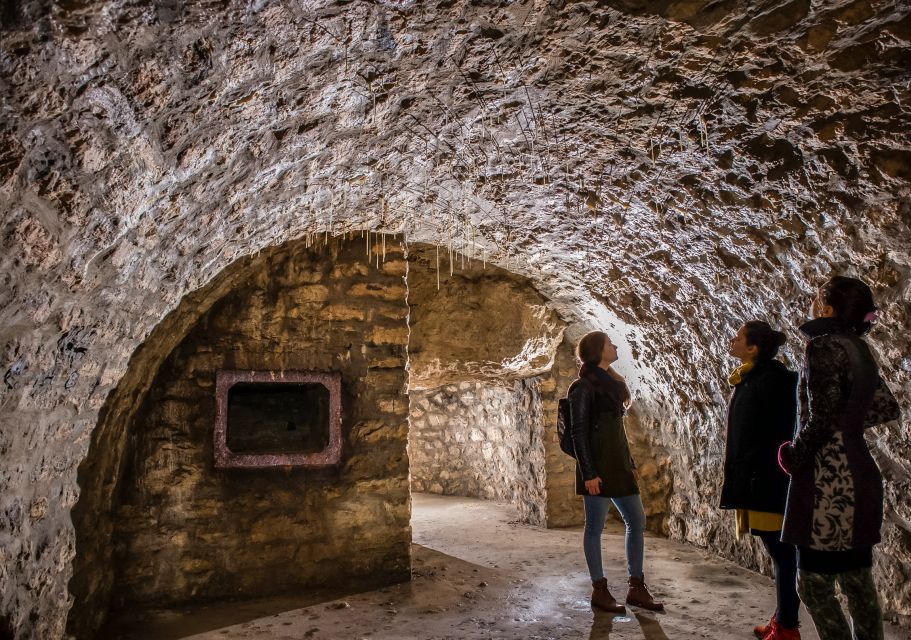
At $19 per person, this is priced like a solid short attraction, not a premium full-day tour. The value comes from what’s included: a walking tour plus a live guide.
What you get for your money:
- Live explanations in English (not just signage)
- A guided route through a cave network where you’d likely be lost without context
- A mix of geology + multiple eras of human use
What you don’t get:
- Audio guides (so don’t plan on headphones to catch up)
- A self-paced tour version
So the question is really this: do you want a guided story inside a cave for about 40 minutes to 1.5 hours? If yes, $19 feels fair. If you’re the type who prefers outdoor sights only, or you hate guided groups, you might feel like the time is too short to justify the rules and the cold.
For me, the best value case is when you’ve already spent time on the Castle Hill district above ground and you want the missing “what’s under it” perspective.
What to bring (and wear) for a 12°C cave
Here’s your simple packing plan.
Required and recommended:
- Warm clothing (it’s 12°C / 54°F inside)
- Clothes that can get dirty
- Closed-toe shoes with decent grip
Nice-to-haves:
- A layer you can shed outside and keep on inside
- Something that protects your legs and sleeves if you’re the type who naturally leans on cave walls
Also note the cave conditions:
- The roads are paved and lit, but can be muddy
- Your clothes and shoes may get dirty
- There’s no cell phone service inside
If you’re coming straight from a warm day or a quick walk through the city, don’t assume the cave will feel mild. It won’t. Build a comfort buffer and you’ll enjoy the tour more instead of constantly thinking about the temperature.
Rules that affect comfort: no pets, no strollers, and no cameras
The tour is run like an organized cave visit with safety and preservation in mind. That means you should expect these limits:
- Pets are not allowed
- Baby strollers aren’t allowed
- Smoking is not allowed
- Food and drinks aren’t allowed
- Alcohol and drugs aren’t allowed
- Video recording isn’t allowed
- Littering is not allowed
If you break the rules or act disruptive, the guide may escort you out without a refund. People under the influence of alcohol or drugs can also be turned away.
None of that is there to ruin your day. It’s there because caves don’t forgive careless behavior, and because keeping the experience safe protects it for future visits.
Who should book this cave tour, and who should skip it
I’d book this if you:
- like history that connects to a physical place
- enjoy science-flavored explanations of how the world works
- want something different from Budapest’s typical river-and-museum routine
- can handle a cool indoor environment and a short guided walk
I’d skip this if you:
- have claustrophobia (it’s not recommended)
- need wheelchair access (it isn’t accessible for wheelchair users)
- have mobility issues that make cave walking hard
- want a self-paced experience (audio guides aren’t included)
One more point: children under 3 aren’t permitted. So if you’re traveling with very young kids, plan something else.
Interestingly, some people who worry about confined spaces report that the cave can feel spacious. But the official caution still stands, so don’t gamble with your comfort.
Should you book the Buda Castle Cave Tour?
Book it if you want a short, guided underground experience that links limestone geology to real human stories—from wine cellars to WWII shelters and medieval uses. For $19, it’s a strong way to add depth to Castle Hill without spending hours in lines.
Don’t book it if you’re uncomfortable in enclosed spaces, need wheelchair accessibility, or dislike being in a structured group. Also, set expectations for the environment: it’s cold, you might get a little dirty, and your phone won’t work down there.
If you’re prepared with warm layers and closed-toe shoes, this tour is one of the most memorable ways to understand Budapest’s Castle Hill as a living system—above ground and below it.