REVIEW · BUDAPEST
Big Bus Budapest Hop-On Hop-Off Bus and Walking Tour
Book on Viator →Operated by Big Bus - Hungary · Bookable on Viator
Budapest’s highlights from street to skyline. This hop-on hop-off bus ticket is built for flexibility: you can board at any of 27 stops, ride the loop at your pace, then hop off for the sights (Heroes’ Square, Parliament, St. Stephen’s Basilica, and more). I love that the 16-language audio commentary gives you context while you’re riding, not after you’ve missed the view. I also love that the bundle includes a 1-hour guided walking tour, which helps turn landmarks into neighborhoods. My main caution: in colder months or busy times, you may run into bus switching and occasional audio glitches, so build a little slack into your day.
If you want an easy way to get your bearings fast, this is one of the more practical “first-day in Budapest” moves. You’ll also get a 30% discount toward a Danube cruise, which can be a nice add-on once you know where you want to spend your time.
In This Review
- Key things I’d bank on before you go
- Price and Logistics: what $42.13 buys you in real life
- Hop-on Hop-off route flow: the 27 stops and how to plan your day
- The audio commentary: 16 languages that make the bus feel like a tour
- Walking tour boost: why a 1-hour guide matters
- Danube cruise discount: what you’ll actually get at the water
- Stop-by-stop: from St. Stephen’s Basilica to Parliament (and back again)
- Start area: Big Bus shop / redemption point (Stops 1 and 26)
- City center anchors
- Bridges and Danube-side views
- Museums, gardens, and castle-zone practicality
- Jewish quarter and nightlife-adjacent stops
- Railway stations: use them like navigational waypoints
- Shopping, views, and government-corner landmarks
- When this works best: who should book
- My simple 1-day strategy (no stress plan)
- Value check: is $42.13 really fair?
- Should you book this Budapest Big Bus ticket?
- FAQ
- How long is the Big Bus Budapest hop-on hop-off experience?
- How much does it cost per person?
- How many stops are on the bus route?
- Are the buses audio-guided?
- Is a walking tour included?
- Is the Danube cruise included?
- Do I need hotel pickup?
- Can I hop on and off as much as I want?
- What language is the tour offered in at booking?
- Can I cancel for a refund?
Key things I’d bank on before you go
- 27 boarding stops let you start where it makes sense instead of forcing a single meeting point
- 16-language audio means you can enjoy the ride even if you don’t read plaques
- Unlimited rides for 1, 2, or 3 consecutive days turns one sightseeing plan into a low-stress multi-day loop
- A 1-hour guided walking tour helps you connect the bus stops to real street-level Budapest
- Danube cruise discount (30%) can be a good value, but double-check what’s actually included right now
Price and Logistics: what $42.13 buys you in real life
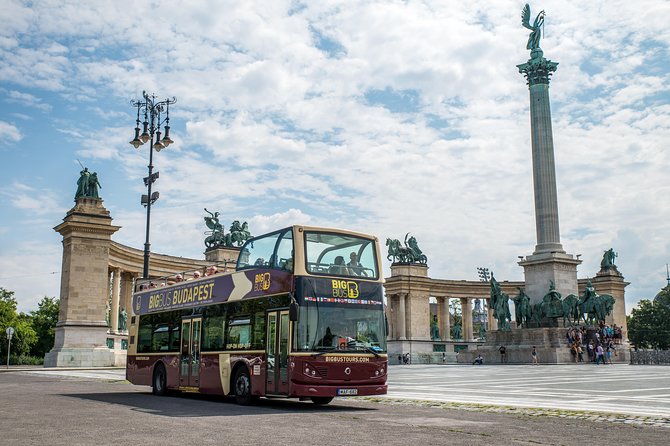
At $42.13 per person, this ticket isn’t just a seat on a bus. You’re paying for three things that work together: unlimited hop-on hop-off bus time (for 1, 2, or 3 consecutive days), an included 1-hour walking tour, and a 30% discount toward a Danube cruise. That math tends to work best when you plan to see multiple landmark zones in a short window, because Budapest covers a lot of ground between sights.
The route is designed to be repeatable. You can stay on for the full run, or hop off and come back later (with a consecutive-day pass). One practical note: the bus travels in a single chronological direction, so if you’re trying to get from point A to point B and then return to the start, expect to manage the timing. A clean rule of thumb from real-world use: plan around about a 2-hour round-trip for getting your bearings and heading back.
You also don’t get hotel pickup/drop-off. So you’ll want to start at a stop you can reach by foot, taxi, or public transit.
You can also read our reviews of more walking tours in Budapest



Hop-on Hop-off route flow: the 27 stops and how to plan your day
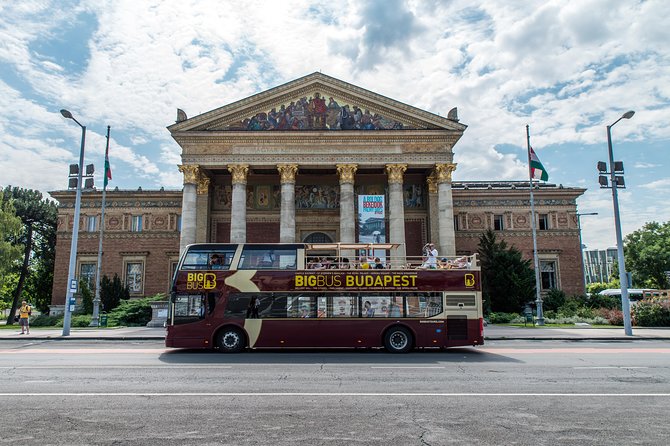
Budapest’s best views are spread out along the Danube, the castle area, and the wider city “ring” of major boulevards. The Big Bus route stitches that together with stop clusters that match where people actually want to go.
Here’s how to think about the loop:
- If you want orientation, ride early and stay on until you’ve seen the major showpieces.
- If you want time for photos and walking, hop off at the big landmarks, then re-board when you’re ready.
- If weather turns ugly, pick your re-boarding stops with care, because finding stops can be harder in rain or low visibility.
Also, keep an eye on bus type and roof position. Some rides are more exposed than others, and in winter you’ll likely see more covered setups. That’s normal for an open-top concept. The downside is that seating comfort and audio clarity can vary by bus and conditions.
The audio commentary: 16 languages that make the bus feel like a tour
The audio is one of the strongest reasons to buy this style of ticket instead of just using transit. You get commentary in 16 languages, timed to what you’re passing—so you can look out the window and still learn what you’re seeing.
In practice, though, audio quality isn’t always perfect. Some rides have had audio cut out mid-sentence or fall out of sync with the stops. That’s not the ideal scenario, but it’s also why you should treat this as a “guided view” rather than a once-and-done classroom lecture. If the audio glitches, you can still use the stop signage and your phone map to keep moving.
My best tip: use the bus route tools in the app if you’re running tight. There’s a Live Tracking feature and a Find a Stop helper that shows where you are and what stop you’re looking for, which can save time when signage is hard to spot.
Walking tour boost: why a 1-hour guide matters
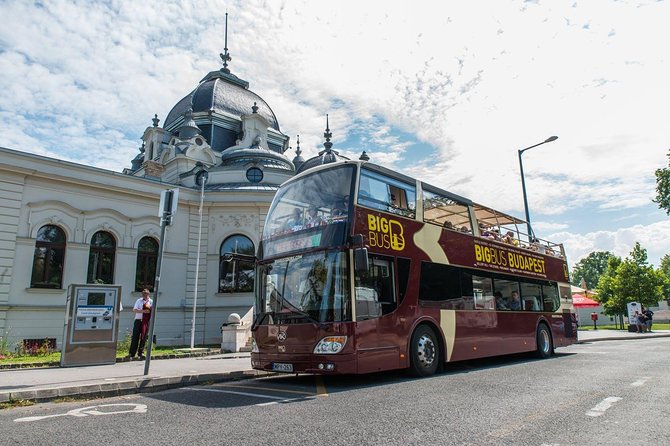
This ticket includes a 1-hour guided walking tour. Even if you don’t love walking tours, this one can add value because it fills in the “how to read the city” layer that bus commentary can’t always cover well.
The key benefit: the walking part helps you connect big, scenic stops (like the basilica zone or Parliament-side views) to real street patterns—where people live, how blocks feel, and what’s worth lingering on.
Don’t expect it to replace independent sightseeing. Instead, use it as your calibration tool. After the walk, you’ll be better at choosing which sights deserve a longer stop when you hop back on the bus.
Danube cruise discount: what you’ll actually get at the water
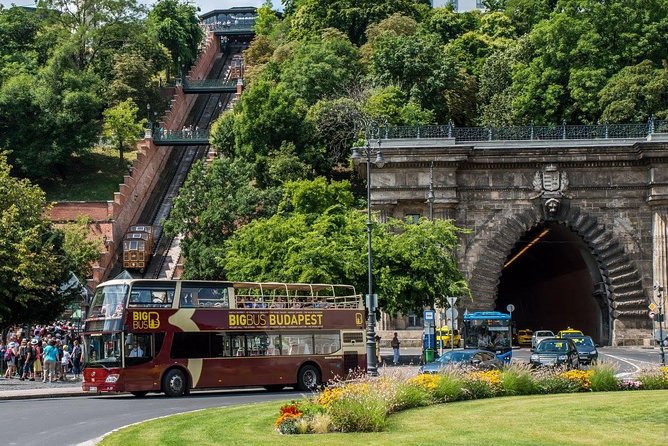
The package includes 30% off a Danube River Cruise. That’s a meaningful perk if you plan to do a cruise anyway, since the cruise often costs enough to matter.
One expectation check: there have been times when plans marketed as a full ride were later adjusted, leaving people with only the discount rather than a full included cruise. So before you commit, confirm the current cruise offer you’re booking with your voucher/ticket.
Also, consider how the cruise experience can vary:
- Some boats don’t always have clear views from every angle due to window mist or weather.
- In some cases, a lack of onboard audio can make the scenery feel more silent than you expected.
If you want a safe strategy, do your bus loop first so you know where riverside landmarks sit. Then pick the cruise time that matches your vibe—sunset is popular for a reason, but it’s also busier and more likely to be cold.






Stop-by-stop: from St. Stephen’s Basilica to Parliament (and back again)
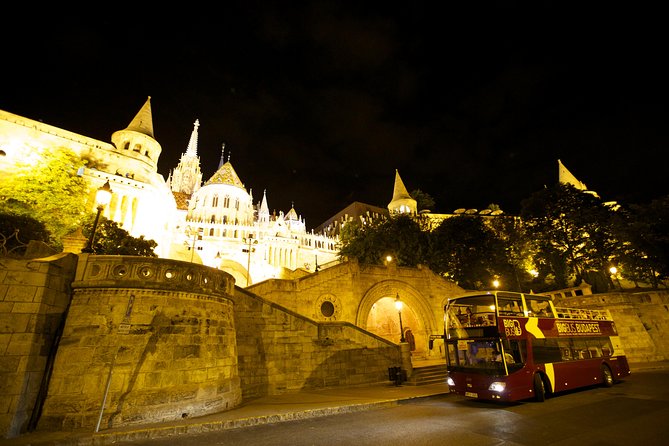
Below is the route logic in plain language. For each stop, I’ll tell you what’s nearby and what can be annoying.
Start area: Big Bus shop / redemption point (Stops 1 and 26)
Stop: Bajcsy-Zsilinszky út 17 (Big Bus Shop)
This is the main “make sure you’re set” area. If you’re new to the system, it’s a good place to orient yourself and confirm what paper/ticket format you’re using.
Stop: Bajcsy-Zsilinszky Road (near Stop 26 on the later part of the route)
This often acts like a re-entry point if you want to start or finish the loop near a central boulevard zone. It can be convenient, especially if you’re also planning transit connections.
City center anchors
Stop: St. Stephen’s Basilica (Stop 5)
This is the big one. Plan time to go inside if you want views up high and a sense of Budapest’s religious architecture. Even outside, the area is busy and photogenic.
Possible drawback: it’s a popular stop, so you may feel like you’re joining a crowd. Early or late re-boarding can make things smoother.
Stop: City Sightseeing Visitor Center (Stops 2–4)
These are more about access than sightseeing. Use them if you need help exchanging a voucher or finding your way to the next correct point.
Stop: Dohány Street Synagogue (Stop 8)
This is one of the city’s standout buildings. It’s a great stop for architecture lovers and anyone who wants a different mood than the basilica/castle areas.
Tip: if you’re doing multiple “big building” stops, spread them out a bit so your feet don’t revolt.
Stop: Andrássy út / Andrássy Avenue (Stop 10)
Think grand boulevard. This is where Budapest looks like a capital-city postcard. It’s also a strong area for wandering on foot between major landmarks.
Possible drawback: walking time adds up quickly here, especially if you’re also hopping on and off.
Stop: Hungarian State Opera (Stop 11)
If the exterior is impressive, the interior can be a whole experience too. Even if you don’t schedule a tour, the street setting makes this stop worthwhile.
Stop: Liszt Ferenc tér / Liszt Square (Stop 12)
Good for breaking up a long stretch. It’s a practical re-boarding node, and it can also be a quick “stretch your legs” stop.
Stop: New York Café (Stop 16)
This is a “see it at least once” kind of stop. The café is a famous setting, and just the area around it feels theatrical compared to quieter streets.
If you’re on a tight budget, you don’t have to dine there. Even a quick look around can still make this stop pay off.
Stop: Váci Street (Stop 17)
This is for strolling. It’s a classic shopping-and-walks zone where you can drop off after sightseeing and just live in the atmosphere for a bit.
Bridges and Danube-side views
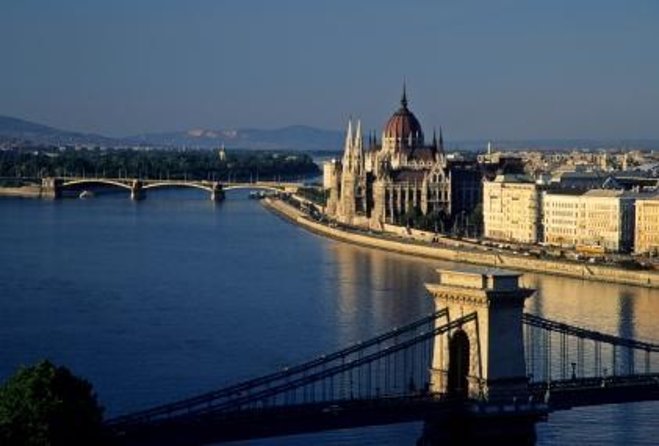
Stop: Széchenyi Chain Bridge (Stop 6)
This is one of Budapest’s iconic photo engines. If you want the classic skyline shot, this is your must-visit moment.
Timing matters: crowds swell fast. If you can, hop off slightly off-peak so you can enjoy the view without constant shoulder checks.
Stop: Margaret Bridge (Stop 22)
A great choice when you want more space and less “absolute tourist scrum.” It’s also a useful bridge link if you’re exploring the island area.
Possible drawback: if you’re trying to cross quickly and get back on, you may spend longer than planned because the walking paths are pleasant.
Museums, gardens, and castle-zone practicality
Stop: Heroes’ Square (Stop 13)
This is Budapest’s big “statue and symmetry” moment. It’s also a natural starting point for walking into surrounding areas.
Crowd factor applies again here. Go early if you want cleaner photos.
Stop: Castle Garden Bazaar (Stop 19)
This is the entry feel for the castle hill zone. It’s where shopping, snacks, and strolling culture mix together.
If you’re only “passing through,” keep it brief. If you like slow wandering, it’s a good place to do it.
Stop: Budapest Castle Hill Funicular (Stop 20)
If the castle hill is on your list, this is a serious time-saver. The funicular takes you up without the steep grind.
Practical note: funicular areas can be busy. If you’re trying to beat the crowd, go earlier in the day.
Stop: Batthyány tér (Stop 21)
This is a riverside/transport hub type stop with a good “orientation” role. It can help you connect to Danube-adjacent walking plans.
Jewish quarter and nightlife-adjacent stops
Stop: Anker köz / Anker Lane (Stop 9)
This small connector area is useful for neighborhoods rather than just one monument. It’s a solid stop for short walks and getting off your main bus route briefly.
If your goal is strictly landmark photos, you might treat this as a quick re-board marker.
Railway stations: use them like navigational waypoints
Stop: Budapest-Keleti (Stop 14)
This is a major rail hub. It’s helpful if you’re arriving or departing by train and want a clear “anchor stop.”
Stop: Nyugati Railway Station (Stops 23 and 27)
Same story: major transit hub. This is a practical re-boarding point when you’re planning day logistics.
Possible drawback: stations can be busy and not as “sightseeing-forward” as the landmark stops.
Stop: Puskás Aréna (Stop 15)
This is for the sports-and-modern-Budapest crowd. Even if you’re not attending an event, it can help you cover a different slice of the city beyond the classic historic core.
Shopping, views, and government-corner landmarks
Stop: Gellért Thermal Bath (Stop 18)
This is a “yes, that’s Budapest” stop. Even if you don’t go inside, the bath complex area is worth a stop if you want thermal-bath culture on your map.
Possible drawback: if you plan a bath visit, timing and entry planning can take over your day. Build in that possibility.
Stop: Hungarian Parliament Building (Stop 24)
The big government landmark. If you want the Parliament exterior and the riverfront views, this is the stop that delivers.
Crowds can be heavy around Parliament. If you’re photo-focused, go at calmer times and don’t cut it too close to re-boarding.
Stop: Petőfi Square (Stop 22 on the later route segment)
A useful city connection. This is more about location than one single “must-see” building.
Stop: Fővám Square (Stop 23 on the later route segment)
Again, a practical stop. It’s helpful if you’re moving through central districts or lining up a walking route.
Stop: Kálvin tér (Stop 24 on the later route segment)
Good for connecting to city neighborhoods and staying flexible. It’s another “logistics stop” that can still be worth a quick walk depending on your route plan.
Stop: Astoria (Stop 25)
This is a central hub zone. It tends to make sense as a re-entry point if you’re trying to stay near a lively area.
When this works best: who should book
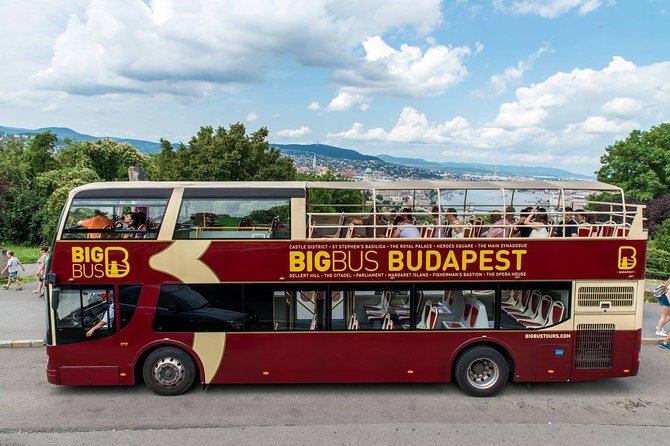
This ticket fits best if you:
- are in Budapest for a short time and want maximum landmark coverage
- prefer a self-directed schedule with a guiding voice from the bus
- want a structured first-day framework thanks to the walking tour
- are likely to do at least one Danube cruise (so the 30% discount actually gets used)
It may feel less worth it if you:
- only want one or two sights and would rather spend the rest of the day on foot
- hate the idea of potentially switching buses or dealing with imperfect audio moments
- are very strict about timing and can’t handle small disruptions
My simple 1-day strategy (no stress plan)
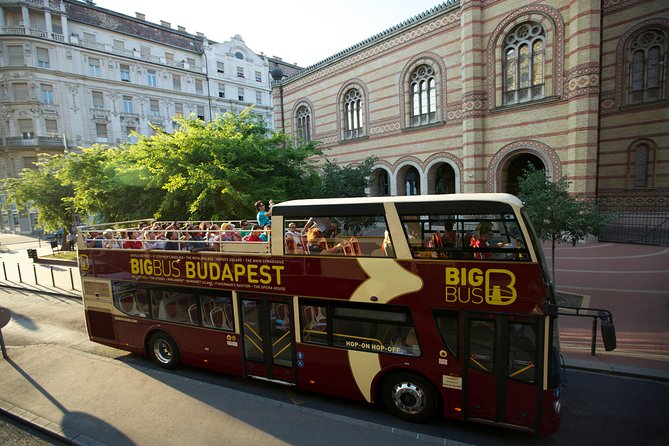
If you want a smooth day, here’s how I’d use it:
- Start early at a central stop (the basilica/Chain Bridge zones are usually good early targets).
- Ride the loop long enough to see the “big skyline beats,” then hop off at St. Stephen’s Basilica, Széchenyi Chain Bridge, and Heroes’ Square.
- Use Parliament as your later-day anchor before heading to a central area like Astoria or Váci Street for dinner-walk vibes.
Then, if you’re feeling energetic, add the Danube cruise discount once you’ve seen where the riverside landmarks sit from above.
Value check: is $42.13 really fair?
For many people, yes, because you get more than bus transport:
- Unlimited hop-on hop-off rides for 1–3 consecutive days gives you real flexibility.
- The included 1-hour walking tour adds a layer of “how to read the city.”
- The Danube cruise discount can reduce a big-ticket cost if you book it.
If you already know you’ll rely on public transport heavily, you might do better with just a shorter bus window and then use transit for the rest. One real-world example: some visitors find strong value when public transit covers most needs efficiently. So my advice is simple: think about how many times you’ll actually re-board and how much walking you want to avoid.
Should you book this Budapest Big Bus ticket?
I’d book it if you want an easy first-day structure, you like guided context while you move, and you’re open to adjusting your timing slightly. The route hits the big hits with strong coverage, and the audio in 16 languages keeps the ride from feeling like dead time.
Skip it or treat it carefully if you’re picky about audio quality, need perfectly predictable bus frequency, or you’re counting on the Danube cruise to be exactly what you think without a quick confirmation. Budgets and expectations matter here.
If you go in with a flexible mindset and use the app tools to find stops, this is a practical way to see Budapest at your pace.
FAQ
How long is the Big Bus Budapest hop-on hop-off experience?
The duration is about 1 hour 40 minutes (approx.).
How much does it cost per person?
The price is $42.13 per person.
How many stops are on the bus route?
The bus route has 27 stops where you can board.
Are the buses audio-guided?
Yes. Audio commentary is included on board, available in 16 languages.
Is a walking tour included?
Yes. A 1-hour guided walking tour is included.
Is the Danube cruise included?
The package includes a 30% discount on a Danube River Cruise. The data also mentions Danube cruise options as part of the overall package.
Do I need hotel pickup?
No. Hotel pickup and drop-off are not included.
Can I hop on and off as much as I want?
Yes. You get unlimited hop-on hop-off bus access for 1, 2, or 3 consecutive days (depending on the pass you choose).
What language is the tour offered in at booking?
It’s offered in English.
Can I cancel for a refund?
Yes. Free cancellation is available up to 24 hours in advance for a full refund.