REVIEW · BUDAPEST
Budapest: Jewish Heritage Guided Tour with Synagogue Ticket
Book on GetYourGuide →Operated by Hungaria Koncert Ltd. · Bookable on GetYourGuide
Synagogues and memory walk together here. I love how the visit includes the Dohány Street Synagogue inside, and I also like the chance to stand at the Holocaust memorial sites with clear, respectful context. One drawback to plan for: it’s not suitable for wheelchair users, so you’ll need comfortable shoes and a steady pace.
This tour is especially meaningful because it moves from beautiful architecture to hard history, without turning either into a blur. Many departures are led by English-speaking guides such as Benjamin, Scilla, Orshi, Suzanne, and Ursula, and the tone tends to be thoughtful and personal, not just lecture-style.
The price is $81 per person for a guided walk plus key entries, and I think it’s fair if you want more than sightseeing. The only caution: museum time can be tight, so come ready to ask questions and pick your priorities once inside the Jewish Museum.
In This Review
- Key highlights I think you should care about
- Jewish Quarter Walking Tour Value: what $81 buys you
- Where you start in the Jewish Quarter (and how that affects your day)
- Dohány Street Synagogue: Europe’s biggest in scale and symbolism
- Jewish Museum Budapest: art, daily life, and the Hungarian Holocaust room
- Holocaust Memorial Park: Raoul Wallenberg, Tree of Life, and a respectful pause
- Rumbach Street Synagogue and the Moorish Revival effect (longer option)
- Ghetto Wall exhibition: how it fits after the museum
- The guides: why the storytelling quality drives the whole experience
- Pace, practical comfort, and what not to bring
- Who should book this (and who should reconsider)
- Should you book the Budapest Jewish Heritage guided tour?
- FAQ
- How long is the tour?
- What’s included in the ticketed parts of the tour?
- Is this tour good for first-time visitors to Budapest?
- Does it include skip-the-line entry?
- What language is the tour guide?
- What should I bring?
- Is the tour wheelchair accessible?
- Are pets and large bags allowed?
- Can I cancel, and is payment flexible?
Key highlights I think you should care about
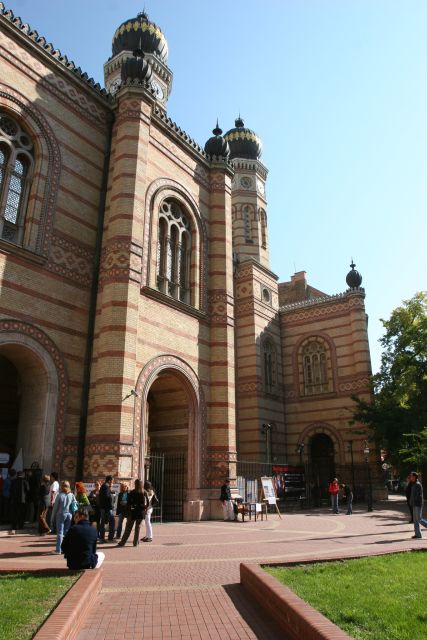
- Skip-the-line entry at the Dohány Street Synagogue using a separate entrance
- Dohány Street Synagogue ticket plus a guided walk through Budapest’s Jewish Quarter
- Jewish Museum Budapest with a dedicated room commemorating the Hungarian Holocaust
- Holocaust Memorial Park sites including the Raoul Wallenberg Memorial Park with the Tree of Life
- 4-hour option upgrades: Rumbach Street Synagogue entry and the Ghetto Wall exhibition
- Guides who answer questions and often share a personal, local perspective
Jewish Quarter Walking Tour Value: what $81 buys you
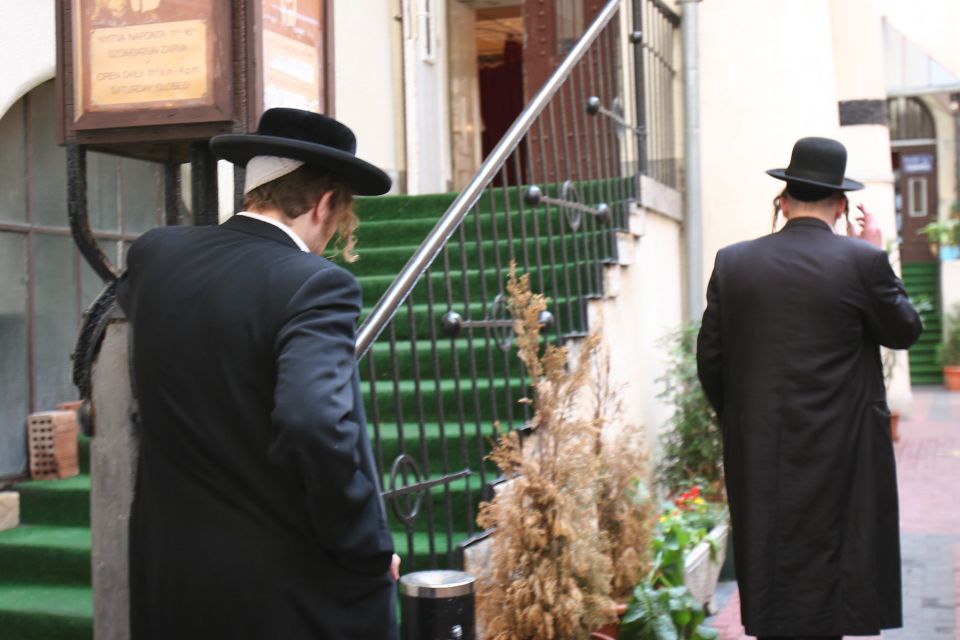
For $81 per person, this is one of those tours that earns its spot if you care about meaning, not just photos. You’re paying for two things most solo travelers don’t get easily: a guide who can connect places into a story, and timed access to major sites so your day doesn’t get hijacked by queues.
The duration is listed as 2–4 hours, and that range matters. If you’re short on time, the shorter option can still give you the backbone: Dohány Street Synagogue + Jewish Museum + the major memorial stops. If you choose the longer route, you add extra synagogue architecture and the Ghetto Wall exhibition—useful if you want more physical context around how the community lived and suffered.
You can also read our reviews of more tours and experiences in Budapest


Where you start in the Jewish Quarter (and how that affects your day)
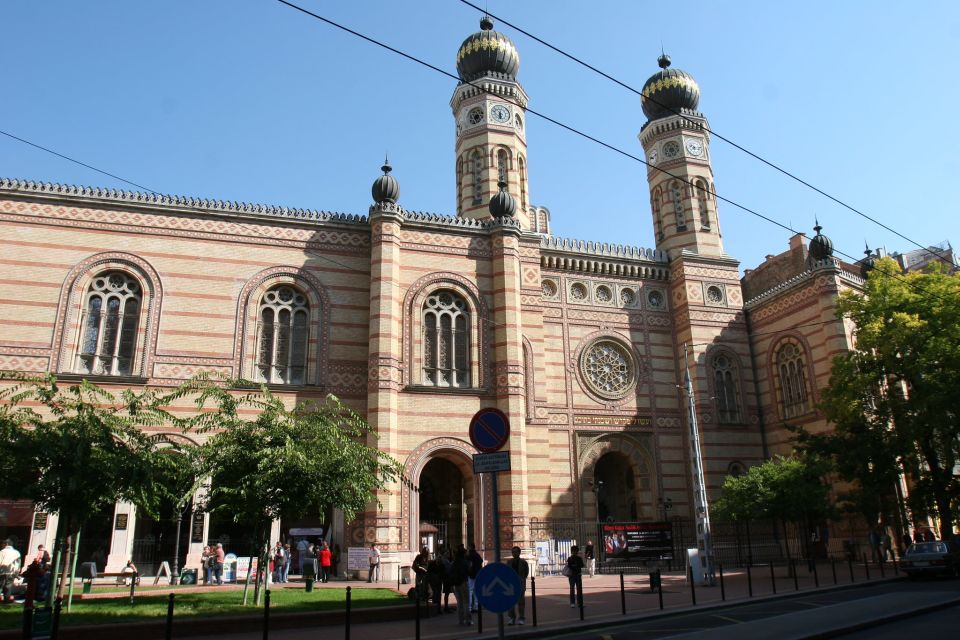
You’ll meet your guide at a location that can vary depending on the option you booked. The start options include Dohány Street Synagogue and the Jewish Museum, which means your walking direction—and your “mental order” of what you learn—can shift.
Starting at Dohány Street Synagogue often feels like you’re beginning with a landmark that instantly frames everything that comes after. Starting at the Jewish Museum can feel smoother if you want to anchor your understanding in artifacts and visual history before you step into synagogue space. Either way, you’ll be walking through the Pest Jewish Quarter area on foot, so treat this like a proper stroll with stops, not a fast hop-on/hop-off route.
Practical tip: plan your day so you’re not rushing to another timed activity right after. When the topic turns to Holocaust memory, the emotional weight is real, and you’ll appreciate having a small buffer.
Dohány Street Synagogue: Europe’s biggest in scale and symbolism
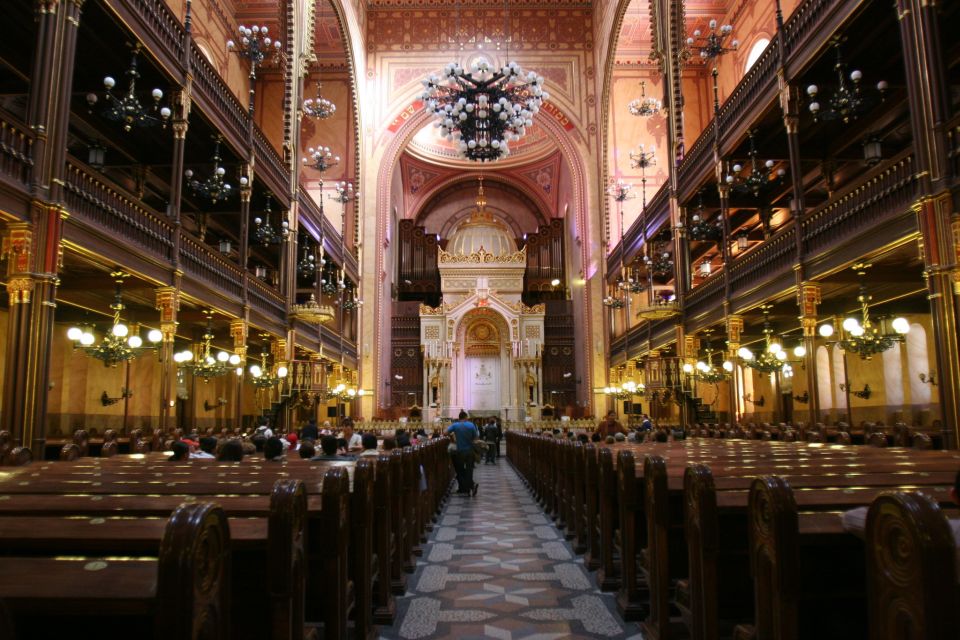
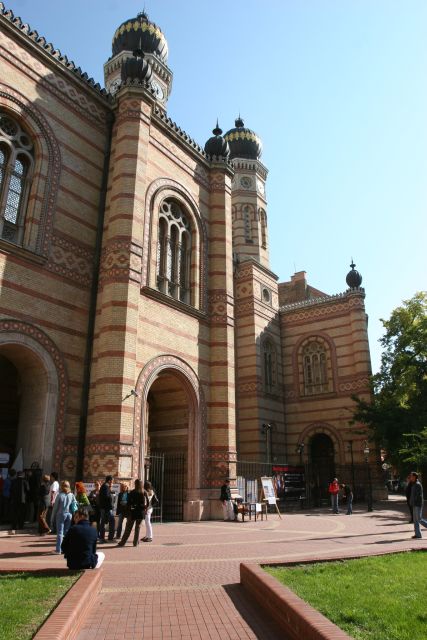
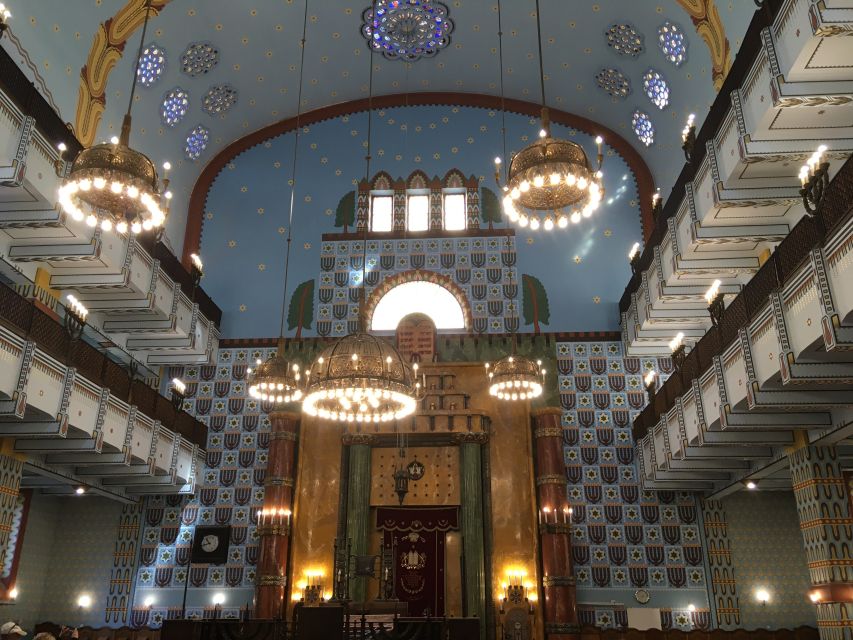
The tour’s centerpiece for many people is the Dohány Street Synagogue, described here as the largest in Europe and the second largest in the world. That scale alone is worth it—this isn’t a small building you glance at and move on.
You’ll first get the guided framing while you’re outside, including what the synagogue meant to the Jewish community in Budapest and its broader historical role. Then, you step inside with a guided visit and ticketed entry. Inside, you can expect high ceilings and an ornate interior, and the guide’s job is to explain what you’re looking at and why it matters.
Why I like this stop for you: it anchors the tour in real community life. Even though the day includes painful sections, starting with a place of worship and identity helps you understand that history wasn’t just crisis. It was also culture, ceremony, and everyday continuity—until it was violently interrupted.
Jewish Museum Budapest: art, daily life, and the Hungarian Holocaust room
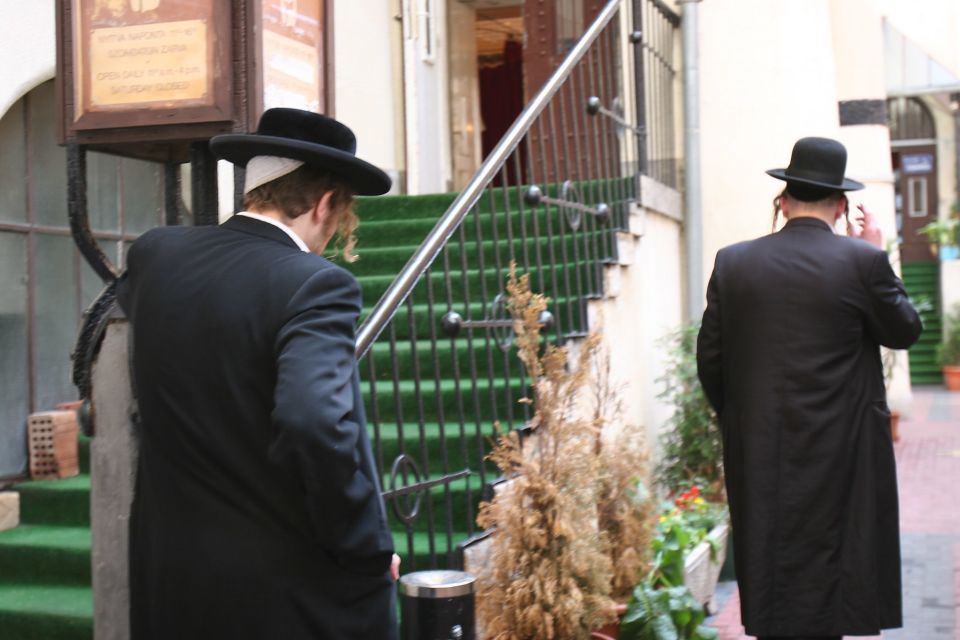
After the synagogue, the tour moves to Jewish Museum Budapest, where the focus turns to people and objects. Instead of only architecture and dates, you’ll see collections connected to Hungarian and Eastern European Jewish life, with art pieces that help you picture how community identity was maintained and expressed.
The guided approach here matters. A museum without guidance can feel like a maze of labels. With a guide, you get a narrative—holidays, everyday practice, and the way tradition was lived—not just what existed.
A key feature of this museum visit is that it dedicates a separate room to commemorate the Hungarian Holocaust and those who perished. This is the kind of space where a guide helps you slow down without lecturing. You’ll understand the significance of what you’re seeing and why the museum’s structure is built the way it is.
One caution to plan for: museum time is limited, so you may not be able to read every label closely. I’d treat it like a guided shortlist—take the big themes, then use the questions your guide can answer to fill in your gaps.
Holocaust Memorial Park: Raoul Wallenberg, Tree of Life, and a respectful pause
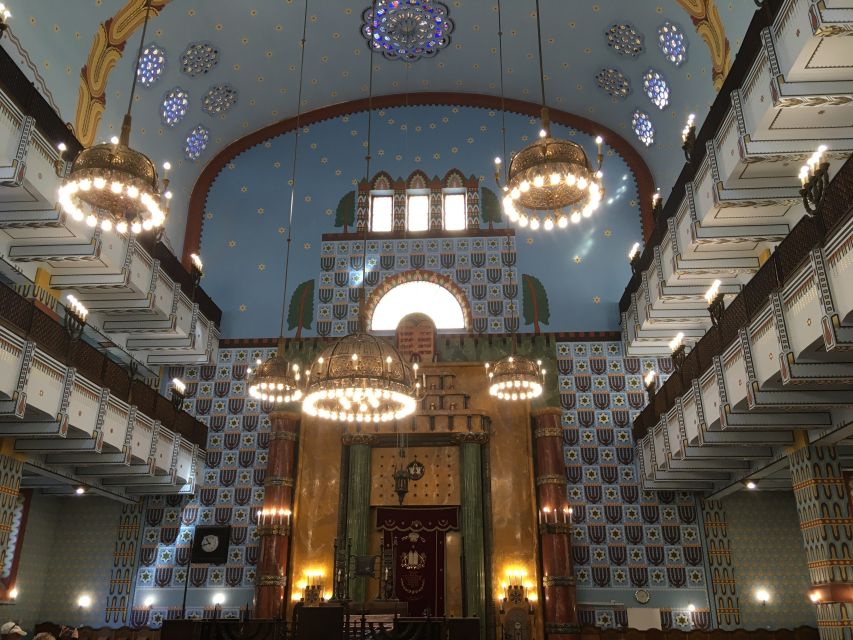
From the museum, the tour follows your guide to the Martyrs’ Cemetery and then to the Raoul Wallenberg Memorial Park, which includes the Tree of Life, plus the Heroes’ Temple. This cluster of stops changes the tone of the walk from education to remembrance, and the guide’s wording usually keeps things respectful and grounded.
What makes this part valuable is that it’s not one single marker. Instead, you experience multiple sites that each communicate something different—names, sacrifice, and the memory of those who tried to help. Raoul Wallenberg is included specifically here, which is important because he represents courage and moral action in a time when that was most needed.
How to get the most out of these stops: give yourself permission to be quiet for a few minutes. Ask a question if you’re unclear on a detail, but don’t force constant conversation. The point is to leave with an understanding you can hold, not just information you can repeat.
You can also read our reviews of more guided tours in Budapest






Rumbach Street Synagogue and the Moorish Revival effect (longer option)
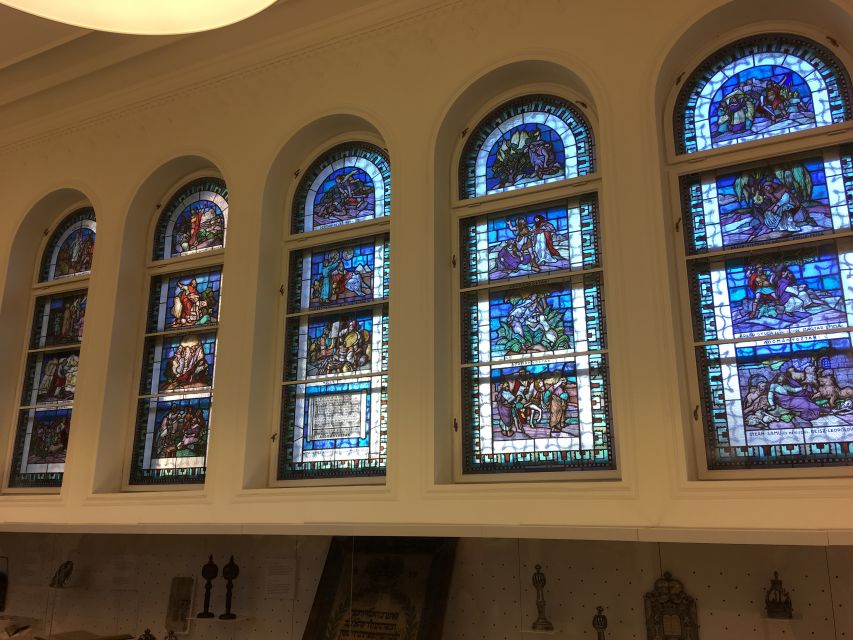
If you book the 4-hour option, you may add the Rumbach Street Synagogue, including entry. This is where the tour broadens beyond Dohány’s story into another dramatic piece of Budapest’s synagogue architecture.
The key detail here is the Moorish Revival look. You’ll likely notice that the feel of the building shifts from the Dohany interior style to a different visual language—more emphasis on decorative forms and a striking exterior presence. The guide also helps connect the architecture to the community’s identity and the era when the building was part of public Jewish life.
Why this matters: architecture is a clue. It shows what communities invested in, how they wanted to be seen, and how they built spaces for belonging. If you only do the shorter version, you’ll still get a powerful day, but the 4-hour add-on gives you more “how it looked” evidence alongside “what it meant.”
Ghetto Wall exhibition: how it fits after the museum
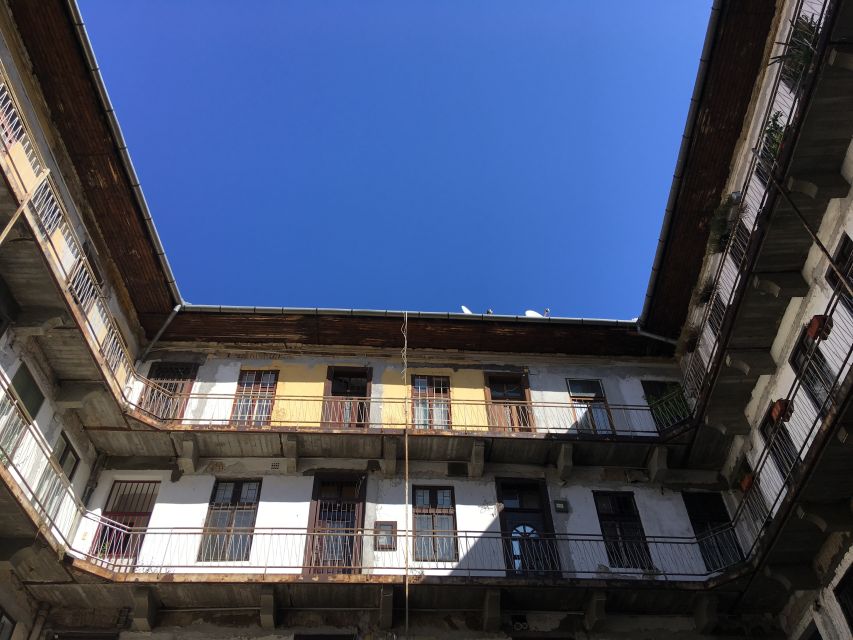
Also in the longer route, you’ll have access to the Ghetto Wall with exhibition. This stop complements the museum because it puts history into a physical boundary—something you can imagine lived near, not just viewed behind glass.
Even if you’re not a details person in museums, exhibitions like this help you connect themes you learned earlier. The day’s logic starts to feel tighter: community life, followed by persecution and forced separation, then memory and preservation.
Practical note: because this part is tied to the longer schedule, you’re choosing extra walking time and extra indoor time. If you’re the kind of traveler who wants depth but hates rushing, the 4-hour option can feel like the right balance.
The guides: why the storytelling quality drives the whole experience
A walking tour can be good or it can be excellent based on one thing: whether the guide can explain without losing the human thread. This tour’s standout feedback pattern is consistent—guides are described as passionate, engaging, and open to questions, with the best ones sharing personal perspective alongside historical facts.
Names that come up in the provided guide examples include Benjamin, and also Scilla, Orshi, Suzanne, and Ursula. I’d treat that as a clue for what you want from your booking: check the guide name when possible, and when you meet them, don’t be shy about asking questions.
If you want a simple strategy, use this order:
- Ask one big context question early (what am I looking at and why now?)
- Ask one detail question during each major site (a symbol, a date, a person)
- Save one reflection question for the memorial cluster (how do these places connect?)
That’s how you turn a route into an understanding that actually sticks.
Pace, practical comfort, and what not to bring
This is a walking tour with multiple site entries, so comfort matters. Wear comfortable shoes and expect you’ll spend meaningful time standing at exterior landmarks and inside major buildings.
The activity info is clear that it’s not suitable for wheelchair users, and pets aren’t allowed. Luggage or large bags aren’t allowed either, so travel light on this one. If you’re carrying a big backpack, you’ll want an alternative plan before you arrive—because the tour is designed to move without bottlenecks.
Who should book this (and who should reconsider)
This tour is a strong match if you:
- Want synagogue architecture plus museum context, not just one or the other
- Prefer guided explanation to independent searching
- Are comfortable with solemn subject matter, including Holocaust commemoration
- Like asking questions and building meaning as you go
You might reconsider if you:
- Need wheelchair accessibility (the tour is listed as not suitable for wheelchair users)
- Have a very short attention span for museum-style exhibits (time inside is limited, so you’ll get guided themes more than unlimited reading)
- Are sensitive to heavy memorial content and prefer a lighter day (this tour includes the Holocaust memorial sites and a dedicated Holocaust room)
Should you book the Budapest Jewish Heritage guided tour?
Yes—if you want a meaningful Budapest stop that connects buildings, museum objects, and Holocaust remembrance into one understandable walk. The biggest value is the pairing: Dohány Street Synagogue ticketed access plus the Jewish Museum’s structured learning, then the memorial sites where the story becomes personal and ethical, not abstract.
If you have the time, I’d lean toward the 4-hour option because it adds the Moorish Revival Rumbach Street Synagogue and the Ghetto Wall exhibition. Those extras give you more “how life changed around community spaces” context. If your schedule is tight, the shorter version is still a solid backbone day.
If you’re booking, do yourself a favor: come with questions. This tour is set up to reward engagement, and a good guide can turn a list of sites into a real understanding of Hungarian Jewish resilience.
FAQ
How long is the tour?
The duration is listed as 2–4 hours, depending on the option you book.
What’s included in the ticketed parts of the tour?
The tour includes a guided walking experience, entry to the Jewish Museum, entry to the Dohány Street Synagogue, and entry to the Raoul Wallenberg Memorial Park. For the 4-hour option, it also includes entry to the Rumbach Synagogue and the Ghetto Wall exhibition.
Is this tour good for first-time visitors to Budapest?
It’s a great fit for first-timers who want a guided orientation to the Pest Jewish Quarter and its major landmarks, rather than trying to piece everything together alone.
Does it include skip-the-line entry?
Yes. It includes skip-the-line access through a separate entrance for the Dohány Street Synagogue.
What language is the tour guide?
The tour is offered with a live guide in English.
What should I bring?
Bring a passport or ID card and wear comfortable shoes.
Is the tour wheelchair accessible?
No. It is listed as not suitable for wheelchair users.
Are pets and large bags allowed?
Pets are not allowed, and luggage or large bags are not allowed.
Can I cancel, and is payment flexible?
Free cancellation is available up to 24 hours in advance for a full refund. It also offers a reserve now & pay later option.