REVIEW · BUDAPEST
3-Hour Orientation Walking Tour of Buda and Pest
Book on GetYourGuide →Operated by Tourist Angel · Bookable on GetYourGuide
Budapest gets easier after a good walk. This 3-hour Buda and Pest orientation tour strings together the city’s best-known sights with local context, from St. Stephen’s Basilica to the Castle District. Two things I’d call out right away are how well it helps you get your bearings fast and how guides such as Zoli or Verónika Lantos explain the what and the why in plain, memorable terms. The main trade-off is that it’s mostly on foot, so you’ll want comfortable shoes and some stamina, especially if the weather is nasty.
What makes it especially useful is that it’s not just statue photos. You also ride public transport to cross the Danube from Pest to the Buda side, so the city doesn’t feel like a museum you visit and leave. You’ll cover the big landmarks, but you’ll also learn how locals move around, what to pay attention to when you’re back on your own, and where to aim your next day.
In This Review
- Key Highlights You’ll Actually Feel During This Tour
- Where the Tour Starts: St. Stephen’s Basilica and Your First Real Orientation Win
- From Basilica to the Parliament: How Pest’s Center Tells a Nation’s Story
- Crossing the Danube by Metro and Bus: The Most Practical Part of the Whole Trip
- Matthias Church and the Castle District: Where Buda’s Details Stop Being Random
- How the Guides Turn Sights into Meaning (Zoli, Verónika Lantos, Alexandra, Monika, and Others)
- What $41 Buys You, and What You Still Need to Budget
- Walking Pace, Weather, and Real-World Comfort Tips
- Best For Who: First-Day Budapest, Mixed Ages, and Question-Driven Visitors
- Quick Booking and Day-Of Tips So You Don’t Lose Time
- Should You Book This Buda and Pest Orientation Walk?
- FAQ
- How much does the tour cost and how long is it?
- Where is the meeting point?
- What is included in the price?
- Are public transport tickets included?
- Which sights does the tour cover?
- Is the tour mostly walking or does it use transport?
- What languages are available?
- Can I cancel for a full refund?
Key Highlights You’ll Actually Feel During This Tour
- A tight 3-hour loop through Buda and Pest with the essentials in logical order
- Danube crossing using metro and bus, not just a quick overlook
- Major stops you can revisit with confidence: Basilica, Parliament, Matthias Church, Castle District
- Guides who handle questions well, with humor and clear explanations (Zoli, Alexandra, Monika, Luisa, and others)
- Practical takeaways for after the tour, including food and transit tips
Where the Tour Starts: St. Stephen’s Basilica and Your First Real Orientation Win
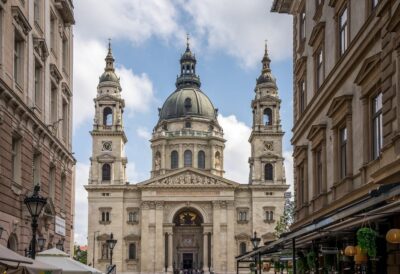
Most people arrive in Budapest with a rough mental map: Buda on one side of the Danube, Pest on the other. This tour starts right at St. Stephen’s Basilica, next to the landmark’s main area, in front of the California Coffee Company. That’s a smart move. Basilica steps, nearby streets, and the surrounding views give you reference points you’ll recognize later.
St. Stephen’s Basilica isn’t only pretty. It also functions like a visual anchor for understanding the city’s layers: different eras, different design choices, and the way faith and national identity show up in stone. Depending on the day, you may get a chance for a tower climb during the Basilica stop, which is a great way to turn the area into a map you can read.
If you’re the type who likes to ask questions, this is a good place to do it. You’ll hear history and culture without it turning into a lecture, and your guide can tailor explanations as you go. My only note for this opening stretch: keep an eye on time and meeting-point clarity, since the area can be busy and people tend to cluster near the same photo spots.
You can also read our reviews of more walking tours in Budapest



From Basilica to the Parliament: How Pest’s Center Tells a Nation’s Story
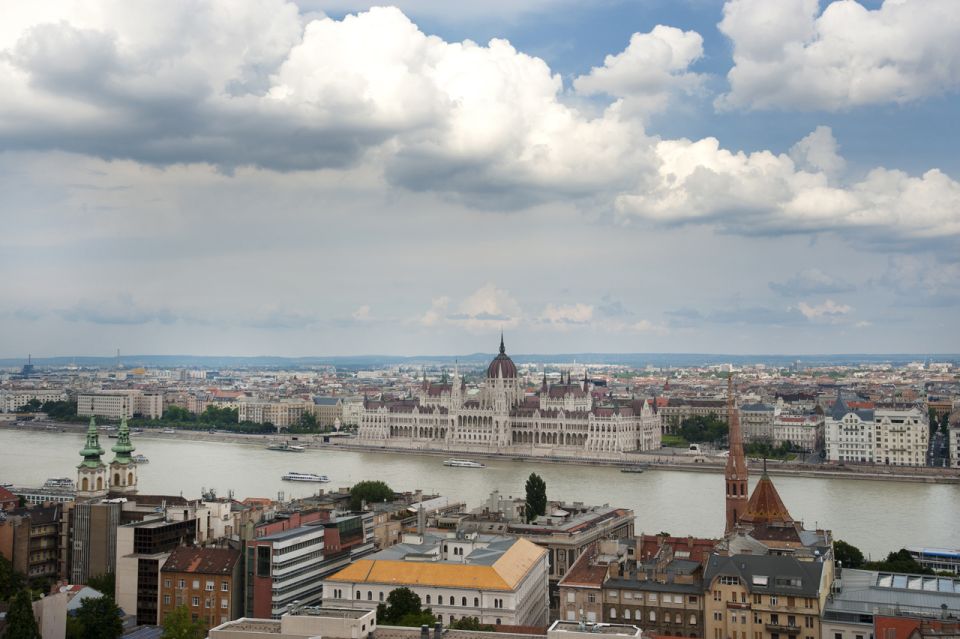
After you’re anchored at the Basilica, the tour heads into Pest’s core, where the architecture does most of the talking. The big anchor here is the Hungarian Parliament building, one of those places that looks dramatic from a distance and even more serious once you’re close.
Why this stop matters on an orientation walk: Parliament gives you context for what you’ll see throughout the city—grand scale, national symbolism, and the idea that politics shaped streets and skylines. Your guide’s job is to connect those visuals to everyday meaning, not just recite dates.
Here’s what I like about tours that include a stop like this: it helps you notice details later without needing to study beforehand. If you know why a landmark looks the way it does, you stop walking past it like scenery and start reading it like a page.
Crossing the Danube by Metro and Bus: The Most Practical Part of the Whole Trip
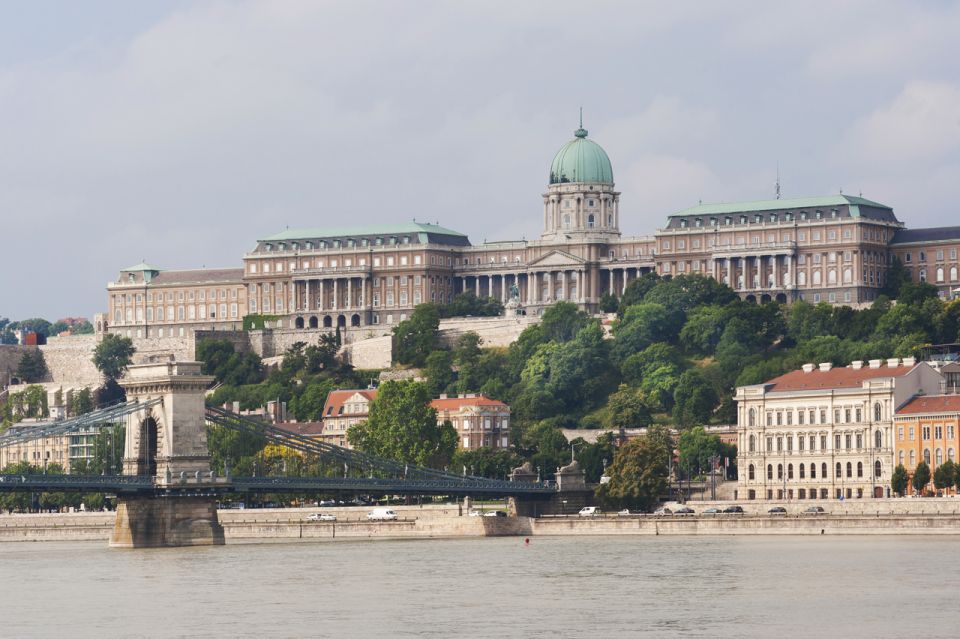
A lot of Budapest tours treat the Danube like a postcard. This one uses public transport to cross from Pest to the Buda side, which changes your perspective fast. You’ll learn the day-to-day rhythm of the city instead of only the tourist viewpoint rhythm.
There’s also a money lesson hidden in the logistics. Public transport tickets aren’t included in the base price. You’ll need 4 tickets per person (1400 HUF), covering metro and bus use. In real-world terms, that means: plan to have forint cash on hand or be ready to buy tickets at the station or kiosk. If you forget, you’ll lose time at the worst moment.
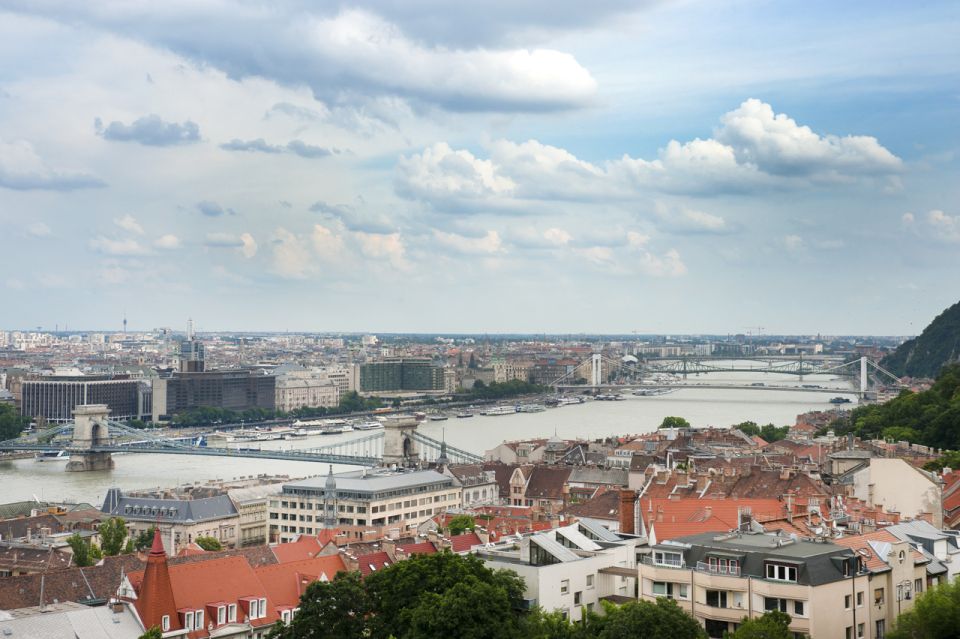
This crossing also helps you understand the geography of Budapest. Buda feels like the higher, more layered side. Pest feels flatter and more spread out in your head. After you ride the transit link yourself, those impressions stick—and you’ll feel more confident when you return later to explore on your own.
A small caution: you’ll likely be moving between transit stops and street levels. In cold weather, that pause-and-wait time can be rough. Dress for the minutes you’re standing outside, not the minutes you’re walking with momentum.
Matthias Church and the Castle District: Where Buda’s Details Stop Being Random
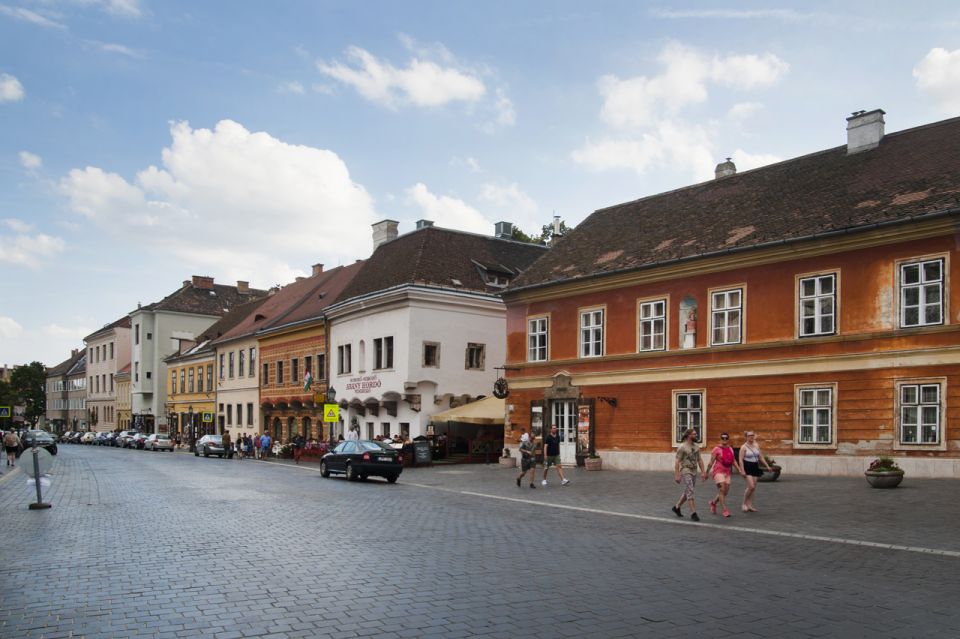
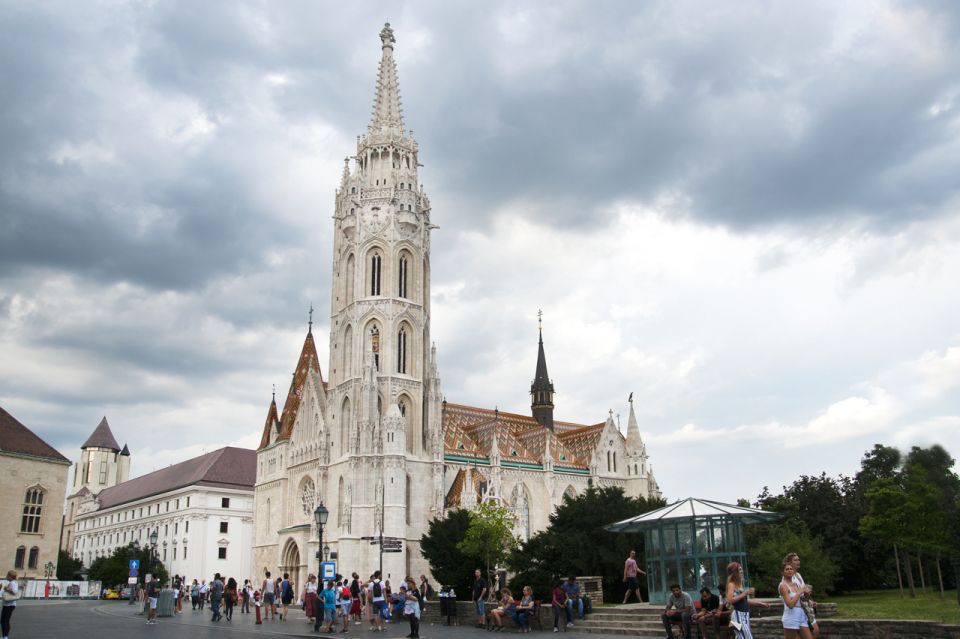
Once you’re in Buda, you’ll hit the stops that most people dream about: Matthias Church, Buda Castle, and the Royal Palace area. The castle hill can feel like a “big view” destination from afar, but on this tour it becomes a guided sequence of moments—each one making the next one easier to place.
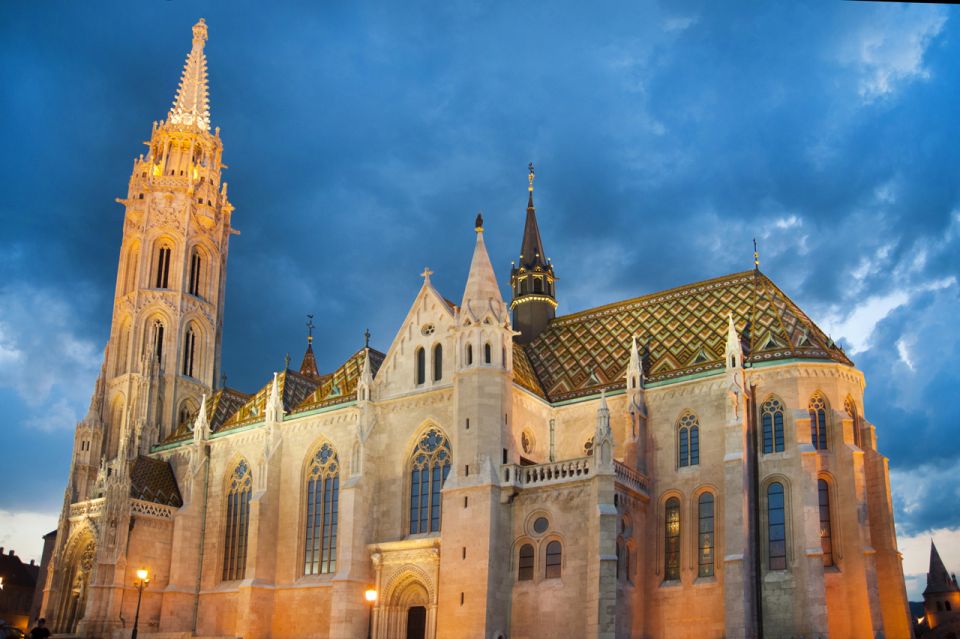
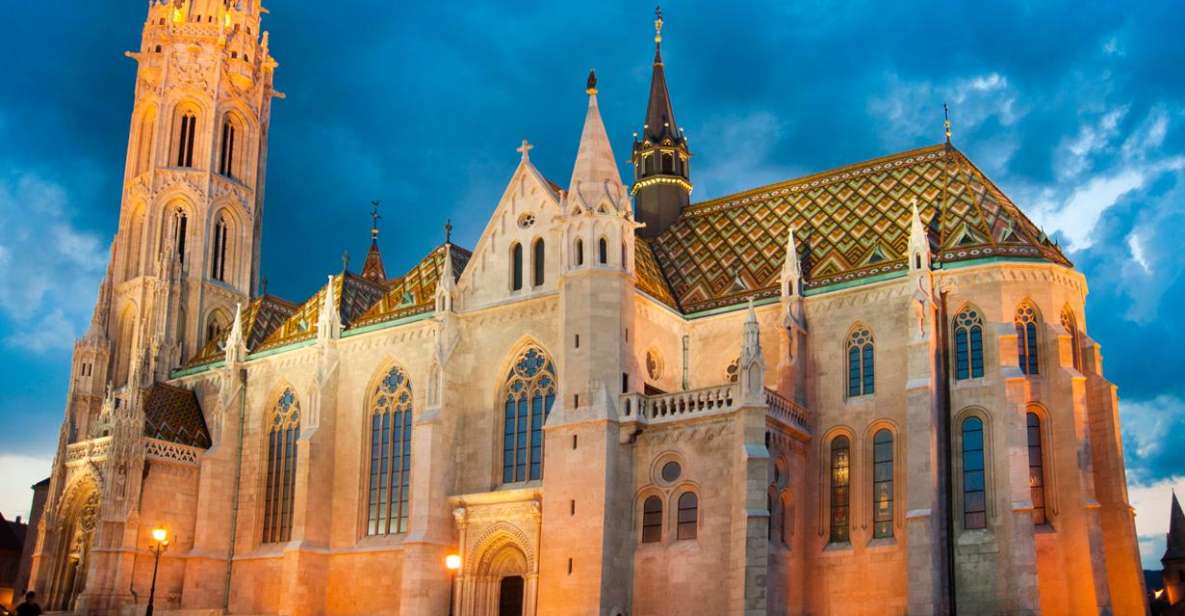
Matthias Church tends to work as a brain anchor. Up close, it’s the kind of building where you notice craftsmanship and color more than you can from a distance. It’s also an excellent setting for your guide to explain how history affected how cities look, not just what happened in wars and treaties.
Then comes Buda Castle and the Royal Palace complex, where the scale is the point. You’re walking through an area shaped by changing rulers, rebuilding, and shifting priorities over time. Your guide’s storytelling matters here. If you only chase photos, the hill can feel like lots of stones and steps. If you understand why this district was repeatedly reworked, you start seeing patterns: where power was displayed, where it was protected, and how the city’s identity was expressed in architecture.
The downside, again, is practical: you’ll be on uneven ground in places and there are lots of stairs or uphill paths around the castle area. If you have knee trouble or you travel with someone who does, consider that this kind of orientation tour rewards comfortable footwear and a slower pace.
How the Guides Turn Sights into Meaning (Zoli, Verónika Lantos, Alexandra, Monika, and Others)
The biggest theme in the tour experience is the guide. People consistently describe guides who are friendly, funny, and tuned in to group needs. That matters more than it sounds, because the sights are famous—but the connections between them are what make orientation stick.
For example, I’ve seen tour experiences tied to specific personalities like Zoli and Verónika Lantos. In those cases, guides didn’t just explain buildings; they also answered questions patiently and adjusted the flow when the group wanted to linger. Other guides mentioned include Alexandra, Luisa/Louisa, Lora, and Monika, with a similar pattern: clear explanations, good pacing, and useful advice after the tour.
One practical perk you should expect from a strong guide: transit tips. Several participants highlight how their guide taught them the best value way to buy tickets and actually use the system. That’s a huge win for first-time visitors, because Budapest’s public transport can feel intimidating on day one.
You may also get food and drink recommendations. Some guide styles include a short stop for coffee, and at least one person noted a stopoff for something seasonal like mulled wine. Even if that’s not your day’s version, the important part is that you’ll leave with ideas for where to eat nearby your next sightseeing plan.
You can also read our reviews of more tours and experiences in Budapest




What $41 Buys You, and What You Still Need to Budget
At $41 per person for a 3-hour tour, the value is mostly about time and confidence. Three hours is long enough to cover the major “first-day musts” (Basilica, Parliament, Matthias, Castle District), and short enough that you don’t burn your entire trip window.
Here’s what’s included: the tour and the guide. Public transport is not included. You’ll pay separately for 4 tickets per person (1400 HUF). That detail is worth treating seriously because it affects how smooth the Danube crossing feels.
What you may or may not pay for beyond this isn’t clearly listed in the provided info. So my honest advice: before you go, check whether any tower climb or entry ticket is included on your specific departure. If it is, great. If it isn’t, budget for that possibility so you don’t get stuck making decisions mid-tour.
Even with that caveat, the pricing still makes sense for the target audience: you get structure, context, and a guide’s help navigating the city. If you’re trying to plan your first day, that can be worth more than another stand-alone museum ticket.
Walking Pace, Weather, and Real-World Comfort Tips
This is an orientation walking tour, which means your body is part of the experience. The tour is mainly on foot, with public transport used to cross the Danube. In winter or shoulder season, that translates to one thing: cold waiting moments matter.
My practical recommendations:
- Wear shoes you trust for uneven ground and stairs. Castle District paths can be unforgiving.
- Bring a hat or gloves if it’s cold. People mention the tour runs energetically even in freezing weather, so you don’t want to be distracted by discomfort.
- If you’re traveling with older relatives or someone who tires quickly, ask your guide to pace the group. Several reports describe guides adjusting the route to match interests and needs.
Also, be ready for sound levels around major landmarks. One participant mentioned noise near speaking spots, which is a reminder that guides can work around it, but you’ll still want to stand where you can hear.
Best For Who: First-Day Budapest, Mixed Ages, and Question-Driven Visitors
This tour is particularly good for:
- First-time Budapest visitors who need a map in their head, not just photos
- People who want both history and contemporary culture, explained in everyday language
- Anyone traveling with family members across ages, since the pace is short enough to manage
- Travelers who like asking questions and want a guide who answers without making you feel rushed
If you already know a lot about Hungary and you only want architecture, you might find some parts familiar. But even then, the transit crossing and the sequence through Buda and Pest often create better spatial understanding than you’d get from reading alone.
And if you’re a “planner” type, this is a great first-day move. Orientation tours help you return later with intention: which church you want longer, which viewpoint you want again, and which neighborhood deserves a full afternoon.
Quick Booking and Day-Of Tips So You Don’t Lose Time
Think of this tour as your setup for the rest of your Budapest trip. A few simple steps make a big difference:
- Start it early in your stay if you can. It’s meant to set your mental map.
- Meet at St. Stephen’s Basilica by the California Coffee Company. Arrive a few minutes early so you can spot your group and settle in.
- Bring the right mindset: you’ll see a lot in a short time. Focus on learning the “why” behind each landmark, and you’ll get more value from every stop.
- Plan for the public transport tickets in forints. Knowing that cost ahead means you won’t scramble when it’s time to board.
Also, consider your question style. If you like history, ask about the events that shaped what you’re seeing. If you’re more into daily life, ask how the city’s neighborhoods work today. The guides on this experience have a habit of tailoring answers, and that’s where the tour becomes memorable.
Should You Book This Buda and Pest Orientation Walk?
I’d book it if you want a practical first pass through Budapest: major sights, clear context, and the useful skill of crossing the Danube by public transport. The tour’s strength is not just the list of landmarks—it’s the way the guides connect those landmarks to how the city works and what to do next.
Skip it only if you strongly dislike walking, have mobility limits that make steps hard, or you already have a tight plan for every day and don’t need orientation help. Even then, you might still consider it as a short, high-impact way to learn the geography before committing to deeper neighborhood exploring.
If your goal is to leave Budapest’s first day with direction, this one fits.
FAQ
How much does the tour cost and how long is it?
The tour costs $41 per person and lasts about 3 hours.
Where is the meeting point?
Meet next to Saint Stephen’s Basilica, in front of the California Coffee Company coffee shop.
What is included in the price?
The price includes the tour and a guide.
Are public transport tickets included?
No. You’ll need to buy public transport tickets separately. The tour lists 4 tickets per person for metro and bus use, totaling 1400 HUF.
Which sights does the tour cover?
The tour covers Saint Stephen’s Basilica, the Hungarian Parliament building, Matthias Church, Buda Castle, and the Royal Palace.
Is the tour mostly walking or does it use transport?
It’s mainly on foot, but you use public transport to cross the Danube from Pest to the Buda side.
What languages are available?
The live guide is available in English, French, German, Italian, Russian, and Spanish.
Can I cancel for a full refund?
Yes. You can cancel up to 24 hours in advance for a full refund.