REVIEW · BUDAPEST
Budapest: Communist History Tour with House of Terror Option
Book on GetYourGuide →Operated by Tourist Angel · Bookable on GetYourGuide
Budapest has two faces. This Communist history walk is a fast way to see the city’s major political landmarks, with either a lighter Retro Center stop or the heavier House of Terror option. I like that it’s small-group and guided by an English speaker who can answer your questions. One heads-up: the House of Terror option gets very dark, so if you want gentle history, choose Retro.
What makes it work is the route. You start near the Hungarian Parliament, then move through places like Liberty Square and sites tied to the Soviet era, including the Soviet Liberation Memorial and views connected to Cardinal Mindszenty’s exile. As you walk, you’re not just staring at monuments—you’re getting the chain of events that explains why these exact spots matter.
The best part is the choice at the end. If you book the morning, you can add a guided visit to the Budapest Retro Experience Center, built around 1960–1980 everyday life with interactive touches (even dress-up is on the menu). If you book the afternoon, you can pair the walk with the House of Terror Museum, either on your own with a ticket or on a fully guided tour—led by guides like Alexandra, Flora, Beata, Naomi, and Kati, who have run English groups in the past.
In This Review
- Key things I’d pay attention to
- Choosing your ending: Retro Center morning vs House of Terror afternoon
- The walking route from the Hungarian Parliament to Soviet-era landmarks
- Cold War details you can spot with your own eyes
- Budapest Retro Center: Communist life in the 1960–1980 time machine
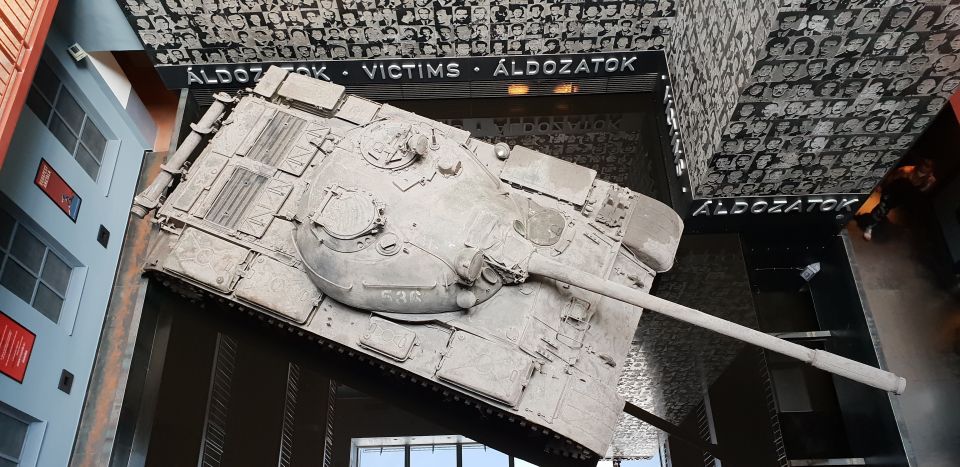
- House of Terror Museum: WWII to Soviet occupation, through interrogation and trials
- How the guide makes the difference (and why small groups help)
- Price and value: why $58 often feels like a bargain
- Practical tips for a smooth 2-hour experience
- Should you book this Communist history tour?
- FAQ
- How long is the tour?
- What museum options can I choose?
- Is the first part of the tour different in the morning vs afternoon?
- Is the tour in English?
- How big is the group?
- Does the tour include museum tickets?
- Do I need to get tickets at the museum counter?
- Is there free cancellation?
Key things I’d pay attention to
- Two different museum endings: Retro Center for lived-in everyday life, or House of Terror for imprisonment, trials, and terror.
- Same walking start, different emotional tone: morning or afternoon, the first part is identical and sets the political context.
- A tight group size: limited to 10 participants, which makes questions easier and pacing more humane.
- You get a guided route before going in: it helps the museum stops land with clearer context.
- Real location specifics: you’ll see spots linked to 1956, Mindszenty’s exile window, and ventilation channels tied to Cold War bunker construction.
- Skip-the-line setup: you don’t have to chase tickets at the counter during your museum segment.
Choosing your ending: Retro Center morning vs House of Terror afternoon
This tour is really two experiences stitched to the same core walking route across central Budapest. In the morning, you typically add a 1-hour guided visit to Budapest Retro Center after the walk. In the afternoon, you add the House of Terror Museum, either with your own museum entry plus a guide-led orientation on the site, or by choosing a fully guided museum tour.
Think of Retro as the “how people lived” side of Communism—queues, TV, home interiors, everyday objects—presented in a playful, hands-on way. Think of House of Terror as the “how the system broke people” side, covering Hungary’s move from WWII through Nazi rule into Soviet occupation and the machinery of repression.
My practical take: if you’re sensitive to heavy topics, start with Retro. If you want the full brutal story (including interrogation and torture cells), choose the House of Terror option and go in with a little emotional stamina.
You can also read our reviews of more historical tours in Budapest


The walking route from the Hungarian Parliament to Soviet-era landmarks
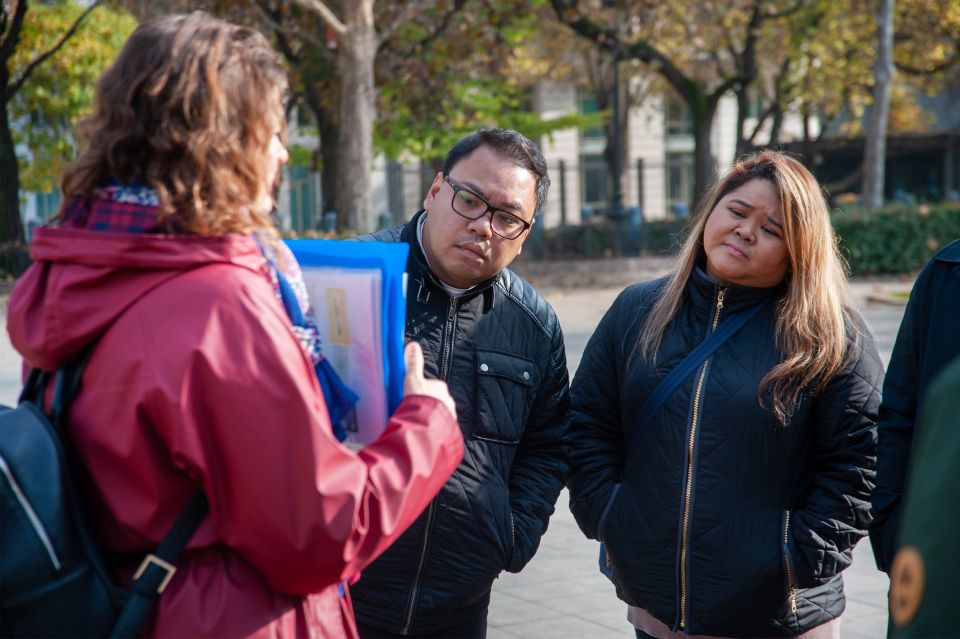
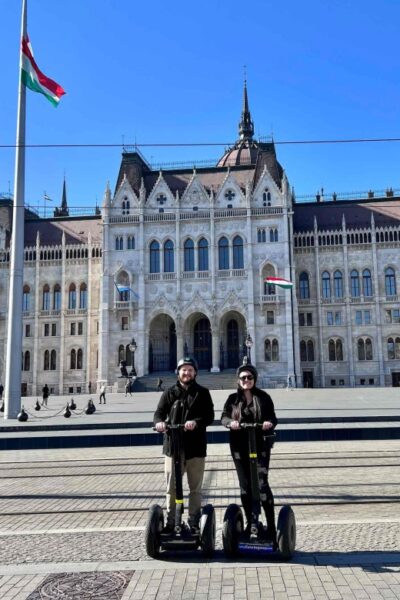
Your walk begins at the Hungarian Parliament, one of those places where Budapest looks all confident and monumental—until the story turns. Your guide leads you along dramatic political landmarks and explains what they were meant to communicate during Communist rule.
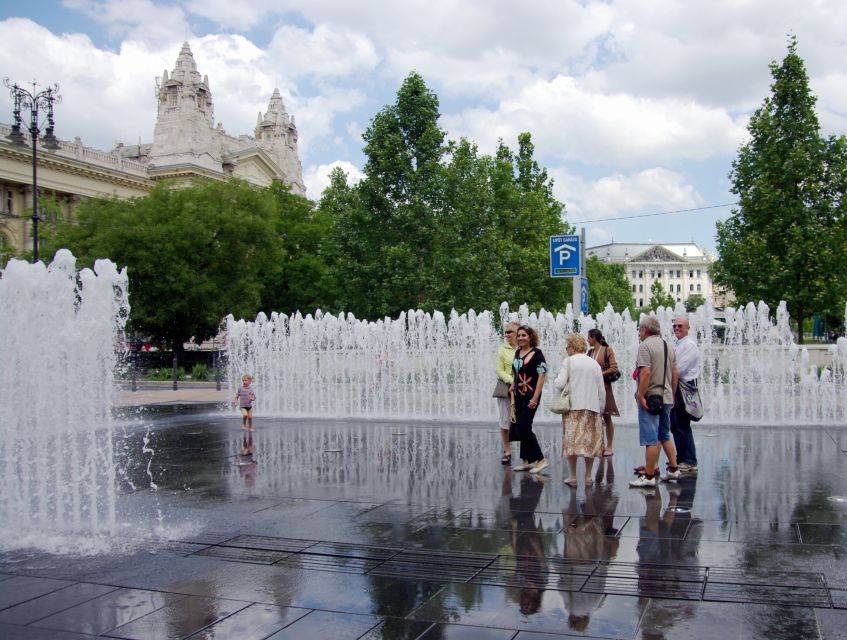
One of the best things about the route is how it moves you through power centers. You go from the Parliament area to Liberty Square, where you can see the Soviet Liberation Memorial, described as the last Communist monument in the city still in its original place. It’s a simple walk with a clear purpose: each stop is a piece of a bigger political map.
You’ll also hear about the many victims of the red dictatorship, tied to memorial symbolism you can actually see on the ground. That matters because monuments can look abstract if you don’t know what they’re responding to.
Then the tour connects history to a specific human story. You’ll see famous windows of Budapest linked to Cardinal Mindszenty, who spent years in exile. It’s the kind of detail that makes the era feel local, not like a distant textbook chapter.
Cold War details you can spot with your own eyes
The walk doesn’t stay generic. You get specific Cold War leftovers you can point to, like the ventilation channels of a secret underground nuclear bunker built during the Cold War. Even without going underground, it gives you a physical sense that these regimes planned for crisis, fear, and control.
You’ll also hear about the sites connected to the Hungarian anti-Soviet revolution of 1956, including what happened and why it mattered. The point isn’t only dates—it’s the cause-and-effect of resistance and how it was answered.
If you like history that feels grounded in architecture and street-level design, this portion is the payoff. You’re learning to read the city: stone, spacing, placement, and sight lines all start making sense when your guide ties them to the political system behind them.
Budapest Retro Center: Communist life in the 1960–1980 time machine
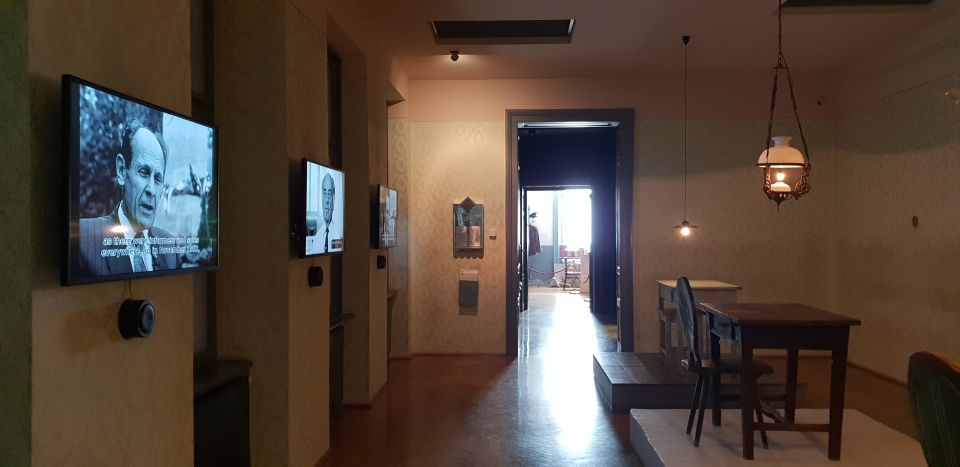
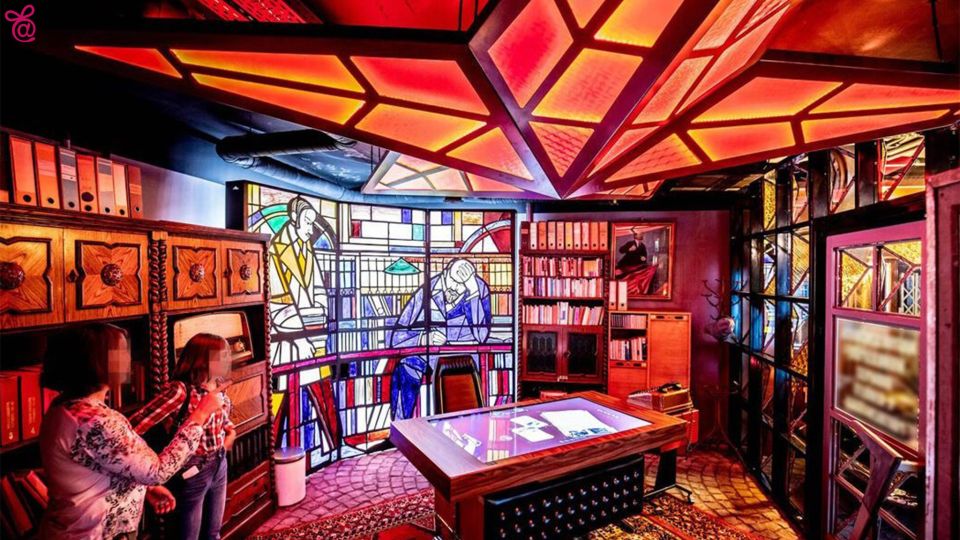
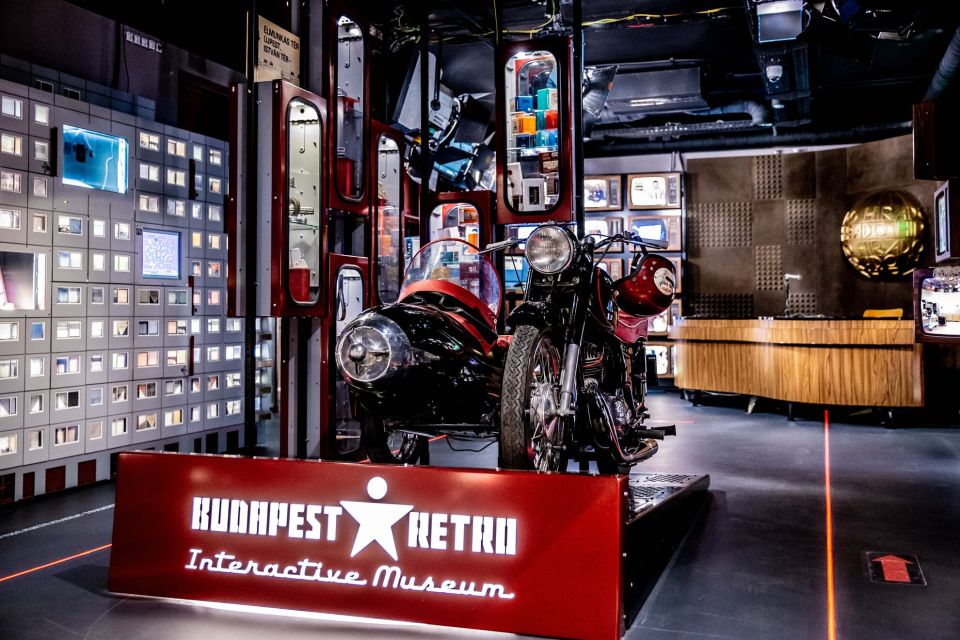
If you choose the morning option, your tour adds a 1-hour guided visit to the Budapest Retro Experience Center. This is where the story shifts from politics to daily life, using streetscapes, objects, and room interiors from the 1960–1980 period.
You can expect things like typical vehicles, street views, and real interior designs—along with thousands of objects that recreate how people dressed, worked, and consumed media during the era. There’s also a section centered on the Soviet-Hungarian space flight astronauts, which helps show how the state sold pride, technology, and a future.
The museum is arranged over 3 floors, and it leans into interactive, playful presentation. In the past, the experience has included options like dressing as a Communist comrade or trying a role connected to TV news presenting of the time. Even if you skip the costume part, the style makes it easier to look closely at details without feeling like you’re stuck in a lecture.
What I like about this stop is that it doesn’t erase hardship. It simply reminds you that propaganda and oppression existed alongside normal routines—shops, TV, apartments, and objects people handled every day. That contrast helps you understand how a system can become everyday before it becomes unbearable.
House of Terror Museum: WWII to Soviet occupation, through interrogation and trials
If you book the afternoon, you’ll add the House of Terror Museum, one of Budapest’s most emotionally intense history experiences. You’ll first connect the museum to the real story behind it—then either explore on your own after getting your orientation, or go with a guide through the exhibits.
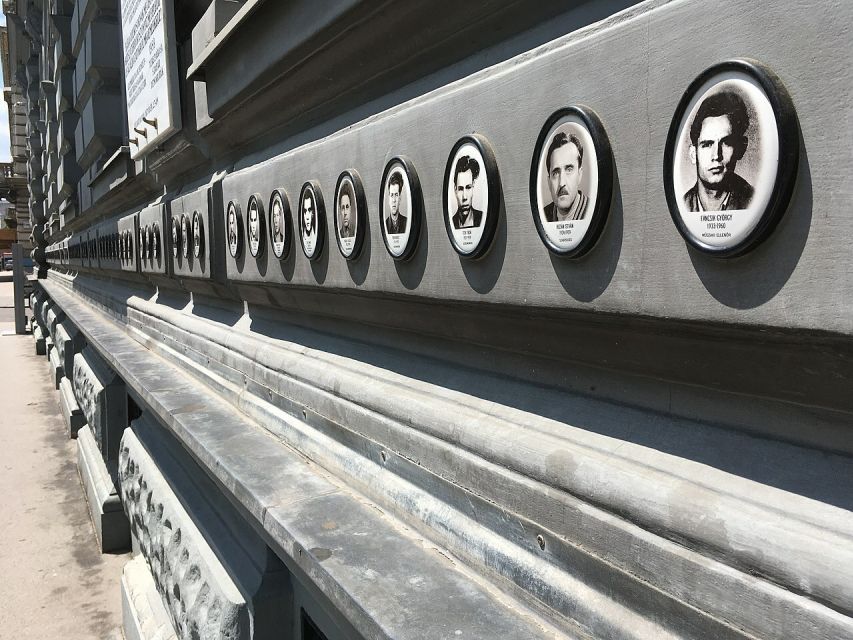
This museum covers the sweep of Hungary’s 20th-century trauma: WWII, Nazi rule, and then Soviet Communist occupation. The tour framework also highlights the 1950s—life and economy—before shifting into the machinery of repression: interrogation and torture cells, the office room of the feared director, and stories tied to mass deportations, labor camps, and political trials.
You’ll also get the historical thread that many people miss on a first pass. The exhibits include the 1956 revolution and its consequences, and they track the end of Communist rule in 1989. That timeline matters. Without it, the museum can feel like a series of horrifying rooms. With it, those rooms become evidence in a story that ended with change.
What to consider: this is not a quick-hit attraction. Plan for the fact that some rooms and themes are meant to be confronting. If you’re going with kids or with someone who gets overwhelmed easily, you should weigh the guided vs self-guided choice carefully and consider selecting the option that best matches your group’s emotional comfort.






How the guide makes the difference (and why small groups help)
A big part of the value here is the live English-speaking tour guide leading the walk and (depending on your option) guiding the museum visit. The walking portion sets context, so when you reach the museum you’re not guessing what you’re looking at.
In groups of up to 10 participants, the guide can keep a steadier pace and handle questions without rushing people through photo stops. The reviews around this experience also point out guides who were patient and adjusted pace for people using walking aids, which is a real practical plus in an older-city walking route.
Guides who have led English tours include people like Alexandra, Flora, Beata, Naomi, Noémi, Kati, and Veronika. I can’t promise any single name for your date, but it’s a good signal that the tour tends to be run by history-minded professionals who care about clarity and human perspective.
If you like a tour where you can ask why things happened and how they connect to modern Hungary, this is the setup I’d pick. It’s not just facts on a screen. It’s interpretation from a local.
Price and value: why $58 often feels like a bargain
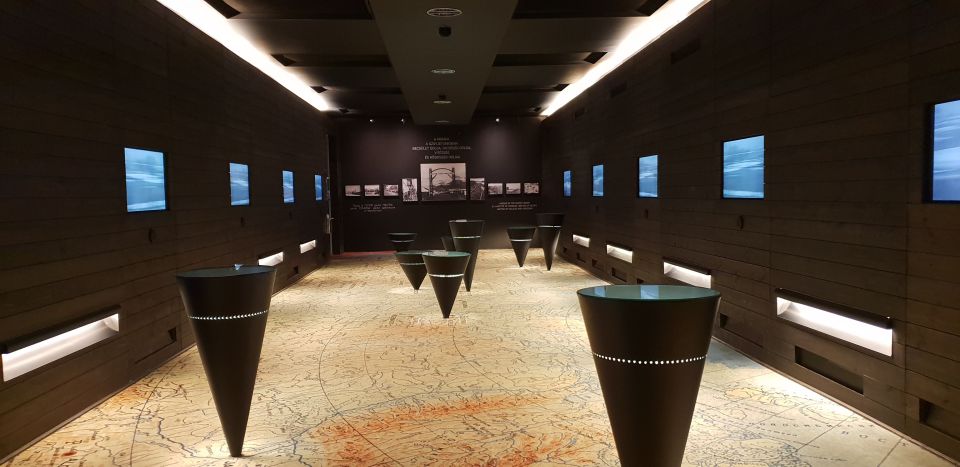
At $58 per person for about 2 hours, the pricing is easier to swallow when you look at what’s included. You’re getting a professional guide, a Communism-themed walking tour segment, and entry to one of the included museums depending on your option (either the Budapest Retro Experience Center or the House of Terror Museum).
You also get practical perks like skipping the ticket line. That alone can save you time when you’d otherwise be waiting around while the clock steals your museum mood.
Here’s the value logic I use: if you already planned to visit one of these museums, the guide helps you avoid the common problem of wandering through exhibits with no timeline or context. And because the walking segment sets up the key ideas, you’re more likely to leave with meaning rather than just photos.
Practical tips for a smooth 2-hour experience
Wear shoes that work for city streets and short stops. This is a walking format across central Budapest, and you’ll want foot comfort for the whole route.
Because the afternoon House of Terror option can be heavy, consider eating beforehand. Even though the tour is only 2 hours, you’re still dealing with emotionally intense material that can make you forget normal routine.
Also note that the tour guide provides your ticket. You shouldn’t go hunting around the ticket office. If you arrive and aren’t sure where to stand, confirm the meeting point for your specific booking since it may vary by option.
Finally, bring curiosity. This tour is built around political details you can see, not just abstract history. If you’re the type who notices symbols on buildings and plaques, you’ll likely get more out of it.
Should you book this Communist history tour?
Book it if you want a structured, guided way to understand how Soviet-era power shaped Budapest—through exact locations, clear timeline context, and a museum ending that matches your mood. Choose Retro Center if you want a less grim angle on life under Communism and you enjoy hands-on exhibits. Choose House of Terror if you want the full, unflinching story of repression, interrogation, deportations, and political trials.
Skip or rethink it if you’re not up for dark history, even in a guided setting. And if you’re short on time in Budapest, this is one of the better ways to get grounded context quickly: you walk the city’s political spine, then you step into the museum with a map in your head.
FAQ
How long is the tour?
The duration is about 2 hours.
What museum options can I choose?
You can add Budapest Retro Experience Center (morning) or House of Terror Museum (afternoon). For House of Terror, you may choose an option that includes guided touring inside the museum or one that includes entry for self-guided exploration.
Is the first part of the tour different in the morning vs afternoon?
The walking portion is described as identical for its first part, since both options begin as a Communism-themed walk across central Budapest.
Is the tour in English?
Yes. The live tour guide operates in English.
How big is the group?
It’s a small group, limited to 10 participants.
Does the tour include museum tickets?
Yes. Your ticket is included for either the Budapest Retro Experience Center or the House of Terror Museum, depending on which option you select.
Do I need to get tickets at the museum counter?
No. You should not look for tickets at the ticket office. You receive the ticket from your tour guide.
Is there free cancellation?
Yes. You can cancel up to 24 hours in advance for a full refund.