REVIEW · BUDAPEST
Budapest: Jewish History Guided Walking Tour with Historian
Book on GetYourGuide →Operated by Budapest Explorers · Bookable on GetYourGuide
Budapest tells its Jewish story on foot. This 2.5-hour walk through the Jewish Quarter mixes big events with street-level details, from ghetto-era streets to WWII rescue heroes. What I like most is that you get historian-led context that makes names and dates stick, and you also stop for a local Jewish cake: flódni with coffee or a soft drink. One heads-up: synagogues are seen from the outside only, so plan separate time (or another tour) if you want interior visits.
You start near Erzsébet Square and then move through the 7th district in a small group capped at 10, which keeps the pace human and the questions easy. The tour works well when you want history with a pulse—plus a bit of modern Budapest flavor in the form of street art and local nightlife tips.
In This Review
- Key things that make this tour worth your time
- Jewish Budapest, explained street by street in 2.5 hours
- Getting started at Kempinski Corvinus: you’re in the right part of the city
- The 7th district Jewish Quarter: what you’re really walking through
- Three synagogue exteriors: what to notice without going inside
- WWII rescue heroes: why the Wallenberg and Lutz memorial stops matter
- Flódni and coffee: turning history into a human-scale break
- Gozsdu Passage, ruin pubs, and street art in Elizabeth Town
- What the pace feels like with a small group
- Price and value: $63 for history, cake, and direction in the 7th district
- Who should book this tour (and who should pair it with something else)
- Should you book Budapest Explorers’ Jewish History walk?
- FAQ
- How long is the Budapest Jewish History Guided Walking Tour?
- Are synagogue entrances included?
- What food is included during the tour?
- What group size should I expect?
- What language is the tour guide?
- Where do I meet the guide?
- Does the tour run in bad weather?
Key things that make this tour worth your time
- Historian guide energy: smart facts, but told in a way that feels connected to real streets
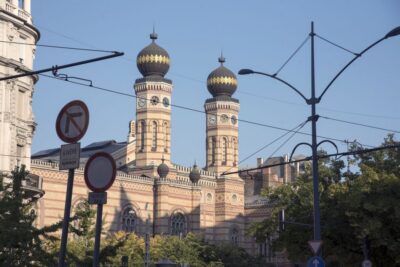
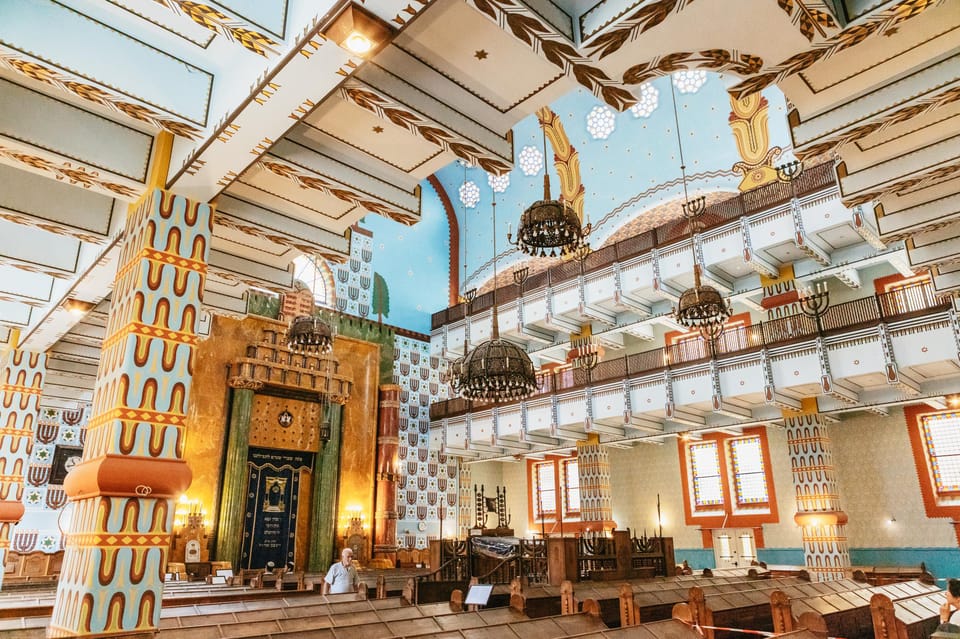
- Three major synagogues’ exteriors: Dohány, Kazinczy, and Rumbach—plus what to notice on the outside
- WWII rescue stories with named memorial stops: Raoul Wallenberg and Carl Lutz appear at their memorials
- A real taste of Jewish Budapest: flódni paired with coffee or a soft drink
- Ghetto-era streets and monuments on foot: you’ll trace what’s left, not just read about it
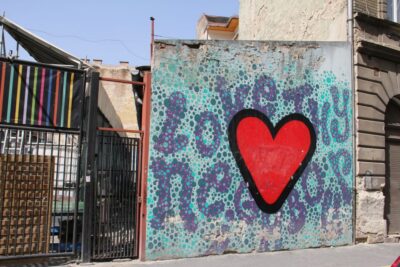
- Street art and Elizabeth Town context: the tour connects history to the city you’re actually walking through today
Jewish Budapest, explained street by street in 2.5 hours
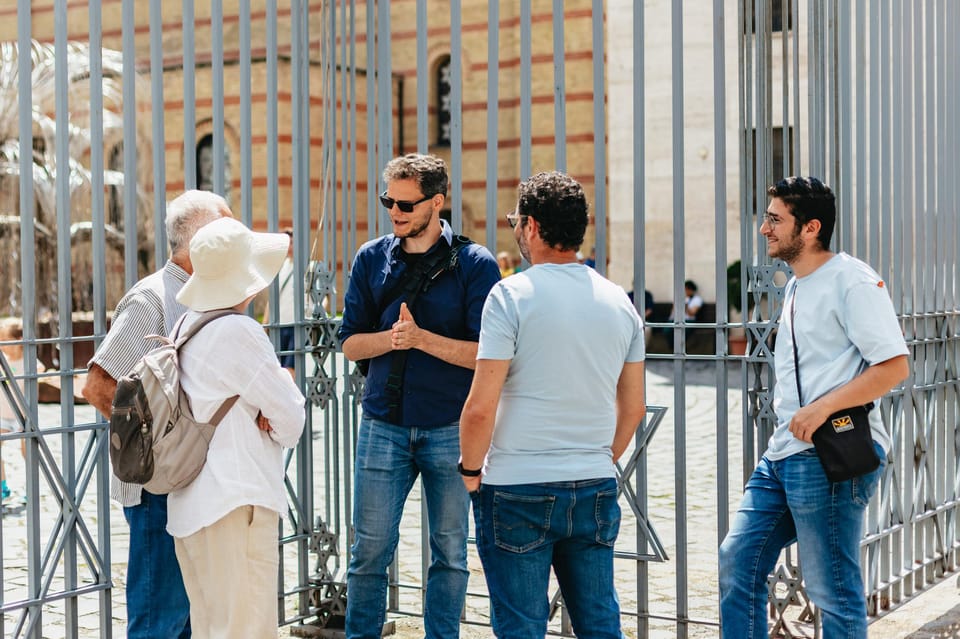
If you’ve ever visited a museum and thought, That’s all true, but I still can’t picture it in my head, this tour is designed for that problem. Budapest’s Jewish story isn’t stuck behind glass. It’s written into the street grid of the 7th district, the corners where people gathered, and the buildings that survived enough to still look back at you.
You also get a rare mix for a walking tour: serious historical context plus everyday neighborhood texture. The guide talks through the neighborhood’s shift from a center of Jewish culture—helped along for more than 200 years—to the brutal disruptions of the 20th century. Then you walk past the physical reminders that remain: synagogues, monuments, and the line of streets tied to the former ghetto area.
The main reason this works is the structure. You’re not wandering without a plan. You move through key places that match the story in chronological order, and the historian keeps putting each stop into focus.
And yes, you’ll taste something local. The cake stop isn’t filler. It’s a small reset that reminds you this is not just tragedy and politics—it’s also community life, food, and everyday culture.
You can also read our reviews of more walking tours in Budapest



Getting started at Kempinski Corvinus: you’re in the right part of the city
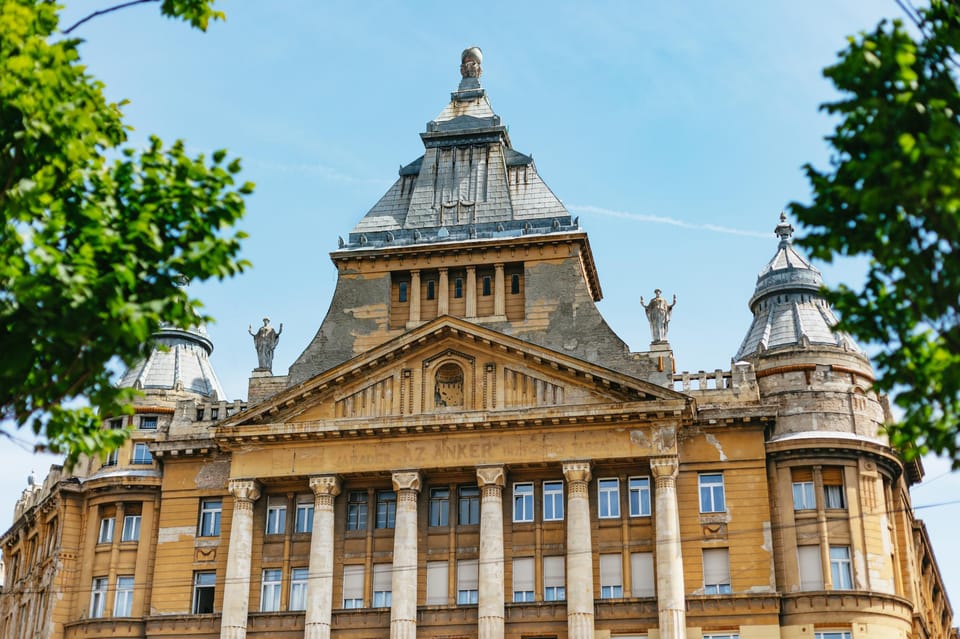
The meeting point is outside Kempinski Hotel Corvinus Budapest, facing the Ferris wheel on Erzsébet Square. That location matters because it puts you within easy reach of the city center right at the start, so you’re not burning time on long transfers before the tour even begins.
From the transit side, you can reach the hotel using the M1, M2, or M3 subway lines, and then get off at Deák Ferenc tér. Trams and buses also serve the area. This is useful if you’re juggling a busy itinerary and want a quick, low-stress start.
Because the tour is only about 2.5 hours, the logistics are part of the value. In Budapest, a good chunk of sightseeing time can evaporate if your tours start far from where you’re staying. This one is positioned so you can roll right into it.
The 7th district Jewish Quarter: what you’re really walking through
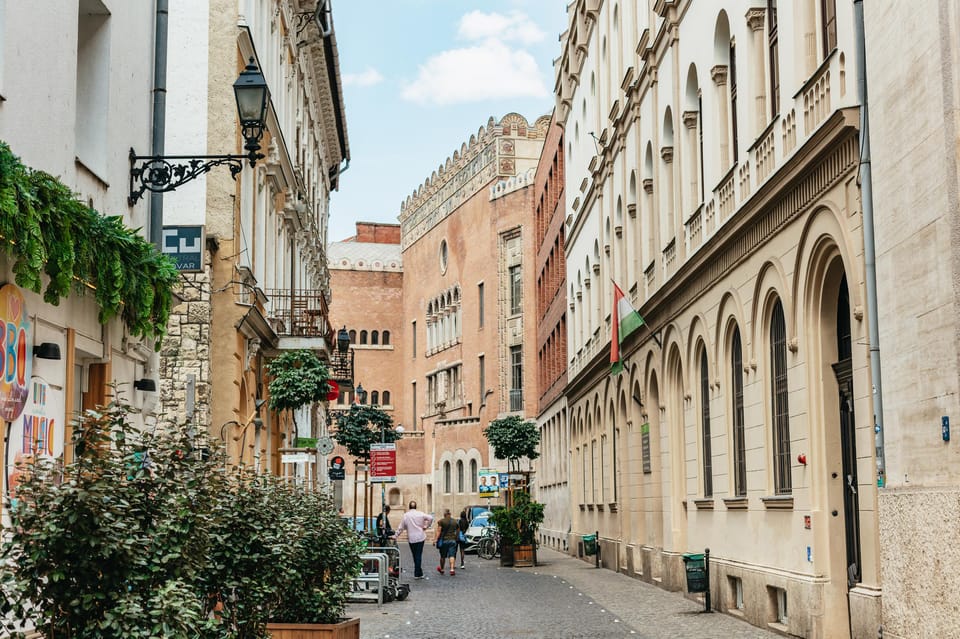
The tour centers on the 7th district, where Jewish culture has flourished for over 200 years and where a large, active community remains today. That matters because it stops the story from becoming only about catastrophe. You still learn the hard parts, but you also see the longer arc: settlement patterns, cultural institutions, and the neighborhood’s ongoing life.
As you walk, you’ll see how the area functions today: kosher restaurants and kosher shops sit close to the architectural reminders of earlier generations. Your guide ties those modern details back to the historical rhythm of the neighborhood.
You’ll also spend time around the former ghetto streets area. The tour doesn’t just name locations. It connects them to how people lived, what they could access, and what changed when the system tightened. Even when the physical evidence is partial, the narration helps you read the street like a timeline.
One thing I appreciate here is that the tour tries to keep scale in mind. You hear about tens of thousands of lives affected during the winter of 1944/45, but you’re also shown that history happens through specific choices made by specific people—and through the buildings that still stand.
Three synagogue exteriors: what to notice without going inside
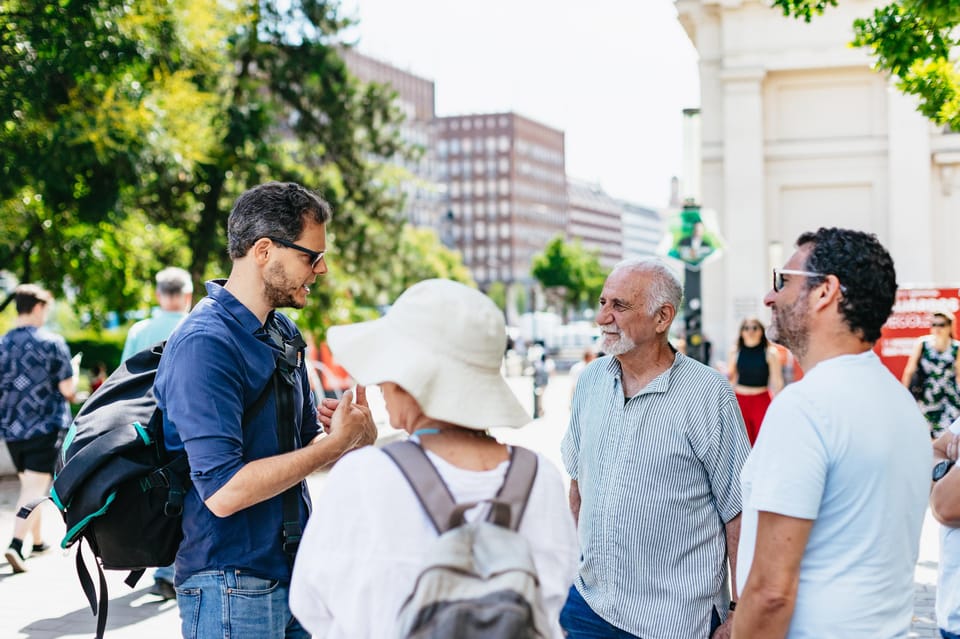
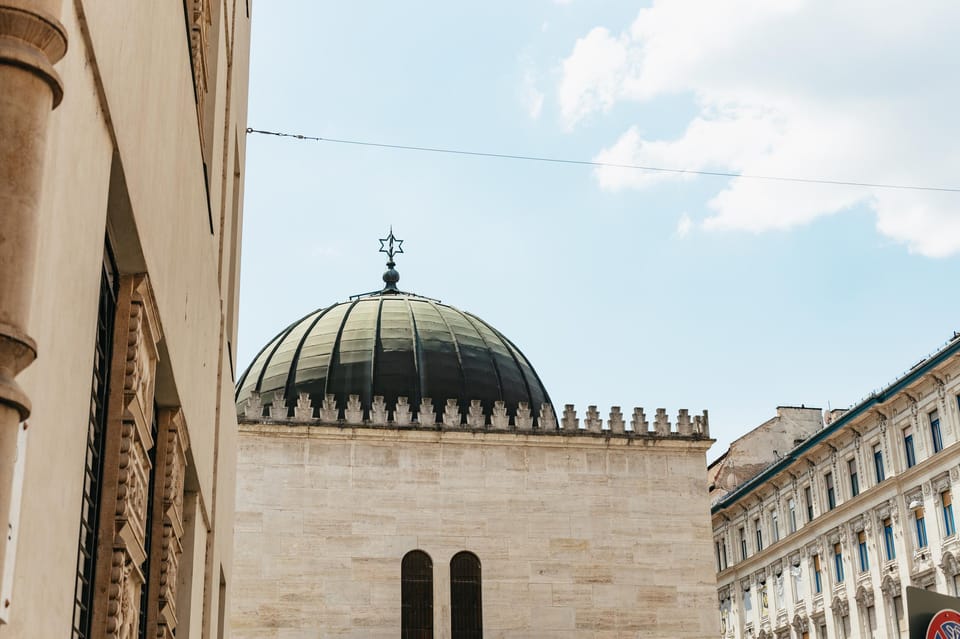
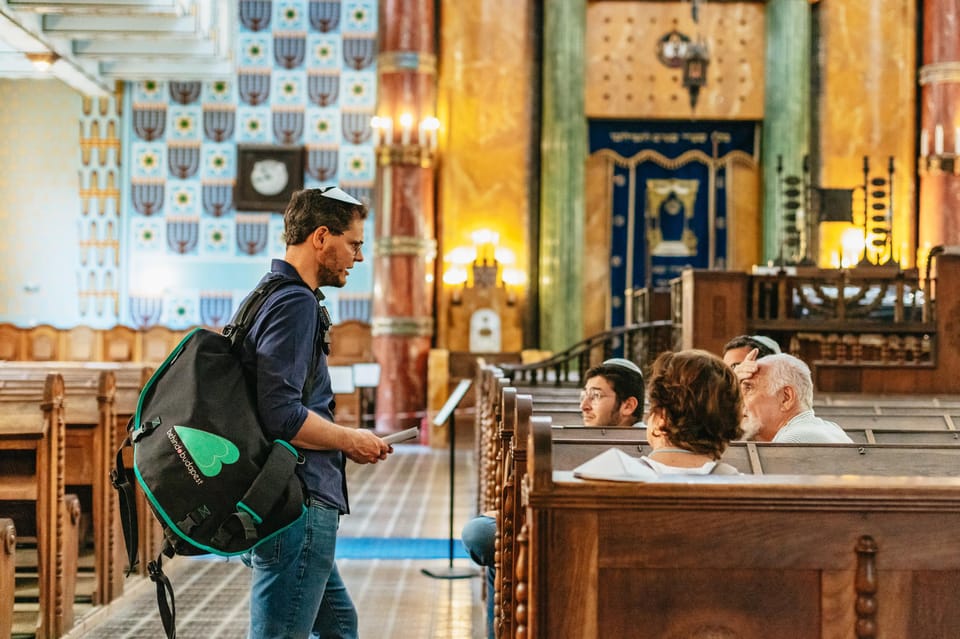
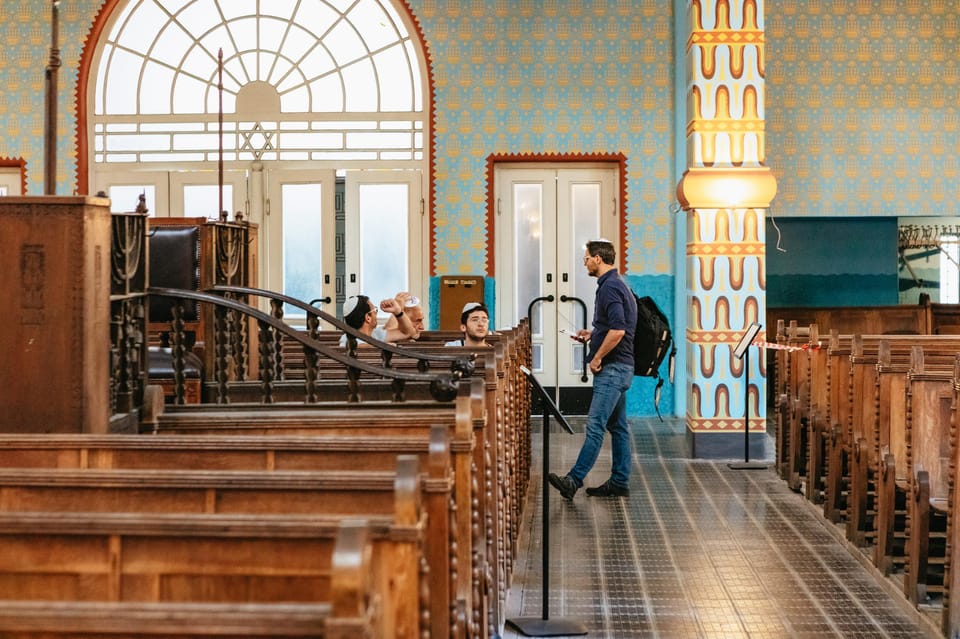
This is a key point before you book: the tour includes outside views only of the three main synagogues. That means you’re not paying for interior access on this particular outing, and you shouldn’t expect it to replace a synagogue-ticket visit.
Still, the outside viewing is far from pointless. Synagogues are among the most expressive buildings in Budapest’s Jewish landscape. Even from street level, the architecture signals identity, community priorities, and the era that produced it.
Here’s what you’ll see from the outside:
- Dohány Street Synagogue: the standout exterior stop, often noted as the largest synagogue of Europe
- Kazinczy Street Orthodox Synagogue: a key Orthodox presence in the quarter
- Rumbach Street Synagogue (Neolog): built in 1872 by Viennese architect Otto Wagner
This is also where your guide’s habit of teaching details helps. Don’t treat this section as quick photo stops. You’ll learn what each building represents, and you’ll get a clearer sense of how different Jewish movements shaped community life in the city.
Also, because you’re not entering, you can keep momentum. In a short tour, skipping ticket lines can be a real win. If your priority is interiors (stained glass, exhibits, or prayer spaces), you’ll need a separate plan. If your priority is historical orientation and seeing the neighborhood’s key landmarks, this section fits well.
WWII rescue heroes: why the Wallenberg and Lutz memorial stops matter
The tour’s emotional core is the story of the people who worked to save Jews during the winter of 1944/45. This is handled through named memorial stops tied to major rescue efforts, including Raoul Wallenberg and Carl Lutz.
You learn that both figures are among those honored as Righteous Among the Nations. Your guide connects those honors to what they tried to do on the ground, and why that work mattered when systems were collapsing and decisions had immediate, life-or-death consequences.
This part isn’t only about remembering names. The tour gives you a way to understand why these memorials are placed where they are—so you don’t just end up at a plaque you can’t connect to the surrounding geography.
If you care about WWII history, this stop is one of the reasons the tour feels more meaningful than a standard “see the sights” walk. You leave with a couple of anchors: people you can name, and a local Budapest space you can point to when you tell the story later.
You can also read our reviews of more guided tours in Budapest






Flódni and coffee: turning history into a human-scale break
Mid-tour, you’ll take a short cafe break for coffee or a soft drink plus a slice of flódni, a local Jewish cake. The stop is about 15 minutes, so it’s not a long meal detour. It’s a quick cultural pause.
Why this matters: food slows your brain down. After you’ve been processing heavy history and big names, the cake stop gives you a chance to reset and actually enjoy what Budapest tastes like in a specific neighborhood context.
Also, if you’re traveling as a couple or solo, a group snack stop can make the whole tour feel less like a lecture. You sit, breathe, and then head back out with clearer attention.
One practical note: since the tour is weather-dependent and runs in all weather conditions, keep an eye on whether the cafe stop is indoors and warm enough to offer real comfort when it’s cold or rainy. This is a walking tour first, so pack accordingly.
Gozsdu Passage, ruin pubs, and street art in Elizabeth Town
After the heavier stops, the tour shifts into a different mode: modern Budapest in the same neighborhood frame. You’ll walk past Gozsdu Passage, learn how ruin pubs and nightlife fit into local culture, and hear tips that make it easier to plan your evening later.
You’ll also get a look at the area around Elizabeth Town, including striking examples of the city’s street art. This isn’t random decoration. Your guide ties it back to the neighborhood’s identity—how old spaces get reinterpreted by new generations.
If you’re the kind of traveler who likes walking tours that help you understand what you’ll see tonight (not just what happened decades ago), this section delivers.
Even if you don’t end up going out that night, it changes how you look at Budapest. You stop seeing the city as “a bunch of monuments” and start seeing it as a living place where memory and creativity overlap.
What the pace feels like with a small group
This tour keeps groups small—limited to 10 participants. In practical terms, that means you’re less likely to lose the guide in the crowd, and you’re more likely to get answers to real questions you’re holding back.
The structure also helps. The tour runs about 2.5 hours total, with a walking portion of 2.25 hours and the cafe break around 15 minutes. That balance is good for people who want a lot of content without turning the day into a marathon.
The guide line-up is English-language, and the tour is designed for people who may not have much background in Hungarian or Jewish history. Some groups also benefit from broader European context before the Jewish Quarter story gets specific, which can make the timeline easier to follow.
Price and value: $63 for history, cake, and direction in the 7th district
At $63 per person for a 2.5-hour historian-led walking tour, the best way to judge value is what you’re actually buying.
Here’s what’s included:
- a historian guide
- the walking tour
- flódni and coffee/soft drink in a local cafe
And what’s not included:
- entry into any synagogues
So you’re paying for interpretation, not for synagogue tickets. That can be a good deal if you want orientation fast and don’t need to pay separately for access that might overlap with another activity later.
For me, the value is strongest if you:
- want an efficient overview of the Jewish Quarter in a short time
- care about context and story, not just photos
- appreciate food as part of local culture (not just a snack break)
If your main goal is interior synagogue visits, then the $63 price won’t feel like a bargain, because you’ll still need additional tickets and time.
Who should book this tour (and who should pair it with something else)
This tour is best for you if:
- you want a focused, guided history walk in the 7th district
- you like learning from a historian and asking questions
- you want to connect WWII rescue stories to specific Budapest locations
- you like a bit of modern texture too, like street art and neighborhood nightlife context
You might want a different option (or extra add-ons) if:
- you want synagogue interiors and exhibits as a core part of your visit
- you prefer longer tours with more time per stop
- you feel uncomfortable with walking in all weather, since the route runs in bad weather too
Also, if you’re the type who enjoys visiting later on your own, this tour sets you up well. You’ll know what to look for and how to read what you’re seeing when you wander.
Should you book Budapest Explorers’ Jewish History walk?
Yes, if your goal is the “get it” tour—the one that helps you understand why Budapest’s Jewish sites matter and how the story fits into today’s streets. The combination of historian-led explanation, three synagogue exteriors, the memorial stops for Wallenberg and Lutz, and the flódni cafe break makes it a strong value for $63 in a short 2.5-hour window.
Book it especially if you want your history grounded in real geography and you like tours that respect the people behind the headlines. Just don’t assume you’ll see inside synagogues here. If that’s essential for you, plan a separate synagogue visit and treat this as the essential orientation layer.
FAQ
How long is the Budapest Jewish History Guided Walking Tour?
It lasts about 2.5 hours total, with roughly 2.25 hours of walking and sightseeing and about 15 minutes for the coffee and dessert stop.
Are synagogue entrances included?
No. The synagogues are visited from the outside only, so entry to any synagogue is not included.
What food is included during the tour?
You’ll get coffee or a soft drink and a local Jewish cake called flódni at a nearby cafe.
What group size should I expect?
It’s a small group limited to 10 participants.
What language is the tour guide?
The tour is conducted in English.
Where do I meet the guide?
Meet in front of Kempinski Hotel Corvinus Budapest, facing the Ferris wheel on Erzsébet Square.
Does the tour run in bad weather?
Yes. The tour starts in all weather conditions, so dress for rain or cold if needed.