REVIEW · BUDAPEST
Budapest: The WWII Siege of Buda Castle & Bomb Shelter Tour
Book on GetYourGuide →Operated by Buda Castle Walks · Bookable on GetYourGuide
History gets colder underground in Budapest. This 90-minute English walk connects the 52-day Siege of Budapest to the actual cave passages people used to survive. You move through Castle Hill’s streets and then step into the underground system where fear, cold, and overcrowding became daily life.
I really like two things here: the way the guide’s narration is built around written accounts from the period, and the chance to see both a familiar above-ground viewpoint and an underground labyrinth you can stand inside. One key consideration: the tour is not for you if you’re claustrophobic or have mobility issues, since it includes steep stairs, narrow corridors, and solid (sometimes wet) cave surfaces.
In This Review
- Key moments you won’t forget
- Why this WWII siege story works in Budapest (and not just on paper)
- Meeting on Dísz Square: getting oriented fast on Castle Hill
- Úri Street and Lovas Way: the above-ground setup you’ll be glad you get
- The Buda Castle Cave section: what the 35-minute walk really means
- Entering the cellar and WWII bomb shelter: the survival spaces come alive
- The human scale of the siege: why the tour compares it to Stalingrad
- Timing, group flow, and how long 90 minutes feels
- Cost and value: why this is priced like a “short” tour but feels bigger
- What to bring (and what to skip) so the caves don’t slow you down
- Who should book this bomb shelter and siege tour
- Quick FAQ before you decide
- FAQ
- How long is the Budapest WWII siege and bomb shelter tour?
- Is this tour mostly indoors or outdoors?
- What temperature should I expect in the cave areas?
- What should I bring?
- Who can’t join this tour?
- Where do I meet, and where does the tour end?
- Should you book the Budapest Siege of Buda Castle & Bomb Shelter Tour?
Key moments you won’t forget
- Siege of Budapest through real survivor-style storytelling: The guide links what happened outside to what people endured underground.
- Buda Castle Cave visit: You’ll spend time walking through the cave network beneath the Palace District.
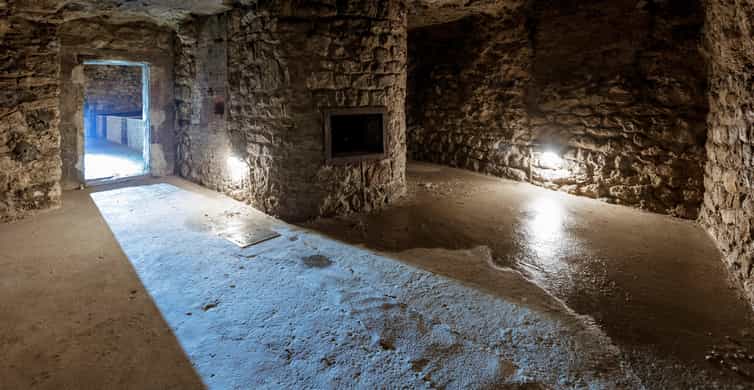
- Cellar + authentic WWII bomb shelter: You’re not just looking at history; you’re moving through the survival spaces.
- Mostly underground, all season long: Plan for about 12°C / 54°F in the cellar and caves year-round.
- Strong guide energy in English: Guides like Rita, Jonas, Balacsz, Kopp, and Cop are frequently praised for keeping the group engaged.
Why this WWII siege story works in Budapest (and not just on paper)
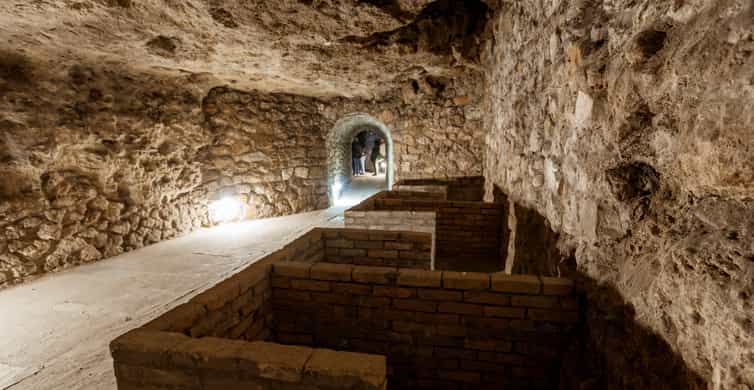
The Siege of Budapest is one of those events that gets big in textbooks and then stays abstract. What makes this tour different is simple: you walk the ground and then you go below it. When you’re in the Palace District, you can trace the geography of the siege in a way that facts alone never do. Then, once you’re underground, the story turns physical.
The tour focuses on what happened after Christmas Eve in 1944, when the Soviet Red Army encircled German-occupied Budapest and the 52-day siege began. The point isn’t only the battle. It’s the human rhythm of those weeks: hunting for safety, enduring darkness and cold, and dealing with the strain of overcrowding and disease. The guide’s narration is built around diaries and memoir-like recollections, which helps turn names and dates into something you can emotionally place.
And yes, the tour is compared to Stalingrad for a reason: it was a brutal encirclement with extreme suffering. Here, that comparison feels less like drama and more like a pattern you can understand once you see what refuge looked like.
You can also read our reviews of more tours and experiences in Budapest.



Meeting on Dísz Square: getting oriented fast on Castle Hill
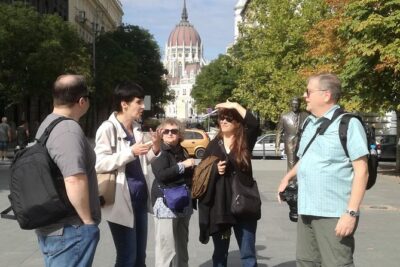
You meet at De la Motte–B.-Palace, Dísz Square 15, right next to the Posta building, at the big green gate. Look for the guide carrying a turquoise umbrella with the Buda Castle Walks logo. The whole experience starts promptly, so if you arrive late, you’ll miss the opening walk.
Castle Hill is a good place to start because you get immediate orientation. Even before you go underground, you’re already in the right neighborhood for the story. This matters for me because it keeps the tour from feeling like a random history lecture. You’re walking through the same kind of streets people would have recognized during the chaos.
Practical tip: if you’re arriving during busy times, use the on-site visit planner for real-time traffic and closures around the Palace District. It’s built for exactly this problem: Castle Hill can be slow or restricted depending on conditions.
Úri Street and Lovas Way: the above-ground setup you’ll be glad you get
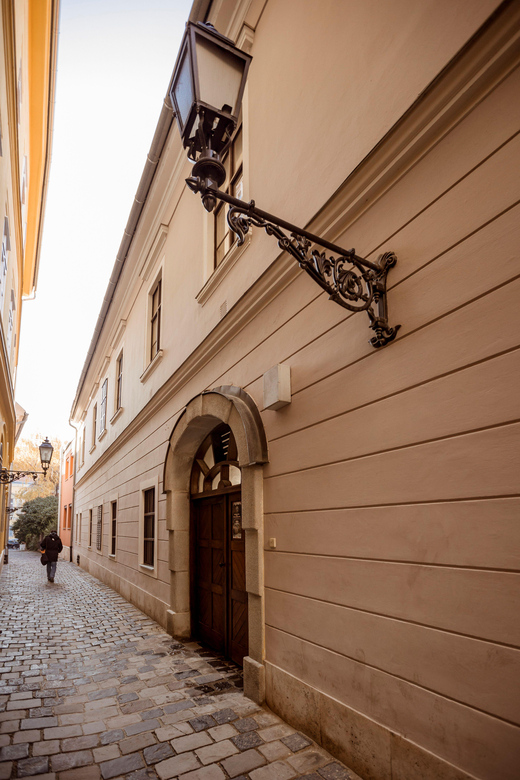
Before the cave section takes over, the tour gives you context on the way in. You’ll walk with the guide along Úri Street and toward Lovas Way in the Palace District. This is where you connect the battle to place: the shape of Castle Hill, the feel of the district, and the logic of why certain spaces mattered when surface life became dangerous.
What I like about this above-ground portion is that it prevents the underground stops from being a jump-scare history show. You’re not just descending for the thrill of tunnels. You’re going in with a mental map.
You may also get pointed-out traces of the siege during these outdoor stretches. In at least some tours, the guide discusses evidence like bullet holes, secret doorways in buildings, and ventilation shafts that connect upward from public shelters. You’re not going to find these everywhere like magic markers, but when the guide points them out, they make the whole area feel newly readable.
The Buda Castle Cave section: what the 35-minute walk really means
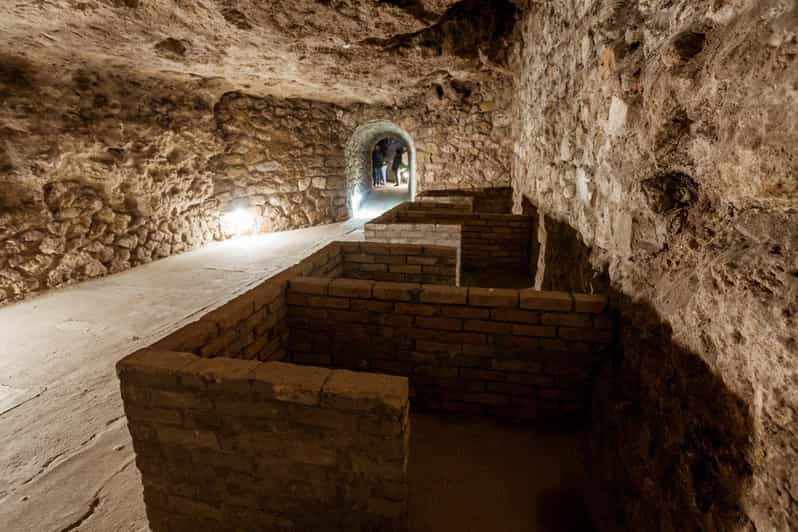
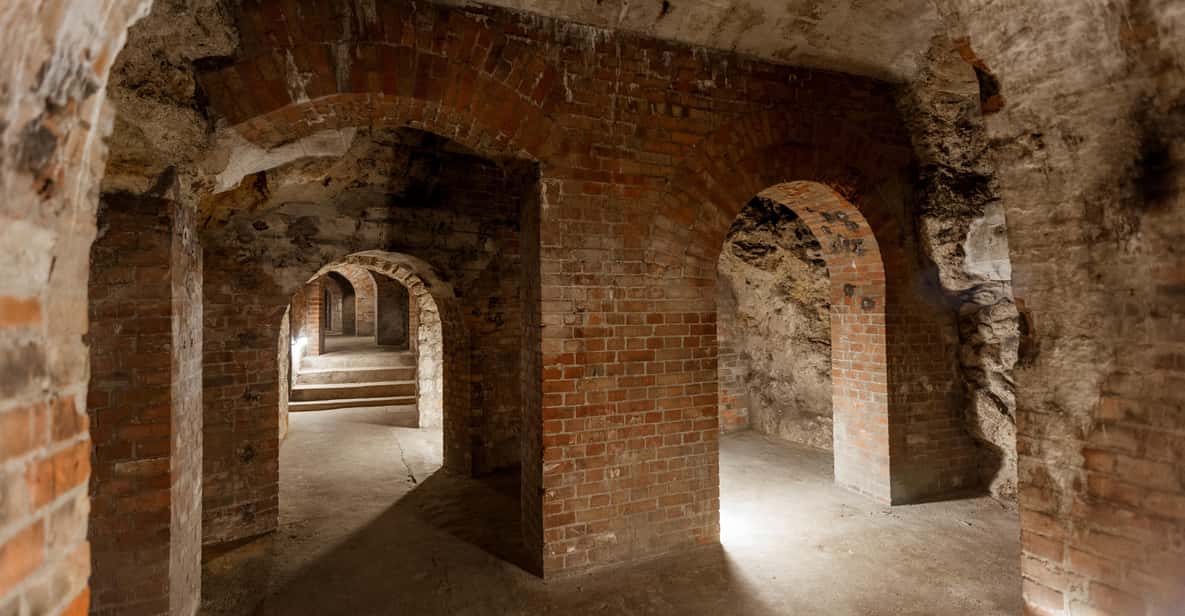
One of the tour’s central stops is the Buda Castle Cave. You’ll spend about 35 minutes here with a guided walk. This is the part where Castle Hill stops being a view and becomes an underground route.
The caves run cool year-round, around 12°C / 54°F. That matters because the siege story is partly about survival against cold, and your body will “get it” in a hurry once you’re down there. Dress in layers, and don’t treat this as a summer-only indoor attraction. Even in warmer months, the cellar-and-cave temperature stays steady.
Also, caves change how you walk. Surfaces can be solid and sometimes wet. Lighting is present, but you’ll still move through dark, enclosed areas and tight passages. If you’re comfortable with that, you’ll likely find the cave section fascinating. If you’re uneasy in narrow corridors, read the next section carefully.
Entering the cellar and WWII bomb shelter: the survival spaces come alive
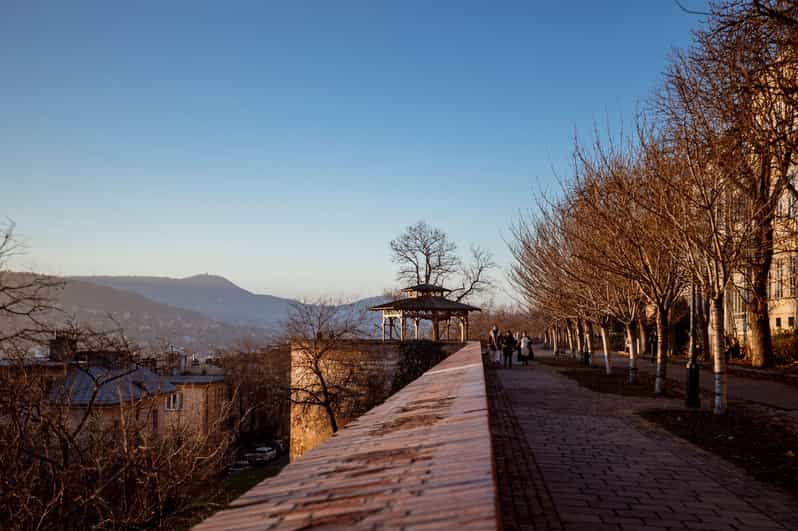
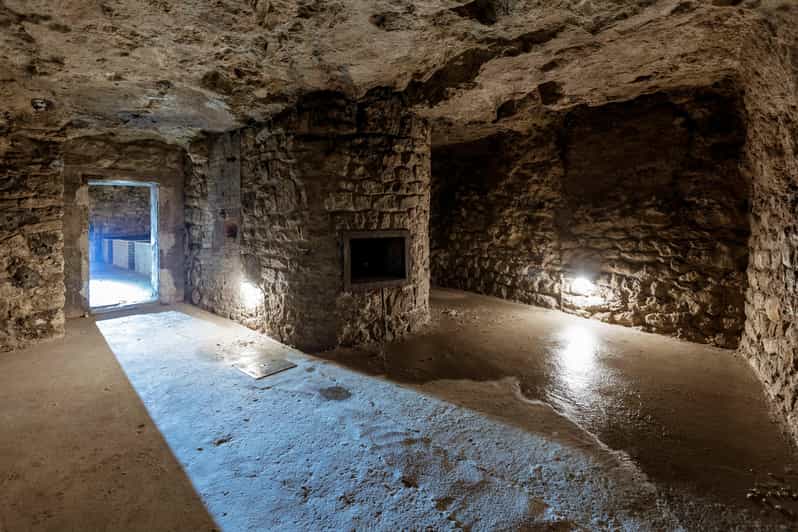
The tour doesn’t stop at the cave network alone. You also visit a cellar of an older dwelling house and an authentic Second World War bomb shelter in the cave system beneath the district.
This is where the tour’s emotional weight lands. The siege was 52 days, and people didn’t escape by leaving town. They endured. The narration covers what that endurance looked like: lack of water and food, darkness, overcrowding, and illness. It also includes who sought refuge in Buda Castle, including German and Hungarian soldiers, the wounded, and civilians.
What makes these underground survival stops valuable for you is that they explain more than “what happened.” They help you understand how people used space under pressure. You start noticing how shelters must have functioned as breathing rooms for survival: limited resources, limited movement, and the need to hold onto possessions and hope even as conditions collapsed.
One more practical note: this is not a smooth, wide-stair kind of experience. Expect steep stairs, narrow corridors, and enclosed areas. If you’re traveling with companions who share your tolerance for tight spaces, you’ll all have a better time.



The human scale of the siege: why the tour compares it to Stalingrad
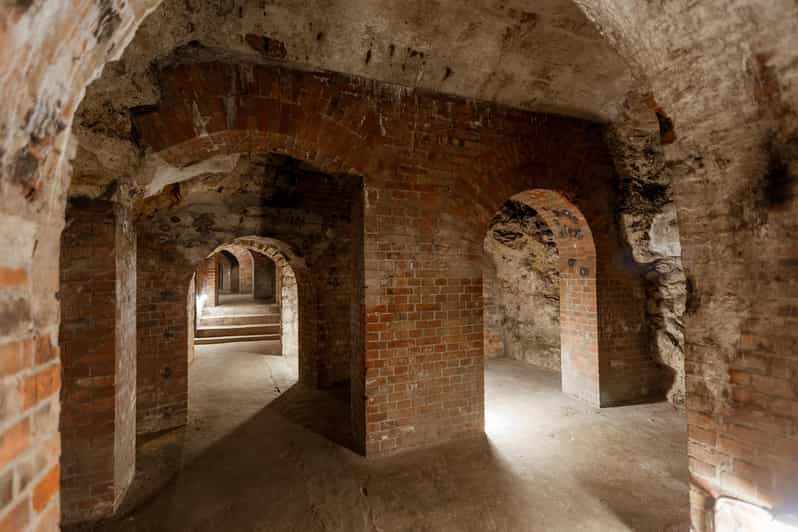
Near the end, the guide helps connect the local story to the broader war context. The Siege of Budapest has often been compared to Stalingrad, one of the most brutal and devastating encirclement battles in world history. Here, that comparison isn’t just a trivia fact. It comes from the same ingredients: encirclement, prolonged suffering, and a fight where survival depended on extreme conditions.
If you’re the kind of traveler who likes history that doesn’t ignore emotions, you’ll probably appreciate this framing. One review highlights how hard the subject can hit emotionally, but also how meaningful it becomes once you physically follow the story paths.
At the same time, I’ll keep expectations realistic. This is a walking tour through real underground spaces, so it’s not a museum exhibit where you can stop and stare at a wall whenever you want. You’ll follow the guide, keep moving, and absorb the story as you go.
Timing, group flow, and how long 90 minutes feels
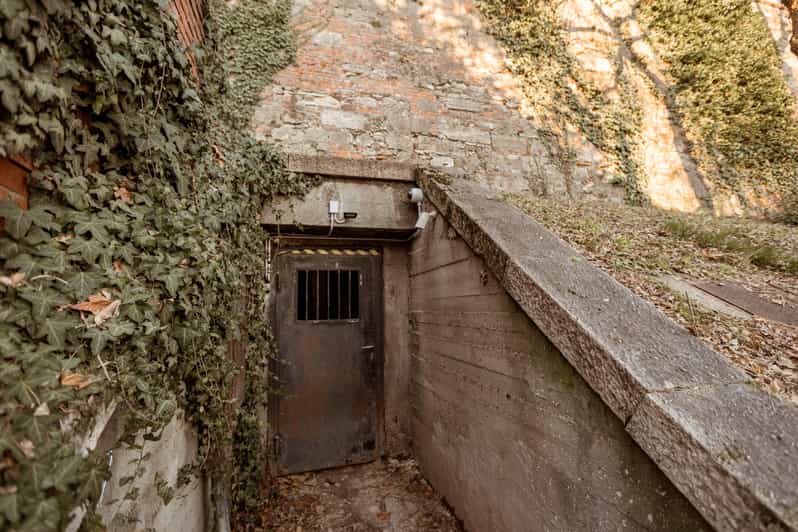
The tour lasts 90 minutes. It’s a compact format, and that’s a real plus in Budapest. Castle Hill is busy, and you usually don’t want to lose half a day to one site unless it’s the main anchor of your trip.
Most of the experience is underground, but you still get enough above-ground walking to keep the story grounded in the district. You finish at Szentháromság tér. In some cases, tours may wrap close to sunset on the west side of the castle walls, giving you a chance to look around after the caves. Even if timing doesn’t create a golden-hour moment for your group, finishing back outside still helps your brain reset.
One small but important detail: the program starts promptly at the scheduled time, and latecomers can’t be waited for. If you’re trying to line up with other Castle District plans, build in extra buffer time.
Cost and value: why this is priced like a “short” tour but feels bigger
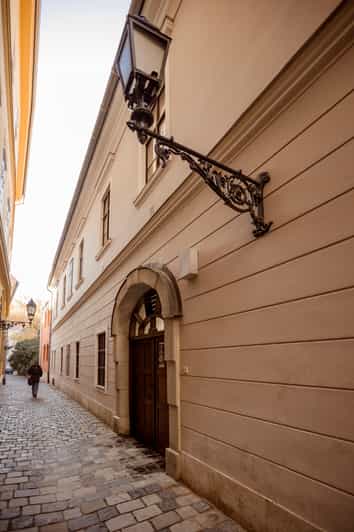
At $24 per person for a 1.5-hour guided experience, this is priced like an accessible walking tour. In a good way, though, it punches above that weight because you’re paying for three things at once: guided narration in English, an above-ground walk through the Palace District, and entry/visit time through underground spaces including a cellar and an authentic WWII bomb shelter.
If you only wanted a quick overview of Budapest during World War II, you could read or watch something and call it done. The value here is that you see the survival architecture yourself. And when the guide is strong, as many reviews suggest with guides like Rita and Jonas, you get more than facts. You get a coherent story you can carry into your own exploration after the tour.
One more value point: the tour uses English live guidance. If you’re relying on translations and interpreting history through signage, this kind of guided storytelling can make your time in Budapest feel faster and more satisfying.
What to bring (and what to skip) so the caves don’t slow you down
This tour is physically demanding enough that packing choices matter.
Bring:
- Comfortable shoes for cobbled streets and cave floors
- Warm clothing and layers for about 12°C underground
- Water and snacks, since you’ll be out for 90 minutes and parts are enclosed
- Anything you’ll want if you cool down quickly once you’re underground
Skip if relevant:
- Big bags you hate carrying on steep, narrow routes
- Anything that makes you feel clumsy on uneven surfaces
The tour also runs in all weather conditions, rain included. So you’ll want footwear that handles wet surfaces without turning the cave walk into a slip-and-slide.
Who should book this bomb shelter and siege tour
Book this tour if:
- You want WWII history you can walk through, not just read
- You like guided storytelling based on personal accounts and period recollections
- You enjoy history that connects the battle to everyday survival
You should think twice if:
- You have claustrophobia
- You need wheelchair access or have mobility challenges
- You’re traveling with children under 14
The age guidance is 14 and up, which makes sense given stairs, narrow passages, and the heavier emotional subject matter.
If you’re a history, politics, or philosophy-minded traveler, you’ll likely appreciate how the guide shapes the story. Multiple reviews mention guides who keep people engaged and answer related questions beyond the main route.
Quick FAQ before you decide
FAQ
How long is the Budapest WWII siege and bomb shelter tour?
It runs for 90 minutes (about 1.5 hours).
Is this tour mostly indoors or outdoors?
It’s both. You’ll walk outside on Castle Hill and then spend time underground in the cave system, including a cellar and an authentic WWII bomb shelter.
What temperature should I expect in the cave areas?
Expect around 12°C / 54°F in the cellar and Buda Castle Cave throughout the year.
What should I bring?
Bring comfortable shoes, warm clothing (layers), snacks, and water.
Who can’t join this tour?
It’s not suitable for children under 14, people with mobility impairments, wheelchair users, or people with claustrophobia.
Where do I meet, and where does the tour end?
Meet at De la Motte–B.-Palace, Dísz Square 15, by the big green gate next to the Posta building (look for the turquoise umbrella). The tour ends at Szentháromság tér.
Should you book the Budapest Siege of Buda Castle & Bomb Shelter Tour?
Yes, if you want WWII history with a strong sense of place. The mix of above-ground Palace District walking and real underground spaces is the whole point, and the 90-minute length is a smart way to get the story without losing your whole day.
Skip it if narrow, enclosed spaces are a problem for you, even if you’re very interested in history. And if you’re the type who likes to connect the past to the street-level geography you’ll see on your own afterward, this is the kind of tour that makes the rest of your Castle District wandering feel sharper and more meaningful.