
REVIEW · BUDAPEST
Hungarian Strudel Making Class: Stretch & Fill Two Ways
Book on Viator →Operated by Flavors of Budapest · Bookable on Viator
Stretching strudel dough is oddly satisfying. In a small-group class in a Budapest home kitchen, you learn the hand-stretched technique and the strudel history behind one of Hungary’s best-loved dishes. I love that it’s truly hands-on, and you’re not just watching from the side. You also get to choose a sweet-and-savory combination, so your final tray feels personal and not cookie-cutter.
The only real drawback: there’s no hotel pick-up or drop-off, so you’ll need to reach the studio on your own. That’s easy if you’re staying central, but it’s not a “meet you at your door” kind of experience.
In This Review
- Key Points You’ll Care About
- Budapest Strudel Making Class in a Home Kitchen
- What You’ll Make: Sweet and Savory Strudel Pairs
- The Real Skill: Stretching Strudel Dough Without Tears
- Filling Choices: Picking Flavors That Make Sense
- During Baking: Hungarian Bites and Drinks You’ll Actually Taste
- A Typical Flow for the 2.5-Hour Session
- What the Small Group Size Changes for You
- Price and Value: Is $95.34 Worth It?
- Logistics That Matter: Where to Meet and How to Plan
- Who This Class Suits Best
- Should You Book the Budapest Strudel Making Class?
- FAQ
- Where is the meeting point for the strudel class?
- How long is the experience?
- How many people are in the class?
- What fillings can I choose for the two strudels?
- What’s included in the price?
- Is hotel pick-up or drop-off included?
- Is free cancellation available?
Key Points You’ll Care About
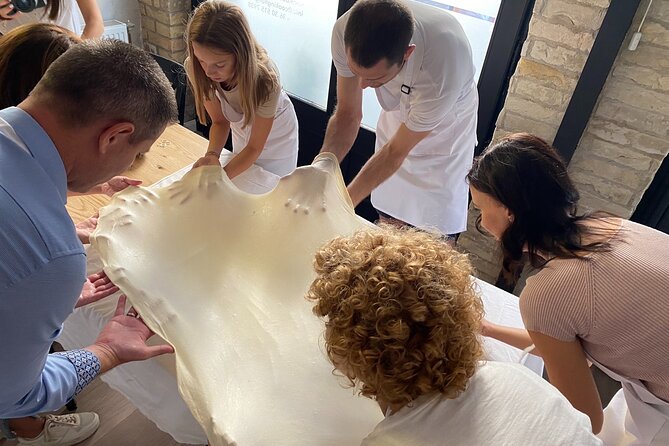
- Small group, max 10: individual help and clear demonstrations
- Stretch the dough two ways: learn how to thin without tearing
- Choose 2 fillings from 4 options: apple, sweet farmer cheese with sour cherry, savoury cabbage, poppy-seed with pumpkin
- Sweet and savory strudels: you’ll leave with variety, not one sad slice
- Hungarian bites + drinks during baking: paprikas, sausage, spicy cottage cheese cream, plus Hungarian wine and homemade soft drinks
- Home-kitchen setting in the center: a cosy studio, not a basement room
Budapest Strudel Making Class in a Home Kitchen
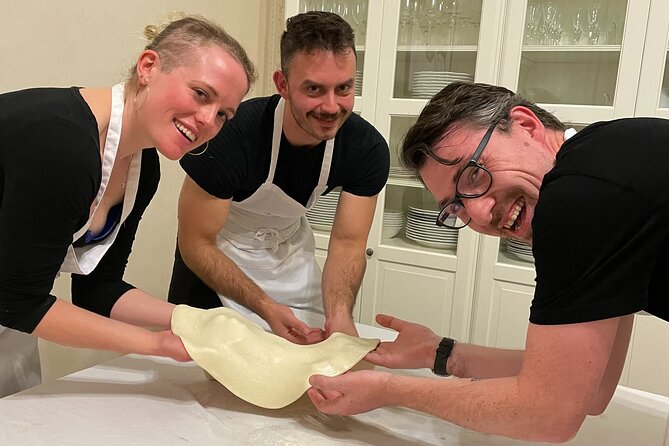
This class is built around a simple idea: if you want good strudel, you have to touch the dough. You’ll work in a home-style kitchen studio right in central Budapest, and the setting matters. A clean, cosy space keeps the mood relaxed, which helps when you’re learning something physical like stretching pastry dough.
The class runs about 2 hours 30 minutes, and you can pick either a morning or afternoon time. Go hungry. You’ll make, bake, and taste your strudels, and you’ll also eat Hungarian snacks while the oven does its job. The rhythm is part lesson, part meal, part culture chat.
One thing I appreciate is that the experience isn’t framed like a “tutorial show.” It’s 100% hands-on, so you’ll practice the key motions yourself. That’s the difference between learning to cook and learning to copy.
You can also read our reviews of more tours and experiences in Budapest


What You’ll Make: Sweet and Savory Strudel Pairs

The highlight of this stretch-and-fill concept is that you don’t end up with only one kind of strudel. Your class is designed around making stretched strudel dough and then filling it two different ways.
You’ll choose two fillings from:
- apple
- sweet farmer cheese with sour cherry
- savoury cabbage
- poppy-seed with pumpkin
If you book early, you can choose your fillings from the available options. That matters because the class is small and the menu is flexible, so you’re not stuck with whatever is easiest for the teacher. If you like variety, this is the best way to do it in one sitting.
Your strudels will come with a “family recipe” focus, meaning the emphasis is on what actually works in a home kitchen: dough behavior, filling balance, rolling habits, and how to avoid the common mistakes (like overfilling or tearing while stretching).
The Real Skill: Stretching Strudel Dough Without Tears
The dough is the whole story here. You’ll learn how stretched strudel dough works and how to handle it without breaking down the layers. Strudel dough is delicate in a very specific way: it wants to be thin, but it doesn’t respond well to rushing.
In class, the stretching portion is taught step-by-step, and the instructor actively involves everyone. That focus on participation shows up in the way people describe the session: clear explanation, organized teaching, and lots of practice actually stretching the dough. You’re not just learning “a” technique; you’re learning why the technique matters and how to adjust when the dough behaves differently than you expected.
You’ll also pick up strudel-related habits and useful practises, which is exactly what you want from a Hungarian class. These are the small methods people pass along in families, the stuff that doesn’t always show up in written recipes. Even if you never plan to make strudel again, you’ll leave with a better understanding of how Hungarian home cooking thinks about process.
Filling Choices: Picking Flavors That Make Sense
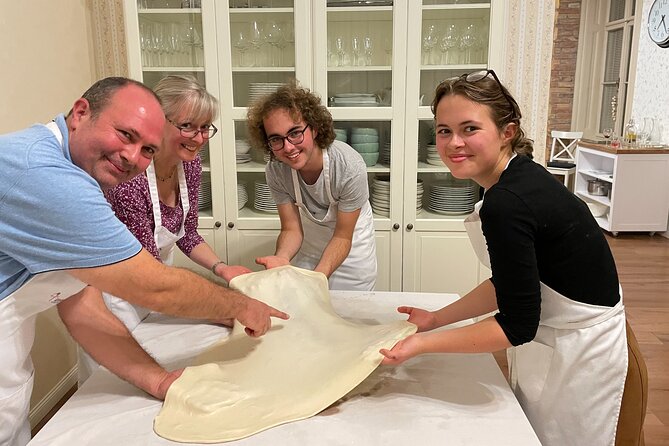
Choosing your fillings isn’t just about taste. It also shapes how you experience the baking and assembly steps.
Here’s how the options usually “read” as a mix-and-match pair:
- Apple is approachable and classic. It tends to feel cozy and familiar if you’re new to strudel.
- Sweet farmer cheese with sour cherry brings a more dessert-forward bite. It also gives you that tangy-sweet contrast that makes the filling memorable.
- Savoury cabbage turns the strudel idea into something more meal-like. If you usually think of strudel as sweet, this one changes the whole picture.
- Poppy-seed with pumpkin leans autumnal and rich. It’s different from typical fruit fillings and gives your tray more depth.
Because the class is built to make two strudels, you can aim for contrast: sweet plus savoury, or two sweet options if you want an all-dessert ending. Either way, the format makes it easy to try more than you’d try on your own at home.
During Baking: Hungarian Bites and Drinks You’ll Actually Taste
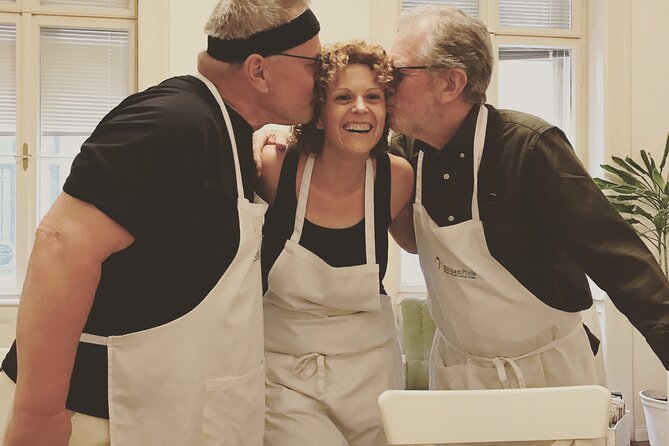
While the strudels bake, you’re not sitting in silence with a timer app. You get Hungarian bites and drinks that match the flavors you’re cooking.
The included snack plate includes a Hungarian farmer’s assortment, with items like:
- different paprikas
- sausages
- spicy cottage cheese cream
- bread
The class also includes drinks: Hungarian wine, homemade soft drinks, and mineral water.
This part is practical. You’re learning while you’re eating the cuisine that strudel belongs to. It also helps you pace the class. Stretching dough takes focus, and then you get a break that still feels connected to the cooking theme.
One small detail worth noting: a couple of people mentioned extra touches like homemade snacks, and in at least one case, an attendee described tasting and enjoying wine and other local-style drinks while waiting. It’s the kind of hospitality that makes the class feel less like a transaction.






A Typical Flow for the 2.5-Hour Session
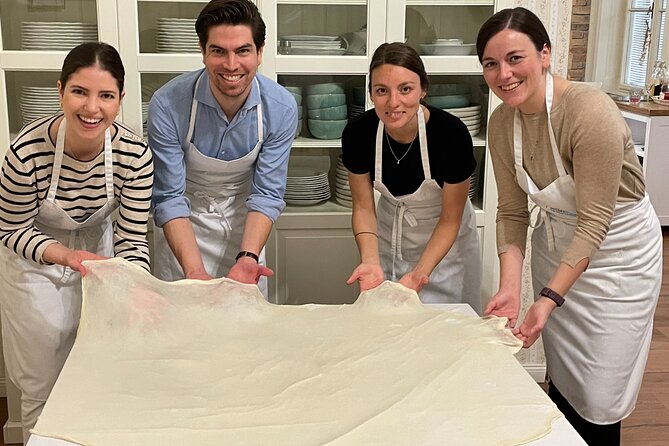
You can expect the class to move in a clear sequence, even if you come in as a complete beginner.
First, you’ll start in the studio kitchen and get taught the overall approach: how the dough should feel, what to watch for, and how the stretching process works from start to finish. This is where the instructor’s organized teaching really matters. If you’re nervous, you’ll feel better once you see what “good dough” looks like at each stage.
Next comes the hands-on stretching. You’ll practice until you can stretch it thin enough, without turning it into a sticky mess. The goal isn’t only to stretch. It’s to stretch evenly and keep the dough manageable for filling.
Then you’ll prepare and fill two versions. Because the class is hands-on, you’ll get time to work with your chosen fillings and learn how they behave. Some fillings can hold moisture differently, and that affects your assembly choices.
While baking happens, you eat Hungarian bites and sip the included drinks. That’s a good time to ask questions about technique, ingredient choices, and Hungarian food habits that go beyond strudel.
Finally, you’ll taste what you made. Some participants also noted that leftovers were available to take home. That’s not something I’d count on every time, but with a class this food-focused, it’s a nice possibility.
What the Small Group Size Changes for You
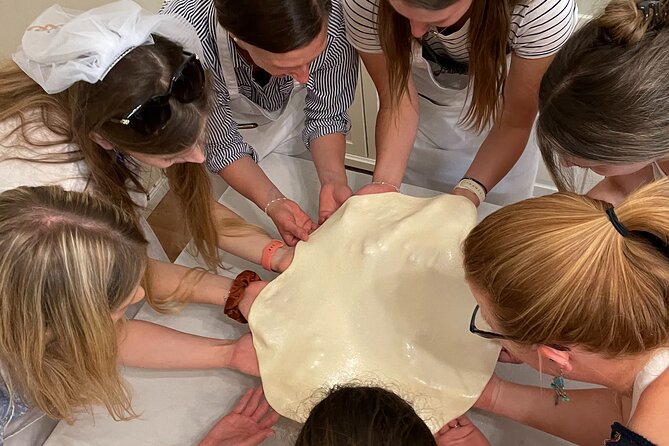
This is capped at maximum 10 travelers, and it also requires at least 4 people to run. That small scale makes a difference in two ways.
1) You get feedback fast. When you’re learning how to stretch dough, you can’t hide in the back row. Mistakes show immediately. The instructor can correct your hand position and your pacing.
2) You get a calmer experience. The class feels like a shared project, not a production line. People described the instructor as warm and engaging, with clear instructions and real attention to participation. That kind of teaching style matters when you’re learning something hands-on and physical.
Also, since you’re in a home-style studio kitchen, the class doesn’t feel like a big tour bus thing. It feels like you’ve been invited into someone’s work space for a food lesson.
Price and Value: Is $95.34 Worth It?
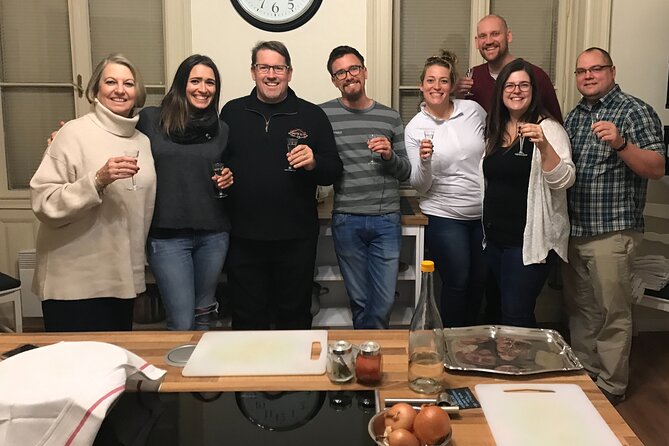
At $95.34 per person, this class isn’t the cheapest “snack-and-walk” activity in Budapest. But it also isn’t a quick demo where you do almost nothing.
You’re paying for:
- a small-group class (max 10) with individual technique help
- real ingredient handling and hands-on stretching practice
- two filled strudels instead of just one
- a prepared Hungarian bites plate during baking
- drinks (Hungarian wine, homemade soft drinks, mineral water)
- a central home-kitchen studio setting
The value becomes clear if you compare it to the cost of ingredients and trial-and-error at home. Strudel dough practice takes skill, and it’s easy to waste ingredients if you don’t know what you’re doing. Here, you learn the “why” behind the “how,” and you leave with food that’s actually good because it comes out of an instructor-guided process.
If you like cooking classes, especially the kind where you work with your hands, the price starts to look fair. If you’re only looking for a light activity and don’t want food-focused instruction, you might feel it’s pricier than you need.
Logistics That Matter: Where to Meet and How to Plan
You meet at Budapest, Király u. 77, 1077 Hungary, and the class ends back there. There’s no hotel pick-up or drop-off, and the studio is near public transportation, so planning your arrival on foot or by transit is the right move.
Because it’s a home-kitchen studio, treat the start time like a real start time. Arrive a few minutes early, get settled, and then jump into the dough work. When you’re learning stretching technique, timing helps. You don’t want to start rushed.
If you’re staying in central Budapest, this should fit nicely into your day. One practical tip: since snacks and drinks are included, plan your meal schedule so you’re not trying to squeeze in a huge dinner right before or right after.
Who This Class Suits Best
This experience is a strong match if you want an authentic Hungarian food skill, not just a meal.
You’ll probably love it if:
- you like hands-on cooking
- you want to learn a specific technique (strudel stretching)
- you’re a fan of Hungarian flavors like paprikas and farmer cheese
- you want both sweet and savoury in one session
- you enjoy a small-group, friendly teaching vibe
It can also work for visitors traveling with someone who loves food culture and enjoys questions. The class format seems set up for conversation as part of the experience, not as a distraction from cooking.
If you hate kitchens or you prefer pure sightseeing, you might find the cooking focus too concentrated. But if food is part of how you read a city, this Budapest strudel class gives you that “I learned this and I can taste it” feeling.
Should You Book the Budapest Strudel Making Class?
Book it if you want a real technique lesson in a cosy central home kitchen, and you like the idea of leaving with two strudels that match your flavor choices. The small group size and hands-on stretching practice make it worth your attention, and the included Hungarian bites and drinks turn it into a full experience, not a snack stop.
Skip it only if you’re looking for something quick and low-effort. With strudel, your hands and focus matter, and the experience is built around that.
If you’re in Budapest and you want to understand why strudel is such a key part of Hungarian food, this class is one of the most direct ways to do it. You’ll walk away knowing what to do with the dough, not just what to order when you’re hungry.
FAQ
Where is the meeting point for the strudel class?
The class meets in Budapest at Király u. 77, 1077 Hungary. The activity ends back at the meeting point.
How long is the experience?
It lasts about 2 hours 30 minutes.
How many people are in the class?
The class has a maximum of 10 travelers.
What fillings can I choose for the two strudels?
You can choose 2 fillings from: apple; sweet farmer cheese with sour cherry; savoury cabbage; poppy-seed with pumpkin.
What’s included in the price?
It includes stretched strudel with 2 fillings, a Hungarian farmer’s plate (peppers, sausage, spicy cottage cheese cream, bread), drinks (Hungarian wine, homemade soft drinks, mineral water), and lots of information and tips.
Is hotel pick-up or drop-off included?
No, hotel pick-up and drop-off are not included.
Is free cancellation available?
Yes. You can cancel up to 24 hours in advance of the experience for a full refund.