REVIEW · BUDAPEST
Private Sightseeing Tour using Electric Tuk Tuk Ride in Budapest
Book on Viator →Operated by e-TukTour · Bookable on Viator
Budapest looks like a movie set, and this tour helps you see it fast. You glide past the big names from the comfort of an electric tuk-tuk, with time to stop, look around, and shoot photos without feeling rushed.
My favorite part is the mix of famous sights plus the little context your guide shares along the way. I also love the comfort touches Daniel often brings—blankets, hot tea, and even heated layers when weather turns.
One thing to consider: it’s a short, 2-hour whirlwind. If you want long museum time or deep walking, you’ll still need to plan extra visits later.
In This Review
- Quick hits you’ll actually use
- Electric Tuk-Tuk vs. Walking: Why This Works in Budapest
- Meeting at Oktogon 2 and Getting Your Two-Hour Game Plan
- Andrássy Avenue: UNESCO-Class Streets from the Tuk-Tuk
- Heroes’ Square: A Square Made for Looking Up
- Vajdahunyad Castle and the Serious Stuff: Terror House Pass-By
- Opera House Photos and the Slow Pass Trick
- Parliament Building Stop: The Must-See Break That Actually Feels Like a Break
- Jewish District Highlights: Great Synagogue and Tree of Life Memorial
- National Museum Exterior and Grand Market Hall at a Glance
- Liberty Bridge and the Chain Bridge: Two Views of the River Story
- Thermal Bath Stops: Gellért and Rudas Without the Commitment
- Buda Castle District: Buda Palace and the View Factor
- Fisherman’s Bastion and Matthias Church: Short Stops, Big Payoff
- Daniel’s Touch: Comfort, Flexibility, and a Guide Who Actually Adjusts
- Price and Value: Is $102.80 Worth It?
- Who This Tuk-Tuk Tour Fits Best
- Quick Tips Before You Go
- Should You Book This Private Electric Tuk-Tuk Tour?
- FAQ
- How long is the private electric tuk-tuk sightseeing tour?
- Is this tour private, and is it offered in English?
- Where does the tour start, and does it end there?
- What are some of the main sights you’ll see?
- Are admission tickets included?
- What if the weather is bad?
Quick hits you’ll actually use

- Private, small-group feel: only your group rides, so you can ask questions as you go
- Photo-friendly pacing: planned breaks at Heroes’ Square, Parliament, Buda Castle, Fisherman’s Bastion, and Matthias Church
- Comfort beats cold hands: blankets and warm drinks are a common theme with Daniel
- Two sides of Budapest: Pest highlights plus Buda viewpoints in one loop
- Electric tuk-tuk convenience: an easy way to cover lots of ground without constant walking
- Admission is not included: you’ll see many interiors/exteriors from the outside unless you add tickets
Electric Tuk-Tuk vs. Walking: Why This Works in Budapest
Budapest can feel huge when you’re trying to do everything on foot. This tour solves that by getting you close to major sights while cutting out long stretches of sidewalk and traffic hassle.
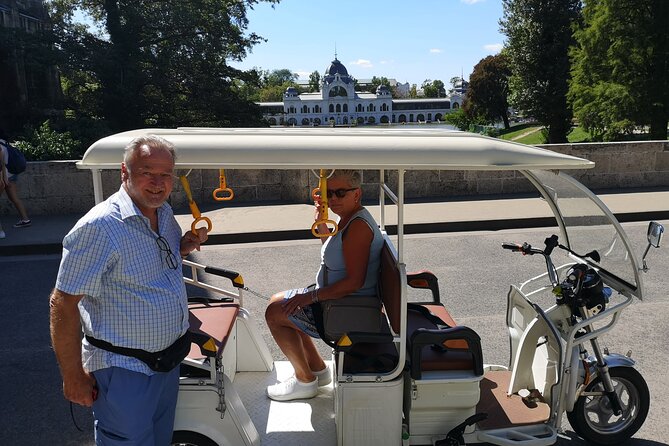
The electric tuk-tuk ride is also great for your brain. You see the city in motion, then you stop at a viewpoint or square just long enough to reset. That combo helps you connect the dots between neighborhoods instead of collecting random postcards.
And yes, it’s a bit fun. It’s not a bus, it’s not a bike, and it’s not a slow crawl. You get a city preview with a guide who’s willing to slow down for photos.
You can also read our reviews of more private tours in Budapest
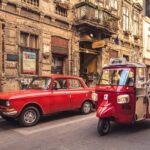


Meeting at Oktogon 2 and Getting Your Two-Hour Game Plan
You start and end at Budapest, Oktogon 2 (1067). That’s a convenient anchor if you’re staying somewhere in central Pest.
The ride time is short enough to fit before dinner or as a first-day orientation. The tour lasts about 2 hours, and travel between stops can total roughly an hour depending on the flow of the route and how long you choose to pause.
You’ll use a mobile ticket, and the tour is offered in English. It’s private, so you’re not squeezed into a larger group where questions get swallowed by the crowd.
Practical tip: plan for at least a little standing around at photo stops. Even with breaks, you’ll want comfortable shoes for quick walks around squares.
Andrássy Avenue: UNESCO-Class Streets from the Tuk-Tuk
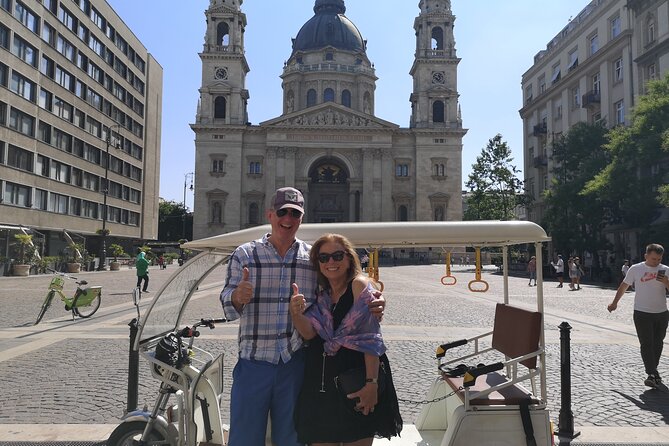
The tour kicks off by heading along Andrássy Avenue, part of the UNESCO World Heritage area. This matters because it’s one of the easiest ways to understand how Pest’s grand boulevards connect to the rest of your day.
From the tuk-tuk, you get a clean view of the facades and the street’s “big city” scale without needing to fight for position on a crowded sidewalk. It’s also a smooth start—less time figuring out streets, more time taking in what makes Budapest look so dramatic.
If you’re a photo person, this is a good early stretch. Morning light can flatter stonework and ironwork, and you’re moving just enough to keep angles interesting.
Heroes’ Square: A Square Made for Looking Up
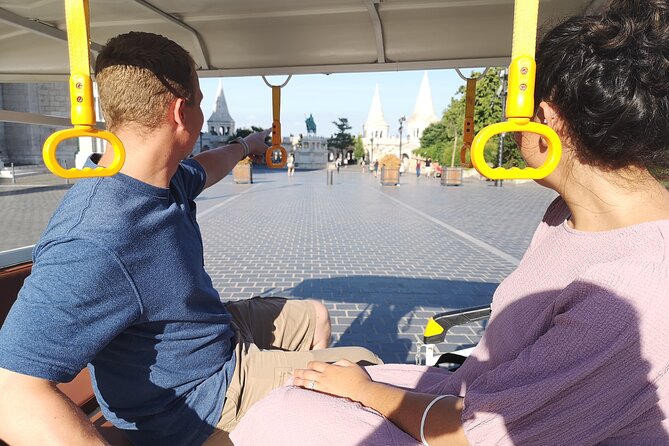
First big stop: Heroes’ Square. It’s pedestrian-friendly and designed for that classic Budapest move—tilt your head up, then scan the statues and the composition around you.
You get about 15 minutes here, which is just enough for a closer look and a few photos without turning it into a half-day commitment. The square is often one of the first places people recognize when they return home, so it’s a smart place to start your “orientation photos.”
If you want to make the most of your 15 minutes, pick one main view first. Then do a second pass for details like figures and symmetry.
Vajdahunyad Castle and the Serious Stuff: Terror House Pass-By
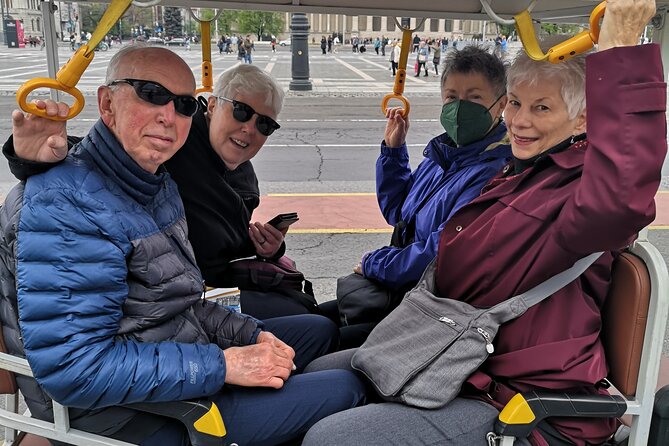
After Heroes’ Square, the route includes a stop where your guide shows you Vajdahunyad Castle. Even when you’re not spending time inside, it’s one of those landmarks that helps your brain lock onto Budapest’s identity—part storybook, part monument.
Then you pass the House of Terror. The building has a dark past, tied to Nazi headquarters usage. Seeing it from the road is quick, but the context from your guide is usually what makes it land emotionally.
This is where a private tour shines. You can ask questions in the moment instead of hoping a brochure will do the job.






Opera House Photos and the Slow Pass Trick
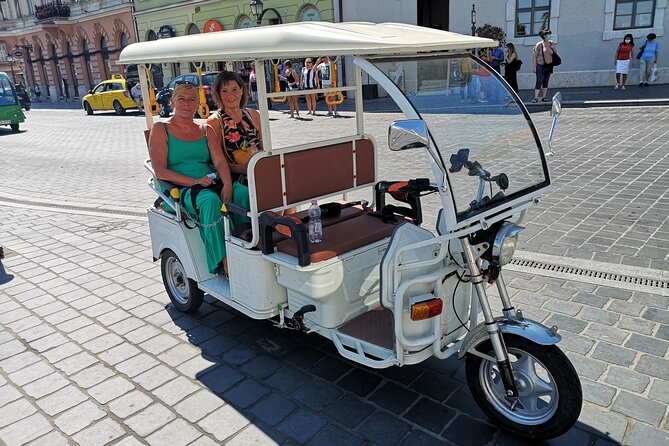
Budapest’s Opera House gets a slow pass so you can take photos while your guide shares history. That’s a key detail: the tuk-tuk isn’t just transport. It’s also a moving viewing platform.
A slow pass is especially useful for architecture because you want stable angles. If you’ve ever tried to photograph an ornate building from a moving bus, you know the pain. Here, you get the chance to line up shots.
You’ll also pass Budapest’s biggest church (from the outside) at a walking pace that allows photos. That’s the practical value of this format: you don’t have to time yourself perfectly to catch the right view.
Parliament Building Stop: The Must-See Break That Actually Feels Like a Break
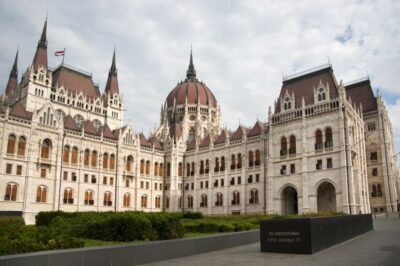
Next is the Hungarian Parliament Building, and you get a second 15-minute stop. This is a pedestrian area, and it’s treated as a must-see for a reason.
Parliament is one of those buildings where your first look is wow, your second look is detail. In just 15 minutes, you can do both—especially if your guide tells you what to look for while you’re standing there.
One more thing: the tour’s pacing usually leaves room to rest between major stops. That’s not a luxury detail. In cold weather, it’s the difference between enjoying the sights and rushing through them like a checklist.
Jewish District Highlights: Great Synagogue and Tree of Life Memorial

You’ll spend time to take photos around the Great Synagogue and the Tree of Life Memorial. This stop is photo-focused, so it’s ideal if you’re traveling with limited time and want respectful, accurate context.
What I like about this portion is the way it balances spectacle and meaning. You get strong visuals, but your guide also frames what you’re seeing so you don’t treat the area like just another viewpoint.
If you’re planning your own follow-up walk later, this stop gives you a clear idea of what the district offers so you’ll know where to spend extra time.
National Museum Exterior and Grand Market Hall at a Glance
You pass the huge National Museum slowly for photos. Even if you don’t go inside, the scale is worth seeing. It’s one more piece of the puzzle that makes Budapest feel like a layered capital, not a one-note city.
Then you see Grand Market Hall, built in 1897. Market halls are where cities show you everyday life—what locals buy, how food culture works, and what smells like “here.”
You’re not forced into a market visit during this tour, but the quick look sets you up to decide if you want to come back. If you’re the type who likes to eat your way through cities, this is a helpful nudge.
Liberty Bridge and the Chain Bridge: Two Views of the River Story
You cross Liberty Bridge, described as the third oldest bridge in Budapest. Crossing a river like this gives you a natural reset—views open up, and you get a different feel for the city’s layout.
Later, you’ll see the Chain Bridge, identified as the oldest and one of the most beautiful. The chain-link style is instantly recognizable, and seeing both bridges during one short tour helps you compare how Budapest “talks” to the river from different angles.
If you’re traveling with a camera, keep your settings ready before you reach the bridges. Light can shift quickly near the water.
Thermal Bath Stops: Gellért and Rudas Without the Commitment
You’ll see Gellért, noted as one of Budapest’s best thermal baths, and Rudas Bath on the Buda side, described as an original Turkish bath next to Elizabeth Bridge.
Here’s the value: you learn where the iconic bath buildings sit in relation to the rest of your route. Even if you’re not doing a bath this trip, this overview helps you decide later.
Also, baths are a great Budapest “goal” for a future visit. If you’re deciding between doing this tour or spending your whole day bathing, this tour gives you the orientation so your later bath experience feels more intentional.
Buda Castle District: Buda Palace and the View Factor
Next comes Buda Castle district, starting with Buda Palace, described as the most historical building in Budapest. Even from outside, it gives you that feeling of stepping into the older spine of the city.
This area is where a tuk-tuk is especially handy. You get close enough for real viewpoint angles without making the day all uphill legs.
You’ll also keep moving at a pace that still allows pauses. The point isn’t to race through Buda. It’s to get you into position so the city’s best views aren’t just theoretical.
Fisherman’s Bastion and Matthias Church: Short Stops, Big Payoff
You’ll see Fisherman’s Bastion with one of Budapest’s greatest panoramas. You get another 15-minute break here, which is usually long enough to grab multiple angles—wide city shot, river shot, and then details from the steps and terraces.
Then comes Matthias Church, known for colorful tiles. This is the kind of stop where even 15 minutes feels worthwhile because it’s visually dense and easy to photograph.
If you want to go one step further later, this is the area you’d build your next visit around. But even as a “photo break,” it delivers.
Daniel’s Touch: Comfort, Flexibility, and a Guide Who Actually Adjusts
The biggest reason this tour gets such strong ratings is how Daniel handles the real-world stuff: weather, questions, and pacing.
In cold conditions, he’s known for showing up with blankets, warm tea, and even heated layers like an electric jacket or heated vest. That turns a chilly outing into something you can actually enjoy instead of just endure.
He also tends to build time for you to ask questions and linger a bit when a spot is worth it. Some tours feel like a conveyor belt. This one is more like a friendly guided drive with photo stops.
Flexibility is another theme. On a rainy morning, Daniel was able to adjust and keep the tour going once conditions improved. That kind of practical decision-making matters because Budapest weather can change your whole mood in an hour.
Price and Value: Is $102.80 Worth It?
At $102.80 per person for about 2 hours, this isn’t the cheapest way to see Budapest. But it’s also not trying to be. It’s priced for convenience and guide time.
Here’s the value math I think matters:
- You cover major sights across both Pest and Buda in a single session.
- You get multiple planned stops—Heroes’ Square, Parliament, Buda Castle area, Fisherman’s Bastion, and Matthias Church—without planning routes yourself.
- You get comfort upgrades that can save the day in cold or windy weather.
If you’re short on time, you don’t want to manage transit or parking, and you still want a solid orientation, the price starts to make sense fast.
If you already have a full day and you enjoy walking, you could do some of these on your own. But you’ll spend more time moving between locations, and you’ll likely miss some of the “why this matters” context a good local guide gives.
Who This Tuk-Tuk Tour Fits Best
This tour is a great match if you:
- want an easy first-day orientation in Budapest
- prefer photos with guidance instead of only sightseeing by yourself
- travel in a way that benefits from rest breaks
- want a private experience where questions don’t feel rushed
It’s also helpful if mobility is a factor. Several comments highlighted how the guide helped with getting in and out smoothly, plus he’ll keep finding ways to accommodate your needs during the ride.
It may be less ideal if you need long stops at museums or you want a deep dive into interiors, because the format is built around short viewing windows and photo time.
Quick Tips Before You Go
Pack for the weather, even if it feels mild when you leave your hotel. Budapest can swing.
Bring something small for drinks and snacks if you know you’ll get hungry, since the tour is time-focused. And for toilets: plan ahead around major stops, because you won’t have unlimited time between them.
Most importantly: use the stops. Ask your guide what to look for before you hop out. It turns a 15-minute break into a memorable mini-visit.
Should You Book This Private Electric Tuk-Tuk Tour?
If you’re trying to see Budapest’s biggest hits without turning your day into nonstop walking, I’d book it. The private setup, the photo-friendly stops, and the comfort Daniel brings make it a smart choice for short stays.
I’d especially recommend it as your introduction to the city. After a tour like this, you’ll know what neighborhoods to revisit, what views you loved, and what you want to see again with more time.
Skip it only if you’re already planning extensive walking and long museum sessions, or if you prefer independent exploring with zero guided context. Otherwise, this is a practical, fun way to get your bearings fast.
FAQ
How long is the private electric tuk-tuk sightseeing tour?
It lasts about 2 hours. Travel time between stops may take approximately an hour, depending on the route and timing.
Is this tour private, and is it offered in English?
Yes. It’s a private tour, so only your group participates, and it’s offered in English.
Where does the tour start, and does it end there?
The tour starts at Budapest, Oktogon 2, 1067 Hungary, and it ends back at the meeting point.
What are some of the main sights you’ll see?
You’ll pass or stop for photos at places such as Heroes’ Square, the Hungarian Parliament Building, the Great Synagogue area, Grand Market Hall, Liberty Bridge, and in Buda Castle district areas like Fisherman’s Bastion and Matthias Church.
Are admission tickets included?
No. The tour notes breaks at several attractions with admission ticket not included.
What if the weather is bad?
This experience requires good weather. If it’s canceled due to poor weather, you’ll be offered a different date or a full refund.