REVIEW · BUDAPEST
Budapest: Opera House Guided Tour
Book on GetYourGuide →Operated by bookinbudapest.com · Bookable on GetYourGuide
A restored opera house in one hour. You get the interior of Budapest’s Hungarian State Opera House, plus a short live concert that makes the building feel alive, not just pretty. The tour spotlights the 2022 restoration and the classic 1884 design by Miklós Ybl, so you’re looking at more than walls and ceilings.
I particularly like two things: you’ll see the auditorium frescoes and you’ll get real music at the end, not a lecture-only visit. One thing to consider: if the house is in rehearsal, your tour can be moved, and the auditorium lighting can be dimmer on some occasions.
This is one of those tours that works even if opera isn’t your hobby. You still learn what you’re seeing, including the staircase design people photograph for a reason, and you finish with singing that helps you understand why this place is famous for sound.
Possible drawback? The tour isn’t suitable for wheelchair users, so plan another option if mobility access matters for you.
In This Review
- Quick hits before you go
- Why Budapest’s Opera House is worth your time
- The 60-minute route: what you’ll see inside
- Miklós Ybl and the 1884-to-2022 story
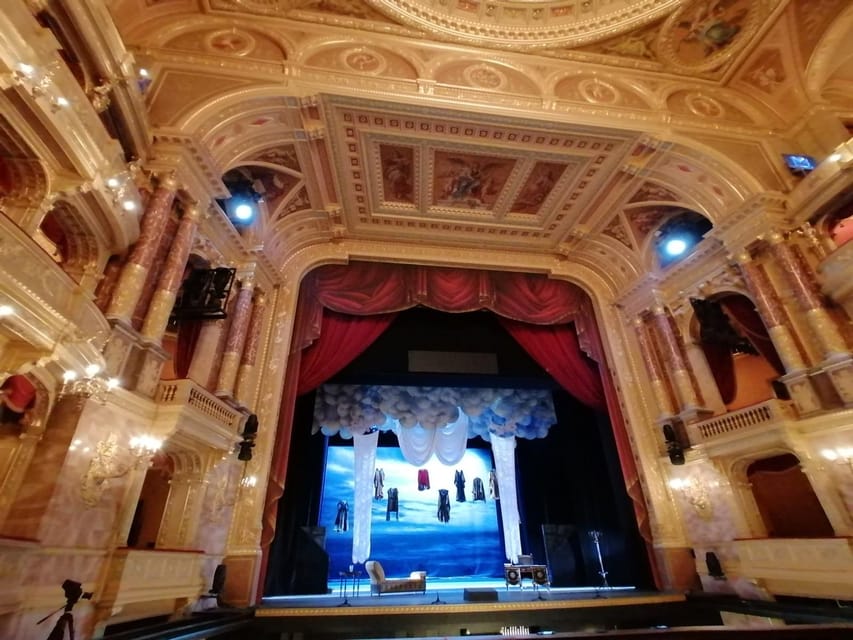
- The auditorium and frescoes: why the restoration changes everything
- The grand staircase performance: the bonus that makes the tour feel like a show
- Guide quality and how the experience stays fun
- Price and value: what $33 buys you in real terms
- Practical notes for a smooth visit
- Who should book this tour?
- Should you book the Budapest Opera House Guided Tour?
- FAQ
- Where is the meeting point?
- How long is the tour?
- Is there a live guide, and what languages are available?
- Does the price include the concert?
- What if the Opera House cancels tours during rehearsals?
- Is food or drink included?
Quick hits before you go
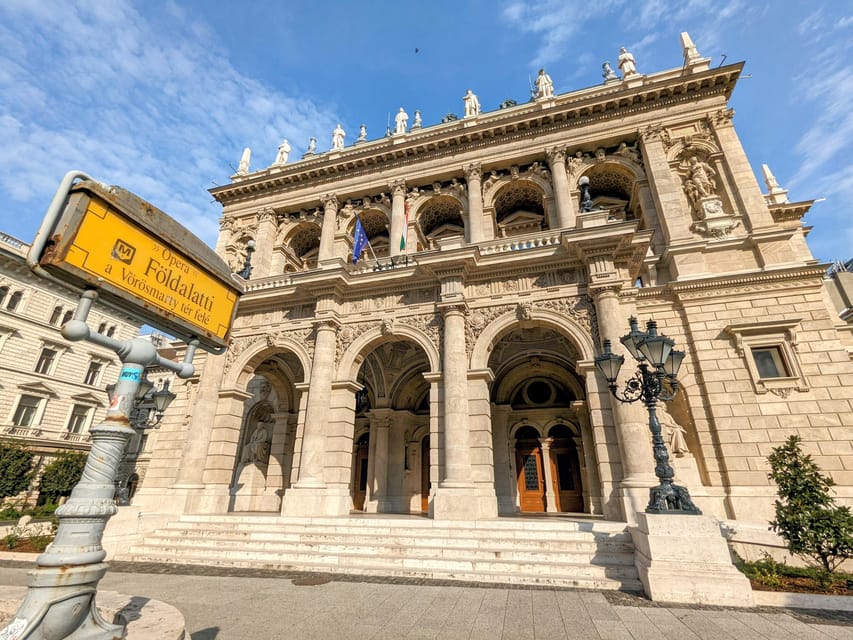
- 2022 restoration lets you appreciate the details as they look today
- Miklós Ybl’s 1884 design anchors the story behind what you see
- 60-minute live guide with time for photos and key rooms
- Brief concert at the end with live singers (often 10–15 minutes)
- Skip the ticket line and start from inside the Opera House hall
- Rehearsal adjustments can mean reduced auditorium light or an alternate date
Why Budapest’s Opera House is worth your time
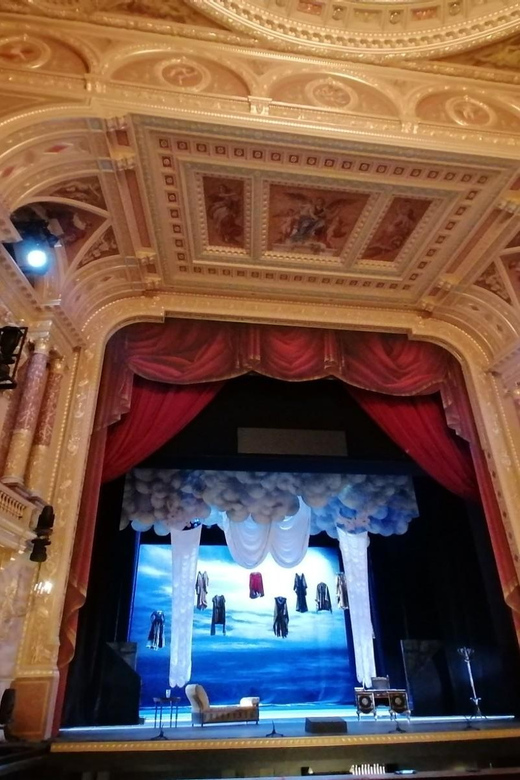
If you love architecture, this is one of the fastest ways to get a strong hit of the city’s style—without spending half a day. The Hungarian State Opera House is iconic for a reason, and the interior is where it really earns the reputation.
A lot of visitors go looking for beauty. You’ll find plenty: the auditorium’s painted surfaces, the dramatic layout, and the big, showy staircase people use as a meet-the-building moment. But the tour also gives context—built in 1884 based on the plans of Miklós Ybl, then fully restored in 2022. That restoration matters because it brings back the crispness of details you’d otherwise miss or misunderstand.
And the icing on the cake is the brief live concert. Even if you don’t consider yourself an opera person, hearing voices in the same hall you just toured helps your brain connect the art to the experience.
You can also read our reviews of more guided tours in Budapest


The 60-minute route: what you’ll see inside
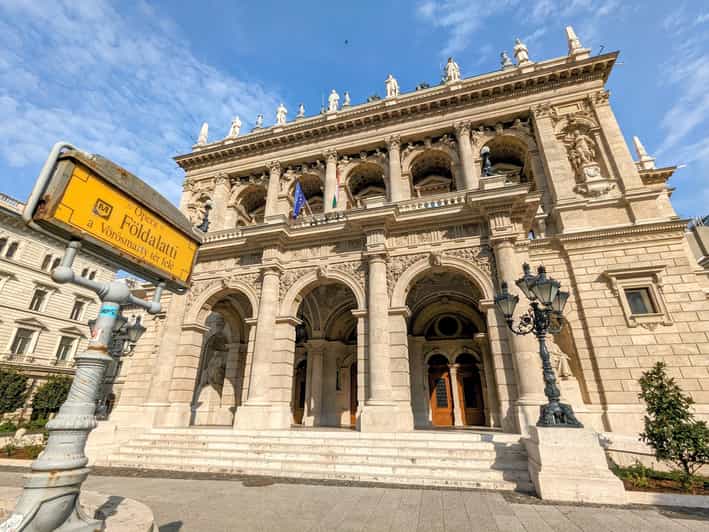
The meeting point is inside the Opera House, in the hall. That alone reduces stress: you’re not hunting for a doorway while other people pass you by.
From there, the tour focuses on the interior highlights that visitors usually can’t access on their own. Expect to spend your time in the kind of spaces that make this building feel theatrical even without a full show:
- key public interior areas connected to the auditorium visit
- the staircase design (a major photo stop)
- the auditorium itself, where the frescoes and acoustics do the heavy lifting
The whole experience is about 60 minutes, so don’t plan to linger long after the tour ends. Build in a little buffer if you want to take extra photos.
One practical upside: the tour is designed as an interior visit with a guide, so you’re less likely to wander into rooms and wonder what you’re looking at. You’ll also have a live guide available in several languages, including English, German, Spanish, Italian, and French, which makes it easier to follow along even if your Hungarian is limited.
Miklós Ybl and the 1884-to-2022 story
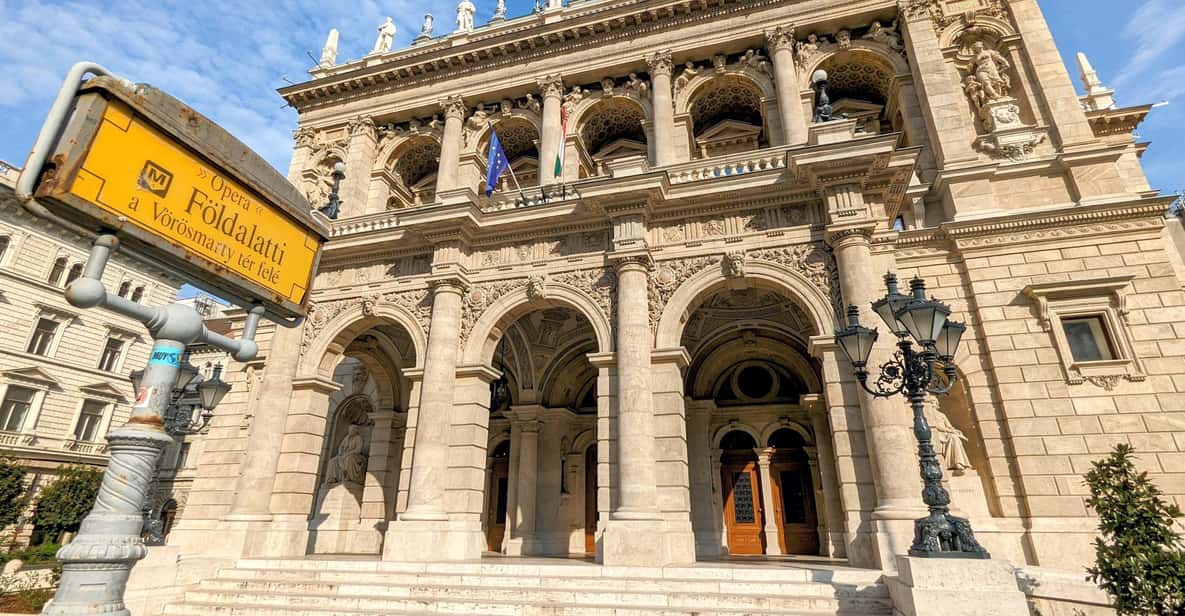
The tour doesn’t treat the Opera House like a static museum piece. It frames the building as a working cultural landmark with a clear timeline: 1884 construction under Miklós Ybl, followed by a complete restoration in 2022.
Why this matters for you: restoration changes how you read the space. When surfaces look sharp and colors show up as intended, you can see relationships between elements—ornament, structure, and the way the room is meant to guide sightlines and sound. Without that restored finish, a lot of the design intent can get lost.
You’ll also hear how the building functions as an opera venue, not just an impressive exterior. One theme that comes through in the experience is how design meets performance—ventilation, safety, and acoustics show up as part of the explanation, not as random facts.
And if you’re a visual person, the tour gives you multiple angles on the same idea. You see the staircase and then connect that movement to the grand, performance-focused layout of the auditorium.
The auditorium and frescoes: why the restoration changes everything
The auditorium is the big moment. It’s where you go from impressed by the building to understanding why people rave about it.
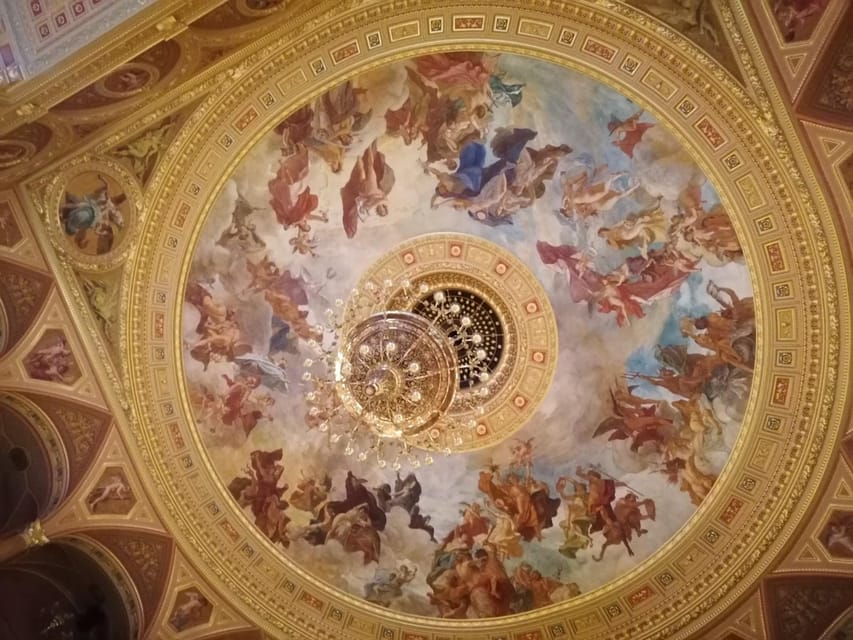
The tour highlights the frescoes of the auditorium and the sheer theatrical impact of the room’s design. Restored spaces often look better in photos, but the real advantage is what happens in person: you can actually track decorative sections and see how they relate to the seating and stage area.
A quick heads-up: on some days, the Opera House may have reduced light conditions in the auditorium, especially if rehearsals affect the schedule. That can slightly change how bright details look, but it usually doesn’t ruin the experience. If you want maximum light for photos, pick a time when you prefer brighter viewing, and keep your camera settings flexible.
The grand staircase performance: the bonus that makes the tour feel like a show
Here’s the part that turns a standard architecture tour into a more memorable hour: the brief concert.
Multiple visitors describe the ending as a mini recital or performance by live singers, often lasting around 10 to 15 minutes. Some accounts mention it on the grand staircase, which is a clever move—high visibility, big sightlines, and a chance for you to hear voices in a space you’ve already been shown.
You also get the benefit of hearing the hall’s sound in practice. Several comments specifically mention impressive acoustics and the thrill of hearing singing after seeing the room.
Even if you don’t follow opera closely, this ending works because it’s short. You’re not committing to a full evening. It’s enough to leave you with a sense of what the Opera House does best, and it often makes people say they’d like to return for a full performance later.






Guide quality and how the experience stays fun
This tour succeeds or fails on the guide, and the feedback here is consistently strong: the guiding style tends to be engaging, with enough depth to satisfy architecture fans and enough humor to keep it from turning into a lecture.
You’ll find guides operating in multiple languages, so you can pick the one that matches your comfort level. One guide name that appears in the experience details is Eva, and her mentions are tied to both clear storytelling and a friendly vibe.
If you like asking questions, this is the kind of tour where your questions are more likely to get real answers. You’ll also notice that the tour is paced to let people see things closely, not just pass by like a moving herd.
One more small detail that can matter: some groups may be managed in smaller splits during the visit. That can make it easier to hear the guide and feel less rushed in tighter areas.
Price and value: what $33 buys you in real terms
At $33 per person for about one hour, the value comes from combining three things you’d usually price separately:
- an interior walkthrough of a major landmark
- a live English guide (plus other languages)
- a short, live performance at the end
If you only wanted the building, the concert would be the bonus. If you only wanted music, the building becomes the stage. Either way, you’re paying for an experience that moves past sightseeing into something you can feel.
Also, because the tour includes an interior visit and ends with live singing, it’s a good “use your time wisely” option for days when you don’t want to gamble on getting tickets to a full opera show.
Practical notes for a smooth visit
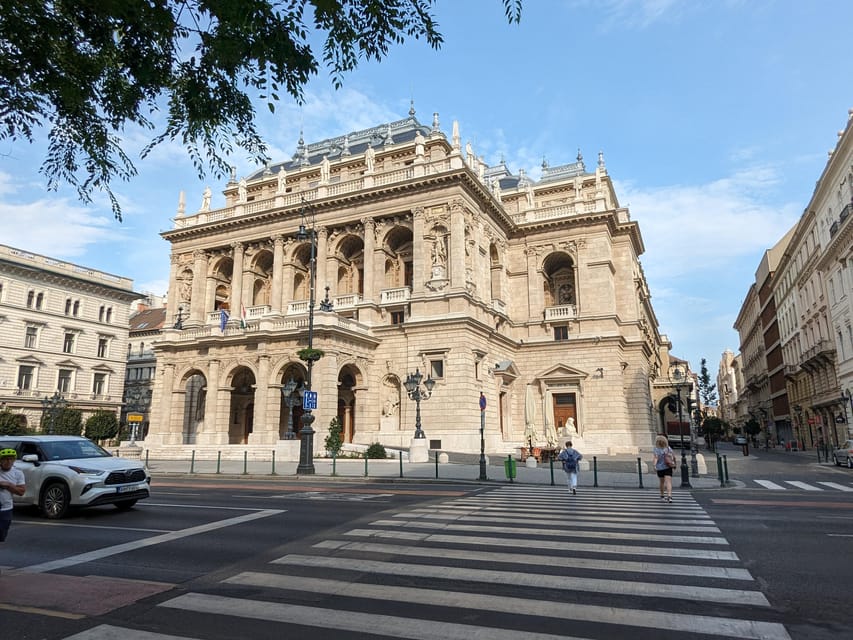
A few details can make your hour smoother:
- Meeting point: inside the Opera House hall, so arrive with that in mind.
- Skip the ticket line: the experience includes avoiding the main ticket queue, which saves time when the building is busy.
- Check start times: duration is listed as 1 hour, but exact start times depend on availability.
- Food and drinks: not included, so plan to handle snacks before or after.
- Accessibility: it’s not suitable for wheelchair users, so don’t assume step-free access.
- Rehearsal risk: the Opera House can cancel tours during rehearsals. If that happens, you’ll be offered an alternative date. On some occasions, auditorium lighting may be reduced.
If you care about photos, you’ll likely want to be ready when the guide points out the big visual stops—especially the staircase and auditorium areas. The tour is designed for learning plus viewing time, not a speed-run.
Who should book this tour?
I’d point you here if you match any of these:
- You want a high-impact interior experience without buying a full evening performance.
- You like architecture and want the story behind what you’re seeing, including the 1884 origin and 2022 restoration.
- You want a short introduction to opera culture through live singing and acoustics, without needing to understand every program detail.
- You’re traveling with someone who isn’t obsessed with opera. The mini performance often works as a fun payoff even for people who came mainly for the building.
If you’re only looking for exterior views, this may feel like overkill. But if you want the inside story—and the ending with live voices—this fits nicely.
Should you book the Budapest Opera House Guided Tour?
Yes, I’d book it if you want maximum wow per hour. For a single 60-minute visit, you get the restored interior, the main design moments like the auditorium frescoes and staircase, and a brief concert that turns the tour into a real sensory experience.
I’d hesitate only if:
- you need wheelchair accessibility (this one isn’t suitable), or
- your schedule is extremely tight and you’re worried about rehearsal-day changes (tours can be canceled during rehearsals and moved to an alternate date).
If you’re flexible and you like the idea of combining architecture with live singing, this is strong value. You’ll leave with photos you’ll actually remember—and with a better sense of what the Opera House is for.
FAQ
Where is the meeting point?
The meeting point is inside the Opera House, in the hall.
How long is the tour?
The tour lasts 1 hour.
Is there a live guide, and what languages are available?
Yes, there is a live guide. Languages listed include English, German, Spanish, Italian, and French.
Does the price include the concert?
Yes. A brief concert is included as part of the experience.
What if the Opera House cancels tours during rehearsals?
If tours are canceled during rehearsals, you’ll be offered an alternative date. On some occasions there can be reduced light conditions in the auditorium.
Is food or drink included?
No. Food and drinks are not included.