REVIEW · BUDAPEST
Budapest Old Jewish Quarter History Private Walking Tour
Book on GetYourGuide →Operated by ROSOTRAVEL Hungary · Bookable on GetYourGuide
Budapest’s Jewish story starts in plain sight. This private 2-hour walking tour takes you through the Old Jewish Quarter and connects major sites across centuries, from Roman times and the Black Death to the Holocaust and modern memory. I really like the way the route links landmarks into a clear story, instead of treating synagogues like photo stops.
I also like the emotional punch of the Ghetto Memorial Wall—you don’t just read about the past here, you stand with it. One consideration: synagogue entry isn’t included, and there’s some uneven ground and a few steps, so comfy shoes matter.
In This Review
- Key things I’d focus on before you go
- Why Budapest’s Old Jewish Quarter hits hardest on foot
- The Jewish Triangle: Dohány, Rumbach, Kazinczy (plus Synagogue Astoria)
- Dohány Street Synagogue: the icon you can’t miss
- Rumbach Street Synagogue: architecture with a message
- Kazinczy Street Synagogue: a quieter clue to everyday faith
- Synagogue Astoria Central Residence: a reminder that the story keeps moving
- Klauzál tér and Klauzál Market Hall: where history meets daily life
- The Ghetto Memorial Wall: a stop with real weight
- What you’ll learn as you walk: from Roman times to Holocaust memory
- Guide quality matters more than you think
- Price and value: where the 150 dollars makes sense
- Getting there: the meeting point and how the walk is paced
- Who should book this tour (and who might want a different option)
- Should you book this Budapest Old Jewish Quarter History Private Walking Tour?
- FAQ
- How long is the Budapest Old Jewish Quarter history tour?
- Is this tour private?
- Where do we meet the guide?
- Is the tour end location the same as the meeting point?
- What languages are available for the guide?
- Are synagogue entries included?
- Is the Ghetto Memorial Wall entry included?
- Is food and drinks included?
- How much walking is involved and is it difficult?
- Is pickup available from hotels?
Key things I’d focus on before you go
- Dohány Street Synagogue and the Jewish Triangle in one tight route (Dohány, Rumbach, Kazinczy)
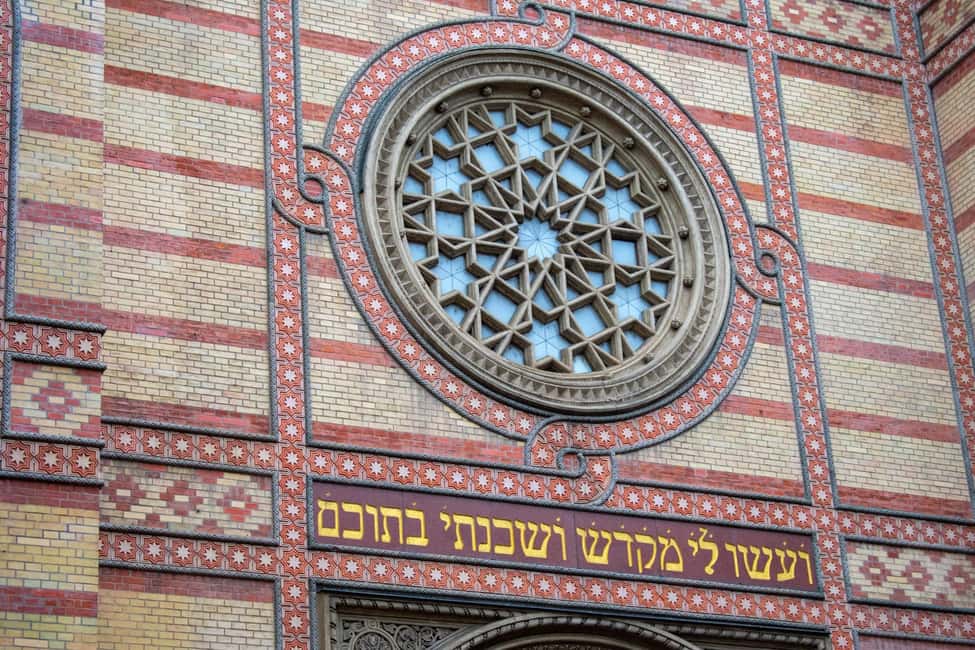
- Rumbach Street Synagogue’s Moorish-style look—a standout architectural clue to different eras of Jewish life
- The last remaining section of the Ghetto Memorial Wall, with optional entry (2 euro per person)
- Klauzál tér and Klauzál Market Hall to balance heavy topics with everyday neighborhood energy
- A private, small-group setup (up to 1–25 per guide) with a guide who can adjust the pace to you
- No synagogue ticket pressure on this tour—so you can still decide later what’s worth paying extra for
Why Budapest’s Old Jewish Quarter hits hardest on foot
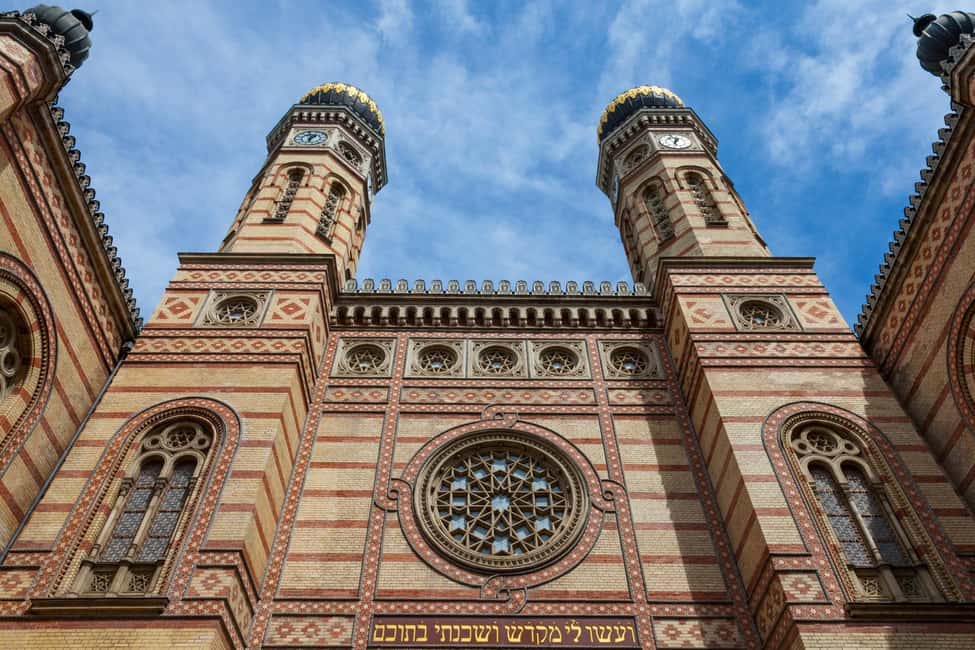
There’s a reason this area works best as a walk. The streets don’t feel like a museum corridor; they feel like a neighborhood that kept living while history kept happening. With a private guide, you get the “why” behind what you’re seeing: which community lived here, what changed over time, and how later generations chose to remember.
Your guide frames the story from Roman times forward, then moves through major turning points like the Black Death and the Holocaust. The effect is simple: when you reach a synagogue facade or a memorial wall, it stops being just architecture. You understand it as a marker in a long timeline—some eras hopeful, some brutal, and all of it shaped by Budapest.
You’ll also hear about Theodor Herzl, described here as the spiritual founder of Israel, and other Jewish people who left an imprint on Budapest’s heritage. That matters because it widens the story beyond tragedy. It’s not only about loss; it’s also about identity, community, and influence.
You can also read our reviews of more walking tours in Budapest



The Jewish Triangle: Dohány, Rumbach, Kazinczy (plus Synagogue Astoria)

The tour’s center of gravity is Budapest’s Jewish Triangle. Even if you’ve never studied the city’s Jewish history, you’ll recognize why these sites became anchor points. They’re not random. They represent different phases of community life, different building styles, and different ways people expressed faith in public space.
Dohány Street Synagogue: the icon you can’t miss
Dohány Street Synagogue is the big visual statement on the route, with its towering spires dominating the skyline. From outside, you’ll get the background for how it fits into Budapest’s Jewish story, and why it remains such a powerful symbol today. If you’re the kind of person who likes to understand what you’re looking at before you start snapping photos, you’ll appreciate that you won’t be left guessing.
Note: entry into synagogues is not included on this tour. That’s not a dealbreaker, but it’s worth planning your expectations. You’ll get exterior viewing plus historical context, not interior time.
Rumbach Street Synagogue: architecture with a message
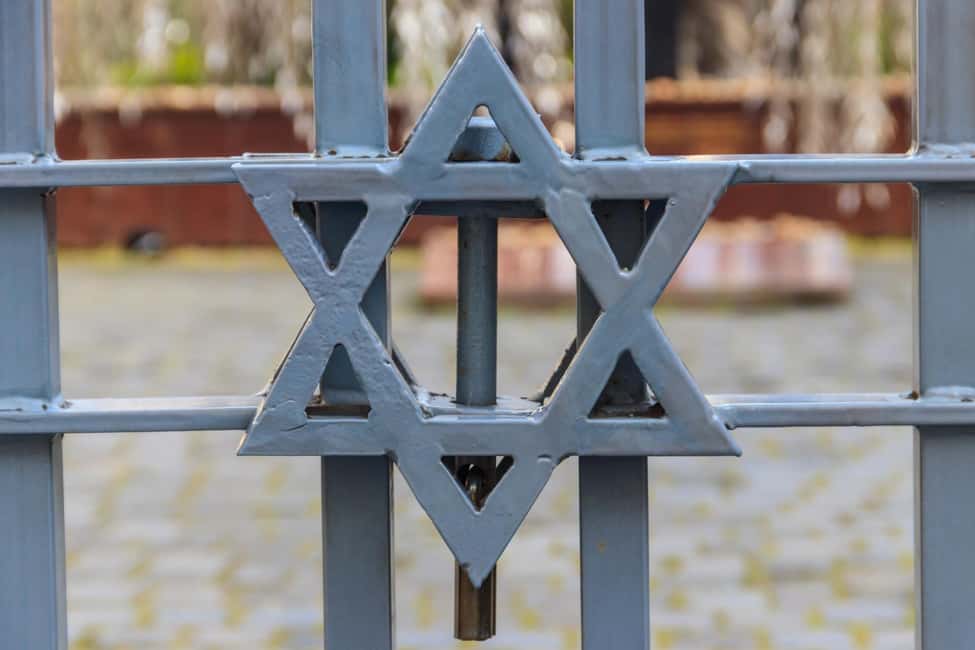
Rumbach Street Synagogue is often remembered for its delicate Moorish architecture. You’ll see it as more than an exotic style choice. In a neighborhood shaped by change, architecture tells you something about the community’s self-image and the era when the building was created.
Walking by, you’ll also pick up on how the tour connects buildings to the broader narrative. Instead of “here’s a synagogue,” it becomes “here’s how Jewish life was organized and expressed at different times.”
Kazinczy Street Synagogue: a quieter clue to everyday faith
Kazinczy Street Synagogue rounds out the triangle. You’ll get a sense of how Jewish culture here wasn’t only monumental. It was also practiced daily, in places that served real routines of worship and community gathering.
You can also read our reviews of more private tours in Budapest






Synagogue Astoria Central Residence: a reminder that the story keeps moving
Another site on the route is Synagogue Astoria Central Residence. This stop helps you feel the continuity: Jewish life in Budapest didn’t stop at one period. Even as communities changed, certain buildings and street-level markers kept the memory present in urban form.
Klauzál tér and Klauzál Market Hall: where history meets daily life
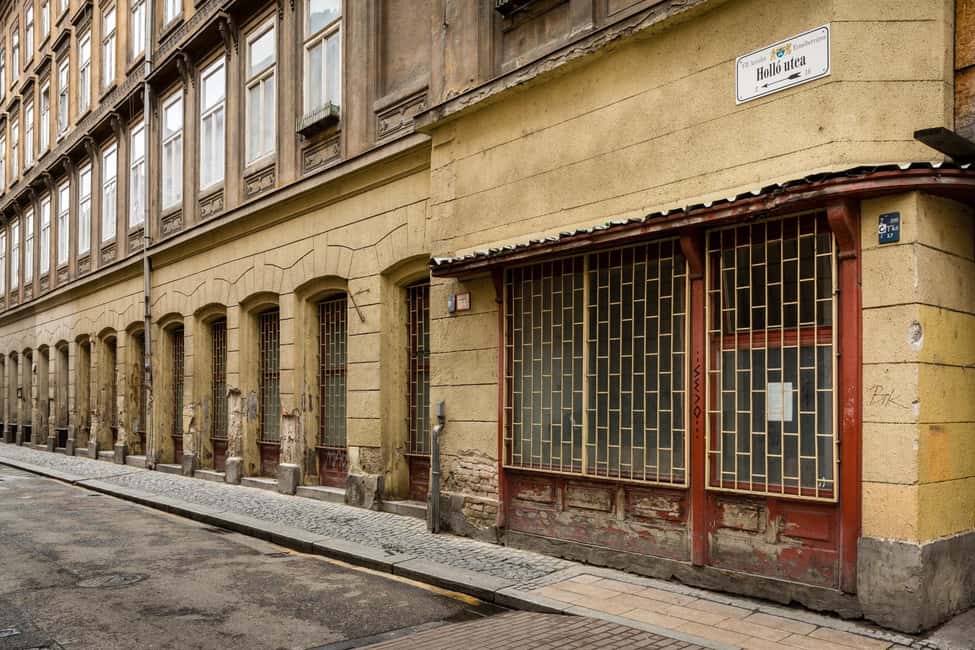
After the heavier stops, the tour lands in a part of Budapest that feels like a real neighborhood. Klauzál tér is lively, and that’s on purpose. It gives you a reset between memorial moments and living city energy.
From there you reach Klauzál Market Hall, and it’s a practical, human way to end the walk. Markets are where people shop, argue, chat, and handle everyday logistics. In a tour focused on centuries of community history, that ending matters. It signals that the story doesn’t live only in monuments; it lives in routines, food culture, and the ongoing use of public space.
You won’t be eating on this tour—food and drinks aren’t included—but you’ll be in a good position to grab something after, based on what you see and where the mood takes you.
The Ghetto Memorial Wall: a stop with real weight
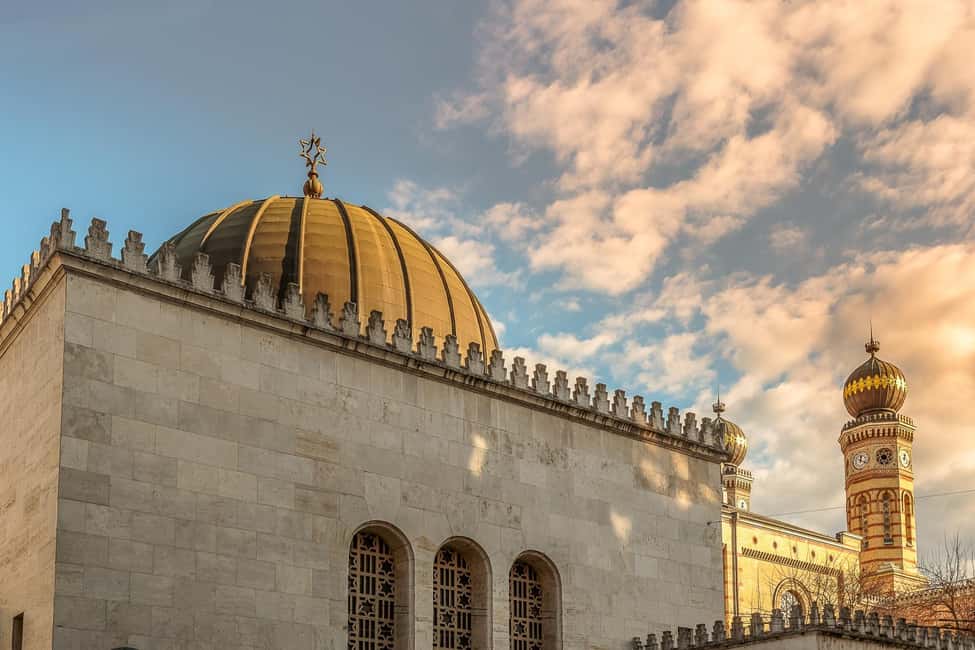
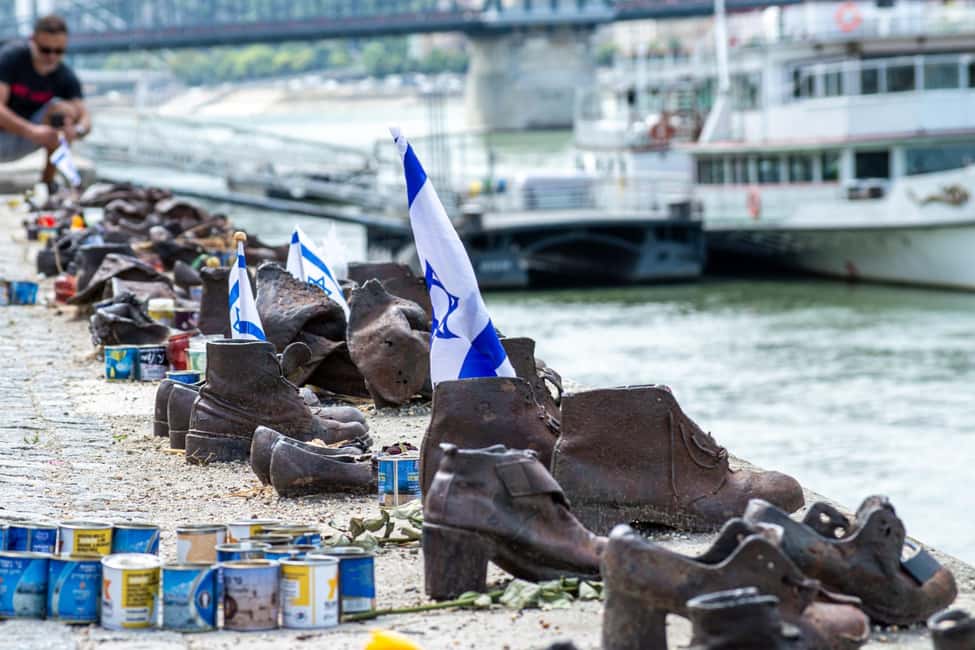
The visit to the Ghetto Memorial Wall is the emotional anchor of the experience. This is the last remaining section, and the effect is immediate. Even without going inside any museum, the wall does what it was designed to do: slow you down and force you to pay attention.
Entry to the wall is optional and costs 2 euro per person, but the tour includes the visit so you can decide if you want to go in. I like that flexibility. If you want the full impact of spending time inside, you can do that. If you’re a bit sensitive to prolonged memorial settings, you can still get context from the guide and choose how long to stay.
Either way, this is where the tour’s timeline becomes personal. World War II history presses into the streets around you, and the guide helps you connect the memorial to what came before and after.
What you’ll learn as you walk: from Roman times to Holocaust memory

This tour is built like a narrative. You’ll move through key chapters rather than collecting isolated facts.
- You start with the idea that Jewish presence in Budapest is not brand-new. The route includes Roman times, which helps you understand how long communities can be part of a city’s story.
- You then follow major disruption points like the Black Death, showing how catastrophe affects communities beyond a single generation.
- Then comes the Holocaust, with the Ghetto Memorial Wall functioning as the tour’s strongest reality check.
- Finally, you land in the present-day neighborhood context—where the guide points out sites tied to Jewish heritage and living culture.
That arc is one reason this kind of tour works better than a self-guided checklist. Your guide can explain connections in plain language, and you’ll spend less time wondering what something means and more time understanding why it matters.
Guide quality matters more than you think
This is a private tour with a 5-star licensed guide fluent in your chosen language (English, German, French, Italian, or Spanish). Since synagogues entry isn’t part of the package, the guide becomes the main engine of the experience.
From the feedback this tour has received, guides like Ange and Natalia are praised for being exceptional at guiding people through the story in a way that feels personal and adjustable to your interests. Another guide named Bela is also specifically credited with being expert and available. When a tour is private, that human factor is a big deal: you’re not stuck with one fixed narration style for everyone.
You’ll also be walking as a small group (private group size up to 1–25 per guide). That size is useful. It’s small enough to keep the pace reasonable, but large enough that you still get a shared tour rhythm.
Price and value: where the 150 dollars makes sense
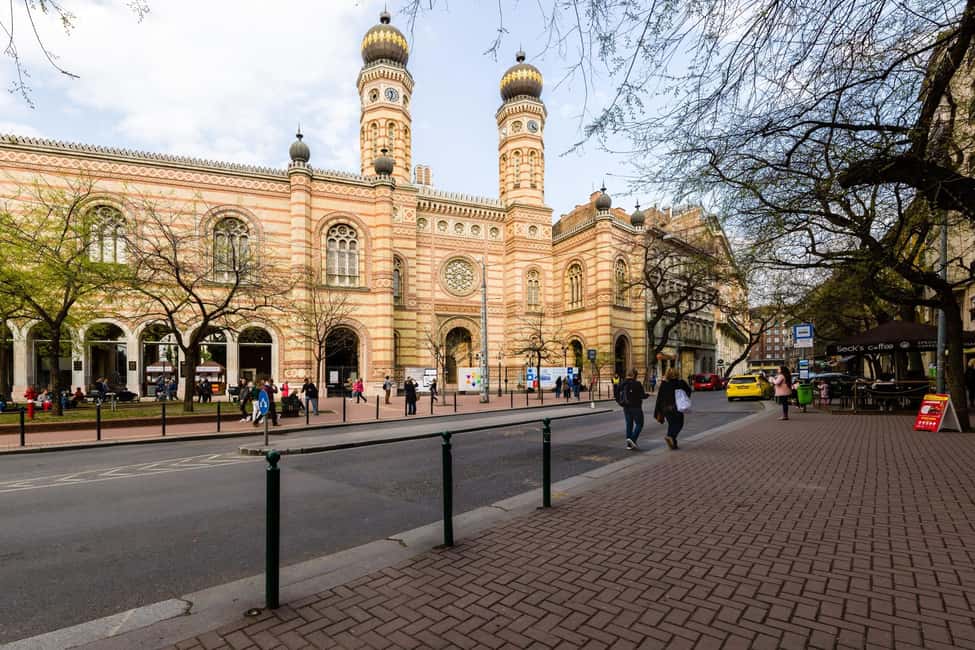
At $150 per person for a 2-hour private walking tour, the price isn’t “cheap,” but it’s not random either. You’re paying for:
- a licensed guide who can explain the layers of Jewish history tied to specific streets and landmarks
- a route that hits major stops in a compact time window
- a private format, meaning less waiting and more flexibility for your questions and pace
The biggest value trade-off is also the most important detail: synagogue entry is not included. The tour is designed for exterior viewing plus historical interpretation, with the Ghetto Memorial Wall as the main optional ticketed stop (2 euro).
So here’s my practical take: if you want inside-the-synagogue time, plan to budget additional ticket costs or do that separately. If you mainly want context, street-level meaning, and a guided timeline through the Old Jewish Quarter, this price starts to look fair.
Also keep in mind the walk is moderate (about 2.5–3.5 km) with some uneven surfaces or steps. That’s another quiet factor in value—this isn’t a free-form wander. It’s a structured route paced for people on foot.
Getting there: the meeting point and how the walk is paced
You meet your guide next to the Sissi Statue at Madách Imre tér 7, 1075 Hungary. The tour ends back at the same point. That back-to-start finish is handy. It reduces logistics friction, especially if you’re planning the rest of your day in Budapest.
If you’re staying nearby, hotel/accommodation pickup is available within 1.5 km of the meeting point, and the itinerary adjusts accordingly. Even if you don’t need pickup, it’s nice to know there’s a way to make the start easier.
The tour runs rain or shine, so dress for the weather. Bring comfortable shoes; the “some uneven surfaces or steps” detail isn’t huge, but it’s enough that slick soles or uncomfortable footwear can make the experience feel harder than it should.
Who should book this tour (and who might want a different option)
This tour is a strong match if you want:
- a guided, story-driven walk through Budapest’s Old Jewish Quarter
- context for major sites like Dohány Street Synagogue and the Ghetto Memorial Wall
- a private experience with a guide who can adjust to your interests
- an ending in the Klauzál area where you can continue the day in a real neighborhood setting
You might consider another approach if you’re mainly after:
- inside synagogue visits as part of the core experience (since entry isn’t included)
- a low-footprint tour with zero steps and totally smooth surfaces (because this one includes some uneven ground and steps)
This works especially well for first-timers who want to understand the area’s meaning before jumping into other Budapest sights.
Should you book this Budapest Old Jewish Quarter History Private Walking Tour?
Yes—if you want a guided timeline tied to specific places, this is one of the smartest ways to do the Old Jewish Quarter. The mix of major synagogue exteriors, architecture context, the memorial wall stop, and a practical ending at Klauzál Market Hall gives you both meaning and a sense of where the neighborhood is now.
My call comes down to this: you’ll get the most value if you’re comfortable with a walking pace of about 2 hours and 2.5–3.5 km, and if you’re okay that synagogue entry isn’t included. If that fits your style, book it.
If you tell me your language and whether you want synagogue interiors, I can also suggest how to pair this tour with the best follow-up stops in Budapest.
FAQ
How long is the Budapest Old Jewish Quarter history tour?
It’s a 2-hour private walking tour.
Is this tour private?
Yes. It’s listed as a private group tour.
Where do we meet the guide?
Meet your guide next to the Sissi Statue, Budapest, Madách Imre tér 7, 1075 Hungary.
Is the tour end location the same as the meeting point?
Yes. It ends back at the meeting point.
What languages are available for the guide?
The live guide is available in English, German, French, Italian, and Spanish.
Are synagogue entries included?
No. Entry to synagogues is not included on this tour.
Is the Ghetto Memorial Wall entry included?
The visit includes the Ghetto Memorial Wall, but entry is optional and costs 2 euro per person.
Is food and drinks included?
No. Food and drinks are not included.
How much walking is involved and is it difficult?
It’s a moderate walk of about 2.5–3.5 km, with some uneven surfaces or steps. The guide adapts the pace to the group.
Is pickup available from hotels?
Pickup is available within 1.5 km of the meeting point, and the itinerary will be adjusted accordingly.