REVIEW · BUDAPEST
Budapest Urban Feast – Food Tour with Wine Tasting & Coffee House
Book on Viator →Operated by Budapest Urban Walks · Bookable on Viator
Paprika and wine in three short hours. This food tour with wine tasting helps you read Budapest like a local, moving from a historic market hall to real neighborhood bites and a classic Hungarian sweet stop. I like how the tour leans into what Hungary cooks with every day—especially paprika and meat—not just what looks good in photos. One possible drawback: it’s a brisk 3-hour walk, so don’t book it if you’re craving a slow, long meal.
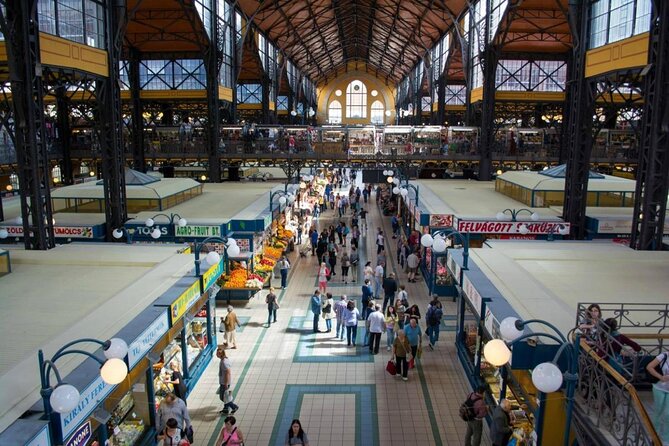
Your anchor is Central Market Hall, the Nagyvásárcsarnok, Budapest’s biggest and oldest indoor market. The building story is part of the fun: the first mayor, Károly Kamermayer, pushed for a major market investment, and the hall opened on February 15, 1897. Expect about an hour there, then you’ll keep moving through the city’s food rhythm—plus a coffee house stop.
For $133.81, you’re not just paying for snacks. You get lunch, snacks, bottled water, and alcoholic beverages included along the way, and you’ll also leave with maps and recommendations. Just remember there’s no hotel pickup, so you start at Kálvin tér and finish near the Hungarian State Opera.
In This Review
- Key things to know before you go
- Why this Budapest Urban Feast tour feels more local than a list of restaurants
- Central Market Hall at 1897 scale: your first taste of Budapest life
- Wine tasting in the middle of the walking route: practical, not pretentious
- The 19th-century confectionery sweet stop: why the dessert matters
- Lunch, snacks, and bottled water: what you’re really paying for
- Coffee house stop: where you get questions answered without rushing
- Timing, walking pace, and group size: how to plan your day
- Meeting point at Kálvin tér and ending near the Hungarian State Opera
- Who should book Budapest Urban Feast with wine and sweets
- Should you book this Budapest food tour?
- FAQ
- How long is the Budapest Urban Feast food tour?
- Where does the tour start and end?
- What does the tour price include?
- Is there hotel pickup or drop-off?
- Does the tour run in bad weather?
- Is the group large?
- Are dietary requirements accommodated?
- Is a mobile ticket provided?
- What is the cancellation policy?
Key things to know before you go
- Small group (max 15 people) means the pace stays active, but you can still ask questions.
- Central Market Hall is your first stop, with a tour window of about an hour.
- Wine tasting is included, served during the walking route rather than as a separate long detour.
- Hungarian sweets come from a 19th-century confectionery, so the stop is both food and setting.
- Coffee house stop gives you a calmer moment for questions and planning your next day.
- All-weather operation: dress for rain or shine, since it’s a walking tour.
Why this Budapest Urban Feast tour feels more local than a list of restaurants
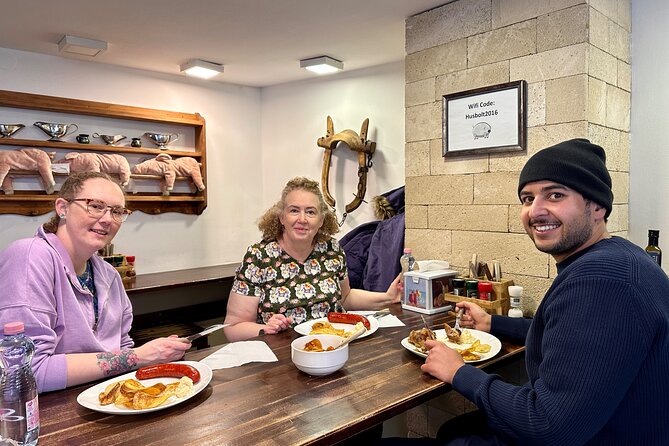
Budapest has no shortage of food tours. What makes this one practical is its structure: it starts in a market that locals actually use, then shifts into smaller, everyday places where you’re not just looking at menus—you’re learning how dishes and ingredients show up in daily life.
I also like that you’re not left to figure out what to order. You get guided stops built around tastings: wine, sweets, and actual meal time (lunch plus snacks). It’s the kind of tour that helps you make smarter choices for the rest of your trip, because you’ll understand what to look for when you’re shopping or eating on your own later.
The tour is run by Budapest Urban Walks, with a small group size (up to 15). That matters in a city where big groups can feel like a traffic jam. Here, you can usually keep pace, but still have time to chat—especially with guides like Ferenc and Fanni, whose style is described as friendly, discussion-friendly, and very willing to answer questions.
You can also read our reviews of more food & drink experiences in Budapest


Central Market Hall at 1897 scale: your first taste of Budapest life
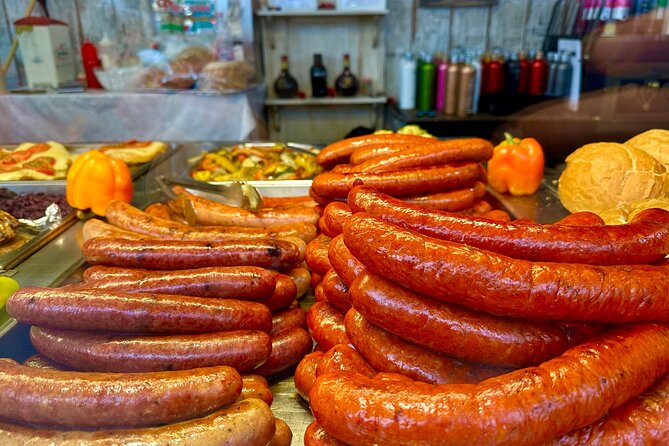
Central Market Hall, or Nagyvásárcsarnok, is the kind of place that quickly trains your eye. You walk in and instantly see why Budapest loves bold flavors and heavily used ingredients like paprika. Even if you’re not a “market person,” the hall works because it’s indoor, structured, and built for browsing.
A key detail: admission for this stop is free within the tour timing, and you spend about an hour there. That’s long enough to orient yourself and sample ideas, but not so long that you miss the rest of the route. It’s also a smart start because markets are where Hungarian food logic shows up fast: spices, cured items, pantry staples, and the “why” behind what ends up on tables.
Here’s what you should watch for as you go:
- Paprika in all forms: ground spice, blends, and products that use it as a core flavor marker.
- Meat-forward choices: Hungary often treats meat as the center of the plate, not a side note.
- Seasonal feel: market supply changes, so even a brief visit can give you real context.
Potential downside: Central Market Hall can be crowded and a bit noisy. If you’re sensitive to bustle, keep your expectations realistic. It’s active in a way that’s part of the experience. Go ready to move, not to linger at every stall.
Wine tasting in the middle of the walking route: practical, not pretentious
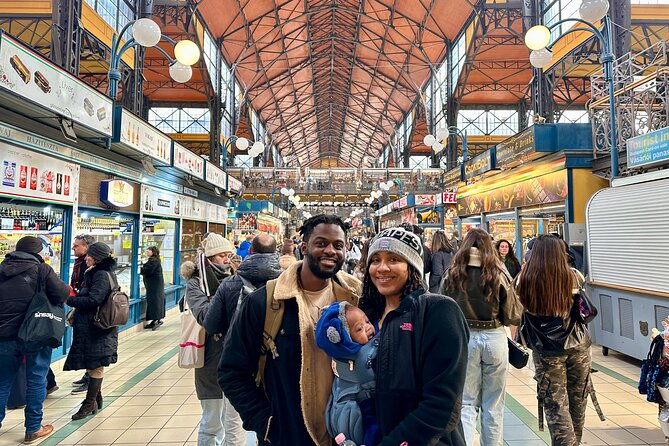
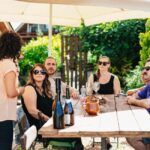
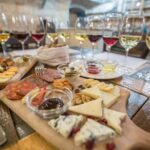
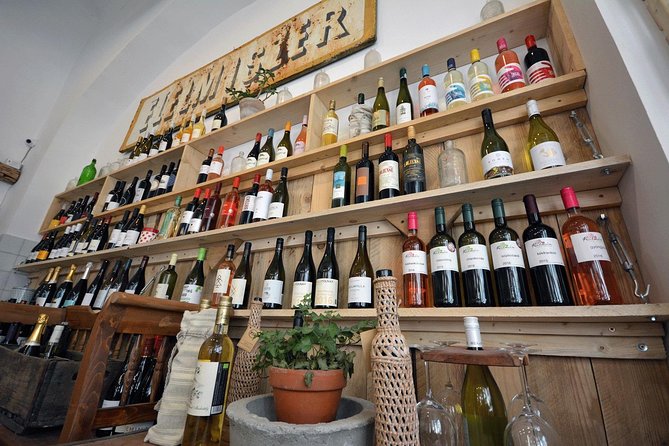
Wine tastings can go two ways: fancy and formal, or fun and useful. This one fits the useful category because it’s built into the market-and-eats flow. You sip during the tour rather than turning the outing into a long sit-down event.
Alcoholic beverages are included, along with bottled water. That combination is a big deal for comfort. You can sample, pace yourself, and keep walking without feeling like you’re one bad decision away from an early night.
You don’t need to be a wine expert to get value here. The real payoff is learning the local context: what pairs with market foods, how Hungarians think about drink alongside meals, and how wine fits into the country’s food culture. If you end up with a guide who likes discussion, you’ll likely get plenty of question time—exactly the sort of back-and-forth that makes tastings feel grounded instead of scripted.
Simple tip: eat a little before your first sip, and drink water between tastes. It keeps you sharp for the sweet stop later, which is the part your future self will thank you for.
The 19th-century confectionery sweet stop: why the dessert matters
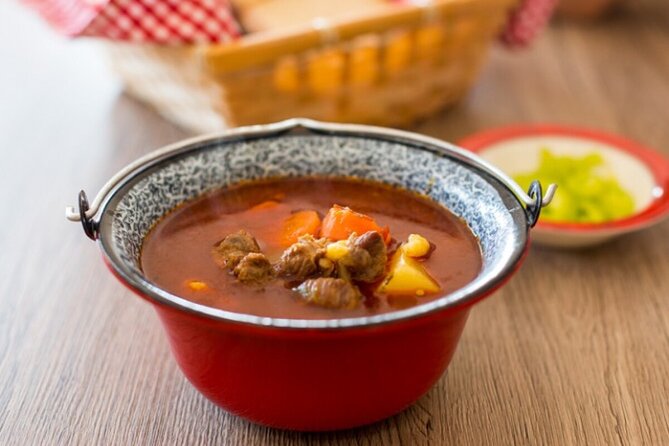
After savory market energy, a Hungarian sweets stop is the right kind of reset. You’ll taste sweets at a traditional confectionery that dates to the 19th century. That timeframe isn’t just decoration. It gives the stop a sense of continuity—Budapest food culture didn’t start yesterday.
The tour doesn’t overload you with one sugary item only. Instead, it’s positioned as a tasting moment: enough to satisfy, not so much that you feel sick on the sidewalk. In a short 3-hour route, that balance matters.
What you should do during this stop:
- Try at least one sweet you wouldn’t pick on sight. Guides usually steer you toward crowd favorites and locally meaningful options.
- Pay attention to texture, not only sweetness. Hungarian desserts often rely on pastry structure, not just sugar levels.
- Use it as a break. If you’re moving fast through the day, this is where you slow down for a few minutes.
Also, this is a good checkpoint to ask your guide what to try next. If you’re the type who likes to build a day plan, ask what nearby spot matches your taste—then use the included maps and recommendations to keep going after the tour ends.
Lunch, snacks, and bottled water: what you’re really paying for
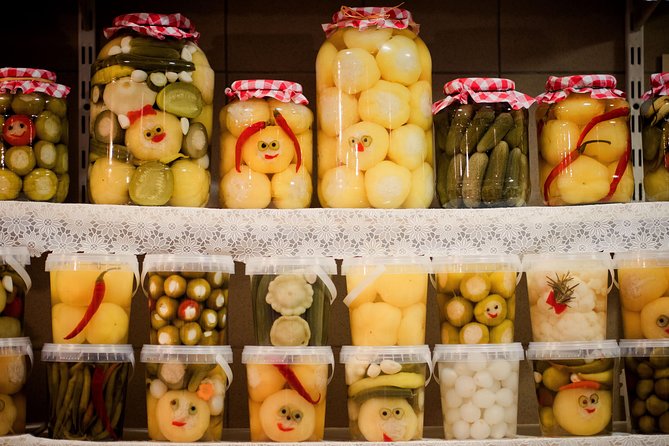
This is one of the strongest value points. You get lunch plus snacks, along with bottled water and alcoholic beverages. That’s a lot of included food for a 3-hour walking tour—and it’s why the price starts to make sense.
At $133.81 per person, you’re not only buying guidance. You’re buying:
- multiple tasting moments (wine and sweets),
- a full food segment (lunch),
- plus the logistics of getting you through several stops without planning every menu choice.
For many people, the hidden cost on food tours is time and decision fatigue. You either spend hours deciding where to eat, or you pay more for a single “big” meal. This route reduces both problems by building tastings and meals into a compact timeline.
What to expect from the meal portion: you’ll be eating more than just small bites. You’ll leave fed, not nibbling. Still, don’t plan this tour as your only food event for the day if you’re a big eater. Instead, treat it like your food “spine” and then add lighter stuff around it.
You can also read our reviews of more tours and experiences in Budapest




Coffee house stop: where you get questions answered without rushing
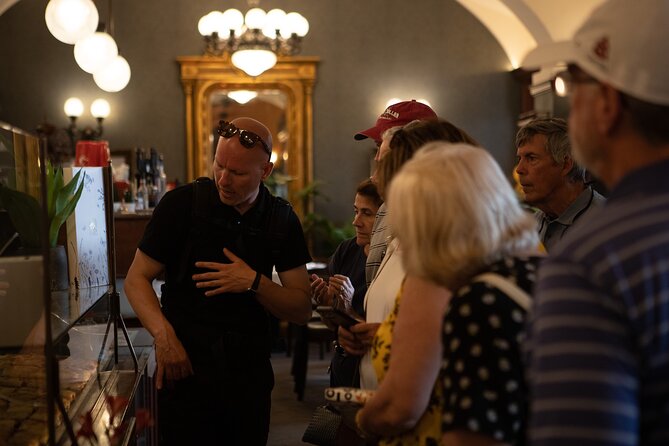
A coffee house break is a smart move in Budapest, especially during a walking-heavy food tour. You get a pause from moving streets and crowds, which makes it easier to process what you’ve learned: ingredients, cooking style, and what to look for when you’re shopping or choosing a restaurant later.
The tour includes stops for local food and drink specialities and also provides maps and further recommendations. The coffee moment often becomes the time to ask practical follow-ups, like:
- what local dish is worth repeating on another day,
- what ingredients you’ll see again in shops,
- or which neighborhood habits matter most when you’re ordering.
If you’re traveling solo, this stop can also help you feel more connected to the group rhythm. Even with a small crowd, it’s easier to chat when you’re seated or settled for a bit.
Timing, walking pace, and group size: how to plan your day
The total duration is about 3 hours. That’s not a “slow stroll” length, and the route moves between key points. With a maximum group size of 15, you’ll likely move together smoothly, but you should still expect some walking and standing time.
The tour operates in all weather conditions. That means you need real shoes and weather-ready clothing. In practice, rain or wind won’t stop the route—it just changes what you wear and how comfortable you feel.
Also, confirmation happens at booking time, and you’ll have a mobile ticket. That’s useful on the day, especially if you’re coordinating other plans.
My practical advice: book this on a day when you’re okay with energy expenditure. If your legs are already tired from sightseeing, this might feel like stacking workouts. If you’re feeling fresh, it’s a great way to turn hunger into direction.
Meeting point at Kálvin tér and ending near the Hungarian State Opera
You start at Budapest, Kálvin tér 7, 1092 Hungary. You finish at the Hungarian State Opera, Andrássy út 22, 1061 Hungary.
That end point is handy. The State Opera area sits on a major sightseeing corridor, so after the tour you can keep exploring without needing a separate transit plan. It’s also near public transportation, which helps when you’re hopping to dinner later.
Since there’s no hotel pickup or drop-off, plan to get yourself to Kálvin tér. If you’re coming from your hotel, check your route ahead of time so you’re not figuring it out while hungry and wearing your rain gear.
Who should book Budapest Urban Feast with wine and sweets
I think this tour is a great fit if you:
- want a guided food route that includes lunch, wine tasting, and Hungarian sweets,
- enjoy markets and want context, not just “eat here, then move on,”
- like conversation and question time with your guide (guides such as Ferenc and Fanni are mentioned as discussion-friendly),
- want an easy win for your first days in Budapest: your food choices improve right away.
It may be less ideal if:
- you prefer long, slow dining with minimal walking,
- you strongly dislike alcohol tastings (the tour includes alcoholic beverages, and you should discuss any restrictions when booking),
- you want purely sightseeing—this outing is food-led, with market time as the base.
If you have dietary requirements, advise them at booking. That’s the correct move if you want the tasting plan to work for you.
Should you book this Budapest food tour?
I’d book Budapest Urban Feast if you want a compact, food-first tour that actually feeds you—plus gives you wine and sweets without turning it into a complicated day plan. The value is strongest because lunch, snacks, water, and alcoholic beverages are included, and you also get maps and recommendations to keep going afterward.
Skip it if your ideal tour is mostly landmarks and photos, or if your schedule requires zero walking. This one is for people who want to eat, ask, and learn what makes Hungarian flavors tick—starting in a market hall that opened in 1897, then ending near the Hungarian State Opera.
If that sounds like your kind of day, you’ll likely come away with both a full stomach and a better sense of where to eat next.
FAQ
How long is the Budapest Urban Feast food tour?
The tour is about 3 hours.
Where does the tour start and end?
It starts at Kálvin tér 7, 1092 Hungary, and ends at the Hungarian State Opera, Andrássy út 22, 1061 Hungary.
What does the tour price include?
Lunch, snacks, bottled water, wine tasting, and alcoholic beverages are included, along with various local food and drink stops and maps and further recommendations.
Is there hotel pickup or drop-off?
No. You’ll need to make your own way to the meeting point.
Does the tour run in bad weather?
Yes, it operates in all weather conditions. Dress appropriately.
Is the group large?
The maximum group size is 15 people.
Are dietary requirements accommodated?
You should advise any specific dietary requirements at the time of booking.
Is a mobile ticket provided?
Yes, it uses a mobile ticket.
What is the cancellation policy?
You can cancel for a full refund up to 24 hours before the experience starts. If you cancel less than 24 hours in advance, the amount paid is not refunded.