REVIEW · BUDAPEST
Budapest: Cinema Mystica Entry Ticket
Book on GetYourGuide →Operated by Cinema Mystica kft · Bookable on GetYourGuide
Light, sound, and magic rooms in Budapest. One ticket to Cinema Mystica lets you wander through 23 installations set up like a digital dream, with projection-mapped scenes and short movies that keep changing the way you look at space.
I love the mix of active and calm moments: the avatar creation room gives you something hands-on, while the healing-style spaces (with relaxing seating) let your eyes and ears catch up.
One thing to consider: some displays use intense visual movement, and a small number of people may feel motion sick in certain areas, so go in with that in mind if you’re sensitive to screens.
In This Review
- Key things to know before you go
- A Budapest Digital Art Playground (Without the Museum Mood)
- How Long You Need and When to Arrive in Budapest
- Walking In: Coats Off, Headphones On (Maybe), and Your First Photos
- The 10 Rooms: What to Watch For in Each Type of Experience
- Projection-mapped spaces and short movies
- Magical creatures and digital artworks
- 3D-printed sculptures
- The avatar room (hands-on fun)
- Solfeggio-style sound room: quiet and focused
- Healing Space and relaxing seating
- Photo Strategy: How to Get Great Shots Without Missing the Art
- Price and Value: Is Around $21 Worth One Budapest Stop?
- Best Fit: Who Will Love Cinema Mystica, and Who Might Not
- Should You Book? My Decision Guide for One Budapest Day
- FAQ
- How many rooms and installations are included?
- Where do I go for the ticket pickup or entry?
- Is the experience available in English?
- Is Cinema Mystica wheelchair accessible?
- How long is my ticket valid?
- Is there a cancellation option?
Key things to know before you go
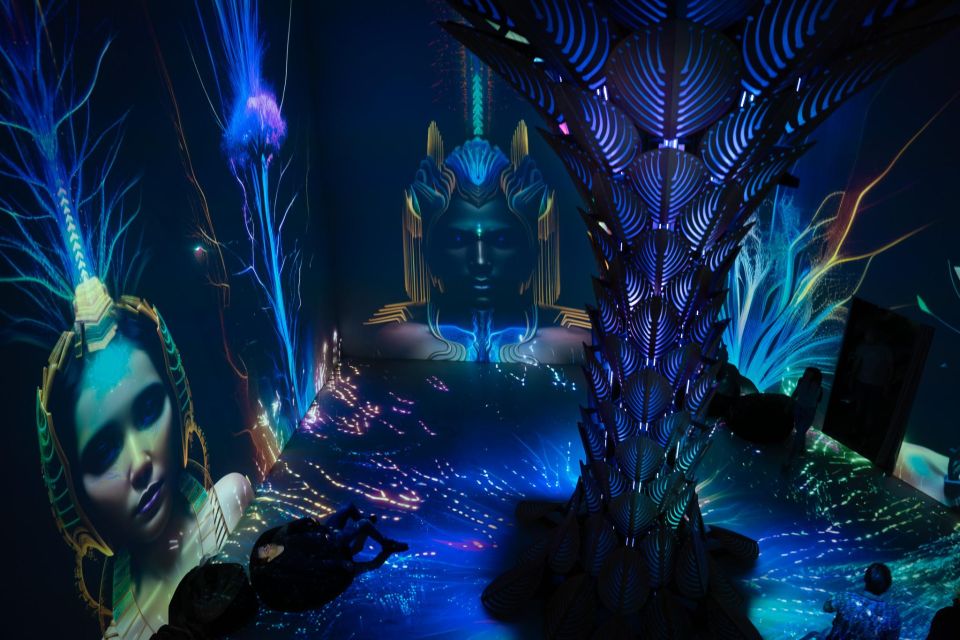
- 10 rooms, 23 installations: the place is built to feel like you’re constantly switching scenes
- Avatar room: you can create an avatar, which makes the experience feel more personal
- Healing and Solfeggio-style rooms: quieter zones where you can sit back and let the sound do the work
- Free coat storage: it helps you move around comfortably without hauling bags
- Photo-friendly entry and dark rooms: there are lots of chances for Instagram-style shots without special gear
- Some motion-heavy scenes: if you’re prone to feeling queasy, take it slow and pause when needed
A Budapest Digital Art Playground (Without the Museum Mood)
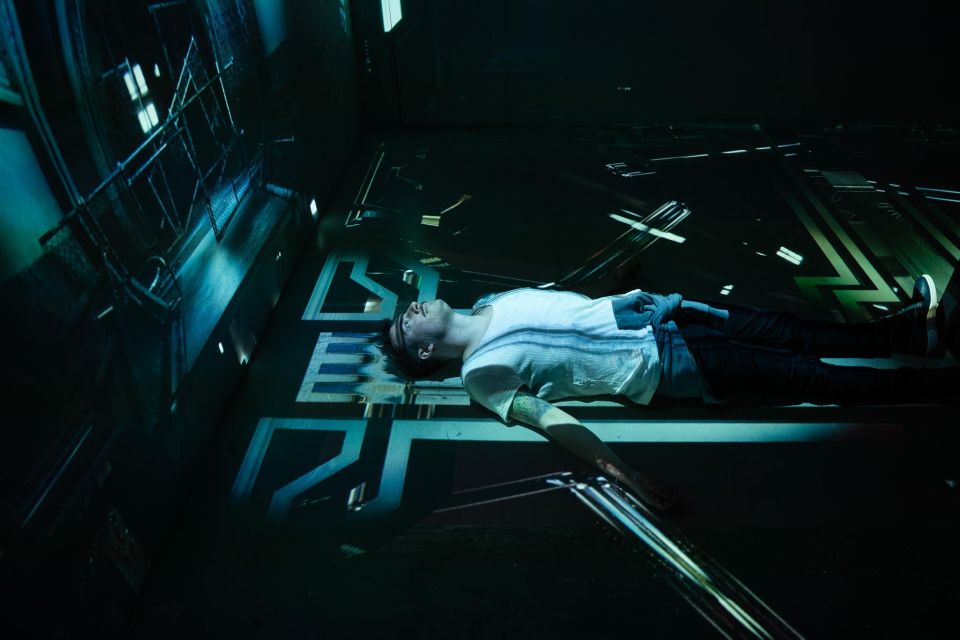
Cinema Mystica is one of those places where the art isn’t hanging on walls. It’s responding to light, sound, and your position in the room. Instead of reading placards, you walk into a scene and your senses do the interpreting.
The attraction is built around 10 themed rooms and 23 installations. You’ll see themed “creatures,” projection-mapped areas, digital artworks, and even 3D-printed sculptures. In plain terms: you’re not just looking at tech—you’re using it to feel something.
The footprint is described in two ways in the information you’ll see—around 1,200 square meters in one spot and 12,000 square meters in another. Either way, what matters for your planning is simple: the layout is roomy enough to feel like a mini world, not a single corridor with a few screens.
You can also read our reviews of more tours and experiences in Budapest

How Long You Need and When to Arrive in Budapest
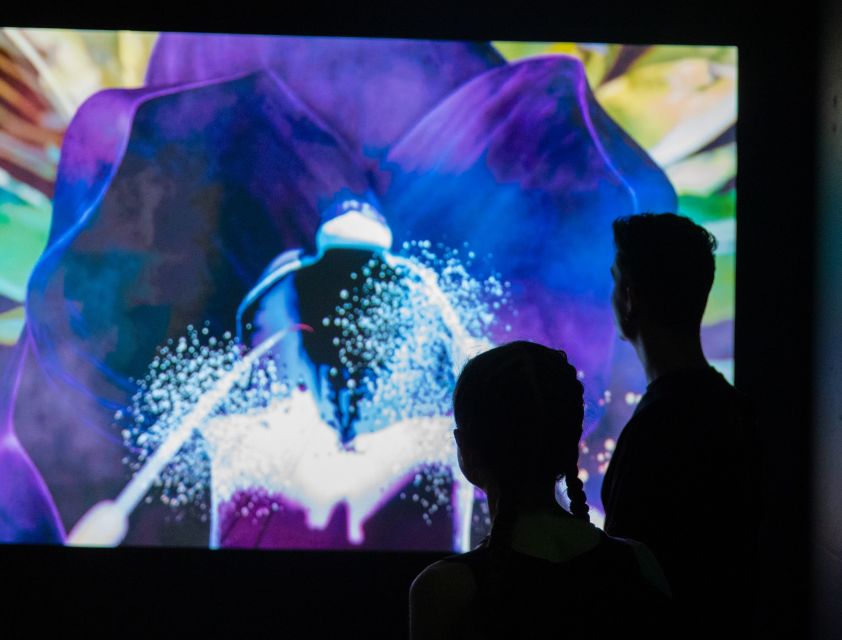
This is a one-day ticket, and you can typically pace yourself through the rooms at your own speed. Based on how the experience is described and how people talk about time spent, I’d plan on about 1 to 2 hours for a full visit, depending on how much you pause for photos or replay interactive bits.
Timing matters. Many people prefer arriving earlier because the rooms feel calmer and you can take photos without rushing. Later, the vibe shifts—some installations can attract more of a queue, and you’ll want your patience turned on.
Also, if your Budapest day is packed, this can still work. It’s a sensory break from classic sightseeing: a change of pace when you want something fun, dark, and easy to do even if your feet are tired. Some visitors also note it stays open later into the evening, which makes it a good “last stop” after a day of sights.
Walking In: Coats Off, Headphones On (Maybe), and Your First Photos
The visit starts with the practical stuff done right. There’s a free coat storage area, and that small detail changes everything. You can move freely instead of keeping bulky bags in your hands or juggling them for photos.
You go straight to the Cinema Mystica Museum—no complicated route needed. The ticket approach also helps: the experience includes skip-the-ticket-line entry, which saves time when you’re trying to start exploring fast.
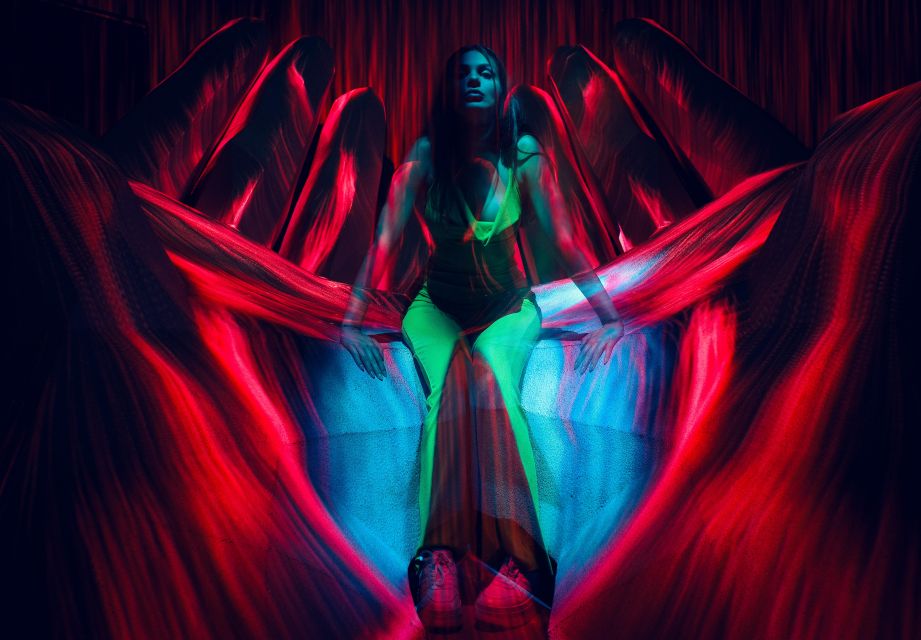
Right after you enter, you’ll notice why this place earns its selfie reputation. There’s an entry area that’s built for pictures, and the lighting style is clearly designed for camera-friendly angles. If you want photos without slowing the mood, do them early, before the rooms fill up.
The 10 Rooms: What to Watch For in Each Type of Experience
I can’t tell you the exact order of every scene you’ll meet, because it can feel like each room has its own logic once you’re inside. But I can tell you what kinds of rooms to expect—and what to do in each one.
Projection-mapped spaces and short movies
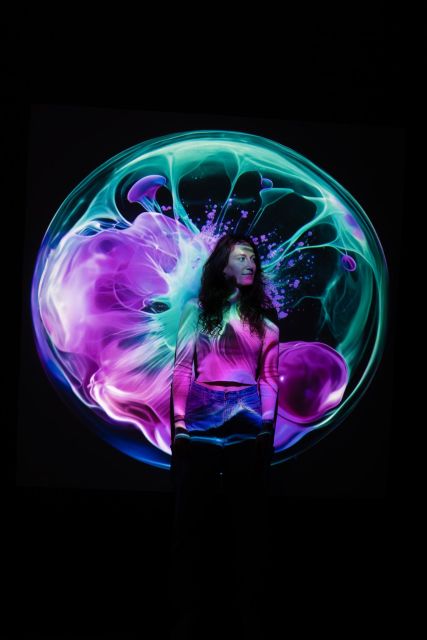
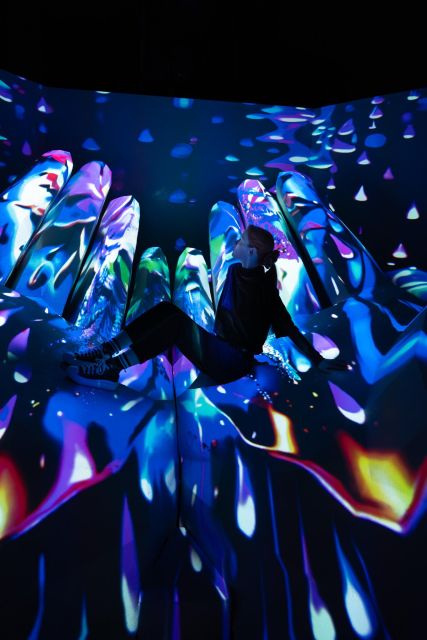
Some rooms feel like a stage set where the surfaces turn into moving scenes. You’ll also find short movies in the mix. The trick here is to give yourself a moment to adjust—your eyes will need a minute to understand the scale of what you’re seeing.
If you’re with kids, this is where the wonder usually lands first. If you’re an art-and-tech person, it’s where you can spot how the visuals are engineered to match sound and movement.






Magical creatures and digital artworks
Not every room is trying to be calm. Some are playful and creature-themed, and they use light patterns to guide your attention. Think of it as a story told through visuals rather than a traditional narrative.
These are great rooms to “wander,” not sprint. Let your position in the space change the effect. If you rush through, you miss the moment where the illusion clicks.
3D-printed sculptures
This is a nice contrast. After fully digital rooms, 3D-printed sculptures give you a solid object to study—something you can circle around with your eyes. You’ll get a better sense of how the tech world connects back to physical form.
It also makes a good photo break. You can switch from motion-heavy scenes to slower viewing, and it helps your brain reset.
The avatar room (hands-on fun)
The avatar creation experience is one of the most talked-about parts. It’s not just entertainment—you leave feeling like you interacted with the installation, not just watched it.
If you’re going as a couple or with friends, it’s also a low-pressure activity. You can laugh, tweak choices, and compare outcomes without needing to “perform” or know anything technical.
Solfeggio-style sound room: quiet and focused
Some rooms are calmer, and the Solfeggio-style room is singled out for being peaceful. The sound and frequency vibe is the point here, and it can feel like a reset button after a day walking around the city.
If you enjoy ambient sound or meditation-like environments, you’ll probably want to spend extra time here. If you don’t like heavy audio, take a short break and return when you feel ready.
Healing Space and relaxing seating
There are also zones that feel designed for slowing down. People specifically describe a Healing Space as incredible, plus seating like poufs or bean bags where you can relax while the visuals and sound do their thing.
This is where you can turn a sensory attraction into a real rest stop. It’s also smart if you’re traveling with mixed ages—kids can stay entertained in active rooms, while adults get their calm moment.
Photo Strategy: How to Get Great Shots Without Missing the Art
This is a place that invites photos, but the rooms are also part of the experience. The best approach is to think in small bursts: take your photo, then give the room 2 minutes of attention.
Some rooms are darker, so your camera skills matter less than timing. Stand where the light is strongest, then step slightly aside to avoid blocking other people’s views. If you see a spot that looks made for pictures, grab it early—later traffic can shrink your options.
Also, plan for variety. You’re looking at light patterns, textures, and “creature” effects. A good mix usually comes from:
- 1 or 2 wide shots of the installation atmosphere
- a close-up of a sculpture or interactive element
- a portrait shot in a signature lighting area
And remember: the calm rooms are harder to photograph well, but they’re the ones you’ll remember most.
Price and Value: Is Around $21 Worth One Budapest Stop?
At about $21 per person, this ticket sits in the “paid experience” category. Whether it feels like value depends on what you want from your day.
Here’s my balanced take: it’s not a long museum afternoon. People describe it as engaging and unique, but also note it can feel short. If you’re the type who wants hours of quiet discovery, you might wish you had more time.
But if you want something different from the standard list—especially something interactive and built around modern audiovisual design—it often lands well. The experience includes entry only (not a guided tour), yet the installations do the heavy lifting: you’re walking through light, sound, digital art, 3D-printed forms, and even avatar creation.
It also helps that you’re buying convenience, not just content. Skip-the-line entry, plus a free coat area, means you spend less time “getting ready” and more time inside the art.
Best Fit: Who Will Love Cinema Mystica, and Who Might Not
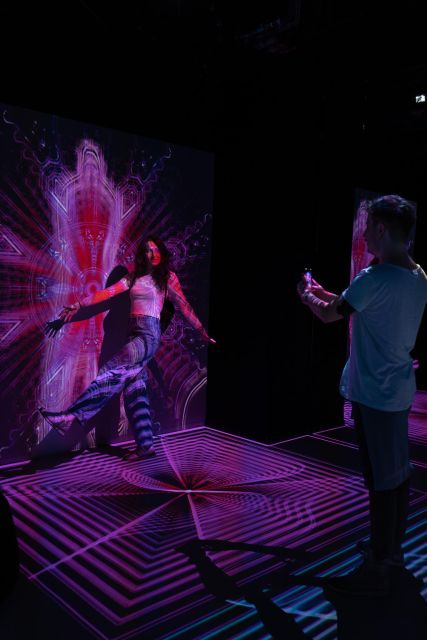
This works well for families, couples, and solo visitors who want something playful and safe-feeling to do indoors. It’s also a good option if you’re sensitive to typical city crowds—some rooms are described as calm, with seating that helps you slow down.
You’ll likely enjoy it most if:
- you like modern art that uses light and sound
- you want something interactive, not just passive viewing
- you’re traveling with kids and want a place that keeps attention
- you want an easy evening activity when your energy is running low
You might want a different plan if:
- you’re very motion-sensitive, because some intense visuals can make people feel queasy
- you dislike dark, audio-forward environments
- you need long-form educational context; this is more sensory than lecture
If you do have motion sensitivity, go slower, take breaks in quieter rooms, and don’t force yourself to “push through.”
Should You Book? My Decision Guide for One Budapest Day
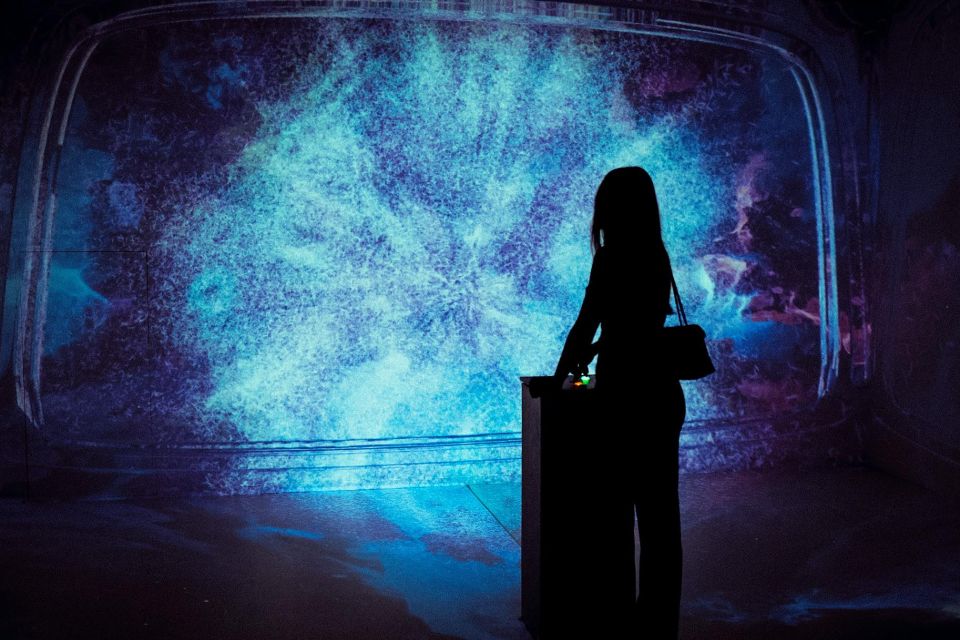
Book it if you want a break that’s fun, visual, and designed for easy pacing. The combination of 23 installations, photo-friendly spaces, and at least a few calmer zones makes it feel like more than a gimmick. Plus, the free coat storage and skip-the-line entry reduce friction.
Skip it (or pair it with a more traditional activity) if you’re only in Budapest for a short time and you’re trying to use every hour for classic sightseeing. In that case, you might feel the ticket is too short for the price.
If your schedule allows, I’d treat Cinema Mystica as your “reset stop.” Go earlier for a quieter experience, give yourself time to sit in the calmer rooms, and plan your photos in quick rounds so you actually experience the installations too.
FAQ
How many rooms and installations are included?
You’ll visit 10 rooms and see 23 installations during your time at Cinema Mystica.
Where do I go for the ticket pickup or entry?
Go straight to Cinema Mystica Museum in Budapest.
Is the experience available in English?
Yes. Languages listed for the host or greeter are Hungarian and English.
Is Cinema Mystica wheelchair accessible?
Yes, it’s listed as wheelchair accessible.
How long is my ticket valid?
The ticket is valid for 1 day. Starting times depend on availability.
Is there a cancellation option?
Yes. You can cancel up to 24 hours in advance for a full refund.