REVIEW · BUDAPEST
Budapest Half-Day Tour: Life Behind the Iron Curtain
Book on GetYourGuide →Operated by Budapest Day Trips · Bookable on GetYourGuide
Cold War ghosts still shape Budapest.
This private half-day tour strings together Citadella, the Terror House, and Memento Park so you understand how occupation and repression played out in daily life. I especially like the way the stops connect history to real places you can stand in, not just names on a plaque, and I’m drawn to the mix of heavy sites with a final lighter ride on the Children’s Railway. One drawback to consider: if you want a purely scenic, feel-good city stroll, this route is emotionally serious and focuses on communist-era suffering.
What makes it work well is the pacing. You get a live guide, transfers, and a van-assisted format (so you’re not doing a marathon), plus entry into Memento Park. I’d keep in mind that some site entry fees may be on you since only Memento Park is explicitly included, so budget a bit extra if you plan to go inside everything.
In This Review
- Key highlights worth marking on your map
- Cold War facts meet Budapest street-level reality
- Price and what you’re really buying for $511 (up to 6)
- Pickup from District V, VI? (Actually V, VII, XI) and how the day flows
- Citadella and the siege of Budapest from the city’s “control points”
- Terror House: why the museum format matters
- Memento Park: propaganda statues moved out of daily life
- The Children’s Railway: a very Budapest ending
- Is it worth your time? Who should book this tour
- Logistics and practical tips so the day stays smooth
- Should you book the Budapest Half-Day Tour: Life Behind the Iron Curtain?
- FAQ
- How long is the Budapest Half-Day Tour: Life Behind the Iron Curtain?
- What’s the price for this tour?
- Where are the pickup options in Budapest?
- What does the tour include?
- What’s not included?
- What languages is the live guide available in?
Key highlights worth marking on your map
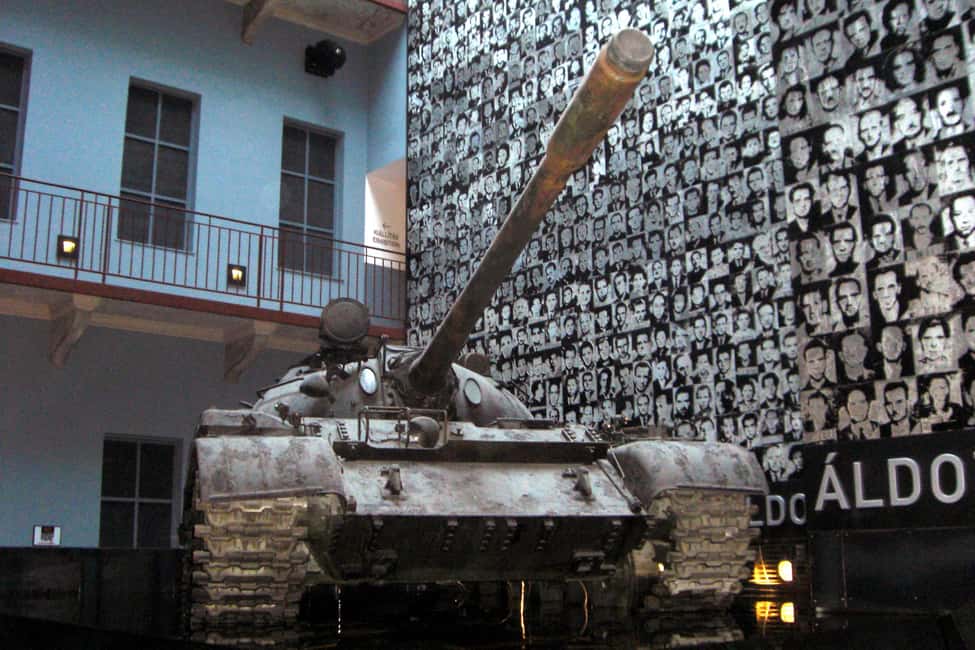
- Freedom Statue at Gellert Hill: learn why it was built in 1947 and how it became a broader symbol of freedom
- Citadella and the siege of Budapest: see how late WWII set the stage for Soviet control
- Terror House audio-guide: a guided museum visit focused on victims of the communist era
- Memento Park’s 42-piece lineup: Marx, Lenin, and other leaders relocated here from the city
- Children’s Railway reset: finish with a Pioneer’s Railway ride run by children ages 10–14
- Private-group format with transfers: easier logistics and more room for questions
Cold War facts meet Budapest street-level reality
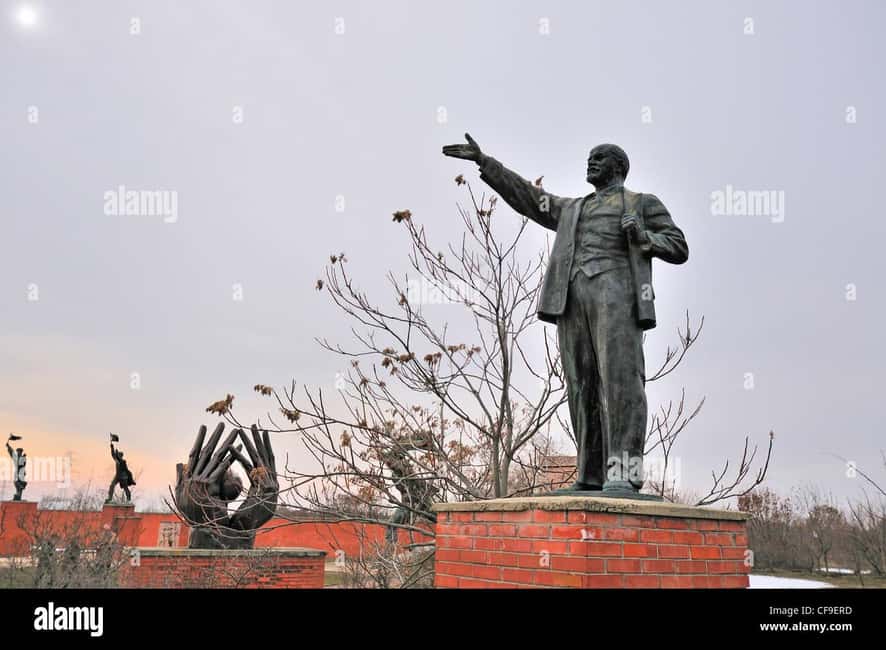
Budapest doesn’t need a theme park version of the Iron Curtain. The reminders are built into the skyline and the monuments, and that makes the story hit harder. You’ll spend your time where power was displayed, and where it was later condemned.
I like that this tour doesn’t treat communism as just an abstract political chapter. It points you toward physical locations tied to the siege of Budapest, Soviet occupation, and decades of propaganda. And it keeps returning to the human impact, especially at the Terror House.
The final stop helps too. A short ride on the Children’s Railway won’t erase what you’ve learned, but it gives you a normal Budapest moment at the end instead of ending on a wall of gloom.
You can also read our reviews of more tours and experiences in Budapest



Price and what you’re really buying for $511 (up to 6)
The cost is listed as $511 per group for up to 6 people, and that matters because it changes the math. If you’re traveling with friends or family, the private nature becomes the main value driver. You’re not splitting a large group’s guide time; you’re getting dedicated attention across multiple sites.
Here’s what’s included that helps justify the price:
- Transfers for the route
- A live guide
- Entry into Memento Park
What’s not included:
- Entry fees (other than Memento Park)
- Lunch
So I’d plan your expectations like this: you’re paying for the guide’s ability to connect the dots across several locations, plus the convenience of getting you there. If you’re the type who can read a plaque but wants context, you’ll get your money’s worth. If you’d rather explore solo and free-style, you might compare this to a self-guided day—just know you’d lose the guided storytelling that ties the sites together.
Pickup from District V, VI? (Actually V, VII, XI) and how the day flows
This tour uses a private-group setup, with pickup offered from 3 options in Budapest: District XI, District V, or District VII. If you’re staying centrally, you’ll likely be able to match one of those areas. If not, the listing says pickup happens at your accommodation or another agreed location, so it’s worth asking early.
Because it’s 5 hours, you’ll want a day plan that doesn’t rely on long gaps. The format is partly van and partly walking, which keeps the experience realistic for a half-day. It also helps when you’re heading toward viewpoints like Gellert Hill, where you’ll appreciate not having to hike everything.
Tip: since the pickup districts include VII and V, many people find it easy to connect this tour with pre- or post-lunch plans around the center. Just don’t stack another timed activity right on the other side; the museum moments can take longer if questions come up.
Citadella and the siege of Budapest from the city’s “control points”
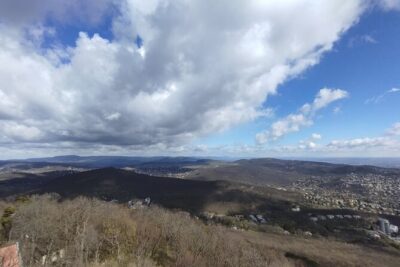
You start by heading to the Citadella area to learn about the siege of Budapest toward the end of World War II. This is the beginning of the story for Hungary’s occupation—meaning the tour uses WWII as the turning point that leads into decades of Soviet influence.
Why the Citadella makes sense here: it’s a place tied to military power and strategic control. Even if you know the dates, seeing the geography helps your brain picture what it must have felt like. You’re not just learning politics; you’re learning how the city’s physical layout mattered.
From there, the tour focuses on Gellert Hill and the Liberty Statue, also called the Freedom Statue. It was erected in 1947 and is built as a huge monument meant to dominate the panorama.
A few details you’ll hear that make this monument more than a photo stop:
- It was originally dedicated to the Russian troops
- The pedestal is 26 meters high, with the statue another 14 meters
- The tour frames it as probably the tallest of its kind in Europe
- Today it’s treated as a universal symbol of freedom
I like this part because it shows how symbols can flip meaning over time. One monument can be propaganda, memorial, and then something else entirely—depending on who gets to tell the story.
Terror House: why the museum format matters
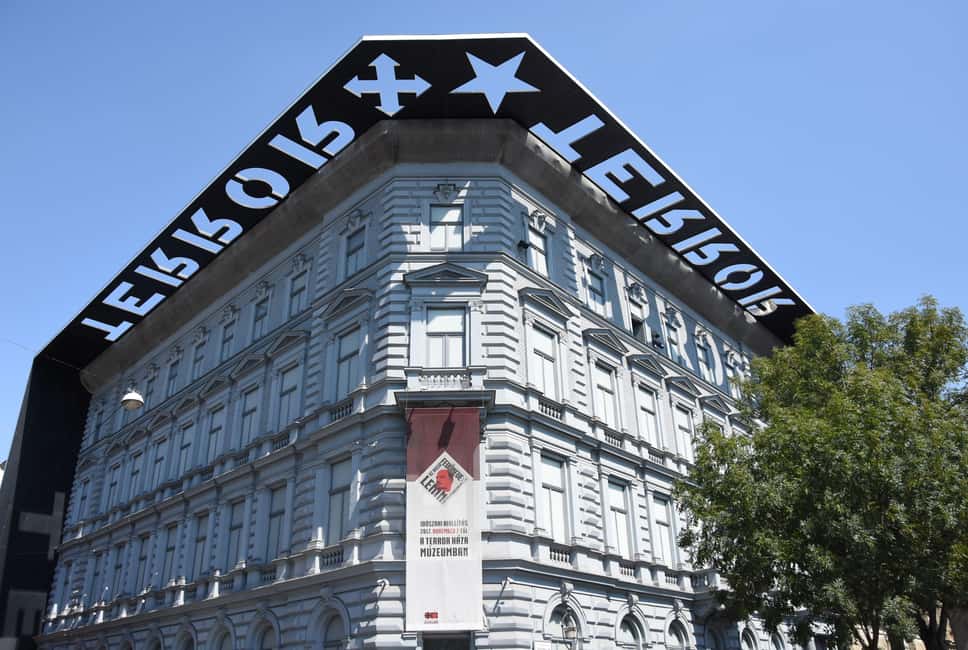
Next you’ll visit the Terror House, a museum dedicated to victims during the communist era. The tour includes an audio-guide, which is a big deal for this kind of subject. You’re not rushing through; you can linger and take in the accounts at a pace that fits you.
The key value here is that the museum is focused. Instead of floating between eras, you get a specific theme: what communist rule did to real people. That’s also why this is one of the most highly praised stops on the tour.
If you’re sensitive to heavy topics, I’d treat this like a planned museum day segment, not a “quick stop.” Give yourself mental room. Reading, listening, and moving through the exhibits can bring up a different tone than city sightseeing normally does.
Practical note: you’ll want your ID or passport with you. The tour data specifically says to bring an ID or passport, so don’t leave it in your hotel by accident.





Memento Park: propaganda statues moved out of daily life
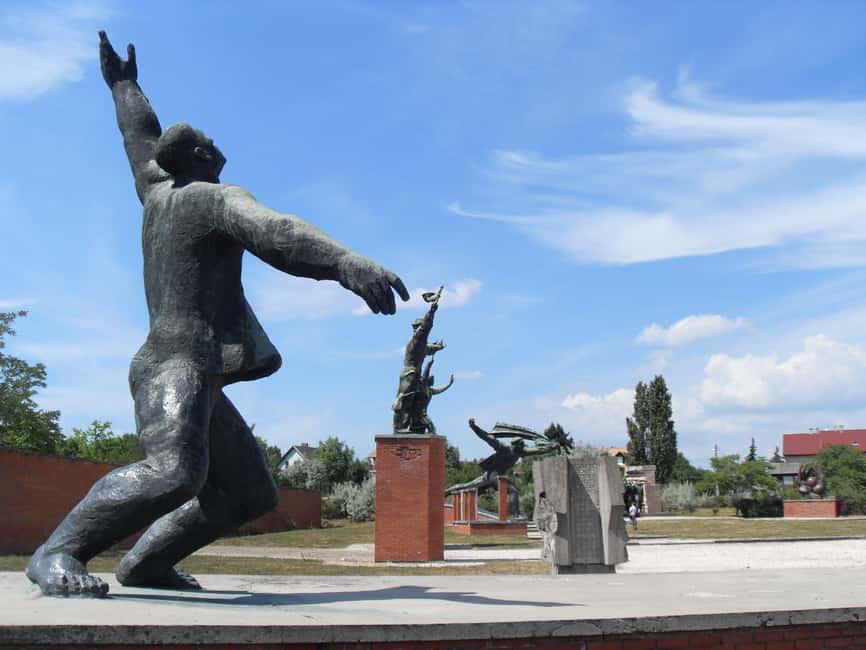
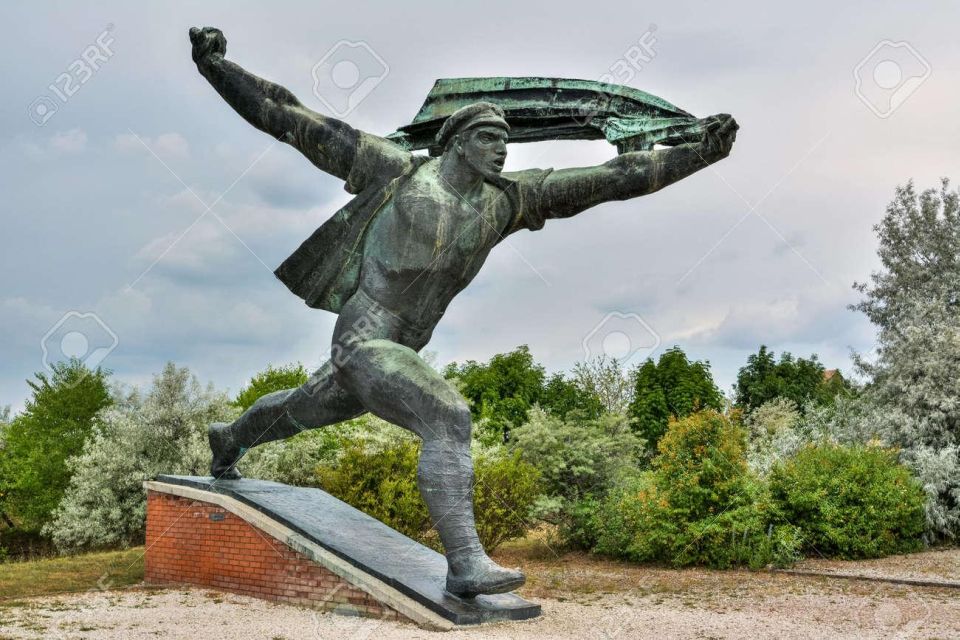
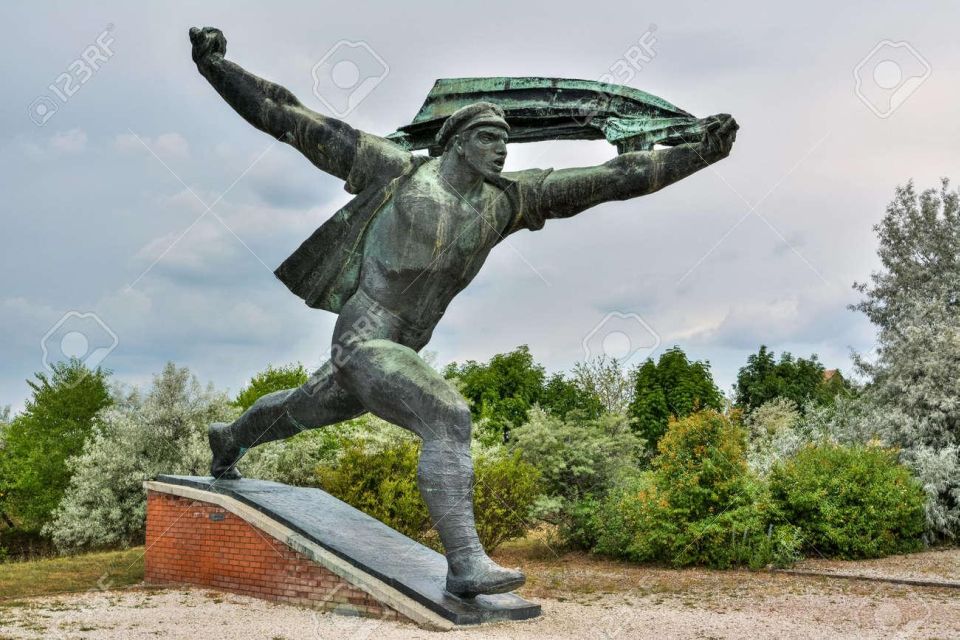
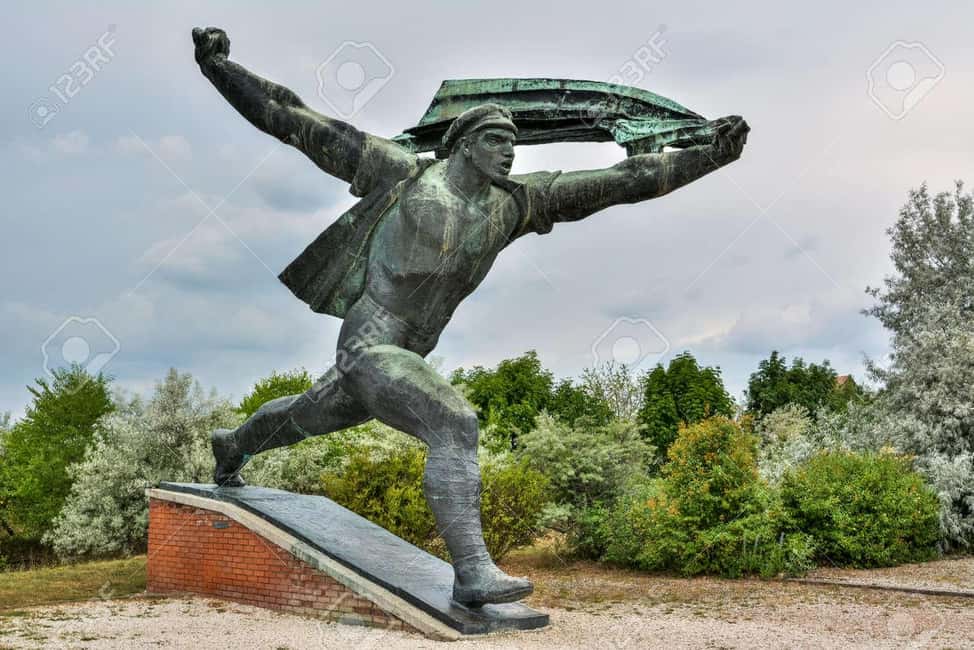
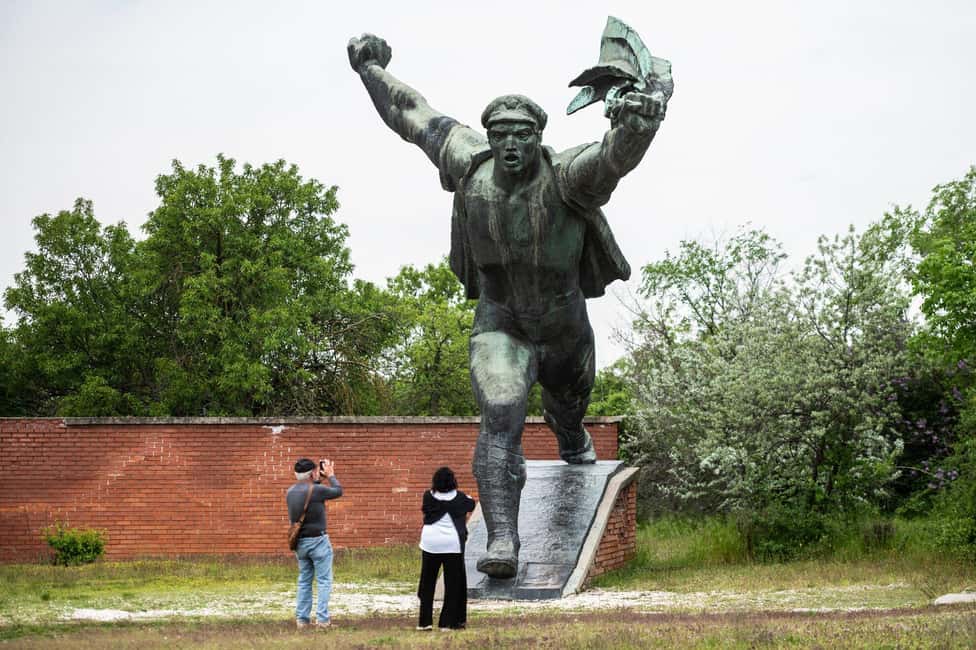
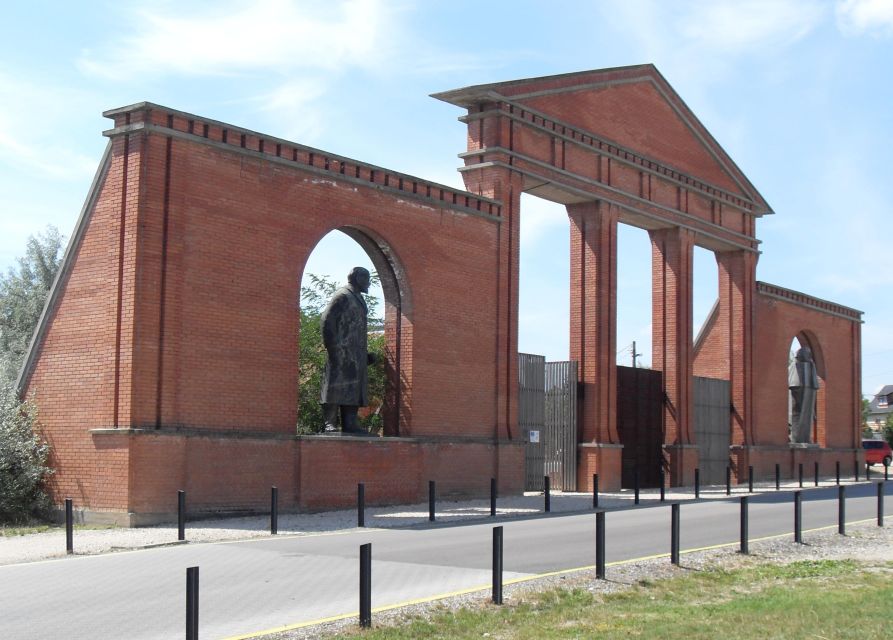
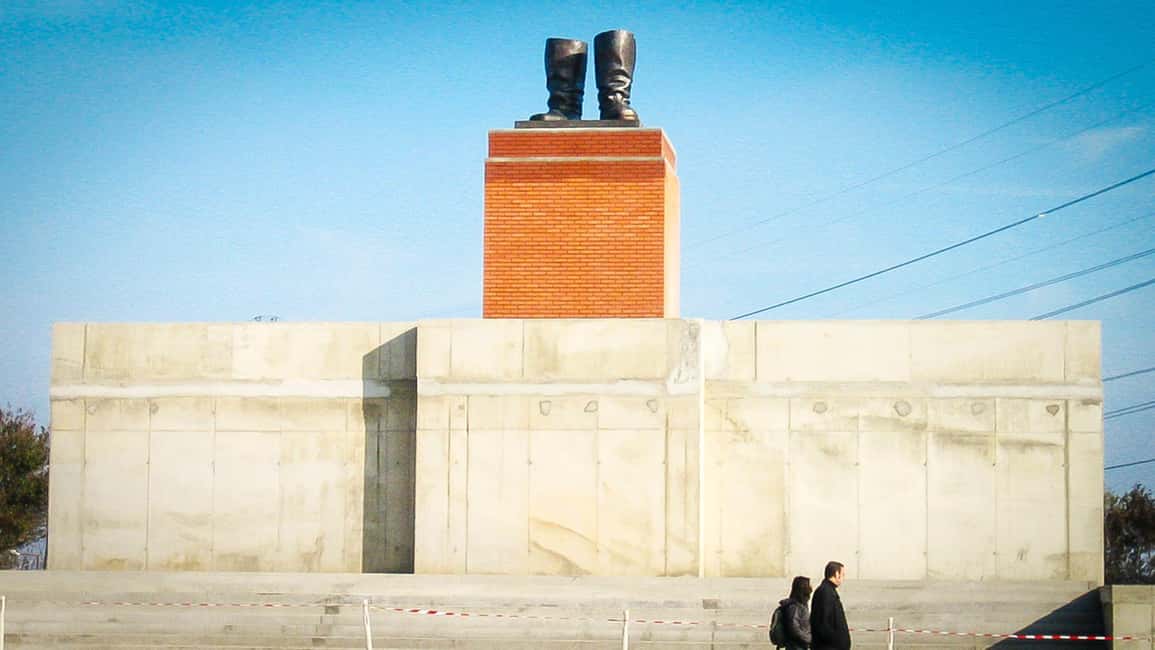
One of the most memorable parts of this tour is Memento Park—an open-air museum where political statues were relocated from the city. The idea is simple and powerful: remove symbols of a regime from everyday streets, and preserve them where you can study them with context.
You’ll see statues connected to Hungarian communist leadership and Soviet-aligned figures, including Marx, Lenin, and other era personalities such as Ostapenko. The tour also points out the Memorial of Hungarian-Soviet Friendship, and it explains that many monuments from 1945 to 1989 were moved here.
Here are the numbers and specific items that help you picture the place:
- The park’s collection includes 42 pieces
- It includes the 6-meter-high statue of the Liberation Army Soldier
This stop gets strong praise for a reason. A statue outdoors isn’t just a museum object. It’s scale, material, and placement—so you can see how regimes tried to control what people felt every day. Standing near these figures turns history into something physical.
Also, this is where the tour’s “guided connections” really pay off. The guide helps you understand what you’re looking at and why it was made. Without that, the park can still be interesting, but it’s easier to miss the logic behind the choices.
The Children’s Railway: a very Budapest ending
After the weight of the memorial sites, the tour finishes with a ride on the Children’s Railway in the Buda hills. Originally known as the Pioneer’s Railway, it opened in 1949. The cool detail is that it operated with children aged 10–14 running the railway roles.
Yes, it’s a different vibe. But it still connects to the era you’ve been learning about—because these child-run initiatives were part of a broader system that aimed to shape youth and identity.
What I like about this ending:
- It’s a real local activity, not just another monument
- It gives you a breath between serious sites
- It’s a fun way to change sensory gears while staying in the same historical frame
Don’t expect it to be a “major attraction” in the usual sense. Think of it as an oddly moving coda: the same world that produced propaganda also produced youth programs, and you get to see that contrast in one afternoon.
Is it worth your time? Who should book this tour
This tour is a strong match if you want more than postcards. If you like history that you can stand in, this itinerary makes sense. It’s also a good fit if you’re visiting with someone who wants context for the sights, not just a checklist.
It’s especially suitable if:
- You’re interested in WWII aftermath and Soviet-era occupation
- You appreciate museums that explain systems through victims’ stories
- You like private tours because you want to ask questions
- You want a balanced half-day: heavy sites followed by an easier final stop
I wouldn’t pick it as your top choice if you’re mainly chasing architecture and river views. This tour spends its time on memorials and political sites. That can be exactly what you want—or it can feel too serious if your ideal day is about relaxation and wandering.
Logistics and practical tips so the day stays smooth
Because the tour includes transfers and runs about 5 hours, you should plan for a compact schedule. Wear shoes you’re happy to walk in—this isn’t described as a long trek, but you will be moving between viewpoints and museum areas.
Bring your passport or ID card. The listing calls it out, so you’ll want it on hand.
Since only entry into Memento Park is explicitly included, check whether you’ll also pay entrance for other stops when you arrive. If you want fewer surprises, set aside a little extra cash for site entry fees.
Languages are a plus: the guide is offered in English, Spanish, Italian, German, Russian, French, and Portuguese. That gives you a chance to get detailed explanations in the language you’re most comfortable with.
One more note on guides: one guide name that came up strongly in feedback is Thomas, with praise for being exceptional and for delivering real insight in a private format. That’s a good sign if you care about how the story is told, not just where you go.
Should you book the Budapest Half-Day Tour: Life Behind the Iron Curtain?
Book it if you want your Budapest day to have meaning. The mix of Citadella, the Terror House, and Memento Park gives you a structured way to understand life behind the Iron Curtain, and the ending on the Children’s Railway prevents the experience from going flat at the finish.
Skip it or pair it with a lighter day if you’re overwhelmed by heavy topics or you’re traveling for mostly scenic downtime. And if you’re tight on budget, remember that only Memento Park entry is included—some other site entry fees and lunch are on you.
If you like private tours with solid interpretation (and not just a guided walk), this one looks like a strong value for a group up to 6.
FAQ
How long is the Budapest Half-Day Tour: Life Behind the Iron Curtain?
The tour duration is 5 hours.
What’s the price for this tour?
It’s listed at $511 per group, up to 6 people.
Where are the pickup options in Budapest?
Pickup is offered at District XI, District V, or District VII, and you can also get pickup at your accommodation or another agreed location.
What does the tour include?
It includes transfers, a guide, and entry into Memento Park.
What’s not included?
Entry fees (other than Memento Park entry) and lunch are not included.
What languages is the live guide available in?
The live guide is available in English, Spanish, Italian, German, Russian, French, and Portuguese.