REVIEW · BUDAPEST
Budapest 3-Hour Walking Tour in Italian
Book on GetYourGuide →Operated by Tourist Angel · Bookable on GetYourGuide
Budapest in three hours is a sprint with style. I love starting at St. Stephen’s Basilica and getting real history behind the postcard views, not just names. And I like that the guide is Italian-speaking, so you’re not stuck piecing things together on your own.
I also love how the route blends big landmarks with the viewpoints you’ll actually remember. Matthias Church and the scenery from Fishermen’s Bastion feel like rewards for paying attention during the walk.
One thing to plan for: this is mostly on foot, and there’s a dress code (no shorts, no sleeveless shirts), so come ready.
In This Review
- Key highlights you’ll care about
- St. Stephen’s Basilica to start: the right first impression in Pest
- Crossing the Danube the smart way with metro and bus
- Buda Castle and the Royal Palace zone: history you can look at
- Matthias Church: Gothic architecture that actually makes sense
- Fishermen’s Bastion: viewpoints with context, not just photos
- President’s Palace and the Royal vibe: how power shows up in stone
- Price and what $41 really buys (plus the extra tickets)
- What it feels like to walk this route (and who it suits best)
- Guides in Italian: why the human factor shows up in reviews
- Should you book this Budapest 3-hour walking tour?
- FAQ
- How long is the Budapest walking tour in Italian?
- Where is the meeting point?
- What language is the guide?
- Is the tour private or small-group?
- What is included in the price?
- Are public transport tickets included?
- Which main sights are included on the route?
- What should I bring?
- What clothing is not allowed?
- What is the cancellation policy?
Key highlights you’ll care about
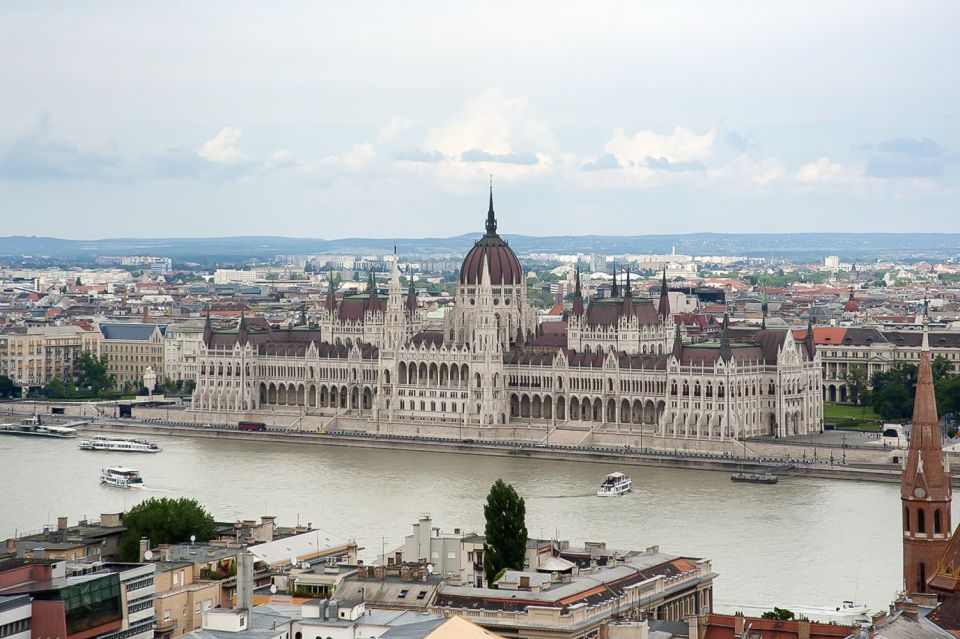
- Italian-speaking guide that turns monuments into understandable stories
- St. Stephen’s Basilica as your launch point in Pest
- Danube crossing by public transport to connect the two sides fast
- Buda Castle Quarter stops that focus on what to look for
- Matthias Church and Fishermen’s Bastion for Gothic detail plus sweeping views
St. Stephen’s Basilica to start: the right first impression in Pest
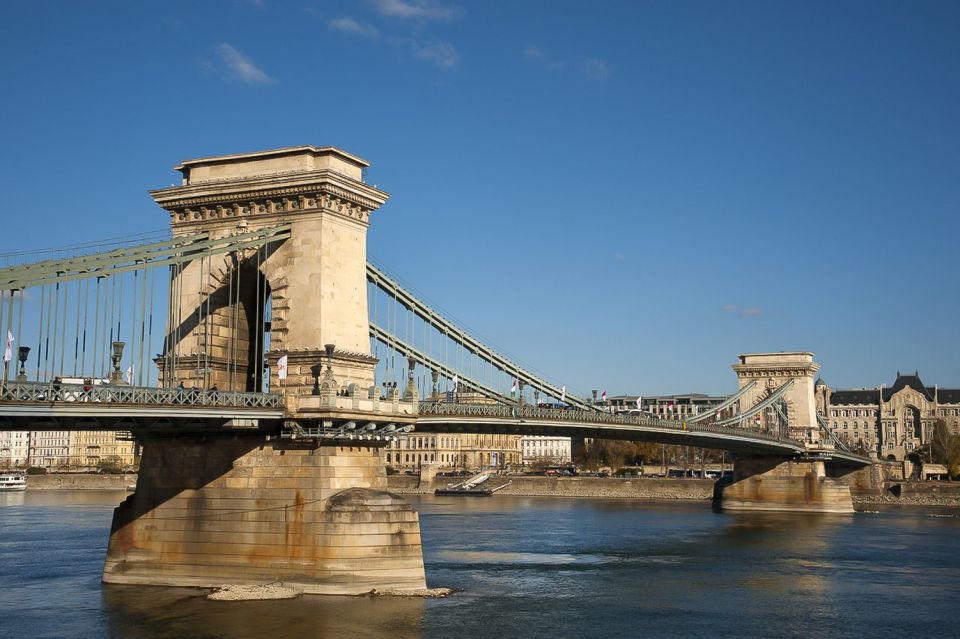
The tour begins right by Saint Stephen’s Basilica, next to it and in front of the California Coffee Company. That’s a smart choice because you’re thrown into the most recognizable part of Budapest first, before you move up into the castle area.
I like the way this opening sets the tone: you’re looking at a church people point to from across the city, but your guide is also using it to explain what Budapest has been through. You’ll talk about the Hungarian kingdom and its long timeline, from early conquest-era history to much more recent democratic changes—compressed, but not random.
And since the guide works in Italian, it helps if you want your first Budapest “facts” to land in your head in a language you can understand. Reviews highlight guides like Caterina, Katalin, and Elisabetta for being friendly and very prepared, and that matters early. If you get the start right, the rest of the walk feels smoother.
Practical tip: bring comfortable shoes. The tour is only three hours, but you’ll be walking enough that stiff footwear becomes annoying quickly. Also note the dress code: no shorts and no sleeveless shirts, which can catch people off guard if they dressed for summer heat.
You can also read our reviews of more walking tours in Budapest


Crossing the Danube the smart way with metro and bus
Instead of pretending you can absorb the whole Danube from the bridge and be done, you’ll cross using public transport (metro and bus). It’s built into the experience, and it changes how you move through the city.
The tour includes using local transit to get from the Pest side to the Buda side, which is exactly how Budapest residents treat distance: you don’t “walk everything,” and you don’t waste time either. For you, that means the tour stays focused on the highlights rather than burning your limited three hours on long crossings.
Budget note: public transport tickets are not included. You’ll need 4 tickets per person, listed as 1400 HUF. I recommend you plan for that right away so you don’t end up stuck at a ticket machine while your group is waiting.
Buda Castle and the Royal Palace zone: history you can look at
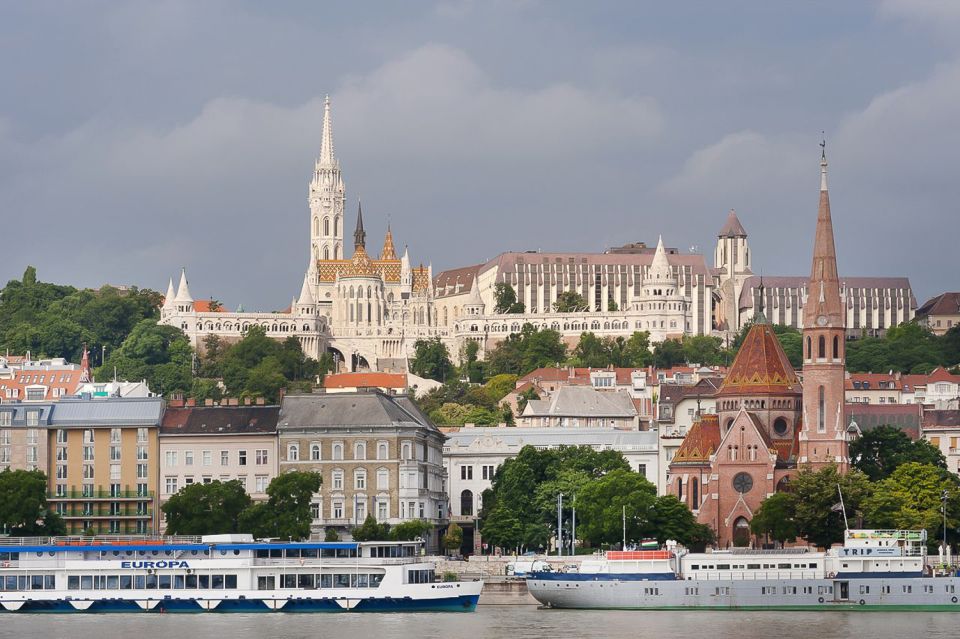
Once you’re in the Buda Castle area, the vibe changes. Pest feels more immediate and city-street busy. The Castle Quarter feels layered—like you’re walking through time with stone under your feet.
In this part, you’ll see the fortified Buda Castle and then move through the Castle Quarter area. The tour also includes key palace-related stops: the Royal Palace and the President’s Palace are part of the route. Those names are famous, but what makes this stop valuable is the way your guide ties them to power, shifting eras, and what those buildings represented over time.
This is where a good guide earns their fee. When the explanation is clear, you stop treating the sights like background set dressing. Instead, you start looking for details—how the buildings relate to the river, why this area became the seat of authority, and what survived through upheavals.
Also, if you’re the kind of traveler who likes city views but hates getting stuck in a five-minute look-and-go cycle, this helps. You get views as part of the story, not as a separate side quest.
Matthias Church: Gothic architecture that actually makes sense
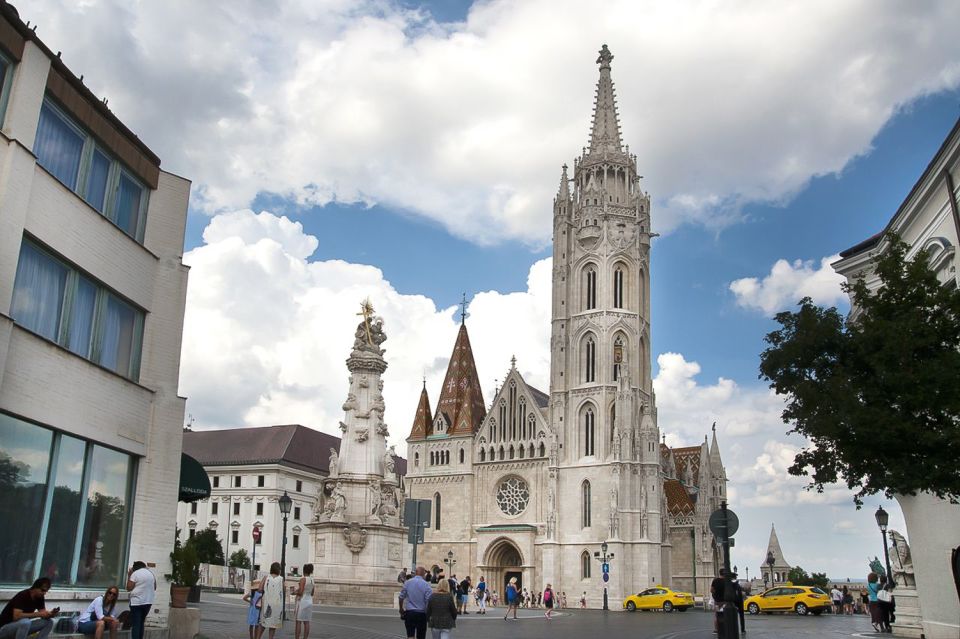
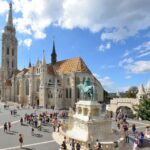
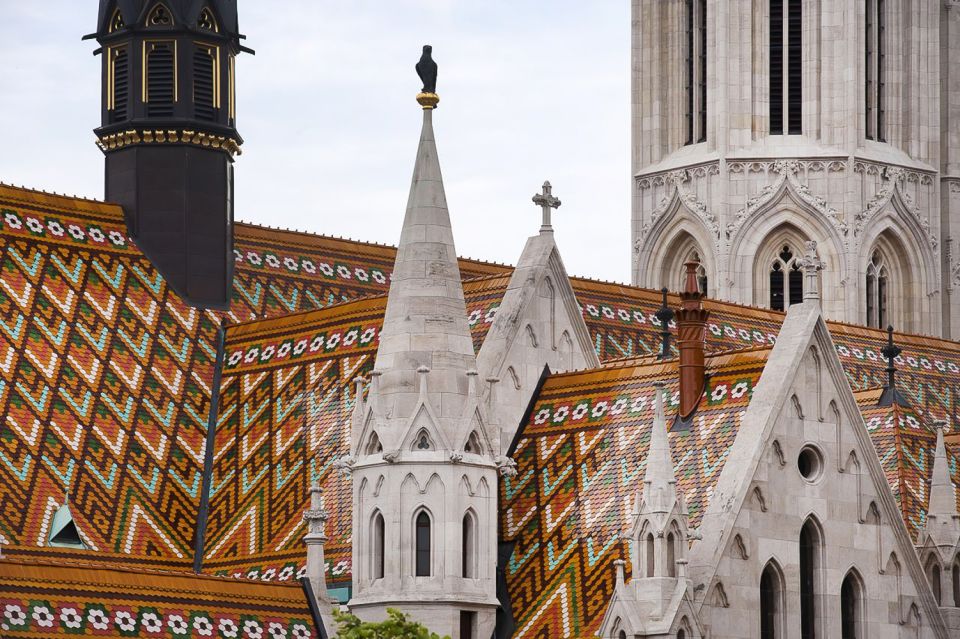
One of the strongest moments on the route is Matthias Church. Gothic architecture can sound abstract until you’re standing there and someone points out what makes it distinct.
This tour’s advantage is that you don’t just see the church—you learn what you’re seeing. The guide explains elements you might otherwise miss, and that’s especially helpful if you’re not an architecture nerd. You’ll come away more confident identifying what feels “Gothic” versus what feels like later styling, and why Matthias Church looks the way it does compared with other landmarks across Europe.
Reviews strongly praise the guide quality here too. Multiple Italian-language bookings mention guides who were not only polite, but also very good at giving detailed explanations. That’s exactly what you want at a stop like Matthias Church, where the building rewards attention.
One more practical detail: church sites are where dress codes become real. Keep your outfit compliant so you don’t have to scramble at the start of a major photo moment.
Fishermen’s Bastion: viewpoints with context, not just photos
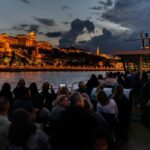
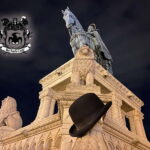
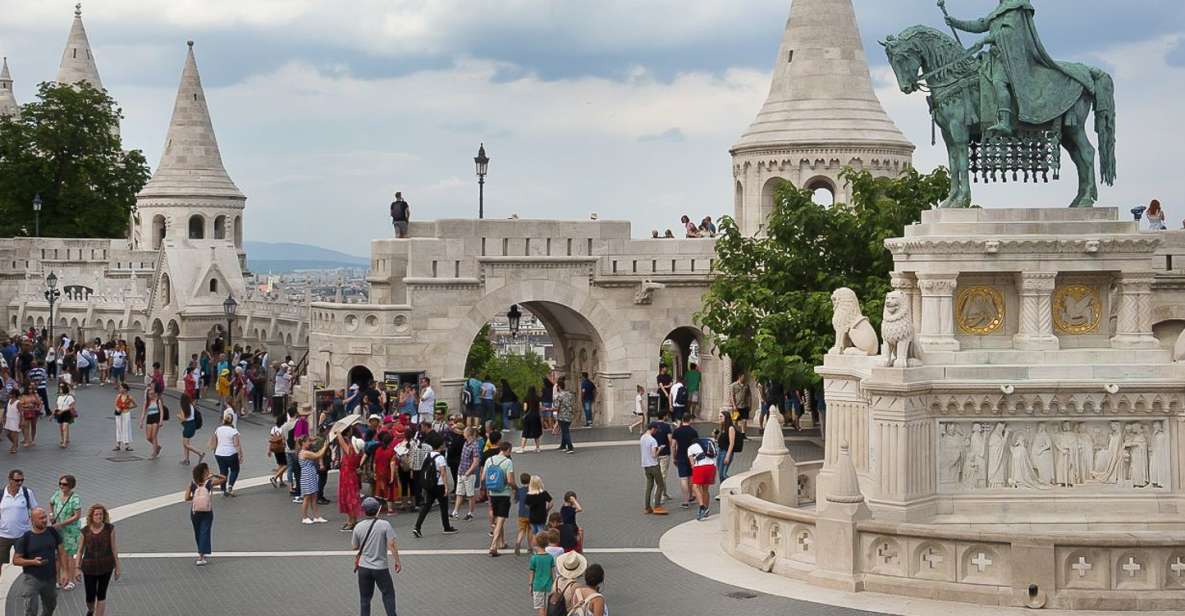
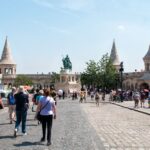
Then comes one of Budapest’s classic view stops: Fishermen’s Bastion. This is the kind of place where photos happen automatically—arches, towers, and that sweeping look across the Danube.
What you’ll like here is that the viewpoint isn’t treated as a standalone Instagram stop. Your guide connects it to the city’s layout and the castle area’s role, so you understand why the scene looks the way it does. It also helps that the tour is designed to give you “best view” moments during the walk, rather than dumping all scenery into the last minute.
For many people, this is where the tour becomes memorable. Not because the photos are perfect, but because they match what you’ve learned about Budapest’s geography and history. You start to see the city as a system: Pest below, Buda above, and the river threading it all together.
You can also read our reviews of more tours and experiences in Budapest



President’s Palace and the Royal vibe: how power shows up in stone
A less talked-about but still interesting part of the route is the inclusion of the President’s Palace along with the more obvious Royal Palace area. It gives the castle district a broader feel, moving beyond “old kingdom” into more modern state symbolism.
This matters for two reasons. First, it helps you understand that the castle area is not just a museum zone—it’s part of how the country represents itself. Second, it gives you a more complete sense of the “turbulent 1,100 years” framing the tour uses. Even in a short walkthrough, you get an arc: older conquest and kingdom history, and the later democratic changes that brought new meaning to the national story.
If you’re curious about how today’s Hungary relates to the past, you’ll appreciate this mix. You’ll still get the famous landmarks, but you won’t leave thinking you only toured a postcard set.
Price and what $41 really buys (plus the extra tickets)
At $41 per person for a 3-hour guided walk, this is positioned as a value option if you want a structured introduction. You’re paying primarily for the guide (Italian language) and the routing between major sites.
The one cost you must plan for: public transport tickets are extra. The listing states 4 tickets/person for 1400 HUF. That’s not a deal breaker, but it’s a real add-on, so treat the all-in cost as guide + tickets.
Is it worth it? In my view, it is—if you want your time used efficiently. A DIY route to St. Stephen’s Basilica, the castle area, Matthias Church, and Fishermen’s Bastion is possible, but it would likely turn into “read a sign, take a photo, move on” unless you already know the history. This tour is designed to compress the best sights into three hours with a local perspective, and the repeated praise for guides suggests you’re more likely to get explanations that land.
What it feels like to walk this route (and who it suits best)
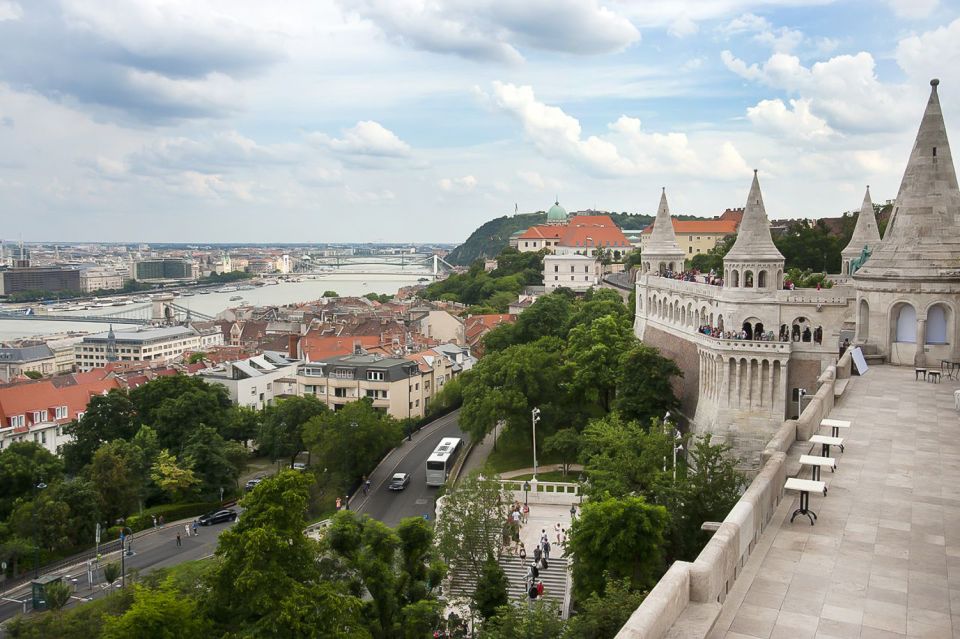
This tour is built for your first taste of Budapest’s “oldest parts” on both sides of the river: the center of Pest and the Castle area on Buda. You’ll also use public transport, which breaks the walking into manageable chunks and keeps the pacing from turning into a long slog.
It’s suitable for all types and ages of travelers, and the small-group or private options can help if you like more questions and less waiting. If you’re traveling with a friend and want a guided pace—without committing to a full day—this hits the sweet spot.
Who it’s best for:
- First-timers who want St. Stephen’s Basilica + Castle Quarter in one shot
- Travelers who want Italian explanations (not English audio, not guesswork)
- People who like history tied to landmarks, not history recited from a classroom
If you hate walking-heavy tours or you’re not willing to follow the church dress expectations, you’ll want to think twice.
Guides in Italian: why the human factor shows up in reviews
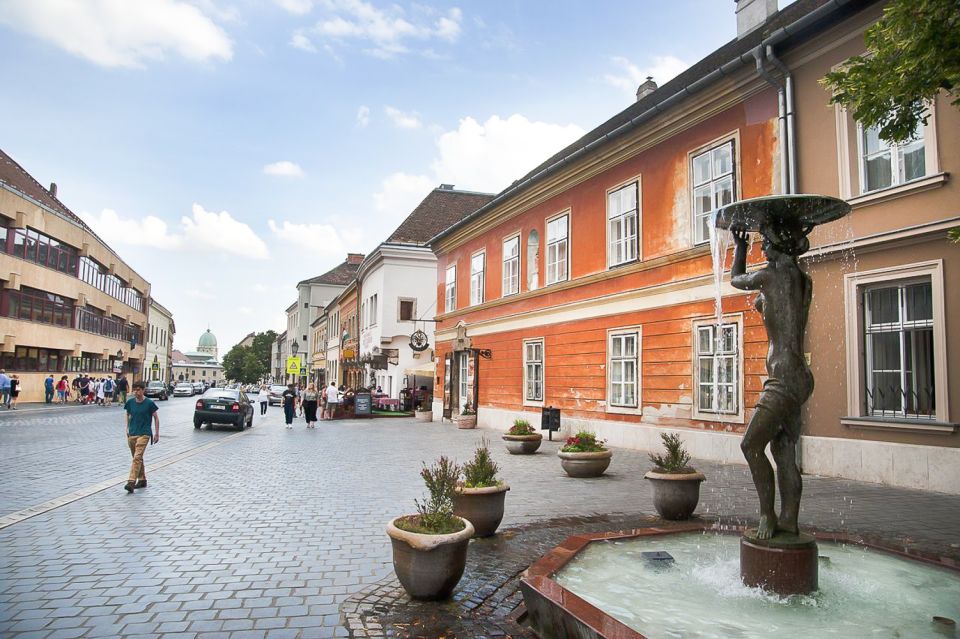
The most consistent theme in the reviews is the guide personality paired with competence. Caterina comes up as super helpful, Katalin is described as fantastic and very welcoming, and Elisabetta is praised for being prepared with Italian described as excellent.
That matters more than it sounds. In a tour like this, where multiple landmarks sit close together but each has a different “story angle,” your guide’s ability to explain clearly is what makes the experience feel coherent. A kind, responsive guide also makes it easier to ask questions without feeling rushed.
So when you book, think of this tour less like a route and more like a conversation in Italian with someone who knows how to point out what to see.
Should you book this Budapest 3-hour walking tour?
If you want an efficient first introduction to Pest + the Castle area, and you’re comfortable spending three hours on your feet with one public transport crossing, this is a strong choice. The combination of St. Stephen’s Basilica, the Castle Quarter, Matthias Church, and Fishermen’s Bastion hits the big-ticket Budapest highlights without stretching your day out.
I’d book it if:
- Italian is your preferred tour language
- You like history explained where you can see it
- You’d rather pay for guidance than self-navigate and miss context
I might skip it if:
- You want a fully relaxed, no-transit stroll
- You’re planning to wear shorts or sleeveless tops and don’t want to change
- You’d rather spend more time in each place than move efficiently through multiple stops
FAQ
How long is the Budapest walking tour in Italian?
The tour lasts 3 hours.
Where is the meeting point?
You meet next to Saint Stephen’s Basilica, in front of the California Coffee Company coffee shop.
What language is the guide?
The guide speaks Italian.
Is the tour private or small-group?
Private or small groups are available.
What is included in the price?
The price includes an Italian-speaking tour guide.
Are public transport tickets included?
No. Public transport tickets are not included. The tour notes you’ll need 4 tickets per person (1400 HUF) for metro and bus.
Which main sights are included on the route?
The tour includes St. Stephen’s Basilica, the Royal Palace, the President’s Palace, the Castle Quarter, Matthias Church, and the Fishermen’s Bastion.
What should I bring?
Bring comfortable shoes.
What clothing is not allowed?
Shorts and sleeveless shirts are not allowed.
What is the cancellation policy?
You can cancel up to 24 hours in advance for a full refund. There’s also reserve now & pay later to keep plans flexible.