REVIEW · BUDAPEST
Budapest Walking Tour with Your Private Guide: 20+ Highlights
Book on Viator →Operated by Budapest with Lara · Bookable on Viator
Twenty Budapest stops, one well-paced day. I love the way Lara connects major monuments to clear, human stories, from Heroes’ Square to the Shoes on the Danube Bank. I also like that you ride the M1 metro along Andrássy Avenue instead of walking every meter. One possible drawback: it’s a busy day with lots of movement, and you may walk uphill at Citadella, so it’s not the best fit if you have leg or knee problems.
This is a private tour for your group only, in English, running about 6 to 7 hours. You’ll end in the Castle District at Matthias Church, with options to go inside key sights (fees apply), plus a traditional lunch and a Central Market Hall lángos stop to keep your energy up.
In This Review
- Key things that make this Budapest day tour work
- Heroes’ Square and Vajdahunyad Castle: start with the stories
- Szechenyi Baths and Andrássy Avenue: Budapest by steam and metro
- St. Stephen’s Basilica and the WWII-era stops: sacred space and civic memory
- Parliament from the outside, plus Kossuth Lajos Square views
- Shoes on the Danube and Central Market Hall: meaning and fuel
- Liberty Bridge and the move to Buda: trams, timing, and views
- Buda Castle area, Matthias Church, and Fisherman’s Bastion: the grand finale
- Lunch, lunch timing, and why the food stops matter
- Price and value: what you pay for, and what you’ll likely add
- Who this tour suits best (and who should think twice)
- Should you book this Budapest walking tour with Lara?
- FAQ
- How long is the tour?
- Is this a private tour?
- What language is the tour offered in?
- Where do we start and where does it end?
- Is the tour ticket mobile?
- Are public transportation tickets included?
- Are entrance fees included for major sites?
- Is food included in the price?
- What fitness level is recommended?
Key things that make this Budapest day tour work
- 20+ highlights in one trip: You cover big sights and meaningful memorials without feeling like you’re just speed-walking.
- M1 metro experience on Andrássy Avenue: You get a rides-and-stories mix, including a look at Europe’s first historical underground metro line.
- Clear inside-and-outside choices: You can go into places like St. Stephen’s Basilica and Matthias Church, or simply enjoy exterior views where that makes sense.
- Central Market Hall lángos break: It’s practical fuel, and it also gives you a chance to browse Hungarian food and small souvenirs.
- Castle District end point at Matthias Church: You finish with the area people usually save for last, when the light and viewpoints can be best.
- Guide flexibility: The day can include small timing-based extras, like viewpoints or short side stops, as long as they fit the flow.
Heroes’ Square and Vajdahunyad Castle: start with the stories
You kick off at Elizabeth Square (near Deák Ferenc tér), then head to Heroes’ Square. Here, the guide reads the square like a timeline—statues first, meaning second—so the whole place feels less like a photo stop and more like a quick history lesson you can actually remember.
You’ll also see the main sights around the square from the outside, with time kept intentionally short. That matters because the tour aims to keep momentum. If you love details, you’ll still get them; if you just want the big picture quickly, you’ll get that too.
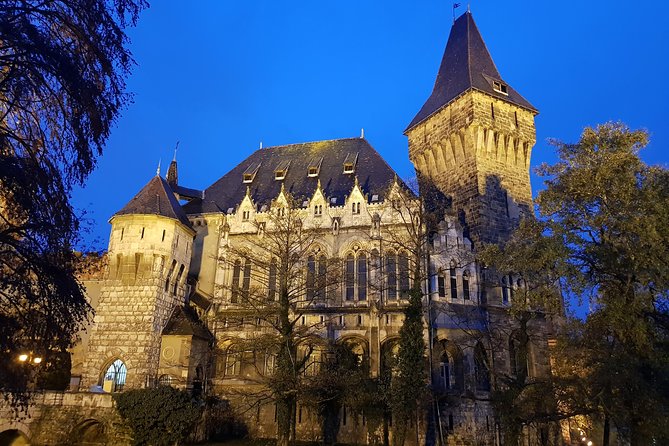
Next comes Vajdahunyad Castle. This stop is brief, but it’s designed for architecture lovers and curious walkers. The guide sets you up to notice different styles rather than treating it like one solid building. Even from the outside, it’s one of those places where knowing what you’re looking at makes the view click.
On a practical note: this early chunk tends to be easy to follow. You’re not thrown into a maze of stairs or queues yet, so you can settle into the pace fast.
You can also read our reviews of more walking tours in Budapest


Szechenyi Baths and Andrássy Avenue: Budapest by steam and metro
After the castle area, you get a short look at Szechenyi Baths and Pool—mainly the entrance and interior design at a quick glance. You’re not doing a full spa visit here, which is good if you want a sightseeing-focused day. You still get the sense of scale and style, and you avoid getting stuck in long “tourist trap” time loops.
Then comes one of the smartest moves on the schedule: Andrássy Avenue. It’s about 2.5 km long, and walking all of it would chew up time. Instead, the tour takes the metro, and you also get the significance of this route—this is part of Budapest’s first historical underground metro line in Europe.
Why that’s valuable: it turns transit into an attraction. You’re not just getting from point A to B; you’re learning along the way. And since the avenue is famous for grand facades, you’ll understand what you’re seeing once you’re not focused on where to stand for the next tram.
St. Stephen’s Basilica and the WWII-era stops: sacred space and civic memory
St. Stephen’s Basilica (Szent István Bazilika) is next. You can go inside if you want (there’s a fee), and the highlight here is the Holy Right tied to Hungary’s first king. Even if you don’t plan to linger for long, being able to step into the church at all—on a guided route—makes this stop more than a quick exterior check.
Then you move to Szabadság tér, where the setting shifts from religious importance to 20th-century memory. You’ll see multiple landmark buildings and monuments connected to major events, including a WWII memorial, and you also pass spots tied to financial and political history. This is a stop you’ll appreciate more if you like context—because the guide frames what each landmark meant in its time.
A quick note on expectations: these kinds of stops can feel heavy, even when the tone stays practical and clear. That’s still part of Budapest’s truth, and it’s handled well here because you’re not stuck at one place for ages.
Parliament from the outside, plus Kossuth Lajos Square views
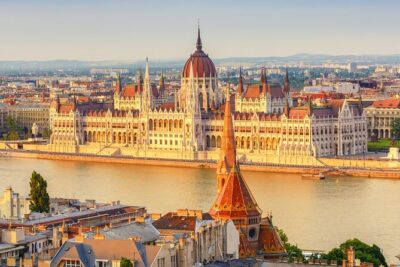
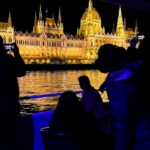
From Szabadság tér, the route brings you to the Hungarian Parliament Building. For most people, the best value here is the exterior admire-and-learn moment. You’ll see the building from outside, and if you want to go in, you need to book in advance online weeks ahead.
That advance requirement is real—and it’s also why the tour keeps this portion efficient. If you don’t want to plan far ahead, you still get the major visual payoff and the background you need to read the architecture.
You also stop at Kossuth Lajos Square for quick views of the surrounding monumental buildings. Think of this as a palate cleanser between the bigger, longer-feeling sites. It keeps the route smooth rather than turning the day into one long march of heavy buildings.
Shoes on the Danube and Central Market Hall: meaning and fuel
A short walk brings you to Shoes on the Danube Bank, one of Budapest’s most direct Jewish memorials. It’s very short in time, but it’s designed to hit you without distractions. With the guide’s framing, you come away with more than an image—you understand why it’s placed right here along the river.
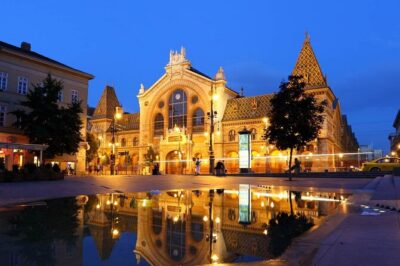
Then you head to Central Market Hall, where you get something useful in a tour day full of walking: food and breathing room. You’ll grab lángos here, which is simple energy for what’s still ahead. This is also where you can browse for souvenirs, especially food-related ones, without needing a separate shopping plan.
One of the best ways to enjoy this part: eat smart and don’t overbuy. You’re going to a viewpoint and a hillside area afterward, and you’ll want to stay comfortable while you move.
You can also read our reviews of more guided tours in Budapest




Liberty Bridge and the move to Buda: trams, timing, and views
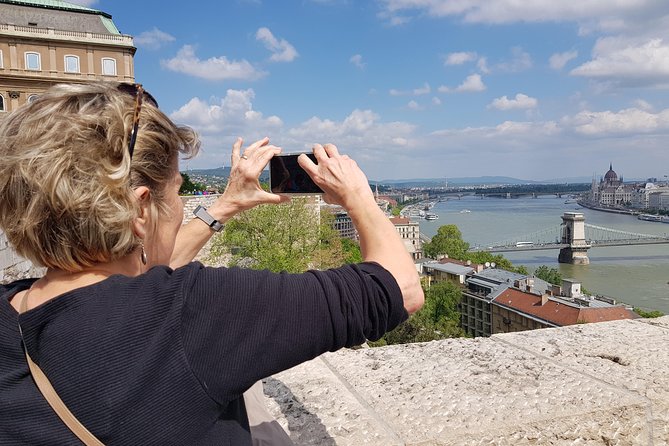
Next up is Liberty Bridge (Szabadság hid). The tour crosses to the Buda side by tram—or on foot, depending on the flow and your group’s needs. This is a classic Budapest move: you see how the city connects, and you get a sense of the river as the centerline of the whole place.
After the bridge, you’ll pause outside to take in the next set of buildings, then you move toward Citadella.
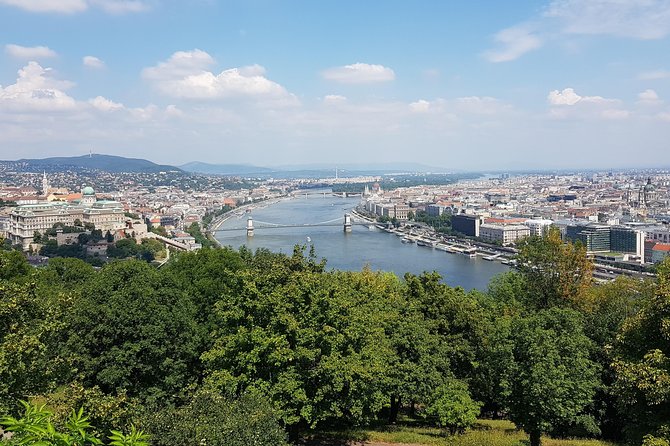
Citadella is where Budapest rewards steady legs. You can walk up (around 12 minutes) or, if requested, take a public bus partway and walk a bit less (about 8 minutes walk-up). From the top, you’re looking for that big-picture view that makes the earlier history and architecture feel connected.
This is also the portion you should think about honestly before booking. The tour is not described as extreme trekking, but it is not a sit-everywhere day either. If you know you struggle with stairs or uphill sections, tell your guide early and plan around the bus option.
Buda Castle area, Matthias Church, and Fisherman’s Bastion: the grand finale
After Citadella, you head down and then take tram to move toward the Castle District. You’ll also use an escalator for the climb into the district area, which helps keep the day from turning into a leg workout.
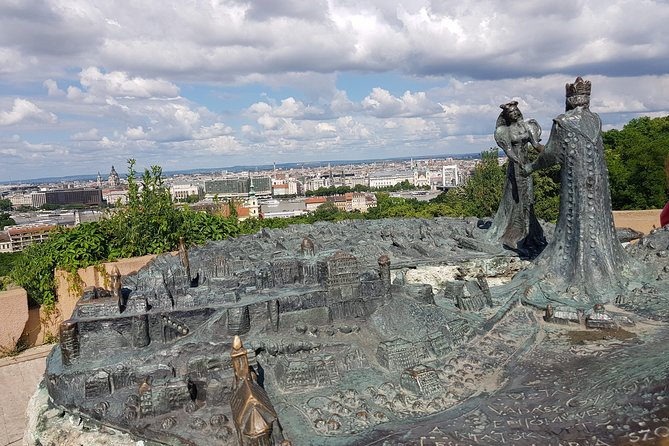
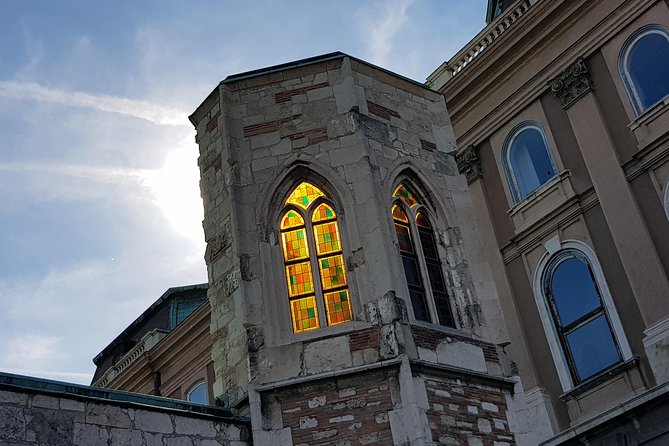
You spend time in the Buda Castle zone. The guide points out where the Royal Palace and castle complex sit within the area, even if the “castle” feel is more about the surrounding structures and viewpoints than one single stop. You get the orientation you need so you don’t feel like you’re wandering around rooftops without a plan.
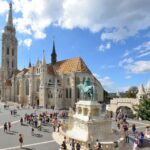
Then comes Matthias Church (Mátyás Templom), which is one of the strongest finish points in Budapest. You’ll have time to go inside (fee applies). One helpful detail: the guide can buy your ticket on the spot without you waiting in the queue, which can save a chunk of time when lines form.
Inside, this church is famous in Hungary for its look and atmosphere. Even if you’re not a church fanatic, it’s the kind of place where you stop moving for a moment and just take in the details because the building doesn’t feel generic.
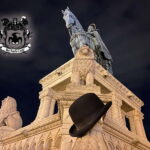
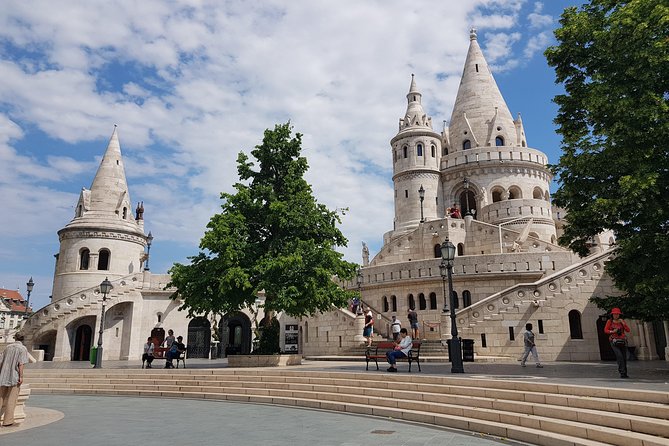
Finally, you end at Fisherman’s Bastion (end of tour). It’s described as an amazing structure that helped decorate and present the surrounding church area. The timing here matters. If you choose your photos carefully, you can get the viewpoints without feeling rushed out of the district.
Lunch, lunch timing, and why the food stops matter
This tour includes a traditional lunch at a local restaurant, and it also builds in a quick food moment at Central Market Hall with lángos. Even though meals aren’t “included” as a line-item in the provided cost list, the plan clearly intends for you to eat during the route.
So how do you use this day well?
- If you have dietary needs, tell the guide early so they can steer you to what works.
- Treat lángos as energy, not as your main meal, and save your appetite for the lunch stop.
- Bring water, since “food and drink not included” can still be manageable if you plan for it.
This food pacing is one reason the day feels doable. It keeps you from getting tired too early, especially once you start climbing toward the Castle District.
Price and value: what you pay for, and what you’ll likely add
The tour price is $576.76 per group, for up to 15 people, lasting about 6 to 7 hours. You’re paying for a private guide plus a route that hits 20+ highlights without requiring you to plan the order or manage all the transitions.
Here’s what usually adds up on top:
- A daily public transportation ticket is not included (listed as 1650 HUF/person).
- Entrance fees are not included. Examples given: St. Stephen’s Basilica (250 HUF), Matthias Church (2800 HUF), and Fisherman’s Bastion (1000 HUF).
- Food and drink aren’t included as a cost item in the listing, even though the day includes a traditional lunch plan and a lángos stop.
So is it good value? It tends to be, especially if:
- Your group will be 6–15 people (splitting the guide cost),
- You want a one-day route that covers the Pest side and Buda side without juggling multiple guidebooks,
- You care about context, not just photos.
If you’re traveling solo or as a pair, it can still be worth it for the time savings—just expect extra costs for transit and any entrances you choose.
Who this tour suits best (and who should think twice)
This is best for you if you want a structured day with lots of famous stops plus meaning behind them. It’s also ideal if you’d like guidance on how to use Budapest’s metro and tram efficiently, because the route includes metro segments and tram crossings rather than only walking.
It’s not ideal if:
- You have leg or knee problems. The day includes a climb option at Citadella and general walking between stops.
- You want a totally relaxed, unhurried pace. The schedule is built to cover a lot, so you’ll be moving most of the day.
One good sign: the guide tends to keep explanations clear and the pace considerate. Based on what’s been described about Lara’s style—quiet, simple, and focused on details—you should expect a day that feels organized instead of chaotic.
Should you book this Budapest walking tour with Lara?
If you’re the type of visitor who wants to see the big names and also understand what they meant, I think this booking makes sense. You get a tight route that covers major Pest and Buda highlights, includes the memorable memorial moments, and adds practical transit like the M1 metro ride so you’re not just stuck walking.
Book it if you can handle a full day and the uphill section at Citadella. Skip it (or at least plan alternatives with the guide) if mobility is limited, because the day is active even with some shortcuts.
If you’re ready for a guided, story-driven Budapest day that ends at Matthias Church with the Castle District still fresh in your mind, this is a strong choice.
FAQ
How long is the tour?
It runs about 6 to 7 hours.
Is this a private tour?
Yes. It’s private, and only your group participates.
What language is the tour offered in?
The tour is offered in English.
Where do we start and where does it end?
You start at Elizabeth Square near Deák Ferenc tér 2, 1052. The tour ends at Matthias Church in the Castle District (in front of the church).
Is the tour ticket mobile?
Yes. It includes a mobile ticket.
Are public transportation tickets included?
No. A daily public transportation ticket is not included and is listed as 1650 HUF/person.
Are entrance fees included for major sites?
No. Entrance fees are not included. Examples provided include St. Stephen’s Basilica (250 HUF), Matthias Church (2800 HUF), and Fisherman’s Bastion (1000 HUF).
Is food included in the price?
Food and drink are not included, but the day plan includes a traditional lunch and a lángos stop at Central Market Hall.
What fitness level is recommended?
Moderate physical fitness is recommended. It’s not recommended for travelers with leg or knee problems.