REVIEW · BUDAPEST
Budapest: Aeropark Admission Ticket
Book on GetYourGuide →Operated by Légiközlekedési Kulturális Központ · Bookable on GetYourGuide
Aviation history gets physical here. In Budapest’s Aeropark you walk around an authentic open-air fleet and spend real time among Hungarian planes, science, and tech. I love the hands-on cockpit moments and the way you can feel what “being the pilot” means without needing to leave the ground.
You’ll also like the focus on Malév-era aircraft, including Tupolev models, plus the chance to see some of the biggest planes tied to the communist period. One thing to plan around: the flight simulator (additional €2) only runs on weekends.
In This Review
- Key Things You’ll Notice in Aeropark Budapest
- Getting to Vecsés and Finding Repülőmúzeum
- 60 Years of Hungarian Aviation, Up Close in the Open Air
- The Aeropark walk: where the experience really happens
- Malév Planes and Tupolevs: The Fleet That Makes the Story Feel Real
- Why the communist-era airplane focus works
- Interactive Exhibits: Science and Tech Without the Lecture Tone
- Climbing Into the Cockpit and Flying the Imaginary Globe
- What you should expect when you go “pilot mode”
- Guided Tour Option: A Pilot’s Eye on the Planes
- Flight Simulator: Worth It, But Plan for Weekends
- Value Check: About $9 for 90 Minutes of Real Aircraft Time
- Who This Aeropark Visit Suits Best
- Simple Planning Tips Before You Go
- Should You Book Aeropark in Vecsés?
- FAQ
- How long is the Aeropark admission ticket in Budapest?
- Where is the meeting point for the Aeropark ticket?
- Is hotel pickup or drop-off included?
- Is the flight simulator included in the ticket price?
- Where do I get off if I take public transportation from Budapest Airport Terminal 2B?
- Is the experience wheelchair accessible?
- Can I book with a guided tour that includes a pilot?
Key Things You’ll Notice in Aeropark Budapest
- Open-air aircraft museum: you’re not just looking at photos; you’re walking around planes.
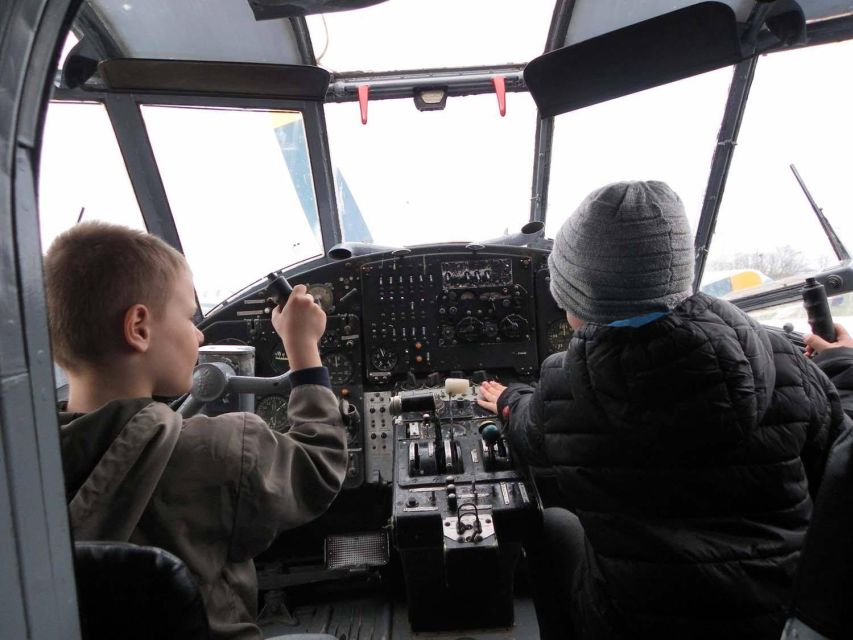
- Cockpit time: stairs up, then your turn to sit in the pilot area.
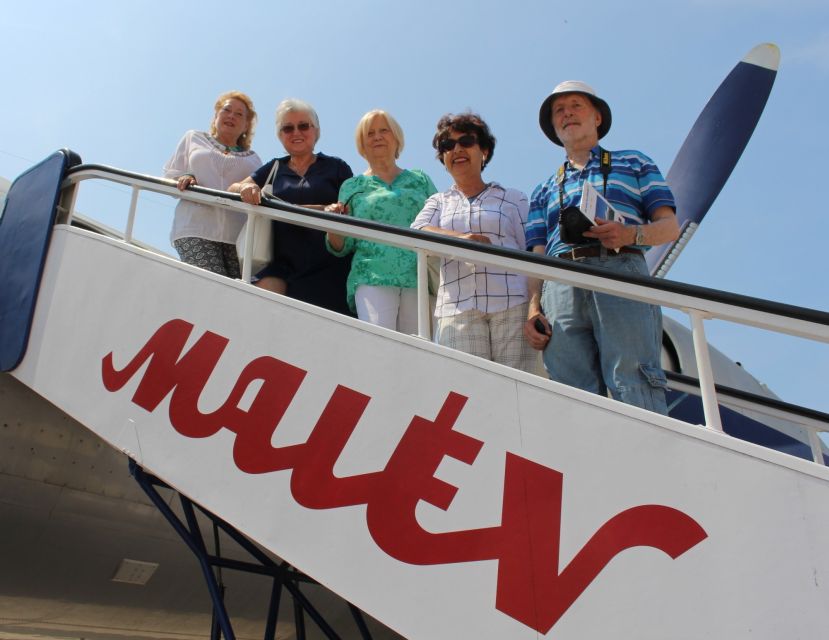
- Malév and Tupolevs: you’ll see aircraft tied to Hungary’s former national carrier.
- Aviation-science exhibits: technology and flying are explained through interactive displays.
- Optional guided tour with a pilot: you can hear cockpit-style stories from someone who flew the planes on display.
- Simulator only Sat/Sun: if that’s your priority, build your visit for the weekend.
Getting to Vecsés and Finding Repülőmúzeum
Aeropark’s meeting point is Vecsés, Repülőmúzeum, 2220 Hungary. There’s no hotel pickup or drop-off, so you’ll want to plan your own route and arrive with a little buffer. The activity runs about 1.5 hours, so arriving late can cut into the time you’ll spend walking and climbing.
If you’re coming by public transportation, take bus 200E all the way to the terminus at Budapest Airport Terminal 2B. Stay on the bus and get off at the first stop after the terminus, named Repülőmúzeum. It’s a straightforward ride, and it keeps you from juggling transfers close to the museum.
The site is wheelchair accessible, which matters here because you’ll be moving through an outdoor aircraft area.
You can also read our reviews of more tours and experiences in Budapest



60 Years of Hungarian Aviation, Up Close in the Open Air
This is an aircraft museum with an outdoor soul. The big idea is 60 years of Hungarian aviation, traced through an authentic air fleet and interactive explanations. You’ll see how aviation in Hungary evolved from earlier eras into the more recognizable “national fleet” period, and you’ll get context for how flying used to be a luxury for many people.
What I appreciate is that the museum doesn’t treat planes like glass-box collectibles. You walk the grounds like a visitor on a runway, moving from one aircraft to the next. It turns history into something you can point at, walk around, and compare side by side.
The Aeropark walk: where the experience really happens
Most of your time will be spent in the open air Aeropark, circling around aircraft and taking in scale. The museum highlights the largest airplanes of the communist era, which is exactly the kind of visual history that clicks quickly for kids and adults alike.
If you’re sensitive to cold, rain, or heavy sun, time your visit accordingly. Because it’s outdoors, weather can affect comfort and how long you want to stay outside. The upside is that it feels more like an aircraft station than a typical museum hall.
Malév Planes and Tupolevs: The Fleet That Makes the Story Feel Real
One of the museum’s strongest pulls is its connection to Malév, Hungary’s former national air fleet. You’ll be able to see aircraft types tied to that era, including Tupolevs that still fly today. That last detail matters: it links “what you’re seeing” to what aviation still does in the real world.
Seeing aircraft tied to a national airline also gives you a better sense of what flying meant culturally and practically. This museum leans into that idea by explaining how challenging flying could be just a few decades ago—especially when it was still a privilege for many.
Why the communist-era airplane focus works
The “largest planes” angle isn’t just about size for size’s sake. It helps you understand the engineering mood of the time—mass, range, and the logistics required to move people and cargo at scale. You’ll likely leave with a clearer picture of how aircraft design reflected political and economic realities.
If you’re the kind of traveler who likes aviation details, you’ll enjoy how the exhibits connect “science and technology” to what you’re seeing outside.






Interactive Exhibits: Science and Tech Without the Lecture Tone
Along the way, you’ll run into exhibits designed to make aviation easier to understand. The theme across the displays is planes, science, and aviation, presented through interactions rather than a wall of text.
This is where the museum earns extra points for families. The experience isn’t only for aviation nerds. Even if you don’t know your terms for engines or navigation systems, the interactive approach gives your brain something to do besides just look.
It also helps you get more out of the aircraft themselves. When the exhibits explain how different parts of aviation work, the cockpit you later climb into feels less random and more like the “front end” of the whole system.
Climbing Into the Cockpit and Flying the Imaginary Globe
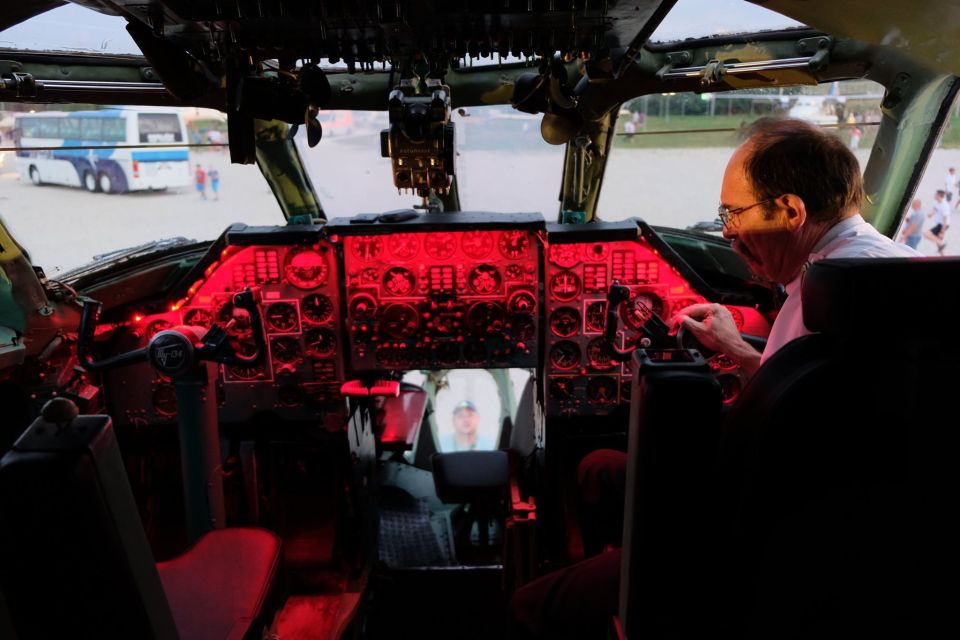
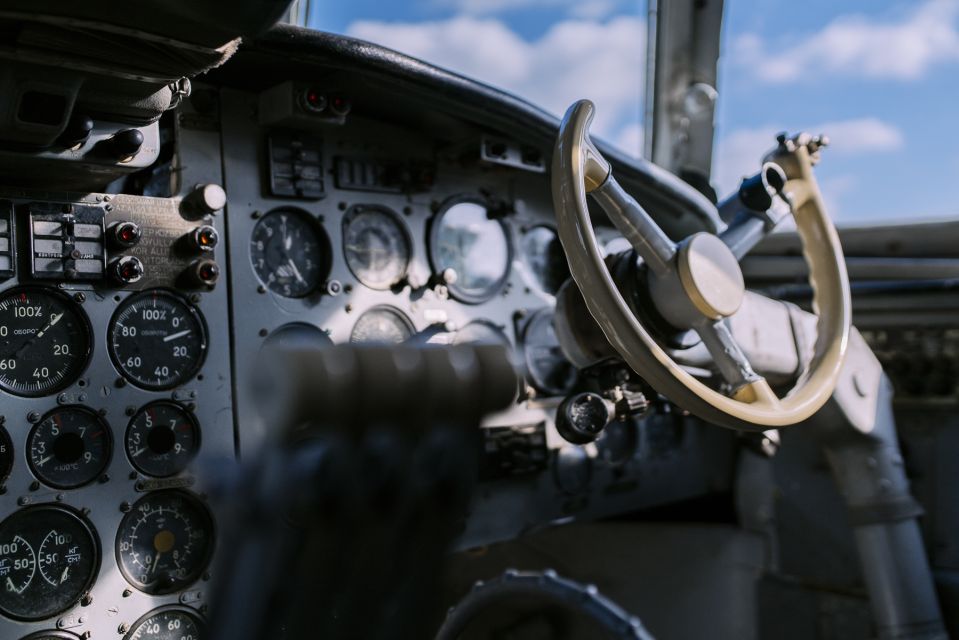
This is the moment most people remember. You’ll climb up the stairs into the cockpit and get a seat in the pilot area. The museum frames it like role-play: you’re not just observing; you’re experiencing the space where decisions happen.
There’s also a fun element described as sitting in the cockpit and flying across an imaginary globe. That’s the kind of simple idea that makes the whole visit feel like more than a history walk.
What you should expect when you go “pilot mode”
Don’t expect a fully technical training simulator. Instead, think of it as the museum’s way of compressing the feeling of cockpit life into a short visit. Even at 1.5 hours, that cockpit time is a big chunk of value, especially if you’re traveling with kids or anyone who likes to get hands-on.
One practical note: you’ll be climbing steps and spending time outdoors around aircraft. Comfortable shoes are the best way to make the most of it.
Guided Tour Option: A Pilot’s Eye on the Planes
There’s an option to choose a guided tour with a pilot. In that version, you explore the museum with a pilot who has flown aircraft on display. You’ll also hear anecdotes from their time in the air.
This can change the tone of the whole visit. Without a pilot, you’re reading and looking at history. With one, the aircraft becomes a set of real working experiences, and you’ll likely pick up small details—what it felt like, what mattered in flight, and how planes were used.
If you care about authenticity, this is the version to lean toward. It’s also ideal if you’re traveling with an older teen or adult who wants more than just the interactive bits.
Flight Simulator: Worth It, But Plan for Weekends
The flight simulator is not included and adds €2. It only runs during Saturday and Sunday. So if you’re booking for a weekday and the simulator is your must-do, you’ll want to adjust your date or accept that you’ll skip it.
Also, because it’s an extra charge, treat it like a bonus. The core experience—open-air aircraft, interactive exhibits, and cockpit time—doesn’t depend on the simulator being available.
Value Check: About $9 for 90 Minutes of Real Aircraft Time
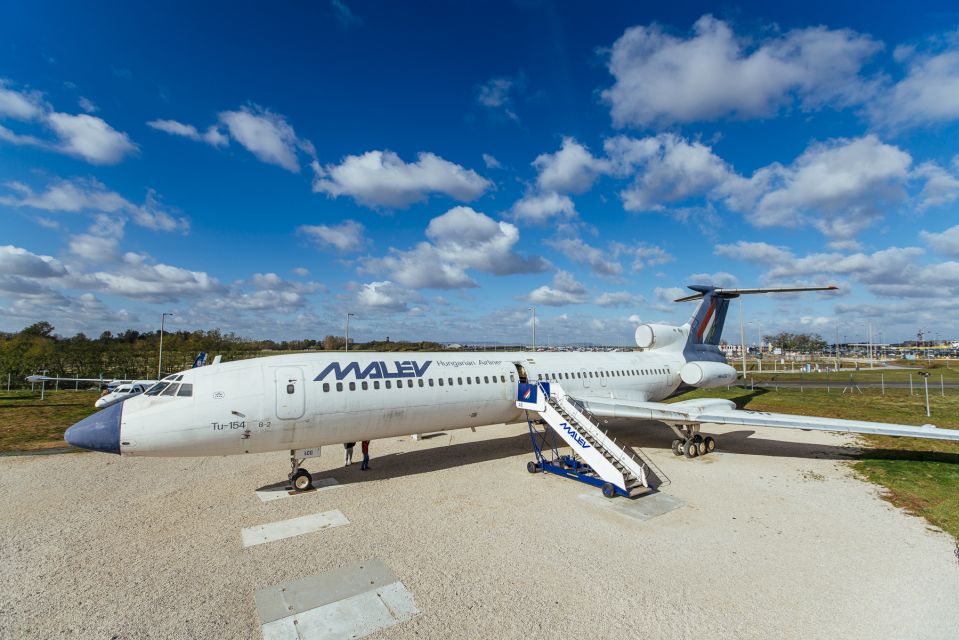
At roughly $9 per person for about 1.5 hours, this is priced like a compact excursion with strong “experience density.” You’re not paying for a long bus ride or multiple museum buildings. You’re paying for aircraft time, cockpit access, and interactive exhibits, plus the Malév-focused storyline.
When value works best here is when you match your expectations. If you want deep aviation engineering classes, you might leave wishing for more technical depth. If you want a fun, hands-on way to connect Hungarian aviation history to something tangible, the price makes sense.
It’s also a smart add-on when you’re already in the Budapest area and want an activity that feels different from the usual city stops.
And about quality: it has a 4.7/5 rating based on 48 reviews, which lines up with what you’d hope for in an activity that feels good for both kids and adults.
Who This Aeropark Visit Suits Best
This is the kind of stop that works for different travel styles at the same time.
Go if you’re:
- Traveling with kids who like planes and don’t want to wait through lectures
- Curious about Hungary’s aviation story, especially Malév and the Tupolev connection
- Interested in “how it used to be” when flying was harder and more exclusive
It might not be your top pick if:
- You only want indoor museums (this one is mostly outdoors)
- You’re expecting a full-day aviation program
- You’re visiting on a weekday and really care about the simulator
Simple Planning Tips Before You Go
A few small choices can make the visit smoother:
- Bring comfortable shoes for stairs and outdoor walking.
- Check the day if the simulator matters to you (Sat/Sun only, +€2).
- Plan for weather since the main experience happens in open air.
- If you want more storytelling, consider the guided tour with a pilot option.
There’s no hotel pickup, so your time management matters more than usual. Aim to arrive ready to move, not looking for the meeting point at the last minute.
Should You Book Aeropark in Vecsés?
I’d book it if you want a short, hands-on activity that turns aviation history into something physical. The cockpit access, the open-air Aeropark walk, and the Malév/Tupolev focus are a strong mix for the time and money.
If you’re visiting on a weekday, you can still have a great time—you’ll just skip the simulator unless you come on Saturday or Sunday. And if you like to hear real flight stories, the guided tour with a pilot is the way to get more meaning out of the aircraft you see.
FAQ
How long is the Aeropark admission ticket in Budapest?
The visit duration is 1.5 hours.
Where is the meeting point for the Aeropark ticket?
The meeting point is Vecsés, Repülőmúzeum, 2220 Hungary.
Is hotel pickup or drop-off included?
No, hotel pickup or drop-off is not included.
Is the flight simulator included in the ticket price?
No, the simulator is not included. It costs an additional €2 and runs only on weekends (Saturday and Sunday).
Where do I get off if I take public transportation from Budapest Airport Terminal 2B?
Take bus 200E to the terminus at Budapest Airport Terminal 2B. Stay on the bus and get off at the first stop after the terminus, called Repülőmúzeum.
Is the experience wheelchair accessible?
Yes, the activity is wheelchair accessible.
Can I book with a guided tour that includes a pilot?
Yes, there is an option for a guided tour with a pilot.
If you want, tell me your travel dates and whether you’re traveling with kids, and I’ll suggest the best day to target based on the weekend-only simulator.