REVIEW · BUDAPEST
Budapest Old Town and Top Attractions Private Walking Tour
Book on GetYourGuide →Operated by ROSOTRAVEL Hungary · Bookable on GetYourGuide
Budapest feels extra vivid when landmarks carry real meaning. This 2-hour private walking tour strings together big-picture stops like the Hungarian Parliament Building and St. Stephen’s Basilica, then grounds them with the Danube memorial and the symbolic sites of Liberty Square. I also like that it is built around a tight route with a licensed guide, so you get context without burning half a day moving around.
One heads-up: entry tickets are not included, so if you want to go inside any buildings, you’ll need to budget for tickets on your own and plan a little extra time.
In This Review
- Key highlights that make this tour worth your time
- Why this 2-hour Old Town route works
- Meeting at Madal Café: simple, specific, and practical
- Hungarian Parliament Building: neo-Gothic views with political context
- Along the Danube to Shoes on the Danube Bank memorial
- Liberty Square: Soviet memory markers and the U.S. Embassy
- St. Stephen’s Basilica: a major religious landmark and why the name matters
- Széchenyi Chain Bridge: ending on views of the Danube and skyline
- Guide quality and what private really means here
- Price and value: what $116 buys you
- What to plan for on walking tours in Budapest
- Should you book this Budapest Old Town walking tour?
- FAQ
- Where do I meet the guide?
- How long is the walking tour?
- Is this a private tour?
- What language options are available?
- What attractions or sites are included in the route?
- Are attraction tickets included?
- Where does the tour start?
- What’s the cancellation policy?
Key highlights that make this tour worth your time
- Hungarian Parliament Building: neo-Gothic exterior and Hungarian political significance, explained clearly
- Shoes on the Danube Bank memorial: a moving stop tied to World War II history
- Liberty Square: Soviet-era memory markers plus the U.S. Embassy, all within easy walking distance
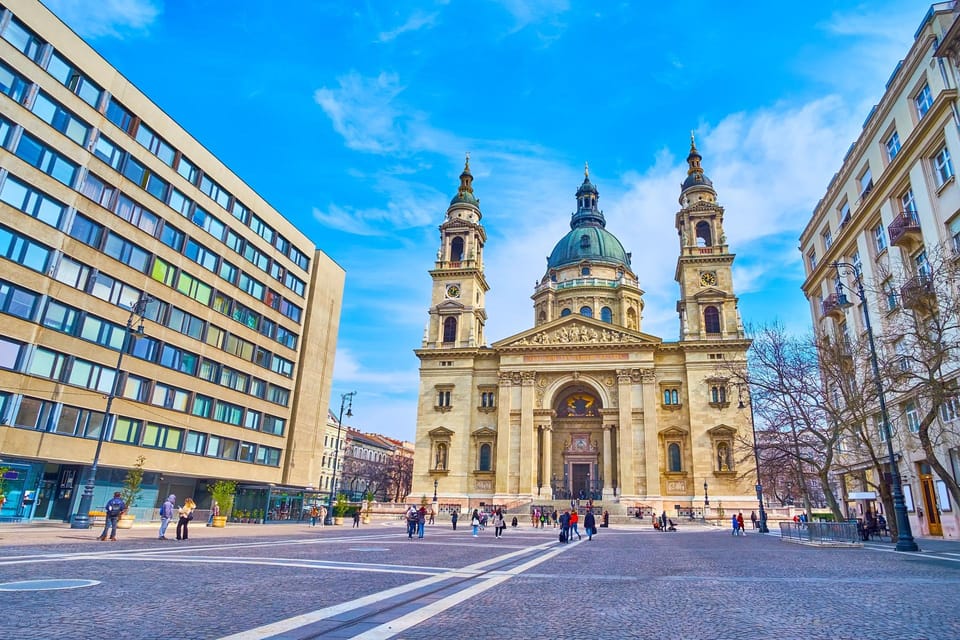
- St. Stephen’s Basilica: why it is named after Hungary’s first king, plus strong photo angles
- Széchenyi Chain Bridge: the first permanent bridge connecting Buda and Pest, with Danube and skyline views
- Private, licensed guide in your language, with restaurant and café recommendations
Why this 2-hour Old Town route works
This is a short tour, and that’s the point. In two hours, you hit Budapest’s most recognizable icons in a logical line: Parliament to the Danube, then up toward Liberty Square, on to St. Stephen’s Basilica, and finally out to the Chain Bridge. It is the kind of pacing that helps you get your bearings fast—especially useful if Budapest is your first big stop on the trip.
I like that the tour is not only sight-seeing. The route is built to connect architecture with history you can actually point to on the ground. For example, you see grand state power at the Parliament, then you stand at a memorial that forces you to slow down and reflect. That contrast is a big reason this tour feels memorable, not just scenic.
The tour is also private, and that matters in tight historic areas. Your guide can adjust the tempo if you want more time at the most interesting corner of a square, or if your group needs a quick pause.
You can also read our reviews of more walking tours in Budapest



Meeting at Madal Café: simple, specific, and practical

You’ll meet your guide in front of Madal Café, Alkotmány u. 4, 1054 Hungary. The important detail: don’t enter the café. It’s just the meeting landmark, and the staff won’t be part of the tour.
Why this helps you: a clear meet-point means less stress. Old Town areas can be confusing, and you don’t want to waste your tour time wandering for a starting point. If you’re arriving by foot, I’d give yourself a little cushion to find the exact spot, then be ready to walk right away.
Also, you already know the drill, but it’s worth repeating: this is a walking tour. Comfortable shoes beat stylish shoes here. Weather matters too. Budapest can change fast, so dress for the conditions you’ll actually face during your two-hour stretch.
Hungarian Parliament Building: neo-Gothic views with political context

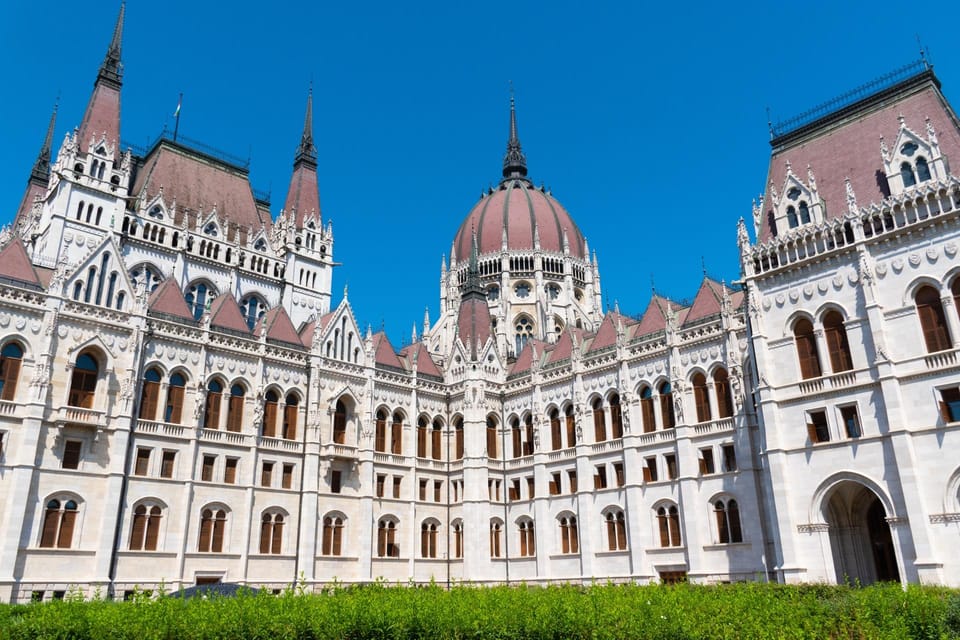
Your tour starts at the Hungarian Parliament Building, described as a neo-Gothic architectural masterpiece and one of the largest parliament buildings in the world. Even from outside, it is the kind of structure that makes you look up and then keep looking, because the building’s scale is hard to ignore.
What makes this stop more than photos is what your guide focuses on: not just the exterior look, but its significance in Hungarian politics. That means you’re not just admiring walls—you’re learning how the building fits into the country’s public life.
Practical expectation: you’ll likely spend enough time here to see key angles and understand why it matters before you move on. If you care about architecture or how governments present themselves in stone and design, this is your best early anchor.
One consideration: because you’re starting at such a major landmark, the first minutes can feel busy as you orient. Go slow with your camera—let the guide set the story, then shoot once you know what to notice.
Along the Danube to Shoes on the Danube Bank memorial
Next comes the Danube River walk, and the emotional centerpiece: Shoes on the Danube Bank. This memorial uses iron shoes placed along the riverbank to represent Jews who were tragically executed during World War II. It is the kind of site where a guide’s framing helps you understand what you are seeing, without turning it into a lecture.
I like that this stop is built into the route. It’s not optional, and it doesn’t feel shoehorned in. After Parliament, you’re already thinking about state power and history; then the memorial redirects your attention to human cost—close up, quiet, and hard to forget.
How to get the most out of it: take your time. Even if you don’t want a long stop, give yourself a minute to look at the line of shoes and the river context. The memorial is designed for that kind of standing pause.
A small practical note: since this is outdoors and near the riverbank, dress for wind and keep an eye on the ground underfoot. Comfortable footwear is more than a suggestion here.
Liberty Square: Soviet memory markers and the U.S. Embassy

After the Danube memorial, you move into Liberty Square, described as a lively public space surrounded by important buildings and historical monuments. This is where the tour shifts from individual landmarks into the bigger picture of 20th-century Hungary.
Two named features anchor your explanation: the Soviet War Memorial and the U.S. Embassy. The guide ties these together to reflect Hungary’s complex past and international relationships. That pairing is useful because it gives you a visual way to understand competing influences without needing a timeline sheet.
What you’ll likely enjoy most here is the sense of layers. Squares can feel like just plazas, but this one is set up to show history and politics in the same walking frame. The guide’s job is to point out how those buildings and monuments communicate meaning, even if you only know the names on a sign.
If you prefer tours that turn everyday streets into real-world history lessons, this is one of the strongest parts of the route. It helps you read the city like a map with chapters.
You can also read our reviews of more private tours in Budapest






St. Stephen’s Basilica: a major religious landmark and why the name matters
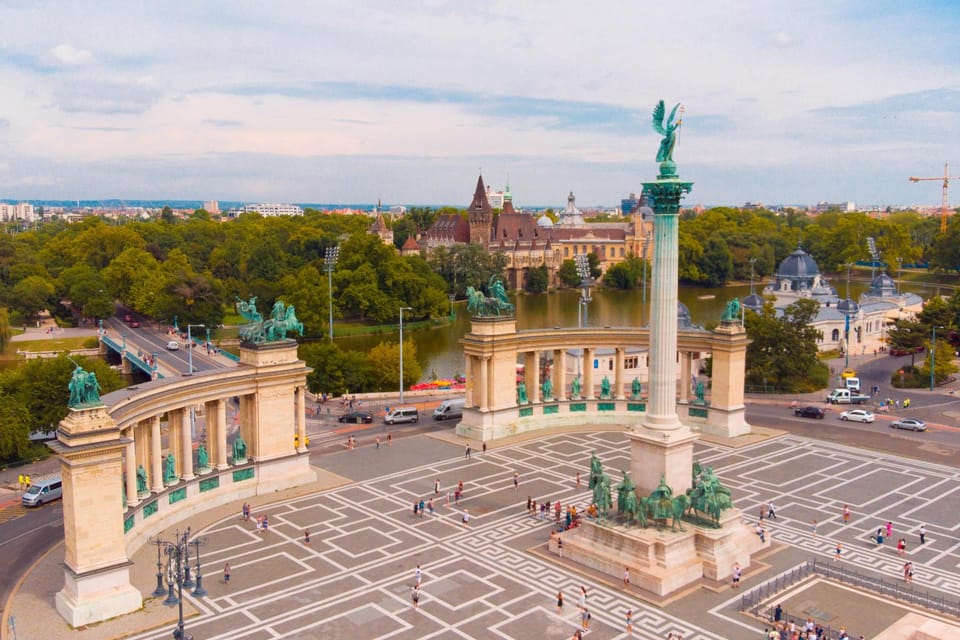
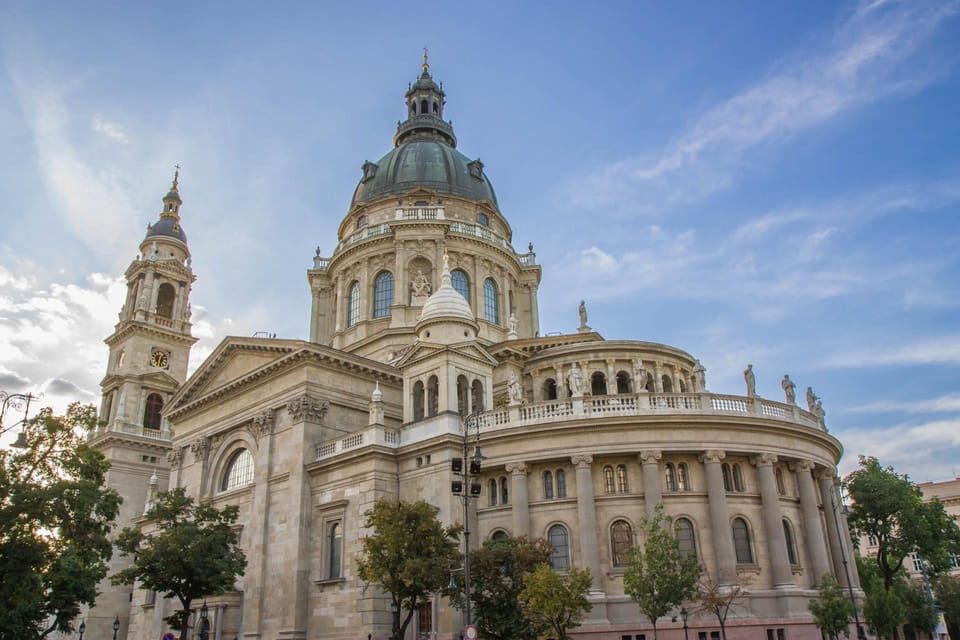
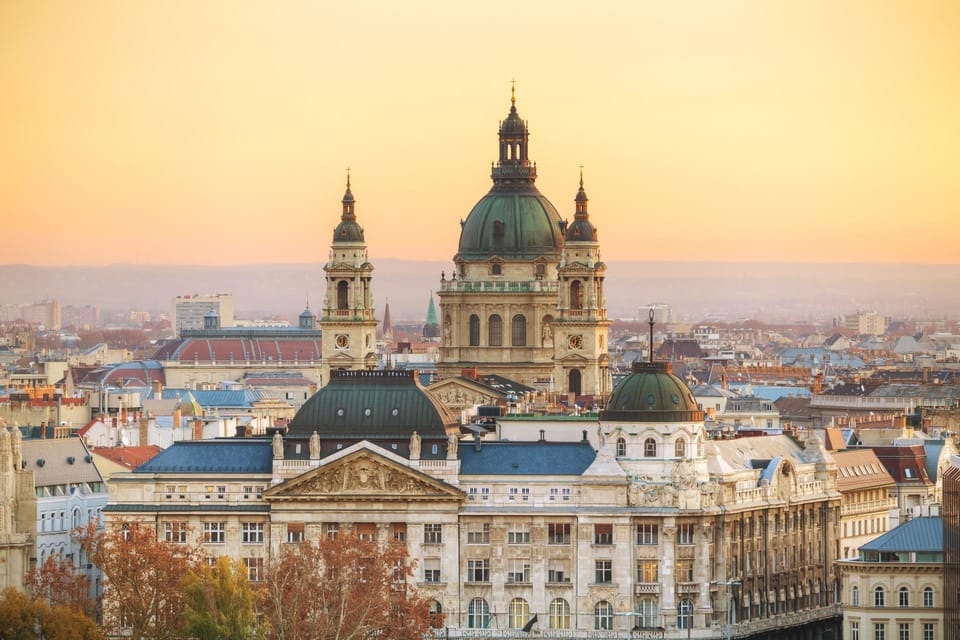
Then you head to St. Stephen’s Basilica. The tour focuses on the impressive facade and the fact that it is named after Hungary’s first king. Even without going inside, you can understand why this church is a key religious site once you know the story behind the name.
I like that the guide doesn’t treat the stop as only a photo opportunity. By connecting the basilica to the country’s origin story through its namesake, the building becomes more than a beautiful exterior. It also gives you a reference point for what Hungarians might see as foundational.
Practical expectation: you’ll have time to view and take photos of the exterior before continuing. If you want to go deeper by entering, remember tickets are not included—so decide based on your schedule and interest level.
If you’re traveling with mixed interests (some people like architecture, some like history), this stop tends to work for both because it is visually striking and story-driven.
Széchenyi Chain Bridge: ending on views of the Danube and skyline
The tour ends at the iconic Széchenyi Chain Bridge, described as the first permanent bridge connecting Buda and Pest. That connection story is more than trivia. It helps explain why the bridge is considered a symbol of Budapest’s unification and resilience.
This is also the best place for a final wow moment. The tour includes views of the Danube River and the city’s skyline from the bridge. In other words, you end with the kind of panorama that makes the walking feel worth it.
Practical tip: plan to linger a bit. Even if the guided portion wraps up, give yourself time to look both ways along the river. Bridges can flatten time, and Budapest’s river setting is one of the reasons many visitors fall for the city.
If you want to continue exploring afterward, ending at a major landmark like this makes it easier to orient for your next stop.
Guide quality and what private really means here
This tour is led by a 5-star licensed guide who is fluent in your chosen language. Languages offered include English, German, French, Italian, and Spanish, which is a real advantage if you want the explanations to land without translation delays.
Your guide brings historical facts, cultural anecdotes, and funny legends into the mix. That balance matters. You get the serious stuff (like the Danube memorial) with enough human detail and context to keep it from becoming heavy or vague.
The tour also limits group size to 1–25 guests per guide, so you get personal attention and clear commentary. If you’re traveling in a bigger group, additional guides are arranged, and the price becomes higher.
A quick “how it should feel” test: if your guide is doing it right, you should be able to ask questions without shouting, and you should feel like you’re walking with someone who can connect the landmarks into a single story.
In at least one booking, the guide was described as competent, flexible, and friendly—exactly the traits you want when a tour combines major monuments and emotional sites in one afternoon.
Price and value: what $116 buys you
At $116 per person for a two-hour private walking tour, the value comes from what is included and what isn’t.
Included value:
- a private walking route connecting the Parliament, Danube memorial, Liberty Square, St. Stephen’s Basilica, and Chain Bridge
- a licensed guide fluent in your language
- historical facts, cultural anecdotes, and funny legends
- insider tips for restaurants, cafes, and pubs
Not included:
- tickets to attractions
So you’re paying for a guided, efficient itinerary and the ability to understand what you’re seeing while you’re seeing it. If you were to plan the route yourself, you might save money, but you’d also lose the explanations that make the Danube memorial and Liberty Square click.
One way to think about it: if you plan to visit buildings with paid entry, your total trip cost will be higher anyway, since tickets aren’t included. If you’re happy seeing the exteriors and focusing on the guide’s context, this can be a straightforward way to get a lot out of a short visit.
What to plan for on walking tours in Budapest
Before you go, check your email the day before. That’s where you’ll find important last details from the operator, and it helps avoid day-of confusion.
On your end, keep expectations realistic:
- It’s a walking tour, so you’ll want comfortable shoes.
- Dress appropriately for the weather.
- Entry tickets are not included, so decide ahead of time whether you want any inside stops.
- Bring a phone for photos, and a light layer if the wind picks up near the river.
Timing-wise, the tour is only two hours. That means you’ll want to be ready to go at the meeting point, not five minutes later. Once it starts, you’ll be moving from one landmark to the next in a tight, guided rhythm.
If you want better photos, use the guide’s commentary as your cue: when they point out what matters, shoot right after, not while you’re still guessing.
Should you book this Budapest Old Town walking tour?
I’d book this tour if you want a fast, structured way to connect Budapest’s biggest landmarks into one coherent story. The route hits the Parliament, the Danube memorial, Liberty Square’s Soviet and U.S. markers, St. Stephen’s Basilica, and finishes at the Chain Bridge for skyline and river views. In two hours, that’s a lot of meaning per step.
Skip it (or adjust your expectations) if you specifically want a lot of inside-the-building sightseeing, because tickets are not included and the tour is designed around walking and looking rather than long entry lines.
If you’re on a first trip to Budapest or you want an efficient second day, this private format with fluent guiding is a good fit—especially if you value clear explanations and small, human details that make the monuments feel real.
FAQ
Where do I meet the guide?
Meet your guide in front of Madal Café, Budapest, Alkotmány u. 4, 1054 Hungary. Please do not enter the café; it is only a meeting point.
How long is the walking tour?
The tour lasts 2 hours.
Is this a private tour?
Yes, it is a private group walking tour.
What language options are available?
The live guide is available in English, German, French, Italian, and Spanish.
What attractions or sites are included in the route?
The tour includes the Hungarian Parliament Building, the Shoes on the Danube Bank memorial, Liberty Square, St. Stephen’s Basilica, and ends at the Széchenyi Chain Bridge.
Are attraction tickets included?
No. Tickets to attractions are not included in this tour.
Where does the tour start?
It begins at the Hungarian Parliament Building.
What’s the cancellation policy?
You can cancel up to 24 hours in advance for a full refund.