REVIEW · BUDAPEST
Budapest: Hungarian Gastro Cellar and Assisted Tastings
Book on GetYourGuide →Operated by Hungaria Koncert Ltd. · Bookable on GetYourGuide
Hungary tastes better in small samples. This Budapest gastro cellar experience is built around assisted tastings and easy choices in the middle of the city.
I like that you get an information booklet to guide you while you taste, not just a quick pour and goodbye. You also can drop in during opening hours, so it fits real travel days.
My second big win is the sheer range: you can choose from 20+ pálinka and 40+ Hungarian wines. That makes it ideal if you want something gentle, something intense, or something in between.
One thing to consider: this is a tasting-style visit, not a fixed, step-by-step dinner. If you’re craving a long hot meal with a strict schedule, you may need to supplement your experience with what they offer on the spot.
In This Review
- Key Highlights I’d Chase First
- Entering a Budapest GastroCellar Without the Guesswork
- How the Assisted Tasting Works (and How You Should Use It)
- Pálinka Tasting: Strong Spirits With Real Choice
- Hungarian Wine Tasting: 40+ Bottles and a Plan That Works
- Hungarian Food Pairings: More Than a Standard Restaurant Menu
- What You’ll Actually Get in Your Tasting
- Timing in Budapest: Why the Opening Hours Matter
- Price and Value: Is $17 Worth It?
- Who This Tasting Fits Best
- Practical Tips Before You Go
- Should You Book Budapest Hungarian Gastro Cellar?
- FAQ
- What tastings are available at Budapest Hungarian Gastro Cellar?
- Is food included with the tastings?
- Do I get help while I taste?
- What languages are offered?
- When is it open, and can I go whenever?
- How much does it cost, and is there flexible booking?
Key Highlights I’d Chase First
- Assisted tastings with an information booklet so you know what you’re drinking
- Complimentary cold platter (charcuterie and cheeses) with every tasting option
- Big selection: 20+ pálinka, 40+ wines, plus handmade jams & syrups
- Central, easy access that works well for an afternoon or early evening slot
- Drop-in flexibility: you can come in any time during opening hours
- English and Hungarian support from the instructor and staff
Entering a Budapest GastroCellar Without the Guesswork
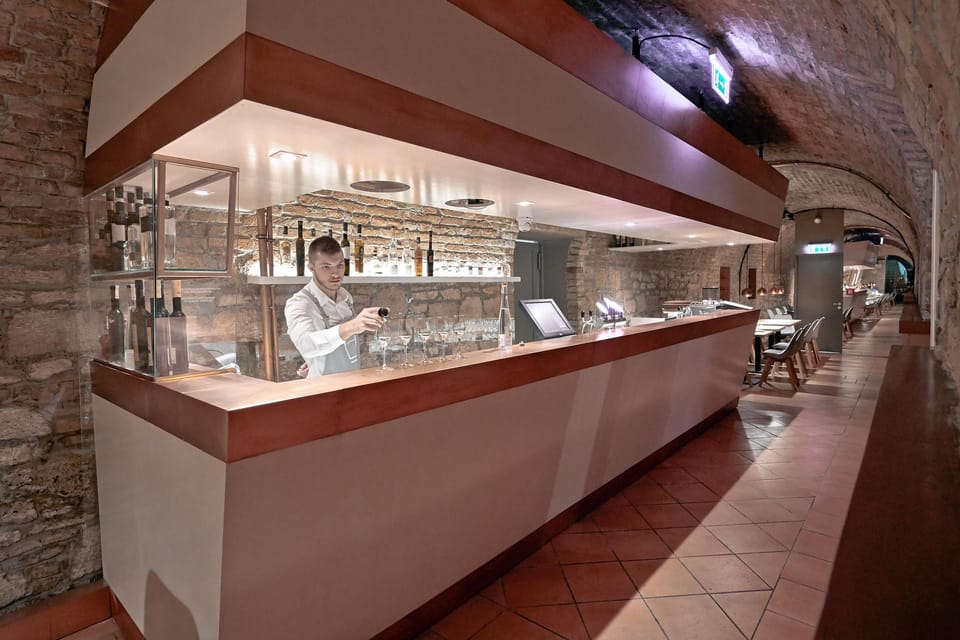
This is the kind of place where Hungary shows up fast. The idea is simple: cuisine is a shortcut to culture. In the Budapest center, you walk in expecting tastings, and you leave with a better sense of what Hungarians actually reach for—spirits, wine styles, and regional flavors.
What makes it feel practical is the structure. You’re not thrown into a free-for-all. You get guidance through assisted tasting options, plus a booklet that helps you connect names to flavors and production styles. That matters because Hungarian drinks can feel unfamiliar at first—especially the stronger end of the spectrum.
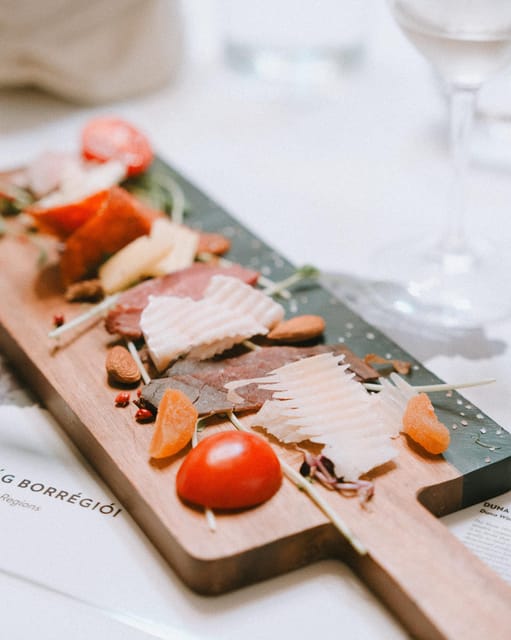
The other smart part is the built-in snack. Every tasting option comes with a complimentary cold platter: charcuterie and cheeses. That gives you a steadier baseline before you move into deeper flavors.
You can also read our reviews of more tours and experiences in Budapest.



How the Assisted Tasting Works (and How You Should Use It)
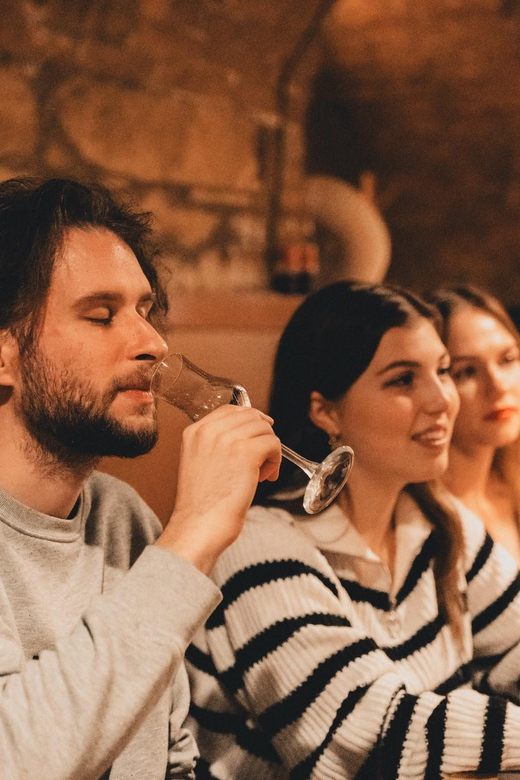
Even if you’ve never tasted Hungarian wines or pálinka before, you can make good decisions here. The experience is set up so an expert helps you navigate the choices, not just recite facts.
For wine tastings, they help you make sense of Hungarian wine regions, grape varieties, and producers. That’s useful because Hungary isn’t one uniform style. You’ll likely find different personalities across bottles—some lean toward fresh and crisp, others are more intense and structured. The booklet helps you keep track as you go, which is key when you’re sampling multiple options.
For pálinka tastings, the guidance shifts to stronger spirits. Pálinka has its own logic: it’s tied closely to fruit and production methods, and it can be a totally different experience from wine. If you prefer bolder flavors, you can pick the pálinka track and go there with support.
If you’re curious but not sure where to start, use this approach:
- Start with the gentler path (wine or jams/syrups) if you want confidence first.
- Switch to pálinka if you want intensity later.
- Use the booklet like a mini scorecard so you remember what you liked.
Pálinka Tasting: Strong Spirits With Real Choice
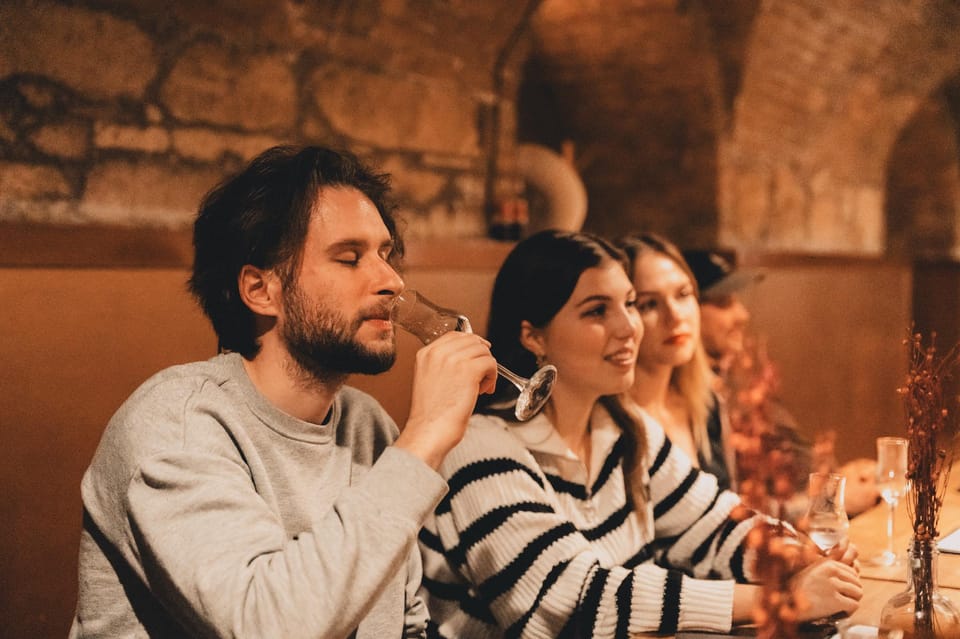
If you’re the type of person who wants to understand a country by tasting something distinct, pálinka is the move. You can choose from more than 20 pálinka options, so the point isn’t just to sample one token flavor. It’s to find your style.
Pálinka can hit fast. That’s why the cold platter is more than a freebie—it’s part of the pacing. Salt, fat, and variety from charcuterie and cheeses help you reset between tastes.
When you’re picking pálinka, think about how you want it to feel:
- If you like fruit-forward intensity, you’ll want to focus on the fruit character.
- If you prefer complexity, ask the expert how production impacts aroma and strength.
You also get a deeper look into how pálinka is made. The experience description makes it clear the goal is understanding the secrets of production, not just drinking. That’s especially valuable if you’re a home-cook or wine person who likes to know what’s behind the flavor.
Hungarian Wine Tasting: 40+ Bottles and a Plan That Works
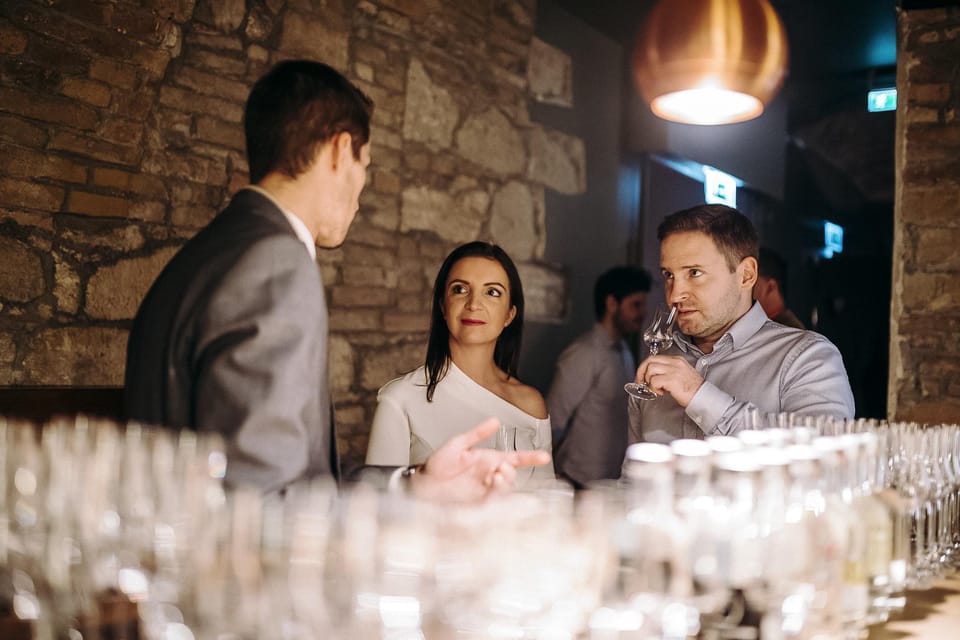
Hungary’s wine scene can feel like a puzzle until someone gives you the map. Here, you get that map. You can sample from over 40 wines, and the tasting is guided so you understand what region and grape choices are doing in the glass.
This is the part of the experience where your personal tastes can steer everything. Do you want something familiar, something dry, something aromatic, or something fuller-bodied? The guiding conversation helps you narrow options so you’re not randomly picking bottles and hoping.
Also, keep in mind that this is not framed as a formal lecture. It’s a tasting journey with expert help. That means you can ask questions in the moment, and you can adjust as you learn. The booklet supports this because it gives you something concrete to reference after a taste that surprises you.
Tip for pacing: if you plan to sample both wine and pálinka in one visit, consider doing wine first. It’s usually easier to build flavor awareness before jumping into stronger spirits.
Hungarian Food Pairings: More Than a Standard Restaurant Menu
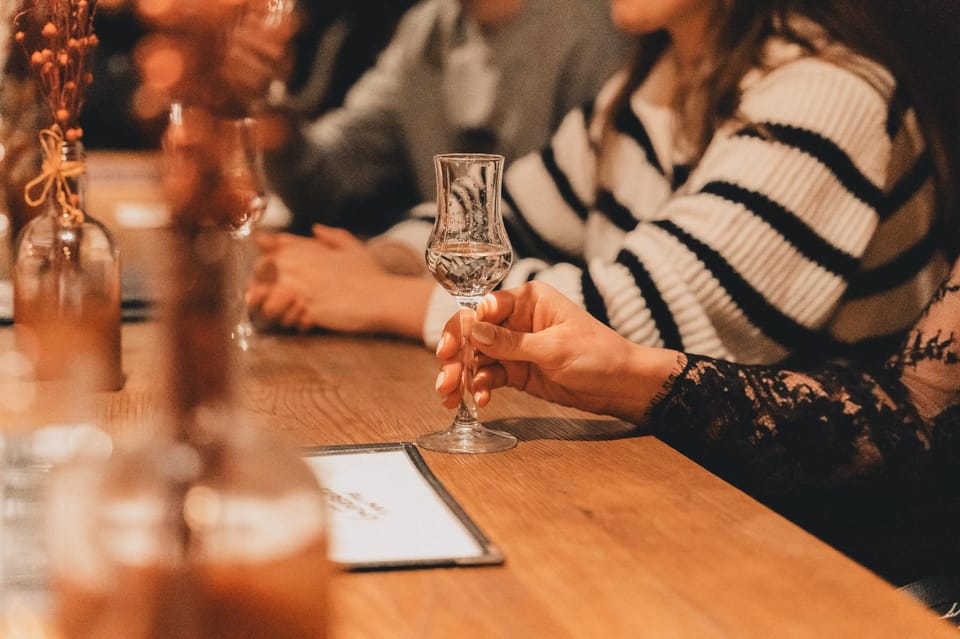
Hungarian cuisine is the headline here, not an afterthought. The experience highlights that you’ll encounter contemporary and traditional Hungarian dishes, including classics like goulash soup and chicken paprikash.
Now, here’s the practical reality: the included food element is the cold platter (charcuterie and cheeses). That’s what you can count on as part of every tasting option. It’s not automatically a full hot-dish meal.
So how do you make this work in your plan?
- Use the cold platter to anchor flavors during wine or pálinka samples.
- Treat the mention of dishes like goulash and paprikash as a sign of what’s available in the broader menu concept, even if not everything is included with your tasting.
If you want a true food-first night, you might pair this visit with a nearby Hungarian meal afterward. If you want a food-and-drink introduction without committing to a full menu, this format is a good fit.



What You’ll Actually Get in Your Tasting
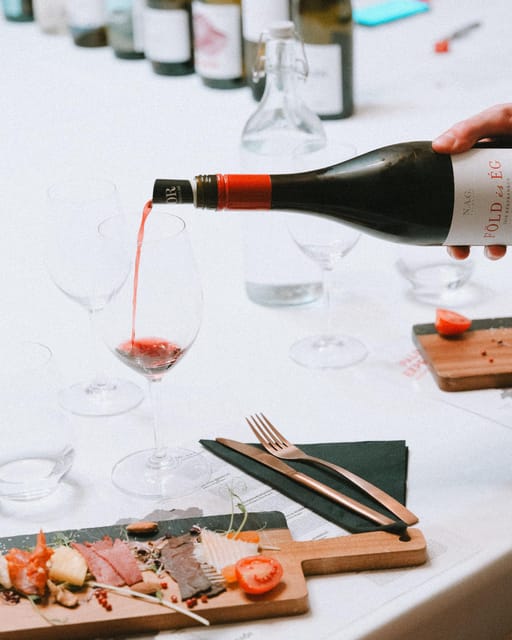
Let’s talk specifics from what’s included, so you don’t wonder what you paid for.
Included features:
- Tasting options of local wines, pálinkas, or handmade jams & syrups
- An information booklet and assistance
- A complimentary cold platter: charcuterie and cheeses
That combo is the value engine. You’re paying for guided sampling, not just alcohol. The booklet makes it easier to remember what you tried. The platter keeps your tasting comfortable.
You’ll also see the wider menu world: the experience mentions more than 20 pálinka, 40 wines, and Hungarian dishes. Even if you don’t taste everything, the variety means you can pick options that match your mood.
Timing in Budapest: Why the Opening Hours Matter
This is one of those experiences that can fit many travel schedules because you can come in any time during opening hours. That flexibility helps if your plans run late or you want to avoid the early dinner rush.
Hours:
- Monday to Thursday: 14:00–23:00
- Friday and Saturday: 14:00–00:00
- Sunday: 14:00–23:00
A smart strategy is to arrive after lunch. Late afternoon is often when you’re hungry enough to enjoy the cold platter, but you’re not rushing dinner. If you’re doing a day packed with sights, this is a good way to cap it off with a Budapest-specific flavor experience.
If you’re planning to taste a few options, start with what you’re most curious about. You can always add more, but your earlier tastes are often the ones you’ll compare everything against later.
Price and Value: Is $17 Worth It?
At $17 per person, the big question is whether it feels like a deal or a gimmick. Based on what’s included, it leans toward a solid value.
You’re getting:
- Guided tasting options (wine, pálinka, or handmade jams & syrups)
- A booklet with help and context
- A complimentary cold platter every time
That’s more than a standard pour-and-pay stop. And because you can choose the category that matches your preference, you’re less likely to feel like you wasted money on something you didn’t care about. The range of options also matters: having 20+ pálinka and 40+ wines means you’re choosing from real breadth.
It’s not priced like a luxury, multi-course wine tour. It’s priced like a friendly, Central Budapest taste experience that’s meant to be accessible. If you enjoy sampling and asking questions, it can feel like one of those evenings where you learn a lot and spend a fair amount.
Who This Tasting Fits Best
This experience works especially well if:
- You want an authentic Hungarian food-and-drink intro without a huge time commitment
- You like guided tastings where you can ask what you should be tasting
- You’re curious about pálinka but don’t want to do it blindly
- You like structure that still lets you make choices
It may not fit as well if:
- You want a fixed itinerary with set start times and a strict sequence
- You expect a full hot dinner as part of the base price
The format is flexible, and that can feel freeing. It can also mean you need to decide what you want most: wine education, pálinka intensity, or a softer entry through jams and syrups.
Practical Tips Before You Go
A few small moves can make the experience better:
- Go with a plan for your order: consider wine first, pálinka second if you’re doing both.
- Use the booklet to remember what you liked. It’s easiest when you write down notes right after tasting.
- Pace yourself. Strong spirits add up fast, even with a platter in your favor.
- Come during quieter hours if you’re the type who likes to ask lots of questions and chat.
And one more thing: because it’s central and easy to access, you can treat it as a flexible anchor. If dinner plans change, you still have a solid, Hungarian-focused option during the opening window.
Should You Book Budapest Hungarian Gastro Cellar?
I’d book it if you want a smart mix of assisted tastings, a wide selection of Hungarian drinks, and a built-in snack—without turning your evening into a complicated production. The $17 price point is easier to justify when you’re getting guidance plus a cold platter.
Skip it or think twice if you’re hunting for a long, fully structured dinner experience. This is tasting-first. If that matches your style, you’re likely to have a fun, confidence-building night that brings Hungarian cuisine into focus fast.
FAQ
What tastings are available at Budapest Hungarian Gastro Cellar?
You can choose tasting options that include local wines, pálinkas, and handmade jams & syrups. The experience also references Hungarian dishes such as goulash soup and chicken paprikash as part of the broader food experience.
Is food included with the tastings?
Yes. A complimentary cold platter is included for every option, with charcuterie and cheeses.
Do I get help while I taste?
Yes. The tastings are described as assisted, and you receive an information booklet plus assistance during the experience.
What languages are offered?
The instructor and materials are available in English and Hungarian.
When is it open, and can I go whenever?
It’s open daily starting at 14:00. Hours vary by day, and you can come in any time during opening hours within those times.
How much does it cost, and is there flexible booking?
The price is $17 per person and the experience is valid for 1 day (you’ll check availability to see starting times). There’s also free cancellation up to 24 hours in advance for a full refund, and a reserve now & pay later option is available.