REVIEW · BUDAPEST
Budapest Grand Half-Day Jewish Heritage Tour
Book on GetYourGuide →Operated by Hungaria Koncert Ltd. · Bookable on GetYourGuide
Budapest’s Jewish story hits hard and fast. Starting at Dohány Street Synagogue, you move through the city’s key sites, from landmark worship spaces to memorial parks and a long walk in the former ghetto area. Expect a guided route that connects buildings, names, and everyday Jewish life—then carries you right into what’s still active today, including the Jewish Quarter.
What I like most is how the tour mixes worship, artifacts, and memory. You don’t just look at impressive rooms; you get a live guide who helps you see why the Jewish Museum matters, and you get context before the streets start making emotional sense. A second strong point: the memorial stops don’t feel like a quick checkbox. The Raoul Wallenberg Holocaust Memorial Park and the Tree of Life section give you a grounded place to pause and absorb.
One important consideration: this tour is not suitable for wheelchair users, so plan around walking time and steps at religious sites.
In This Review
- Key highlights worth planning around
- Entering Budapest’s Jewish Heritage at Dohány Street
- Dohány Synagogue: more than a big building
- Jewish Museum: turning rooms into context
- Holocaust remembrance at Raoul Wallenberg Park and Tree of Life
- Walking the Jewish Quarter: old streets, real continuity
- Orthodox Jewish Quarter and the synagogue triangle rhythm
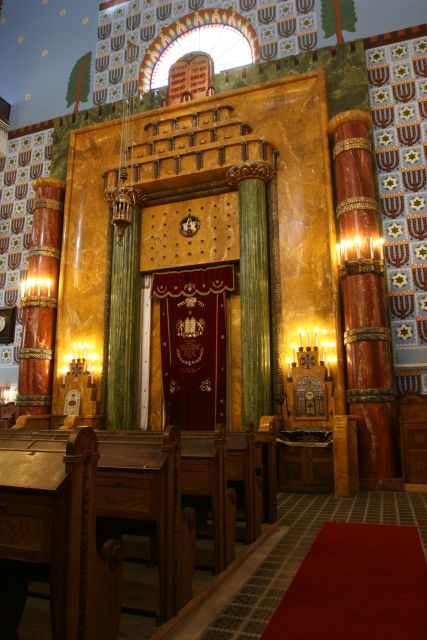
- Kazinczy Street Synagogue: the art-nouveau finish with inside access
- The 4-hour reality: pace, Q&A, and timing surprises
- Price and value: what $116 buys in a short window
- What to bring, what’s off-limits, and how to avoid hassle
- Who should book this Budapest Jewish Heritage Tour
- Should you book?
- FAQ
- FAQ
- How long is the Budapest Grand Half-Day Jewish Heritage Tour?
- Where does the tour start?
- Is pickup included?
- What language is the live guide?
- Which main sites are included?
- Is this tour wheelchair accessible?
Key highlights worth planning around
- Dohány Street Synagogue: the European-scale landmark with interior time (not just a quick photo stop)
- Jewish Museum with a guide: you get meaning tied to objects and stories, not random facts
- Raoul Wallenberg Park + Carl Lutz Memorial + Tree of Life: big names of rescue and remembrance in one route
- Former ghetto streets and today’s Jewish life: synagogues, monuments, kosher dining, and kosher shops along the way
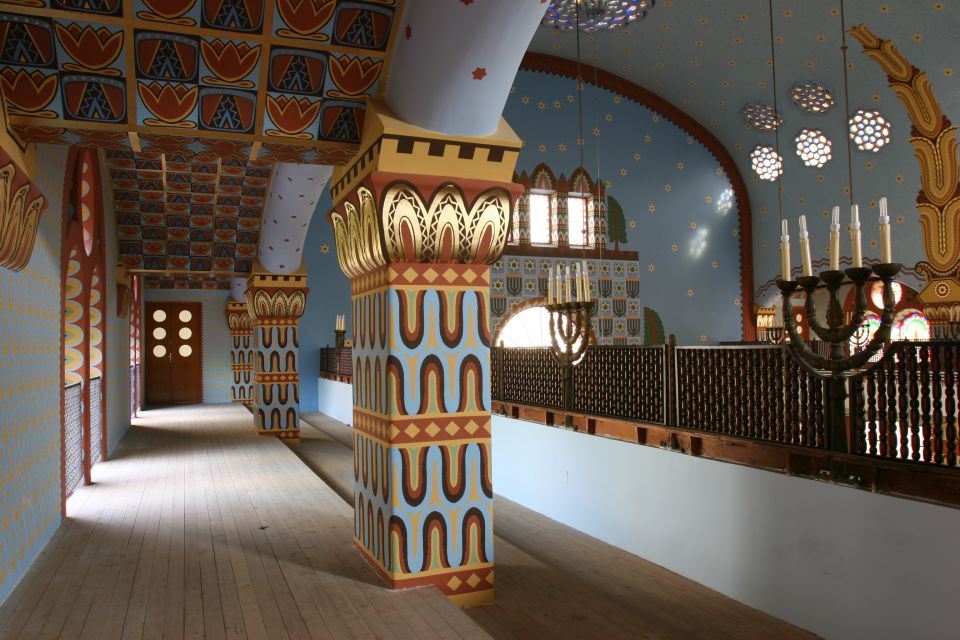
- Kazinczy Street Synagogue: inside access to one of Europe’s major operating Orthodox synagogues in art-nouveau style
- English live guide quality: Benjamin is praised for strong English, humor, and answering questions openly; Orsi, Petra, Borcsa, and Abel also earned standout feedback
Entering Budapest’s Jewish Heritage at Dohány Street
Budapest’s Jewish quarter is easy to spot once you know where to start. This tour begins at Dohány Street Synagogue, and that choice matters. It gives you a dramatic frame right away: a scale of community and faith that lets you understand why this neighborhood became so central, so targeted, and still so alive.
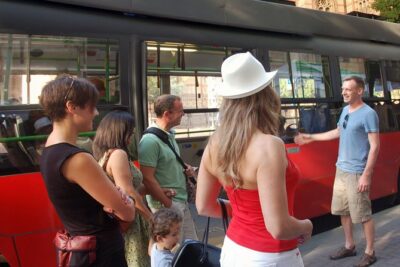
Before you move on, you’ll get your bearings. The guide sets the tone for what you’re about to see—how to read symbolism in architecture, why certain names show up again and again, and how the story connects religion, community, and politics. You’ll also get practical help, like where to stand for views and how to avoid spending the entire time scanning your phone instead of looking at what your guide points out.
If you’re pairing this with other Budapest sights, schedule it early enough that you can spend the rest of the day walking nearby. Many people end up lingering after the tour because the streets feel clearer once you’ve had this guided map.
You can also read our reviews of more historical tours in Budapest


Dohány Synagogue: more than a big building
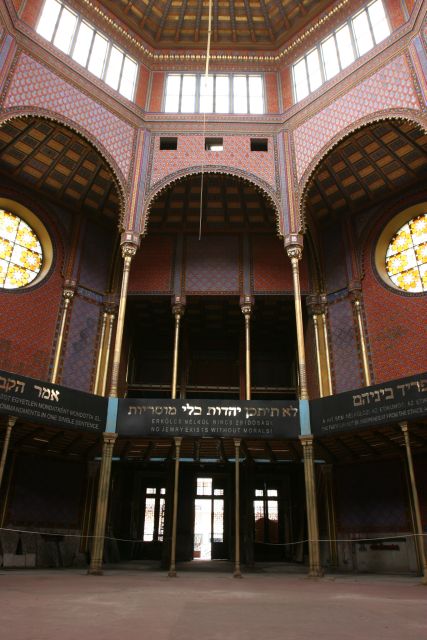
The Dohány Street Synagogue is the headline here, and it’s not just because it’s famous. You get interior time, which changes the experience. Outside, you notice size and style. Inside, you start noticing how design and layout communicate worship, community, and history.
This stop is also a good place to slow down. There’s a real difference between seeing a synagogue as a tourist object and understanding it as a living place that once anchored everyday life. Your guide’s job is to bridge that gap fast, and the reviews consistently point to how well guides explain what you’re seeing in clear, direct ways.
Two small tips make this stop easier:
- Wear comfortable shoes because you’ll stand and walk more than you expect in a religious-site setting.
- Keep your camera ready, but not constant. The guide will point out details you’ll miss if you’re always looking through a screen.
Jewish Museum: turning rooms into context
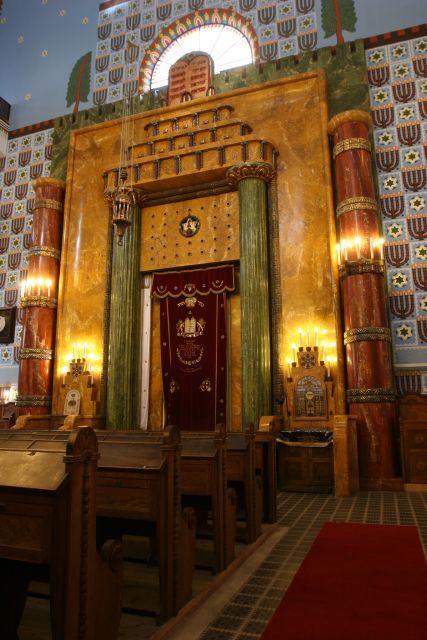
Right after Dohány, the route shifts into story mode at the Jewish Museum Budapest. The museum visit is guided, so it’s built for understanding, not wandering. You’ll learn how the museum connects artifacts, community records, and the broader timeline of Jewish life in Hungary.
What I like here is that it doesn’t feel like you’re collecting dates. The guide tends to connect what you see to why it mattered to real people—how traditions were practiced, what community institutions did, and how history shaped daily life. Guides like Benjamin are specifically praised for being able to answer questions and talk honestly about complicated topics without turning the tour into a lecture-only experience.
A drawback to know up front: museum time can feel like the part with the most structure. If you like going at your own pace and stopping on every detail, you might feel a little time pressure. Still, this is one of the best uses of a half-day format because it gives you a spine for the rest of the walk.
Holocaust remembrance at Raoul Wallenberg Park and Tree of Life
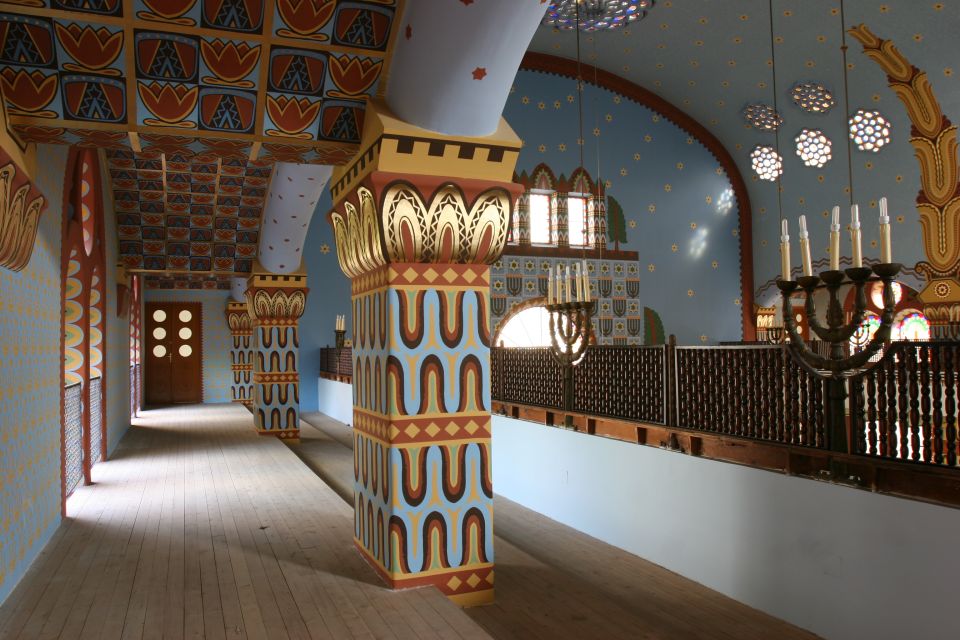
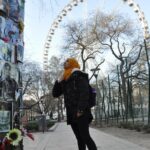
Then the tour moves from cultural context to remembrance. Raoul Wallenberg Holocaust Memorial Park is a pivotal stop on this route, and it carries weight.
What makes this section useful for your trip is how it’s positioned in the itinerary. You arrive after learning about community life, so the memorial sites don’t land as abstract tragedy. They land as a break in a story you can now visualize—community institutions, worship spaces, and neighborhoods that once held thousands of lives.
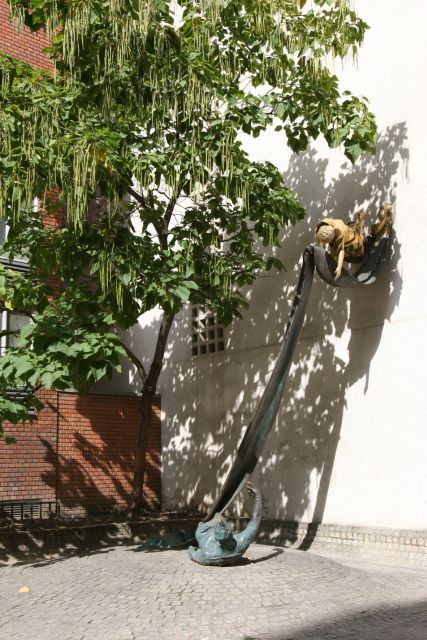
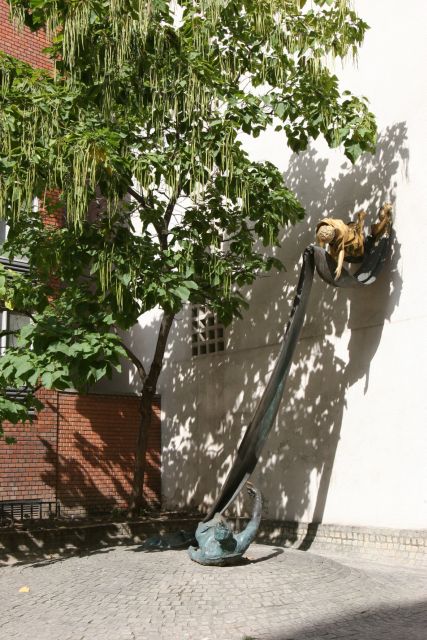
From there, you’ll also encounter the Tree of Life area, along with additional memorial storytelling tied to rescue efforts. The tour includes the Memorial Park dedicated to Carl Lutz, often nicknamed Hungary’s Schindler in this context. Seeing these memorials in one connected route helps you understand that rescue and protection were real parts of the historical narrative, not only the catastrophe.
Bring a moment for yourself here. Even in a group setting, give your brain time to register what you’re seeing. If you’re the type who likes to take notes, this is the part where your notes will actually help later when you wander the neighborhood on your own.
Walking the Jewish Quarter: old streets, real continuity
After the memorial stops, you continue on through the Jewish Quarter, including the streets of the former ghetto area. This is one of the most rewarding parts because you stop treating history like something behind glass.
As you walk, your guide shares facts and local stories that turn street names into meaning. You’ll pass synagogues, monuments, kosher restaurants, and kosher shops—so you can see how Jewish life didn’t just survive in some museum display. It continues in daily form, even as the world around it has changed.
Two practical things help you enjoy this section:
- Expect a longer walking stretch. Even though the tour is only half-day, the route includes multiple stops and a meaningful neighborhood walk.
- Keep an eye on side streets. Some of the most interesting viewpoints aren’t on the main road you’ll be using to walk through.
You’ll also pass by Gozsdu Passage, a famous passageway area that gives you a quick sense of modern Budapest energy without pulling you away from the heritage theme.
You can also read our reviews of more tours and experiences in Budapest


Orthodox Jewish Quarter and the synagogue triangle rhythm
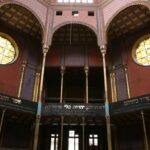
This tour follows what you might think of as a synagogue-triangle rhythm. After some outside views, it brings you to the Orthodox Jewish quarter sights that help explain how different communities and traditions fit into the same urban footprint.
You’ll see Heroes’ Temple (outside) and also Rumbach Street Synagogue (outside) on this route. Outside visits still matter, because they help you recognize the neighborhood’s architectural variety and the difference between landmark scale and local operating spaces.
This section is also where the tour’s pacing starts to feel like a choice. It’s designed to cover a lot in 4 hours, which means you can’t linger too long at every corner. If you’re hoping for long, quiet contemplation every step of the way, you might feel the schedule nudging you forward.
Still, it’s a smart trade: you get the emotional anchoring at the memorial sites, then you get the on-street interpretation of how faith and community persist.
Kazinczy Street Synagogue: the art-nouveau finish with inside access
The final synagogue stop is Kazinczy Street Synagogue. This is where the tour often ends with a visual payoff because you get a visit inside, not just an exterior view.
Kazinczy is highlighted as one of the largest operating Orthodox synagogues in Europe, built in art-nouveau style. That combination—Orthodox tradition plus a distinctive design language—gives you something different from Dohány. You can compare how two major synagogues communicate identity through different architectural choices and interior layouts.
If you’re coming into this stop already switched on from the museum and memorial segments, you’ll get more out of it. You’ll likely notice how your guide’s earlier explanations about community structures now make the interior feel less like a showpiece and more like a working spiritual space.
One more thing: the tour is structured so that this stop lands near the end. That timing works well because it leaves you with something active and present-minded after the heavier parts of the route.
The 4-hour reality: pace, Q&A, and timing surprises

In theory, this is a 4-hour tour. In practice, the schedule is tight enough that it feels like a whirlwind—even if the stops are spread with purposeful transitions.
The most consistently praised aspect in the feedback is guide delivery. Benjamin, for example, is praised for being funny, fluent, and able to answer questions openly. Orsi also received praise for extending time so people could get their questions answered. Petra and Borcsa are mentioned for strong English and for bringing a personal connection to the subject matter.
That matters because Jewish heritage in Budapest is not just architecture. It’s community memory, shifting identities, and painful history. A good guide makes space for questions, and in this tour that seems to be the norm.
One thing to consider: some people reported the tour ending earlier than expected when there were timing conflicts. So if you’re counting on this to hit a specific end time to connect to something else later, I’d build in a buffer. This tour can be worth it even if it runs slightly shorter than advertised, but give yourself breathing room.
Price and value: what $116 buys in a short window
At $116 per person for a 4-hour guided experience, you’re paying for two main things: expert interpretation and multiple paid, high-demand stops.
Entrance fees are included for the major components—Dohány Street Synagogue, the Jewish Museum, and the memorial-site parts of the route, plus Kazinczy Street Synagogue. You also get skip-the-line entry via a separate entrance, which can save real time at busy sites.
So the value isn’t only the attractions. It’s the way the tour stitches them together so you understand why you’re going from one place to the next. If you’re the type who likes to read signs alone, you can do it independently. But if you want the city’s Jewish story explained clearly in a compact format, this price starts to look fair.
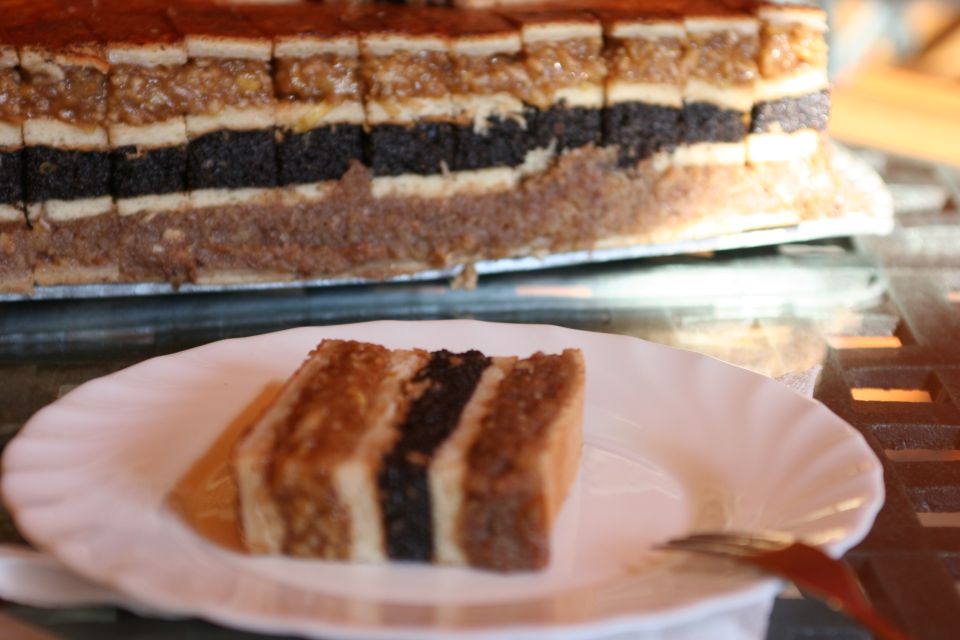
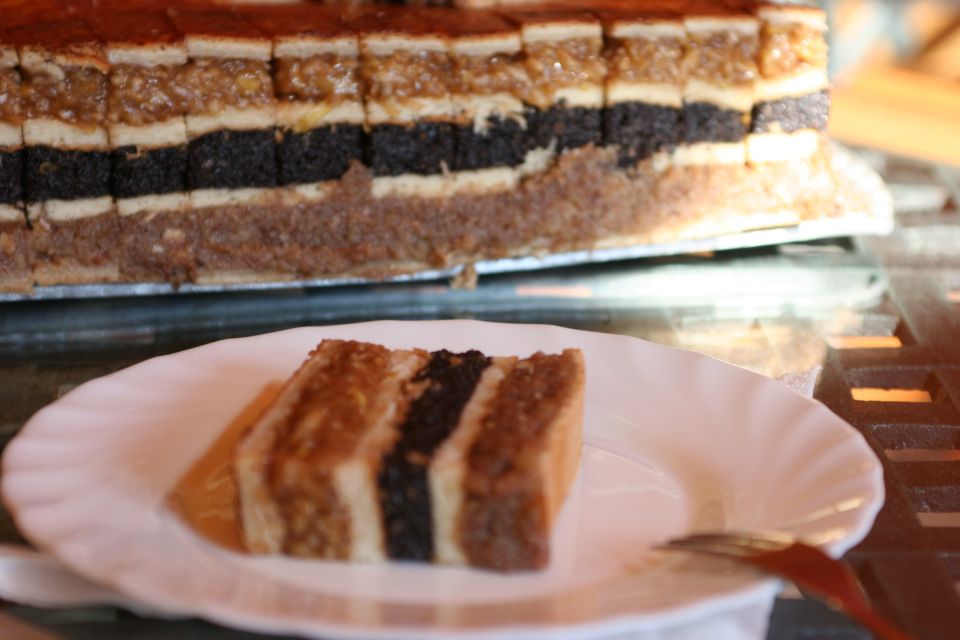
One more small value add: you’ll stop for cake and coffee in a kosher confectionary, and you may get a 10% discount at Carmel Restaurant if you choose the lunch option. It’s a nice break that also reinforces the neighborhood’s ongoing kosher culture.
What to bring, what’s off-limits, and how to avoid hassle
This tour is straightforward logistically, but the details matter. You’ll want:
- Passport or ID card
- Comfortable shoes
You should also plan around the site rules:
- No pets
- No luggage or large bags
And one key reality check:
- This tour is not suitable for wheelchair users.
If you’re traveling with anything bulky, store it before you arrive at the meeting point at Dohány u. 2, 1074. The tour starts at the synagogue, so arriving with a light bag makes everything smoother.
Who should book this Budapest Jewish Heritage Tour
I’d recommend this tour if you want a focused way to understand Budapest’s Jewish community through the places where faith, memory, and daily life intersect. It’s also a strong choice if you’re traveling with people who know little about Jewish history in Hungary. The guide format is built to bring everyone along.
It’s especially good if you care about:
- Seeing major synagogues with interior time (not only exteriors)
- Learning how Holocaust remembrance is built into Budapest’s public spaces
- Walking the Jewish Quarter so the streets feel readable afterward
- Asking questions in real time, including the kind of questions that don’t fit neatly on a plaque
I’d think twice if you strongly dislike structured pacing in museums or religious sites. The schedule is packed, and some stops are outside views by design. Also, if mobility is an issue, skip this one since it’s not set up for wheelchair users.
Should you book?
Book it if you want a half-day plan that covers the must-see Jewish heritage anchors: Dohány Synagogue, guided museum context, memorial parks tied to Raoul Wallenberg and Carl Lutz, and the Orthodox finish at Kazinczy Street Synagogue. The guide quality is a consistent highlight, and the route does a smart job connecting emotion to explanation.
Skip it if accessibility is a concern for your group or if you prefer slower, free-form wandering with lots of solo time at each stop. In that case, you might prefer a longer, self-paced day.
FAQ
FAQ
How long is the Budapest Grand Half-Day Jewish Heritage Tour?
It lasts 4 hours.
Where does the tour start?
The meeting point is Dohány Street Synagogue, Dohány u. 2, 1074.
Is pickup included?
No. Pick-up is not included.
What language is the live guide?
The tour is guided in English.
Which main sites are included?
You’ll visit Dohány Street Synagogue, the Jewish Museum, Raoul Wallenberg Holocaust Memorial Park, and Kazinczy Street Synagogue (with Kazinczy having an inside visit). The route also includes stops such as the Tree of Life area and additional synagogue and memorial sights along the walk.
Is this tour wheelchair accessible?
No. It is not suitable for wheelchair users.