REVIEW · BUDAPEST
Budapest: Essentials of Hungarian Wine Tasting Class
Book on GetYourGuide →Operated by Taste Hungary · Bookable on GetYourGuide
Hungarian wine can feel mysterious until tonight. This 2-hour sommelier-led tasting at Tasting Table Budapest turns it into a clear, drink-in-your-hand crash course, built around 8 Hungarian wines and local food pairings. You’ll learn the regions, the styles, and the why behind what’s in your glass, from the first aperitif through a sweet Tokaj finale.
I love two things most. First, the tasting is designed as a guided story, with wines that are there for a reason, and that often come directly from small producers. Second, the food pairings are not an afterthought; they’re built around Hungarian flavors like cheese, charcuterie, and the kind of bites that actually help you taste.
One thing to consider: the experience is very talk-and-taste focused, so if you hate background chatter or prefer very strict tasting etiquette (like different glasses for reds and whites), you may notice how the room runs.
In This Review
- Key things you should know before you go
- A 2-hour Hungarian wine crash course that stays fun
- Finding Tasting Table Budapest near the National Museum
- The 8-wine sequence: aperitif to sweet Tokaj aszú
- What you eat alongside the wine (and why it helps)
- The Hungarian wine lesson: regions, varietals, and the big picture
- Price and value: why $65 can feel fair here
- Who should book (and who might want a different plan)
- Small tactics to enjoy it more
- Should you book this Budapest Hungarian wine tasting class?
- FAQ
- How long is the Budapest Essentials of Hungarian Wine Tasting Class?
- What’s included in the tasting?
- What’s the wine order during the class?
- Where do I meet for the class?
- Is the class taught in English?
- What’s the minimum age to join?
- Can I get a refund if plans change?
Key things you should know before you go
- 8 wines in 2 hours: the pacing is fast, so it works best when you’re ready to taste and listen at the same time
- Small-producer focus: many bottles are bought directly from producers the guides know
- Food pairings that function like lessons: cheese and charcuterie show up alongside the wines, not just on the side
- A notes-first format: you get tasting sheets plus a map of Hungarian wine regions
- A social, not stiff, room: people mix, talk, and stay engaged throughout the session
- Often generous pours: several guides run this like a real drinking night, not a tiny sampling exercise
A 2-hour Hungarian wine crash course that stays fun
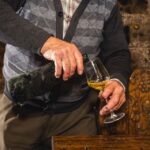
This is the kind of tasting class that makes you feel smarter without turning the evening into a classroom. The setup is simple: a sommelier leads you through a set of eight wines, and the commentary connects what you taste to Hungary’s wine regions and winemaking traditions. It’s a lot of ground in a short time, but the structure keeps it from feeling random.
The best part is that you’re not just drinking. You’re being guided through a comparison game: what changes from one area to the next, how different styles show up, and why some Hungarian wines feel different from what you may be used to. By the end, you should be able to name more than one region and explain what you like about each one, instead of just saying it was good.
And yes, the vibe is upbeat. Several hosts have been described as friendly and engaging, and the format often leaves space for conversation between rounds. Think: guided tasting first, then chatting while you keep sipping.
You can also read our reviews of more food & drink experiences in Budapest


Finding Tasting Table Budapest near the National Museum
The meeting point is easy: Tasting Table Budapest, Bródy Sándor utca 9, District VIII (1088 Budapest). It’s about a 5-minute walk from both Astoria (M2) and Kálvin tér (M3), and trams 47 and 49 stop at Astoria and Kálvin tér.
If you’re starting your night around the National Museum area, this also helps: the tasting room is listed as roughly 150 meters away. Translation: you won’t spend your whole evening navigating.
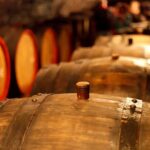
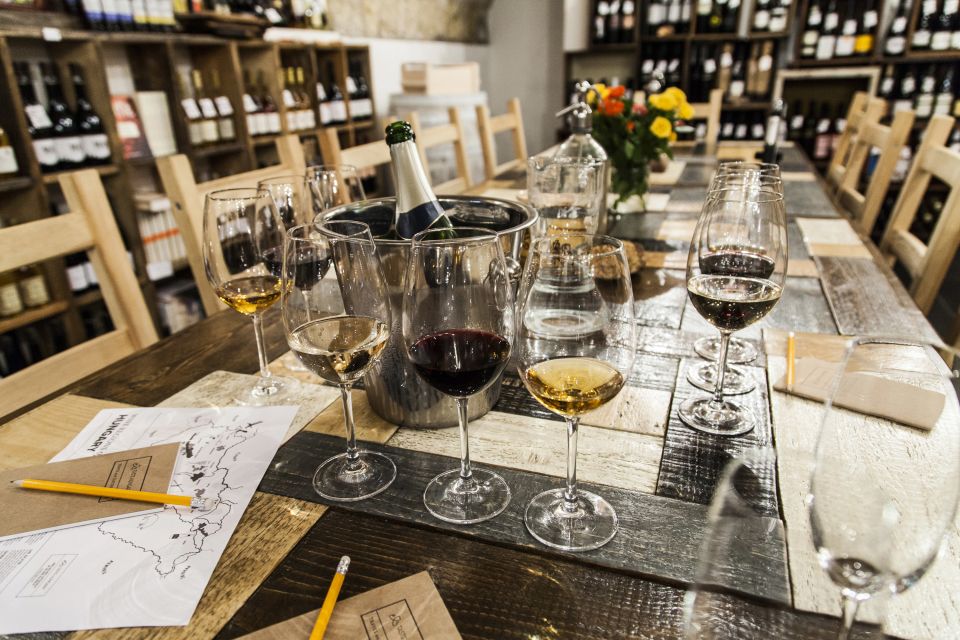
The venue itself has a “wine shop meets tasting room” feel, and more than one person has mentioned a charming brick-arched cellar atmosphere. That matters because it makes the tasting feel like an evening out, not a quick bus-to-a-building situation.
The 8-wine sequence: aperitif to sweet Tokaj aszú
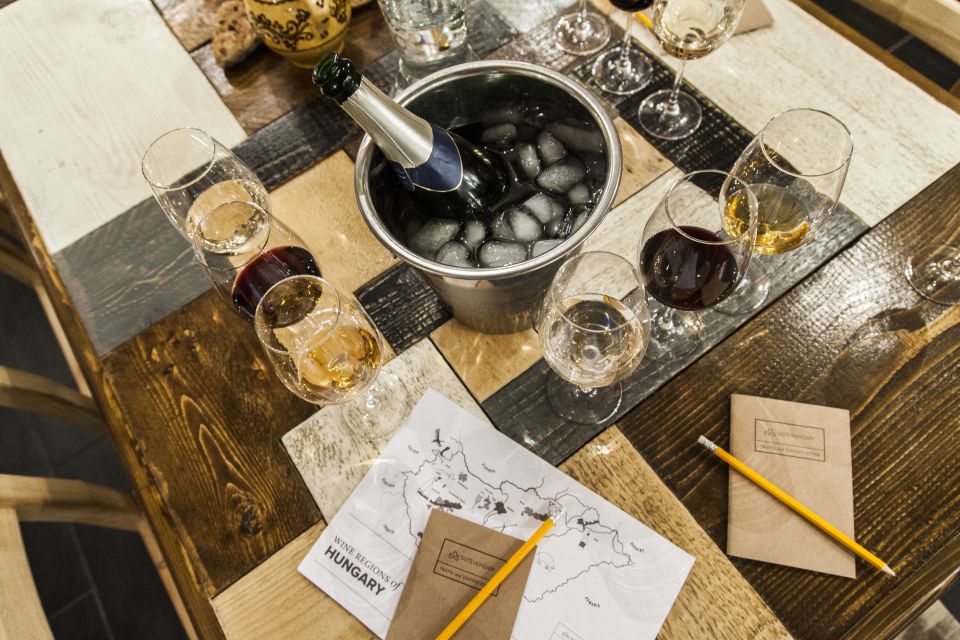
Over the full two hours, the class follows a deliberate order. You start with an aperitif, then move through whites and reds (and it may include a rosé, depending on what’s scheduled). The session ends with a sweet, botrytised Tokaj aszú.
Why this order matters: you’re tasting from lighter to more intense flavors in a way that helps your palate reset. You also get a practical feel for how Hungarian producers approach different styles—dry whites, red expressions, and then a dessert-style finish.
Another useful detail: the guides don’t treat the lineup as “whatever we happen to have.” People have said the wines are chosen for a reason, which usually means you’re tasting a line-up that teaches something instead of a random flight.
Also, selection can change. One participant mentioned they changed the selection regularly, which is a good sign if you’re the type who wants to come back later and compare.
What you eat alongside the wine (and why it helps)
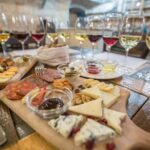
Food pairings are included with the wine, and they’re very much part of the experience—not just filler. Expect local Hungarian flavors built around cheese and charcuterie boards. Many people called out the cheese and meats as a highlight, sometimes describing them as generous or beyond what they expected.
Here’s the practical value: Hungarian wines can taste unfamiliar if you’re coming from big-name European styles. Food gives your palate a reference point. Salty, fatty, and savory bites help you notice structure, acidity, and fruit character more clearly. You’ll likely find yourself adjusting what you think you’re tasting as the pairing changes.
One small-but-real point: if you’re the sort of person who wants maximum “snack buffer” while tasting alcohol, you might want to manage expectations. A participant said they would have liked more munchies with the wines. So if you tend to get hungry quickly, consider eating lightly earlier or grabbing a small bite before the start.
The Hungarian wine lesson: regions, varietals, and the big picture
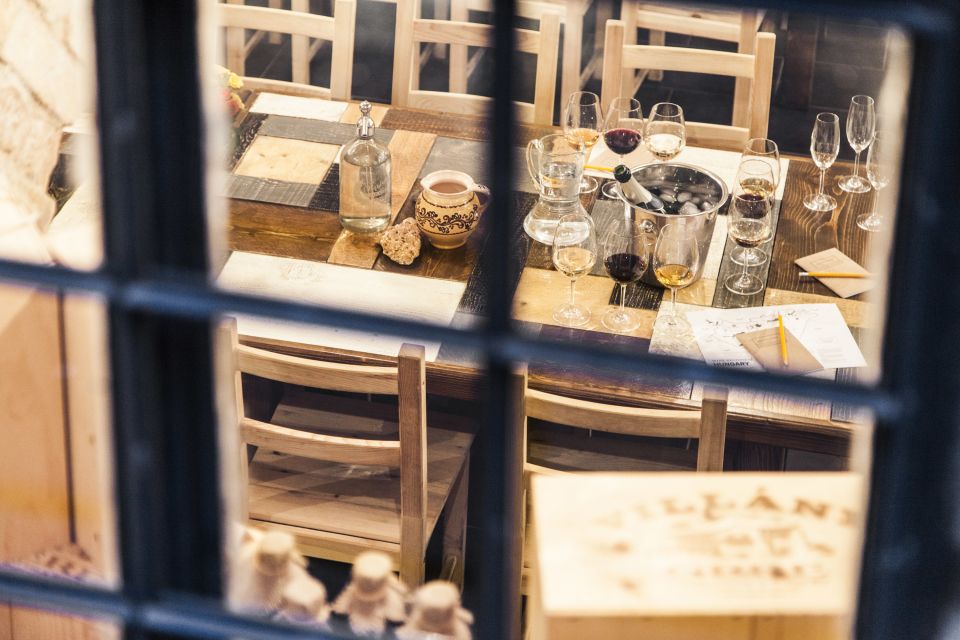
This course is built as a story of Hungary’s wine regions and styles. You’ll hear a crash course on the history of winemaking, the role of the landscape and climate (in plain language), and how specific varietals tend to show up across different areas.
You don’t need to be a wine expert to get value. The best hosts make the commentary feel usable: you taste, you compare, you connect, and you move on. Several guides named in feedback—like Somali, Tomas, Carlos, John, Christian, Sebastian, Nikki, and Sam—were praised for passion and an ability to make the info land. That doesn’t mean every host will teach the same way, but it suggests the operator leans into personality and explanation.
A fun and helpful pattern: many people described a format where the guide explains the point of each wine, then lets the group slow down and taste and talk before the next pour. That pacing gives you time to form your own impressions instead of just collecting facts.
And you do get materials to take your own notes. The tasting includes tasting sheets with a map of Hungarian wine regions, which is perfect if you’re the type who wants to remember later what you liked and where it came from.
You can also read our reviews of more wine tours in Budapest

Price and value: why $65 can feel fair here
At $65 per person for 2 hours, this tasting isn’t the cheapest thing you can do in Budapest. But it also isn’t trying to be. You’re paying for four things that add up fast:
- 8 wines rather than a small sample
- A sommelier-led guided structure (so you’re not just drinking and hoping for the best)
- Food pairings included with the tasting
- Take-home learning tools: tasting sheets and a region map
Several people mentioned generous pours, meaning the experience doesn’t feel stingy. If you’ve done tastings where every pour is a sip, this likely feels like you actually get to taste differences instead of just tasting alcohol.
There’s also a practical upside for wine buyers. One participant said there’s a discount at their shop on the wines that were tasted. Another mentioned coming back the next day to buy bottles, which is often a sign the lineup sticks in your head. If you’re already thinking about a souvenir bottle, this class can work as a guided purchasing moment.
Who should book (and who might want a different plan)
This is a strong pick if you want:
- a 2-hour evening activity that’s social but not chaotic
- a quick way to understand Hungary’s wine world without needing prior study
- a setting with food pairings that make the whole thing feel like dinner-adjacent fun
- a guided plan that ends with a classic sweet wine finish—Tokaj aszú
You might want to look at other options if you:
- get easily overwhelmed by lots of talking while you’re trying to taste
- prefer a very controlled tasting setup (one person suggested they’d like glasses changed between whites and reds)
- want a more hands-on or behind-the-scenes wine production experience (this class is tasting and storytelling focused)
Still, even with those caveats, the overall feedback is consistently positive about hosts and the quality of the wine selection.
Small tactics to enjoy it more
If you want this to be one of those nights you remember (in a good way), do a few simple things:
- Use the tasting sheets right away. Don’t wait until the end or you’ll blank out once the pours add up.
- Pick one or two “memory wines.” Instead of trying to rank all eight, choose the ones you keep coming back to in your mind.
- Ask follow-ups as you go. If the host mentions a region or style you’re curious about, the best answers tend to come during the tasting rounds.
- Plan your evening around the timing. The class runs most evenings from 6:00 PM to 8:00 PM, so it fits nicely before or after a Budapest dinner.
Also, remember the legal drinking age is 18 in Hungary.
Should you book this Budapest Hungarian wine tasting class?
Yes—if your goal is an easy, guided way to understand Hungarian wine in one night, this is a smart book. The combination of 8 wines, food pairings, and region-focused explanations makes it feel like more than a standard tasting flight. At $65 for two hours, it lands in the “worth it” category, especially because people describe the pours as generous and the hosts as genuinely engaging.
Skip it only if you hate talk-heavy settings or you need strict tasting etiquette like glass changes as part of the experience. Otherwise, this is a fun evening that helps you order smarter later, or at least explains why Hungarian wine can surprise you—in a good way.
FAQ
How long is the Budapest Essentials of Hungarian Wine Tasting Class?
It lasts 2 hours.
What’s included in the tasting?
You get a sommelier-led guided tasting of 8 Hungarian wines, plus mineral water and food pairings with local Hungarian flavors.
What’s the wine order during the class?
The tasting begins with an aperitif, then moves through reds and whites (and it may include a rosé), and it ends with a sweet botrytised Tokaj aszú.
Where do I meet for the class?
You meet at Tasting Table Budapest, Bródy Sándor utca 9, 1088 Budapest (District VIII), about 150 meters from the National Museum.
Is the class taught in English?
Yes, the host or greeter is English.
What’s the minimum age to join?
The legal drinking age in Hungary is 18, so anyone 18 and above can participate.
Can I get a refund if plans change?
You can cancel up to 24 hours in advance for a full refund.