REVIEW · BUDAPEST
Virtual Reality Walking Tour
Book on Viator →Operated by VR Tours · Bookable on Viator
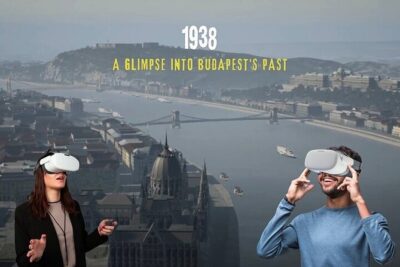
Buda Castle turns into a 360° time machine. This Virtual Reality Walking Tour in Budapest uses guided 360°/3D VR and audio narration to help you understand how the castle shaped the city, with scenes that feel much more real than a wall of facts. It’s a short, focused experience tied to one of Budapest’s most dramatic landmarks.
Two things I really like. First, you get the headset on site, so there’s no equipment rental hunt or extra paperwork. Second, the narration and staff help make the VR scenes click, so you’re not just watching—you’re following a clear story.
One consideration: this is not recommended for people under 13, and it’s also not recommended for anyone who has epilepsy. If either of those applies, skip it, even if the idea sounds fun.
In This Review
- Key highlights to know before you go
- How the 360° Buda Castle VR story works
- Price and what you actually get for $48.37
- Meeting point at Lánchíd u. 23: getting started without stress
- The walk-and-VR flow: orientation, headset use, and story pacing
- What you learn in the Buda Castle virtual time machine
- Staff help is a major part of the experience
- Who should book this VR walking tour (and who shouldn’t)
- Timing, group size, and why good weather can matter
- Practical tips to get the most from the headset
- Should you book this Buda Castle VR walking tour?
- FAQ
- What is the duration of the Virtual Reality Walking Tour?
- Where does the tour start and end?
- Is the tour offered in English?
- Do I need to rent a VR headset?
- How will I get my ticket?
- How many people are in each tour group?
- Is the tour suitable for children?
- Is the tour recommended for epilepsy?
- What fitness level do I need?
- What happens if the weather is bad?
Key highlights to know before you go

- 360°/3D VR focused on Buda Castle so the history stays anchored to one place
- Headset is provided, meaning less hassle and less to manage
- Audio commentary guides the scenes so you know what you’re seeing
- Small group size (max 20) for a calmer experience and easier staff help
- English available, with support to make the VR part work smoothly
How the 360° Buda Castle VR story works
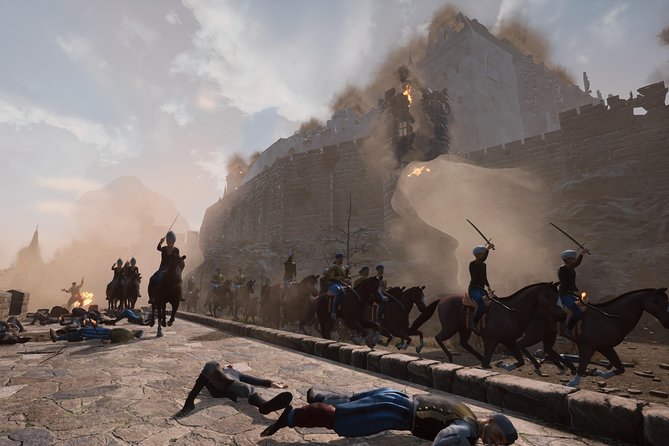
This tour is built around a simple idea: instead of reading about a landmark, you experience key moments through 360°/3D visuals. The “walking” part is light and practical, but the main event is the VR sequence that puts you inside historical reconstructions connected to Buda Castle.
The big benefit of VR here is direction. You’re not left alone with technology. You get audio commentary that explains what’s happening in the scenes, and the staff stay on hand to help you connect with each step. That matters because VR can feel confusing when you’re not sure what you’re looking for. With narration, you can actually tell the difference between background, action, and the historical meaning.
Also, the pace is designed to fit a real-world schedule. The experience runs about 1 hour 15 minutes to 1 hour 35 minutes, so it’s long enough for the story to land, but short enough that you won’t feel “trapped” in one activity.
You can also read our reviews of more walking tours in Budapest



Price and what you actually get for $48.37
At $48.37 per person, this is not a budget add-on—but the structure makes the price easier to justify. You’re paying for more than a ticket: you’re paying for guided VR storytelling, a provided headset, and an audio track that carries the historical context.
A key value point is that you don’t need to rent equipment. That single detail can swing the overall cost in your favor, especially on short trips when you don’t want to spend your travel time organizing rentals. Here, you show up, get set up, and the staff handle the rest.
You’re also not paying for a huge group experience. With a maximum of 20 travelers, you’re more likely to get help if something doesn’t work right away. That’s a quiet but real part of value: smooth setup reduces wasted time and frustration.
Meeting point at Lánchíd u. 23: getting started without stress
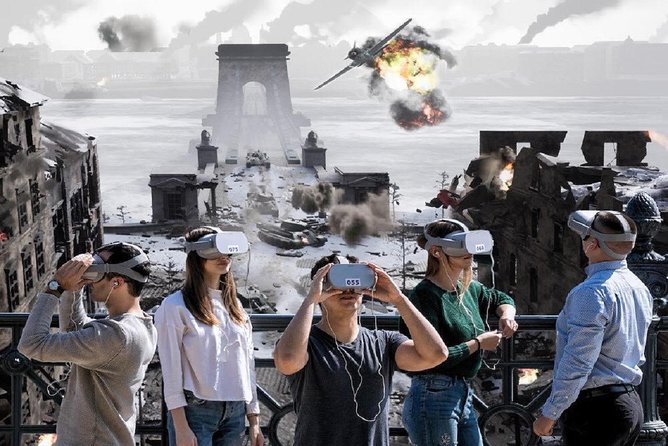
Your tour starts and ends at Budapest, Lánchíd u. 23, 1013 Hungary. It runs as a round-trip experience, so you can plan your day without worrying about a confusing end location.
The meeting point is described as near public transportation, which is great for Budapest logistics. That matters because Budapest can be wonderfully walkable, but routes and schedules can still surprise you. If you’re arriving by tram or bus, being near transit reduces the risk of being late.
From a traveler point of view, I’d treat the meeting point address like a “reset point” for your day. If you’re already exploring the area, you can keep your plans simple: arrive, check in, and let the tour do the heavy lifting.
The walk-and-VR flow: orientation, headset use, and story pacing
Even though the core is VR, the tour is set up like a guided experience, not a do-it-yourself app. The staff help you connect with every step, and that shows up in the tone of the experience: people report the team is easy to work with and good at explaining what’s happening.
Typically, you’ll start with orientation at the meeting point. Then you move into the VR portion of the program, where the headset brings up the 360°/3D scenes. The audio commentary helps you follow the visuals in a way that feels like a guided walk through time.
The pacing is also worth noting. The experience timing is reported as good, and that’s exactly what you want for VR. If VR sessions drag too long, they can feel tiring or repetitive. Keeping it in the 1 hour 15 minutes to 1 hour 35 minutes range helps you stay engaged without feeling worn out.
What you learn in the Buda Castle virtual time machine
The whole storyline is about Buda Castle, and that focus makes the tour more effective than a general “highlights of Budapest” approach. Instead of scattering attention across many attractions, you get depth on one landmark with visuals that show moments from the past.
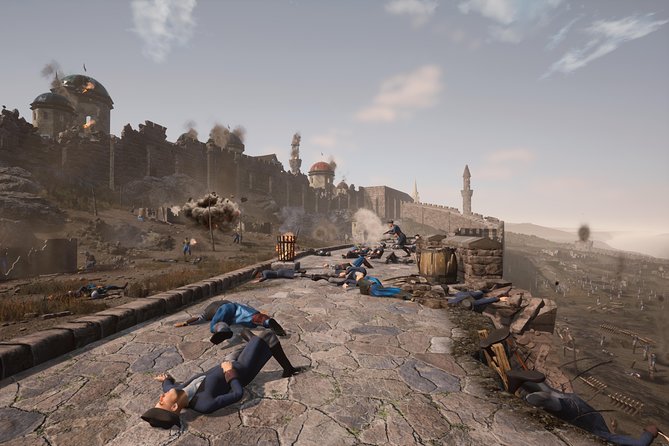
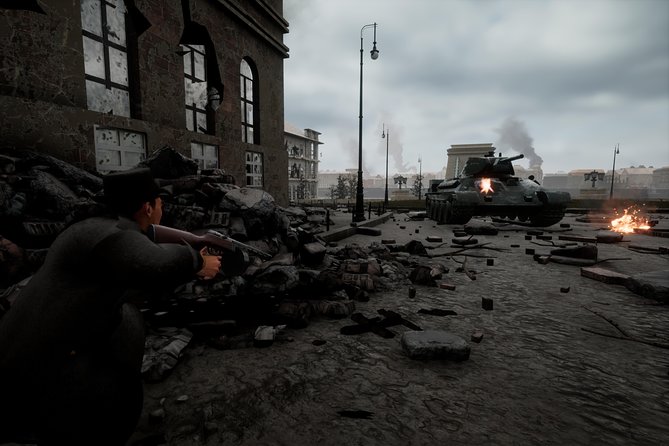
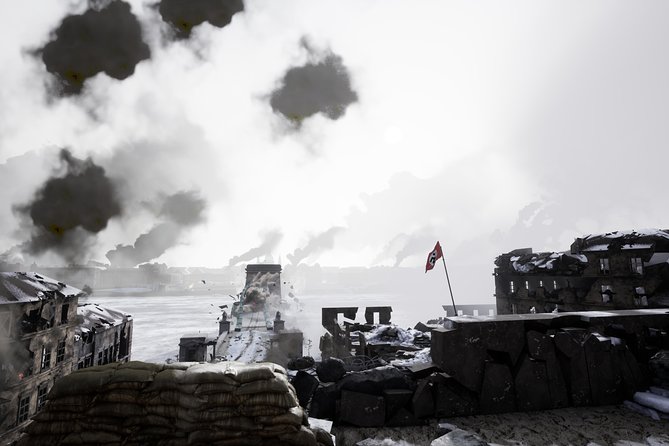
The VR scenes are described as action-heavy with amazing visuals, but the real win is comprehension. Audio narration explains what you’re seeing, so you’re not just collecting impressions—you’re building understanding. In other words, VR here acts like a guided interpretation tool.
One more practical note: Buda Castle is a large concept in real life. From the outside, it can be hard to picture how different eras connect. VR helps you visualize those shifts, especially when the story includes events from the past rather than only architectural descriptions.
If you like learning history in a “see it, then understand it” way, this tour matches that learning style. You’ll leave with clearer mental images than you’d get from reading a short description at the site.






Staff help is a major part of the experience
VR can be hit-or-miss if the setup is unclear. This tour avoids that problem by keeping staff present and helpful. People specifically mention how pleasant the staff are, how easy they are to connect with, and how the guide explains what’s happening.
That human support matters for two reasons. First, it reduces friction when you’re putting on equipment and getting oriented. Second, it makes the VR content easier to follow—because you can ask questions or get reassurance that you’re doing it right.
In practice, you should expect a guided feel even while the headset is on. The narration does the explaining in the VR world, but the staff keep you grounded in the real-world process before and after the scenes.
Who should book this VR walking tour (and who shouldn’t)
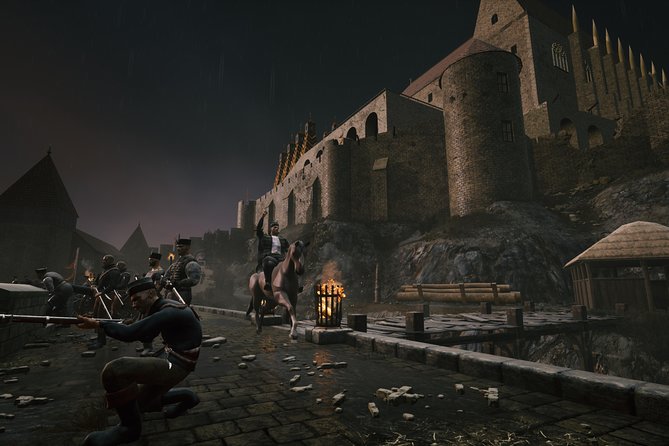
This experience is a great fit if you’re curious about Budapest history and want a modern way to experience Buda Castle. It’s also a good choice when you want something that feels guided and structured, not just a self-paced museum wander.
You should consider this if you:
- Prefer guided narration over reading alone
- Like visual explanations and quick, focused activities
- Want something you can do without booking more complex tours that require extra transportation
That said, this tour is not recommended for travelers under 13, and it’s not recommended for travelers suffering from epilepsy. You also need a moderate physical fitness level, which likely relates to the walking portion and being able to move comfortably during setup.
If you’re sensitive to motion, dizziness, or discomfort with VR in general, this is one of those moments where you should be cautious. The tour’s safety guidance for epilepsy is the clear limiter, but personal comfort matters too.
Timing, group size, and why good weather can matter

The program is designed around a specific window, running about 1 hour 15 minutes to 1 hour 35 minutes. Plan your day with a little buffer before and after. If you’re connecting from another part of the city, give yourself time for check-in and settling in.
Group size is kept to a maximum of 20 travelers. That tends to help with staff attention and keeps the vibe calmer, especially if you’re the kind of person who likes clear instructions.
One more thing: the experience requires good weather. That doesn’t mean the whole tour is outdoors, but it does mean you should keep an eye on conditions before you commit. If weather is poor, the experience may be canceled and you’ll be offered a different date or a full refund.
Also note that this tour is often booked about 14 days in advance on average. If you’re traveling during peak season or on a tight schedule, I’d treat it like a “book it early” activity.
Practical tips to get the most from the headset
VR is fun, but you’ll enjoy it more if you set yourself up for comfort. Here are practical tips that match what this tour is designed around:
- Arrive on time at Lánchíd u. 23 so the staff can get you set up quickly.
- Wear comfortable shoes. The tour notes a moderate physical fitness level, and the experience is still a walking tour in part.
- If you’re sensitive to VR effects, take the safety guidance seriously and consider whether this type of experience fits you.
- Keep your expectations realistic: the headset experience is the main event, so focus on listening and following the narration.
Finally, go in with one mindset: you’re here to understand Buda Castle in context. If you treat it like a short guided lesson using VR as the classroom, you’ll get more out of it.
Should you book this Buda Castle VR walking tour?
I think this is worth booking if you want an efficient, guided history experience that turns Buda Castle into something you can actually picture. The headset being provided removes hassle. The audio narration keeps you oriented. And the staff support is consistently highlighted, which is exactly what you want when technology is involved.
Book it if:
- You like guided explanations and want the story to make sense
- You’re okay with a headset-based experience
- You want a short activity that still feels like more than a quick stop
Skip it if:
- You’re under 13, or if epilepsy is a concern
- You’re not comfortable with VR-style visual experiences
If your Budapest plans include time at or around Buda Castle, this tour can add a layer of understanding fast—without turning your day into a long, complicated production.
FAQ
What is the duration of the Virtual Reality Walking Tour?
The experience runs approximately 1 hour 15 minutes to 1 hour 35 minutes.
Where does the tour start and end?
It starts at Budapest, Lánchíd u. 23, 1013 Hungary, and it ends back at the same meeting point.
Is the tour offered in English?
Yes, the experience is offered in English.
Do I need to rent a VR headset?
No. A virtual reality headset is provided, so you don’t need to rent equipment.
How will I get my ticket?
You’ll receive a mobile ticket.
How many people are in each tour group?
This activity has a maximum of 20 travelers.
Is the tour suitable for children?
It is not recommended for travelers under 13 years of age.
Is the tour recommended for epilepsy?
No, it is not recommended for travelers suffering from epilepsy.
What fitness level do I need?
You should have a moderate physical fitness level.
What happens if the weather is bad?
The experience requires good weather. If it’s canceled due to poor weather, you’ll be offered a different date or a full refund.