REVIEW · BUDAPEST
Private Walking Tour in The Jewish District Budapest
Book on Viator →Operated by Snurk.Travel · Bookable on Viator
Budapest’s Jewish District hits you in the legs. This private, 2.5-hour walk connects big themes like Zionism and the Holocaust with what people are doing in the neighborhood today. I love the way it mixes major sights with everyday streets, so history doesn’t stay trapped behind glass. I also like the storytelling style the guide brings, with moments that can be heart-warming, funny, and tragic in the same breath.
One thing to plan for: synagogue entry tickets aren’t included. The tour includes the guided visit, but you’ll likely pay a separate fee for Dohány Street Synagogue and Rumbach Street Synagogue, which can change how smoothly your day feels.
In This Review
- Key highlights that make this tour worth it
- Why the Jewish District walk tells more than one kind of story
- Private pace with local guide Benjamin (and lots of questions)
- Dohány Street Synagogue: Europe’s biggest, and why that scale matters
- Rumbach Street Synagogue: Moorish-style beauty after 60 years of abandonment
- Szimpla Kert and the street-level view of reinvention
- Wesselényi utca 21 and Kazinczy u. 55: small streets, big atmosphere
- Kosher Market (Kóser Piac): the practical side of Jewish life
- District VII today: where the past meets how people live now
- Price and tickets: what your $228.29 really covers
- Who should book this private Jewish District tour
- Should you book the Private Walking Tour in the Jewish District?
- FAQ
- How long is the private walking tour?
- What is the price per person?
- Is this tour private?
- What language is the tour offered in?
- Is the guide included in the price?
- Are synagogue admission tickets included?
- How long do you spend at Dohány Street Synagogue?
- Does the tour include any free stops?
- Where does the tour start and end?
- What’s the cancellation policy?
Key highlights that make this tour worth it
- Zionism to daily Orthodox life: you’ll get a guided bridge from ideology and tragedy to what Judaism looks like now
- Two major synagogues with different vibes: Dohány Street’s scale, then Rumbach Street’s Moorish-style architecture
- Story-first guiding: you’re not just ticking off buildings; you’re hearing human stories tied to places
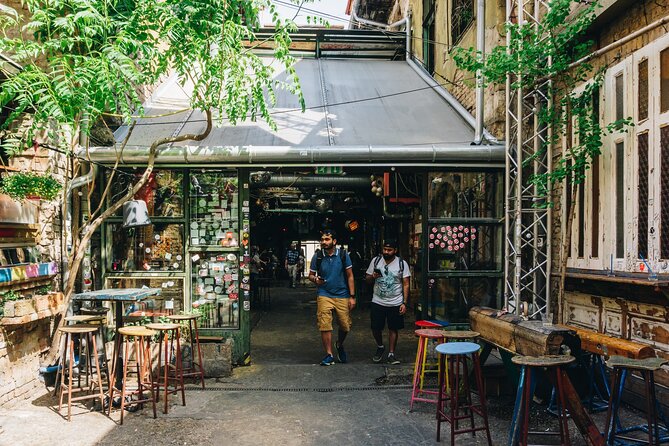
- Ruins, reinvention, and community spaces: Szimpla Kert shows how the area has been repurposed
- Practical stops: a kosher market where you can picture Shabbat and holiday essentials
- Private pacing: it’s only your group, so you can ask questions without time pressure
Why the Jewish District walk tells more than one kind of story
This tour works because it treats the neighborhood like a living classroom. You start with the large historical arcs—origins of Zionism and the impact of the Holocaust—and you keep walking until you can see what’s happening now in District VII. That sequencing matters. It prevents the common mistake of thinking Jewish history in Budapest is only something that happened “back then.”
You’ll also get a clearer sense of the branches of Judaism and what it can feel like to be Orthodox today. You don’t need prior knowledge. The guide uses the streets and buildings as visual anchors, then uses stories to give them meaning. The result is a walk that feels human-sized, not lecture-sized.
And yes, you’ll cover synagogues. But you’re also looking at ordinary streets and community spots, so the district reads like a real neighborhood rather than a themed set.
You can also read our reviews of more walking tours in Budapest



Private pace with local guide Benjamin (and lots of questions)
This is a private walking tour, meaning it’s only your group. That’s a big deal in a place where the stories can get heavy. You can pause when something hits. You can ask what you’re wondering. And you don’t have to compete for the guide’s attention.
One review specifically praised the guide’s local perspective: Benjamin grew up in the area and clearly knows how to translate the district’s past into something you can understand while you’re standing in front of it. That local context tends to make the humor land, too. The tour isn’t just solemn facts on repeat. It’s heart-warming comic moments alongside tragic ones, tied to real places.
Duration is about 2 hours 30 minutes, so it’s long enough to feel like a complete arc, but not so long that your brain turns to mush. If you like walking tours where you learn and also stay comfortable with pacing, this format fits.
Dohány Street Synagogue: Europe’s biggest, and why that scale matters
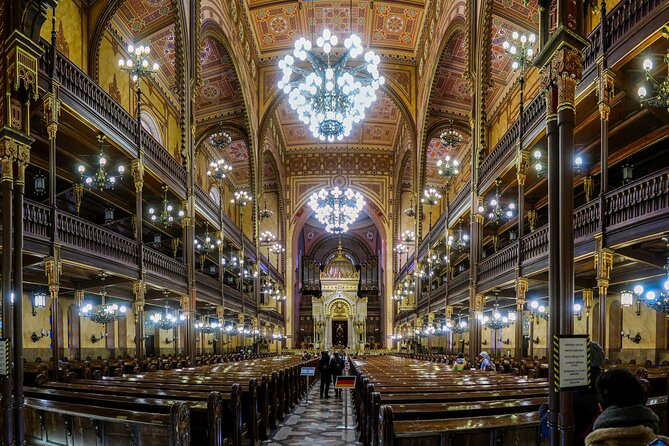
Your first major stop is Dohány Street Synagogue, often described as the biggest in Europe and the second in the world. That alone makes it a must-see. But the point of starting here is bigger than photos. The building’s scale signals something about confidence, community, and survival—ideas you’ll connect back to later parts of the story.
Plan on about 30 minutes at this stop. Importantly, the tour includes the guided visit, but it notes admission is not included. The separate ticket can run roughly €12–€45 per person, so budget for that early. If you want the smoothest experience, treat this as your one “paid entry” moment and be ready for it.
You’ll also be reminded that it’s not like the “standard synagogue” stereotype. The tour frames it as special for a reason, so don’t just rush in and out. Use the time to look closely at what makes the architecture and space feel different from simpler religious buildings.
Rumbach Street Synagogue: Moorish-style beauty after 60 years of abandonment
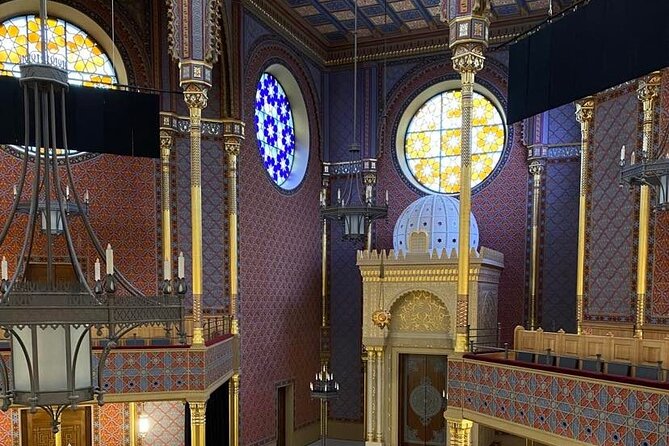
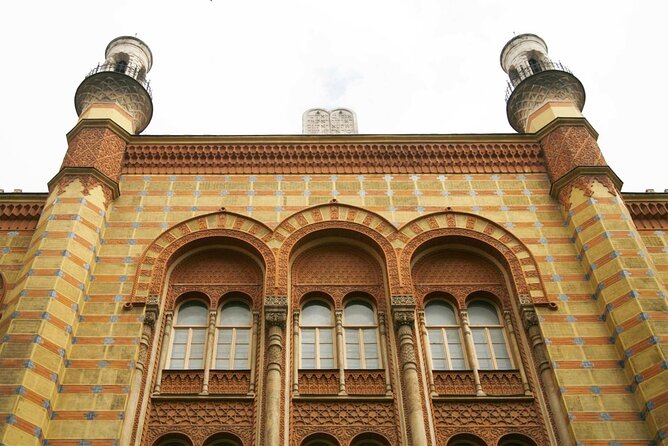
Next up is Rumbach Street Synagogue, scheduled for about 15 minutes. What makes this stop stick in your memory is the contrast: it was recently renovated after 60 years of being abandoned, and the architecture leans Moorish-style.
Again, the tour includes the guided walkthrough, but tickets aren’t included for entry here either. Since you’re already paying for Dohány Street, this is the second place where your budget may need a little flexibility.
Why this stop is valuable is emotional. Renovation after a long abandonment period is a kind of comeback story. When the guide connects the building’s past to what you see today, you start to understand the district’s rhythm: destruction, survival, renewal, and then the ongoing work of keeping culture visible.
If you like architecture, this is a quick but meaningful contrast after Dohány Street. Even at 15 minutes, it’s enough time to grasp what makes Rumbach stand apart.
Szimpla Kert and the street-level view of reinvention
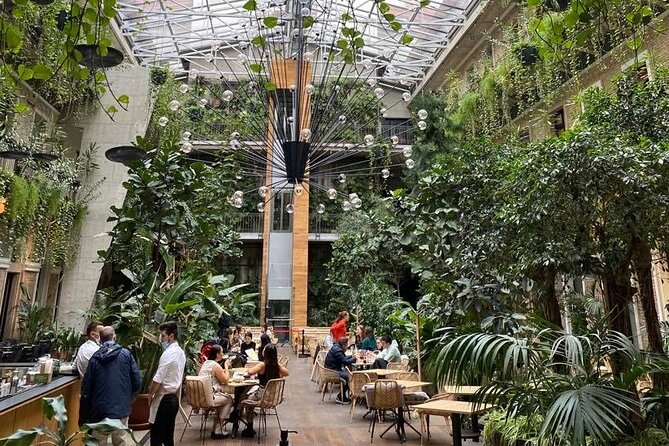
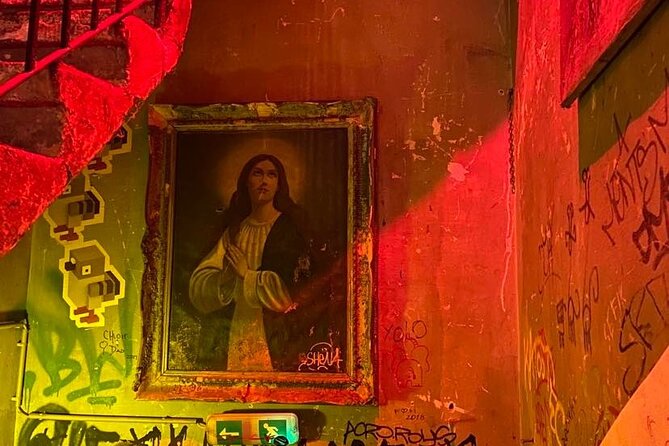
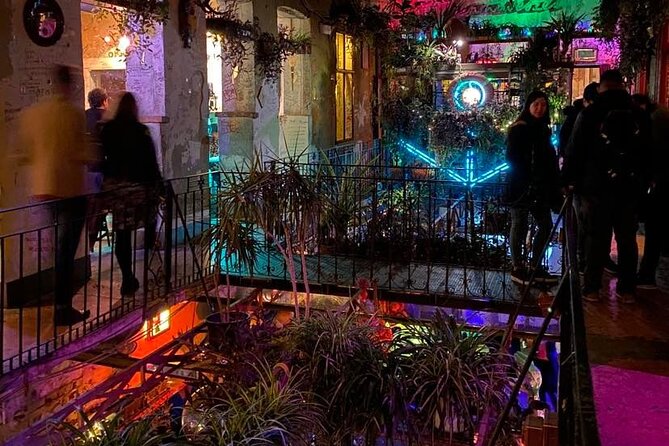
After the synagogues, the tour drops you into the kind of place that makes neighborhoods feel real: Szimpla Kert. You’ll spend about 15 minutes here, and entry is noted as free as part of the walk.
Szimpla Kert is tied to Budapest’s ruin pub culture, meaning it’s built around old structures and repurposed spaces. The tour description basically tells you not to expect a normal bar scene. Once you enter, it’s supposed to be unforgettable visually. That fits the theme of the day: the district isn’t just memorial and museums. It also has nightlife, hangout spaces, and daily routines.
This stop can be a welcome breather. It’s also a useful counterpoint. After hearing about ideology and suffering, it helps to see how spaces get reused by living communities. You’re not excusing history. You’re watching a neighborhood keep functioning in spite of it.
You can also read our reviews of more private tours in Budapest






Wesselényi utca 21 and Kazinczy u. 55: small streets, big atmosphere
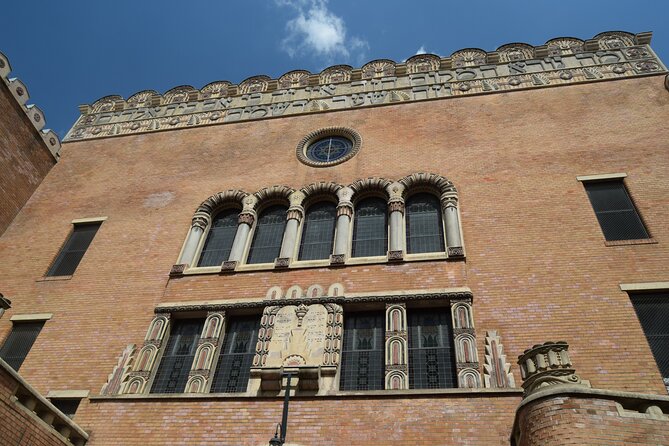
Two of the stops are on the streets themselves, with time carved out for Wesselényi utca 21 (about 15 minutes) and Kazinczy u. 55 (about 15 minutes). Both are listed with free admission within the tour.
At Wesselényi utca 21, you’ll walk through the historic Jewish Quarter and focus on the kind of details you’d miss on your own. The tour’s promise here is that the guide points out sights connected to the district’s story, not just the street name.
Then there’s Kazinczy u. 55, a two-story building with a long history and what the description calls a lot of mystery inside. Even though you’re not promised a specific interior experience here, the idea is that the façade reveals secrets. That’s a nice reminder for your eyes: in neighborhoods like this, the outside often tells you what the building has seen.
These street stops also help you pace emotionally. You get enough moving and looking to keep your brain active, without constantly needing to sit inside formal spaces.
Kosher Market (Kóser Piac): the practical side of Jewish life
One of the most grounded stops is the Kosher Market (Kóser Piac). The tour budgets about 15 minutes, and it’s listed as free to visit on the walk.
This is the moment where the neighborhood’s story gets practical. The market is described as a small shop where you can find essentials to celebrate Shabbat or other Jewish holidays. That matters because it turns broad concepts into everyday actions. Instead of only hearing about beliefs, you’re seeing how people supply the rituals.
If you’re the kind of traveler who likes a place where you can imagine what life feels like—what people actually buy, bring home, and prepare—this stop will work for you. It also pairs well with the tour’s promise about modern Orthodox life and the branches of Judaism. The guide can connect tradition to tangible items you can picture yourself using.
District VII today: where the past meets how people live now
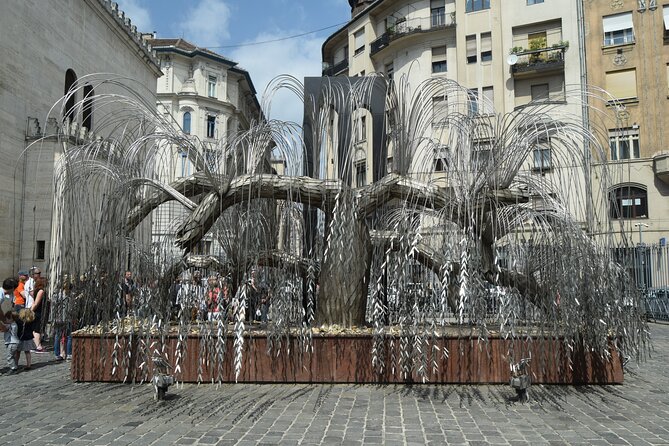
You finish with time in District VII / the Jewish Quarter, also listed as free and about 15 minutes. This is where the tour’s themes land. You’ll see the district as it operates now, not only as a historical setting.
This is also where the guide’s storytelling style becomes the glue. The tour promises coverage of origins of Zionism, the Holocaust, and how people live today, including what it’s like to be Orthodox. By the time you reach the end, those topics stop feeling like separate chapters and start feeling like one continuous story.
Your walk also ends at Shoes on the Danube Bank. Even if you just treat it as a well-known river-side stop, it gives your day a natural closing point—an “exhale” moment at the water’s edge after moving through synagogues and tight city streets.
Price and tickets: what your $228.29 really covers
The tour price is $228.29 per person for a private experience lasting about 2 hours 30 minutes. The listing notes group discounts and an included guide plus a mobile ticket.
Here’s the key value question: the guide is included, but synagogue admission isn’t included for Dohány Street Synagogue and other synagogues. The separate entry ticket range given is roughly €12–€45 per person. There’s also a note in the experience info that different synagogue tickets may apply.
So, do the math like this:
- You’re paying for private guidance, the storytelling, and the organized route
- You’re also paying for direction and context, so you don’t have to research every building yourself
- Then you add separate synagogue entry fees when you want the full interior experience
If you’re traveling with others, group discounts can help. If you’re traveling solo or as a couple, the guide value usually feels strongest when you care about both history and how the district functions today.
Who should book this private Jewish District tour
Book it if you want a tour that treats Budapest’s Jewish District as a real place where people live, pray, shop, and also rebuild. This one is especially a good fit if you’re interested in:
- The origins of Zionism
- Holocaust-era understanding, told through places
- Judaism’s different branches, including what Orthodox life can look like
- A guide who encourages questions and brings a human tone
Consider a different option if you mostly want quick exterior photos and don’t want to deal with separate synagogue entry fees. Also consider that the pace includes walking between several stops, including inside synagogues when you’re paying entry.
Should you book the Private Walking Tour in the Jewish District?
I’d book this if you like tours with a clear story arc and a local guide who can explain what you’re looking at while you’re walking. The combination of major synagogue visits, street-level context, and modern life stops (like Szimpla Kert and the Kosher Market) gives you more than “buildings and dates.”
One practical nudge: set aside extra money for synagogue admission, because that’s the one part that isn’t covered in the base price. If you’re fine with that, you’ll probably feel like you got your money’s worth in understanding, not just sightseeing.
FAQ
How long is the private walking tour?
It’s approximately 2 hours 30 minutes.
What is the price per person?
The price is $228.29 per person.
Is this tour private?
Yes. It’s a private tour/activity, so only your group participates.
What language is the tour offered in?
The tour is offered in English.
Is the guide included in the price?
Yes, a guide is included.
Are synagogue admission tickets included?
No. Tickets to Dohány Street Synagogue and other synagogues are not included, and a separate entry fee is expected.
How long do you spend at Dohány Street Synagogue?
You’ll have about 30 minutes at Dohány Street Synagogue.
Does the tour include any free stops?
Yes. Stops like Szimpla Kert, Wesselényi utca 21, Kazinczy u. 55, the Kosher Market, and District VII are listed with free admission during the walk.
Where does the tour start and end?
It starts at Budapest, Dob u. 1, 1072 Hungary and ends at Shoes on the Danube Bank, Budapest, 1054 Hungary.
What’s the cancellation policy?
You can cancel for free up to 24 hours in advance for a full refund.