REVIEW · BUDAPEST
A Journey through Jewish Budapest – Walking Tour
Book on Viator →Operated by Insight Cities · Bookable on Viator
Budapest has a Jewish story to walk. This 3-hour tour threads key sites in the Jewish districts and ends at a WWII memorial, led by a historian guide and built for a small-group feel. I love how the stops aren’t just pretty buildings; they come with clear explanations of what you’re seeing, why it mattered, and how the community changed over time. I also like that the route links everyday Jewish life in the Jewish Quarter to the places that mark loss, like the Danube bank.
One thing to plan for: synagogue ticket costs aren’t included, and you’ll want to follow the dress rule at the Dohány and Kazinczy synagogues (shoulders and knees covered). If you’re hoping for a fully ticket-free afternoon, you’ll need to budget a bit extra before you go.
In This Review
- Key Points You’ll Actually Care About
- Why This 3-Hour Walk Makes Sense in Jewish Budapest
- Meeting at Kamara Café and How the Walk Flows
- Dohány Street Synagogue Complex: Largest in Europe + Museum Stops
- Kazinczy Street Synagogue Area: Ghetto Wall Memorial and Mikve
- Rumbach Street Synagogue: Status Quo Ante Story
- Shoes on the Danube Bank: WWII Memorial with Free Entry
- Price and What You Still Need to Budget For
- Picking the Right Guide Moments: What This Tour Delivers
- Should You Book This Tour?
- FAQ
- How long is the walking tour?
- What sites are included in the tour?
- Is the tour in English?
- Are synagogue tickets included in the price?
- How many people are in the group?
- Where does the tour start and end?
- Is pickup available?
- What should I wear for synagogue visits?
- What is included in the price?
- Can I cancel for a refund?
Key Points You’ll Actually Care About
A historian guide keeps the story straight: You’ll connect architecture, neighborhood history, and tragic WWII events without getting lost in dates.
Dohány Synagogue includes the museum-style complex: Expect time at Temple of Heroes, the Jewish Museum area, and the Memorial Park.
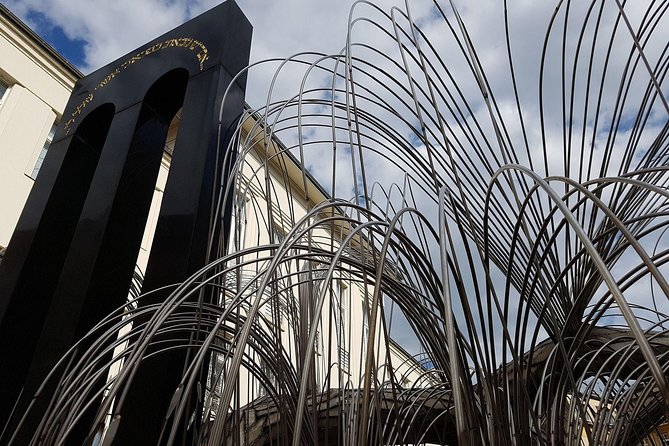
You’ll pause at the Ghetto Wall Memorial (2014): It’s a strong, modern marker before the tour moves into the Kazinczy Street area.
Kazinczy brings you to a mikve and an Art Nouveau synagogue: A visual jump from walls and memorials into ritual space.
Rumbach Street adds the Status Quo Ante stream of Judaism: Short stop, but it gives important context for how Jewish life organized itself.
Shoes on the Danube Bank is free and final-stop heavy: 20 minutes, respectful tone, and no ticket line.
Why This 3-Hour Walk Makes Sense in Jewish Budapest
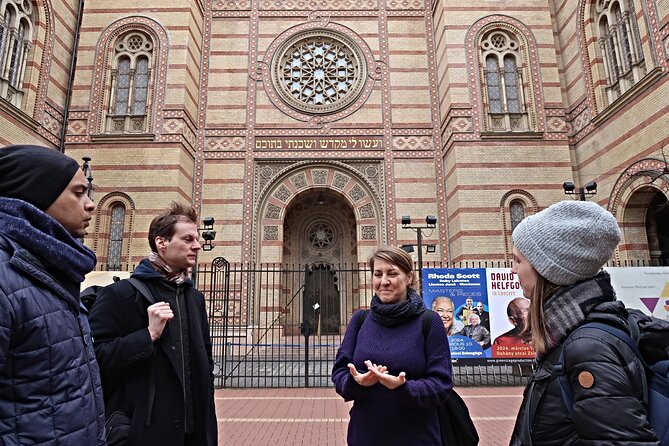
This tour is built for people who want depth without a full day commitment. Three hours is long enough to see three major synagogues plus the most famous WWII memorial in the area, but short enough that you won’t feel like you’re speed-running history.
What I like about the structure is the way it moves geographically and emotionally. You start with the large, public centerpiece—Dohány Street Synagogue—and then work your way through smaller, more specific places tied to Jewish communal life. By the time you reach the Danube bank, you’re not just reading a plaque; you’ve been given the neighborhood context first.
The small-group size also matters. The tour is limited to six people for a more personal feel, with a stated maximum of eight. Either way, it helps you ask questions and hear answers without the guide shouting over a crowd.
You can also read our reviews of more walking tours in Budapest



Meeting at Kamara Café and How the Walk Flows
You’ll meet at Kamara Café (Dohány u. 1b, 1074). The café is right by the Great Synagogue, so you get your bearings fast. Pickup is offered at Kamara Café as well (Dohány u. 1a), and after booking you receive your guide’s photo, phone number, and bio—useful if you arrive early or need quick help finding the group.
The experience runs about three hours, with a start time listed as 10:00 am and a choice between morning or afternoon departure. It’s a walking tour, and it’s designed to be workable for most people, especially since it’s near public transportation.
Expect a mix of exterior viewing and interior time where possible. The key synagogues have opening hours, so your exact interior access depends on whether the sites are open during your visit window.
Dohány Street Synagogue Complex: Largest in Europe + Museum Stops
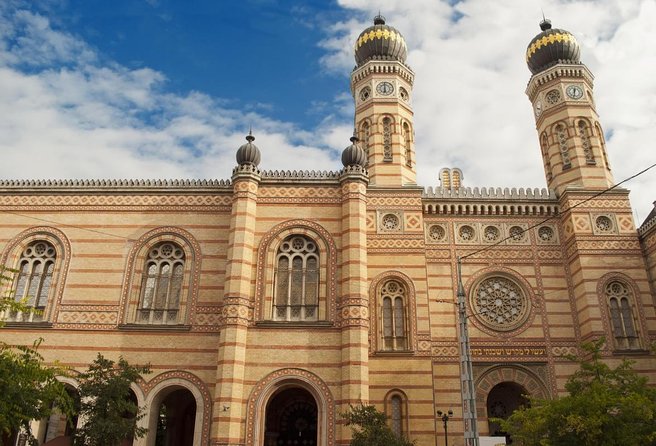
Stop one is the Great / Central Synagogue (Nagy Zsinagóga), on Dohány Street. This is the emotional and architectural anchor of the Jewish Quarter. You’ll spend about 30 minutes here, and the tour is assisted by a Jewish Studies Scholar—so the talk isn’t just sightseeing.
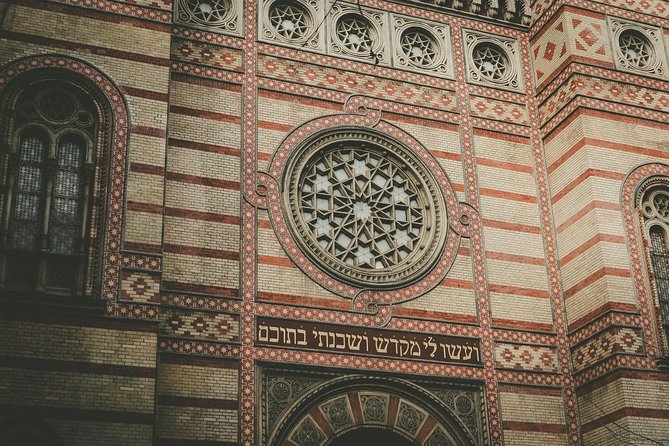
The synagogue’s Moorish Revival look is a big part of why this stop works. It’s dramatic, detailed, and unmistakably meant to be seen. But the guide doesn’t leave it as style. You’ll also visit the Temple of Heroes area, the Jewish Museum portion, and the Memorial Park within the complex.
Two practical notes for this stop:
- Admission tickets are not included, so factor in that extra cost.
- Plan your clothing. Visitors to the Dohány synagogue are requested to have shoulders and knees covered.
If you like your history with clear wayfinding, this is a strong first stop. You start with the most iconic landmark, then your later visits to smaller synagogues make more sense.
Kazinczy Street Synagogue Area: Ghetto Wall Memorial and Mikve
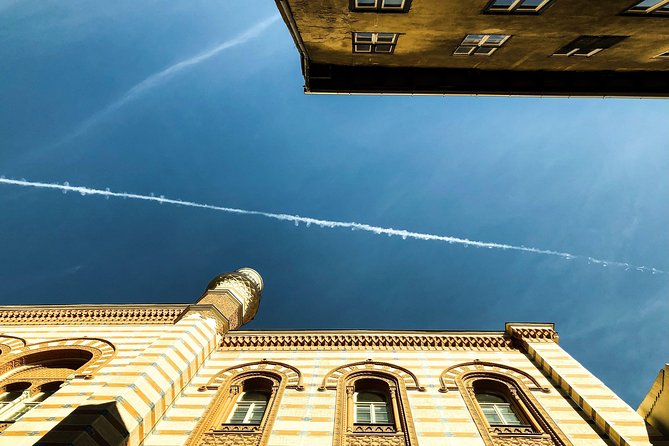
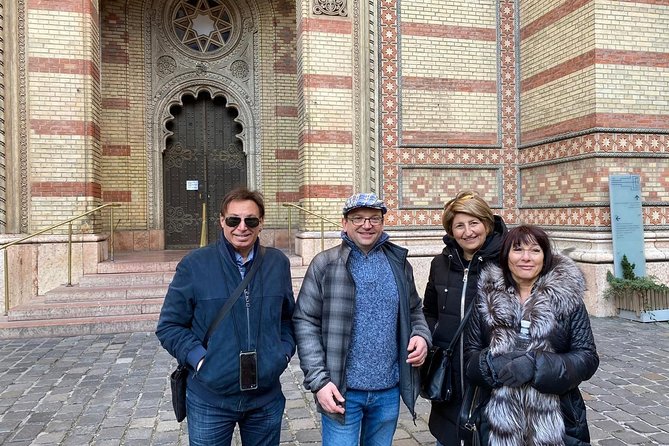
Next comes the Kazinczy Street Synagogue area, with about 35 minutes at this stop. This is where the tour connects Jewish communal life with the physical memory of the ghetto.
Before you reach the synagogue itself, you’ll walk to the Ghetto Wall Memorial, erected in 2014. That modern marker changes the feel of the tour. It’s not a centuries-old ruin; it’s a deliberate reminder placed in today’s streetscape.
From there, the route moves through a sequence of spaces:
- A look at a luxurious mikve (Jewish ritual bath)
- Then on to the Art Nouveau orthodox synagogue on Kazinczy Street
The tour can include the interior visit when the synagogue is open to the public. Again, admission tickets are not included for this stop, and dress code applies here too (shoulders and knees covered).
This stop is also where you’ll start noticing how architecture and ritual space reinforce identity. The buildings aren’t just places people attended; they supported how people lived, prayed, and helped one another.
Rumbach Street Synagogue: Status Quo Ante Story
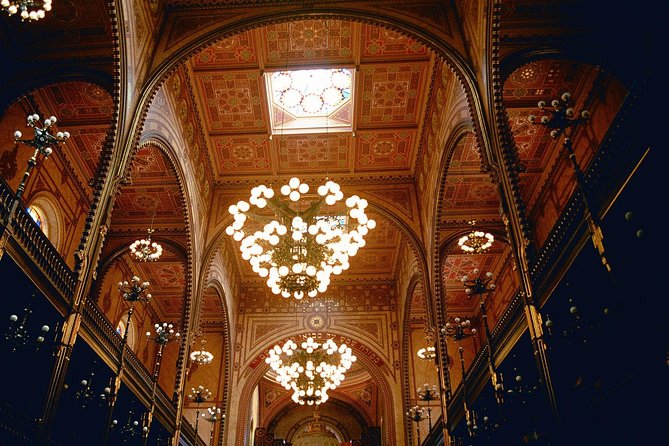
Stop three is the Rumbach Street Synagogue, around 25 minutes. This is a shorter stop, but it has a specific educational focus: the Status Quo Ante stream of Judaism.
If you’ve ever wondered why different Jewish communities didn’t always agree on leadership or religious practice, this is the kind of stop that gives you the missing context. The guide ties the synagogue’s story to how Jewish life organized itself over time.
You’ll observe the synagogue and, when it’s open to the public, visit the interior. Like the other synagogues on the route, admission tickets are not included.
This is also a good point to slow down. By now, you’ve seen the large, iconic monument first. Now you’re getting a more particular thread of how communities shaped worship and community governance.






Shoes on the Danube Bank: WWII Memorial with Free Entry
The tour ends at the Shoes on the Danube Bank memorial, spending about 20 minutes here. Entry is free, and the stop is located at Budapest 1054 Hungary.
This memorial was erected on April 16, 2005. The story is stark: Jews were ordered to remove their shoes, were shot at the edge of the water, and their bodies were carried away by the current. The memorial represents the shoes left behind on the bank.
You’ll want to approach this stop with a quiet mind. It’s not a quick photo-and-go spot. The power comes from the specificity: shoes, a river edge, and the idea of forced erasure. If you’ve been learning about the Jewish community’s presence in the city, the Danube stop lands with more weight because you understand what was taken.
Price and What You Still Need to Budget For
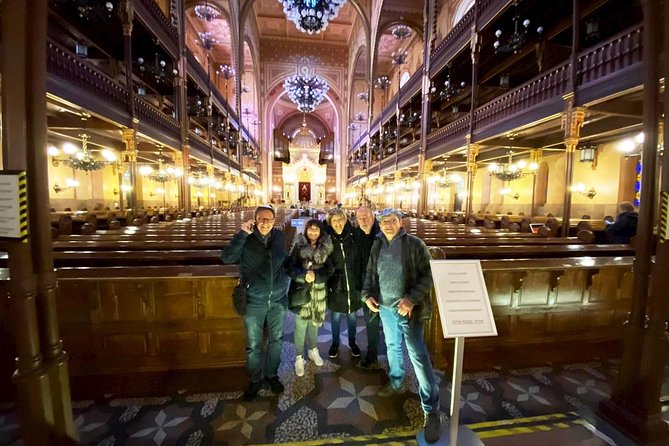
The tour costs $126.16 per person for an approximately three-hour walking experience. That price covers the guided portion—specifically a 3-hour guided walk with a historian guide—and the structure of visiting major sites rather than doing it yourself.
Here’s the part people forget to budget: Dohány Synagogue, Kazinczy Synagogue, and Rumbach Synagogue tickets are not included. The Danube Shoes memorial is free, but the synagogues themselves usually require paid entry for access to interior spaces and museum components.
So the real value question becomes: are you buying interpretation and time, not just entry? For me, the answer is yes if you care about understanding what you’re seeing. A guide turns “three synagogues in a row” into a narrative of community life, identity, and historical rupture.
If you’re a solo planner who’s fine reading on your own and managing multiple ticket lines, you could piece it together. But if you want the story delivered in the right order, with route pacing that makes the sites connect, the guided format justifies the cost.
Picking the Right Guide Moments: What This Tour Delivers
One thing that came through clearly is that the guides make this experience work. Names mentioned include Orsolya, Agi, Endre, and Veronika, and each description points to strong storytelling and careful context.
Orsolya, for example, was praised for academic-level knowledge and for tying Jewish history to Hungary’s broader historical context. Agi was noted for making the three-synagogue and museum experience feel connected, including attention to unexpected courtyard features and details around the complex. Endre stood out for bringing people to many informative spots and paying close attention—so you didn’t just pass landmarks; you understood what you were looking at. Veronika was described as highly capable even though not Jewish, with a focus on the tragic history of Jewish people in Hungary.
There’s also a practical perk that I really appreciate: guides who can point you toward food. One review mentioned culinary recommendations woven into the walk, including flodni cake. If your guide offers a suggestion, take it. It’s an easy way to turn a heavy tour into a more human day in Budapest.
Finally, the small size helps you hear the explanation clearly and feel like your questions matter. That’s the difference between collecting stamps and learning the story behind them.
Should You Book This Tour?
Book it if you want a focused Jewish history route in Budapest and you prefer guided context over self-directed wandering. This tour is especially good if you’re visiting for a shorter trip and want the key synagogues plus the Danube memorial without trying to stitch it together yourself.
Skip it or think twice if you:
- Don’t want to handle extra synagogue ticket costs
- Plan to wear clothing that doesn’t meet the shoulders-and-knees rule at Dohány and Kazinczy
- Are looking for a light, casual walk. The Danube Shoes stop is emotionally intense by design.
If you do book, come with one goal: leave with a clear sense of how Jewish life in the city changed—and how Budapest marks both memory and survival in its streets.
FAQ
How long is the walking tour?
It lasts about 3 hours.
What sites are included in the tour?
You’ll visit the Great / Central (Dohány Street) Synagogue complex, Kazinczy Street Synagogue, Rumbach Street Synagogue, and you’ll end at Shoes on the Danube Bank.
Is the tour in English?
Yes, it is offered in English.
Are synagogue tickets included in the price?
No. Tickets for Dohány Synagogue, Rumbach Street Synagogue, and Kazinczy Street Synagogue are not included. Shoes on the Danube Bank is free.
How many people are in the group?
The tour is described as a small-group experience limited to six people, with a stated maximum of eight travelers.
Where does the tour start and end?
It starts at Kamara Café (Dohány u. 1b, 1074 Budapest) and ends at Shoes on the Danube Bank (Budapest 1054).
Is pickup available?
Pickup is offered at Kamara Café, and you’ll receive your guide’s photo, phone, and bio after booking.
What should I wear for synagogue visits?
You’re requested to have shoulders and knees covered for visits to the Dohány and Kazinczy synagogues.
What is included in the price?
The tour includes a 3-hour guided walking tour and a historian guide.
Can I cancel for a refund?
Yes. Cancellation is free up to 24 hours in advance for a full refund.