REVIEW · BUDAPEST
Budapest: Jewish Heritage Walking Tour with Historian Guide
Book on GetYourGuide →Operated by Kálmán Dániel - Walk with a Historian · Bookable on GetYourGuide
Jewish Budapest reads like a living textbook. This 2-hour walk, led by field expert historian Kálmán Dániel, connects synagogue architecture with the streets that shaped daily life in the Jewish quarter, then slows down at Holocaust memorials like the Carl Lutz Memorial and the Memory Wall.
I especially like two things: you get real context behind the Rumbach Street Synagogue and the Kazinczy Street Synagogue, and you also get the hard, specific landmarks tied to survival, including a remnant of the ghetto wall. One thing to consider: the Kazinczy Street Synagogue is temporarily closed for entry, so you’ll be able to visit it outside only during restoration.
In This Review
- Key highlights at a glance
- Meeting at Deák Square: the easy start you’ll appreciate
- Pest-side Jewish Budapest: how the whole story fits together
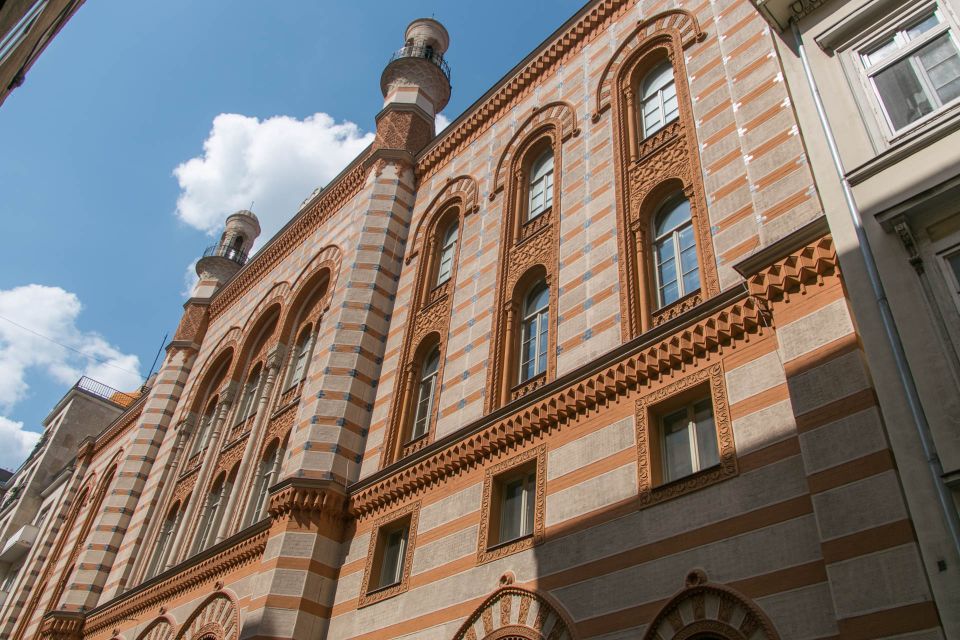
- Rumbach Street Synagogue: architecture you can actually read
- Gozsdu Passage and Gozsdu Udvar: the neighborhood between the monuments
- Kazinczy Street Synagogue: outside views during restoration, with context inside
- The Holocaust memorial circuit: Carl Lutz and the Memory Wall
- Learning the Jewish District from the streets, not just plaques
- Price and value: why $62 for two hours can be fair
- Who should book this tour (and who might want alternatives)
- Should you book this Budapest Jewish Heritage tour?
- FAQ
- How long is the tour?
- Where do I meet for the tour?
- Is the tour in English?
- What group size is this tour?
- Which synagogues are included?
- Do I get entry tickets to the synagogues?
- What Holocaust-related memorial sites are included?
- What does the price include?
- Is free cancellation available?
- Is there a pay-later option?
Key highlights at a glance
- Small group of up to 10 with a live English historian guide, so questions don’t vanish into the crowd
- Two synagogues on the Pest side: Rumbach Street Synagogue (inside) and Kazinczy Street Synagogue (outside only for now)
- Holocaust memorial stop sequence: ghetto wall remnant, Carl Lutz Memorial, and the Memory Wall
- Street-by-street storytelling in the Jewish District, including where other synagogues stood before they were demolished
- Gozsdu Passage / Gozsdu Udvar photo stops to keep the route grounded in how the neighborhood actually looks
Meeting at Deák Square: the easy start you’ll appreciate
The tour begins at the entrance of the Lutheran Church at Deák Square (Deák téri evangélikus templom), close to the M2 metro entrance. That’s a smart choice, because you won’t waste your first minutes hunting for a group or translating street names.
Once you’re together, the pacing is built for walking and listening. You’ll move through the Jewish District area in a way that keeps the geography clear: landmarks first, then the streets between them, so the stories don’t float in midair.
Because this is a 2-hour experience, you should show up with a calm mindset. Bring comfortable shoes, because you’ll be covering a decent amount of ground while still stopping frequently.
You can also read our reviews of more walking tours in Budapest


Pest-side Jewish Budapest: how the whole story fits together
A big reason this tour works is that it treats Jewish life in Budapest as something specific and time-bound, not just a list of sites. You start with how the Pest side had one of the region’s most flourishing Jewish communities from the 18th century until the mid-20th century. Then the guide connects that timeline to what you’re seeing in front of you.
That matters because synagogues and memorials can otherwise feel like separate chapters. Here, they’re tied together by the neighborhood itself: where people lived, which streets carried community life, and how the landscape reflects both growth and destruction.
You’ll also hear about the kinds of people who were famous or influential in the district, and what happened to structures as the 20th century turned. If you like history that explains how a place changes, this is the style.
Rumbach Street Synagogue: architecture you can actually read
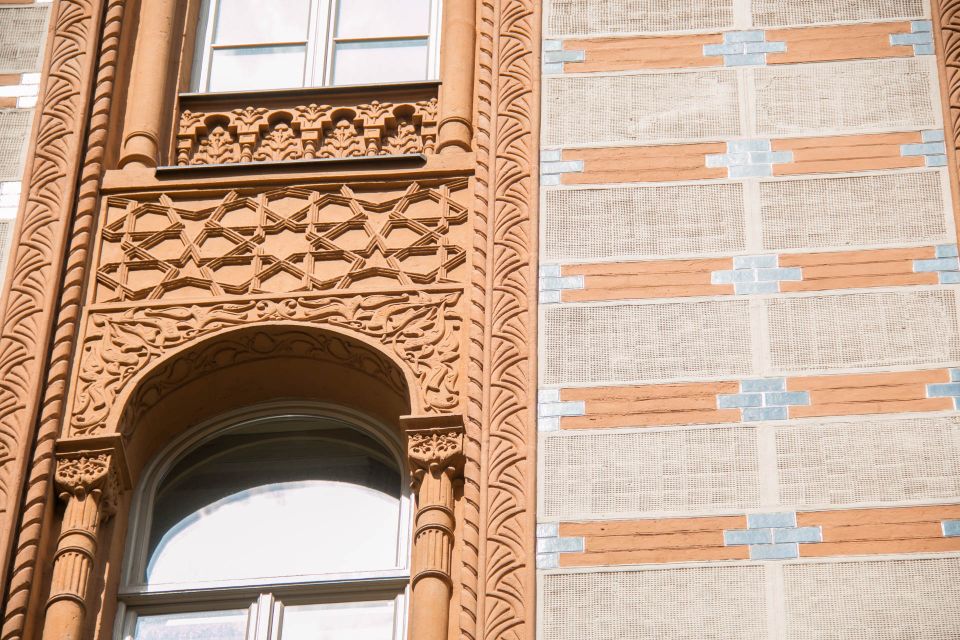
Your first synagogue stop is Rumbach Street Synagogue, where you get both a guided visit and an entry ticket included. This is a good place to start because the building gives you something solid to look at while the guide talks.
Expect a mix of art-historical and historical framing. You’re not just being told when it was built; you’re learning what the synagogue represents in its era, and how religious community and public life intersected.
Practical tip: at the synagogue, give yourself a moment to slow down before moving. The best insights land when you look up at details, not only at people.
Also, since the tour includes entry here but not for the second synagogue during restoration, Rumbach sets the benchmark for what you’ll miss if you only care about one building. It’s the anchor.
Gozsdu Passage and Gozsdu Udvar: the neighborhood between the monuments
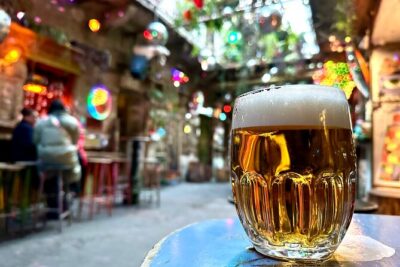
Between major stops, you’ll pass through the area around Madách Square and make a photo stop at Gozsdu Passage / Gozsdu Udvar. This part isn’t about replacing the synagogue story—it adds the street-level texture that makes the whole Jewish District feel real.
It’s a useful break because it shows you the modern city you’re standing in now. You’ll see how lively streets and passages can feel today, while the guide connects that energy back to the people who once lived around these same corridors.
If you’re the type who likes to understand how a neighborhood functions day to day, you’ll appreciate this stop. Even a short photo moment can help you later recognize where you are when you explore on your own.
Kazinczy Street Synagogue: outside views during restoration, with context inside
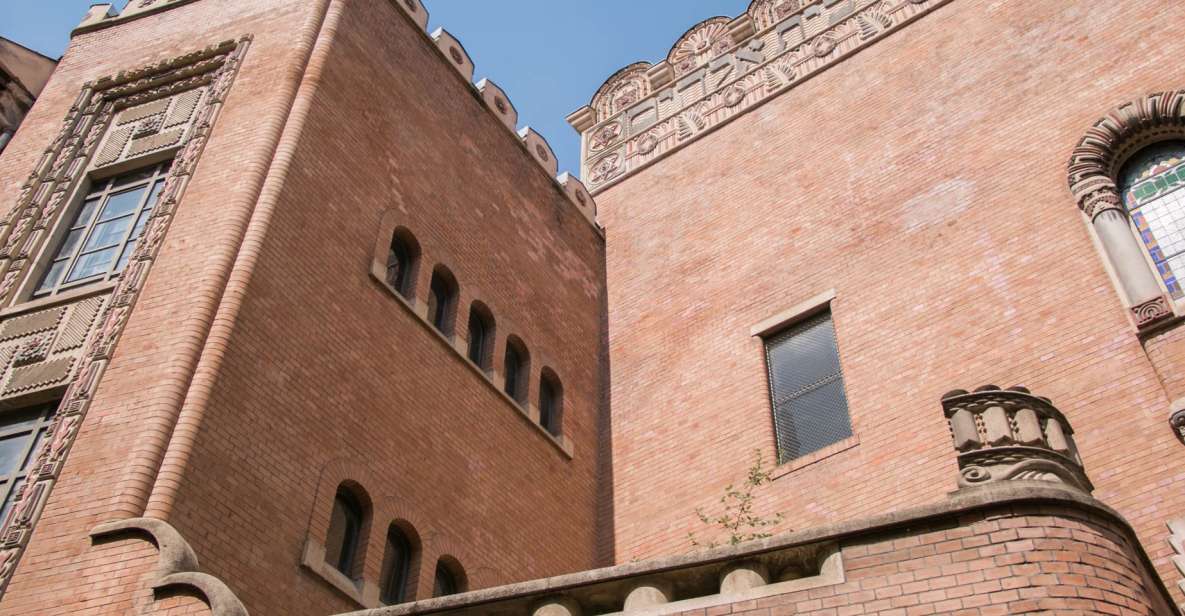
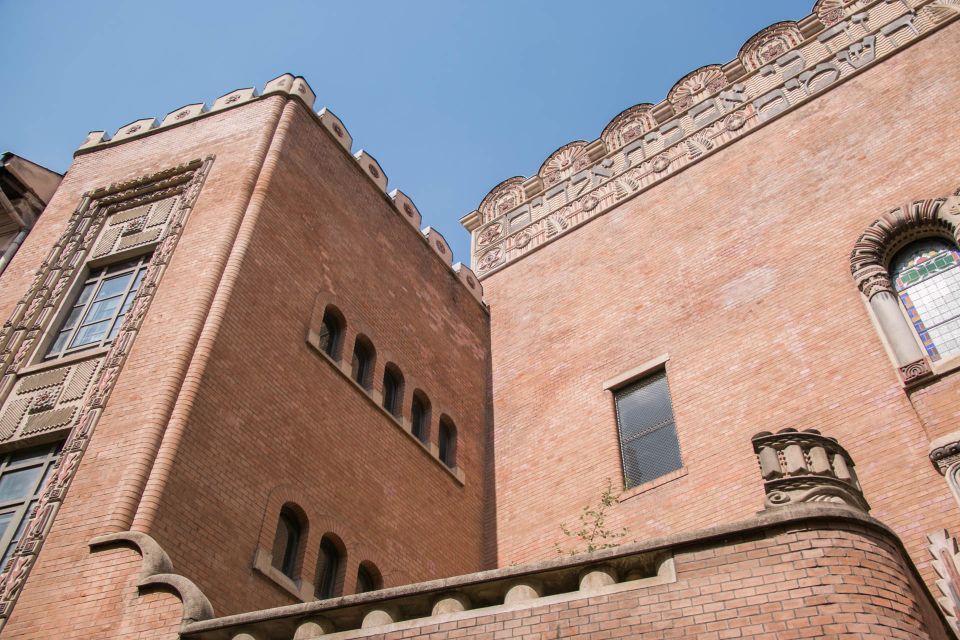
Next comes Kazinczy Street Synagogue. Here’s the trade-off: it’s temporarily closed for reconstruction, so you’ll visit it outside only. The tour includes visiting it externally, but the entry ticket for inside isn’t included during this closure window.
Even so, the guide’s goal is to keep you from feeling like you missed the point. You’ll still get guided sightseeing and the historical context needed to understand why Kazinczy matters, not just that it’s a notable building.
This is also a good time to listen for the comparisons the guide makes with Rumbach. When you can’t go inside one synagogue, the value becomes interpretation: you learn what you should notice from the street view, and why the differences reflect different eras and community needs.
If entry inside Kazinczy is a must for your trip, consider planning a separate independent visit for when restoration ends. But for many people, the guided historical framing makes the outside stop feel complete rather than cut short.
You can also read our reviews of more guided tours in Budapest





The Holocaust memorial circuit: Carl Lutz and the Memory Wall
After synagogues, the tone shifts, and that’s exactly what it should do. You’ll visit Holocaust-related sites including a remnant of the ghetto wall, the Carl Lutz Memorial, and the Memory Wall. Entry to the Ghetto Wall Memorial is included, which signals that the tour treats these as central—not optional.
The stories shared here focus on survival and rescue, including accounts of miraculous survivings and miracle-making people who helped others survive. This isn’t presented as vague emotion; it’s tied to specific locations and what those places meant.
You’ll also learn about how remembrance is built into the physical city. Seeing a wall remnant in context, then following with memorials designed to keep names and actions from fading, helps you understand why these sites exist where they do.
Practical consideration: this is emotionally heavy subject matter. If you’re sensitive, pace yourself mentally. It’s okay to take a minute aside before continuing.
Learning the Jewish District from the streets, not just plaques
One of the most useful parts of the tour is that it doesn’t stop at monuments. The guide brings the streets themselves into the story—how people lived there, what made certain areas significant, and which figures mattered and why.
You’ll also hear about less-known sights in the neighborhood, which is often what turns a walking tour from sightseeing into actually learning a place. When the guide points out something small, it tends to connect to a bigger theme: community structures, changing institutions, and the physical reshaping of the district.
A particularly memorable thread is the explanation of where two other synagogues stood in the district and were demolished by the 1930s. Even without seeing them standing today, you’ll come away with a mental map of what has been lost—and how the area still carries that memory.
If you like tours that give you an internal compass for future wandering, this street storytelling will help you get your bearings fast.
Price and value: why $62 for two hours can be fair
At $62 per person for about 2 hours, the value mainly comes from what’s included. You get a live English historian guide, plus entry to Rumbach Street Synagogue and an entry ticket for the Ghetto Wall Memorial.
Also, the group is limited to 10 participants. That size matters for a historian-led walk because you’re more likely to hear clearly, ask questions, and follow the narrative without getting swept away by a big crowd.
One more value point: this route doesn’t just point at buildings; it connects them to the timeline of Jewish life in Budapest from the 18th century through the mid-20th century, then to Holocaust remembrance. That “why it’s here” framing is what you’re paying for.
The only real economic caveat is the current Kazinczy closure for entry. If your main goal is inside-the-building time at Kazinczy, this isn’t the moment to bargain-hunt. But if your goal is understanding, the guided structure still makes sense.
Who should book this tour (and who might want alternatives)
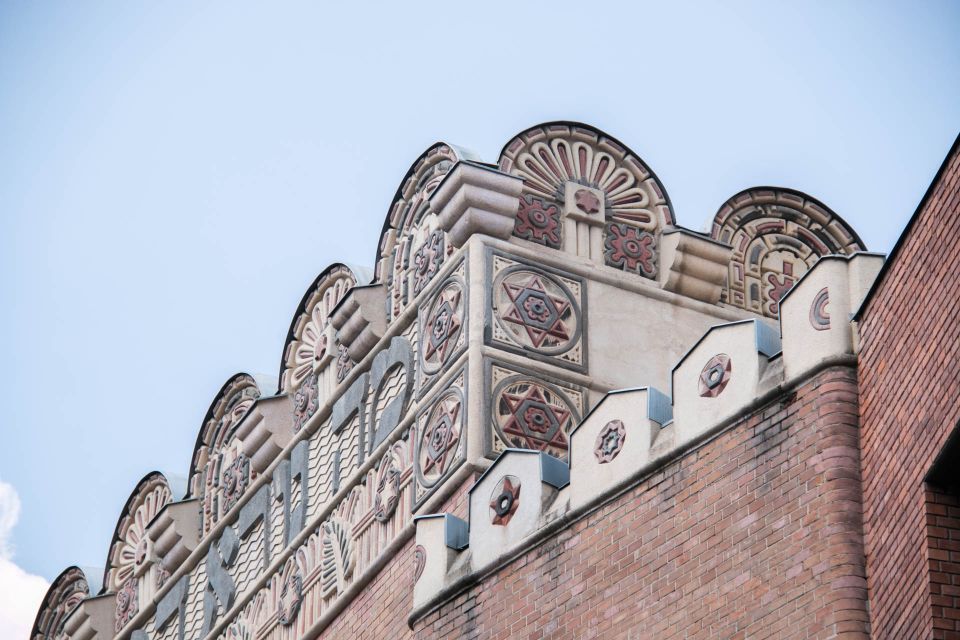
This tour is a strong match if you want history with place-based detail: synagogues you can look at, then memorials you understand in context. It’s also ideal if you’re drawn to art-historical and historical explanations, not just dates.
It’s especially good if you like small-group experiences and you want the guide, Kálmán Dániel, to do the talking with enough clarity that you can keep up while walking.
Consider alternatives if you are specifically focused on synagogue interior access only. Since Kazinczy Street Synagogue is temporarily closed for reconstruction, you won’t get the inside visit there on this schedule.
Should you book this Budapest Jewish Heritage tour?
I’d book it if you want a compact, guided walk that combines two key synagogue stops, street-level context in the Jewish District, and Holocaust remembrance at the Carl Lutz Memorial and the Memory Wall. The structure is built for understanding, not just photo ops.
I’d pause and plan carefully if Kazinczy synagogue entry is a top priority for you. During restoration you’ll see it outside only, and the tour’s value then shifts even more toward interpretation and context—still worth it for many, but not the same as an interior visit.
If you’re coming to Budapest for authentic, story-driven sightseeing with real historical framing, this one fits well. Just come ready for both architecture lessons and heavier remembrance, and you’ll leave with a sharper sense of how Budapest remembers.
FAQ
How long is the tour?
It lasts 2 hours.
Where do I meet for the tour?
Meet at the entrance of the Lutheran Church at Deák Square (Deák téri evangélikus templom), near the M2 metro entrance of Deák Square.
Is the tour in English?
Yes, the tour is in English.
What group size is this tour?
It’s a small group limited to 10 participants.
Which synagogues are included?
You visit Rumbach Street Synagogue and Kazinczy Street Synagogue. Kazinczy is temporarily closed for entry, so you visit it outside only.
Do I get entry tickets to the synagogues?
Entry ticket to Rumbach Street Synagogue is included. Entry to Kazinczy Street Synagogue is not included because it is temporarily closed for reconstruction.
What Holocaust-related memorial sites are included?
You’ll visit a remnant of the ghetto wall, the Carl Lutz Memorial, and the Memory Wall. Entry to the Ghetto Wall Memorial is included.
What does the price include?
A field expert historian guide, visiting Rumbach Street Synagogue with its entry ticket, entry ticket to the Ghetto Wall Memorial, and visiting Kazinczy Street Synagogue outside only.
Is free cancellation available?
Yes. You can cancel up to 24 hours in advance for a full refund.
Is there a pay-later option?
Yes. You can reserve now and pay later.