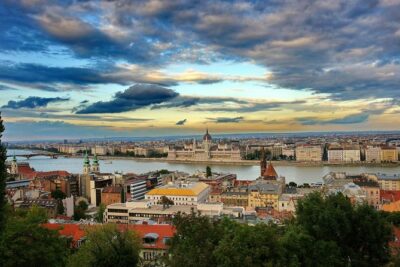
Budapest clicks when you have a local plan. This private 3-hour walking tour strings together the Parliament, Chain Bridge, Buda Castle, and the Danube memorial, with a guide who keeps you moving at a human pace.
I love that it’s customizable: you can steer the route toward what you care about most and ask for more time where it matters. I also love the practical guidance, the kind that helps you plan the rest of your days in Budapest without guessing.
One possible drawback: you’re on your feet for about 3 hours, including some uphill walking and stairs in the Buda area. If you want a very slow pace or lots of long indoor museum time, this might feel tight.
In This Review
- Key things that make this tour work
- Meet at Immaculata kegyoszlop: the start that keeps your first day sane
- Parliament Building to Chain Bridge: your first big Budapest arc
- Buda Castle District: Matthias Church and the reason people climb here
- St. Stephen’s Basilica and Fisherman’s Bastion: two kinds of wow
- Liberty Square and Andrassy Avenue: the city’s style, not just its monuments
- Shoes on the Danube Bank: a memory stop handled with care
- Private, customizable, and timed well: value at about $35 for 3 hours
- Guides you might get: what their style signals for your day
- Should you book this Budapest highlights-and-corners walk?
- FAQ
- Where is the meeting point for the tour?
- How long is the walking tour in Budapest?
- Is the tour private?
- What languages are offered for the live guide?
- Does the tour include transportation?
- What’s included and what’s not included?
- Is there a cancellation policy?
Key things that make this tour work
- Private, exclusive group so you’re not sharing the guide’s attention
- Customizable route based on your interests and timing
- English, French, Italian, or Spanish live guide
- Walking plus public transport when it makes sense for the route
- Real architecture stops from Gothic Revival to Roman Catholic churches
- On-the-ground help booking tickets for visits that need them
Meet at Immaculata kegyoszlop: the start that keeps your first day sane
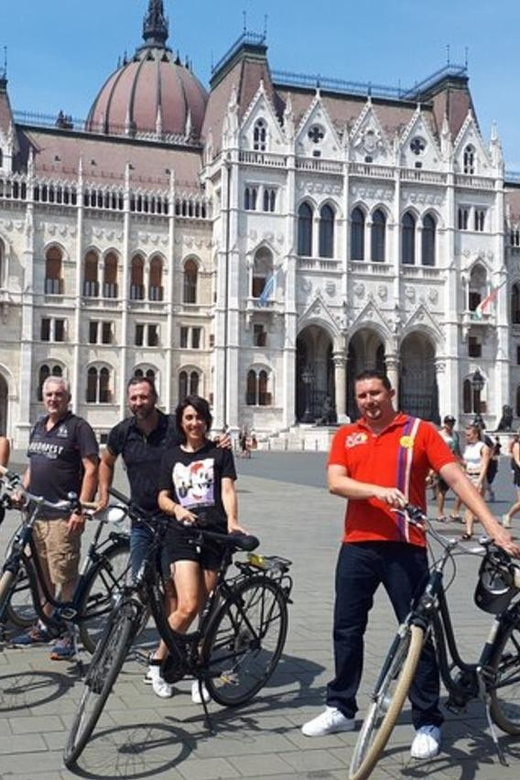
The tour kicks off at Immaculata kegyoszlop, with the overall starting area tied to Szervita tér. That’s a great setup for first-timers, because you’re dropped into the center of the action right away, instead of starting out at some random neighborhood corner.
What I like most is how the guide structures the walk. You’re not just getting a list of sights. You’re getting a route that helps you understand how Budapest is organized: the political power and postcard views on the Pest side, then the royal and church-focused atmosphere on the Buda side, finishing with a memorial that hits hard on the Danube.
Another plus: the tour is designed to be customizable and private. That matters more than people think. In a short, 3-hour window, small changes—like spending extra minutes on views from one spot, or shortening a stop that doesn’t interest you—can make the difference between feeling rushed and feeling like you actually learned something.
You can also read our reviews of more walking tours in Budapest



Parliament Building to Chain Bridge: your first big Budapest arc
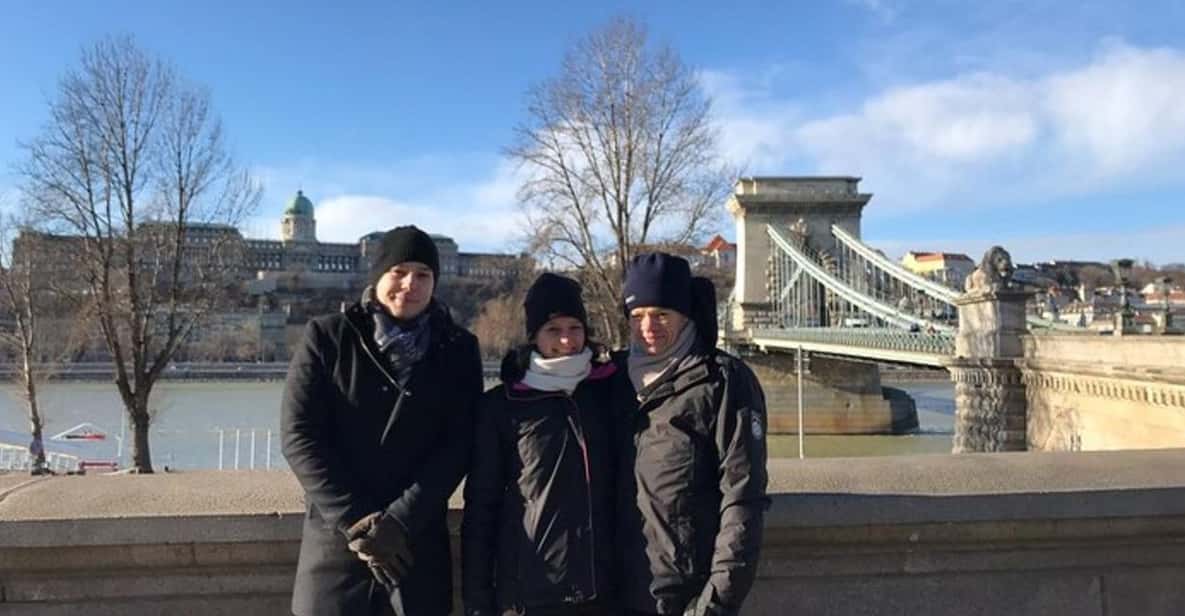
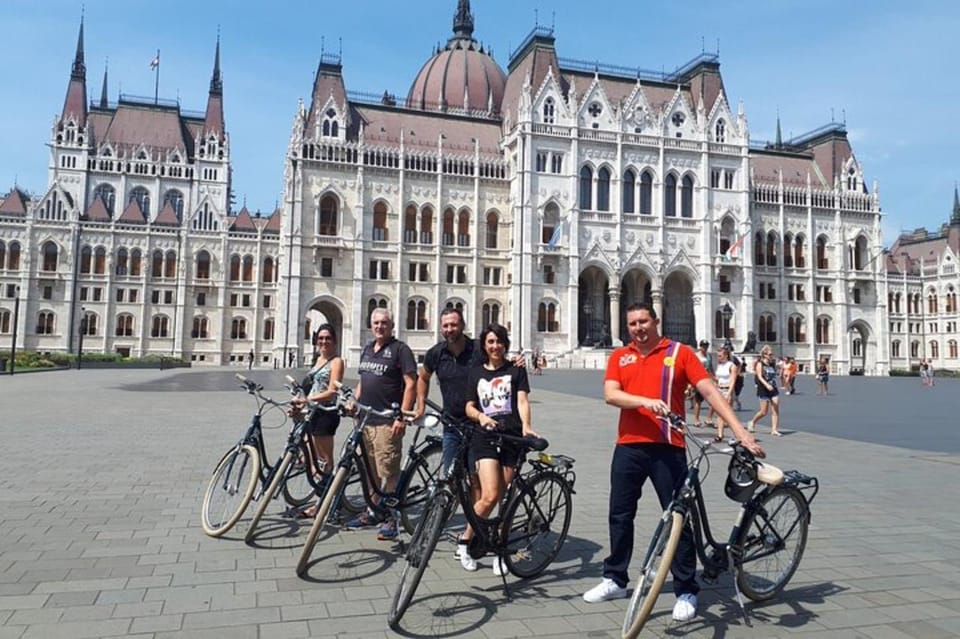
The morning/early-afternoon flow (it varies by departure time) begins with a guided stop at the Hungarian Parliament Building. This is the kind of place where a guide pays off instantly. Even if you’ve seen photos, being there with someone who can point out what you’re looking at—style, symbolism, and why it matters—turns it from pretty building to meaningful landmark.
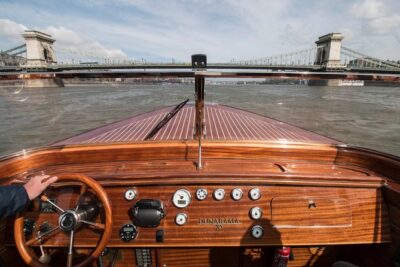
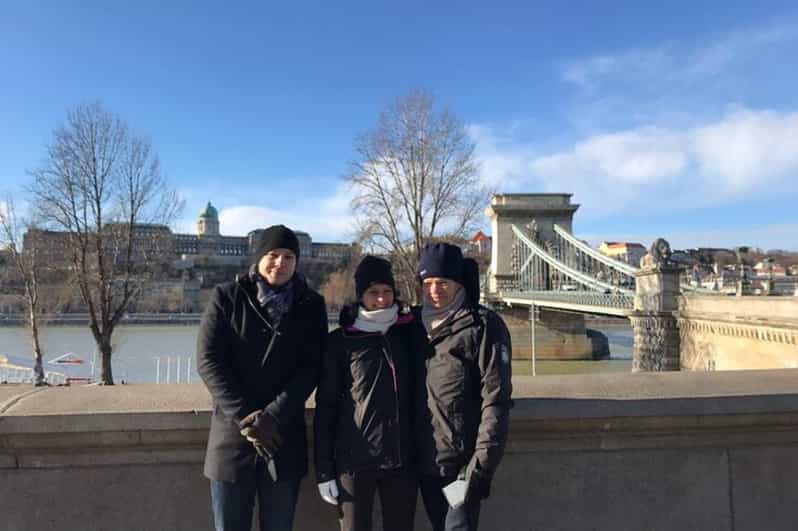
Then you cross toward Chain Bridge, Budapest’s iconic river connector. This is one of those moments where you’ll want your camera ready, because the bridge itself frames the city like a giant picture border. But the real win is what your guide does here: they help you connect the view to the story you just heard at Parliament, so it feels like one continuous chapter rather than separate stops.
Practical note: Chain Bridge sits in an open, windy zone by the river. If weather is rough, you’ll feel it. Wear a layer you can handle for a short stretch, and keep your pace steady—this is scenic, but it’s not where you want to slow down too much.
Buda Castle District: Matthias Church and the reason people climb here
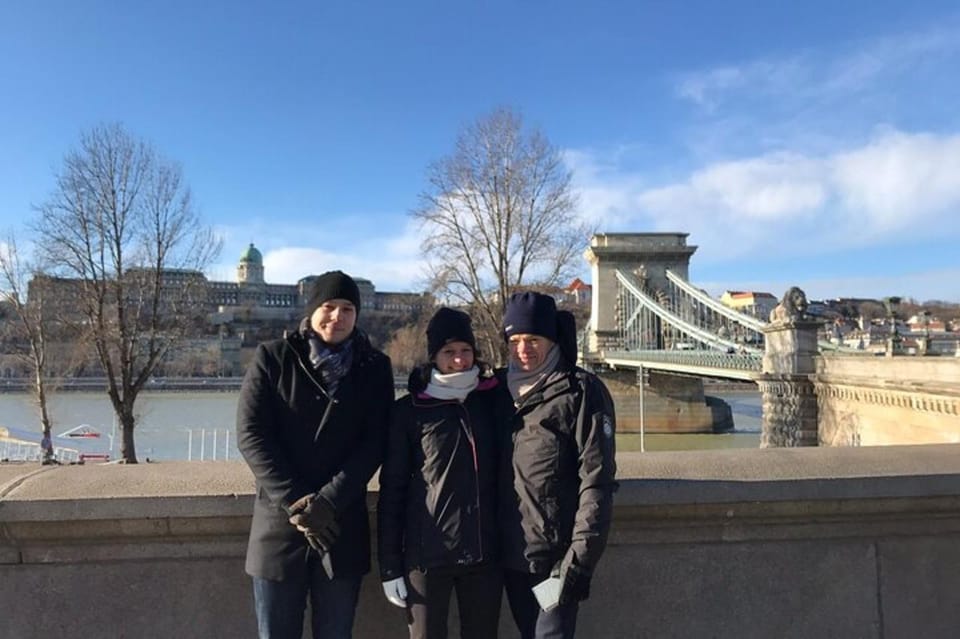
From the Parliament-and-bridge energy, the route moves into Buda Castle, a palace complex that gives you a clear sense of Hungary’s royal and architectural footprint. This is one of the stops where a guided visit really matters, because the area can feel like a maze of courtyards and viewpoints. With a guide, you understand what’s worth your attention and what’s mainly there for getting between points.
Next comes Matthias Church, right in the heart of the Castle District. Roman Catholic churches can blur together on a fast schedule, but this one is easier to appreciate when someone explains what you’re seeing and why it looks the way it does. You’ll get guided time here, not just a quick glance from outside.
Then you get the payoff: Castle District viewpoints. Your guide helps you choose where to stand and how to time it so you get good sightlines without wasting energy. That’s key if you’re walking with limited daylight or you’re trying to keep the entire route comfortable.
St. Stephen’s Basilica and Fisherman’s Bastion: two kinds of wow
Next up is St. Stephen’s Basilica, a Roman Catholic basilica named for Hungary’s first king. The guided portion helps you see the church as more than a striking exterior. It’s the kind of stop where details matter—what the space is meant to represent, and why the city keeps centering this story.
After that, you head to Fisherman’s Bastion for panoramic views. This is where Budapest tends to become a postcard in real life. The trick is not just taking photos, but knowing what you’re looking at from above: river curves, buildings clustered below, and how the Pest and Buda halves relate to each other. A good guide will point out the big visual anchors so the view sticks in your mind after you leave.
If you’re short on time, Fisherman’s Bastion is worth prioritizing. You’ll feel the value of being on a structured tour here, because you’re not guessing how long to linger or which direction offers the best angles. Just be aware that viewpoint areas can involve uneven ground.
Liberty Square and Andrassy Avenue: the city’s style, not just its monuments

The route continues with Liberty Square, listed in the tour description as Liberty Square, Novi Sad. That label seems off geographically, but the practical takeaway is simple: you get a break from the highest-profile monuments and step into an area with a mix of public life and surrounding buildings. It’s a pause that helps you reset before the longer, stylish boulevard segment.
Then comes Andrassy Avenue, known for Neo-Renaissance mansions and townhouses along a grand boulevard. This is one of the stops where you’ll start seeing Budapest as a planned city, not just a set of famous landmarks. Your guide’s job here is to connect the architecture to what the area is and how it functioned historically—so you don’t just admire facades, you understand them.
Also, Andrassy Avenue is a good place to ask questions mid-walk. Your guide can tailor recommendations for what to do next based on your interests—architecture fans, museum people, and food-and-market walkers usually all get different suggestions.






Shoes on the Danube Bank: a memory stop handled with care
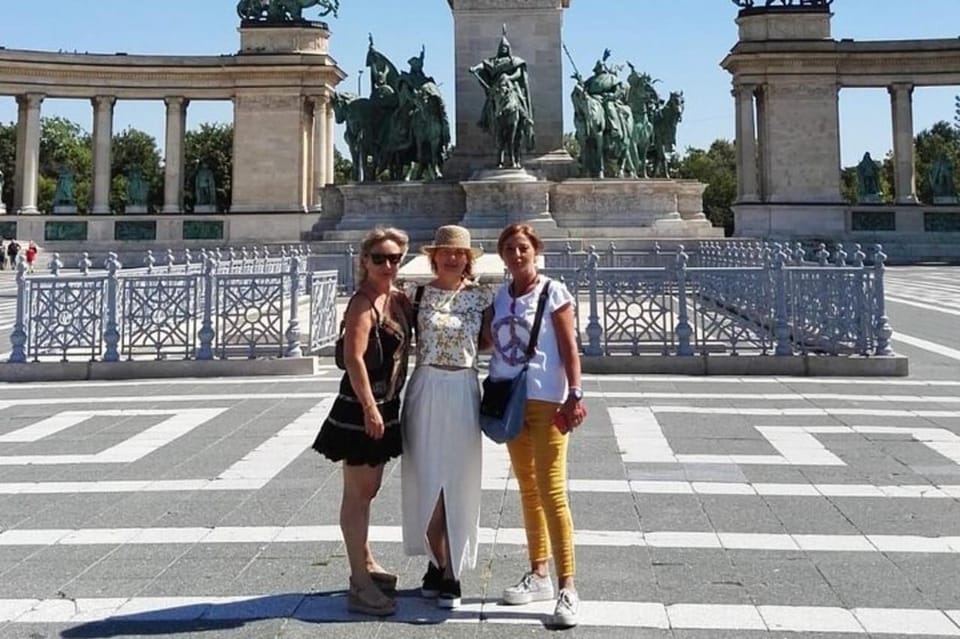
The tour finishes with the Shoes on the Danube Bank memorial, a poignant tribute to those who lost their lives during the Arrow Cross period. This stop is emotionally heavy, and it’s also one of the most important on the route because it grounds the day in something real rather than just scenery.
I appreciate tours that don’t rush this kind of site. If you take a moment here, you’ll understand why it stays in your mind longer than the view stops. A guide’s commentary matters because it frames what you’re seeing without turning it into a quick photo opportunity.
It’s also a practical moment to slow down. After hours of walking and sightseeing, the memorial gives you a chance to breathe, reflect, and then head back feeling like you truly experienced the city, not just passed through it.
Private, customizable, and timed well: value at about $35 for 3 hours
At $35 per person for a 3-hour private walking tour, the value depends on one big factor: you’re not splitting attention with strangers. Since it’s private and exclusive, you’re paying for a guide who can adjust pace and priorities to your needs. That can be a great deal in a city where many tours group people tightly and move quickly.
The tour also includes walking and public transport (with the note that it changes if you select an option that affects transport). That’s important because Budapest is sometimes easier when you don’t force every segment on foot. If the guide manages the route well, you spend your energy on the sights, not on endless transit decisions.
One more value piece: you get help from the team to book tickets for visits you want. You’re not left scrambling at the last minute, which is especially useful when you want entry to specific sites and you only have a short time in town.
What’s not included is straightforward: drinks or food. So if you’re the type who needs a planned meal break, you’ll want to add that separately after the tour.
Guides you might get: what their style signals for your day
One reason this tour earns strong marks is the guide quality. Names that come up include Ferenc Vass, Benjamin, Alix, and Anikó Dömötör. The consistent theme is clear communication and making the walk feel personal rather than scripted.
For example, Ferenc Vass is described as helping guests see the best points and acting as a photographer when asked. Benjamin is praised for packing in a lot of information and answering questions. Alix is noted for time spent explaining history and tailoring recommendations to preferences. Anikó Dömötör gets credit for being clear and precise.
You’ll get the most out of the tour if you go in with 2 or 3 interests. Tell your guide you care most about architecture, church interiors, views, or history and memory sites. With a private format, your guide can shift emphasis without making you feel like you’re off-script.
Should you book this Budapest highlights-and-corners walk?

Book it if:
- you’re in Budapest for the first time and want a tight, logical route
- you like having someone else handle timing and connections between sights
- you want a private guide who can customize your pace in 3 hours
Skip it (or pair it with something else) if:
- you want long museum time or food included
- you need a fully step-free experience beyond basic wheelchair accessible routing
- you dislike walking and climbing in Buda
FAQ
Where is the meeting point for the tour?
You meet your guide in front of Immaculata kegyoszlop. The tour is also associated with Szervita tér as the starting area.
How long is the walking tour in Budapest?
The duration is 3 hours.
Is the tour private?
Yes. It’s described as a private and exclusive tour, with no one else in your group. A private group option is also available.
What languages are offered for the live guide?
The live guide is available in English, French, Italian, and Spanish.
Does the tour include transportation?
Yes. The tour includes walking and public transport, except if you select an option that changes that portion.
What’s included and what’s not included?
Included features are the guided experience (private/customizable), walking and public transport (as noted), and help from the team to book tickets for desired visits. Drinks or food are not included.
Is there a cancellation policy?
The tour offers free cancellation up to 24 hours in advance for a full refund.
If you tell me your travel dates and what you care about most (views, churches, architecture, or history), I can suggest how to “steer” the customization so the 3 hours fit you perfectly.