Synagogues and memory, side by side. This private half-day walk through Budapest’s Jewish quarter is timed for impact: major sites, quiet synagogues, and the Danube memorial, explained by a real guide. You’ll get hotel pickup, smart transit planning, and a route that makes it hard to miss what matters.
Two things I especially like: the chance to see landmark places like the Great / Central Synagogue (Nagy Zsinagóga) alongside the smaller orthodox spaces, and the way the guide ties architecture, community life, and tragedy into one clear story. Another plus is that you’re not trapped in a museum-only visit; you also get the feel of District VII with its local art and modern life.
One possible drawback: several key stops have admission tickets not included, so your final cost can creep up depending on what you choose to enter and the timing of any reconstruction work.
In This Review
- Key things to know before you go
- District VII with a guide: how this tour really works
- The guide’s role: György Rashad Salamon’s storytelling style
- Stop 1: Great / Central Synagogue (Nagy Zsinagóga) and the memorial complex
- Stop 2: Hungarian Jewish Museum and Archives for artifacts with real stories
- District VII walking: local art, ruin bars, and the neighborhood’s pulse
- Stop 4: Kazinczy Street Synagogue for a quieter, orthodox view
- Stop 5: Rumbach Street Synagogue, with reconstruction in mind
- Stop 6: Shoes on the Danube Bank memorial and the route to it
- Price and value: what $272.20 per group buys you
- Logistics that affect your comfort (and photos)
- Who should book this Jewish Heritage tour
- Should you book this tour? My straight answer
- FAQ
- How long is the Budapest Jewish Heritage Tour?
- What does the tour cost, and how big is the group?
- Is hotel pickup included?
- Are admission tickets included for the synagogues and museum?
- What language is the tour offered in?
- What kind of activity level should I expect?
Key things to know before you go
- Private group size up to 10 means the pace can stay human, not rushed.
- Hotel pickup + public transport helps you cover ground without guessing routes.
- Great Synagogue and major memorials give you the emotional and historical center of the story.
- Jewish Museum and Archives includes artifacts like the world’s oldest Torah finial.
- Rumbach Street Synagogue is under reconstruction, so expect limited access or changes.
- Shoes on the Danube Bank is included and free, but it hits hard—bring your quiet brain.
District VII with a guide: how this tour really works
Budapest’s Jewish quarter isn’t just a location on a map. It’s a living neighborhood that holds centuries of community life, and also the scars of persecution. This tour is designed to move you through both sides of that reality: big monuments and smaller places where everyday practice once unfolded.
The route runs about four hours and starts at 2:30 pm. You’ll walk parts of the day and use public transport for the segments where Budapest makes you work for every step. With pickup offered, you avoid the common first-day problem of standing around and trying to coordinate meeting points.
The tour is private for your group, with a cap of up to 10. That matters because the guide can answer questions as you go, and you’re less likely to get stuck listening to the same script for every person at every stop. The tour is offered in English, and you’ll get a mobile ticket to help you keep things simple.
You can also read our reviews of more historical tours in Budapest

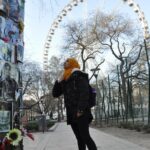

The guide’s role: György Rashad Salamon’s storytelling style
This experience is led by György Rashad Salamon. In practice, what you feel is not just facts, but organization—how he links one place to the next so the neighborhood starts making sense fast. The tone stays serious where it needs to be, and the pacing keeps you from burning out after the first heavy stop.
In guides like this, you’ll notice two strengths right away: he meets you where you are and builds momentum en route, not only at the main attractions. One of the reviews also mentioned that he used the Metro to connect sites and viewpoints—so you don’t just travel, you learn while traveling.
If you like history explained in plain language, this is a strong match. If you want more of a museum lecture, you might still enjoy it, but the structure here is more like a guided walk that uses buildings and street-level details as evidence. You’ll likely come away with names, timelines, and a sense of geography that sticks.
Stop 1: Great / Central Synagogue (Nagy Zsinagóga) and the memorial complex
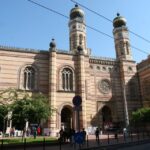
The tour’s first big anchor is Budapest’s Great Synagogue on Dohány Street, known as the world’s second largest synagogue. This isn’t only about size or architecture. Your guide turns the synagogue into a framework for understanding the community—how it stood as a center of worship and identity.
Expect about an hour here, and plan for ticket logistics. Admission isn’t included, so you’ll want to budget extra if you go inside the exhibitions and memorial areas. The synagogue complex includes major elements such as the Holocaust Memorial, the Cemetery of Heroes, and the Tree of Life with the Wallenberg Memorial Park. Even if you only spend time where you’re most drawn, the guide helps you connect each part to the overall story.
The practical value: this first stop sets tone and context so the rest of District VII stops don’t feel like separate attractions. The drawback is straightforward—after an emotional and moving site, you’ll want to keep pace at the right speed rather than rushing to the next place.
Stop 2: Hungarian Jewish Museum and Archives for artifacts with real stories
Next up is the Hungarian Jewish Museum and Archives, usually a shorter stop of around 30 minutes. This is where the tour can feel especially satisfying if you like objects and not only architecture.
You’ll see a unique collection of Jewish artifacts, including the world’s oldest Torah finial. That kind of detail matters because it pulls the story away from only tragedy or only famous buildings. It shows continuity—craft, tradition, and meaning carried through generations.
Admission isn’t included here either. If you’re trying to control costs, decide early whether you want maximum museum time or a quicker look with more time on the streets and synagogues. The guide’s job is to help you choose intelligently, since the schedule doesn’t leave a lot of wiggle room.
District VII walking: local art, ruin bars, and the neighborhood’s pulse
After the museum, you’ll shift into the streets of District VII, the Jewish Quarter and a World Heritage site. This part is where Budapest surprises people who expect only monuments. You get the mix of old and new life: local art scenes, eclectic boutiques, avant-garde galleries, and plenty of places to eat.
Your walking time here is about an hour, and admission is free for this stop. That makes it a smart use of your paid tour hours—you’re paying for interpretation, not for another ticketed building.
Here’s what I think you’ll appreciate: the guide connects what you see (street layout, neighborhood vibe, the way people use public spaces) to what happened historically in the same area. District VII is not frozen in time. It’s lived-in, and the tour helps you notice the layers instead of treating the past like a background photo.
If you prefer open-air experiences and you like wandering a bit, this section will feel like the payoff. If you’re only here for the most famous synagogue interiors, you might wish for more time in ticketed sites—but the balance is part of the value.






Stop 4: Kazinczy Street Synagogue for a quieter, orthodox view
Kazinczy Street Synagogue is a different flavor from the Great Synagogue. You’ll visit the smaller orthodox community space and see daily life habits and customs through what the guide points out during your time there.
It’s a shorter stop—around 20 minutes—and admission isn’t included. The payoff is that you don’t leave the day thinking all Jewish history in Budapest lives only in grand monuments. You get a sense of lived practice and the importance of community routines, even when the space is small and calm.
The consideration is simple: because the visit is brief, arrive mentally ready. If you’re the type who reads every plaque slowly, you might feel the time pinch. Still, for most people, the guided framing makes the minutes feel well spent.
Stop 5: Rumbach Street Synagogue, with reconstruction in mind
The next stop is the Rumbach Street Synagogue, described as the last synagogue in the Jewish Triangle. This is where you should go with flexible expectations.
At the moment, it’s under reconstruction. That means access, viewing areas, or the overall feel may differ from what you might expect from an operational synagogue. Your guide’s value here is being able to adjust in real time and explain what you can and can’t see.
It’s about a 15-minute stop, again with admission not included. If you’re sensitive to disappointment, this is the one part of the route that can feel a bit less satisfying than the others. Still, even partial access can be useful when the guide explains the synagogue’s place in the broader map of Jewish life in the quarter.
Stop 6: Shoes on the Danube Bank memorial and the route to it
The closing landmark is Shoes on the Danube Bank, one of the most recognized memorials in Budapest. This stop is free, and it’s short—about 15 minutes—but it packs a heavy emotional punch.
The guide explains the story behind the monument and the tragedy connected to those riverbank shootings. The design choice—empty shoes—turns history into something you can actually picture. It’s the kind of stop where talking softly feels normal, even if you’re traveling in a group.
You’ll also spend time traveling toward the river area. One review specifically mentioned going via the Metro and catching viewpoints toward Parliament building along the way. You shouldn’t count on a long sightseeing detour, but the transit segment can give you a useful connection between the memorial and the broader city skyline.
Practical tip: keep a calm pace around this stop. Don’t plan to rush for photos immediately. If you want a meaningful visit, give yourself a few minutes of quiet attention.
Price and value: what $272.20 per group buys you
The price is $272.20 per group, up to 10 people, for roughly four hours. That might sound high if you’re comparing it to a single ticket attraction, but it’s more useful to compare it to what you’d pay for entry fees plus a guide plus the logistics of pickup and transport.
What’s included: you get a local/pro guide, hotel pickup, and transportation tickets, plus a mobile ticket. What isn’t included: admission tickets for parts of the tour. That includes at least the Great Synagogue and the Jewish Museum and other synagogue stops where ticketing applies.
So the value calculation is really simple:
- If you plan to enter the ticketed sites, the guide and logistics make the price easier to justify.
- If you only want a quick exterior look and skip most ticketed areas, you might feel like you’re paying more for interpretation than for access.
For most people, the sweet spot is doing what the tour is designed for: enter the major synagogue and museum areas and then let the guide carry you through the rest of the neighborhood. The private format also matters. With up to 10 people, you’re not fighting for space or getting steamrolled by other schedules.
Logistics that affect your comfort (and photos)
This tour involves walking and public transport, and the tour notes a moderate physical fitness level. You’ll want comfortable shoes. You’ll also want to dress for weather and keep your layers ready because Budapest can change its mood quickly.
The meeting point is flexible via pickup, and start time is 2:30 pm. Because the tour includes public transport, you’ll spend less time calculating routes and more time with the guide. That’s a real value if you’re traveling with anyone who prefers not to navigate subways under pressure.
If you’re the type who likes to take photos, you’ll have a mix of interiors and outdoor memorial space. The Shoes on the Danube stop is brief, so plan your photo timing carefully. Also remember that some areas may have restricted access during reconstruction at Rumbach Street Synagogue.
Who should book this Jewish Heritage tour
Book it if you want:
- A guided, organized route through District VII that connects major synagogues, a museum, and a key memorial
- A private group experience with a guide who can answer questions as you go
- A serious tone with context, not just surface-level sightseeing
It’s also a good fit if you’re visiting Budapest for the first time and want a strong historical anchor. Even if you have no background, the guided structure helps you build a mental map quickly.
Consider other options if:
- You want a totally casual, low-emotion walk with lots of free time to wander
- You dislike ticket add-ons, since multiple stops require separate admission
- You’re hoping for full access at every synagogue interior, given the current reconstruction at Rumbach Street Synagogue
Should you book this tour? My straight answer
Yes, if you want a clear path through Budapest Jewish heritage that mixes landmark sites with neighborhood life. The price makes more sense when you actually plan to enter the ticketed areas, and the private format keeps the experience focused instead of chaotic. The strongest reason to book is the way the guide ties places together, so the Jewish Quarter stops feel connected rather than random.
If you’re budget-sensitive, you can still make it work—just decide ahead of time which ticketed interiors you want and accept that some stops are shorter by design. The end result is a half-day that gives you both context and meaning, not just photos.
FAQ
How long is the Budapest Jewish Heritage Tour?
The tour lasts about 4 hours.
What does the tour cost, and how big is the group?
It costs $272.20 per group, up to 10 people.
Is hotel pickup included?
Yes. Hotel pickup is included.
Are admission tickets included for the synagogues and museum?
No. Admission tickets are not included for stops such as the Great Synagogue and the Hungarian Jewish Museum and other synagogue visits. Some parts like the District VII walk and Shoes on the Danube Bank are free.
What language is the tour offered in?
The tour is offered in English.
What kind of activity level should I expect?
The tour involves walking and public transport and is listed as moderate physical fitness.