REVIEW · BUDAPEST
Budapest: Buda Castle District Walking Tour with a Historian
Book on GetYourGuide →Operated by Budapest Explorers · Bookable on GetYourGuide
Castle views start with one stubborn hill. This Buda Castle District walking tour pairs a real historian’s stories with the main sights of Buda—so the place stops feeling like postcard wallpaper and starts feeling like a timeline you can walk through. You’ll visit Matthias Church with live commentary and then keep moving across the castle hill for major viewpoints.
Two things I really like: first, the tour turns architecture into something you can understand fast, especially at Matthias Church. Second, the route times in key viewpoints like Fisherman’s Bastion, so you’re not just seeing the river—you’re seeing why it matters. For me, that’s the difference between wandering and learning.
One consideration: most of the walk is outdoors, and you’ll be on cobblestones and ramps in hill country. If the weather turns nasty, bring a real umbrella or rain jacket, because you’ll be out there.
In This Review
- Key Things That Make This Tour Worth Your Time
- Budapest’s Old Core: Why Buda Castle Feels Different
- The 2.5-Hour Plan: What You Actually Do and When
- Matthias Church: The 45-Minute Stop You’ll Remember
- Fisherman’s Bastion: Views That Make Pest Make Sense
- András Hadik to the Castle Courtyards: Storytelling With Structure
- Castle Hill Funicular Stop: Using the Hill, Not Fighting It
- Fountain of King Matthias and Savoyai Terrace: Pretty Stops With Purpose
- The Coffee Stop: Small Break, Big Payoff on a Hill Walk
- Price and Value: Is $63 a Good Deal Here?
- The Guide Makes It: Names I Noticed in Real Groups
- Weather Reality: Rain Plan and What to Bring
- Who This Tour Fits Best
- Should You Book This Buda Castle Historian Tour?
Key Things That Make This Tour Worth Your Time
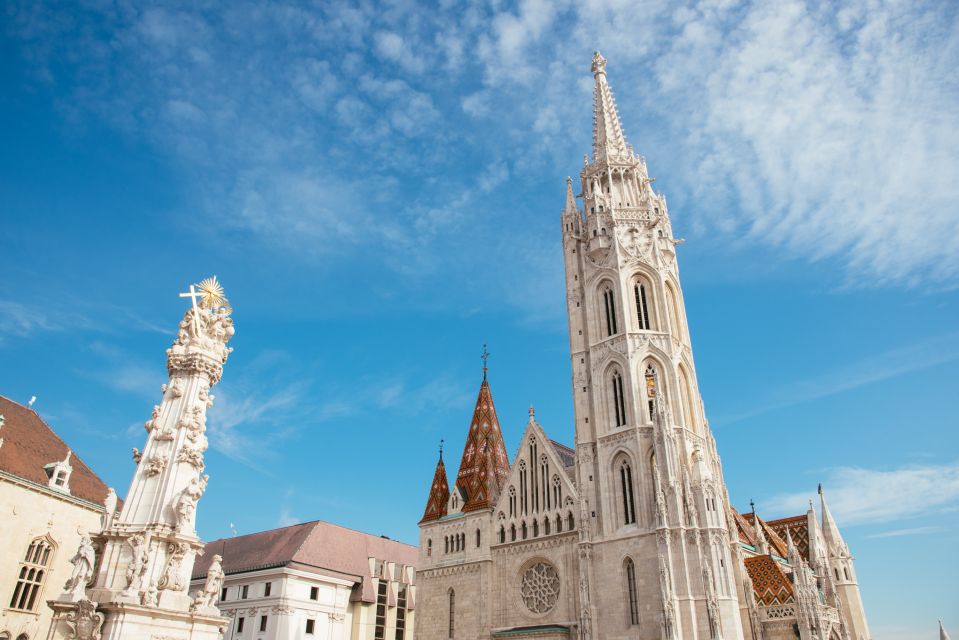
- Matthias Church with live commentary and a ticket included, so you’re not stuck reading plaques in silence
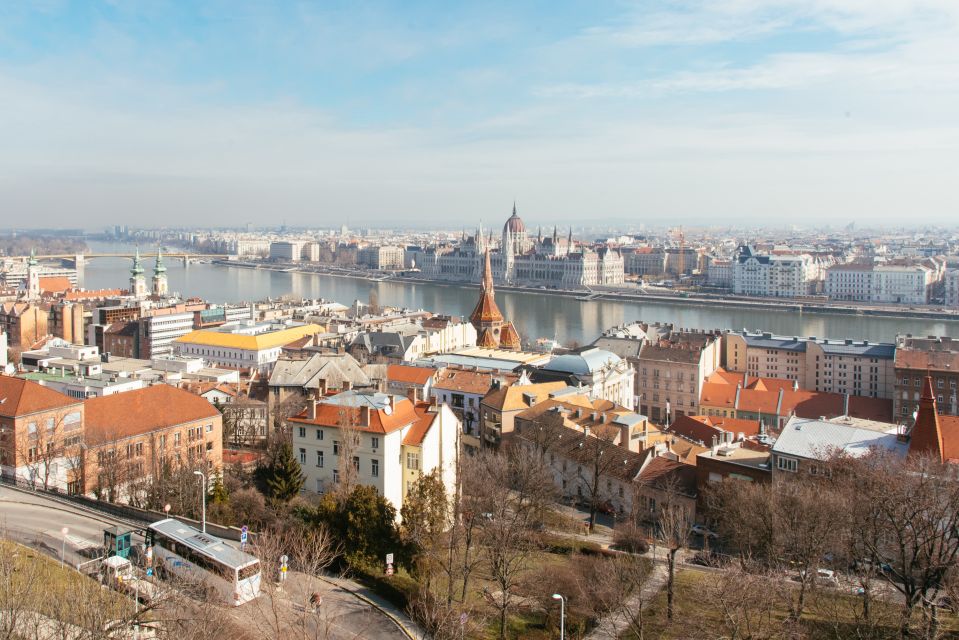
- Fisherman’s Bastion photo time with views toward Pest and the Parliament area
- A route that strings together Middle Ages to WWII in plain language, not textbook dumping
- Stops built around major castle-hill landmarks like the Royal Palace area, King Matthias Fountain, and Savoy Terrace
- A small “reset moment” with a coffee stop, which matters on a climb day
Budapest’s Old Core: Why Buda Castle Feels Different
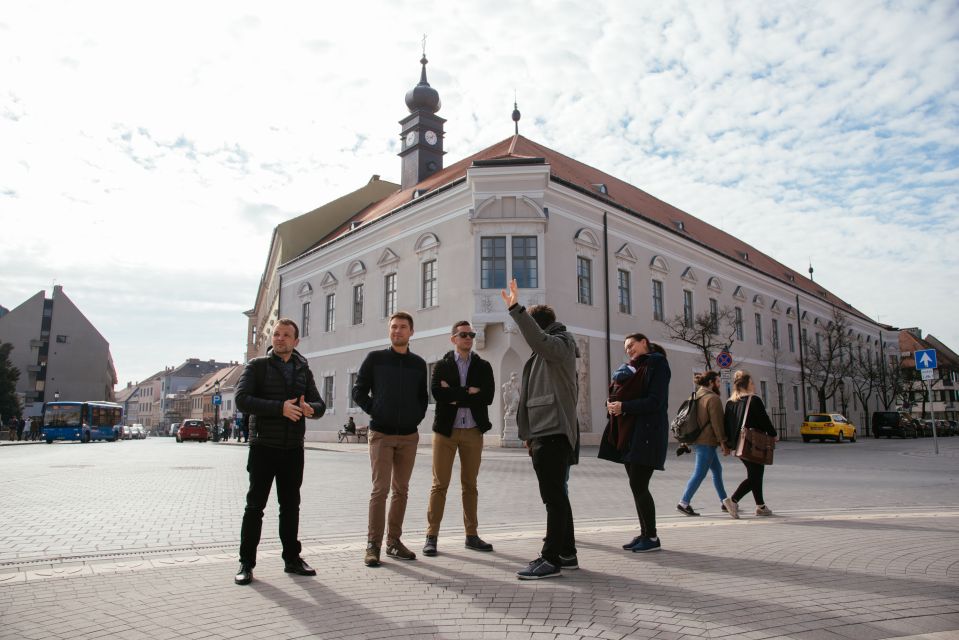
Budapest splits into two moods: the flat, lively side (Pest) and the higher, older side (Buda). Buda Castle is where you see that history stacked on top of itself—church to palace, royal power to wartime damage, then modern Budapest looking back at it all.
The big value of this tour is that you’re not just collecting sights. You’re getting a storyline that connects why these buildings sit where they sit, and why the city’s shape matters. Even if you’ve seen pictures before, the hill geometry and the layered streets change how the whole area “reads.”
This is also a good first-guided stop for your trip. If you start here, later landmarks make more sense. You’ll know what you’re looking at instead of guessing.
You can also read our reviews of more walking tours in Budapest



The 2.5-Hour Plan: What You Actually Do and When

This tour runs about 2.5 hours, and it’s paced like a guided walk should be: enough time to look, enough time to listen, and not so long that you fade halfway through.
A helpful way to think about the timing is this:
- You start with the key anchor point near Szentháromság tér (Holy Trinity column area).
- You spend the longest single block at Matthias Church (45 minutes).
- After that, you move along the hill with shorter stops that keep energy up and photos easy.
- The tour ends around Budavári Palota (Buda Castle/Palace area finish).
You’ll also hear live commentary at Matthias Church and you’ll get “why this place” context as you go, not just “what this place is.”
Matthias Church: The 45-Minute Stop You’ll Remember
If you only do one indoor moment on Castle Hill, make it Matthias Church. This tour gives you entrance and live commentary, plus skip-the-ticket-line. That combination matters because Matthias Church can get crowded, and you don’t want to spend your best light waiting.
What makes this stop special is not just the size of the church. It’s the details. The guide’s job here is to point you toward what to notice: how the church ties into royal power and city identity, and what the building communicates visually.
One very common reason people light up during this visit is the chance to hear organ music while you’re inside. I can’t promise it on every day, but it’s the kind of moment that fits the setting so well that when it happens, you’ll feel it.
Tip for your enjoyment: when you enter, take a quick look overhead and around first, then let the guide talk. You’ll follow better because you’ve already “mapped” the space with your eyes.
Fisherman’s Bastion: Views That Make Pest Make Sense
After church, you shift from ornate interiors to open-air panoramas. Fisherman’s Bastion is your photo stop, about 15 minutes. It’s short by design, because the whole point is views—not lingering in a crowd.
Here’s what you’re looking for:
- The angle toward Parliament and the Pest side
- The way Buda’s high ground gives you a different city perspective than the riverfront
This stop is worth it even if you’ve seen photos before, because you’ll learn where the sightlines lead and why the city looks the way it does from this height.
Practical note: bring your phone charger mindset. This is one of those places where you’ll want photos, then want to keep listening. Try to take your “must-have” shots early in the 15 minutes.
András Hadik to the Castle Courtyards: Storytelling With Structure
Your next stretches connect the hill’s famous corners to less-famous context. You’ll pause by the Equestrian Statue of András Hadik and then move into time around the Buda Castle area.
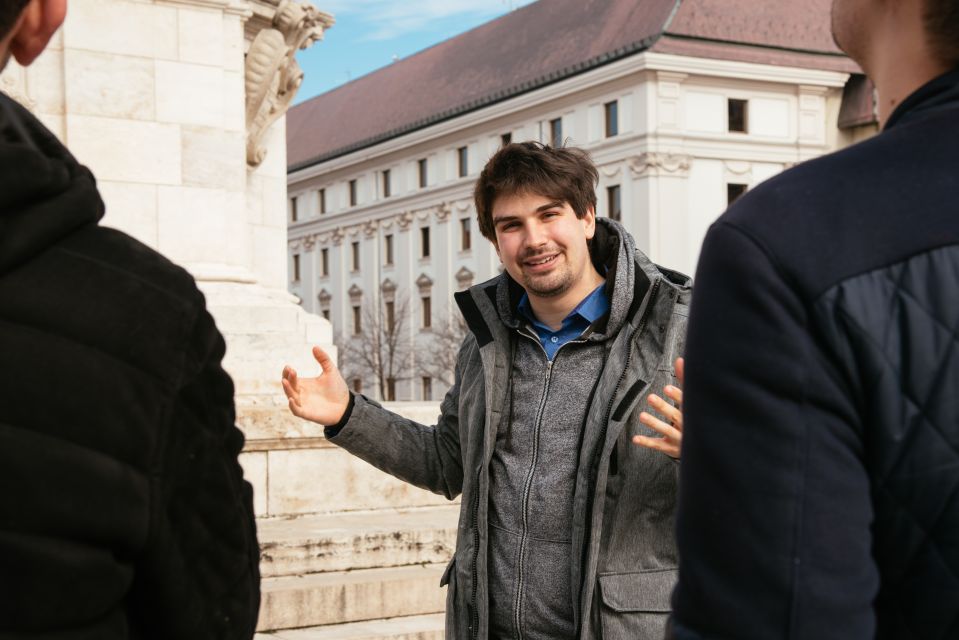
The guide’s storytelling style is the key difference here. You’ll hear how the area shifts from the Middle Ages forward through later periods, including World War II, rather than treating each stop like a separate trivia card.
What I like about this part of the tour is how it balances:
- Big-picture events (what changed, who held power)
- Small but meaningful details (why certain places matter for how Budapest grew)
One review detail that matches what I’d advise: if you’re the type who likes asking questions, this is the part where you’ll benefit most from a guide who actually welcomes them.
Potential drawback: if the castle courtyards are under restoration or scaffolding on your day, you may not get the exact “wow” view you expected. The historical framing still lands, but the visuals can be partly obscured.






Castle Hill Funicular Stop: Using the Hill, Not Fighting It
The itinerary includes time at the Budapest Castle Hill Funicular (around 15 minutes of sightseeing). Even if you’re not riding it for the whole experience, this stop helps you understand how Budapest handles its steep terrain—because walking every switchback foot-to-foot would be a lot, and the city knows that.
For visitors, this is a smart moment in the day:
- You get a practical feel for how locals move
- You see the hill infrastructure that shapes the district’s layout and views
My advice: wear grippy shoes. Cobblestones plus slopes can turn “short walking tour” into “leg workout.” You’ll enjoy the viewpoints more if you’re not busy fighting traction.
Fountain of King Matthias and Savoyai Terrace: Pretty Stops With Purpose
Two of the tour’s most photogenic moments also carry interpretive value.
First, the Fountain of King Matthias (about 15 minutes). This isn’t just a nice statue-photo moment. The guide uses it to connect royal symbolism with the way modern Budapest presents itself. It’s a good reminder that art and monuments are often political, not just decorative.
Then you head to Savoyai Terrace for photo time, plus guided explanation and sightseeing (about 15 minutes). Savoy Terrace is where the views and the design meet: you’re up high, you’re looking out, and the guide helps you connect what you’re seeing back to the castle district’s identity.
What to watch for: don’t rush your photos. Spend a minute looking beyond the foreground view. The “center of the frame” is often less important than the background alignment you get from this terrace height.
The Coffee Stop: Small Break, Big Payoff on a Hill Walk
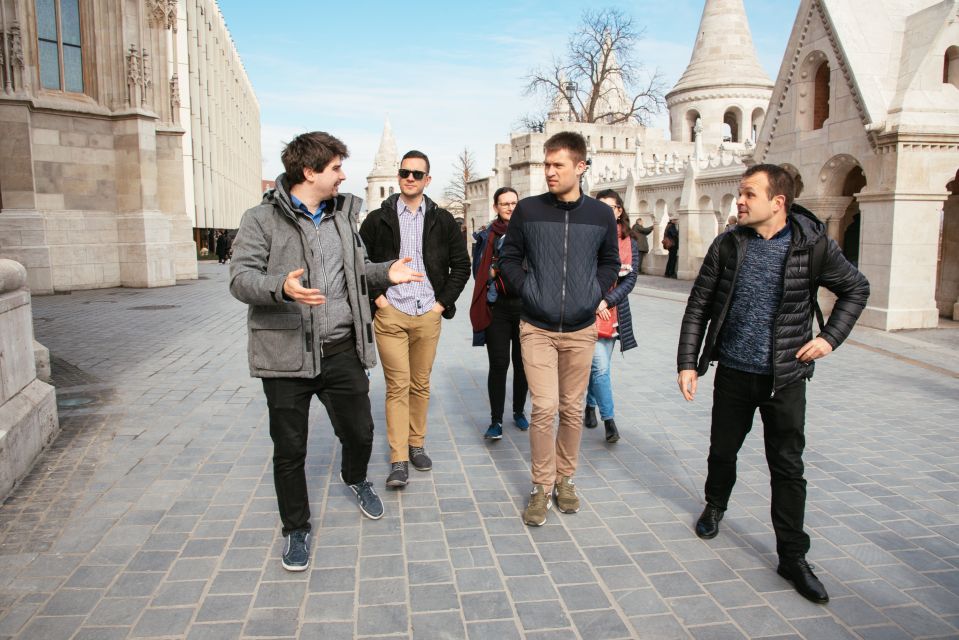
One of the underrated parts of a guided walk day is the reset moment. This tour includes a coffee stop as a bonus. On a hill district day, it does two things:
- It lowers your stress level so you can actually take in the story
- It gives you a chance to talk with your guide (and sometimes other group members) without rushing
In practice, it also helps with pacing. People often underestimate how quickly Castle Hill can drain your energy, even on a “just a walk” tour.
Price and Value: Is $63 a Good Deal Here?
At $63 per person for about 2.5 hours, this tour is priced like a history-focused walking experience, not a casual sightseeing stroll.
Where the value comes from:
- A professional English-speaking guide (not just a self-audio route)
- Entrance and live commentary in Matthias Church
- Skip the ticket line, which saves time in a popular interior
- A route that strings together major viewpoints like Fisherman’s Bastion and several castle-hill landmarks
If you were doing it on your own, you’d likely end up spending time piecing together context. You could read signage and guess connections, but the whole point here is that you’ll get the “why” while you stand in front of the “what.”
For first-timers, I think this is a solid value because it compresses a lot of learning into one efficient morning/afternoon window.
The Guide Makes It: Names I Noticed in Real Groups
A walking tour lives or dies on the guide’s energy and clarity. This tour has a strong reputation for engaging storytelling, and the guide roster shows up clearly in recent bookings.
You might be guided by someone like:
- Petra, described as engaging and very informative
- Monica, praised for knowledge and keeping things interesting even in tricky weather conditions
- Gábor, highlighted for historical detail and “lesser-known” insights
- Barika and Judit, both repeatedly credited with clear explanations and lively delivery
- Noemi, noted for interactive exchanges
- Dorit, recognized for making history feel enjoyable
What this tells me as a reader: you’re not just buying access to sites. You’re buying a person who can connect timelines and answer questions without turning the tour into a lecture.
My practical suggestion: stand where you can hear in crowded stops, especially near viewpoints. On busy days, you’ll get more out of the commentary if you’re not stuck at the back.
Weather Reality: Rain Plan and What to Bring
This is mostly outside, so plan like a local: bring an umbrella or a rain jacket. If conditions get bad, the itinerary can shift toward more indoor locations.
Translation: don’t assume a perfect day. Dress for walking on uneven ground in cool, damp air. If you go in expecting weather changes, you’ll stay comfortable and enjoy the guide’s adaptations.
Who This Tour Fits Best
This is a great match if you:
- Want the main sights of Buda Castle District but also want context
- Like history explained in a logical sequence, not random facts
- Plan to do other areas later in Budapest and want Buda to anchor the rest of your trip
- Prefer a live guide over self-guided wandering, especially at Matthias Church
It’s also a smart choice for your first visit, when you still need mental maps.
If you hate walking on hills or you want long unstructured time in a single place, you might find the pacing more “guided” than “slow.” But for most visitors, the 2.5-hour structure is exactly right.
Should You Book This Buda Castle Historian Tour?
Yes, I’d book it if your goal is to understand what you’re seeing on Castle Hill. The combination of Matthias Church with included entrance and live commentary, multiple landmark stops, and viewpoint time at Fisherman’s Bastion makes it a strong first-guided experience.
Skip it only if you want to spend hours inside specific buildings by yourself or you’re very sensitive to outdoor walking in changeable weather. Otherwise, this is one of those Budapest experiences that turns a “pretty area” into something that sticks with you.