REVIEW · BUDAPEST
Budapest: Wine, Cheese, and Charcuterie Tasting
Book on GetYourGuide →Operated by Taste Hungary · Bookable on GetYourGuide
Tokaj sweet wine steals the show here. This Budapest wine tasting is a tight, sommelier-led 1.5 hours where you sample five Hungarian wines with an annotated guide to Hungary’s wine regions and styles, finishing with Tokaj sweet wine.
One thing to think about up front: the $50 price covers the tasting itself, so you’ll need extra food elsewhere if you’re arriving hungry or want a full meal.
In This Review
- Key things worth circling on your Budapest list
- How the 90 Minutes at Taste Hungary Actually Feels
- Budapest’s Wine Crash Course: What You’ll Learn While You Taste
- The Wine Lineup: How the Order Helps You Taste Hungary
- Cheese and Charcuterie Pairings That Make Sense (Not Just Random Meat)
- Bread and Artisan Oils: The Quick Way to Reset Your Palate
- Meeting Point in District VIII: Central, Walkable, and Easy to Pair With Sightseeing
- Price and Value: What $50 Gets You (and What It Doesn’t)
- Your Sommelier: The Human Factor That Makes It Work
- Who This Wine and Food Tasting Fits Best
- Should You Book Budapest: Wine, Cheese, and Charcuterie?
- FAQ
- What is the duration of the Budapest wine tasting?
- How many wines are included?
- Does the tasting include food?
- Is there a sweet wine included?
- Where is the meeting point?
- Is the tour offered in English?
- Is there an age limit?
- How much does it cost?
- Can I cancel for a refund?
- Are there days and times it runs?
Key things worth circling on your Budapest list
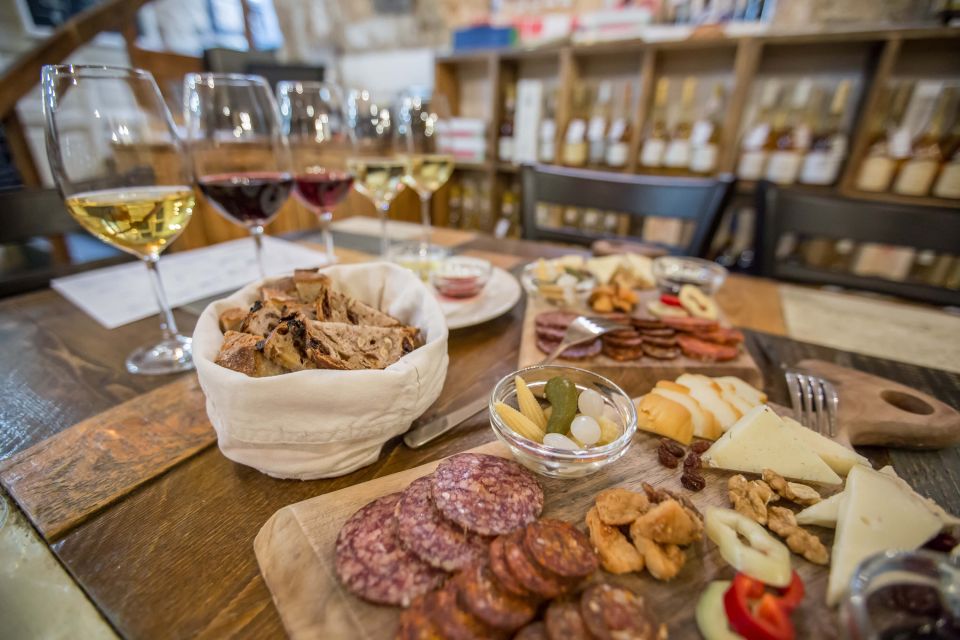
- Five glasses, not tiny sips: you get full pours across the lineup
- Tokaj sweet wine is the closer and a key part of Hungary’s story
- Cheese and charcuterie pairs are built around the wines (not random snacks)
- Bread plus artisan oils show up too for a different flavor angle
- Annotated tasting sheets with a map help you remember what you liked
- English-speaking sommeliers keep it relaxed and interactive
How the 90 Minutes at Taste Hungary Actually Feels
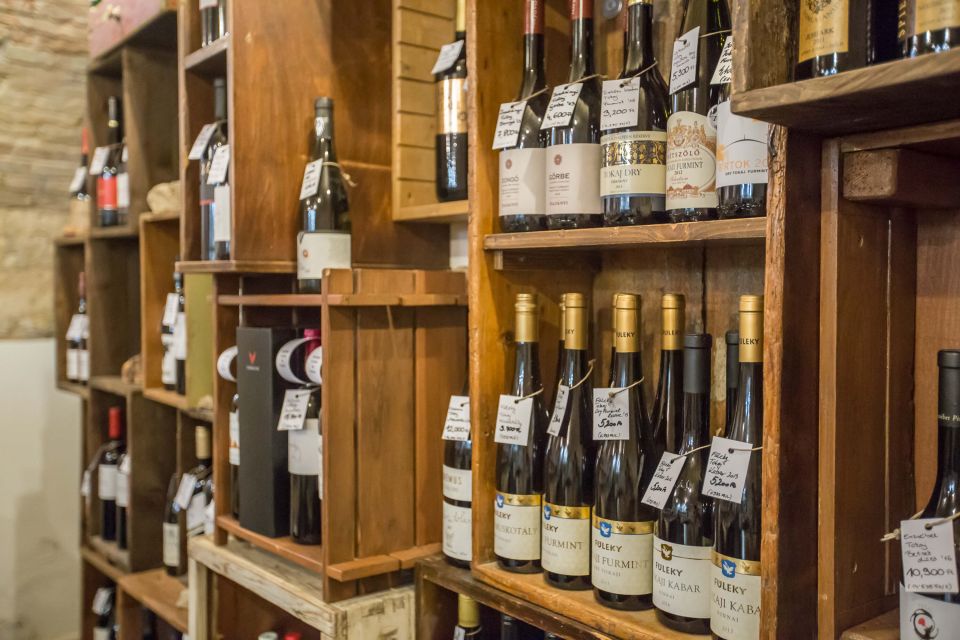
This is the kind of wine experience that works well on a day you already plan to explore central Budapest. You’re not bouncing between multiple venues. Instead, you settle in at a tasting room and spend about 1.5 hours learning and sampling at a steady pace.
Expect a seated setup with a sommelier guiding the whole flow. The best part is that the tasting isn’t just about drinking. You’ll get context while you taste, with tasting sheets you can take notes on, plus a map of Hungarian wine regions so the varieties and styles stick in your head.
It also tends to feel social without turning into a loud party. People often come in pairs, and the format gives you plenty of chances to ask questions as the flavors shift from wine to pairing to bread and oils.
You can also read our reviews of more food & drink experiences in Budapest
Budapest’s Wine Crash Course: What You’ll Learn While You Taste

The theme here is Hungary, not “European wine in general.” The sommelier’s focus is on indigenous Hungarian grape varieties and local styles, which is exactly what makes this more interesting than a standard wine flight.
Here’s the practical value for you: after this tasting, you’ll be able to order with more confidence. Instead of saying “I want a white,” you’ll start recognizing terms like the regions and styles that matter in Hungary, and you’ll know what kind of sweetness or structure to look for.
The lineup includes five fine Hungarian wines, and the final pour is a glass of sweet wine from Tokaj. Tokaj is one of the world’s big sweet-wine names, and making it the closer is smart: it shows you the contrast after tasting drier reds and whites. You also get a direct sense of why Tokaj sits at the top of Hungary’s reputation.
And because the tasting is annotated, you’re not just guessing. You’re following the “why” behind each wine, including how Hungary’s wine story connects to the regions and varieties you’re tasting.
The Wine Lineup: How the Order Helps You Taste Hungary
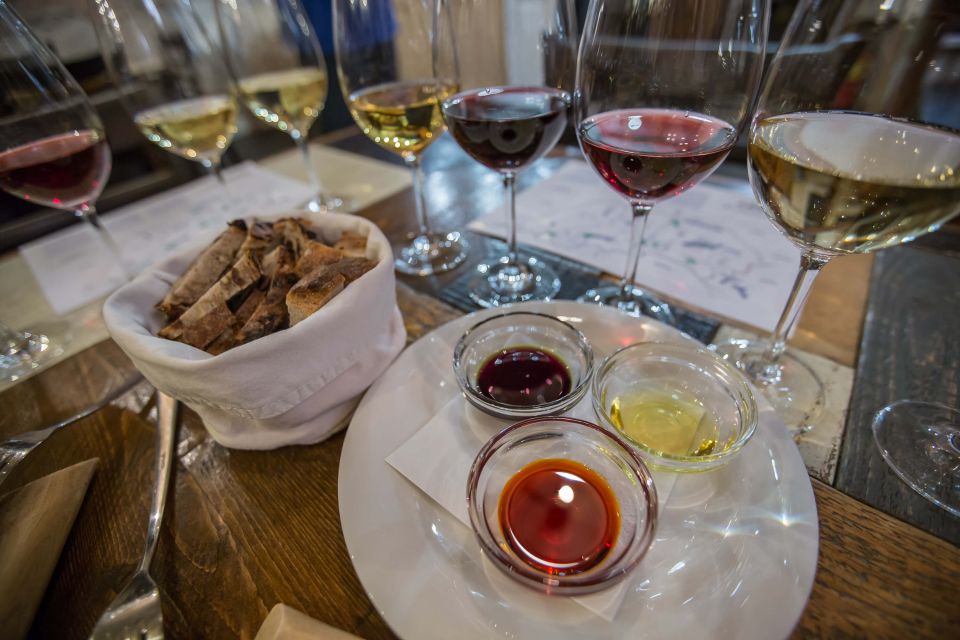
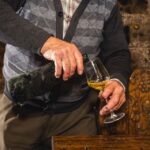
You’ll taste five glasses of Hungarian wine, paired to match what comes before and after. You can expect a spread across styles, since the tasting is designed to give you a broad overview of major regions, important varieties, and current trends.
Even if Hungarian wine is new to you, the structure matters. You’re tasting enough to notice patterns. For example, you’ll have time to pick up on differences in aroma and flavor as the lineup shifts, and you’ll learn how sweetness can change the pairing logic.
One specific detail that matters: Tokaj sweet wine is the final glass. If you’re someone who usually ends a tasting with something dessert-like, this will feel natural. If sweet wine isn’t your thing, you still get to compare your reactions at the end, when the palate is primed for richness.
Cheese and Charcuterie Pairings That Make Sense (Not Just Random Meat)
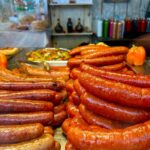
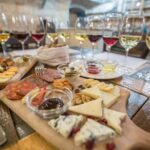
The food isn’t an afterthought. You’ll get a cheese and charcuterie board sourced from producers, and it’s built around Hungarian specialties rather than generic “cheese shop” items.
From the tastings described, you might run into items such as:
- Mangalica pork sausages
- Free-range water buffalo salami
- Smoked duck breast
- Grey beef sausage
- Several styles of cheese
Here’s why this pairing style is smart for you: Hungarian wine can be expressive in ways that benefit from fat, smoke, and salt. If you’ve ever tasted a wine and felt like it was missing something, the right cheese or cured meat often gives your palate that missing cue.
I also like that the tasting includes more than meat. Different cheeses let you compare texture and flavor intensity, which helps you understand what you genuinely enjoy rather than what just “tastes good with wine.”
And the overall amount is meaningful. People note that the tasting portions feel substantial, especially for the price point, and that the board keeps up with the wine pacing.
Bread and Artisan Oils: The Quick Way to Reset Your Palate
A lot of wine tastings skip the supporting cast. This one doesn’t. You’ll taste bread and artisan oils alongside the wines.
This small detail helps you in a real way. Bread gives you a neutral base so you can recalibrate between pours. Artisan oils add another flavor dimension, which makes it easier to notice how acidity, sweetness, and tannins interact with fat and aromatics.
If you’re the type who wants to learn how to taste—rather than simply drink—bread and oils are a practical tool. They turn the tasting into more than a straight “sip and swallow.” You start paying attention to how each wine changes after a different kind of bite.
You can also read our reviews of more wine tours in Budapest

Meeting Point in District VIII: Central, Walkable, and Easy to Pair With Sightseeing
You’ll meet at The Tasting Table Budapest, located at Bródy Sándor utca 9, District VIII. It’s about 150 meters from the National Museum, and it’s a short walk from Astoria (M2) and Kálvin tér (M3).
That matters because Budapest is best when you don’t waste time on awkward transfers. This location is convenient for starting your afternoon plan around the museum area, or for tucking the tasting into a day when you’re already near major transit.
If you’re using trams, 47 and 49 also stop at Astoria and Kálvin tér, so you can keep things simple even if you’re bouncing between neighborhoods.
Price and Value: What $50 Gets You (and What It Doesn’t)
At $50 per person for 1.5 hours, this pricing makes sense if your goal is learning plus multiple tastings, not just a snack with wine.
You’re getting:
- 5 glasses of Hungarian wine
- A local cheese and charcuterie plate
- Bread and artisan oil
- Tasting sheets with a map
What’s not included is anything extra beyond the tasting. So if you want a full meal, plan to eat before or after. The experience is designed to be complete inside that window, but it’s still a tasting, not a dinner.
One more value point: you may have a chance to buy bottles you enjoyed. Some people mention taking a bottle home. Even if you don’t buy anything, that “try first, then decide” mindset is a nice way to avoid impulse purchases that you later regret.
Your Sommelier: The Human Factor That Makes It Work
The experience is sommelier-led, and the personality of the guide clearly shapes the vibe. Names you might meet include Thomas, Bence, Sam, John/Jon, and Hashim, and the consistent theme is an engaging, humorous style paired with clear explanations.
That matters because Hungarian wine can be unfamiliar. If a guide leans too academic, it becomes a lecture. If they keep it too casual, you miss the point. Here, the tone described tends to be relaxed and interactive, with lots of room for questions—so you leave feeling like you learned something useful, not just finished a flight.
Also, people mention there’s no heavy pressure to buy, which makes the experience feel more comfortable. You can enjoy it on its own terms.
Who This Wine and Food Tasting Fits Best
This tasting is a great fit if:
- You want Hungarian wine, not a generic European overview
- You like guided pairings with cheese and charcuterie
- You’re curious about Tokaj sweet wine and the history behind it
- You want a short, structured activity that doesn’t derail your sightseeing schedule
It’s less ideal if:
- You’re looking for a long, sit-down meal format
- You don’t drink wine at all, since the core of the experience is built around five wines
- You’re traveling with anyone under 18 (the tasting is not suitable for children under 18)
If you’re on a couple’s trip or traveling with a friend who wants something different from museums, this one hits a nice balance: culture, flavors, and an easy timeline.
Should You Book Budapest: Wine, Cheese, and Charcuterie?
Book it if you want a focused way to understand Hungarian wine in one afternoon. The mix of five glasses, a Tokaj sweet wine finale, and serious pairing food gives you a real sense of what Hungary tastes like, not just a sampling gimmick.
Skip it only if you’re mainly shopping for atmosphere over tasting, or if you’re already overwhelmed with wine options and prefer something more hands-off. For most visitors, this is a smart use of time because it’s compact, guided, and centered on flavors you may not find easily elsewhere.
FAQ
What is the duration of the Budapest wine tasting?
The experience lasts about 1.5 hours.
How many wines are included?
You’ll taste 5 glasses of Hungarian wines.
Does the tasting include food?
Yes. You’ll get a cheese and charcuterie plate, plus bread and artisan oil.
Is there a sweet wine included?
Yes. The final wine in the lineup is a glass of sweet wine from Tokaj.
Where is the meeting point?
Meeting point is The Tasting Table Budapest, Bródy Sándor utca 9, 1088 Budapest (District VIII).
Is the tour offered in English?
Yes, the live tour guide offers English.
Is there an age limit?
The legal drinking age in Hungary is 18, and the tasting is not suitable for children under 18.
How much does it cost?
The price is $50 per person.
Can I cancel for a refund?
Yes. It offers free cancellation up to 24 hours in advance for a full refund.
Are there days and times it runs?
It’s available on most days between 3:00 PM and 5:00 PM, depending on availability.