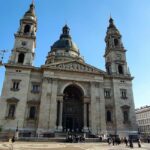
REVIEW · BUDAPEST
Budapest: Classical Music Concert in St. Michael’s Church
Book on GetYourGuide →Operated by DKN Zenei Ügynökség Kft. · Bookable on GetYourGuide
Live music in a real Baroque church.
This Budapest concert in St. Michael’s Church is interesting because you hear major classics in a space designed for reverberant sound, not background music. I like the variety: you get famous pieces by Vivaldi and Mozart plus other well-known composers, all in one focused 70-minute set. One possible drawback is comfort: the wooden pews can feel hard after a while, even though some seats come with heated pads.
What I like most is the sheer sound quality and the atmosphere. The acoustics in St. Michael’s are a big deal here, and the church’s preserved interior makes the whole evening feel special without needing any extra “performance tricks.” You’ll also appreciate the choice of seating categories, so you can aim for the right balance of price and comfort. My main consideration for you: the venue can be cold or warm depending on season, and there’s no guarantee that every seat will be equally pleasant.
Key points to know before you go
- St. Michael’s acoustics do the heavy lifting so even a single hour feels complete
- Danube String Orchestra delivers the core program, with a lead name you can look out for (Gabora Gyula)
- Three blocks of music in one evening: Vivaldi-focused, then Mozart Requiem, then organ-related selections
- Pick your seat category to match your comfort level and budget
- Heated seat pads are a big plus in colder months, but pew seating is still pew seating
In This Review
- St. Michael’s Church: a Baroque Room Made for Sound
- The Music Program: Vivaldi’s Four Seasons plus Mozart and Organ Favorites
- Vivaldi-focused opener
- Mozart Requiem segment
- Organ concert selections at the end
- Seating Categories: how to choose without wasting money
- Arrival and timing: make the first minute count
- Value check: is $53 worth it for an hour in a church?
- Who this fits best (and who should think twice)
- Should you book Budapest Classical Music in St. Michael’s Church?
- FAQ
- Where is the meeting point for this concert?
- How long is the concert?
- How much does it cost?
- What’s included with the ticket?
- Is food or drinks included?
- What music will you hear?
- Are there different seating options?
- Is the venue wheelchair accessible?
- Can I cancel, and how late?
- Are there different starting times?
St. Michael’s Church: a Baroque Room Made for Sound
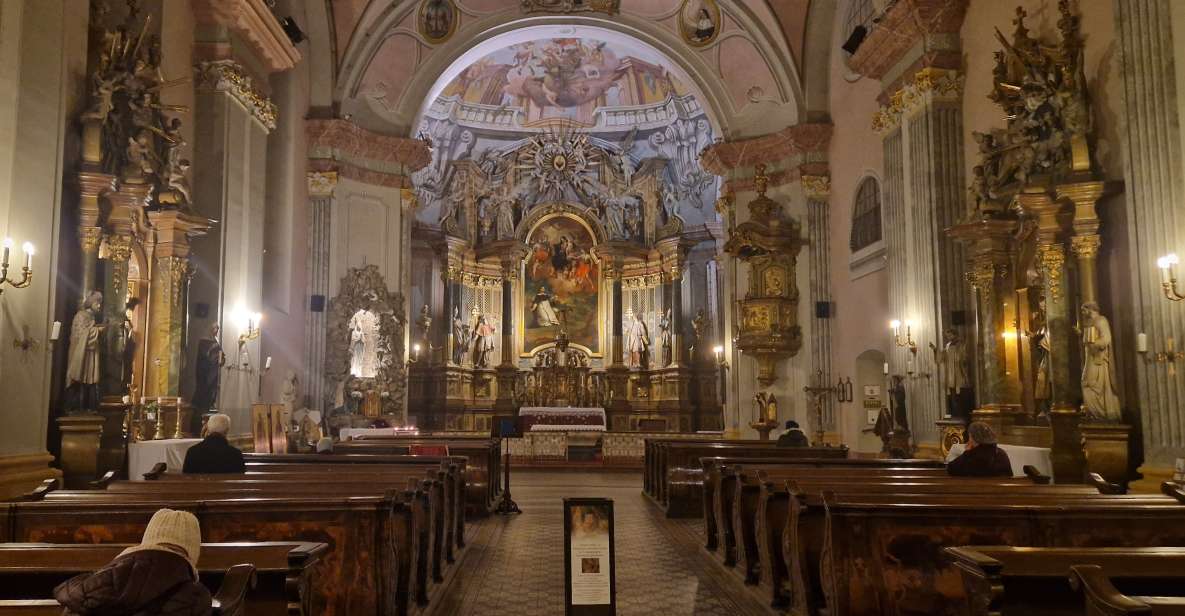
If you want a concert that feels like part of Budapest instead of something you bolt on at the end of the day, this is a strong choice. St. Michael’s Church sits in the inner city, and the interior is the kind where you can see why choirs and orchestras keep ending up here. Much of the original design remains, and that matters because the room shapes how music lands in your ears.
This is also the sort of venue where the atmosphere does not try too hard. You’re not chasing screens or big stage lighting. You’re sitting among historic architecture while the music travels through the space. In the reviews, people consistently praise the acoustics, even from farther back. That’s a good sign for your expectations: you’re buying into a setup that works for listening, not just for looking.
Comfort is the tradeoff. Wooden pews can be unforgiving if you’re sensitive to hard seating, and there’s no substitute for time on the bench. The good news is that heated seat pads show up for many seats, and that can turn a chilly evening into something genuinely enjoyable. If you’re going in winter, bring layers anyway. If you’re going in summer, expect it can get warm inside too, and plan accordingly.
The Music Program: Vivaldi’s Four Seasons plus Mozart and Organ Favorites
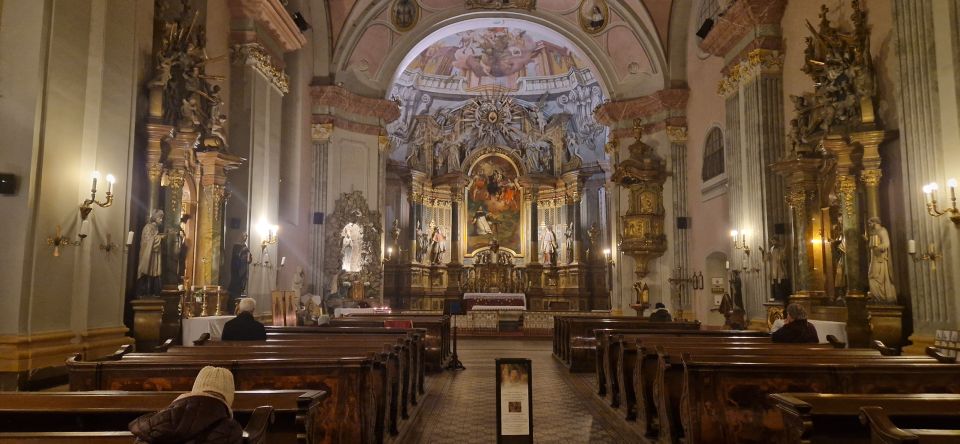
The whole point of this concert is classic “greatest hits” energy, but with a twist: it’s not only Vivaldi. The program is split into recognizable segments, so you get variety without losing the thread of an evening of sacred and baroque-to-classical favorites.
You can also read our reviews of more tours and experiences in Budapest



Vivaldi-focused opener
The first major block centers on Vivaldi themes and other baroque-era classics. You’ll hear pieces like:
- J. Pachelbel: Canon
- A. Vivaldi: Gloria
- T. Albinoni: Adagio
- F. Schubert: Ave Maria
- W. A. Mozart: Church Sonate in D major and Ave Verum
- Saint-Saens: The Swan
- Mozart: Alleluja
- Then the big featured arc: Vivaldi’s The Four Seasons (Summer, Winter, Spring, Autumn)
This structure is smart for your listening. The Four Seasons pieces give you the title-level satisfaction most people want, while the surrounding selections keep the program from feeling repetitive. You also get a “soft landing” with calmer tracks before the best-known passages, so you’re not thrown into the hardest hits immediately.
Mozart Requiem segment
Next comes the heavier, more dramatic side of the program with Mozart’s Requiem in D minor (K. 626). The listed sections include:
- Introitus and Kyrie
- Dies Irae-related movements (including Tuba Mirum, Rex Tremendae, Recordare, Confutatis, Lacrimosa)
- Offertorium (Domine Jesu)
- Sanctus, Benedictus
- Agnus Dei
- Communio (Lux Aeterna)
This is the section that gives the evening emotional weight. Even if you don’t know every movement, you’ll recognize the feel of Requiem music: tension, release, and drama that works especially well in a church. It’s also where strong performers really show their control over phrasing.
Organ concert selections at the end
The final block moves into organ-flavored orchestral favorites and sacred vocal lines. Pieces named in the program include:
- J.S. Bach: Toccata, Air
- Handel: Messiah, Rejoice and Xerxes, Largo
- Vivaldi: The Four Seasons, Largo from Winter
- Gounod: Ave Maria
- Widor: Toccata from the Organ Symphony No. 5
- Liszt: Ave Maris Stella
- Franck: Panis Angelicus
- Massenet: Thais Meditation
- plus additional Ave Maria and Alleluja selections
If you’re the type who enjoys how a church setting changes the mood of a piece, the organ block is often the part that makes the space feel most “alive.” It’s also a nice closer because it ties together the earlier baroque/classical vibe without requiring you to sit through another long repeat of the same theme.
Seating Categories: how to choose without wasting money

This is one of the easiest concerts to customize on your budget. You can pick from three seating categories, and that flexibility matters because discomfort is not the same in every corner of a pew-based room.
Here’s the practical way to think about it:
- If you’re price-sensitive, you can still have a good experience, because the acoustics are widely praised and people mention even farther seats working well.
- If you’re comfort-sensitive, don’t treat the cheapest choice like a free gamble. Wooden pews can get uncomfortable, and you want to avoid being stuck through 70 minutes of hard edges.
- If you’re visiting in cold weather, prioritize seats where you expect heated pad support. The difference can feel huge once the first 10–15 minutes pass.
One review theme is that some seat areas feel less comfortable than others. People also noted that additional cushions help some folks, which tells you the “pew factor” varies by person more than by venue. If you have a firm baseline preference for padded seating, aim higher in category.
Also consider sightlines. A couple of reviews complained about how people filming can block views. I can’t tell you the camera rules for sure, so just plan to enjoy it like a real listening event. Put your phone away unless the venue allows and you’re off to the side without disturbing anyone else.





Arrival and timing: make the first minute count
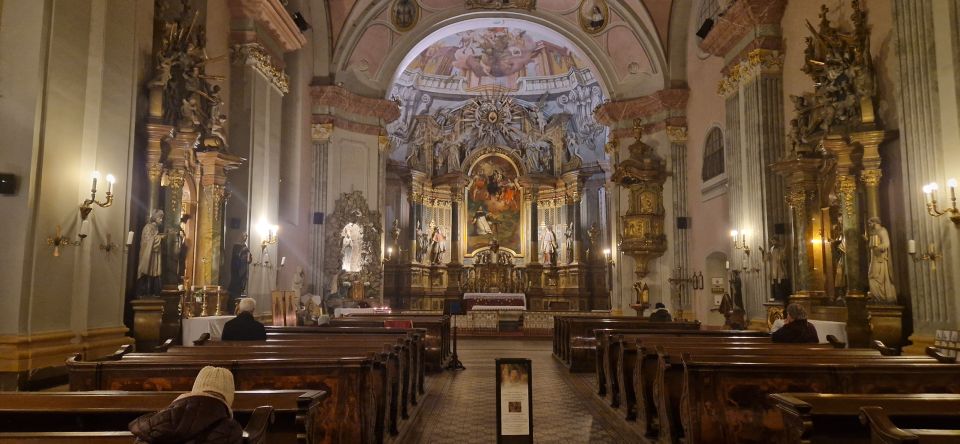
The concert is 70 minutes, so you’re not committing to a long night. That’s a plus when you want culture without losing the rest of your evening. The listing suggests you check availability for starting times, which is helpful because you can align the show with your dinner plans or your walking route.
Your main goal when you arrive is simple: get seated early enough to settle in and avoid stress. Reviews repeatedly praise the experience even from farther back, but the difference is still comfort when your seat is your only “task” for the next hour. If you’re going in peak season, arriving a little earlier helps you avoid last-minute crowd movement inside the church.
Your meeting point is straightforward: go to the Inner-City Church of Saint Michael. In practice, this area is easy to reach because it’s central and walkable, which means you’re less likely to waste time on transport decisions. If you’re doing a longer day around the river or major sights, this concert works well as a calmer finale.
Value check: is $53 worth it for an hour in a church?
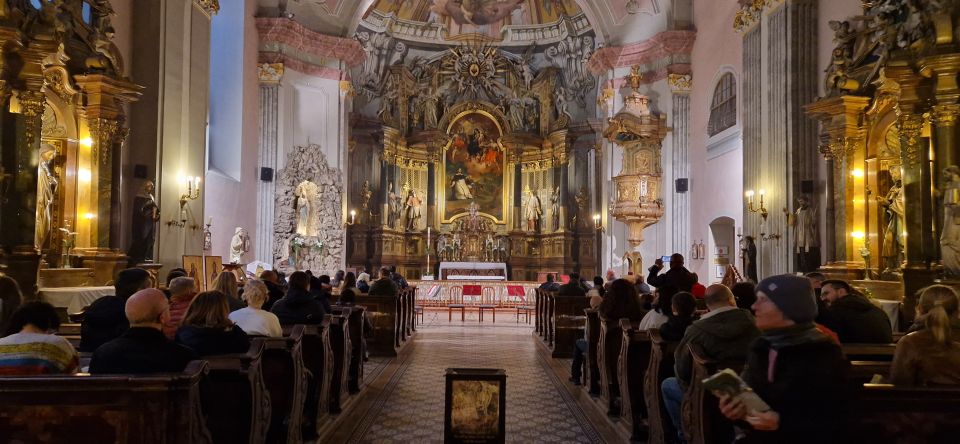
At about $53 per person, this concert lands in the “worth it if you like classical music” category. The math looks better once you count what’s included: you get a ticket to the concert, a venue with famous listening acoustics, and a program that moves across multiple well-known composers.
The value improves for you if:
- You want pre-booked tickets so you’re not hunting for availability on the day
- You care about sound quality and venue atmosphere
- You’re okay with a 70-minute commitment that doesn’t swallow your whole evening
The value drops slightly if you expect a “full production” style experience with lots of spoken context. Some people wished there were announcements or short introductions to the pieces. That doesn’t break the concert, but it can affect how quickly you connect to the music if you’re not already familiar with the composers.
Also note what’s not included: food and drinks. That’s not a dealbreaker, but it changes how you plan. Either eat before you go, or treat the show as a planned cultural stop that follows dinner.
Who this fits best (and who should think twice)
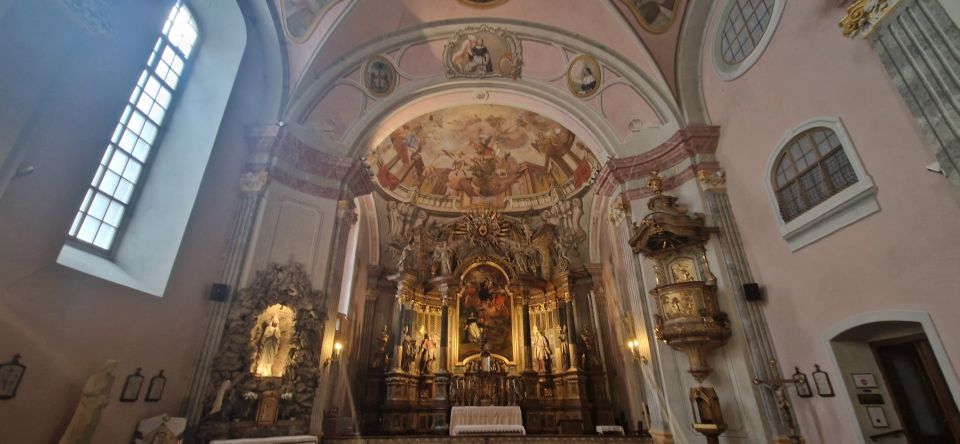
This concert is a good match if you want a genuine Budapest evening: central location, historic setting, and a program built around music people recognize. It also suits first-timers to classical concerts because the program includes clear favorites like The Four Seasons and Ave Maria. Even if you’re new to the genre, you’re not stuck in unknown territory for long.
It also works well for couples and small groups who want something that feels meaningful but simple to book. If you’re a solo traveler, it’s also a low-friction plan because the format is predictable and the duration is fixed.
You might think twice if:
- You need guaranteed padded seating for your back or legs
- You dislike warm or cool indoor conditions and hate adjusting clothing
- You expect lots of spoken narration between pieces rather than a continuous music flow
The good news is that the experience itself is consistently praised, especially for the sound and the overall “church + orchestra” atmosphere.
Should you book Budapest Classical Music in St. Michael’s Church?
Book it if you want strong acoustics, a historic venue, and a one-hour program packed with recognizable classical material. This is the type of evening that can become a highlight because it’s not just “music happened somewhere.” It’s music that benefits from the room you’re in.
Skip or reconsider if hard pew seating is a dealbreaker for you, or if you hate being in a space without air conditioning comforts during warmer months. In that case, you can still go—just choose your seating category thoughtfully and plan for comfort.
If you’re flexible, do yourself a favor: bring layers, aim to arrive early enough to settle, and treat it like a listening event. When the music is this well suited to the space, those small choices make the difference between tolerating a concert and genuinely enjoying it.
FAQ
Where is the meeting point for this concert?
Meet at Budapest’s Inner-City Church of Saint Michael.
How long is the concert?
The concert lasts 70 minutes.
How much does it cost?
The price is $53 per person.
What’s included with the ticket?
The ticket includes admission to the concert.
Is food or drinks included?
No. Food and drinks are not included.
What music will you hear?
The program lists pieces including Vivaldi (including The Four Seasons), Mozart (including Requiem in D minor), and organ-related selections (including Bach, Handel, Gounod, Widor, Liszt, Franck, and Massenet).
Are there different seating options?
Yes. You can pick from three seating categories.
Is the venue wheelchair accessible?
Yes, it is wheelchair accessible.
Can I cancel, and how late?
Free cancellation is available up to 24 hours in advance for a full refund.
Are there different starting times?
Yes. You should check availability to see starting times.