REVIEW · BUDAPEST
Budapest Bike Tour with a Hungarian Goulash
Book on GetYourGuide →Operated by Budapest Bike Breeze · Bookable on GetYourGuide
This ride turns Budapest into a fast, fun story—top landmarks, lots of photo moments, and a real Hungarian goulash break. I love how the route threads through major sights like Chain Bridge, St. Stephen’s Basilica, and Parliament without making you feel rushed. One thing to plan for: you’ll be biking for about 4 hours, and the pace works best if you’re comfortable cycling in city traffic and crowds.
You’ll also get an “explain it like a friend” overview of Hungarian life and the city’s layers of history, told through quick, entertaining stops rather than a lecture. It’s a small-group setup, and guides like Attila and Katalin really stood out for keeping people engaged and moving.
If you want a super slow, deep museum day, this isn’t that. But if you want to get your bearings fast and choose what to do next, it’s a strong value.
In This Review
- Key Highlights You’ll Feel During the Ride
- Why This Bike-and-Goulash Plan Works in 4 Hours
- Getting Started: Where the Tour Begins and What to Expect
- Andrássy Avenue: The Big-Stage Entrance to Pest
- Elizabeth Square and the Castle-Castle Contrast
- House of Terror and Városliget: Two Very Different Moods
- Széchenyi Thermal Bath: Budapest’s Most Famous Leisure Symbol
- Heroes’ Square: A Monumental Photo Stop with Context
- The Lunch Break: Where the Goulash Actually Hits
- House of Music Hungary: A Short Stop that Adds a Modern Note
- Hungarian Parliament Building: The Danube-Axis Moment
- St. Stephen’s Basilica: A View-Stop with Instant Recognition
- Chain Bridge and Castle Hill: The Classic Crossing + the Backdrop
- Szabadság Square, Castle-Bazaar, and Elizabeth Bridge: Finishing with Style
- The Guides Matter: What People Really Felt on This Tour
- How Hard Is the Ride, Really?
- Who This Tour Is For (and Who Might Skip It)
- Should You Book Budapest Bike Breeze with Hungarian Goulash?
- FAQ
- FAQ
- How long is the Budapest bike tour?
- What is the price per person?
- Is the tour guided in English?
- Does the tour include Hungarian goulash?
- What’s included in the tour price?
- Are e-bikes available?
- Do I need to be an experienced cyclist?
- Where does the tour start and end?
Key Highlights You’ll Feel During the Ride
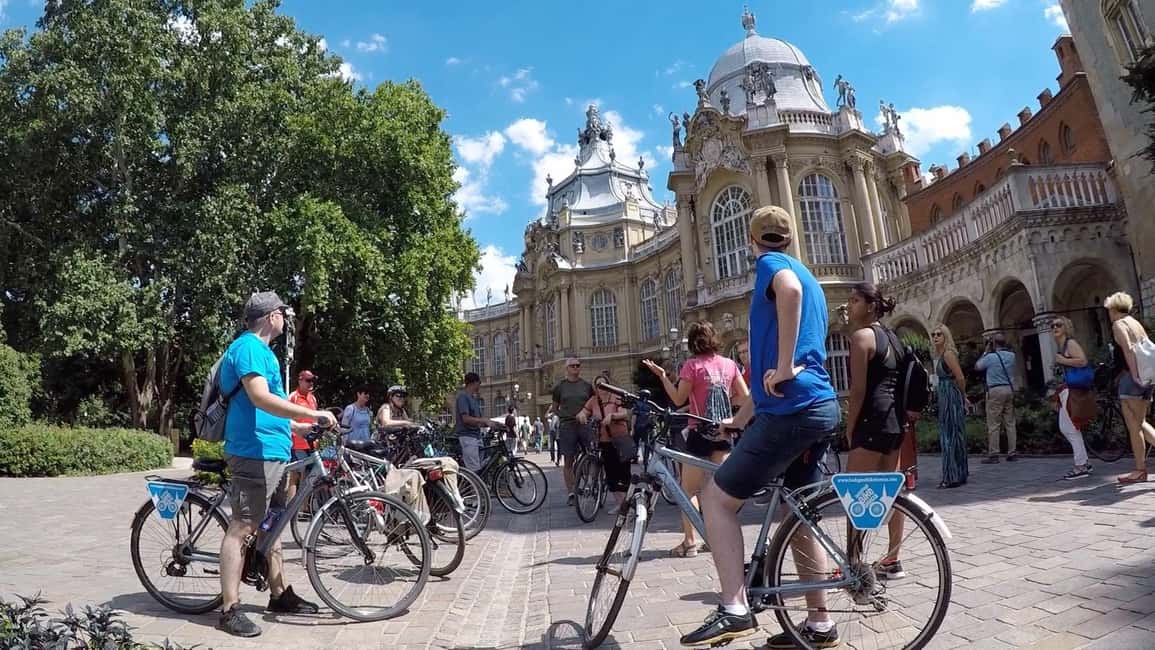
- A 4-hour route that hits the big hitters without turning into a full-day marathon
- Comfortable, easy riding style (with the occasional hill feel on the Buda side)
- Goulash lunch included during a longer food stop
- English-speaking guide with lively stories and practical local tips
- 15 scenic stops and major UNESCO-area sights along the way
- Good for meeting other people thanks to the interactive small-group format
Why This Bike-and-Goulash Plan Works in 4 Hours
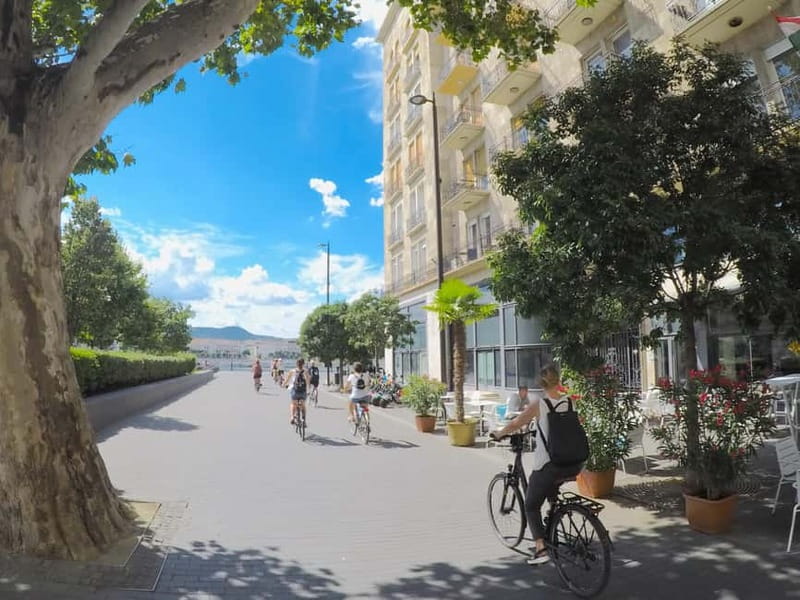
Budapest is built for comparison-shopping. By bike, you see the sweep of the city’s layout right away: the grand sights in Pest, the dramatic views across the Danube, and the different mood on the Buda side. This tour is basically a “first-day map made real,” with enough variety that you can decide later what deserves your second visit.
At $42 per person for 4 hours, the value comes from what’s bundled in: bike + helmet + refreshment + a local food stop (goulash) + an English guide. When you add up the cost of renting a bike, paying for a guided orientation, and grabbing a decent meal, it stops looking like just sightseeing—and starts feeling like a practical tool for planning the rest of your trip.
The tour also uses stops instead of constant narration. You’ll bike, stop, take photos, hear the context, then move on. That rhythm matters. It keeps the history understandable and your legs from turning the day into a grind.
You can also read our reviews of more cycling tours in Budapest
Getting Started: Where the Tour Begins and What to Expect
The meeting point is at Rumbach Sebestyén u. 10 in Budapest. You’ll enter through the main gate and ring the bell at no. 105; the guides are in the courtyard.
It’s also helpful to know what kind of ride you’re signing up for. The tour is designed around a group speed that stays easy and pleasant, but it still requires biking ability in an active city environment. That’s why I like it for first-timers who can ride confidently, but I’d be cautious for anyone who gets stressed on bikes around pedestrians and cyclists.
E-bikes are available as an extra, which is a smart option if you want the same route with less effort. The standard bikes are fine for many people because the route is described as flat and comfortable—but one review did mention that the climb feel in Buda can be challenging, so it’s wise to come prepared.
Andrássy Avenue: The Big-Stage Entrance to Pest
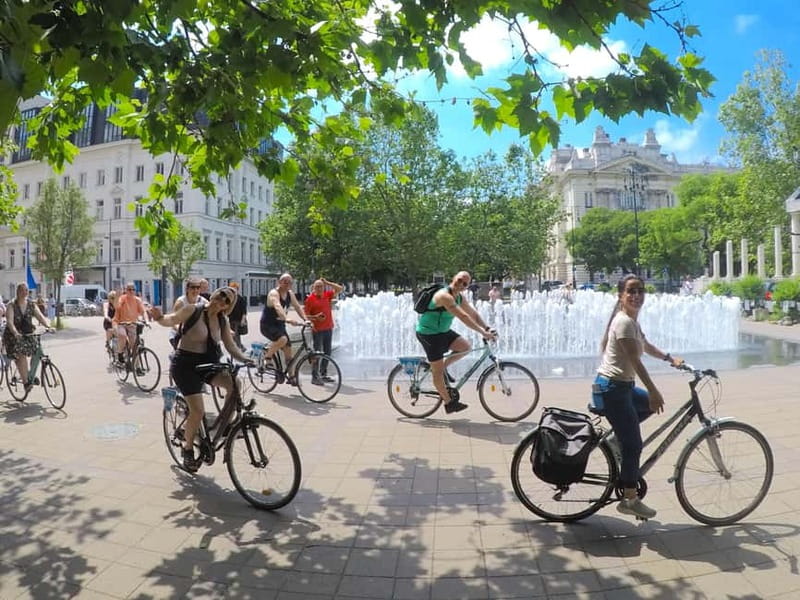
One of your early stops is Andrássy Avenue, a major boulevard that sets the tone for the entire day. You get a photo stop and a chance to understand why this corridor is so iconic. Even in a short time, it’s the kind of place where you can instantly picture the city’s “grand” side.
Practical tip: if you care about photos, this is a good moment to position yourself with your camera ready. The tour usually gives quick breaks, and Andrássy is the kind of street where you’ll want a few angles.
The likely drawback here is simple: popular streets mean you’re sharing space with other people. You’ll be moving at group pace, so stay aware and avoid lingering longer than the stop allows.
Elizabeth Square and the Castle-Castle Contrast
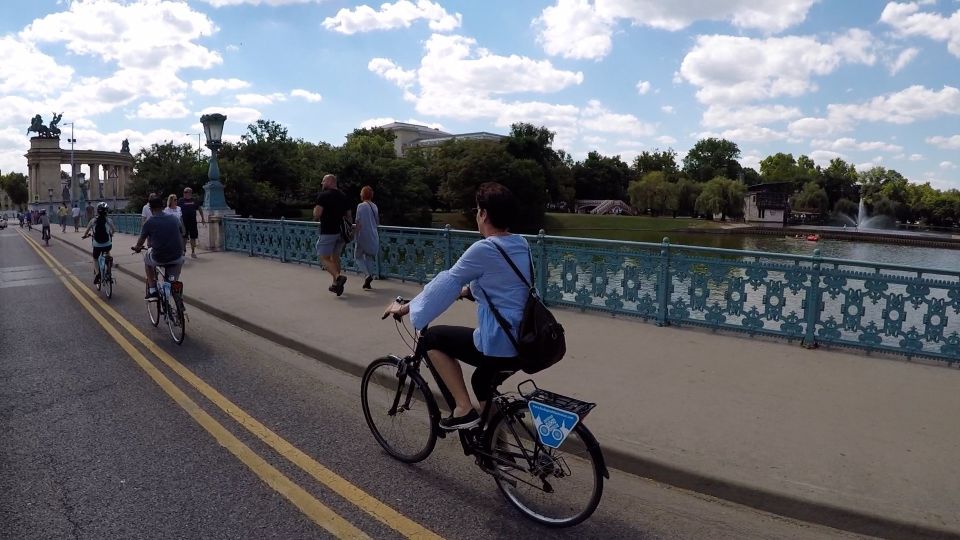
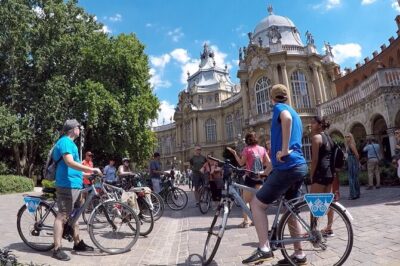
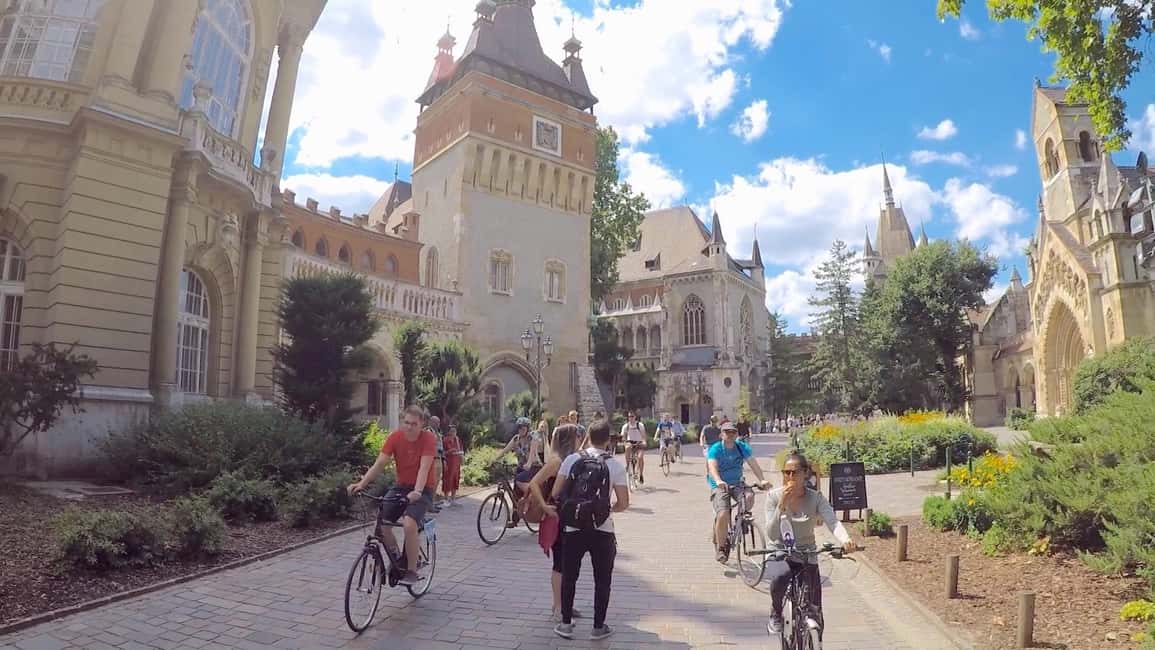
Next you pass through Elizabeth Square. Then, you reach Vajdahunyad Castle—again, a short stop focused on photos and quick context.
Why I like this part of the ride: Vajdahunyad Castle is the kind of landmark you can appreciate from multiple viewpoints, even if you don’t go inside. It’s one of those spots that helps you connect Budapest’s visual identity to its deeper story.
At the same time, these are brief photo moments. If you’re the type who wants time to wander or read every plaque, you might feel slightly impatient. But the whole tour is built to balance sightseeing with momentum.
House of Terror and Városliget: Two Very Different Moods
You’ll also make a quick pass by House of Terror. It’s a short segment, which makes sense for a 4-hour orientation. You get the reference point; you don’t try to do the full experience here. If this topic genuinely interests you, it’s useful as a teaser so you can decide whether you want a longer, more focused visit later.
Then comes Városliget, a major park area. Expect a photo stop vibe rather than deep exploration. This is where the tour gives you breathing room—visually and physically—before heading toward one of the day’s signature stops.






Széchenyi Thermal Bath: Budapest’s Most Famous Leisure Symbol
At Széchenyi Thermal Bath, you’ll pause for photos and sightseeing. Even if you don’t soak, the building and the whole thermal-bath atmosphere are something you’ll recognize instantly in pictures and in person.
This stop is valuable for two reasons:
- It shows a softer side of Budapest beyond the Parliament-and-bridge postcard views.
- It helps you understand why the city’s “public life” has always been tied to the baths and the riverfront culture.
If you want to actually go inside or swim, this tour likely won’t replace that. But it’s a good way to decide if Széchenyi is your kind of stop before you spend time and money on tickets later.
Heroes’ Square: A Monumental Photo Stop with Context
Heroes’ Square is one of the most visually dramatic places in Budapest, and the tour makes room for a photo stop plus the story behind it.
I like this stop because monuments can feel like random sculpture unless someone gives you the thread to follow. The guide’s job is to connect what you see—names, symbolism, and the political tone of the era—to why Hungarians treat this space as meaningful. People in the reviews often praised guides for explaining history in a way that doesn’t feel heavy.
One consideration: it can be crowded. Short stop timing works best if you plan your photos quickly and then step aside.
The Lunch Break: Where the Goulash Actually Hits
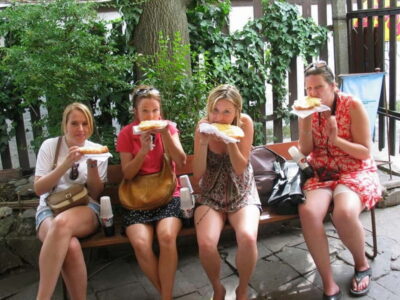
Midway through, there’s a longer food break with Hungarian goulash. This is the highlight if you like your sightseeing with real local flavor, not just a quick snack.
What makes it work on a bike tour: goulash is hearty enough to fuel you, and it’s also a cultural shortcut. It’s not trying to be fancy. It’s trying to be Hungarian—warm, filling, and comforting after riding.
One review mentioned vegetarians getting a special meal, which is a reassuring note if you have dietary preferences. Also, multiple guides were praised for pairing the meal with a pleasant, cozy local setting, which matters because you’re taking a genuine break here—not eating while still hustling.
House of Music Hungary: A Short Stop that Adds a Modern Note
You’ll pass House of Music Hungary briefly. This isn’t just about more sightseeing boxes; it adds a modern layer to the day so Budapest doesn’t feel frozen in the past.
Because the stop is short, you won’t get deep details on the spot. Still, it’s useful for orientation: you’ll know where this place is if you want to return later for a concert or a closer look.
Hungarian Parliament Building: The Danube-Axis Moment
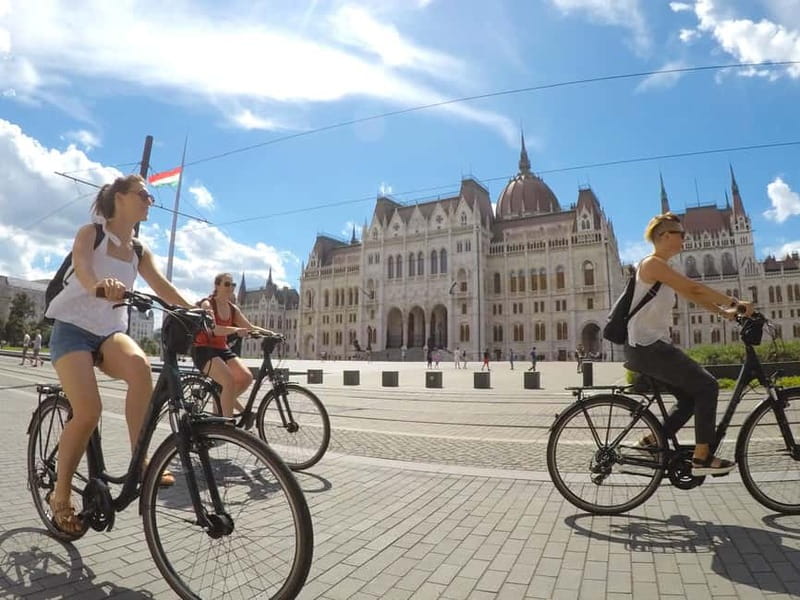
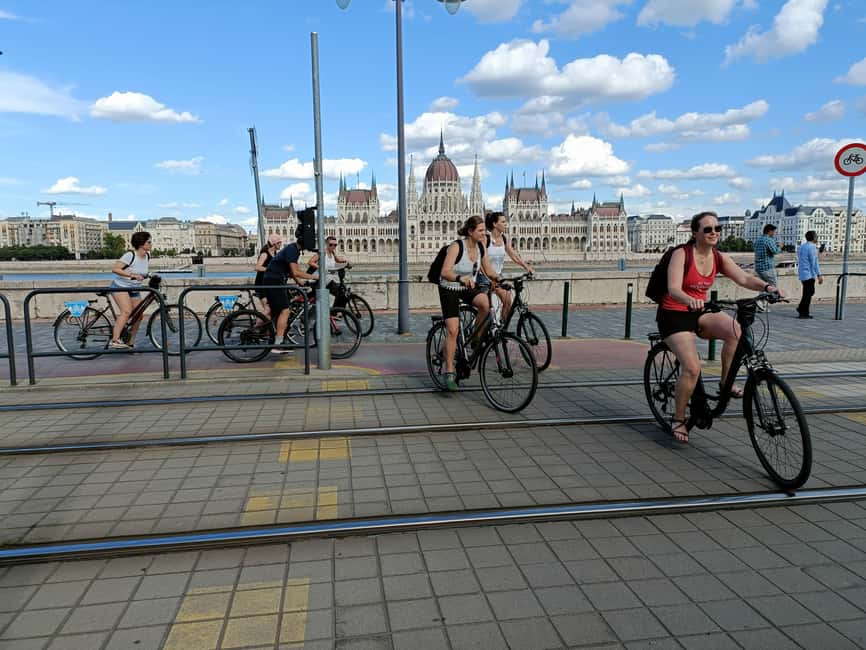
A big highlight is the Hungarian Parliament Building photo stop. This is one of those landmarks where the city’s identity becomes obvious. You can understand why people plan whole evenings around it.
On a bike tour, the best part is the pacing. You’re not stuck in one place for hours. You see the building, hear the quick context, take photos, then continue. That’s great if you’re planning your remaining days—because you’ll know what you want to re-photograph later.
Practical note: this area can be busy. The guide will keep the group moving and help with safety.
St. Stephen’s Basilica: A View-Stop with Instant Recognition
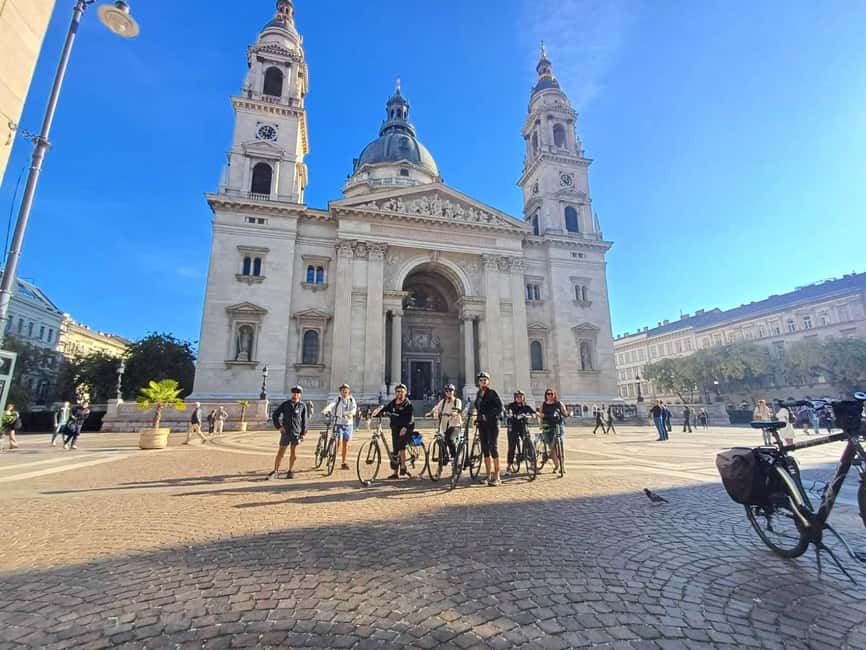
Next is St. Stephen’s Basilica. Expect photos and a quick historical orientation. Even if you’re not planning to climb or tour inside, the basilica gives you a clear sense of Budapest’s religious and architectural scale.
I also like how the day gradually transitions from grand boulevards and monuments into riverfront drama. Basilica to Chain Bridge is a good rhythm because it keeps the day’s “wow” factor consistent.
Chain Bridge and Castle Hill: The Classic Crossing + the Backdrop
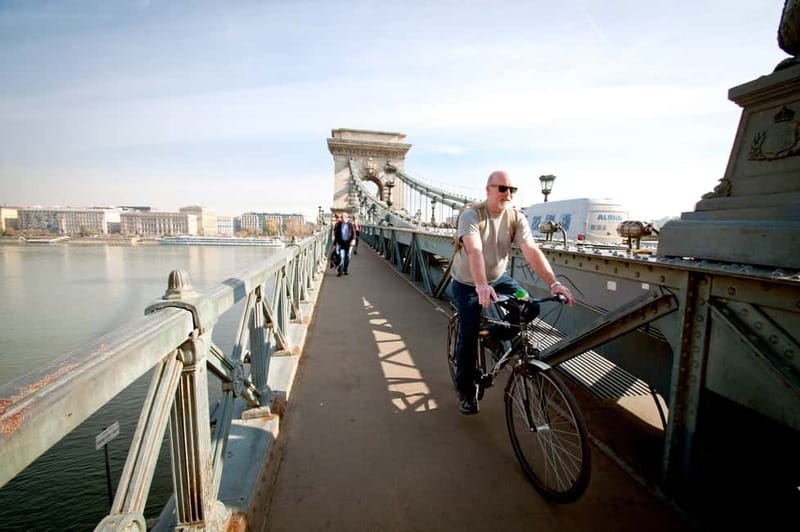
At Chain Bridge, you’ll get the iconic view. Then you pass by Castle Hill, which gives you a taste of the Buda skyline without turning the ride into a full uphill detour.
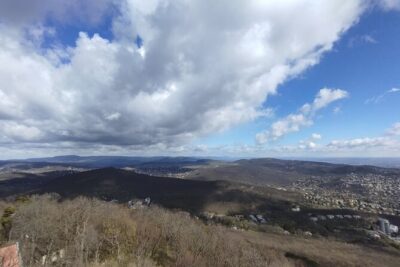
This is where the city really shows you its two-personality problem. Pest feels open and wide; Buda feels layered and vertical. If you’re watching the city form through your own eyes, you’ll understand Budapest faster than by reading any guidebook.
One review noted a hill-up climb in Buda can feel challenging even if the overall ride is easy. So if you have limited leg stamina, consider reserving an e-bike add-on.
Szabadság Square, Castle-Bazaar, and Elizabeth Bridge: Finishing with Style
The later stops include Szabadsag Square and the Castle-bazaar area, plus a pass toward Elizabeth Bridge before returning to the start point.
These parts of the route help you “connect the dots” across the city’s geography. They also give you a final round of photo angles so you end the tour with images you can actually use for planning and memory.
I appreciate that the itinerary doesn’t just repeat the most famous places. By including these bridge and bazaar segments, you get a more realistic sense of how the city feels on foot and on bike.
The Guides Matter: What People Really Felt on This Tour
A consistent theme in the reviews is how much the guides shaped the experience. Names that stood out include Attila (kept the group moving and even taught Hungarian words), Katalin (gave an excellent city overview with helpful tips), and Ana/Anna (clear explanations and a friendly, patient style).
Laura was praised for professionalism and proud, practical knowledge. Sarah was mentioned for being fun while covering history clearly. Other guides like Barbara and Bridgette were also noted for keeping directions clear and explanations easy to follow.
The takeaway for you: this isn’t only about checking off landmarks. It’s about understanding what you’re looking at. When the guide adds small context and story links—like how an area fits into the city’s bigger shifts—it turns photos into something with meaning.
How Hard Is the Ride, Really?
The tour is positioned as comfortable and easy, with reviews pointing out that the ride is often easy to navigate and very flat. That said, there are two practical considerations:
First, you are riding in a city with pedestrians. One review mentioned there’s a good amount of sidewalk riding shared with people, so you’ll want to stay alert and keep your pace controlled.
Second, you may feel a little hill effort on the Buda side. One reviewer said the hill-up climb was challenging despite the easy overall nature. If you’re unsure, take the e-bike option seriously.
If you come expecting a leisurely spin with zero effort, you might be slightly surprised. If you come ready for a steady 4-hour activity, you’ll likely find it very manageable.
Who This Tour Is For (and Who Might Skip It)
This is a great fit if you:
- are arriving in Budapest and want quick orientation
- want a route that covers major sights in a single morning or afternoon block
- like history told in short, entertaining bursts
- want a built-in meal with local goulash
You might consider skipping or switching to a lighter plan if you:
- don’t want to bike for about 4 hours
- feel uncomfortable navigating busy pedestrian areas
- prefer long, slow stops where you can wander without time pressure
Should You Book Budapest Bike Breeze with Hungarian Goulash?
Yes—if your main goal is a strong first overview with real local food and a guide who makes the city make sense. At $42, it’s hard to beat the mix of included bike gear, guided context, and a genuine Hungarian meal break.
If you’re choosing between this and a pure walking tour, I’d lean bike for the time benefit. You’ll cover more ground, and Budapest’s layout becomes clearer in a way that matches how you’ll move around later.
If you’re worried about effort, seriously consider the e-bike add-on. The route aims for comfort, but Budapest is still Budapest, with that occasional “okay, we’re in Buda now” feeling.
FAQ
FAQ
How long is the Budapest bike tour?
The tour lasts about 4 hours.
What is the price per person?
The price is listed as $42 per person.
Is the tour guided in English?
Yes, the live tour guide speaks English.
Does the tour include Hungarian goulash?
Yes. There is a longer lunch/food break where Hungarian goulash is served, and local food is included.
What’s included in the tour price?
Included items are the bicycle, helmet, refreshment, local food, and guiding.
Are e-bikes available?
E-bikes can be booked as an extra.
Do I need to be an experienced cyclist?
The tour requires biking ability and that you can ride safely and confidently in a foreign city. You’ll also need to keep an easy, pleasant speed with the group.
Where does the tour start and end?
It starts at Rumbach Sebestyén u. 10 in Budapest and ends back at the same meeting point.