REVIEW · BUDAPEST
Buda Castle Walking Tour: Fishermans Bastion – Royal Palace
Book on GetYourGuide →Operated by Purple Team · Bookable on GetYourGuide
Budapest’s best photos start on Castle Hill. This 2-hour walk ties together Fisherman’s Bastion, Matthias Church, and the UNESCO panorama with an English-speaking guide who explains what you’re looking at. You get the kind of context that makes a viewpoint feel like a story, not just a postcard.
I especially love how the route covers the Castle District’s everyday side, not only the big monuments. You’ll see those small lanes and 1800s-style little houses tucked into the residential area, plus royal and government buildings that help you understand how this place actually lived.
One thing to think about: the tour is designed for walking and photo stops, not long museum time. You’ll still be outside (the tour runs daily), so plan for comfortable shoes and bring layers if you’re doing this in cooler months.
In This Review
- Quick hits: what you’ll notice right away
- Why this Castle District walk is a smart use of your time
- Meeting at Szentháromság tér (and how to not lose the group)
- Fisherman’s Bastion viewpoint and Matthias Church: more than a pretty stop
- Ruszwurm Confectionery: the good kind of break
- Castle Hill streets and the residential puzzle-box feeling
- UNESCO panorama, Parliament/Chain Bridge views, and the funicular photo stop
- Buda Castle photo time and Sándor Palace walk-by views
- The guide experience: energy, humor, and practical recommendations
- Practical tips: shoes, pace, and photo-friendly planning
- Value check: why $3.40 can be such a good deal
- Should you book this Buda Castle viewpoints tour?
- FAQ
- How long is the walking tour?
- Where do I meet the guide?
- What stops are included?
- Is the tour wheelchair accessible?
- Is the tour only in English?
- Are museum tickets included?
- Can I cancel for a refund?
Quick hits: what you’ll notice right away
- Holy Trinity Square start with an easy meet-up: look for the purple umbrella.
- Fisherman’s Bastion + Matthias Church in tight, smart timing so you get the best photo angles.
- Ruszwurm Confectionery stop for a quick break that fits the history-and-food vibe.
- UNESCO panorama viewing tied to what makes the Castle District World Heritage-worthy.
- Photo stops at Buda Castle and the funicular area without turning the whole trip into a rush.
- No taboo topics approach, so questions about culture and history feel welcome.
Why this Castle District walk is a smart use of your time
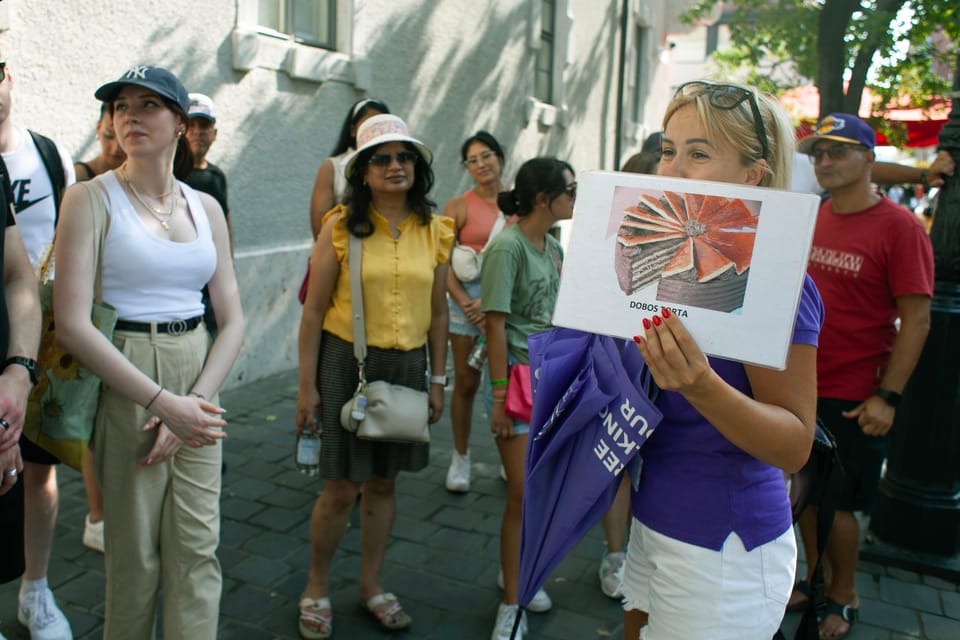
If your goal is to see the highlights around Buda Castle without spending the whole day figuring out where to stand, this is a great fit. In just two hours, you get multiple viewpoints layered with explanations that help you connect the architecture to Hungary’s bigger story.
I also like that the tour is built around short stops that actually work for sightseeing. Instead of one long lecture, you’ll pause, look, and then move on—so you keep your energy and keep your photos coming.
And there’s a practical bonus: you finish with an idea of where to go next. The guide includes up-to-date recommendations for museums, cafés, and restaurants, which is handy when you don’t want to rely only on random online lists.
This is best for you if you’re a first-timer, you’re short on time, or you want a plan that keeps the Castle District from feeling overwhelming.
You can also read our reviews of more walking tours in Budapest



Meeting at Szentháromság tér (and how to not lose the group)
The tour starts at Szentháromság tér, at the middle of the square. The meet-up point is marked by a purple umbrella, and you’ll want to look there before the group gathers.
From a traveler’s point of view, this matters because the Castle District area is busy and easy to wander around without meaning to. Arriving a few minutes early gives you breathing room to find your guide and settle so you can start listening right away.
The experience is described as wheelchair accessible, which is a good sign for mobility planning. Still, it’s a walking tour, so you should be ready for uneven terrain and stairs around the Castle District viewpoints.
You’ll end at Savoyai terasz. The operator also notes that the activity ends back at the meeting point area, so expect the route to bring you back toward familiar ground by the finish.
Fisherman’s Bastion viewpoint and Matthias Church: more than a pretty stop
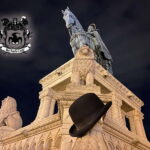
You’ll begin your sightseeing at Fisherman’s Bastion, with about 15 minutes to take in the views and get photos. This is one of those places where the angles matter—stand where the guide points, then use that short window to capture the panorama you came for.
What makes the stop valuable is that it’s not only about the scenery. The guide connects what you’re seeing to the Castle District’s role over time, so you understand why people flock to these viewpoints again and again.
Right after that, you’ll head to Matthias Church for another 15 minutes. Expect a focused look and clear explanations that help you read the building instead of just snapping pictures. The time is short, so come ready to observe rather than expect a full, slow interior visit.
The possible drawback here is simple: with only a quarter-hour per major stop, you won’t be doing long wandering inside churches or taking extended breaks. If you love lingering, plan to come back later on your own after this tour gives you orientation.
Ruszwurm Confectionery: the good kind of break
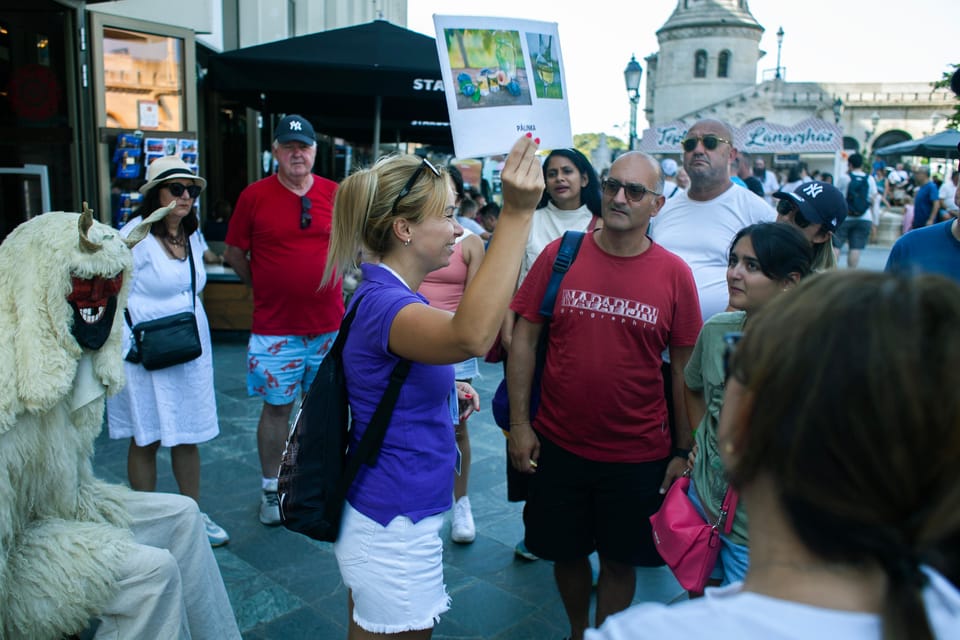
You’ll stop at Ruszwurm Confectionery for around 10 minutes. This is a smart inclusion because it breaks up the walking with a quick food-and-history moment, and it keeps the tour from feeling like a nonstop climb-and-look routine.
Even if you don’t buy anything, the pause helps you reset. You can grab a snack and hydrate, then rejoin the group with a clearer head for the viewpoints ahead.
A practical tip: if you want a treat, consider buying early in the stop so you’re not stuck waiting at the end while the group moves on. The tour moves fast by design, and that’s what makes it work for a tight two-hour window.
Castle Hill streets and the residential puzzle-box feeling
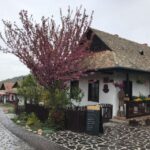
After the big viewpoint moments, the tour shifts into the Castle District’s more human side. You’ll walk through parts of the area where daily life fits around the grand buildings, and you’ll hear stories that explain what life here looks like beyond the tourist icons.
One detail I really like in this kind of guided route is the stop-and-point approach to small surprises. Here, you’ll hear about a little treasure-box feeling created by the smaller 1800s-style houses, plus royal and governmental buildings that frame the district’s power and politics.
This section matters because it changes how you experience Buda Castle. Instead of thinking only about monuments, you start noticing layers—who lived where, what got built, and how the district’s meaning shifted over time.
You’ll also connect the dots on “key puzzles” of Hungarian history in a way that’s meant to be understandable, not overwhelming. If you’ve ever felt lost in big European-history explanations, this is the style that tends to make it click.





UNESCO panorama, Parliament/Chain Bridge views, and the funicular photo stop
The route is built for seeing the Castle District as a viewing platform. The tour highlights the UNESCO World Heritage panorama, and you’ll also get views aimed toward landmarks like the Parliament, the Chain Bridge, and the Buda Hills.
This is where the guide’s job gets especially useful. A viewpoint can feel generic if you don’t know what you’re looking at. With guidance, you’ll learn where to stand and what to look for, and the panorama becomes a map in your head.
You’ll also have a photo stop at the Budapest Castle Hill funicular area for about 10 minutes. This is not meant to be a long transit plan, just a chance to photograph and capture another layer of Castle District character. If you’re the type who always wants one extra angle, this is the part for you.
One caution: because the tour is timed, this isn’t the moment to set your camera and wander. Use your time at each stop to get the shot first, then ask questions.
Buda Castle photo time and Sándor Palace walk-by views
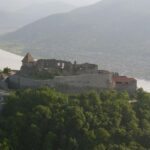
Next up is Buda Castle, with about 30 minutes for a combination of photo time and sightseeing. This longer window is important because Buda Castle is where your eyes want to roam, and you’ll benefit from extra minutes to find angles and absorb what you’re looking at.
The tour keeps it moving, so this doesn’t replace a full day inside the castle grounds or museums. Think of it as your “master view” stop—when you understand the layout and the major sightlines, you can enjoy future visits more.
After that, you’ll walk toward Sándor Palace for about 15 minutes. The focus here is on the governmental/royal context and what the building signals within the district. Even if you don’t go inside, it’s a useful perspective for how Hungary’s official power relates to the city’s topography.
You finish at Savoyai terasz, which functions like a final viewpoint moment. It’s a nice way to end: you’re not just dropped off; you’re guided to a natural wrap-up point.
The guide experience: energy, humor, and practical recommendations
The biggest repeated theme across the guides is that the tour feels alive. Past guides you might encounter include Kitti, Sou, Claudia, Béla, Sourav, Sophie, Ignacio, and Nacho—and their styles show up as enthusiastic, funny, and friendly. You’ll feel like you’re walking with someone who cares about Budapest, not just someone reciting dates.
I also value the “ask anything” tone. The tour description specifically mentions no taboo topics, and that tends to translate into conversations that go beyond facts: culture, everyday life, and how people see the past compared to the present.
On top of that, the guides provide up-to-date recommendations for museums, cafés, and restaurants. In real terms, that means you leave with a short list that fits your interests, rather than trying to guess what to do when you’re already tired from sightseeing.
If you’re the type who likes clear explanations, you’ll probably appreciate how guides keep things understandable and organized. One review noted the use of a microphone for easy listening, which is a real quality-of-life feature on a moving walking tour.
Practical tips: shoes, pace, and photo-friendly planning
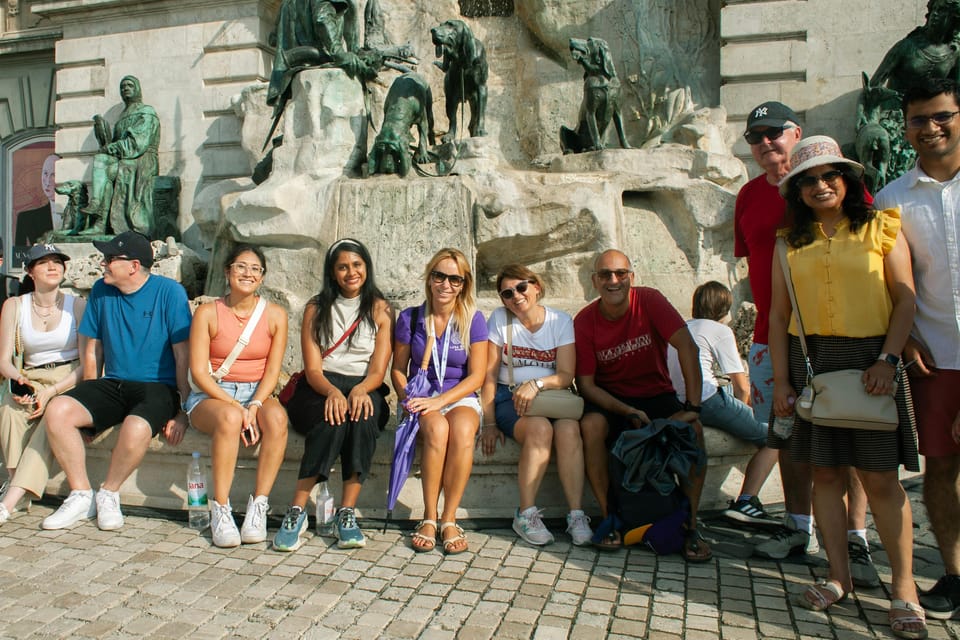
This is a walking tour, so your comfort matters. Wear comfortable shoes and bring food and drinks if you think you’ll need them. The stops are short, and you don’t want to spend the best viewpoint minutes thinking about hunger.
Because the tour runs every day and is said to be not affected by weather conditions, pack for the reality of walking outside. Even when the program continues, you’ll enjoy it more if you dress for wind, rain, or cold snaps.
For photos, I suggest you treat each stop like a mini mission:
- Decide your main shot first.
- Then take a second angle after the guide shows where to stand.
- Keep your camera ready for quick moments, especially at Fisherman’s Bastion and the UNESCO panorama.
Also, plan to travel with a little buffer mindset. Even when everything starts on time, Castle District viewpoints attract crowds, and having a guide helps you get the right spots without wasting your energy.
Value check: why $3.40 can be such a good deal
At $3.40 per person (for a 2-hour guided walk with multiple major landmarks), this is priced like a bargain. What makes it feel like value isn’t just the low cost—it’s the combination of:
- Multiple iconic photo stops (Fisherman’s Bastion, Matthias Church, Buda Castle areas)
- A guided storytelling layer that explains what you’re seeing
- Recommendations for what to do next (museums, cafés, restaurants)
The one clear “not included” item is museum tickets. So if your personal travel style is to pay for entry fees and stay inside for long stretches, you’ll want to budget extra time and tickets elsewhere. This tour is designed for getting oriented and building context, not for full museum coverage.
Should you book this Buda Castle viewpoints tour?
I’d book it if you:
- Want a structured plan for the Castle District in just two hours
- Care about photos but also want the why behind the views
- Prefer a local guide who connects past and present and adds everyday cultural context
- Appreciate a guide who shares food and museum recommendations for after the walk
I would not prioritize it if you want:
- Long museum visits or deep interior time
- A slow-paced wandering day where you control every minute
- A strictly silent, self-guided experience
If you’re weighing options, this one works especially well as a first-day or first-time Castle District move. You’ll get your bearings fast, understand the main sightlines, and then decide where you want to return for longer on your own.
FAQ
How long is the walking tour?
The tour duration is listed as 2 hours. Starting times vary, so you’ll want to check availability.
Where do I meet the guide?
You meet at Szentháromság tér, at the middle of the square. Look for the purple umbrella.
What stops are included?
Key stops include Fisherman’s Bastion, Matthias Church, Ruszwurm Confectionery, Buda Castle, and Sándor Palace, with viewpoints including the UNESCO panorama. The tour ends at Savoyai terasz.
Is the tour wheelchair accessible?
Yes, the activity is listed as wheelchair accessible.
Is the tour only in English?
Yes, the live guide is English.
Are museum tickets included?
No. Tickets to museums are not included.
Can I cancel for a refund?
Yes. The tour offers free cancellation up to 24 hours in advance for a full refund.