REVIEW · BUDAPEST
Alternative Budapest Walking Tour
Book on GetYourGuide →Operated by Absolute Tours · Bookable on GetYourGuide
Budapest has a second face, and you’ll see it fast. This walk is built around street art and the alternative scene, bouncing between Buda and Pest so you’re not stuck on the standard tourist loop. The goal is simple: show you where the city’s creative energy lives right now, not just what it used to be.
What I like most is the guide-to-group feel. With a small group capped at 10, you get real back-and-forth, and guides like Ray (or Raymond) and Petra keep the conversation going instead of reciting a script.
There’s one catch to consider. The route is mainly on foot and leans into a DIY, underground vibe, so if you want only famous sights or easy, accessible sightseeing, this may not be your best match.
In This Review
- Key Highlights to Know Before You Go
- Meeting at the Lutheran Church: Then Off the Usual Track
- How This Tour Reads: Present-Focused Budapest, Not Only Past-Packed Budapest
- The 7th District and the Jewish Quarter: Where the Alternative Scene Takes Shape
- Street Art Walk: Murals, Writers, and Why the Walls Matter
- Coffee, Beer, and Design Shops: Breaks That Don’t Feel Like Detours
- Ruin Bars and Music Venues: Budapest’s Most Unusual Social Spaces
- Logistics and Pace: Small Group, Big Walking Shoes
- Value: Is $67 Worth It for a Street-Art Walk?
- Who This Tour Fits Best
- Should You Book Alternative Budapest Walking Tour?
- FAQ
- FAQ
- Where do I meet the guide?
- What should I bring?
- How long is the tour?
- How big is the group?
- Is the tour in English?
- What’s included in the price?
- What is not included?
- Is it accessible for wheelchair users or people with mobility impairments?
- Can I cancel for a refund?
- Can I pay later?
Key Highlights to Know Before You Go
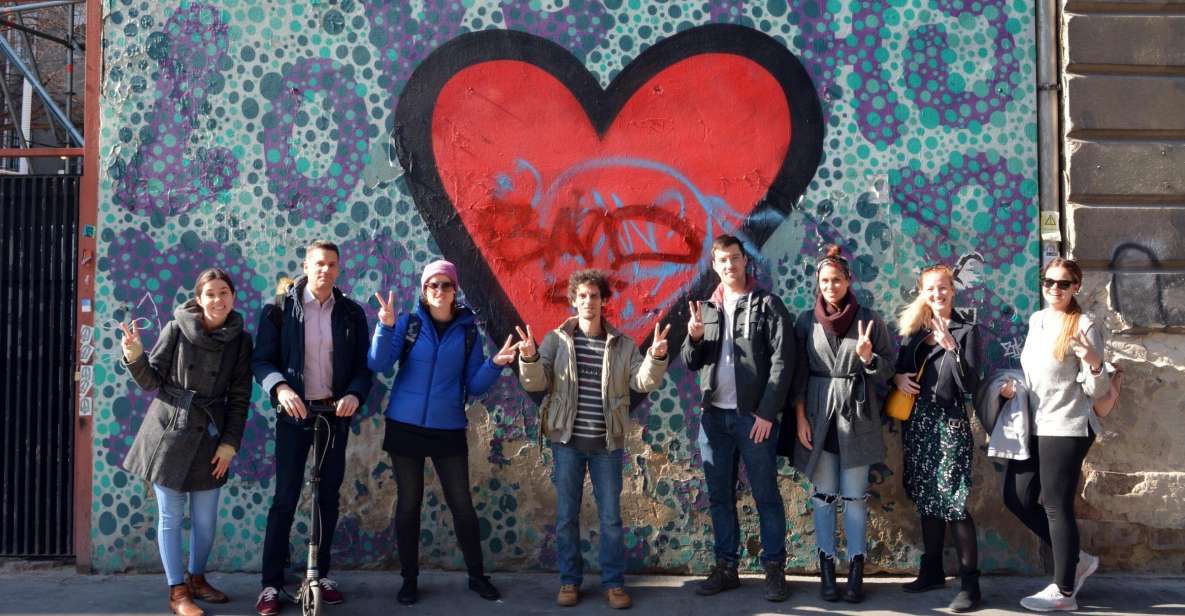
- Street-art focus with real context, including how local writers and artists see Budapest
- Small group format (10 max), so you can ask questions and adjust the pace
- Stops tied to today’s scenes like ruin bars, design shops, galleries, and music venues
- Jewish district energy, including squats/cultural spaces and abandoned-synagogue stories
- Practical refresh breaks that can include coffee or beer spots tied to the art world
- Ruin bar finish potential, with Szimpla Kert described as full of rooms and mismatched objects (including an old Trabant)
Meeting at the Lutheran Church: Then Off the Usual Track
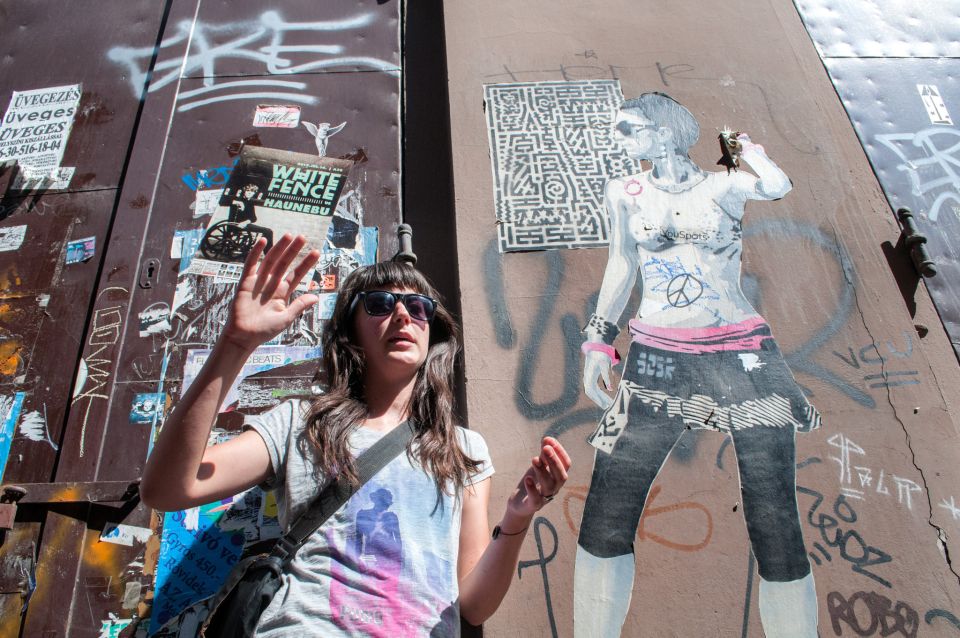
You start at a pretty specific point: the Lutheran Church, pale yellow, right on the church steps. It’s a good anchor because the tour isn’t about marching you along postcard routes. You’re there to get your bearings, then quickly head toward the parts of Budapest that feel more like a living studio than a museum.
From the beginning, the vibe is about walking with someone who’s tuned in to what’s happening now. One guide, Anna, was praised for showing meaningful connections between street corners and local life. Another guide, Krisztián (sometimes spelled Kristian), put the Jewish community history in direct conversation with the rise of ruin bars and nightlife. Either way, you’re getting the why behind what you’re seeing.
Plan for a lot of outdoors time. Even when you get indoor pit stops during worse weather (mulled wine/coffee was mentioned in colder conditions), this is still a walking tour. Comfortable shoes aren’t optional here; they’re the difference between a fun crawl and a miserable one.
You can also read our reviews of more walking tours in Budapest



How This Tour Reads: Present-Focused Budapest, Not Only Past-Packed Budapest
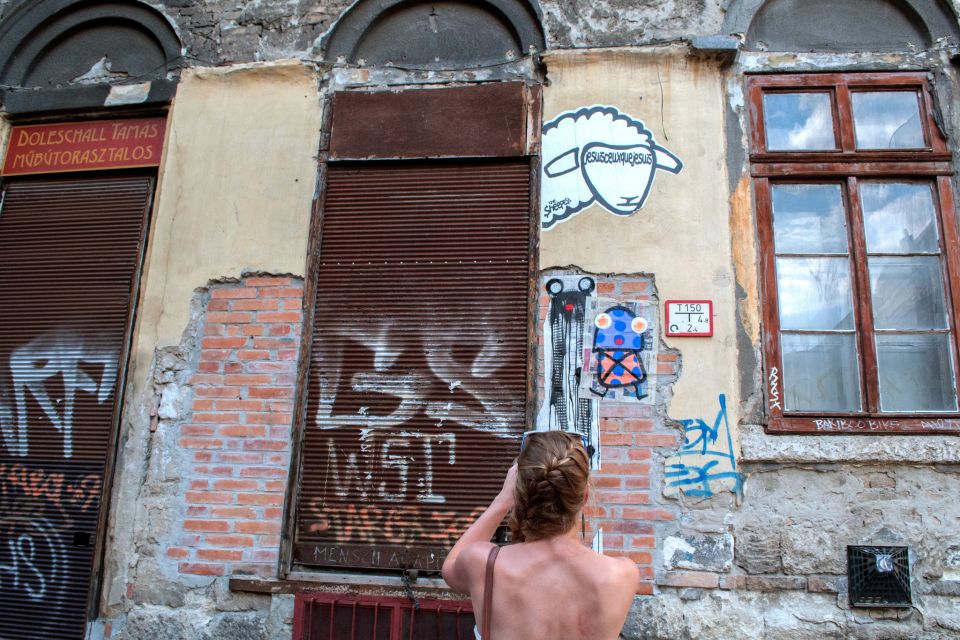
This is not the usual sightseeing theme park. The tour description and the experiences people shared line up around one idea: you’re exploring what Budapest looks like through fashion, underground music, and art culture today.
That matters because Budapest can be explained in two different ways. One is monuments-first and postcard-clean. The other is neighborhood-first, where history shows up in architecture and community shifts, but the present scene tells you what the city is doing with those leftovers.
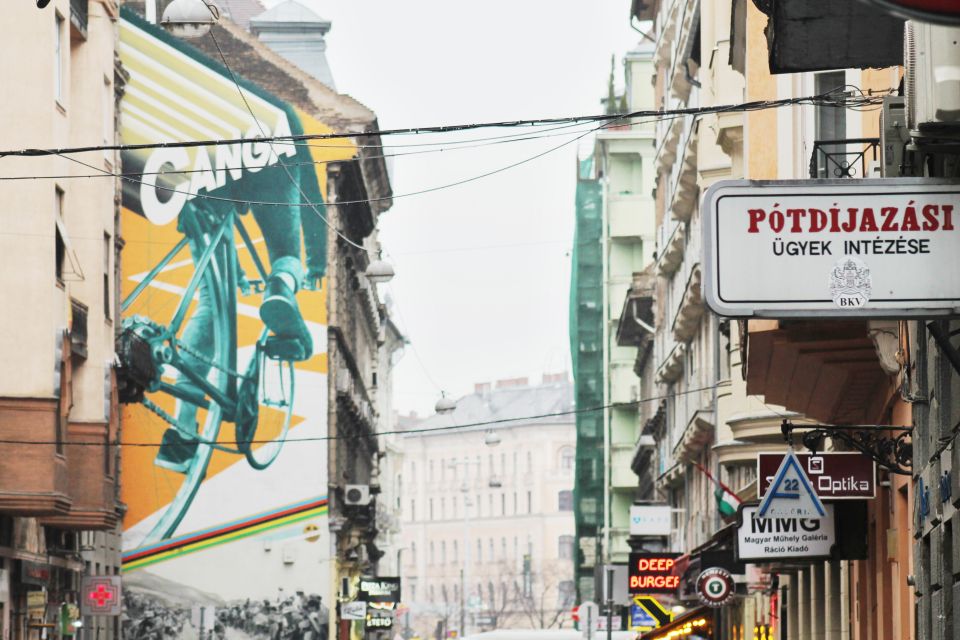
You’ll notice this approach in how guides handle the street art. Instead of treating murals like decoration, they talk about the artists’ world, where graffiti writers fit in, and how the city’s neglected areas became creative ground. If you’ve only seen street art in photos, you’ll start to see it as a local language, not just a pretty wall.
The 7th District and the Jewish Quarter: Where the Alternative Scene Takes Shape
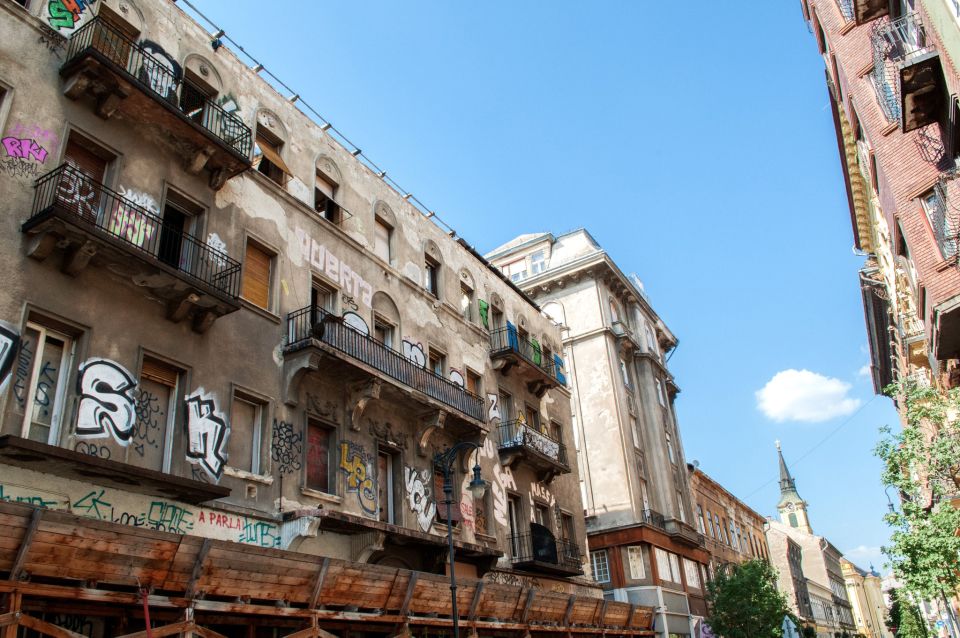
A major chunk of the tour aims at the Jewish district area—often associated with the 7th district—and the shift from neglected spaces to creative hubs. That’s where people talked about squats, cultural centers, and stories around abandoned synagogues. Even if the exact stops change week to week (it’s described as ever-changing), the theme is consistent: uncared-for corners becoming places people choose to belong.
There’s also a strong “connection” angle here. One guide built the story around how community spaces and the ruin bar concept helped revive an entertainment district. Another route was described as going deep into the alternative Jewish-quarter side, with murals and local hangouts as the thread.
For you, that means the tour doesn’t stop at seeing. You’ll be learning how neighborhoods evolve when mainstream attention moves on. And you’ll probably walk away with a better instinct for where to explore after the tour, because the guide isn’t just pointing at places. They’re telling you what those places stand for locally.
Street Art Walk: Murals, Writers, and Why the Walls Matter
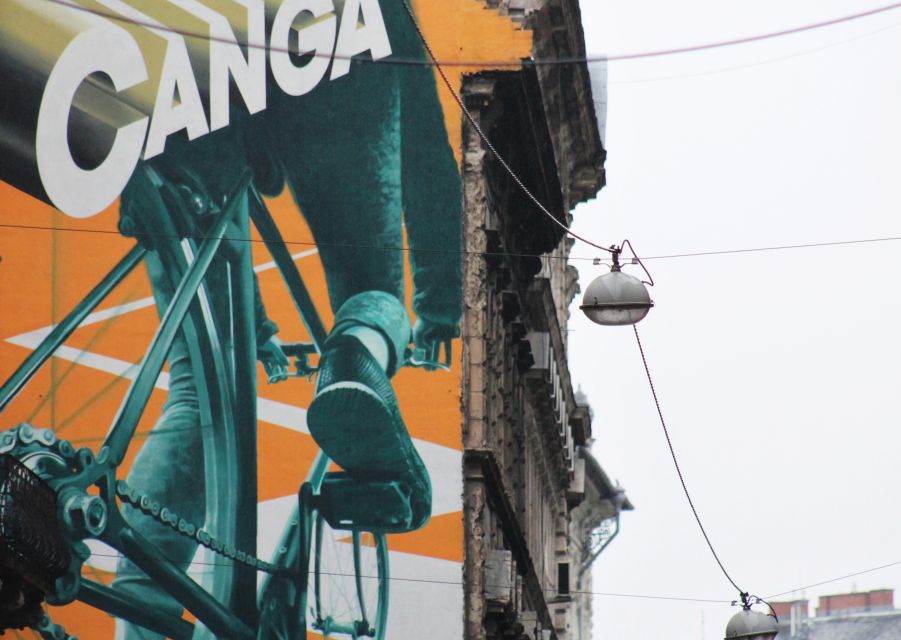
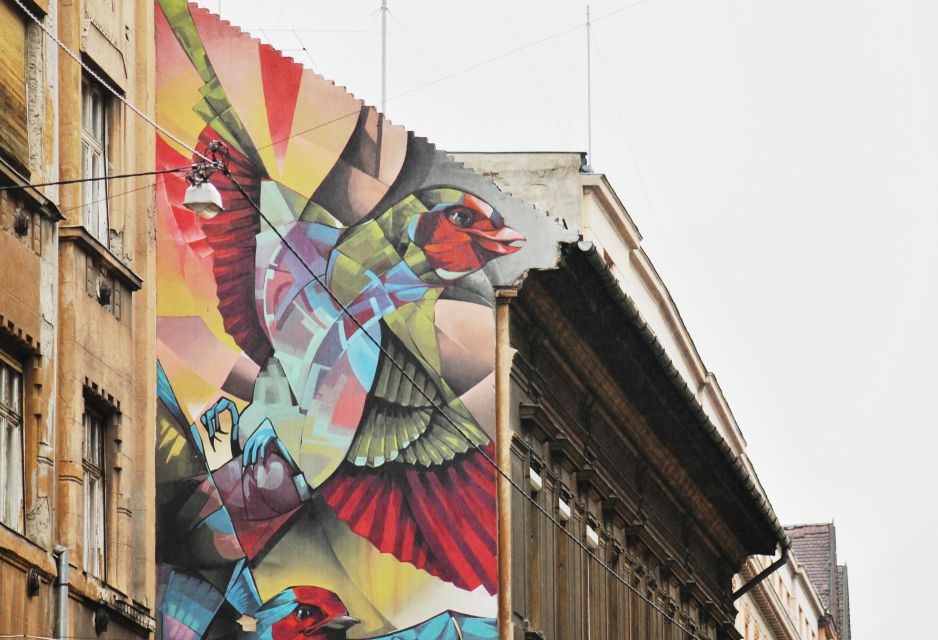
The street art focus is the heart of this experience. You’ll be looking at murals and street art spots that most standard tours would never list. But the real value is how guides explain the scene behind the images.
In multiple accounts, the guides were praised for making the art feel connected to architecture and community life. One person highlighted how the guide explained why Hungarians paint on sidewalks, tying it to a wider architectural approach. Others emphasized background about murals and buildings, plus the stories that help you understand what’s in front of you.
If you’re a serious street art fan, you might already know some of the big concepts. One review did warn that if you’ve been deeply into street art for a long time, you may not feel it’s brand new. That said, the tour’s strength is in the local angle—Budapest-specific art culture and how it connects to the city’s shifting spaces.
Coffee, Beer, and Design Shops: Breaks That Don’t Feel Like Detours
You’re not expected to do this all on empty. The plan includes chances to stop for coffee or beer at art-and-coffee type spots and community-minded venues. That’s not just a comfort break. It’s where you get the social context, the casual “how locals actually spend time” detail.
One specific place came up: Printa, described as an eco design shop where you can get an excellent coffee stop. Another recurring theme is visiting book-shop cafés and art collectives—places where creativity is the product, not a decoration for tourists.
What you can take from these stops is practical. After you’ve spent 2.5 hours learning about the scene, the guide’s recommendations turn into an actual plan for the rest of your stay. You’re not just collecting photos. You’re collecting leads.






Ruin Bars and Music Venues: Budapest’s Most Unusual Social Spaces
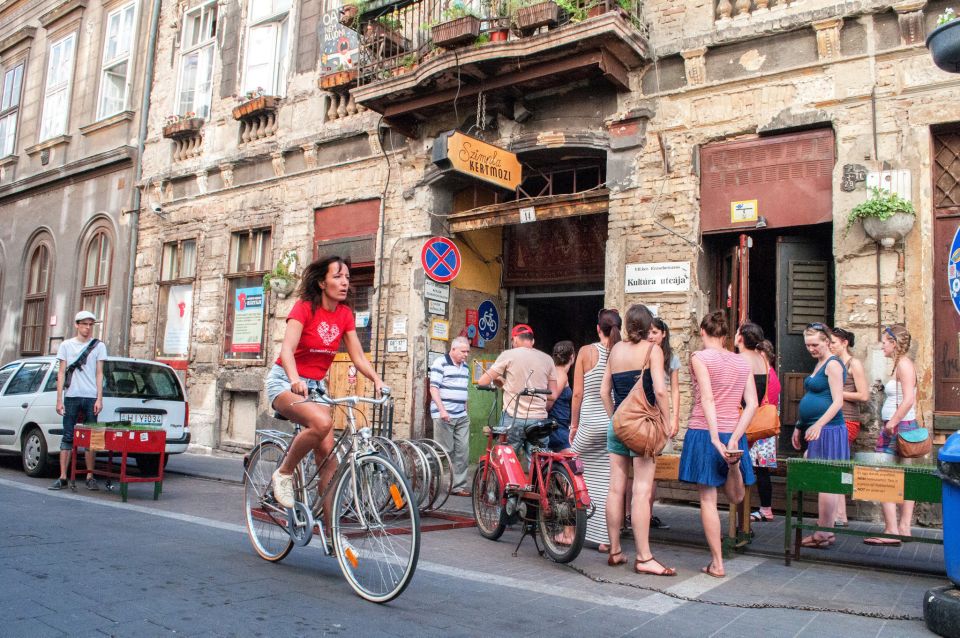
This is where the tour often feels most Budapest. Ruin bars aren’t just nightlife spots; they’re a statement about reusing space and making community out of what’s been left behind.
Szimpla Kert was mentioned as a standout finish: lots of rooms around a courtyard, full of mismatched objects, and even an old Trabant converted into a seating area. Places like that can be chaotic if you wander in blind. With a guide, you get the story behind the layout and why it became part of the city’s revival.
Music venues also show up in the mix. One guide was noted for taking a group to A38, a ship bar/venue, and even catching a sound check. You may not get the same exact stop every time, but the tour’s overall promise includes live music venues and the “underground soundtrack” side of Budapest.
Logistics and Pace: Small Group, Big Walking Shoes
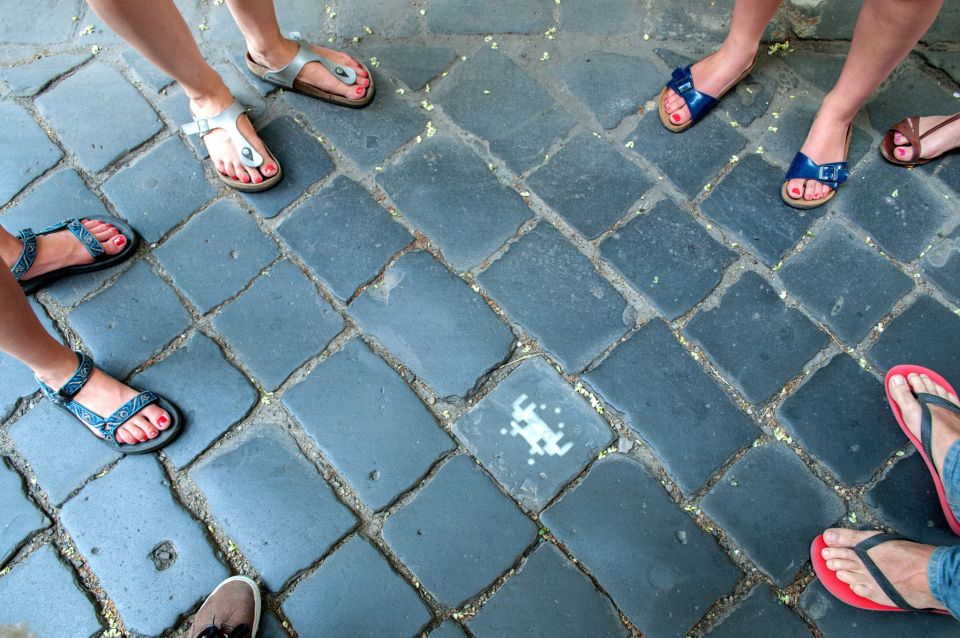
This experience runs for about 2.5 hours, though the description also references around three hours. Either way, you’re looking at a compact route with frequent short stops for explaining what you’re seeing.
The group is small—limited to 10 participants—which helps a lot. It means you’re less likely to get stuck trailing a guide who’s managing a crowd. You can ask questions, and if the guide is like Raymond or Petra, you’ll get answers that sound like they were lived, not scripted.
Practical note: it’s not suitable for people with mobility impairments or wheelchair users. This isn’t a “stroll on smooth paths” kind of tour. It’s urban walking with changing ground and standing time.
Value: Is $67 Worth It for a Street-Art Walk?
At $67 per person, it’s not a bargain compared to the cheapest city walks. But for what you get, it often feels fair—especially if you care about the contemporary side of Budapest.
Here’s why. You’re paying for a guide who can connect street art, neighborhood history shifts, and current alternative culture into one coherent route. You’re also paying for time efficiency. In a couple hours, you cover ground most people would only explore after doing extra reading and still might miss without local guidance.
Some people did flag the price as a bit high. If you’re mainly seeking famous landmarks or you want a long sit-down guided history lecture, you might feel the cost doesn’t match your interests. But if street art, ruin bars, and local creative neighborhoods are your kind of travel, this price buys you a shortcut into the scene.
Who This Tour Fits Best
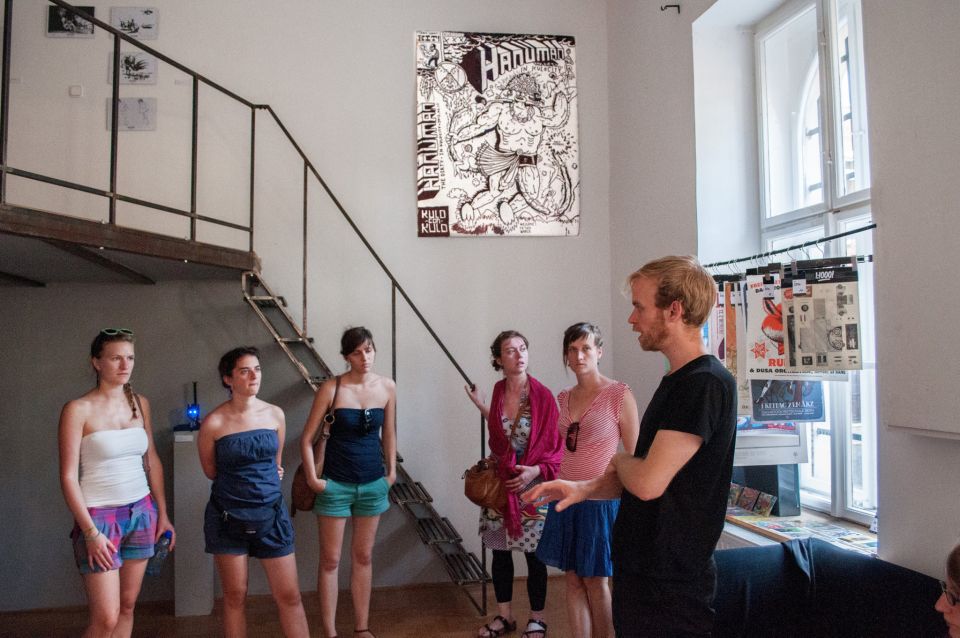
You’ll probably love this if you’re the type who walks slower when you see a mural. You want neighborhoods with personality, and you enjoy learning how people build culture in spaces that weren’t originally designed for “community” tourism.
It also works well if you’re in Budapest for a short visit. One of the recurring themes is that the tour gives you ideas for the rest of your stay—what to see next, where to go for coffee or drinks, and what to look for as you wander.
On the other hand, you might want to skip it if your priority is major monuments, or if you strongly prefer accessible routes. And if you dislike nightlife-adjacent places and alternative scenes, the Jewish-quarter and ruin-bar emphasis may feel too focused on a particular slice of the city.
Should You Book Alternative Budapest Walking Tour?
If you want Budapest that feels alive—street art with local meaning, ruin bars with history behind the vibe, and a guide who can explain the present creative scene—then yes, I’d book it. The small group size and the consistent praise for guides like Ray/Raymond, Petra, and Krisztián are a strong signal that you’re not just buying walking time. You’re buying context.
But book it with clear expectations. This isn’t about ticking off landmarks. It’s about learning how Budapest’s alternative culture works, where it came from, and where it’s headed next.
FAQ
FAQ
Where do I meet the guide?
Meet your guide in front of the Lutheran Church (pale yellow), on the church steps.
What should I bring?
Bring comfortable shoes and weather-appropriate clothing. The tour involves walking outdoors.
How long is the tour?
The duration is listed as 2.5 hours.
How big is the group?
It’s a small group limited to 10 participants.
Is the tour in English?
Yes, the live tour guide offers English.
What’s included in the price?
Included items are the walking tour and a professional guide.
What is not included?
Entrance fees, food and beverages, and pick up/drop off are not included.
Is it accessible for wheelchair users or people with mobility impairments?
No. It’s not suitable for people with mobility impairments or wheelchair users.
Can I cancel for a refund?
Yes. There’s free cancellation up to 24 hours in advance for a full refund.
Can I pay later?
Yes. The option is Reserve now & pay later, meaning you can book your spot and pay nothing today.