REVIEW · BUDAPEST
Budapest: Walking Tour in German
Book on GetYourGuide →Operated by Tourist Angel · Bookable on GetYourGuide
Budapest tells stories in German. This 3-hour walking tour links the oldest parts of Pest to the castle side, with a German-speaking guide and big-ticket sights like St. Stephen’s Basilica and Matthias Church. You’ll also get a clear timeline of Hungary’s history without feeling like you’re stuck in a classroom.
I especially like two things. First, the guide work is strong: people on this route have mentioned named guides such as Ewa, Ursula, and Monika for making the history understandable and answering questions. Second, you end up at the viewpoints around Fisherman’s Bastion and the Buda Castle area, where the city looks like it belongs on a postcard.
One thing to consider: it’s mainly on foot, but you’ll also use public transport to cross the Danube from Pest to Buda. Also, shorts aren’t allowed, so plan outfits accordingly if you’re traveling in warm weather.
Key moments I’d plan around
- German-speaking guide who explains what you’re seeing and helps with questions
- St. Stephen’s Basilica as a major starting anchor next to the meeting point
- Leopoldstadt and the Chain Bridge area for a strong first sweep of Pest
- Fortified Buda Castle, Matthias Church, and Fisherman’s Bastion views
- A 1,100-year Hungary storyline from conquest to modern democracy changes
- Public transport Danube crossing included, with extra tickets required
In This Review
- Why a German-Language Walk Works in Budapest
- Starting at St. Stephen’s Basilica (and Why That Location Matters)
- Pest Highlights: Leopoldstadt and the Chain Bridge Area
- Crossing to Buda: Using Public Transport Over the Danube
- Hungarian Parliament, Royal Palace, and the President’s Palace Views
- Buda Castle Quarter: Fortified Walls and Gothic Matthias Church
- Fisherman’s Bastion Views: Why the End Feels Worth It
- The 1,100-Year Storyline: How the Guide Connects Everything
- Pace, Clothing, and Comfort for a 3-Hour Route
- Price Check: Does $41 Include Enough Value?
- Who Should Book This Budapest German Walking Tour?
- Should You Book This Tour?
- FAQ
- How long is the Budapest Walking Tour in German?
- Where does the tour meet?
- What language is the guide?
- Is the price $41 per person only for the guide?
- Do I need to pay for public transport during the tour?
- What sights are included on the route?
- Is the tour fully walking?
- Are there any clothing restrictions?
Why a German-Language Walk Works in Budapest
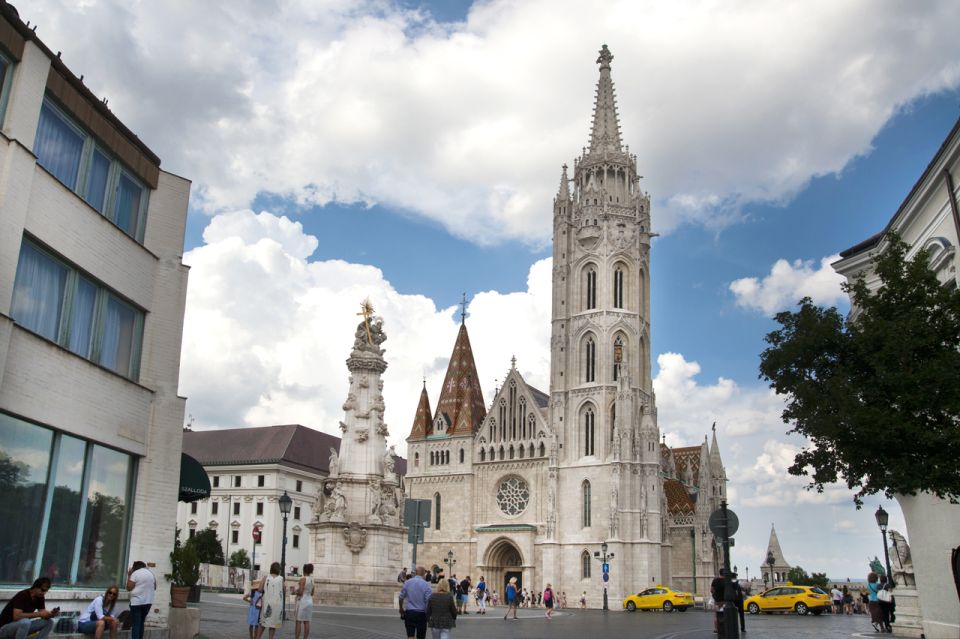
Budapest can feel like two different cities in one. Pest gives you the grand civic buildings and river energy. Buda gives you the castle hills and the dramatic viewpoints. A German-language guide helps you connect those pieces into one story, instead of just hopping between photos.
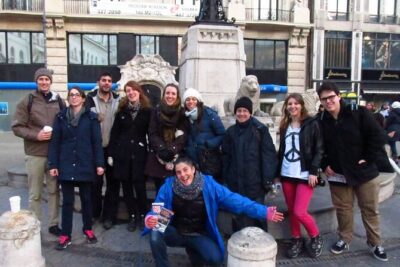
I like that the tour is built for real understanding. You’re not only looking at landmarks—you’re getting the why behind them, and you can ask questions as you go. In past groups, guides named Ewa and Ursula have been called out for clear, interesting explanations, and Monika was noted for helpful practical advice too, including a restaurant tip.
The upside for you: if German is your comfort language, you’ll get more meaning per minute. And if you’re a first-time visitor, this kind of structured orientation can save you from wasting time later trying to piece together the city on your own.
Starting at St. Stephen’s Basilica (and Why That Location Matters)
The meeting point is next to Saint Stephen’s Basilica, in front of California Coffee Company coffee shop. That’s a smart place to start because it puts you in the middle of the action right away, before the route rises toward the castle side.
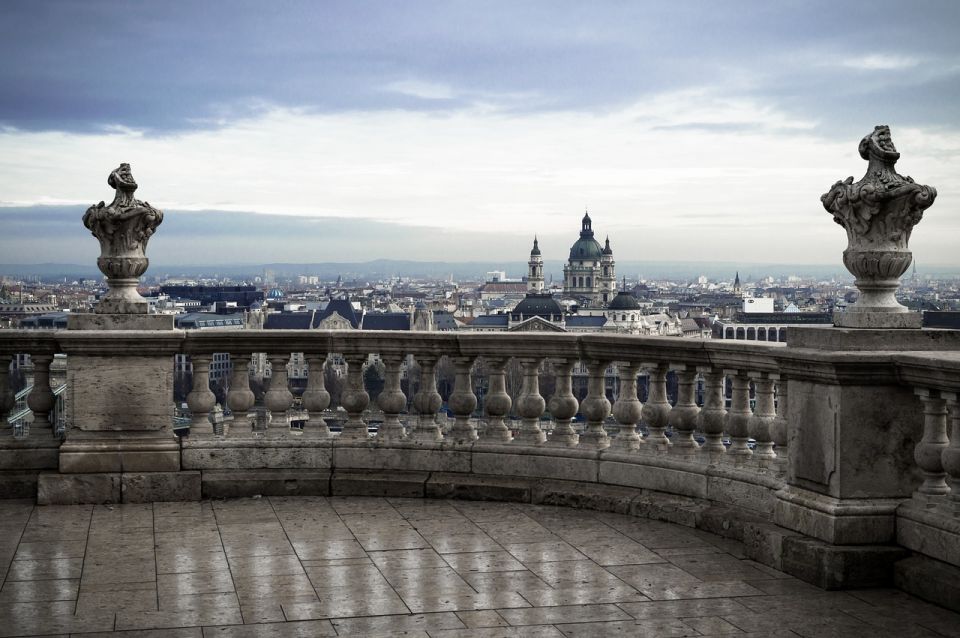
St. Stephen’s Basilica is one of the tour’s headline sights, described as breathtaking, and it sets the tone: this is a serious walking intro to Budapest’s most important landmarks. From there, you’ll be moving into the oldest parts of the city, where the guide can connect architecture and history instead of treating them like separate topics.
Also, if you arrive early, you can get your bearings around the Basilica area before the group starts. Having a recognizable anchor like this reduces stress and makes it easier to find the group when you’re juggling street names, transit, and timing.
You can also read our reviews of more walking tours in Budapest



Pest Highlights: Leopoldstadt and the Chain Bridge Area
After you leave the Basilica area, you’ll head into Leopoldstadt, also described as one of Budapest’s oldest parts. The name alone can sound like a neighborhood trivia question, but on this route it works as a way to understand how Pest developed and how different parts of the city fit together.
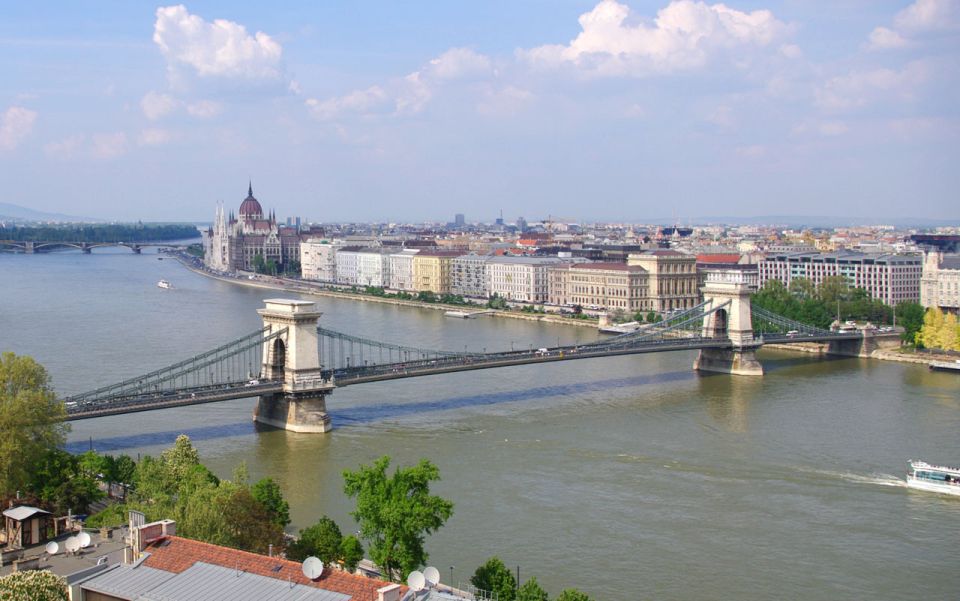
Then comes the Chain Bridge area. Even if you’re not doing a long river walk, the bridge zone is important because it’s where you feel Budapest’s layout. The guide’s job here is to help you read what you’re seeing: where the city’s power and movement sit, and how the Danube acts like a divider and a connector.
One practical tip: wear shoes that handle city sidewalks. This part is not about stopping every five minutes—it’s about a smooth, guided flow through key sights.
Crossing to Buda: Using Public Transport Over the Danube
You’ll mainly walk, but you’ll also use public transport to cross the Danube from Pest to the Buda side. That’s a big deal for two reasons.
First, it keeps the tour efficient. If you tried to do everything strictly on foot, you’d add extra time and fatigue—especially if you’re aiming to see castle-quarter sights in a 3-hour window. Second, it gives you a local way to move between sides of the city, which makes the route feel more like real Budapest rather than a staged loop.
One consideration for your planning: the tour does not include public transport tickets. The data says you need 4 tickets/person, listed as 1400 HU. So when you budget, remember the $41 tour price covers the guide, not the transit.
Hungarian Parliament, Royal Palace, and the President’s Palace Views
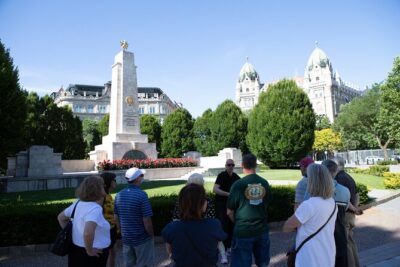
On the Buda side and through the civic stretch, you’ll see the Hungarian Parliament, the Royal Palace, and the President’s Palace. Those stops matter because they show how Budapest projects authority and national identity through architecture and location.
A good guide can do something you can’t easily do on your own: they connect the buildings to the shifts in Hungary’s political life over time. This tour’s storyline covers the conquest period all the way to recent democratic changes, and the major institutions you see along the route are the visual landmarks that help you remember it.
What to do while you’re there: don’t just look at the buildings as scenery. Pay attention to what the guide emphasizes—usually it’s the parts that explain how power moved across the city and across centuries. If you’re the type who likes to know what you’re looking at (not just what it looks like), this section is a strong reason to book.
Buda Castle Quarter: Fortified Walls and Gothic Matthias Church
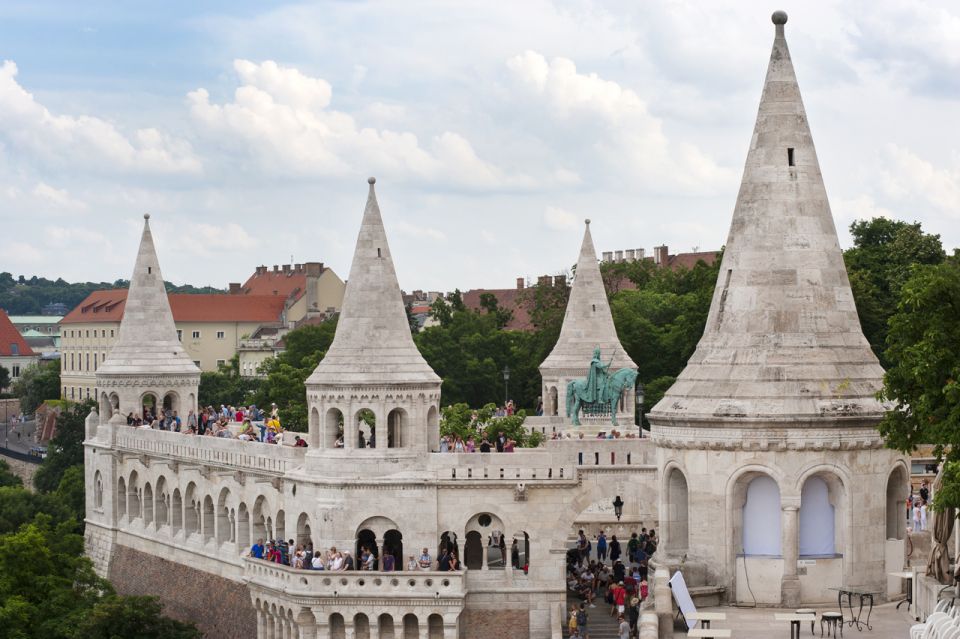
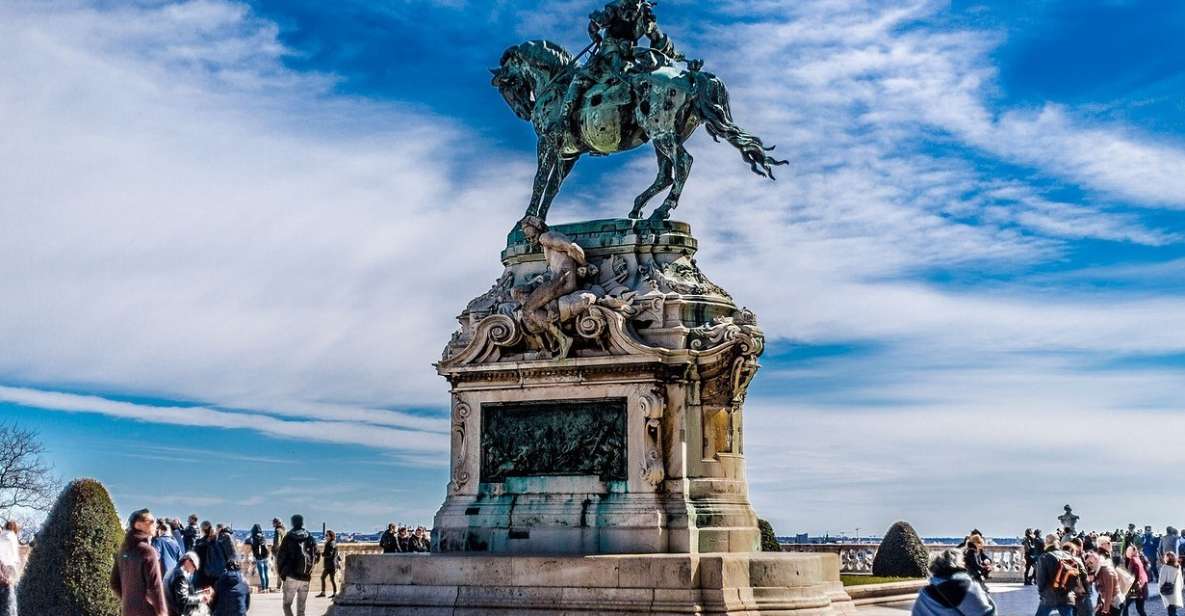
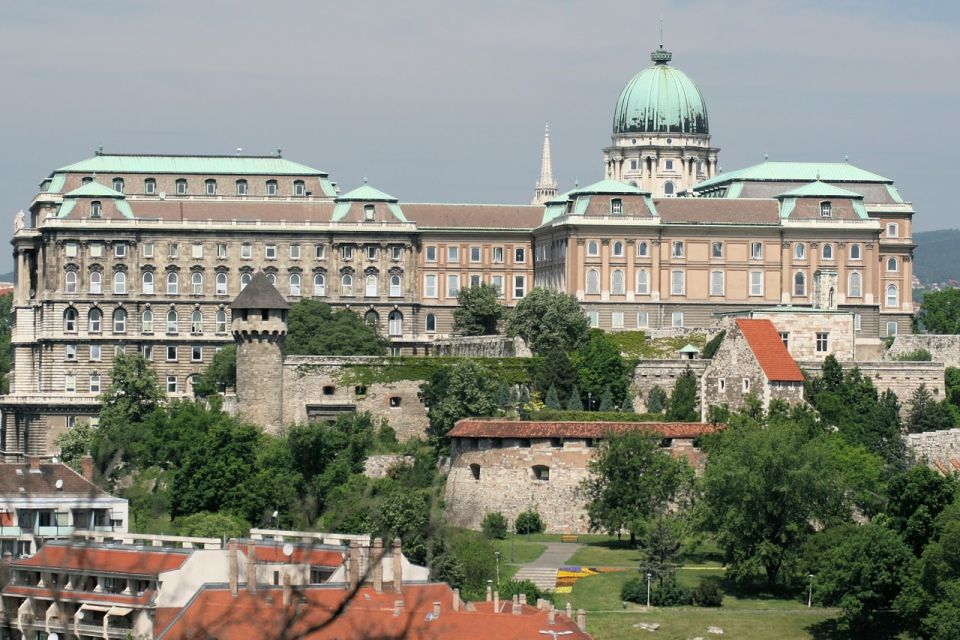
This is where the tour’s tone changes. The focus shifts from Pest’s grandeur to Buda’s hilltop character. You visit the fortified Buda Castle and head toward the Castle Quarter, then move on to Matthias Church.
Matthias Church is specifically called out for its Gothic style, and it’s one of those spots where a description from your guide can matter. Gothic architecture can feel like a visual pattern if you don’t know what to look for. With a German-speaking guide, you’re more likely to catch the details that make this church feel different from other landmark stops.
Then there’s the castle-quarter feel itself. Even if you’ve seen castle districts in other cities, Buda’s arrangement is distinctive. It’s built for viewpoint moments and slow scanning. Don’t rush your photos. Take a few extra seconds at each spot so the guide’s context actually sticks.






Fisherman’s Bastion Views: Why the End Feels Worth It
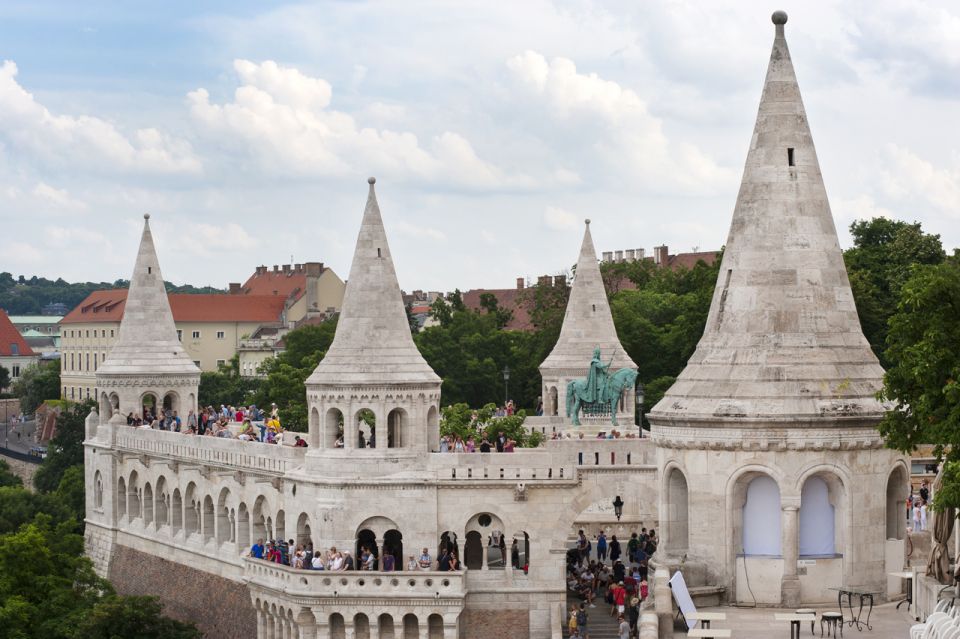
The tour wraps the city overview with views from Fisherman’s Bastion. The description is straightforward: you take in breathtaking views of the city. That’s the payoff for the walking and the transit work.
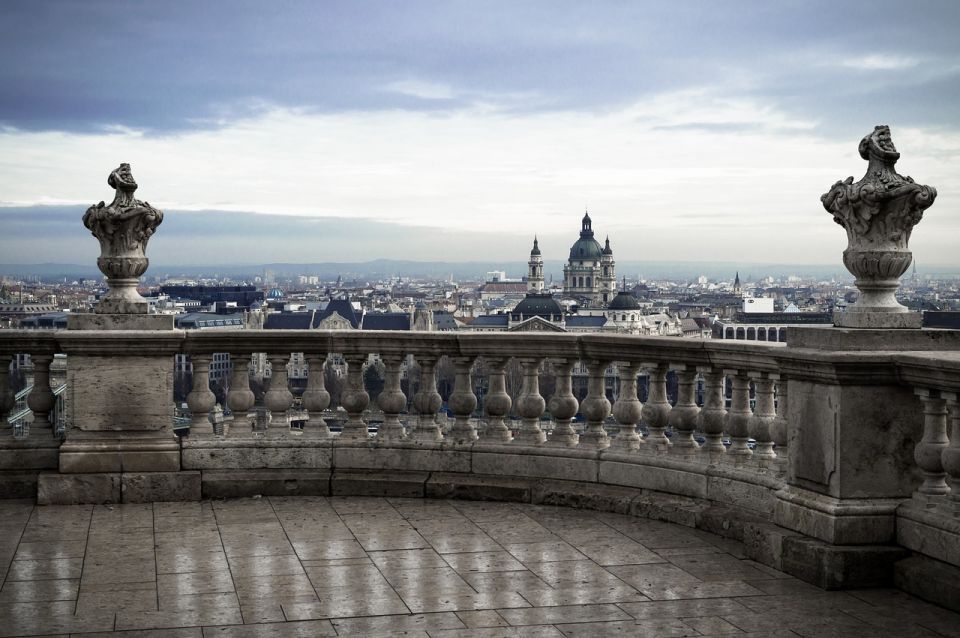
This stop is worth planning for because it gives you a “map in your head” moment. Once you look out over the Danube and see how Pest and Buda line up, your earlier sights start making more sense. It’s one thing to stand near St. Stephen’s Basilica and hear the city story. It’s another to end with a viewpoint that shows you how the pieces relate.
If you like travel photos, bring your phone (and maybe a backup). If you don’t care about photos, you’ll still enjoy this stop because it turns the tour into something you can remember, not just something you walked through.
The 1,100-Year Storyline: How the Guide Connects Everything
The tour promises a tour-through-time approach: a turbulent 1,100 years of Hungarian history, from conquest to more recent democratic changes. That sounds huge, but on a walking tour like this, the key is selection. You’ll likely get a “main thread” story rather than minute-by-minute dates.
The value for you is practical. When you know the broad arc—how Hungary’s identity and political life changed—you understand why certain buildings ended up where they did and why certain areas matter. Without that, Budapest can feel like a list of beautiful stops.
This is where the guide makes the biggest difference. Named guides from German-language bookings were mentioned for being warm and helpful (Ewa and Ursula) and for adding practical advice too (Monika’s restaurant tip). That matters because history lectures that don’t connect to what you’re seeing don’t land. The better guides on this route connect the lesson to the street corner.
Pace, Clothing, and Comfort for a 3-Hour Route
This is a 3-hour experience that’s mainly on foot. But the itinerary includes a public transport crossing to move between Pest and Buda. So you should treat it as a brisk city sampler, not a slow, lingering wander.
Plan on comfortable walking shoes. Bring water if you tend to get thirsty quickly. And take note of the rule: shorts aren’t allowed. If you’re visiting in summer, choose light long pants or other acceptable alternatives.
If you’re sensitive to crowds, go with a calmer mindset. A walking tour covers ground quickly, and many people want the same viewpoints during similar hours. The good news is the tour is 3 hours, so you’re not stuck all day on foot to get the highlights.
Price Check: Does $41 Include Enough Value?
The price is $41 per person for a 3-hour route, with a German-speaking guide included. That’s not only a sightseeing fee—it’s buying clarity. On a city like Budapest, where the landmarks can otherwise blur together, a skilled guide helps you notice what matters.
But the budget needs one extra line: public transport tickets are not included. The tour data specifies 4 tickets/person, costing 1400 HU. So your true all-in cost is the $41 tour price plus that transit add-on.
Is it still a good deal? In my view, yes if you meet two conditions: you want German-language explanation, and you want a first-time orientation that covers big names like St. Stephen’s Basilica, the Hungarian Parliament, Buda Castle, Matthias Church, and Fisherman’s Bastion. If you’re traveling solo and you love to control your pace, or if you’re trying to keep transit spending to a minimum, you might question the value. Otherwise, paying for a guide for three hours is usually a smart shortcut.
Who Should Book This Budapest German Walking Tour?
This tour fits best if you:
- Speak German and want the city explained in German (the tour language is German)
- Want a structured introduction to Budapest with major Pest and Buda landmarks
- Like history stories that follow a timeline rather than random facts
- Prefer private or small groups (private/small groups are available)
It’s also a good fit for you if you want a single “best of” orientation rather than planning a full day across neighborhoods. In a short timeframe, you get a lot of recognizable sights plus the guide’s connect-the-dots effort.
If you hate walking, this isn’t your match. The tour is mainly on foot, and it also includes a Danube transit segment. But if you can handle a half-day stroll, you’ll likely enjoy the flow.
Should You Book This Tour?
Book it if German is your comfort language and you want a guide-led route that covers both sides of Budapest in 3 hours. The pairing of St. Stephen’s Basilica, Chain Bridge area, the civic buildings, Buda Castle, Matthias Church, and Fisherman’s Bastion gives you the kind of overview that makes the rest of your trip easier. Also, guide quality looks like a standout here, with named guides such as Ewa, Ursula, and Monika receiving strong positive attention.
Skip it or reconsider if:
- You’re not willing to pay extra for public transport tickets (1400 HU for 4 tickets/person)
- You need a very relaxed pace with lots of free time
- You’ll be traveling with shorts (the tour doesn’t allow them)
If you’re a first-timer or you want a clean, guided framework for Budapest, this is a strong pick. And with a 4.9 average rating based on 135 reviews, it’s clearly landing well for people who come for the German guidance and the big landmarks.
FAQ
How long is the Budapest Walking Tour in German?
It lasts 3 hours.
Where does the tour meet?
The meeting point is next to Saint Stephen’s Basilica, in front of the California Coffee Company coffee shop.
What language is the guide?
The live tour guide speaks German.
Is the price $41 per person only for the guide?
Yes. A German-speaking guide is included, but public transport tickets are not included.
Do I need to pay for public transport during the tour?
Yes. The tour data lists public transport tickets as not included: 4 tickets per person for 1400 HU.
What sights are included on the route?
You’ll see places such as St. Stephen’s Basilica, the Hungarian Parliament, the Royal Palace, the President’s Palace, the Castle Quarter, Matthias Church, and the Fisherman’s Bastion.
Is the tour fully walking?
It’s mainly on foot, but you will use public transport to cross the Danube from Pest to the Buda side.
Are there any clothing restrictions?
Yes. Shorts are not allowed.