REVIEW · BUDAPEST
Art Nouveau Tour in Budapest: 3-Hour Private Tour
Book on GetYourGuide →Operated by FUNGARIAN · Bookable on GetYourGuide
Budapest’s facades have secret stories. This private 3-hour walk through Pest’s Art Nouveau era (late 1890s to early 1900s) turns pretty buildings into a real lesson on Secession and city life back then. I like that it’s personalized, so you can ask questions as you go, not after the tour is over.
Two things I especially liked: the way you learn to read decorative facades, and the attention to symbols and stories behind the architecture—like the beehives you’ll see on public buildings. One thing to keep in mind: it is not suitable for people with mobility impairments, and you’ll want comfortable shoes for a solid 3-hour outing.
If you want a tour that makes Budapest feel understandable fast, this one is a good pick. It focuses on how Art Nouveau spread through Budapest and why the city’s look stayed grounded instead of turning into skyscrapers. A small caution: pickup depends on clear coordination, and one participant reported an issue with pickup timing/location—so confirm details ahead of time.
In This Review
- Why Budapest’s Art Nouveau feels different
- A 3-hour private architecture lesson you can actually use
- Getting picked up in Budapest and setting the tone fast
- Pest’s late-1890s to early-1900s makeover: what you’re really seeing
- Secession (szecesszió) on the street: name, meaning, and attitude
- Folk motifs in Hungarian design: when ornament becomes identity
- Bee hives and other symbols: decoding meaning on public buildings
- Why Budapest has no skyscrapers: a skyline lesson in disguise
- Talking with the guide: where the tour earns its 3 hours
- What’s included (and what to plan around)
- Price at $127 per person: does it make sense?
- Who should book this tour, and who should skip it
- Should you book the Art Nouveau Tour in Budapest?
- FAQ
- How long is the Art Nouveau tour?
- Is this tour private?
- Where does the guide meet you?
- What languages are offered for the live guide?
- What is included in the tour price?
- Is transportation included during the tour?
- Is food or drink included?
- What should I wear or bring?
- Is the tour suitable for mobility impairments?
- What is the cancellation policy?
Why Budapest’s Art Nouveau feels different
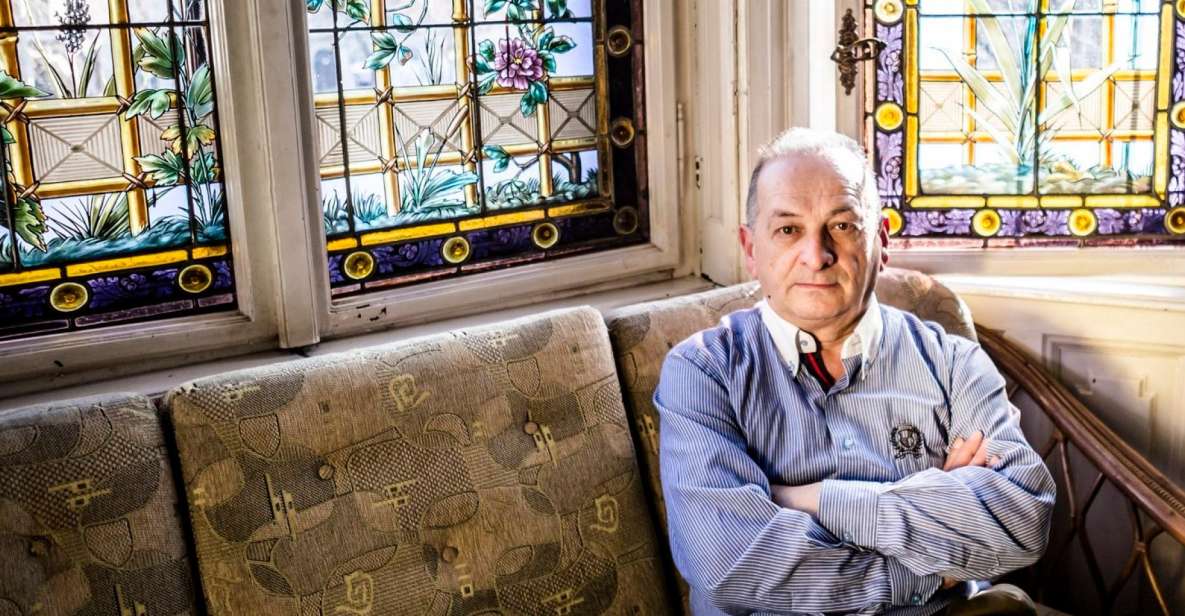
- Secession (szecesszió) explained in plain language and tied to what people were trying to change in architecture.
- Hungarian folk motifs in stone and plaster, so you can spot the local references instead of treating ornament as random decoration.
- Beehives as a symbol on public buildings, with meaning you can actually connect to the design.
- Decorative facades and the no-skyscraper story, giving you a citywide perspective in just 3 hours.
- A private guide who answers your questions, including the kind that make you look at details differently (this is where the tour earns its value).
- Notebooks, pens, and printed material so you can keep track of what you’re seeing while it’s still fresh.
A 3-hour private architecture lesson you can actually use
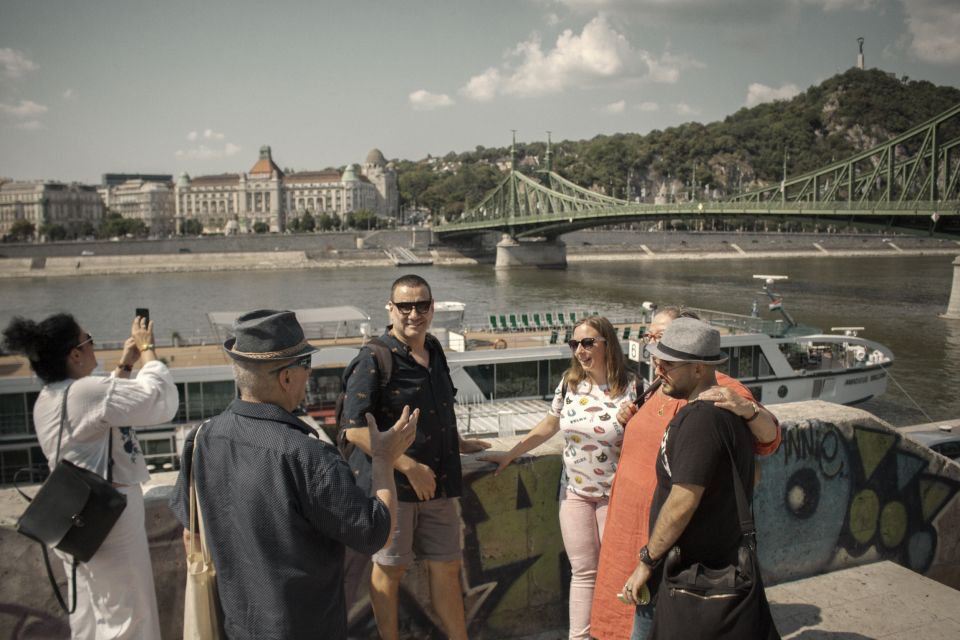
Budapest is the kind of city where you can wander for days and still miss the point. This tour is designed to fix that. In three hours, you get a tight storyline: Pest’s transformation in the late 19th and early 20th centuries, then the Art Nouveau response—crafted not as a generic style, but as something Budapest-specific.
What makes it work for me is how practical the framing is. You’re not just shown buildings; you’re taught how to interpret them. And because it’s private, the guide can tailor the pace—especially if you’re the type who stops often to ask why a facade looks the way it does.
Also, you’ll get basics that pay off immediately after the tour: you’ll learn why certain design choices were popular, and why Budapest’s skyline didn’t rush toward tall, modern towers. That helps your next walk make more sense.
You can also read our reviews of more private tours in Budapest



Getting picked up in Budapest and setting the tone fast
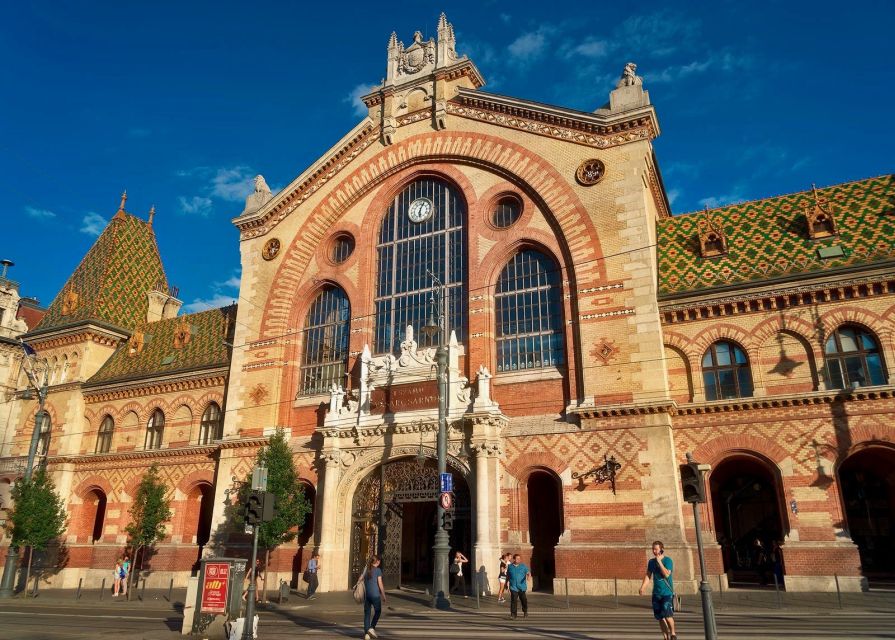
Pickup is included, and your guide meets you at your accommodation in Budapest. From there, you move together to the first stop, so you aren’t spending your energy figuring out logistics before you even start learning.
Because the tour is only three hours, this matters. A late start or an unclear meetup can steal time from the buildings you came to see. One downside that showed up in real feedback is that pickup coordination can sometimes go wrong if the meeting details aren’t handled smoothly. So do this simple thing: confirm the pickup plan with the local partner before the day of your tour, and be reachable.
Once you’re underway, the guide uses the time well. You’re given notebooks and pens, which is a small detail but a useful one. It encourages you to slow down, write down names or symbols, and compare what you see from stop to stop.
Pest’s late-1890s to early-1900s makeover: what you’re really seeing
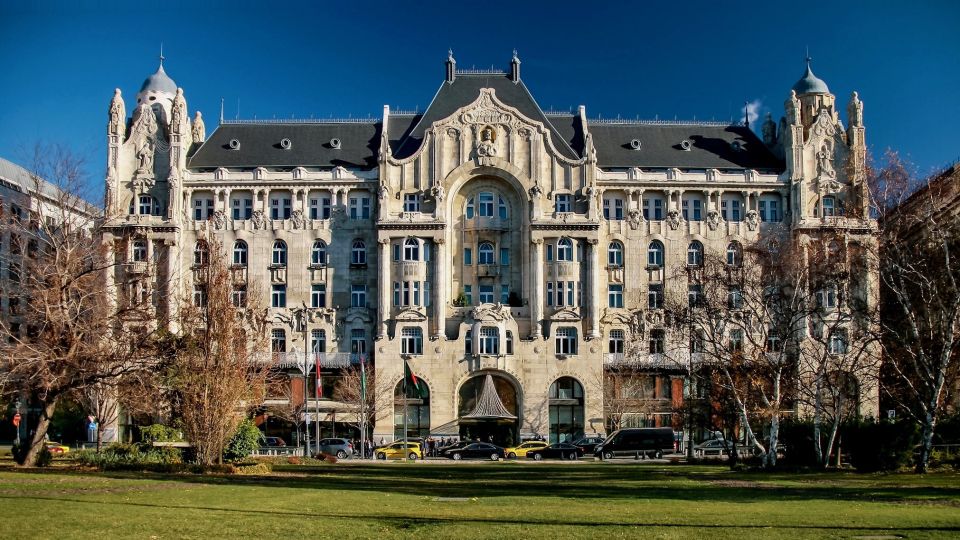
The tour takes you back to the heyday of Pest, when the city was changing rapidly. Art Nouveau, in this context, isn’t just style for style’s sake. It’s a visual statement—an argument that everyday life deserved beauty and identity, not only grand monuments.
You’ll focus on how the movement shows up in real streetscapes, including why many late 19th-century buildings carry heavy decoration on their facades. That’s one of those Budapest facts that sounds confusing until you learn the logic: ornament isn’t random here. It’s part of how the city presented itself during an era of growth and ambition.
And you’ll get the bigger picture behind the look: how Art Nouveau altered architectural thinking, not only by changing decoration but also by changing how architects talked about design itself. Even if you’re not an architecture nut, you’ll come away with a clearer sense of why Budapest looks the way it does.
Secession (szecesszió) on the street: name, meaning, and attitude
One of the most helpful parts is how you learn why Art Nouveau is called Secession in Hungarian. The word points to a break—an insistence on doing things differently from what came before. On this tour, that idea isn’t left as trivia.
As you walk, you’ll connect the name to what you’re looking at: the movement’s preference for expressive, sometimes dramatic design elements, and its focus on unity between form and detail. The guide also explains why the decorative language mattered to Budapest in this period—how it fit the city’s push to define itself.
If you’ve ever felt that architectural styles blur together, this section fixes that. It gives you a mental hook you can reuse later when you spot similar motifs across the city.
Folk motifs in Hungarian design: when ornament becomes identity
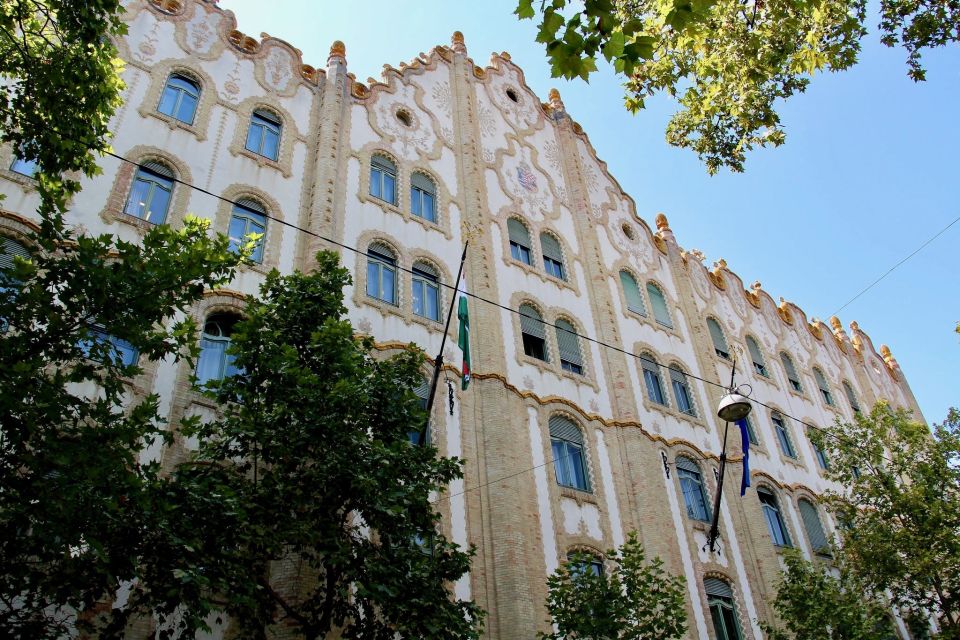
Here’s the point that made the tour click for me: Hungarian folk motifs aren’t just decorative background. You’ll learn how they were built into Art Nouveau designs so the style didn’t feel like a copy-paste trend from elsewhere.
That means you’re not looking at facades as wallpaper. You’re learning to recognize local fingerprints—cultural references that turned the architecture into a kind of visual storytelling.
And because the guide explains the why behind the ornament, you’ll start noticing patterns faster. You won’t just say, That’s pretty. You’ll say, I get what they were trying to communicate.
This is also one of the reasons a private format matters. If you want more explanation on symbolism, the guide can go deeper at the exact moment you’re staring at it.
You can also read our reviews of more tours and experiences in Budapest




Bee hives and other symbols: decoding meaning on public buildings
The tour includes some striking symbolism. You’ll hear about what beehives represent on Budapest’s public buildings and how the meaning connects back to the era’s design choices.
Even without memorizing every symbolic interpretation, this part helps you look at buildings differently after the tour. You’ll become more alert to details that seem small at first—shapes, repeated patterns, or animals and objects used as more than decoration.
Think of it as learning a translation key. Once you have that, Budapest stops being a set of pretty facades and becomes a place with ideas you can read.
Why Budapest has no skyscrapers: a skyline lesson in disguise
This tour also tackles a fun, practical question: why there are no skyscrapers in Budapest. It’s the kind of thing you hear as a quick fact, but here you get the context behind it.
The result is that you leave with a citywide understanding, not just a style guide. You’ll see how architectural trends and cultural choices influenced what built form was possible or desirable. The lesson connects back to the period you’re touring—when buildings prioritized design identity and street-level character.
If you plan to spend more time in Budapest after this, this section pays off. Your “what am I looking at?” questions will change from How is this built? to Why did it end up this way?
Talking with the guide: where the tour earns its 3 hours
In real life, the best tours don’t just lecture. They respond. This one gives you that chance—especially if you like asking follow-up questions.
One guide name you’ll hear in feedback is Miklós, and the strong theme is that he’s friendly, flexible with questions, and able to explain architecture while also answering broader curiosity about Hungary and people. The tour also seems to work as a learning conversation, not a one-way presentation.
There’s another practical bonus tied to the guide: you’ll get help understanding the underground and tram system. That matters because after a tour like this, you’ll want to keep exploring. Knowing how to get around quickly lets you turn new architectural ideas into more sightings of your own.
What’s included (and what to plan around)
You’ll get notebooks, pens, and printed material. I like that because it supports active note-taking and helps you remember what you learned while you’re still walking through the city.
What’s not included is food and drink, plus transportation. In plain terms: plan to grab something before or after your tour. Also, since pickup is handled and the guide leads you to the first stop together, you’ll mainly be thinking about footwear and time—not buses or tickets during the tour itself.
Bring comfortable clothes and comfortable shoes. This kind of architecture tour tends to involve standing close to facades and moving at a walking pace, so you’ll feel the difference between good shoes and average shoes.
Price at $127 per person: does it make sense?
At $127 per person for a private 3-hour tour, you’re paying for three big things: a guide who can answer questions, a focused theme (Art Nouveau/Secession in Budapest), and pickup coordination that starts your day smoothly.
If you’re traveling with a group you don’t want to split or you’re the type who learns best by talking things through, this price can feel fair. A private format also means you’re not stuck with a generic script for mixed interests.
If you’re just looking for a quick photo stroll with no interest in symbolism, names, or history, you might feel it’s overpriced. But if you want the “why” behind the facades and the citywide story in a tight window, $127 is a reasonable way to buy understanding.
The tour also has a solid rating of 4.6 out of 5 from 21 reviews, with many comments praising guide quality and the feeling that three hours flew by thanks to the clarity and friendliness.
Who should book this tour, and who should skip it
This tour is a good match if you:
- Care about architecture and want meaning, not just visuals
- Like history, but prefer it tied to real street details
- Want a private guide so you can ask questions as you go
- Are curious about how Hungarian culture showed up in building design
It’s probably not a great match if:
- You have mobility impairments, since it is not suitable for that
- You want food built into the experience (food and drink aren’t included)
- You hate walking around and standing still for facade details
If you’re visiting Budapest for a short time, this tour is also a smart first-weekday option. It helps you “see” the city correctly before you spend hours wandering.
Should you book the Art Nouveau Tour in Budapest?
I think you should book it if you want to leave Budapest with a clear mental map of Art Nouveau as a Budapest story. The tour’s focus on Secession, Hungarian folk motifs, facade symbolism like beehives, and the broader explanation for architectural choices makes it more than a style walk.
The one reason to hesitate is practical: pickup coordination and physical comfort matter. If you’re strict about timing or you have mobility needs, double-check pickup details and consider a different format.
If you book, do one thing that boosts your experience immediately: come ready to ask questions. This tour is built for that, and the best parts are the moments when the guide connects what you’re seeing to the larger story of Budapest.
FAQ
How long is the Art Nouveau tour?
It lasts 3 hours.
Is this tour private?
Yes, it’s a private group.
Where does the guide meet you?
Pickup is included. Your guide will meet you at your accommodation in Budapest, and then you’ll go together to the first stop.
What languages are offered for the live guide?
The live tour guide is available in English, German, and Albanian.
What is included in the tour price?
Included items are notebooks, pens, and printed material.
Is transportation included during the tour?
No. Transportation is not included.
Is food or drink included?
No, food and drink are not included.
What should I wear or bring?
Bring comfortable shoes and comfortable clothes.
Is the tour suitable for mobility impairments?
No, it is not suitable for people with mobility impairments.
What is the cancellation policy?
You can cancel up to 24 hours in advance for a full refund.