REVIEW · BUDAPEST
Budapest: Museum of Ethnography Entry Ticket
Book on GetYourGuide →Operated by Hungaria Koncert Ltd. · Bookable on GetYourGuide
Budapest has a rooftop view worth planning for. The Museum of Ethnography (Néprajzi Múzeum) gives you world-class gallery space—about 7,000 m²—and a rooftop garden that looks out over the city. I like that it goes beyond Hungary alone and shows how people share culture across the world, but one caution: make sure you pick the right option, since some choices focus only on the ZOOM exhibition rather than all galleries.
Before you go, know two practical things. The museum closes on Mondays, and the last admission is one hour before closing, so you’ll want to start earlier than you think. Also, photography is allowed without flash, which makes it easier to capture the details of textiles, objects, and displays as you move through the permanent and temporary exhibitions.
In This Review
- Key Things to Notice Before You Buy
- Entering the Museum of Ethnography: Where the City-Park Mood Starts
- Price and Ticket Options: Why $8 Is a Real Value (If You Pick the Right One)
- The Exhibition Floor: 7,000 m² of Culture Under Controlled Light
- Don’t Rush the Galleries: How to See More in Less Time
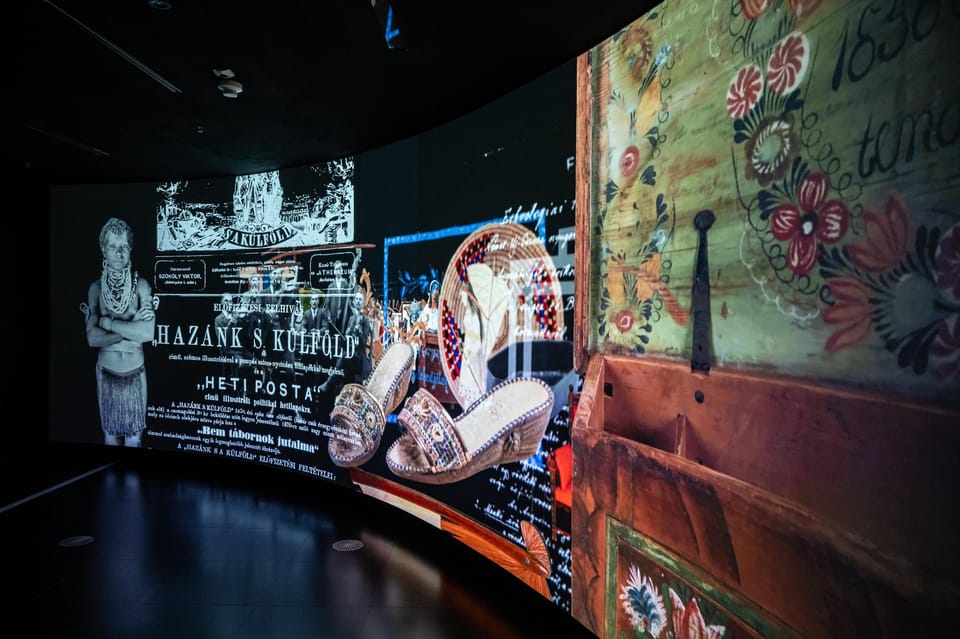
- ZOOM – A Change in Perspectives: When Perspective Becomes the Exhibit
- The Rooftop Garden View: Your Best Reason to Stay Past the Galleries
- Audio Guide in English (and Hungarian): Helpful, Not Mandatory
- Temporary Exhibitions Can Turn Your Visit Into a Specific Story
- Museum Etiquette and Viewing Tips That Save You Time
- Who This Ticket Fits Best (and Who Might Want Something Else)
- Should You Book the Museum of Ethnography Ticket?
- FAQ
- Is the Museum of Ethnography closed on any day?
- Where do I meet for the ticket?
- What does the ticket include?
- How long is the ticket valid for?
- Is photography allowed inside?
- Are audio guides and accessibility available?
Key Things to Notice Before You Buy
- Oldest ethnographic museum roots (since 1872): a long-running institution, not a one-off exhibit hall.
- 7,000 m² of indoor galleries: big enough that you can take your time without feeling rushed.
- Protected from natural light: good conditions for sensitive objects and detailed viewing.
- Rooftop garden city views: plan a few slow minutes up top near the end.
- Choose wisely between ticket types: one option may cover only the ZOOM exhibition, not the full museum.
- Audioguide support in key areas: English and Hungarian help you read what you’re seeing.
Entering the Museum of Ethnography: Where the City-Park Mood Starts
The Museum of Ethnography sits at the gateway to Budapest’s biggest park area, so your visit starts with a change in pace. You’re not just stepping into a museum—you’re moving from city streets into a calmer, greener zone before you even reach the entrance. The meeting point is simply the museum itself: Néprajzi Múzeum, which makes it easy to coordinate with your day.
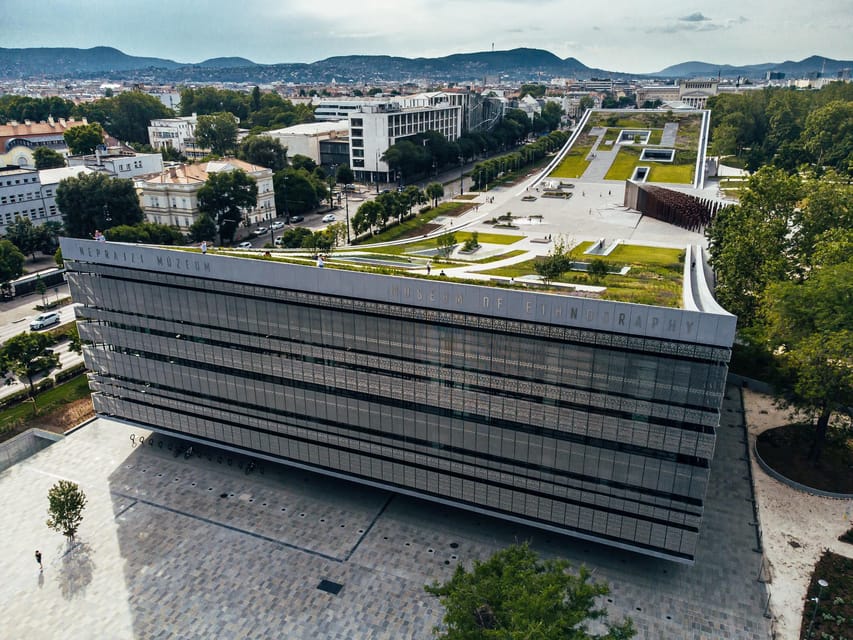
This museum is housed in a stunning new building, and it’s one of the newest museum buildings in Europe. That matters because ethnographic objects—textiles, tools, everyday cultural items—are often displayed with a lot of care. A modern museum layout also tends to help you move between permanent collections and temporary shows without feeling like you’re threading a maze.
One of the things I like about this place is its straightforward focus. Ethnography means learning how people live, make, trade, and create meaning in their communities. Here, you’ll see that approach extended across continents, not trapped inside a single theme. That makes the visit feel both personal (you’ll recognize everyday human patterns) and educational (you’ll see those patterns expressed in ways that are new to you).
You can also read our reviews of more tours and experiences in Budapest

Price and Ticket Options: Why $8 Is a Real Value (If You Pick the Right One)
At around $8 per person, this entry ticket is strong value for Budapest. You’re not paying for a quick hit; you’re buying access to major exhibitions and enough space to spend an entire day without needing to “speed-run” the visit.
The big practical question is: what exactly does your ticket include?
- The All Exhibitions option gives you access to all permanent and temporary exhibitions plus an audioguide. It also includes a 10% discount at the Ethnoshop.
- The ZOOM – A Change in Perspectives option is more limited. It focuses on the ZOOM exhibition only.
That distinction is worth taking seriously, because it can change your day. If you want the full museum experience—permanent galleries, temporary exhibitions, and the full sense of scale—choose All Exhibitions. If you only care about a specific featured show, the ZOOM-only ticket may be enough. Either way, double-check what’s included before you commit, especially if you’re booking online.
The Exhibition Floor: 7,000 m² of Culture Under Controlled Light
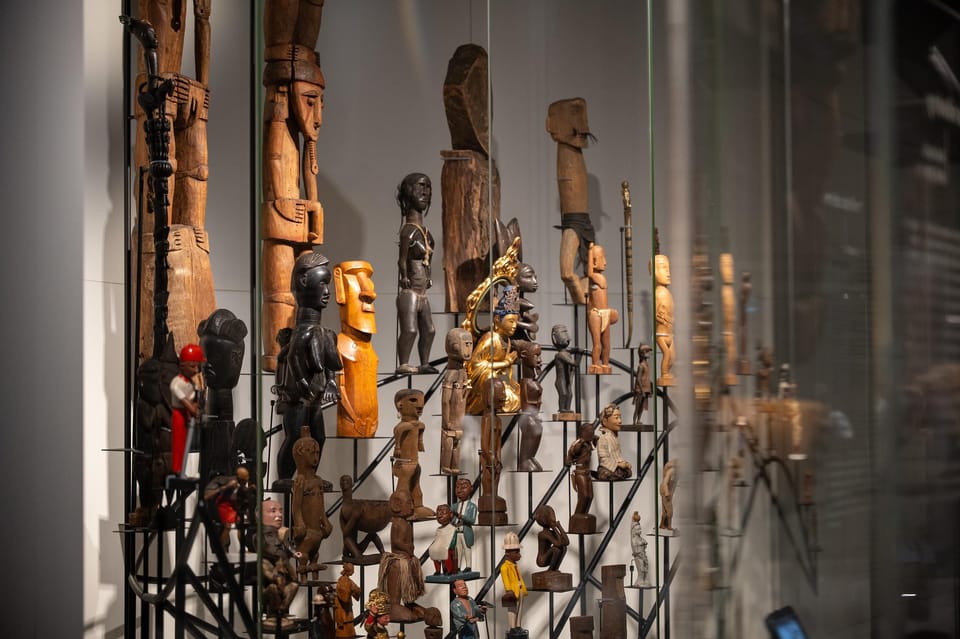
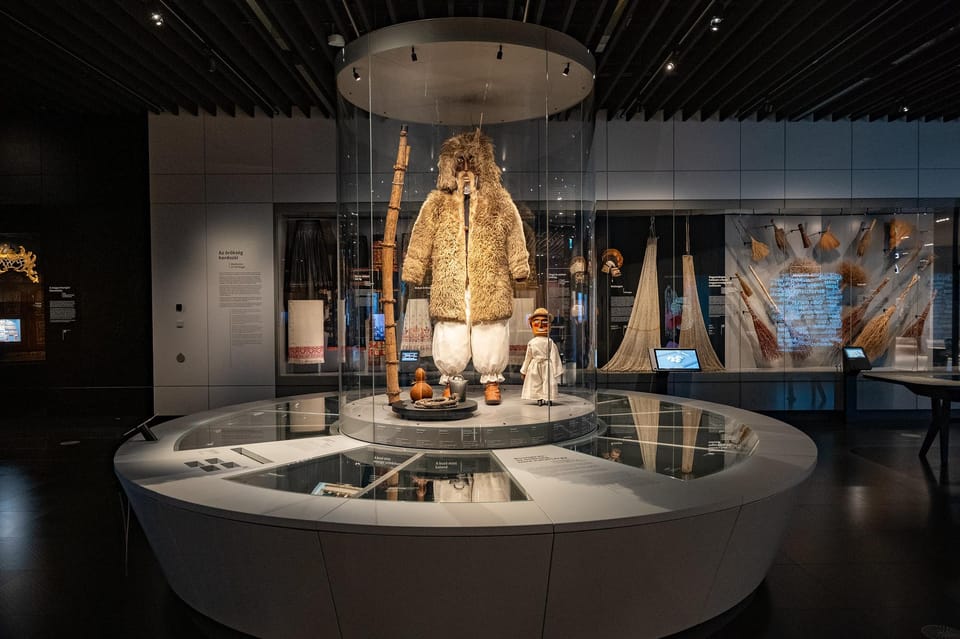
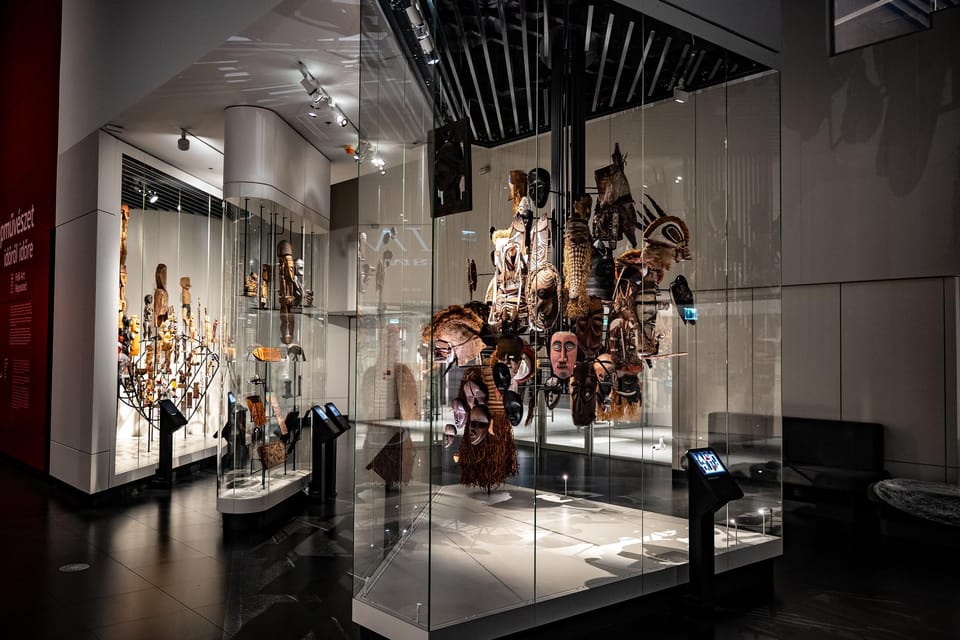
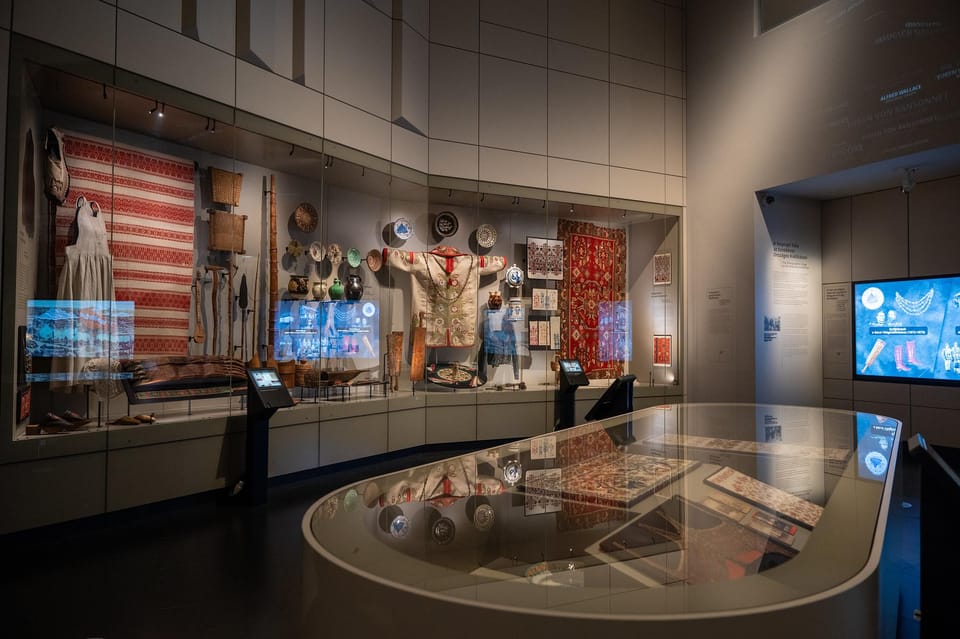
Once you’re inside, the museum’s scale becomes clear fast. The exhibition spaces cover 7,000 square meters, which is a lot of room for a single entry ticket. You’ll likely spend time in both permanent and temporary areas, and the museum specifically mentions that the galleries are protected from natural light. That’s not just a technical detail—it usually means you’ll have consistent viewing conditions, and the displays are designed with sensitive materials in mind.
The museum’s permanent work centers on ethnography and the preservation of intangible cultural heritage linked to ethnographic research. In plain terms, it’s not only about objects you can hold in your hand. It’s also about traditions, practices, and the knowledge systems behind them—what people do, how they learned it, and why it matters.
You’ll see that focus expressed across Hungarian, European, and world communities. Even if you’re not a museum expert, that structure helps you make sense of what you’re looking at. Instead of wandering randomly, you can feel how the museum builds connections between local traditions and wider global patterns.
The museum’s approach also matters for temporary exhibitions. At least during May 22, 2025, one temporary display focused on Herman Ottó—a figure tied to Hungarian scientific and cultural life, especially around bird study. If a show like that lines up with your travel dates, it’s a nice bonus: it turns the museum into a living place where the interpretation of culture keeps changing.
Don’t Rush the Galleries: How to See More in Less Time
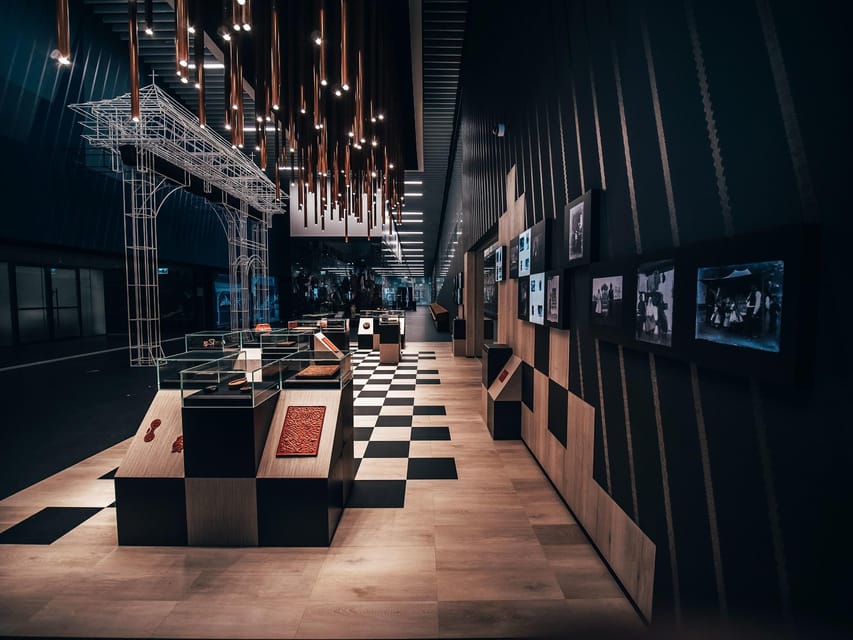
With a museum this size, speed is the enemy. Instead of trying to view everything equally, I recommend a simple strategy: move through galleries once at a steady pace, then slow down in the sections that genuinely hook you.
Here’s a practical way to do it:
- Start with the main flow of permanent exhibitions so your brain gets the museum’s visual language.
- Then branch into temporary exhibitions while you still have energy.
- Leave a little slack time for the rooftop garden at the end, when you’ll have the most time to enjoy it without feeling like you’re cutting corners.
Also, don’t underestimate how much time you’ll spend reading labels. Ethnography displays tend to include context: where an object came from, what it was used for, and what it says about the community. The more you read, the more the objects start talking back.
One more helpful detail: photography is allowed, as long as you avoid flash. That gives you a way to keep track of what you liked. Snap a few key details, then later use your images to remember which objects were your favorites.
ZOOM – A Change in Perspectives: When Perspective Becomes the Exhibit
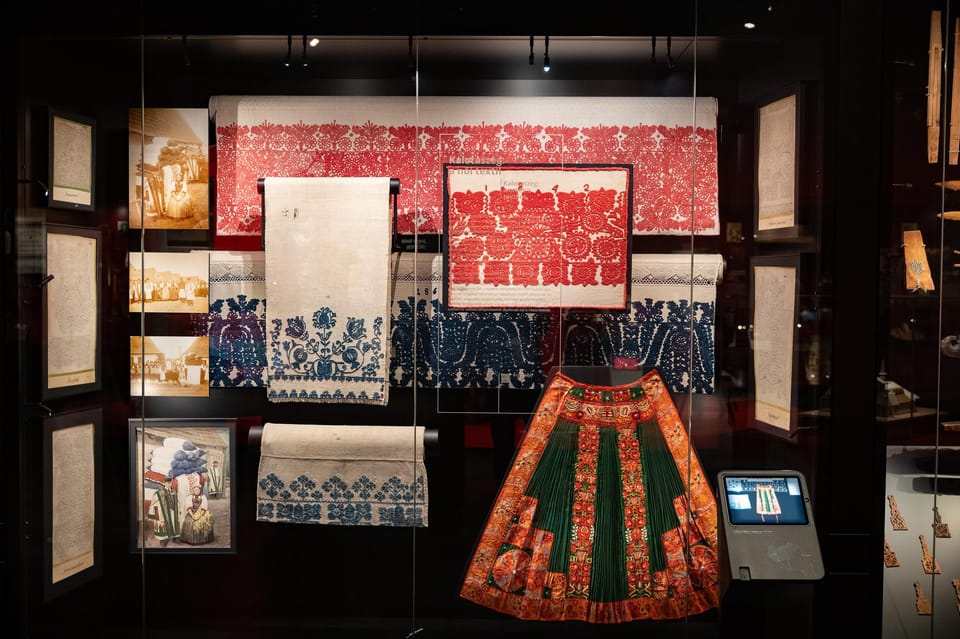
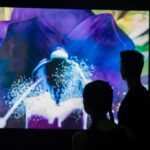
If your ticket includes it, ZOOM – A Change in Perspectives is worth planning for instead of treating it as a small side stop. The museum offers ZOOM as a named experience, and some ticket options may give you access only to that permanent exhibition.
Even without knowing the exact room layout ahead of time, a titled exhibition like this usually signals one thing: the museum wants you to look differently. You’re not just scanning for interesting objects; you’re being guided to notice scale, technique, and the way meaning changes when you view culture through a new lens. If you’re the kind of visitor who likes thinking while you walk, you’ll probably appreciate the structure.
If your goal is a broad day of discovery, the ZOOM exhibition works best as part of the full All Exhibitions route. If you buy ZOOM-only, your day will feel shorter and more focused, but you’ll miss the rest of the museum’s permanent and temporary content.
You can also read our reviews of more museum experiences in Budapest




The Rooftop Garden View: Your Best Reason to Stay Past the Galleries
The museum’s rooftop garden is one of its headline features, and it’s easy to see why. This is where the museum shifts from indoor interpretation to outdoor perspective—literally. From up there, you get stunning views of Budapest, and you’ll feel the day click into place.
Why is this worth timing? Because the view gives you a natural finish point. After hours inside—textiles, tools, cultures, and stories—your brain gets a chance to rest. You’re also less likely to rush the galleries if you know there’s a reward waiting above.
Practical tip: bring your phone or camera, since you’ll want photos. Since flash isn’t the issue outdoors, you can concentrate on composition—wide city shots versus close details of the view itself. Plan for a few slow minutes rather than a quick photo-and-run.
Audio Guide in English (and Hungarian): Helpful, Not Mandatory
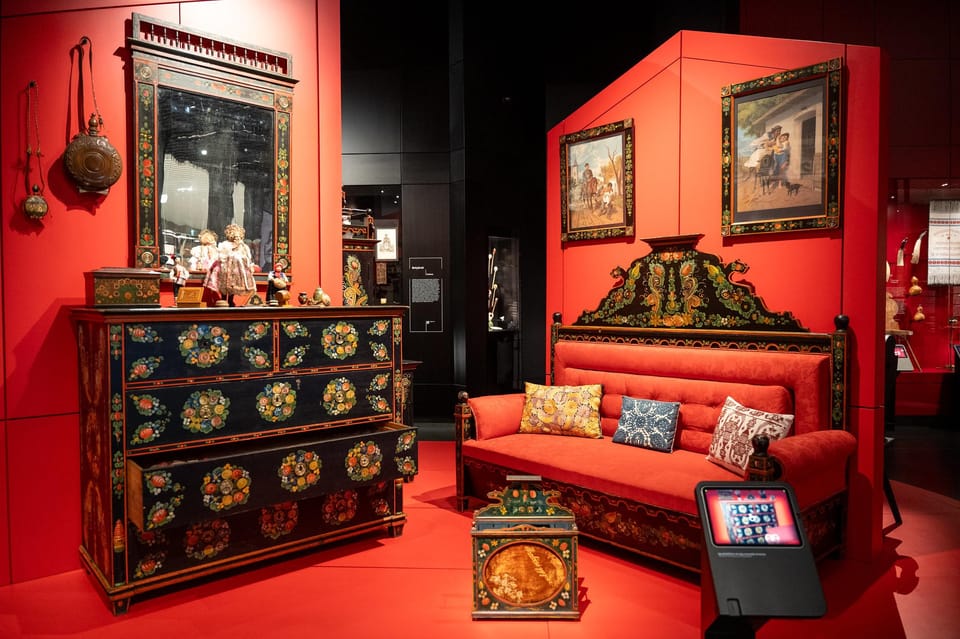
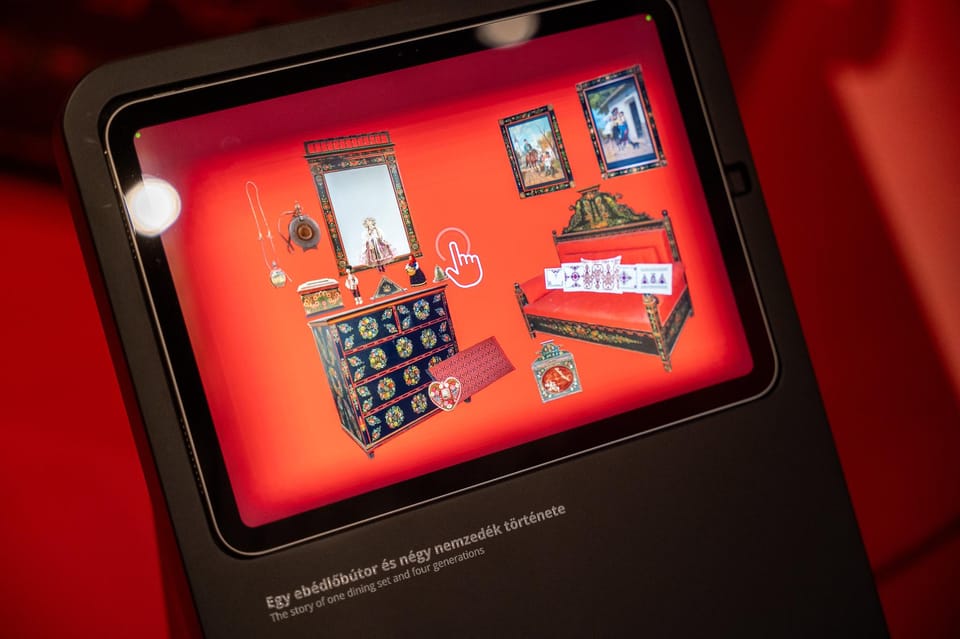
The ticket includes an audioguide, and it’s described as available in spaces like Zoom and Ceramics. That means the audio isn’t just a generic loop—it’s meant to help you interpret specific areas you might otherwise skim.
English is available, and Hungarian is also available. If you’re the type who likes context as you walk, the audioguide can help you connect the dots faster between objects and their meaning. If you prefer reading labels at your own pace, you can still use the audioguide sparingly—turn it on when something feels confusing, and turn it off when you’re already getting it.
One more detail that makes audio guides feel less “extra”: ethnography exhibitions often include layers of meaning. The audioguide gives you those layers without needing deep prior knowledge.
Temporary Exhibitions Can Turn Your Visit Into a Specific Story
This museum doesn’t only rely on its permanent collections. Temporary exhibitions can change the emotional tone of the visit and give you a reason to return even if you’ve already seen ethnography themes before.
A concrete example from a recent period: in May 2025, a temporary exhibition presented Herman Ottó, and the surrounding material made him feel like a real person, not just a name in history. The show connected his work to bird study and to broader ideas about how Hungarian knowledge took shape. If a similarly themed temporary exhibition is on during your trip, you’ll likely find the museum becomes more than a general ethnography stop—it becomes a focused story about a person, a field of study, or a cultural shift.
Even if you don’t know who Herman Ottó is ahead of time, the takeaway is simple: check what’s on during your visit window. You might find the temporary part is what you remember most.
Museum Etiquette and Viewing Tips That Save You Time
Small choices can make a big difference in how smooth your day feels.
- Skip the flash: photography is allowed without flash, so you don’t need to worry about the usual rules.
- Plan your start time: the ticket is valid for one day, and starting times can matter based on availability.
- Remember closing rhythm: last admission is one hour before closing, so don’t leave your “maybe I’ll see it” exhibits for the final stretch.
Also, the museum closes on Mondays. If your trip plan puts you there on a Monday, your day probably needs a rethink.
The rooftop garden is the kind of place where weather matters, too. If conditions are perfect, you’ll stay longer. If it’s chilly or windy, you might need to reduce your time up top and still hit the highlights indoors.
Who This Ticket Fits Best (and Who Might Want Something Else)
This ticket is a great match if you want culture that connects everyday life, craft, and human stories across time and geography. It’s also a smart choice if you’re visiting Budapest with a bit of structure and you like a museum that has clear themes rather than random rooms.
You’ll likely enjoy it if:
- you like ethnography or want a deeper cultural lens than you get from a quick city overview
- you’re comfortable spending a few hours reading and looking carefully
- you want both indoor exhibits and a rooftop view as a reward
You might reconsider if you’re only interested in one small type of exhibit and you’re traveling very time-crunched. In that case, focus on whether you’re booking All Exhibitions or ZOOM-only, because the difference is the difference between a full day and a short visit.
Should You Book the Museum of Ethnography Ticket?
I’d book it if you want real value from a single museum stop in Budapest. For about $8, you get access to a major ethnographic institution founded in 1872, a modern museum building, large-scale exhibition space, and a rooftop garden view that gives your day a satisfying finish.
The only reason to hesitate is ticket confusion. Choose the All Exhibitions option if you want the full museum experience. If you buy ZOOM-only, you’ll get a focused experience, but you should accept that you’re not seeing the entire museum.
If you can, plan your timing so you’re not rushing toward last admission. Start earlier than you think, enjoy the rooftop near the end, and you’ll leave with more than photos—you’ll leave with a better sense of how cultures connect.
FAQ
Is the Museum of Ethnography closed on any day?
Yes. The museum is closed on Mondays.
Where do I meet for the ticket?
Meet at Néprajzi Múzeum.
What does the ticket include?
The All Exhibitions option includes access to all permanent and temporary exhibitions plus an audioguide (available in places like Zoom and Ceramics) and a 10% discount at the museum’s Ethnoshop. A ZOOM-only option includes access only to the ZOOM exhibition.
How long is the ticket valid for?
The ticket is valid for 1 day.
Is photography allowed inside?
Yes, photography is allowed as long as you don’t use flash.
Are audio guides and accessibility available?
Audio guides are available in English and Hungarian. The museum is wheelchair accessible.