REVIEW · BUDAPEST
Evening Wine, Cheese, & Charcuterie Tasting in Budapest
Book on Viator →Operated by Taste Hungary · Bookable on Viator
Eight wines in a cellar setting. This Budapest tasting at Taste Hungary turns a 2-hour evening into a guided lesson on Hungarian wine, with a sommelier-led format and local food pairings. I love the small-group feel (max 24) that makes it easy to ask questions, and I love that you taste 8 wines from producers instead of random labels pulled off a shelf.
One heads-up: it’s mostly about tasting and learning, not a sightseeing tour, so come hungry for flavors and ready to slow down for a couple hours.
In This Review
- Key takeaways before you go
- A 6:00 pm cellar lesson: what the evening actually feels like
- How the tasting works: 8 wines, each with a pairing and a reason
- Hungarian wine regions and varietals, explained like a conversation
- The food matters: cheese, cured meats, and learning by contrast
- The Tokaj sweet-wine finale: why the last pour sticks with you
- Value check: is $65 per person a fair deal in Budapest?
- Who should book this (and who might want a different plan)
- Should you book Taste Hungary’s wine and cheese night?
- FAQ
- How much does the evening wine tasting cost?
- How long is the tasting, and when does it start?
- What’s included with the wine?
- What food do you serve?
- Is hotel pickup or drop-off included?
- What is the minimum age?
- Is the experience offered in English?
- How many people are in the group?
- What happens if I cancel?
Key takeaways before you go
- 8 Hungarian wine tastings with a light food pairing for each pour
- Local cheese and charcuterie starts you off and helps you read the wines
- English-led sommelier guidance that keeps the vibe relaxed and clear
- Tokaj sweet wine closes out the tasting with a high note
- Small group size (max 24) makes conversation feel natural
- 2 hours from a 6:00 pm start fits well into a dinner plan
A 6:00 pm cellar lesson: what the evening actually feels like
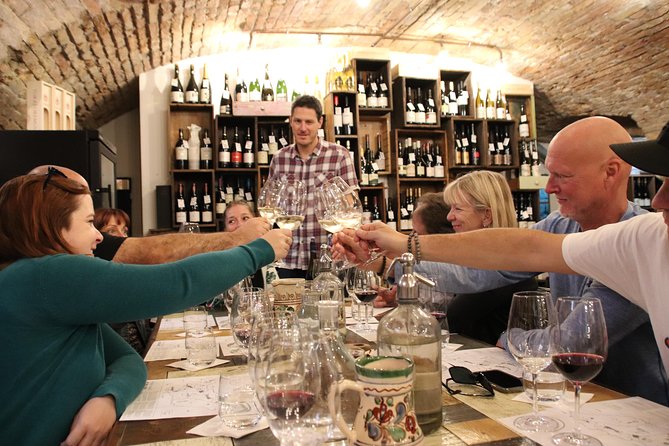
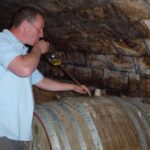
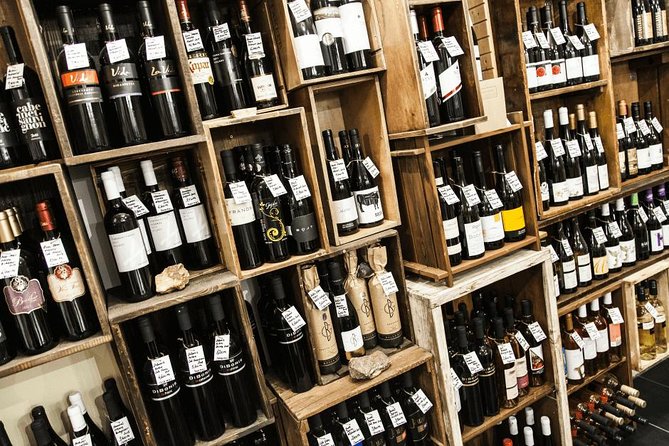
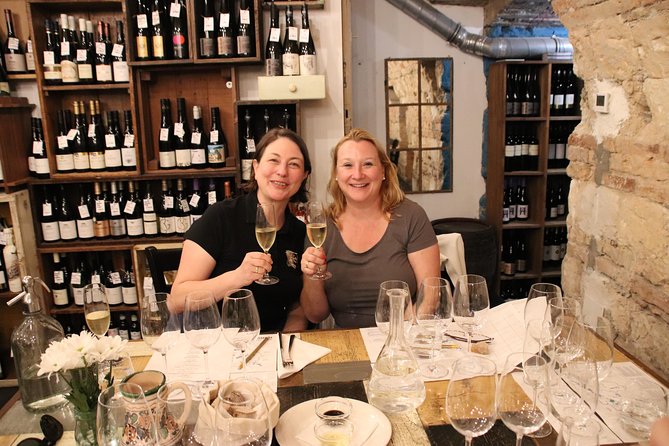
Budapest can be loud at night. This experience is the opposite. You meet at the Taste Hungary tasting venue on Bródy Sándor u. 9, and you start at 6:00 pm. The setting is a cozy cellar room, which helps the evening stay focused on the pours, the smells, and the food pairings.
The pacing is built for learning without turning it into school. A sommelier guides you through what you’re tasting and why it matters, and you get 8 wine samples over about 2 hours. The group is capped at 24 people, which keeps things from getting chaotic. If you’re the type who likes to ask one good question instead of listening passively, this setup helps.
Also, you’re not stuck guessing what to do next. Each part of the tasting has a purpose: the wine comes first as an experience, then the food pairing gives you something concrete to compare. You’ll also get mineral water included, which is a smart move when you’re drinking multiple wines in one sitting.
Finally, this is English offered, and the minimum age is 18+, so it’s an adult-friendly evening plan.
You can also read our reviews of more food & drink experiences in Budapest


How the tasting works: 8 wines, each with a pairing and a reason
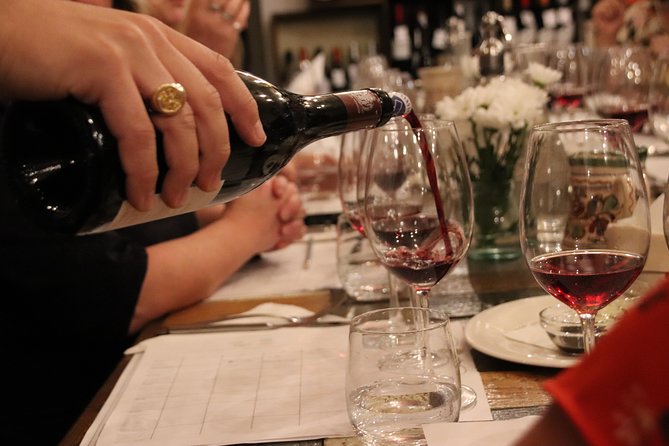
You’re not doing one wine and moving on. You’re tasting a sequence that’s meant to make Hungarian wine feel understandable. The evening covers a range of styles, and the best part is that you learn what to notice in each glass: aroma, flavor direction, and how the wine behaves with food.
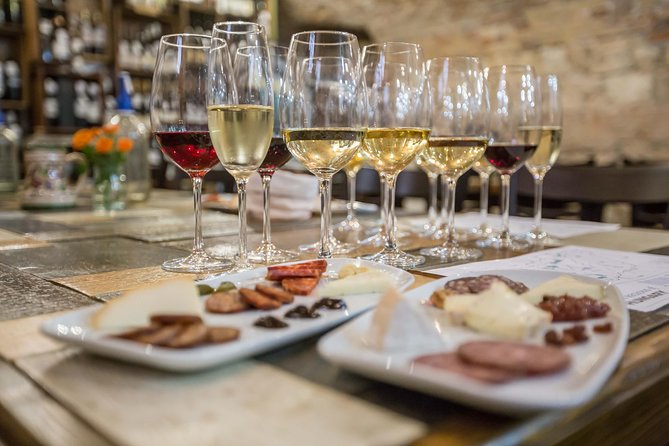
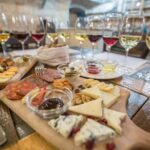
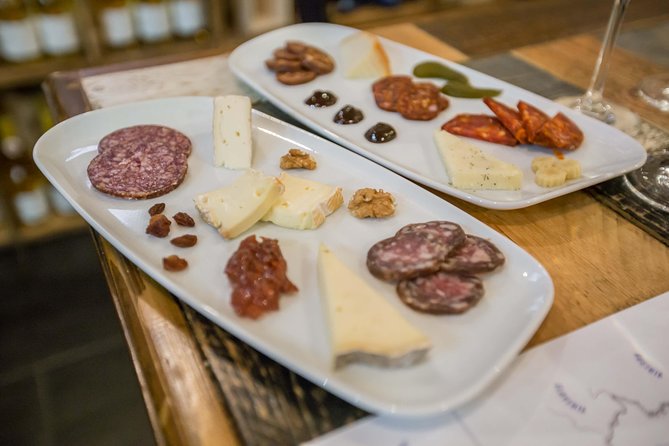
The format includes a light food pairing with each wine, plus a starter cheese and charcuterie board with local specialties. In some sessions, the tasting experience is set up with two different meat-and-cheese plates that match the white wines and the red wines. Either way, the goal stays the same: help you connect taste and structure, not just score flavors in isolation.
From the way the tastings are described in the experience, the lineup often starts with a welcoming fizzy pour, then moves through whites and reds, and ends with a glass from Tokaj. That end point matters. Sweet wine can overwhelm if it’s served too early, but saved for last it feels like a proper closing chapter.
What I like most is that the sommelier-led guidance doesn’t treat you like you’re supposed to speak fluent “wine language.” One strong theme in the experience is that the host keeps it practical and fact-based: you’re learning how to recognize differences, not trying to pass a test.
Hungarian wine regions and varietals, explained like a conversation
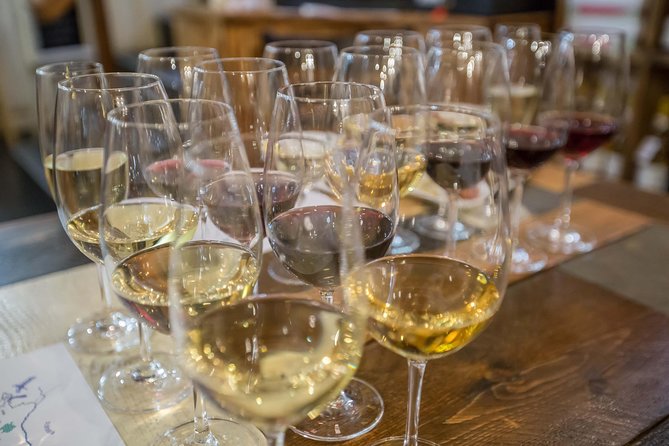
Budapest has plenty of food and history tours. This one chooses a different path: it explains Hungarian wine and how it fits into the wider wine world.
Over the evening, you’ll get a story that connects:
- Hungarian wine history
- the major regions
- important grape varieties
- and what’s changing in modern Hungarian winemaking
The sommelier doesn’t just list facts. The best part is how the explanation ties back to the actual glasses in front of you. When you taste a wine and then hear why it’s made that way, the lesson sticks. It’s also why the tasting feels like more than a drink sampler.
Some hosts named in past experiences include Bolasz and Tomasz. I mention names because it signals something important: you’re not being handed off to a random staffer. The guidance is a core part of the value, and the hosts are comfortable keeping the tone friendly and clear.
Also, come with questions if you want. You’ll get time to chat, and the setup encourages conversation at your table. If you’re a solo diner type, that matters. It’s one of those activities where you can meet people without feeling trapped in small talk.
The food matters: cheese, cured meats, and learning by contrast
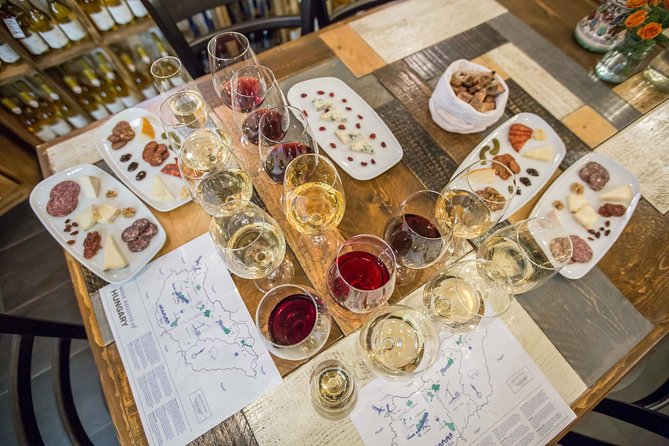
Wine tastings can get a little abstract. Here, the food pairings act like a measuring tool.
You start with a cheese and charcuterie board featuring local specialties. After that, you get a light pairing alongside each wine. That matters because food changes what you perceive. Fat from cheese can soften tannins. Salt and cured flavors can sharpen acidity. Even small bites can make a wine feel different in your mouth.
If you love food (and most people do in Budapest), this is the part that makes the evening feel like a real local night, not a bar crawl. Past sessions emphasize the quality of the cheese and meats, and they’re served in a way that supports comparing whites versus reds.
Practical tip: take one slow sip, then follow it with one small bite. Don’t rush the sequence. This is how you learn the “notes and aromas” piece the sommelier is teaching. If you skip the food or treat it like an afterthought, you miss half the lesson.
The Tokaj sweet-wine finale: why the last pour sticks with you
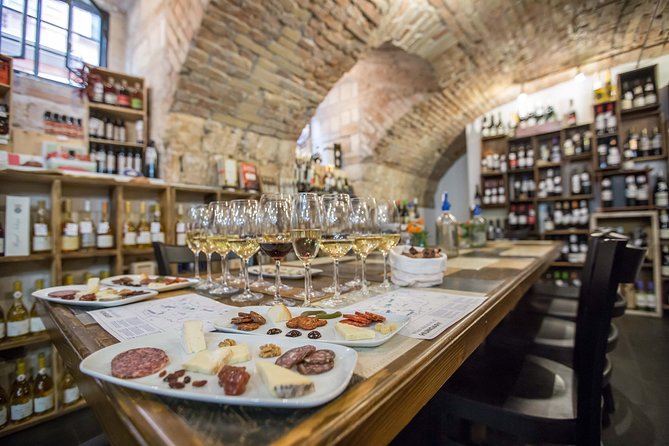
Tokaj is one of Hungary’s big names, especially for sweet wine. In this tasting, you finish with a glass of sweet wine from Tokaj, and it’s positioned as the final note of the evening for a reason.
Serving sweet wine at the end helps you appreciate its character instead of fighting it on an empty palate. It also acts like a reward after the more balanced whites and reds. Sweet wine can feel like a dessert course, but the sommelier’s guidance helps you understand what you’re tasting: sweetness, texture, and why it’s celebrated.
Even if you don’t usually go for sweet wines, finishing here often changes that. The Tokaj pour is framed as a world-class highlight, and the rest of the tasting gives you enough context to enjoy it instead of just swallowing and moving on.
You can also read our reviews of more wine tours in Budapest

Value check: is $65 per person a fair deal in Budapest?
Let’s talk numbers in a grounded way.
At $65 per person, you get:
- 8 wine tastings
- a light food pairing with each one
- mineral water
- a professional sommelier-guide
- about 2 hours in a small venue
What you don’t get is also clear: additional food and drinks aren’t included, and there’s no hotel pickup/drop-off.
So is it worth it? For wine-focused visitors, yes—because you’re paying for guided tastings plus pairing food, not just for a couple pours. Many tastings that feel similar in other cities either charge extra for full pours or don’t include pairing bites. Here, the food and the instruction are part of the ticket price.
One more value factor is the sourcing approach. The experience emphasizes wines sourced direct from producers, and the sommelier uses that to tell a coherent story about Hungarian wine. That’s why the evening doesn’t feel like random sampling.
One practical consideration: the experience is non-refundable and can’t be changed. If your Budapest plans are fluid, double-check your calendar before booking. Still, if your schedule is set, the fixed start time and short duration make it easy to fit into a night out.
Also, these tastings get booked ahead. The average booking lead time is around 36 days, so if you want a weekend slot, don’t wait too long.
Who should book this (and who might want a different plan)
This tasting is a strong fit if:
- you like wine but don’t want to feel intimidated
- you want to learn Hungarian wine specifically, not just generic European wine talk
- you enjoy social evenings where you can chat without it becoming a party
- you’re traveling as a couple or solo and still want a guided structure
The experience is also a good “first wine night” in Budapest. The sommelier’s explanation helps you choose better bottles later at bars or shops, so you’re not flying blind.
Who might skip it:
- If you only want major city sightseeing, this is not that. It’s a wine-and-food evening.
- If you’re not interested in tasting multiple wines or pairing food, you’ll feel the time more than you’ll enjoy it.
But if you’re curious about Central European flavors and want a clear introduction, this is exactly the kind of activity that makes a trip feel more personal.
Should you book Taste Hungary’s wine and cheese night?
If you’re in Budapest for a few days and you want one easy, high-reward evening, I think you should book it. For $65, you get a guided tasting of 8 wines, real local food pairings, and a sommelier-led explanation that keeps things approachable. The cellar setting, the small group size, and the Tokaj finale add up to an experience that’s fun and informative without turning into a lecture.
Book it early in your trip so the lesson can pay off later when you pick what to drink and what to eat.
FAQ
How much does the evening wine tasting cost?
It costs $65.00 per person.
How long is the tasting, and when does it start?
The tasting runs about 2 hours and starts at 6:00 pm.
What’s included with the wine?
You get 8 wine tastings, a light food pairing with each wine, a starter cheese and charcuterie board, and mineral water.
What food do you serve?
You’ll start with a cheese and charcuterie board featuring local specialties, and you’ll also have a light pairing to go with each of the 8 wines.
Is hotel pickup or drop-off included?
No. Hotel pickup and drop-off are not included, and the experience ends back at the meeting point.
What is the minimum age?
The minimum age is 18.
Is the experience offered in English?
Yes, it’s offered in English.
How many people are in the group?
The tour/activity has a maximum of 24 travelers.
What happens if I cancel?
This experience is non-refundable and cannot be changed for any reason. If it’s canceled because the minimum number of travelers isn’t met, you’ll be offered a different date/experience or a full refund.