REVIEW · BUDAPEST
Budapest: 3-Hour Walking Tour of Pest with a Historian
Book on GetYourGuide →Operated by Budapest Explorers · Bookable on GetYourGuide
Pest history shows up fast on these streets. In just 3 hours, you get a guided walk across downtown Budapest’s most important sights, plus the context to understand why Pest feels different from Buda. I love that the historian guide keeps the pace friendly and encourages questions, so you’re not stuck with one-way facts.
I also love how the route mixes headline landmarks with street-level detail: St. Stephen’s Basilica (entry included), Heroes’ Square, Andrássy Avenue, and the Millennium Underground ride. One consideration: this is a walking tour focused on outdoors sightseeing, so in bad weather you’ll want to dress for wind and rain, and the schedule stays tight.
In This Review
- Key highlights at a glance
- Where Your Pest Day Starts: Erzsébet Square and a Historian’s Pace
- St. Stephen’s Basilica: What the Ticket Gets You Inside
- Heroes’ Square: Statues That Explain Power and Change
- Andrássy Avenue (UNESCO): Walking a World-Heritage Grand Boulevard
- Pest’s Big Architecture: Gresham Palace and the Academy of Sciences
- Zrínyi Street Cobblestones and the Danube Promenade: Everyday Budapest, Explained
- Millennium Underground: Riding the Oldest Subway Line on the Continent
- Food, Questions, and the Human Side of Pest
- Price and Value for a 3-Hour Pest Walk
- Who This Tour Fits Best (and When to Skip It)
- Should You Book This Pest Walking Tour With a Historian?
- FAQ
- How long is the Budapest Pest walking tour?
- Where do we meet for the tour?
- What’s included in the ticket price?
- Which language is the tour offered in?
- How big is the group?
- What are the main sights covered?
- What is the cancellation policy?
Key highlights at a glance
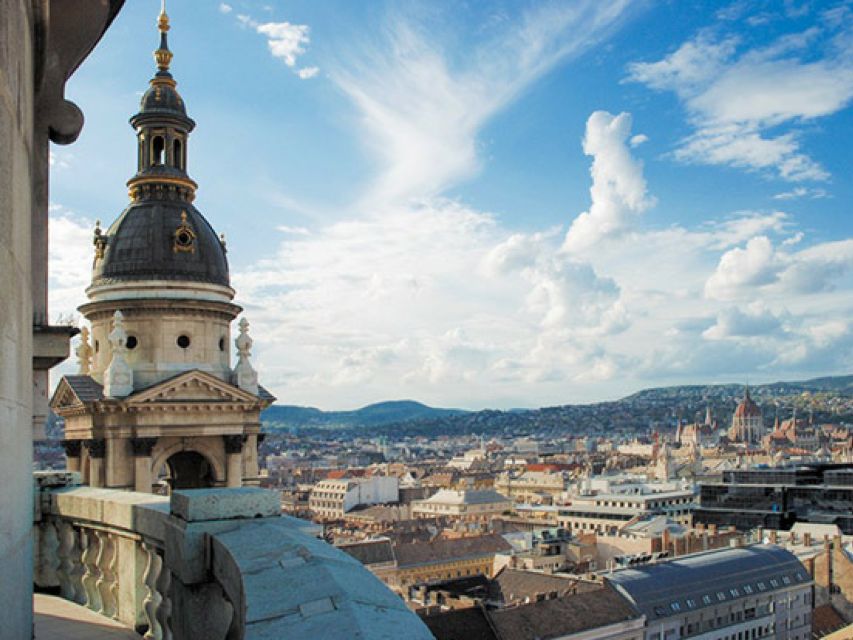
- St. Stephen’s Basilica entrance ticket included so you see more than the outside
- Heroes’ Square storytelling that connects statues to real political turning points
- Millennium Underground ride on the continent’s oldest subway line
- Andrássy Avenue UNESCO corridor walk with major architecture along the way
- Art Nouveau and civic buildings (Gresham Palace and the Academy of Sciences) on the same route
- Small group (up to 10) makes it easier to ask questions and compare perspectives
Where Your Pest Day Starts: Erzsébet Square and a Historian’s Pace
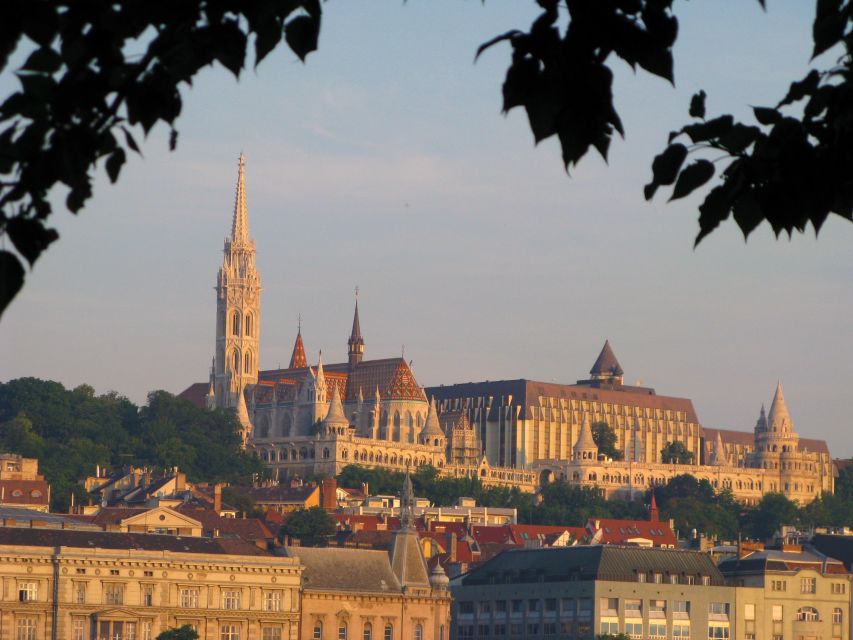
You meet at the Kempinski Hotel Corvinus Budapest, right on Erzsébet tér 7, facing the Ferris wheel on Erzsébet square. That’s a smart starting spot because it puts you in the heart of downtown without forcing a long walk just to begin. If you’re using the metro, you can get there via M1, M2, or M3 with Deák Ferenc tér as a convenient stop.
What I like about starting here is the “frame” it gives the tour. Pest feels like the busy, public face of Budapest—government, commerce, churches, and daily life all close together. Your historian guide sets expectations early, explaining the background of Pest’s role in Hungary and how the city’s ideas have shifted over centuries.
With a small group limited to 10, the tour tends to move smoothly. That matters because you’ll be walking city blocks and stopping for stories, photos, and quick context. You’ll also get more chances to ask the kinds of questions first-timers usually have—like how Hungary’s politics shaped the city streets you’re standing on right now.
You can also read our reviews of more walking tours in Budapest



St. Stephen’s Basilica: What the Ticket Gets You Inside
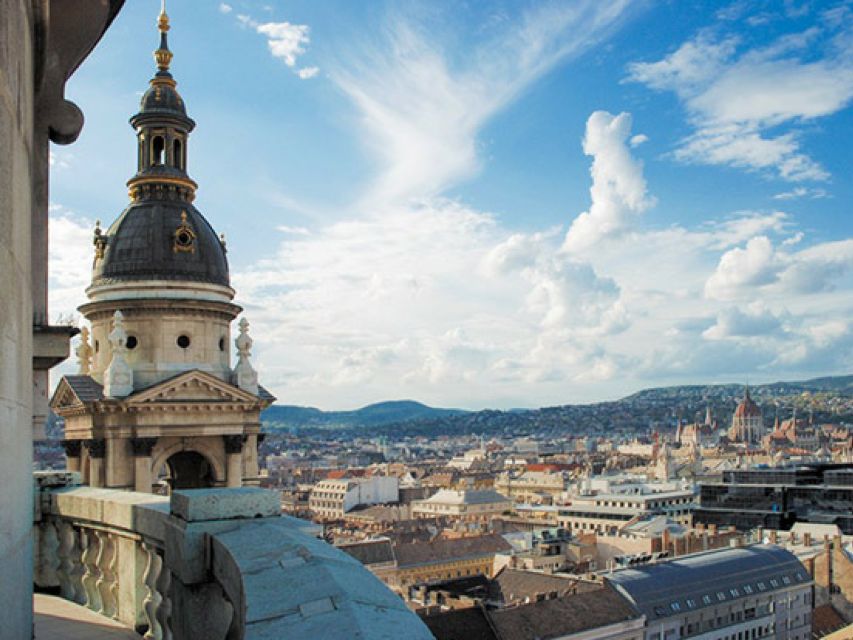
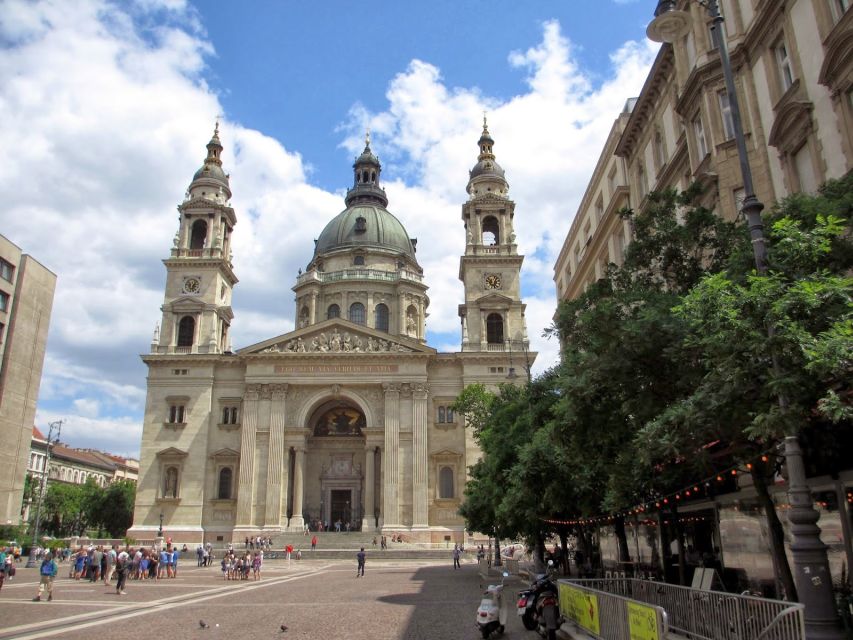
St. Stephen’s Basilica is Budapest’s largest church, and here’s the key point: this tour includes the entrance ticket. That’s a big difference from the half-day “look up at the dome and keep moving” approach.
Inside, the atmosphere tends to reset your sense of scale. From the outside, you see a famous landmark. Inside, you get a feel for why it’s such a symbol for Pest and for Hungary more broadly. Your guide uses the basilica as a launching pad—talking about national identity and how religion and state life have intersected through major eras.
Even if you’re not the type to spend a long time in churches, this stop works because the tour doesn’t treat it like a checklist item. It’s a place to understand meaning. You can also use the time inside to slow down briefly, especially if you’ve been walking other parts of the city in the rain.
Practical note: since you’re entering a major church, you’ll want to be prepared for a more “respectful” atmosphere than a normal street stop—keep your voice down and dress appropriately.
Heroes’ Square: Statues That Explain Power and Change
Heroes’ Square is the kind of place where it’s easy to take photos and move on. The value of this tour is that you don’t. You learn who the most influential historical persons are and why their stories belong on this grand, formal plaza.
This stop is especially good for understanding Hungary’s long timeline—because Heroes’ Square is basically a visual argument. The guide helps you read that argument: who gets honored, what themes are emphasized, and how the memory of a nation gets built into stone.
I like this approach for first-timers. Without context, monuments can feel like background. With context, they become clues. You start to connect what you’re seeing to bigger moments in Hungary’s past—empire eras, war and aftermath, and later political shifts that shaped everyday life in Pest.
Andrássy Avenue (UNESCO): Walking a World-Heritage Grand Boulevard
Andrássy Avenue is one of those stretches where architecture does half the talking. It’s also the kind of place that can look impressive but vague unless someone points out what you’re seeing.
On this tour, you walk the avenue with purpose. The guide frames it as part of Pest’s identity—linked to the city’s development and to the public “stage” where culture and civic pride have been displayed for generations. Because the avenue is a UNESCO world heritage site, it’s also a rare chance to experience a preserved urban corridor on foot, instead of seeing it only from far away.
Along the route, you pass important cultural buildings such as the Hungarian State Opera and nearby architectural landmarks. The tour uses these as story anchors—so you’re not just counting façades. You learn how the city’s style and design relate to the bigger historical currents shaping Hungary at different times.
If you want an easy win for your Budapest photos, this is it. Stand in the right spots and the avenue gives you strong lines, classic street perspective, and plenty of “Budapest looks like a postcard” angles.
Pest’s Big Architecture: Gresham Palace and the Academy of Sciences
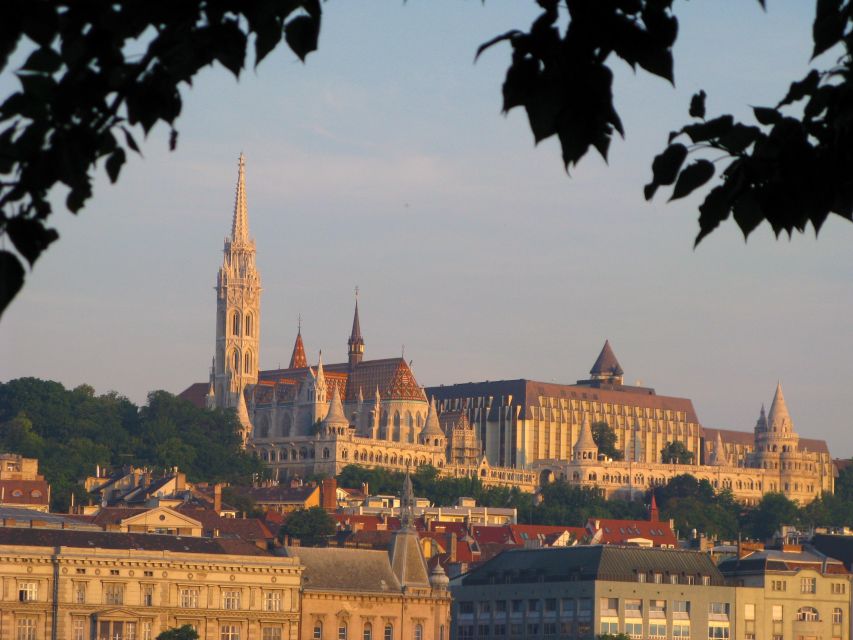
One of the smartest parts of this tour is that it doesn’t treat “downtown highlights” as just famous names. It includes specific civic and design-forward buildings you can actually learn from as you walk past them.
You’ll see the Art Nouveau splendor of Gresham Palace, and you’ll also pass the historic Academy of Sciences. The point isn’t to memorize details like a guidebook. The point is to understand how architecture becomes a way of projecting values—taste, education, power, and modernity.
This is the kind of stop that works best if you ask questions. The historian guide is set up to answer. So if you ever wonder why a building looks the way it does, or what a style choice signals, this is a good time to ask.
You’ll also get a sense of scale. In just a short walk, you go from religious symbolism to national monuments to cultural institutions to academic and civic architecture—Pest’s identity in layers.
You can also read our reviews of more tours and experiences in Budapest






Zrínyi Street Cobblestones and the Danube Promenade: Everyday Budapest, Explained
Some tours focus only on the “wow” monuments. This one keeps you grounded with city streets and river-facing scenery.
You’ll walk areas like the cobblestones of Zrínyi street, which is a small detail but important. Cobblestones change how the city feels underfoot. They also slow your pace slightly, making it easier to notice building frontages, storefront rhythm, and how pedestrians actually move through the space.
Then you’ll head toward the Danube Promenade. The river is more than a pretty line on the map. Your guide connects it to Pest’s historical development and to the city’s role as a public meeting place. It’s an easy moment to take a breather, refresh your eyes, and let the stories “sit” next to what you see.
This segment is also a good reality check if you’re new to Budapest. You stop thinking of the city as a museum and start thinking of it as a lived-in place shaped by history you can still feel in daily life.
Millennium Underground: Riding the Oldest Subway Line on the Continent
Now for the fun part: you actually ride the Millennium Underground. This is described as the continent’s oldest subway line, and that alone makes the stop special.
Instead of walking past transportation history, you experience it. The guide uses the ride as a bridge between past and present—how infrastructure changes a city’s pace and how modern mobility gets tied to older ambitions.
Why this matters: it turns history into something physical. You’re not only looking at old buildings; you’re traveling through a historic system that still functions.
From a practical standpoint, it also breaks up the walking. After several major landmarks, a short subway segment gives your legs a reset while keeping the tour moving efficiently.
If you’re the type who likes your tours to include at least one “hands-on” moment, this is it.
Food, Questions, and the Human Side of Pest
Even though this tour is built around major sights, the best part is how it feels conversational. The historian guide isn’t just reading facts off a page. People get chances to ask questions and steer conversations toward what they care about—politics, culture, or what daily life feels like in Hungary.
You may also get small extras depending on the guide’s style. For example, some guides include suggestions for what to see and where to eat, and a few have added a taste of popular sweets during the walking time. That’s the kind of detail that turns a sightseeing loop into a real orientation to the city.
If you’re visiting Budapest for the first time, this “human” layer matters. You’ll leave with more than photos. You’ll have a sense of how to interpret what you’re seeing on your own afterward.
And if you luck into one of the guides known for strong storytelling—names like Judit, Barbara, Monica, Andrea, Raymond, Greg, and Gergely Molnár come up often—then the tour tends to feel like a guided chat with a person who can connect history to the streets in a clear way.
Price and Value for a 3-Hour Pest Walk
The price is $57 per person for 3 hours, and the value comes from what’s included, not just the walking.
You get:
- A historian guide
- Entrance ticket to St. Stephen’s Basilica
- Subway tickets
- A walking tour across central Pest landmarks
That inclusion matters because it prevents “nickel-and-dime” gaps. Instead of budgeting extra for basilica entry and transit, you’re paying once and spending your time on the experience itself. Also, small-group structure (up to 10 participants) helps the guide manage questions and keep the pacing steady.
Could you do this cheaper on your own? Sure. You can walk to Heroes’ Square, Andrássy Avenue, and the Basilica for free or on standard tickets. But the real expense is time and understanding. If you want the context—especially the kind that helps you connect monuments to political eras—this format is often worth it.
The short duration is also a strength. If you only have a half day in Pest, a tight 3-hour tour can give you the bearings you need for the rest of your trip.
Who This Tour Fits Best (and When to Skip It)
This Pest walking tour is best for you if:
- You want a quick but meaningful introduction to downtown Pest
- You like asking questions and getting explanations that connect past events to today
- You want a mix of landmarks plus at least one “experience” moment (the Millennium Underground ride)
- You appreciate guided stops that include inside access at St. Stephen’s Basilica
It’s not the best fit if:
- You strongly prefer museum time over outdoor walking
- You want a long, slow pace without repeated stops and moving segments
- Your travel style hates transit segments (even though this includes only a ride, it’s still part of the flow)
In terms of timing, this kind of tour works well early in your trip. You’ll use it to understand what you’re looking at later when you return to specific streets on your own.
Should You Book This Pest Walking Tour With a Historian?
Yes, if you want a first-pass Pest orientation that goes beyond sightseeing. The biggest win is the combination of St. Stephen’s Basilica with entry, Heroes’ Square context, and a real ride on the Millennium Underground, all delivered in a small-group format where your questions are part of the experience.
I’d book it when you have limited time and want a structured path through central Pest. If you’re already well-versed in Hungarian history and hate group pacing, you might feel the structure is limiting. But for most first-timers, it’s a smart, efficient way to turn Budapest’s monuments into a story you can remember.
FAQ
How long is the Budapest Pest walking tour?
The tour lasts 3 hours.
Where do we meet for the tour?
You meet in front of the Kempinski Hotel Corvinus Budapest, facing the Ferris wheel on Erzsébet square (Erzsébet tér 7, 1051).
What’s included in the ticket price?
The price includes a historian guide, an entrance ticket to St. Stephen’s Basilica, subway tickets, and the walking tour.
Which language is the tour offered in?
The tour is offered in English.
How big is the group?
The group is limited to a small group of up to 10 participants.
What are the main sights covered?
You’ll see St. Stephen’s Basilica, Heroes’ Square, Andrássy Avenue, the Danube Promenade, Gresham Palace, the Academy of Sciences, Zrínyi street, the Hungarian State Opera, and you’ll ride the Millennium Underground.
What is the cancellation policy?
You can cancel up to 24 hours in advance for a full refund.