REVIEW · BUDAPEST
7 Days Balkan tour to historic Croatia and Bosnia Herzegovina
Book on Viator →Operated by goEUgo International Limited · Bookable on Viator
One long drive beats staying put. This 7-day Balkan tour strings together major sights in Croatia and Bosnia, with enough guided time to make sense of it all. I like that you get city highlights in Zagreb, then a full guided visit to Plitvice Lakes National Park, before you roll south to the Adriatic and into Bosnia. I also like the human touch: the English-speaking guide I heard about, Kenny, is known for clear storytelling, and he can switch between English and Mandarin if your group mixes languages.
Big caution: you’re cramming a lot of geography into a week. Expect long coach days, and some sites are marked as tickets not included, so plan for extra on-site spending.
In This Review
- Key Highlights You’ll Actually Feel
- The Big Picture: Croatia and Bosnia in 7 Days
- Meeting in Budapest and Starting at 8:30
- Zagreb Cathedral, Ban Jelačić Square, and St. Mark’s Church
- Plitvice Lakes National Park: Waterfalls, Travertine, and a Real Guided Flow
- Zadar: Medieval Streets, Sea Organ Sounds, and a Solar Light Show
- Split’s Roman Heart: Diocletian’s Palace and Street-Level History
- Dubrovnik: Old Town, Walls, Rector’s Palace, and a Cable Car Option
- Bosnia Day: Počitelj’s Fortress Steps, Blagaj’s Cliff Setting, and Mostar’s Bridge
- Sarajevo: Latin Bridge and the Meeting of Cultures Line
- Back in Hungary: Pécs Cathedral and the Best Turkish Ruins Angle
- Transportation, Group Size, and the Guide Factor
- Price and Value: Is $1,160 Worth It?
- What to Pack (So the Week Doesn’t Beat You)
- Who This Tour Fits Best (and Who Might Feel Rushed)
- Should You Book This Croatia and Bosnia Week?
- FAQ
- Where does the tour start and end?
- What time does the tour start?
- How long is the tour?
- What’s included in the price?
- Are attraction tickets included?
- Is gratuity included?
- What languages is the tour offered in?
- How many people are on the tour?
- Can I get a full refund if I cancel?
Key Highlights You’ll Actually Feel
- Small-group pace (max 30) with daily coach transport and a tour manager
- Plitvice Lakes guided time with the park visit listed as free for the day
- Zadar’s Sea Organ and Sun Salutation for a modern stop that doesn’t feel touristy
- Dubrovnik old-town sights plus options like a cable car for city views (if you choose it)
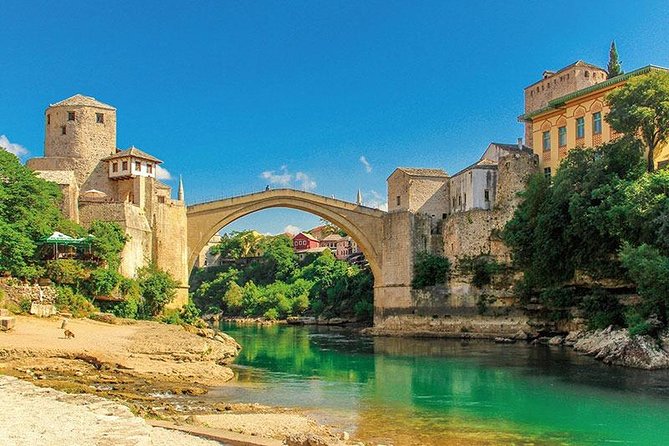
- Bosnia focus day: Počitelj, Blagaj, Mostar, and Mostar’s Old Bridge area
- Sarajevo history walk including the Latin Bridge and the Meeting of Cultures Line
The Big Picture: Croatia and Bosnia in 7 Days
This tour is built for people who want the headline places without spending a year planning. You’ll base yourself in comfortable 3-star hotels with private facilities, then move by modern, air-conditioned coach each day.
The mix is smart: historic Croatia first, then the Bosnia-and-Herzegovina core around Mostar and Sarajevo, and finally a Hungarian wrap-up in Pécs before returning to Budapest. If you like your travel to have clear goals—churches, bridges, city walls—this route delivers.
You can also read our reviews of more historical tours in Budapest


Meeting in Budapest and Starting at 8:30
You start right where it’s easy to reach from most parts of the city: Budapest-KeletiBudapest, Kerepesi út 2-4, 1087 Hungary, with a 8:30 am start. The tour ends back at the same meeting point, so you’re not stuck with a complicated final-day commute.
I like that the tour is set up around bus logistics, which usually means fewer “now what?” moments. Also, the coach rides are daily, so you’ll want to pack snacks you can live on and a water bottle.
Zagreb Cathedral, Ban Jelačić Square, and St. Mark’s Church
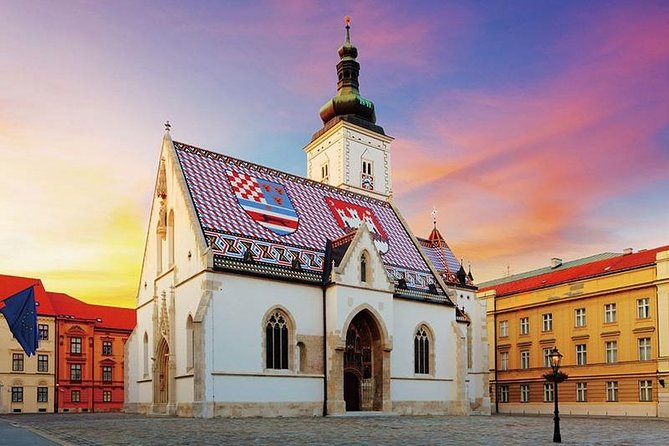
Zagreb is the perfect opening act because it’s beautiful without being overwhelming. Even though the region saw wars, the historic core still feels intact, and the architecture reads as Gothic and distinctly Central European.
You’ll cover major downtown anchors, including Zagreb Cathedral, Ban Jelačić Square, and St. Mark’s Church. These are walk-and-look stops, not just “point and move on” photo stops, so you’ll get a sense of how the city is laid out and why people keep returning to the old streets.
What to keep in mind: tickets aren’t included for all stops listed for the day. If you’re the type who hates surprise costs, skim what’s marked included vs not included and bring a card and some cash.
Plitvice Lakes National Park: Waterfalls, Travertine, and a Real Guided Flow
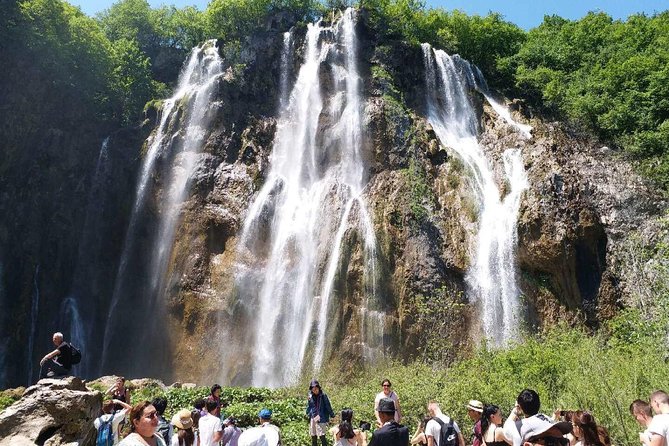
Plitvice Lakes is one of Europe’s most famous nature parks, and this tour gives you the advantage of a guide. You’ll get a guided tour through the system of 16 lakes linked by waterfalls, with paths and viewpoints built around the water.
The key idea here is travertine. Calcium carbonate-rich water forms natural barriers over time, creating the layered look that makes the lakes feel almost unreal. Expect a “slow your pace” day: you’ll be walking, stopping, and taking in changing angles of the same water system.
A practical win: the park visit is listed as admission-free for this day. Still, bring sensible shoes and plan for cool or damp conditions if the weather turns.
Zadar: Medieval Streets, Sea Organ Sounds, and a Solar Light Show
After your first big nature day, the tour shifts back to cities. Zadar is a great choice because it carries a religious, old-street feel while also playing with modern design.
You’ll spend time in the historic center and near the waterfront, where you can see the Sea Organ (Morske Orgulje) and the Sun Salutation light display. The cool part is that these aren’t just landmarks. They’re tied to sound and light that changes with the day, so you get a different experience every time you look again.
Then comes a classic Adriatic move: you head toward Split, where the main “time machine” stop is the Diocletian’s Palace ruins, tied to the 4th century. Even if you’re not a Roman architecture nerd, that sheer scale makes the past feel grounded, not abstract.
One consideration: several attraction entries around this stretch are listed as not included. Build in a little flexibility so you don’t feel like you’re budgeting every five minutes.


Split’s Roman Heart: Diocletian’s Palace and Street-Level History
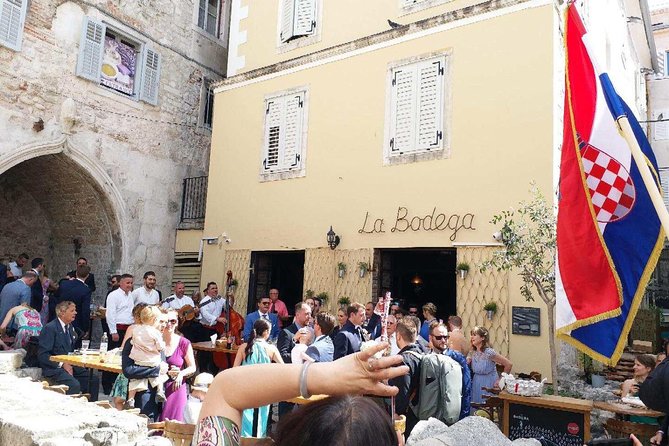
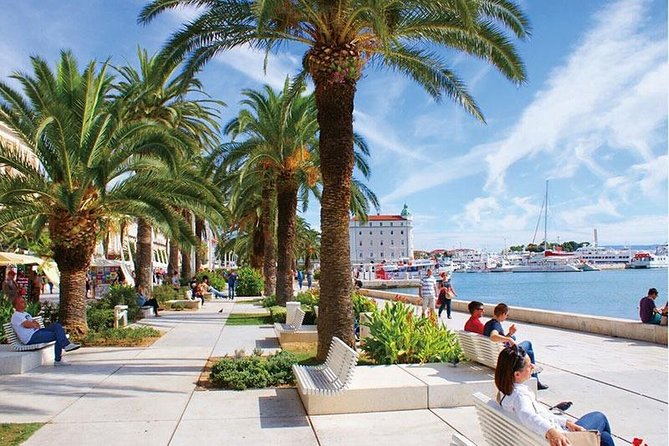
Split is where you can feel how everyday life and ancient stone share space. The old core is packed with Roman-era structures, and Diocletian’s Palace is the centerpiece.
What I like about including this on a short tour: it gives you a foundation. When you later look at Croatian and Balkan religious architecture, you’ll recognize patterns in urban planning—walls, plazas, defensive layouts, and how cities used existing power centers.
Plan to keep your camera ready. You’ll be walking through a compact area with lots of photo angles, but also enough time to slow down and read the details if you want.
Dubrovnik: Old Town, Walls, Rector’s Palace, and a Cable Car Option
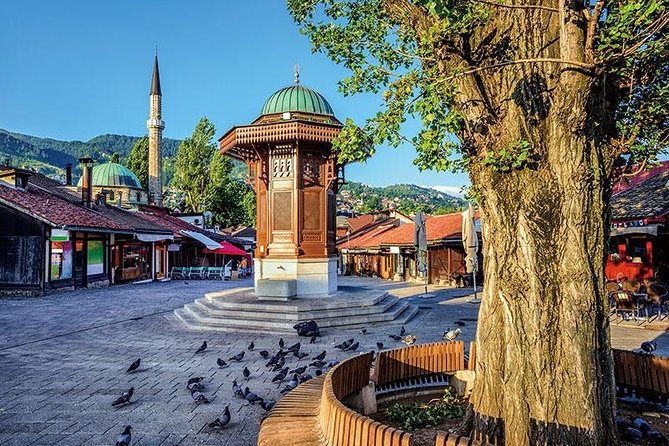
Dubrovnik can feel like you step into a postcard. The city is famed for its defensive character—walls, towers, and a compact old town that makes the whole place easy to explore by foot.
You’ll focus on the big-ticket sights: the old town, the city walls, plus places like the Rector’s Palace and the Franciscan Church and Monastery. The experience is visual first, but it’s also architectural: you’ll see how the city guarded itself and how that shaped its layout.
If you want skyline views, the tour includes time where a cable car option is available. Even if you don’t ride it, you’ll still get that sense of height and coastline that makes Dubrovnik special.
Budget note: not everything here is listed as admission-free. Some parts are marked not included, so bring extra funds for what you choose to enter.
Bosnia Day: Počitelj’s Fortress Steps, Blagaj’s Cliff Setting, and Mostar’s Bridge
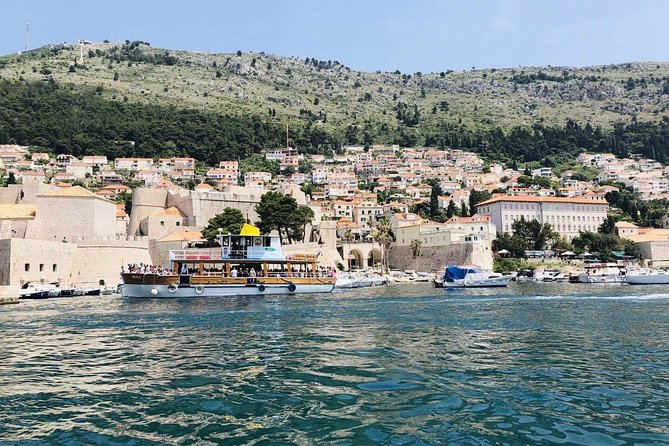
This is the emotional shift day. Once you reach Bosnia and Herzegovina, the tour leans into layered heritage: Ottoman-era touches, medieval remnants, and towns shaped by rivers and trade routes.
You’ll start with Počitelj, a stepped medieval fortress village that’s recognized as a World Cultural Heritage site. The “steps” matter because they create natural viewpoints and a sense of how the village clings to terrain.
Next is Blagaj, known for its Dervish Monastery set into a cliff above the water. The setting is the draw—streams, the vertical cliff face, and that calm, tucked-away feeling that you don’t always get in bigger towns.
Then you move to Mostar, with time for the Old Bridge area. The famous arch bridge is the centerpiece, and crossing-view angles help you understand why this town became such a symbol for connection and division at different points in history.
Practical caution: Mostar’s Old Bridge area is listed as not included for admission, so plan for that if you want to enter specific spaces tied to viewpoints and local sites.
Sarajevo: Latin Bridge and the Meeting of Cultures Line
Sarajevo is where history becomes personal and visible. You’ll see how the city acted as a gateway between worlds, with multiple religions and cultures shaping the built environment.
The tour highlights the Latin Bridge, linked to the assassination that sparked the start of World War I. You’ll also see the Meeting of Cultures Line, a feature on the ground that helps you place different cultural influences into one walkable frame.
After your visit, you cross back into Croatia. The day ends in Vinkovci or nearby, giving you a chance to recharge before the final return loop.
One real-world takeaway: Sarajevo can be emotionally heavy, even when the day schedule stays practical. If you tend to get overwhelmed by serious history, pace yourself on breaks and give yourself time to decompress before the next stops.
Back in Hungary: Pécs Cathedral and the Best Turkish Ruins Angle
You finish by returning to Hungary and visiting Pécs. This city sits between the Danube and Drava, and the tour description emphasizes its long history and easygoing feel.
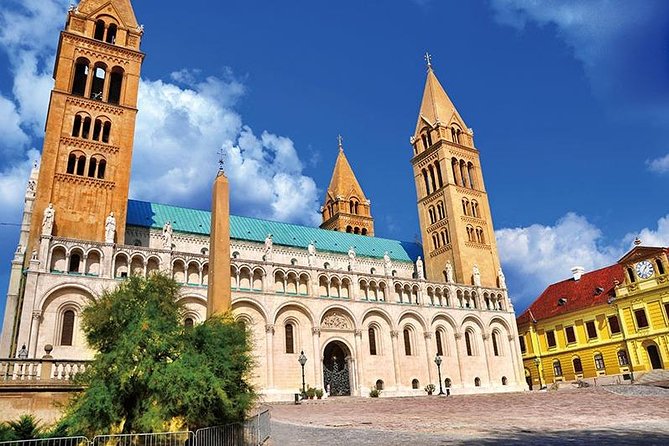
You’ll see Pécs Cathedral rising over Szent István Square, plus time for the city’s museum highlights and the claim that it has the best Turkish ruins in the country. If you’ve been focusing on Catholic and Orthodox architecture across Croatia and Bosnia, this stop adds another layer—Ottoman-era traces—without turning the day into a lecture.
Then you drive back to Budapest in the afternoon. If your booking includes a post-hotel, you might stay another night in Budapest, again with minimum 3-star standards and private facilities.
Transportation, Group Size, and the Guide Factor
This tour runs with a professional coach driver, plus an experienced tour manager. The group size tops out at 30 travelers, which is big enough for a friendly group vibe but small enough that the day doesn’t feel totally chaotic.
Language-wise, the tour is offered in English. There’s also a note that English and Chinese-speaking clients might be combined in the same bus if needed, with one leader who can speak both languages. If you’re traveling solo and want smooth communication, that’s a comfort.
The guide element seems to matter a lot. One guide name that stood out in the feedback I received about this company is Kenny, described as fluent in Mandarin and English, with a focus on storytelling and keeping things moving without losing context.
Price and Value: Is $1,160 Worth It?
At $1,160.11 per person, you’re paying for a package that compresses multiple countries into one week. That usually means your money goes into logistics: coach transport, hotels (minimum 3-star), and guided time.
Here’s what you should weigh:
- Included: accommodation in 3-star hotels, daily coach transport, a tour manager, and breakfast (6).
- Not included: gratuities and many attraction admissions or optional activities.
- Some key items are listed as free (like the Plitvice park admission day), which helps offset extra costs.
So is it good value? For people who want structure—someone else plans the drives, you get guided context, and you don’t spend nights deciding where to sleep—yes. If you’d rather travel at your own pace with minimal group time, you may find it feels too scheduled.
What to Pack (So the Week Doesn’t Beat You)
You’ll move through cities with lots of walking and through a national park day that’s built around footpaths. Pack comfortable shoes that can handle cobblestones and damp trails.
Also, follow the luggage rule: only one luggage up to 30 kg plus one small hand carry-on. Keep essentials accessible on the bus, because you’ll want them during long stretches between stops.
For day-to-day comfort, bring layers. Adriatic coast weather can shift fast, and Bosnia can feel cooler in the hills.
Who This Tour Fits Best (and Who Might Feel Rushed)
This tour fits you if you want:
- A clear hit list: Zagreb, Plitvice, Zadar, Split, Dubrovnik, Mostar, Sarajevo, Pécs
- Guided context rather than just wandering
- A group structure with a max of 30 people
You might want to skip or adjust if you:
- Get motion-sick on buses
- Hate paying extra for admissions
- Prefer slow travel, with long unplanned evenings
A good mindset for this route is to treat it like a guided sampler. You’ll leave with real memories, but not with a deep-dive feel in any one city.
Should You Book This Croatia and Bosnia Week?
I’d book it if you want a well-organized, high-impact week that teaches you what you’re seeing instead of tossing you into it. The strongest part is the balance: big nature (Plitvice), iconic cities (Dubrovnik), and Bosnia’s emotionally charged stops (Mostar and Sarajevo), all connected by efficient coach logistics.
If your budget is tight and you hate extra ticket costs, read the admissions notes carefully and plan for gratuities and optional entrances. Otherwise, this is the kind of trip that can make you want to return to the region later, when you’ve got more time.
FAQ
Where does the tour start and end?
It starts and ends at Budapest-KeletiBudapest, Kerepesi út 2-4, 1087 Hungary.
What time does the tour start?
The start time is 8:30 am.
How long is the tour?
The duration is 7 days (approx.).
What’s included in the price?
Accommodation in comfortable 3-star (min.) hotels with private facilities, daily transportation on modern air-conditioned coaches, services of an experienced tour manager, and breakfast for 6 days.
Are attraction tickets included?
Not all of them. The tour notes that admissions and optional activities/tickets for attractions not included in the itinerary are not included, though some specific stops are listed as free.
Is gratuity included?
No. Gratuities are listed as €10 per person per day, collected in cash by the tour manager.
What languages is the tour offered in?
The tour is offered in English. The operator also notes that it may combine English and Chinese-speaking clients, with one tour leader who can speak both languages.
How many people are on the tour?
The maximum group size is 30 travelers.
Can I get a full refund if I cancel?
You can cancel up to 3 days in advance for a full refund. If you cancel less than 3 full days before the experience’s start time, you won’t receive a refund.
If you want, tell me your travel month and whether you care more about nature or old towns, and I’ll suggest how to budget for ticket extras on the high-cost days.