Budapest clicks fast when you ride in views-first. This private 3-hour tour uses a driver-guide and an air-conditioned car to connect the big sights without the hassle, starting with hotel pickup and ending with city highlights across both Buda and Pest. I like the way the route is built to help you get oriented quickly, especially if it’s your first time in town.
Two things I also really like: you’ll spend your time comfortably in the car, and you’ll get personalized attention instead of being stuck in a giant group. The one thing to consider is that this is a short-format sampler—many stops are brief—so if you want long sits at any single attraction, you’ll likely want to add extra time later.
In This Review
- Key points to know before you go
- A panoramic car is the smart way to see Budapest fast
- Hotel pickup and a driver-guide who keeps the day moving
- Central Market Hall: quick tastes and a real introduction to Hungarian food culture
- Gellért Spa and Liberty Bridge: art nouveau stops on the way to thermal fame
- Citadella and panoramic views that beat the castle-district hype
- Buda Castle District and Fisherman’s Bastion: the view that teaches the city shape
- Parliament Building viewpoints and a quick Pest loop
- Széchenyi Baths and City Park: thermal-bath views plus a short green break
- Andrássy Avenue: grand boulevards, House of Terror, and a metro-history peek
- New York Palace: a final dose of old-world glamour
- Price and time: what $0.00 (or a low rate) really means for value
- What might feel rushed, and how to get the most from the short stops
- Who this panoramic Budapest tour fits best
- Should you book this panoramic Budapest tour?
- FAQ
- FAQ
- How long is the Budapest private sightseeing tour by panoramic car?
- Do you offer hotel pickup?
- Is this tour private?
- Will I need to buy admission tickets during the stops?
- Is an air-conditioned vehicle used?
- Does the tour include time at Central Market Hall?
- Is there a mobile ticket?
- What weather does the tour require?
Key points to know before you go
- Hotel pickup keeps the start easy, so you spend more time seeing and less time figuring out logistics.
- Air-conditioned panoramic car makes the sightseeing more comfortable, especially on hotter or colder days.
- A driver-guide who talks as they drive means you’ll learn what you’re looking at while you’re still in transit.
- Great viewpoint mix: Citadella, Fisherman’s Bastion, and Parliament-area perspectives are all part of the plan.
- Thermal baths without a full day commitment: you’ll get time for outdoor and inside looks at Széchenyi, plus exterior art at Gellért.
- Built for good weather: the experience notes it depends on weather, so be ready for schedule tweaks.
A panoramic car is the smart way to see Budapest fast
Budapest is a city of elevations, river bends, and sudden views. That’s why a panoramic car tour works better than trying to do everything on foot or by hopping between routes on your own. In a few hours, you get the big picture of how Buda and Pest relate to each other—and you understand what you’re seeing before you start wandering.
I also like that this tour is private. You’re not fighting for space at stops, and it’s easier to ask for a quick photo pause or spend a few extra minutes at the places that grab you. Reviews highlight that guides like Attila and Balázs bring both facts and humor to the ride, and that combination matters here: you’ll remember the city more when someone explains what you’re looking at.
One more practical win: many stops are listed with admission ticket free time. That means your money mostly goes to transportation, guide time, and a tight route—rather than adding up entry fees for each quick stop.
You can also read our reviews of more private tours in Budapest


Hotel pickup and a driver-guide who keeps the day moving
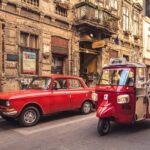
You’ll start with hotel pickup, which sounds simple until you’ve tried to coordinate transit in a foreign city while you’re tired. Here, the car comes to you in an air-conditioned setup, which is a big comfort upgrade on a warm summer day or a chilly shoulder season morning.
Your guide is more than a driver with a map. They act like a storyteller on the move, explaining what each area means and pointing out what you might otherwise miss. In short trips like this, that makes a difference—you’re not just getting dropped off, you’re getting context while the sights roll by.
This is also a true private format, so the pace can feel more natural. In some guided programs, you’re herded from stop to stop with no wiggle room. In this one, you can take advantage of the short walking moments without losing the whole schedule.
Central Market Hall: quick tastes and a real introduction to Hungarian food culture
Your first stop is the Central Market Hall. This place is perfect for a first-time “okay, this is what daily life looks like” moment in Budapest. Even with limited time, you’ll get the feel of the food stalls, the energy of the hall, and the range of Hungarian specialties.
The plan includes time to taste a few Hungarian delicacies if you want. And yes, pálinka might come up. The guide’s sense of humor is part of the culture of the tour—if you go for a sample, you might end up feeling a bit sleepy afterward, and that’s exactly the kind of warning you’ll hear here.
A consideration: with only about 15 minutes at the market area, this isn’t a deep food tour. Think of it as orientation and “try a couple things” time. If you’re the type who wants to shop for paprika, candies, or souvenirs, you’ll want separate market time later.
Gellért Spa and Liberty Bridge: art nouveau stops on the way to thermal fame
Next you head toward Gellért Spa, stopping at an iconic bridge for a quick look: Liberty Bridge. The tour notes it’s the third oldest bridge in Budapest, and it used to be named after Franz Joseph. That kind of detail is helpful—when you know the naming story, you don’t just see a structure, you see layers of time.
At Gellért, you’ll focus on the visual side of the building: you’ll see the foyer and art nouveau features. This matters if you’re not planning a long spa session, because you still get the “wow” factor of the architecture.
The time here is short, around five minutes for the stop described. So again, this is not a full bath experience. It’s a look-and-learn moment that sets you up to appreciate what makes Budapest thermal baths famous.
Citadella and panoramic views that beat the castle-district hype
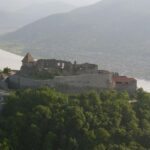
Then the tour drives up to Citadella, which is famous for viewpoint energy. The guide’s message is clear: the views from here can be spectacular—so much so that they can feel better than what you get from the Castle District.
Citadella also gives you a quick change of mode. The stop is noted as a good place to stretch your muscles, which is exactly what you want after sitting in a car for part of the morning. It’s a brief break where you can stand, look out, and take photos without committing to a long hike.
A nice advantage: the plan says cruise tours usually don’t go there. Whether or not you care about that label, what it usually means in real life is fewer crowds during your viewing time—and a more relaxed photo stop.






Buda Castle District and Fisherman’s Bastion: the view that teaches the city shape
You’ll head into the Castle District for a feel of Buda’s royal-era identity. The stop described includes colorful buildings and historic walls shaped by uprisings and world wars. Even in a short visit, that helps you understand why this area feels like the “old Budapest” everyone talks about.
You’ll also get time for Fisherman’s Bastion viewpoints. This is one of those places where you stand still for a moment and suddenly the river, bridges, and city blocks make sense. In feedback tied to this tour, people remember the Parliament-area view framed from Fisherman’s Bastion as a standout moment—especially when rain changes the lighting. If you catch the right sky, you’ll get crisp, postcard-style angles.
Watch-outs for the stop: you’ll likely be doing quick look-and-photo time, not a slow wander. If you want to read plaques, explore side streets, or go deep into castle interiors, add extra time on your own after the tour.
Parliament Building viewpoints and a quick Pest loop
After the Buda side, you cross to Pest and make a stop at the Hungarian Parliament Building. Important detail: this is a stop by the Parliament, not an internal tour. So you’ll see the exterior and the area, but you won’t be stepping into the building as part of this route.
The Parliament is described as the third largest parliament building in the world. Even if you don’t memorize that fact, the scale hits you fast when you’re standing close enough to see the details.
There’s also a humorous detail built into the experience: if the prime minister is available, you may have a coffee with him. The key word there is may—so treat it as a bonus possibility, not a guarantee.
You then move through Szabadság tér and the surrounding neighborhood often described as proof that Budapest earned the nickname Paris of the East. It’s a quick orientation stop that links grand architecture with the everyday city feel around it.
Széchenyi Baths and City Park: thermal-bath views plus a short green break
Next up is Széchenyi Baths, part of City Park. The tour frames Széchenyi as Europe’s largest thermal spa, and it gives you a short break outside the car. You’ll get time for a brief walk in the park, plus views of Széchenyi from both outside and inside.
This is one of the more satisfying parts of the route because it mixes two kinds of sightseeing:
- a thermal-bath architecture moment
- a park stroll where you can move your legs
The plan also mentions the Budapest Zoo and amusement park nearby, which helps explain why this area feels like a full-day destination even though your stop is short. Consider bringing a layer you can handle both indoors and outside, since bath buildings and open-air park temps can feel different.
A practical expectation: you’re seeing the baths and pool areas, not replacing a full thermal session. If you want the full soak, you’ll need separate time later. Still, getting inside for a look helps a lot, because photos alone don’t explain the scale and vibe.
Andrássy Avenue: grand boulevards, House of Terror, and a metro-history peek
Your route continues along Andrássy Avenue toward City Park. This section is about passing major landmarks and understanding why this corridor is so famous. You’ll pass by the Opera House and also the House of Terror, which adds a more complex emotional layer to the city’s story.
The tour also points out upscale stores—mentioned as places Hungarians cannot afford—so you get a quick snapshot of contrast in Budapest, not just beauty.
Then there’s a fascinating bonus: the chance to see a station of the world’s second oldest subway line. That kind of detail matters because it turns a street walk into a “this is modern history too” moment.
Don’t plan on doing long stops here. Think of it as a moving education—your job is to stay alert, look at what the guide points out, and get photos when the best angles come up.
New York Palace: a final dose of old-world glamour
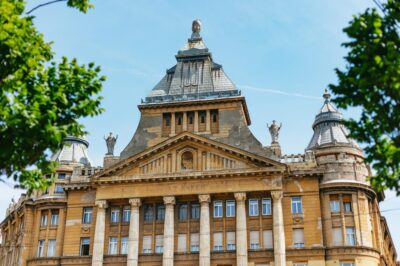
A later stop is New York Palace, described as an amazing building speaking of bygone times. Even without going inside (the plan lists it as a stop rather than a tour), it’s the kind of photo opportunity that reminds you Budapest isn’t only about thermal baths and fortresses.
This final segment helps your day feel complete. Instead of ending with just views from heights, you finish with an architectural note—something elegant and urban.
Price and time: what $0.00 (or a low rate) really means for value
The price shown here is $0.00. That may be a promo rate or a placeholder, so check your final total at booking. Still, even if your actual price ends up being more than that, this kind of private route can still represent strong value if you factor in three things:
- Transportation across both sides of the city in an air-conditioned car
- A driver-guide who explains what you’re looking at while you’re moving
- A tight set of major sights, many with admission ticket free time listed on the plan
Where you can lose value is when someone compares this to a full-day museum plan. This tour isn’t built for that. It’s built to help you see a lot, learn a lot, and then decide what to revisit later.
What might feel rushed, and how to get the most from the short stops
The biggest trade-off in a 3-hour format is time. Many stops are only five to 15 minutes, which means you’re doing quick look/learn/photo moments.
So if you hate rushing, you might feel it—especially at places where you’d normally want to linger. The solution is simple: treat this tour as your “first draft” of Budapest. Use it to pick your favorites, then go back later.
Also keep expectations realistic about the baths. You’ll get outside and inside looks at Széchenyi, and a focused architectural stop at Gellért, but it’s not a long soak itinerary. If your idea of a vacation includes extended time in the water, you’ll need to schedule a separate bath day.
Who this panoramic Budapest tour fits best
This is a great fit if:
- it’s your first time in Budapest and you want orientation fast
- you prefer a private format over group herding
- you value viewpoint stops, major architecture, and quick context from a guide
- you want to see both sides of the river without planning transit
It’s also a good option if you don’t want a full-day commitment. You’ll be out exploring, but the schedule stays focused.
It may not fit perfectly if:
- you want long museum hours or deep interior tours
- you’re determined to spend several hours in the baths
- you can’t handle brief walking breaks and quick transitions between stops
Should you book this panoramic Budapest tour?
I’d book it if you want your Budapest to start with confidence. The route is designed to connect the city’s big identities—Market Hall food culture, Buda’s castle area, thermal-bath architecture, and Parliament-era grand scale—then wrap it up with boulevards and iconic buildings.
If you can only do one guided experience early in the trip, this is one of the better ways to do it. You’ll leave with the city’s geography in your head, and you’ll know exactly what you want to return to on your own.
FAQ
FAQ
How long is the Budapest private sightseeing tour by panoramic car?
It runs for about 3 hours.
Do you offer hotel pickup?
Yes, pickup from your hotel is offered.
Is this tour private?
Yes. Only your group participates.
Will I need to buy admission tickets during the stops?
The stops are marked as admission ticket free on the tour plan.
Is an air-conditioned vehicle used?
Yes, you travel comfortably in an air-conditioned vehicle.
Does the tour include time at Central Market Hall?
Yes. You’ll spend about 15 minutes at the Central Market Hall, and you can taste a few Hungarian delicacies if you want.
Is there a mobile ticket?
Yes, a mobile ticket is included.
What weather does the tour require?
The experience requires good weather. If it’s canceled due to poor weather, you’ll be offered a different date or a full refund.