REVIEW · BUDAPEST
Hungarian Cooking and optional Local Market Tour
Book on Viator →Operated by Chefparade Cooking School · Bookable on Viator
Hungarian comfort food, made with your own hands. I love the small group setup and the hands-on cooking that turns you into a real Hungarian-food maker, not just a diner. One possible catch: the optional market time can feel tight, so if you want serious shopping, plan to be decisive.
This is a 3 to 4 hour cooking-and-eat session where you build a traditional Hungarian menu from scratch, while sipping Hungarian wines and getting stories about food and customs. You’ll also get a little palinka tasting, which is a fun way to understand why Hungary takes spirit-making seriously.
You start at Central Market Hall (1093 Budapest), then the day ends back at the starting area, though the cooking school location can be either Bécsi street 27 (Buda) or Páva street 13 (Pest). If you’re picky about dietary needs, say so early—vegetarian is available on request, but allergy and religious options may be limited.
In This Review
- Key things that make this Budapest class worth your time
- The Chefparade cooking-school format that feels genuinely practical
- Central Market Hall and Páva Street: where Hungarian flavors start
- The menu you’ll actually cook: goulash soup, paprikash, and apple strudel
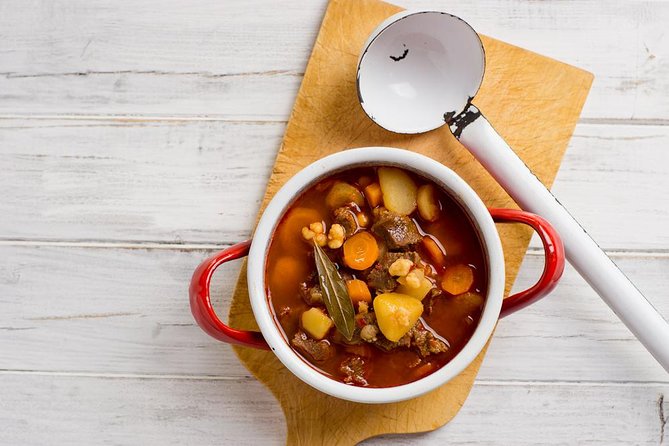
- Starter: goulash soup
- Main: chicken paprikash with nokedli or fresh spatzle
- Main alternative: mushroom paprikash
- Dessert: apple strudel with thin phyllo pastry
- Wine, palinka, and the culture talk that makes it more than a meal
- Instructors: why patience and clarity show up in the results
- Price and value: what $126.98 buys you (and what to check)
- Who should book this Hungarian cooking and optional market tour
- Should you book it?
- FAQ
- Where do I meet for the cooking class?
- How long is the Hungarian cooking and market experience?
- Is the tour offered in English?
- What dishes are included in the menu?
- Is there a vegetarian menu option?
- Is there an optional market tour?
- What is the group size?
Key things that make this Budapest class worth your time
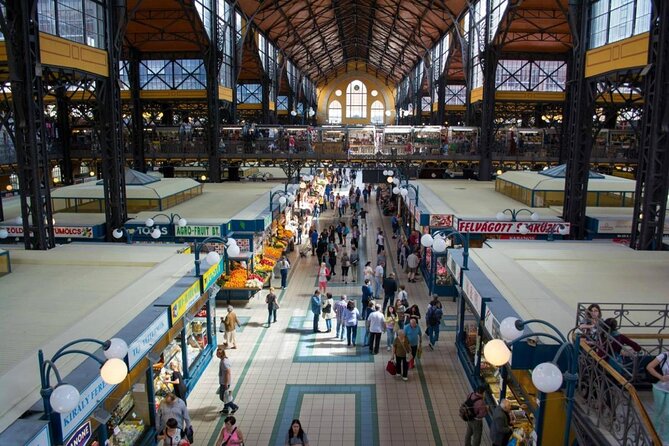
- Central Market Hall orientation with real food shopping know-how (and quick tasting stops rather than just sightseeing)
- 3-course Hungarian menu built from scratch in a single sitting: goulash soup, paprikash, and apple strudel
- Small class size (max 15) for closer attention and more hands-on cooking
- Hungarian wines plus a small palinka moment, so the meal feels like a cultural experience
- Recipe copies to take home, so you can redo at least part of the menu later
- Optional market tour adds the “market-walking” atmosphere, not only the cooking
The Chefparade cooking-school format that feels genuinely practical
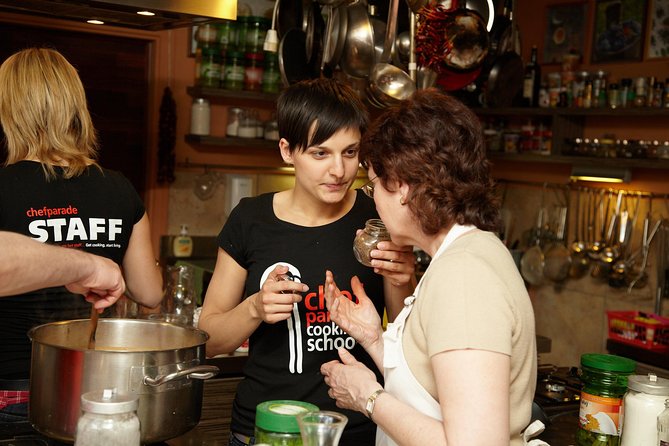
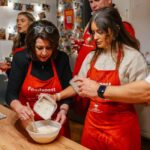
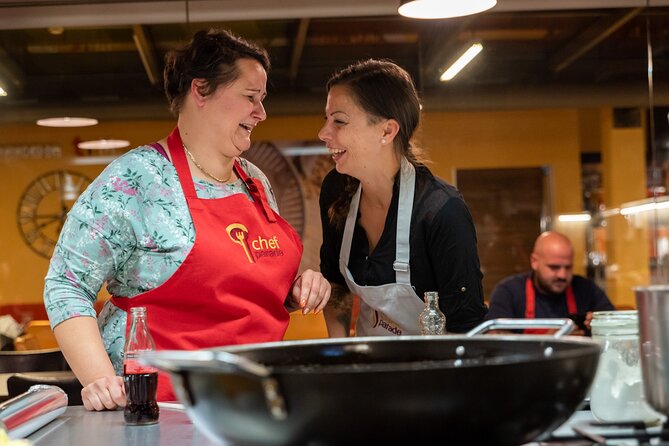
Chefparade’s setup is built for learning by doing, which is exactly what you want when you’re traveling. Instead of getting shown a finished plate, you’re chopping, mixing, cooking, baking, and then eating what you made—so the flavors actually make sense in your head.
The timing is also realistic. You’re looking at about 4 hours total, which fits a day with other Budapest plans. And because the group is capped at 15 people, you’re less likely to feel like you’re standing around while the instructor talks to someone else.
You’ll likely appreciate the small details too, like the mobile ticket. It keeps the start of the experience painless (no printing scramble), and it’s helpful when you’re trying to move around Budapest efficiently using public transit.
The other practical win: this class is designed around iconic Hungarian dishes. That matters because Hungarian cuisine can sound intimidating on paper—paprika, dairy, dumpling-style sides, phyllo dough, slow-simmered sauces—but here you get guided technique. You leave with a menu you can recognize and recreate, not just vague memories.
If you’re the kind of person who likes to eat at restaurants but also wants to understand the “how,” this is a strong match.
You can also read our reviews of more shopping tours in Budapest
Central Market Hall and Páva Street: where Hungarian flavors start
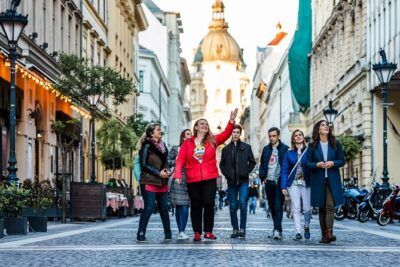
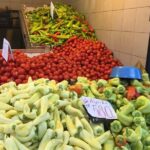
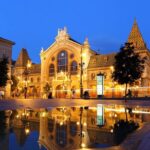
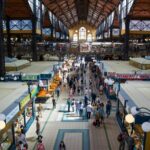
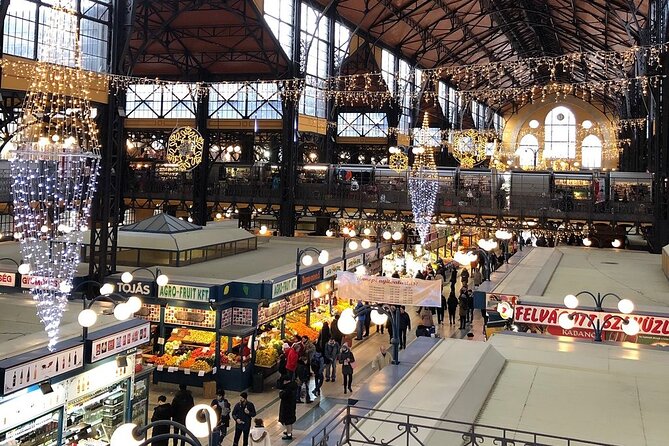
Your day is anchored at the Central Market Hall area, and that’s a good choice. Markets in Budapest aren’t just for souvenirs. They’re where locals shop for produce, dairy, cured meats, spices, pastries, and packaged treats you don’t always find outside Hungary.
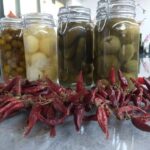
There’s also a second stop involved when the experience includes the guided market piece: Páva Street. That’s where the day’s story broadens from food ingredients into the everyday rhythm of Budapest life. Even if you only get a short guided walk, you’ll understand why Hungarian cooking relies so heavily on paprika character, sour cream (or dairy thickness in sauces), and fresh baking.
What I like about this approach: the market part is used to support the cooking part. You’re not just looking at stalls—you’re learning what makes certain ingredients better, so later when you cook chicken paprikash or goulash soup, the flavors feel earned.
Still, consider this potential drawback: market time isn’t infinite. The optional market tour is described as atmospheric and flavorful, but it isn’t presented as a full free-shopping spree. If you’re hoping to buy lots of spices, you may need to keep your choices simple and quick.
Also check your expectations around where you’ll end the day. The cooking school can be on Bécsi street 27 (Buda) or Páva street 13 (Pest), even though the activity ends back at the meeting point. That’s common in multi-location city experiences, but it’s worth noting so you don’t feel disoriented later.
The menu you’ll actually cook: goulash soup, paprikash, and apple strudel
The core of the experience is a classic Hungarian 3-course lineup. You start with soup, move into a creamy paprikash-style main, and finish with apple strudel.
Starter: goulash soup
You’ll make goulash soup—a hearty beef-and-vegetable style bowl. This is the dish that teaches you what Hungarian cooking does best: turns pantry staples (like paprika and broth) into something deeply comforting through time, technique, and seasoning.
A soup like this also sets you up for the rest of the meal. When your kitchen skills build gradually—chopping vegetables, cooking aromatics, then simmering—you’re more likely to understand why the next dishes behave the way they do.
Main: chicken paprikash with nokedli or fresh spatzle
Your first main option is chicken paprikash, paired with a dumpling side such as nokedli or fresh made spatzle. Paprikash is all about that creamy paprika sauce: you’re not just browning chicken and hoping for the best. You’ll learn how to keep the sauce smooth and flavorful, and how the dumpling/s are built to soak up everything good.
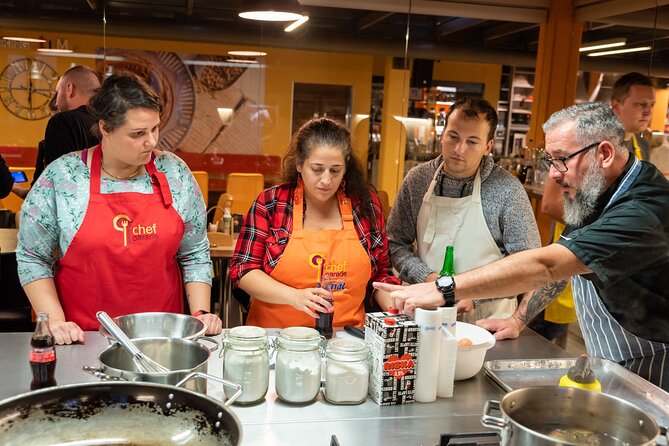
In at least some class formats, people get very hands-on with the chicken as it cooks and the sauce develops. Even if the exact pace varies, you should expect active cooking, not watching.
You can also read our reviews of more tours and experiences in Budapest

Main alternative: mushroom paprikash
If you choose (or if it’s offered in your run) the vegetarian-friendly route, you’ll work with mushroom paprikash. It keeps the Hungarian comfort-sauce idea, but swaps the protein. It’s a practical option if you want to understand the sauce technique without relying on meat.
Dessert: apple strudel with thin phyllo pastry
Then comes the part that makes this class feel special: apple strudel. This is described as classic thin phyllo dough with a sweet apple and cinnamon filling. Strudel can look complicated when you see it in bakeries, but the goal here is to make it understandable: the pastry, the filling balance, and the baking.
And yes, the “cook, bake, eat” structure matters. You’re not waiting until the end for something to happen—you’re moving course by course, which keeps energy high and learning steady.
Wine, palinka, and the culture talk that makes it more than a meal
Food classes can be two kinds: recipe-only, or culture-plus-recipe. This one leans into culture. The format includes storytelling about Hungarian traditions and gastronomy while you cook and eat.
That’s not just chat for the sake of chat. When you hear why people eat certain foods for certain occasions, the dishes stop feeling random. Hungarian cuisine becomes more coherent, like a set of decisions rather than a random list of flavors.
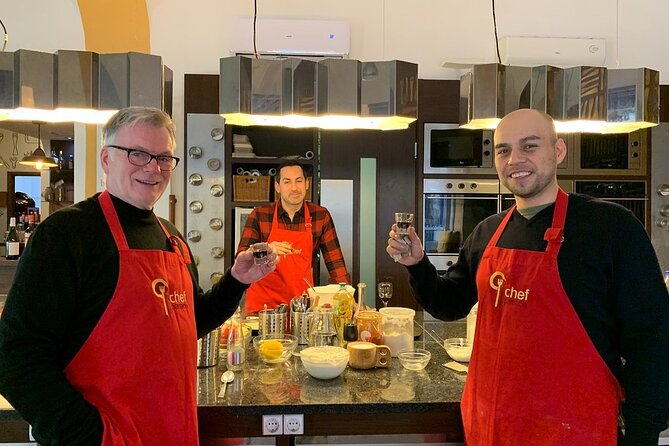
You’ll also have local snacks and drinks as you cook, plus Hungarian wines with the meal. The wine element is helpful because paprikash and goulash are flavorful but also creamy and paprika-forward. Pairing-wise, wine makes sense here, and it pushes the experience from “cooking lesson” toward “Hungarian lunch.”
The small palinka tasting is the cheeky cultural wink. It reminds you that Hungarian drinking culture isn’t an afterthought. It’s tied to hospitality, celebrating, and finishing a meal with something strong.
Instructors: why patience and clarity show up in the results
This kind of class lives or dies by the person teaching it. Based on the instructors named in the school’s experience set, the teaching style is consistently about calm guidance, clear instruction, and technique.
You may work with instructors like Vesna, Brigi/Brigitte, Bernadette, Betty, Adrienne, or Sylvia. People specifically call out things like patient explanations, organized cooking flow, and easy-to-follow steps.
Why that matters to you: Hungarian recipes can be technical in small ways—how you build a paprika sauce, how you handle dumpling-style sides, how you manage pastry layers. When the instructor explains not only what to do but what to watch for (texture, timing, consistency), you can actually reproduce the dish later.
A few practical examples from the teaching approach you can expect:
- The chicken sauce is handled actively, with attention to preventing overcooking.
- Cooking tasks are structured so you’re not waiting all the time.
- Recipes are provided so you can repeat the dishes after the trip.
Even the market side gets instruction, not vague narration. One clear theme: you’re taught what’s worth paying attention to in the stalls and what to focus on for flavor and quality.
If you want value from a cooking class, look for a teacher who can explain technique simply. The names associated with this experience suggest that’s exactly what you’re getting.
Price and value: what $126.98 buys you (and what to check)
At $126.98 per person for about 4 hours, this isn’t a bargain cooking gimmick. It’s priced like a small-group food experience with guided market content, instructor-led cooking, and a full 3-course meal you build yourself.
Here’s what you’re paying for in real terms:
- Time and guidance: 3 courses from scratch takes effort and coordination.
- Ingredient work: chopping, mixing, baking, and learning sauce and dough basics.
- Eating as part of the lesson: you cook and then sit down for the meal.
- Small group energy: max 15 people helps the instructor keep an eye on you.
- Optional market tour: adds the ingredient-and-atmosphere piece before cooking.
Where you should be sharp: optional add-ons and end-of-experience logistics can vary depending on what you selected at booking. If you care about getting back to the city center smoothly, double-check what your exact package includes.
There’s also the practical reality that market time can feel more guided than free. If your shopping list is long, you may want to bring your decisions in advance—spices, paprika, or pastry items you truly want to take home.
Balanced take: when everything clicks, this class can deliver food that feels better than what you’ll casually order at restaurants, because you’re doing the steps and learning the logic. When it doesn’t, the main frustration tends to be pacing or the expectation of more open market time.
Who should book this Hungarian cooking and optional market tour
This experience is a great fit if:
- You want hands-on Hungarian cooking rather than a passive tasting.
- You’re short on time and want a full 3-course meal in one sitting.
- You like the idea of learning ingredients first, then cooking with purpose.
- You’d enjoy a class taught in English with cultural context included.
It’s also a smart choice for non-cooks. If you’ve never made paprikash, strudel, or dumpling-style sides, that’s not a problem here. The course is set up to guide you through the steps so the food turns out.
If you have diet needs, contact the operator at booking time. A vegetarian menu is available upon request, but the info notes that options for guests with allergies and religious restrictions may be limited. Don’t wait until the day-of.
Should you book it?
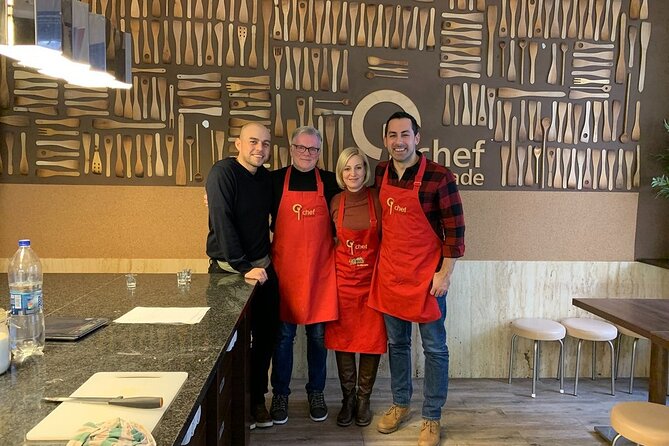
I’d book this if you want a Budapest food day that feels local: market ingredients, Hungarian wine, a little palinka, and a 3-course menu you helped make. The small-group size and hands-on cooking are the big reasons it’s consistently rated highly.
Hold off or at least check details twice if:
- Your main goal is buying lots of market items with plenty of time to browse.
- You need very specific dietary accommodations.
- You’re sensitive about pacing and want a very relaxed, slow tour rather than a structured cooking schedule.
If you want to leave with recipes, technique, and a meal that tastes like real Hungarian comfort food, this is an excellent use of a few hours in Budapest.
FAQ
Where do I meet for the cooking class?
The start point is Central Market Hall, Budapest 1093 Hungary.
How long is the Hungarian cooking and market experience?
It runs about 4 hours (approx.).
Is the tour offered in English?
Yes. The experience is offered in English.
What dishes are included in the menu?
You’ll make a 3-course Hungarian menu: goulash soup, chicken paprikash with nokedli or fresh made spatzle (or mushroom paprikash), and apple strudel.
Is there a vegetarian menu option?
Vegetarian menu is available upon request.
Is there an optional market tour?
Yes. There’s an optional local market tour focused on experiencing the market atmosphere and tasting very Hungarian flavors.
What is the group size?
This activity has a maximum of 15 travelers.