REVIEW · BUDAPEST
Budapest: Street Art Tour
Book on GetYourGuide →Operated by Budapestflow.com · Bookable on GetYourGuide
Street art in Budapest tells stories fast. On this 3-hour small-group walk, you’ll learn how murals in the Jewish Quarter connect to contemporary culture, history, and politics. It’s not just picture-taking. It’s a guided reading of the city’s walls.
What I really like is the way the guide turns random-looking graffiti into clear, human themes. You’ll also get a relaxed coffee stop at the start, which helps you ease into the neighborhood before the walking begins.
One thing to consider: it’s an outdoors-first tour focused on murals and street corners, so weather matters. Bring a rain layer if skies look suspicious.
In This Review
- Key things you’ll notice on this tour
- Street art is Budapest’s street-level conversation
- Starting at My Little Melbourne: warm-up before the walking
- The Jewish Quarter murals: what you’ll be looking for
- How the guide connects murals to history and politics
- Local artists lead the conversation
- Small group size: the difference between watching and understanding
- Coffee stop as part of the pacing (not just a perk)
- What to expect when it rains (and why it still works)
- Timing and logistics that help you enjoy it
- Price and value: is $53 fair for what you get?
- Who this tour suits best
- Quick practical checklist
- Should you book this Budapest Street Art Tour?
- FAQ
- Where is the meeting point for the Budapest Street Art Tour?
- How long is the tour?
- What does the tour cost, and what’s included?
- Is the tour focused on a particular neighborhood?
- What language is the tour guide?
- How big is the group?
- Is the tour wheelchair accessible?
- Can I cancel or pay later?
Key things you’ll notice on this tour
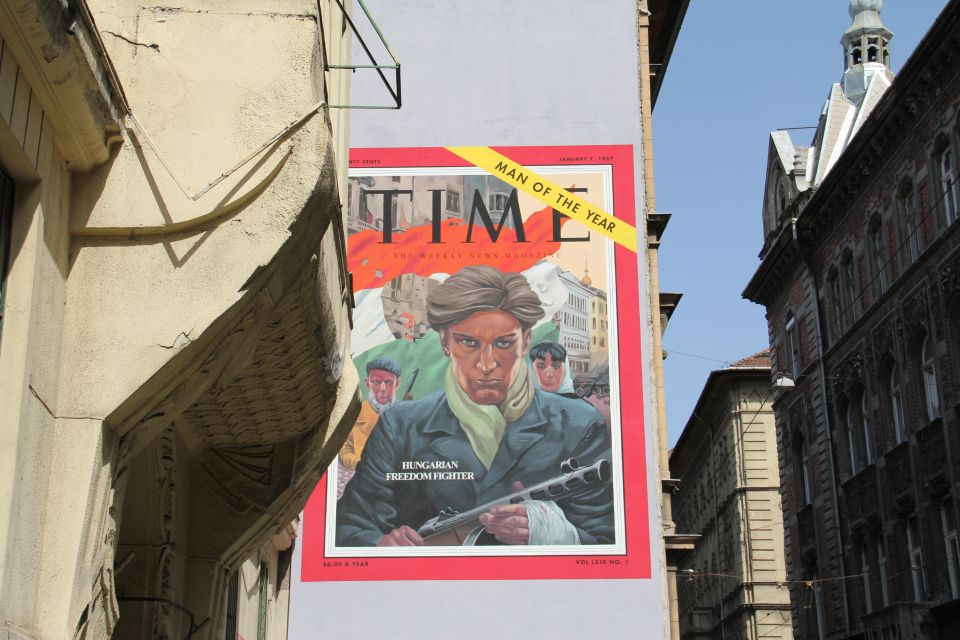
- Jewish Quarter walls as a living museum: you’ll learn how the neighborhood’s street art reflects changing ideas
- Street art with context: every stop comes with discussion of themes and socio-political background
- Local artists in the spotlight: the tour focuses on creators using public art to talk about everyday values
- Small group attention: with a limited group size, your questions actually get answered
- A proper coffee reset: you’ll start with complimentary coffee at My Little Melbourne
- A brisk 3-hour pace: built for learning without burning the whole day
Street art is Budapest’s street-level conversation
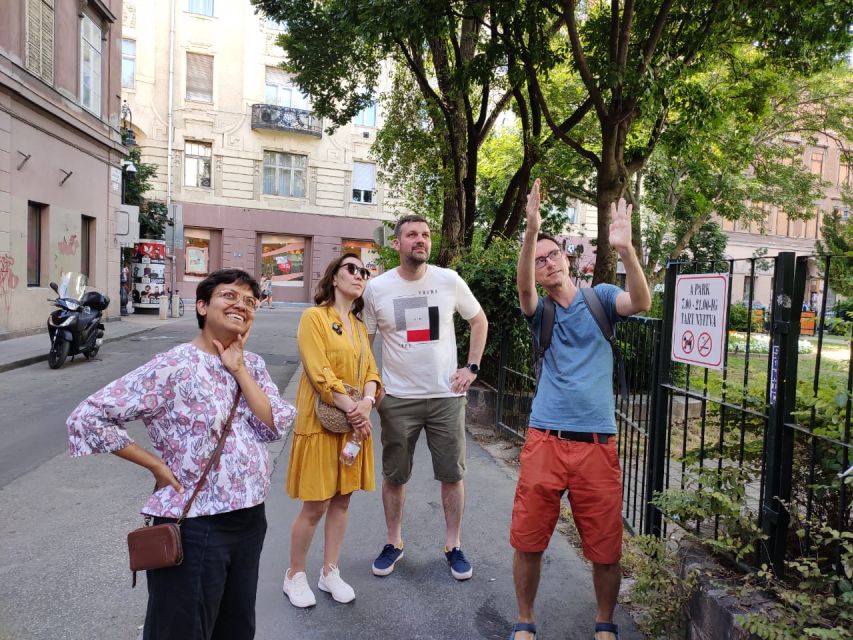
Budapest’s official sights can be grand and polished. But the city’s real ongoing conversations often show up on sidewalks and building walls. This tour is built around that idea: street art as a public bulletin board where people react to current life—sometimes proudly, sometimes critically.
What makes this walk especially useful is the focus on meaning. You’re not just looking at color. You’re learning how artists frame issues people care about, using images and lettering that belong to the streets. By the end, you’ll recognize patterns: repeated themes, recurring symbols, and how the same wall can hold different messages depending on who’s looking.
The goal is simple: you understand the city you’re standing in, not just the city described in guidebooks.
You can also read our reviews of more tours and experiences in Budapest
Starting at My Little Melbourne: warm-up before the walking
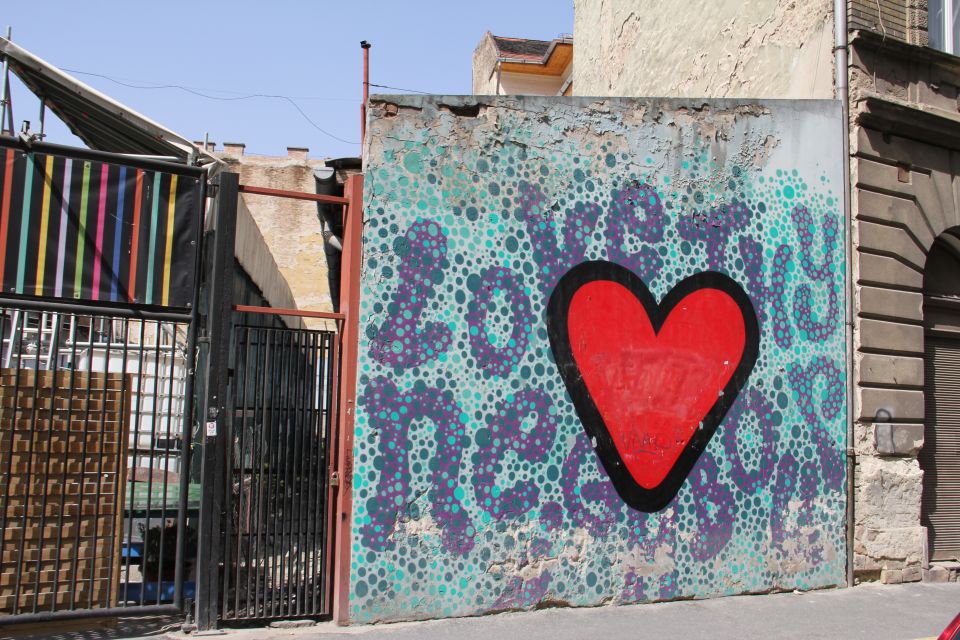
You meet at the entrance of the coffee shop My Little Melbourne. That’s a smart choice for a street art tour. Coffee means you can settle your nerves, check your route setup mentally, and meet your guide without rushing.
This stop also sets the tone. Street art tours go best when you feel comfortable asking questions. Starting with a complimentary cup makes it easier to break the ice, especially in a small group (limited to 6 participants).
Practical tip: if you’re the type who likes to take photos right away, use the first minutes to position yourself—then you won’t feel like you’re constantly catching up once you’re out in the neighborhood.
The Jewish Quarter murals: what you’ll be looking for
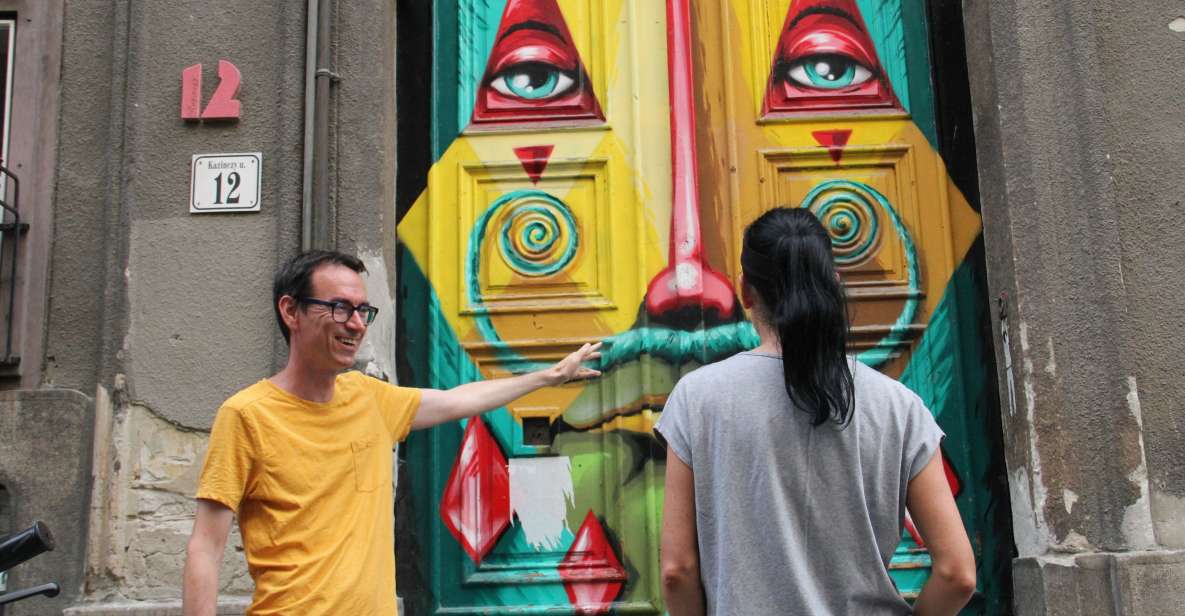
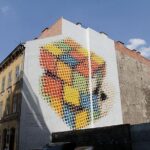
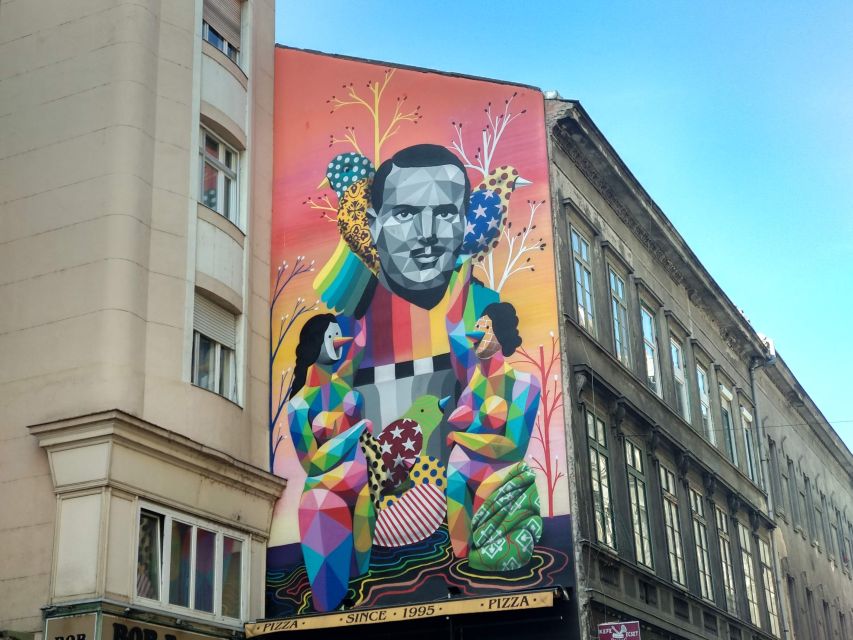
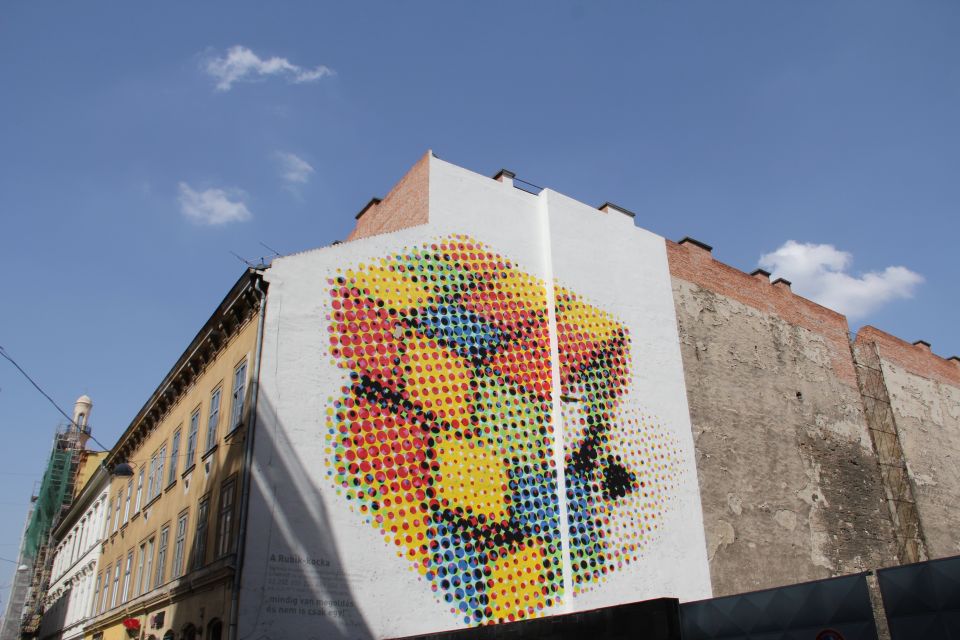
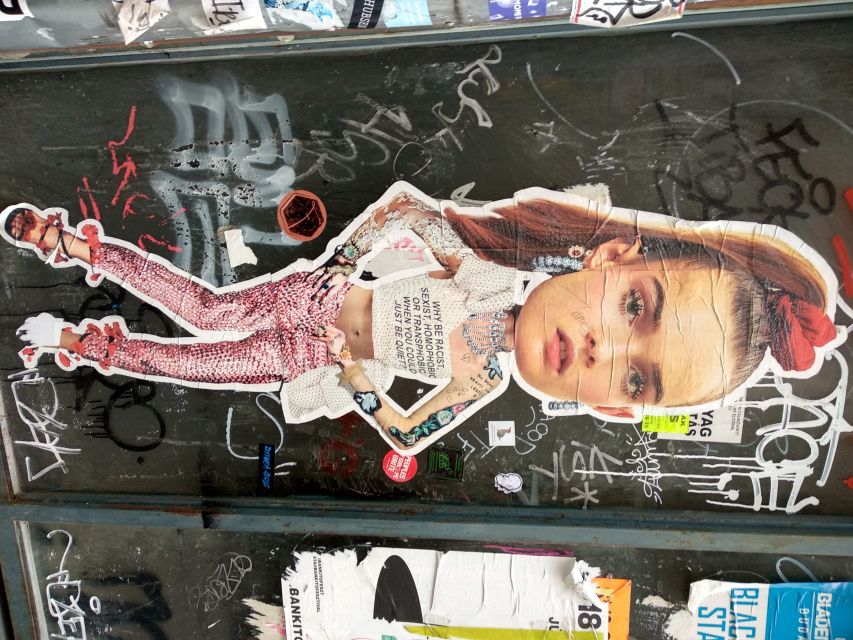
The bulk of the tour happens around the Jewish Quarter. You’ll move through streets where murals, graffiti, and other wall work add color to otherwise plain surfaces.
Here’s the important part: you’ll learn to look past the surface layer. Your guide helps you read the art the way you’d read a poster, a cartoon, or a political statement—except it’s painted on a wall, so it has a different kind of urgency. Street art is usually created to be seen in daily life, not only in galleries.
Expect your attention to shift in real time:
- Themes: identity, community, social change, and how people talk back to public life
- Symbols and style: how visual language carries meaning even if you don’t know the artist
- Location effect: why certain walls feel more than decorative, like they’re part of a bigger conversation
You’ll also get the sense that Budapest’s street art scene has been growing and pushing boundaries in recent years. The tour treats those changes as part of the city’s present-day identity, not just an art trend.
How the guide connects murals to history and politics
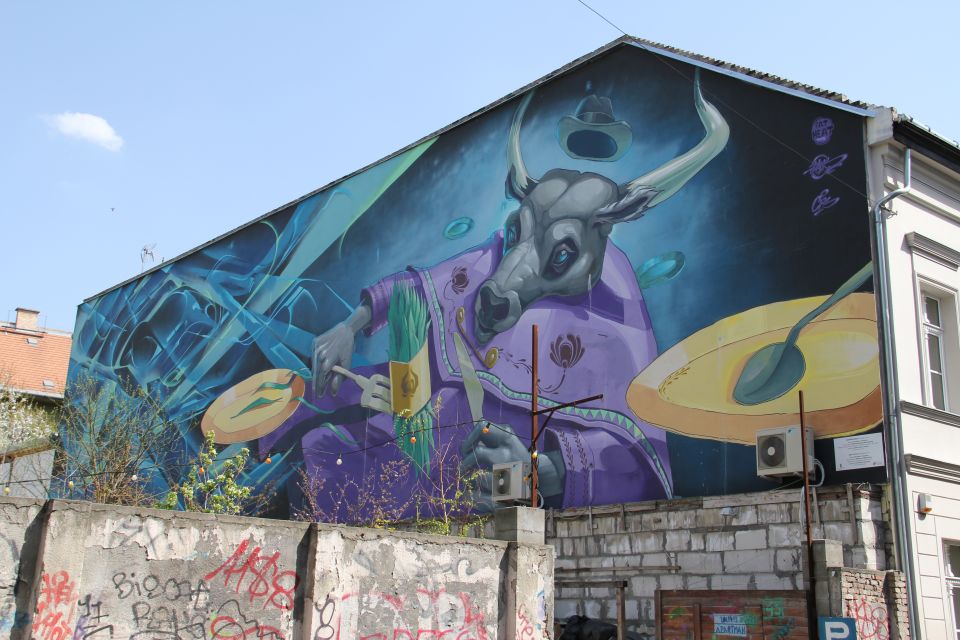
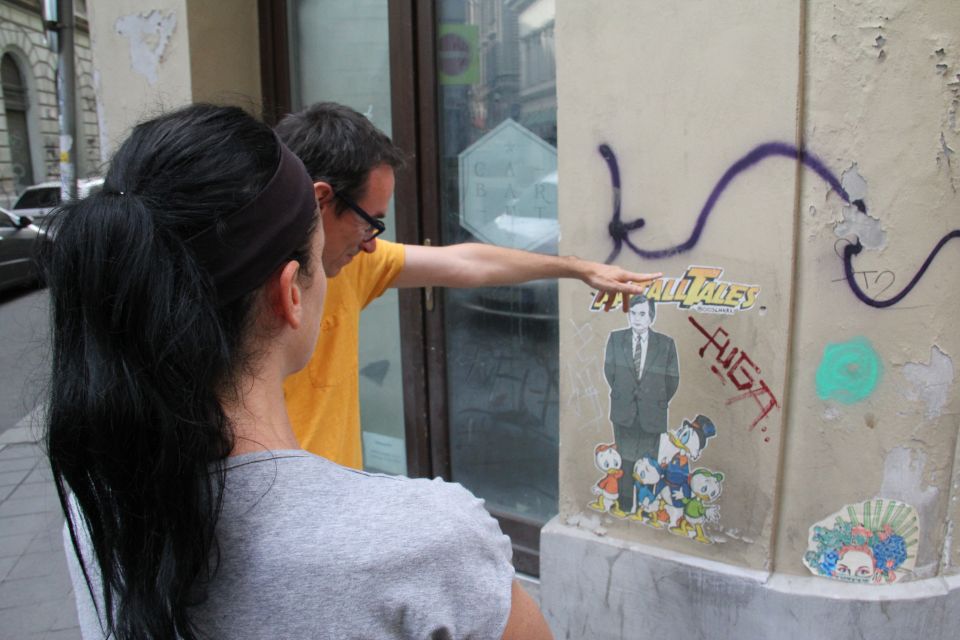
This is a discussion-heavy tour. The guide talks through each piece, so you understand what the artwork is saying and why it was made.
One theme you’ll keep hearing is the intersection of art and public life. Street art here isn’t presented as a random hobby or street decoration. It’s framed as a way for artists to respond to the city’s culture and politics—sometimes celebrating everyday values, sometimes pointing out tensions.
The most valuable learning moment is when you stop thinking of street art as isolated images. Instead, you start seeing it as a connected language. A mural isn’t only about the artwork itself. It’s about the context around it—who’s making it, what they’re responding to, and what locals may recognize instantly.
In the end, you get an accidental history lesson, but told through present-day visuals. That’s a powerful way to learn because it sticks. You’ll remember the message, not just the location.
Local artists lead the conversation
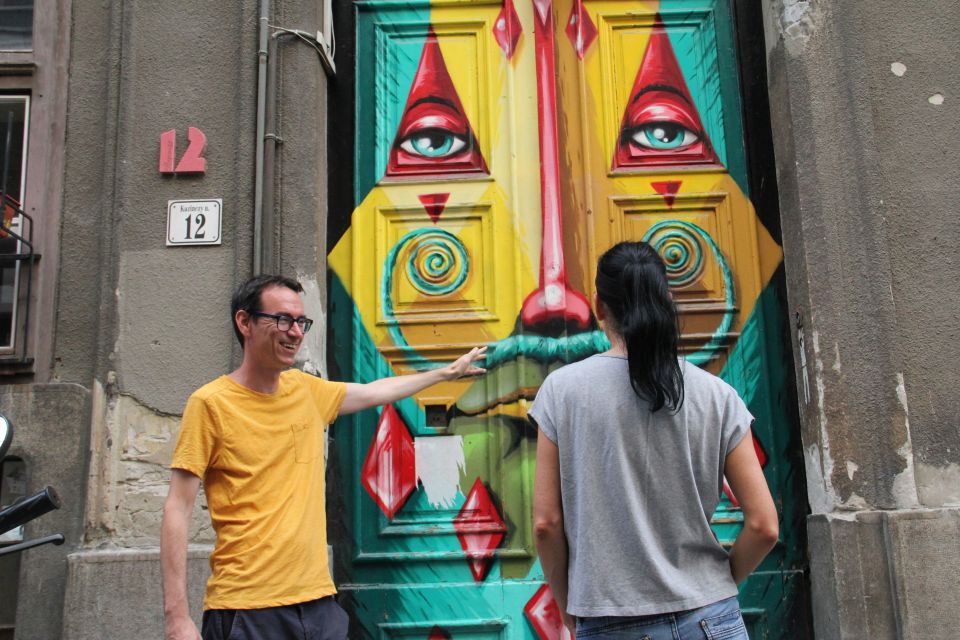
The tour specifically emphasizes how local artists dominate Budapest’s street art scene. That matters for your experience because local work often carries details outsiders miss—references, attitudes, and everyday understandings.
When local artists take the wall, the city stops being a set and starts being a dialogue. You’ll hear how street art can celebrate the ideas and values locals care about, while also showing the edge of disagreement or critique.
For you, this is where the tour becomes more than aesthetic. It becomes a lens. After a few stops, you’ll feel the shift: instead of asking What is that? you’ll start asking What is it reacting to?





Small group size: the difference between watching and understanding
With only 6 participants, the tour stays interactive. That doesn’t sound dramatic, but in practice it changes everything. You’re not shouting questions to the back of the group. You can actually ask follow-ups and get clarification when something feels confusing.
This is also where the guide’s personality matters. The experience is designed for a friendly back-and-forth: questions, extra context, and personal insights that help you connect what you see to what you feel about the city.
If you like learning at street level—through details, stories, and real explanations—this small group setup is a big plus.
Coffee stop as part of the pacing (not just a perk)
The tour includes coffee, and food isn’t included. That’s a key detail for planning your day.
Three hours goes by fast when you’re reading murals and talking to a guide. If you show up hungry, the coffee may not fully solve it. I’d treat the tour like an art-focused morning or afternoon block, then plan a proper meal either before or after.
Also, the coffee stop helps you reset. Street art requires attention: small features, text, and visual clues. A quick cup at the start helps you stay sharp for the walk.
What to expect when it rains (and why it still works)
One practical reality: you’re walking around, looking at walls and street corners. Weather can shift quickly in Budapest.
If it rains hard, you may get wet, but the pacing is built to keep you engaged. The guide-led format helps the tour stay fun even when conditions aren’t perfect. Your best move is simple: bring a rain layer and shoes that handle slick sidewalks.
Timing and logistics that help you enjoy it
This tour runs for 3 hours. That’s a sweet spot. Long enough to connect dots across multiple pieces, but short enough that you won’t feel trapped outside for half a day.
Because the meeting point is the entrance of My Little Melbourne, you can plan a day around something nearby after the tour. You won’t feel like you’re ending in the middle of nowhere.
The tour language is English, with a live guide. So if you want explanations, you’ll get them directly.
Price and value: is $53 fair for what you get?
At $53 per person for a 3-hour street art walk in a small group, the value comes down to what’s included and how the guide delivers the experience.
You get:
- A local live guide who explains themes and socio-political context
- A focused route in the Jewish Quarter centered on murals and graffiti
- Coffee included at the start
- Small group size that supports questions
What you’re paying for isn’t the walk itself. It’s the interpretation. Street art can be visually fun without meaning, or it can become meaningful with the right guidance. This tour is built for the meaning part.
If you like cultural context and you enjoy learning through what people put on walls, $53 for a guided 3-hour experience feels like a solid deal—especially with coffee included and group size kept small.
Who this tour suits best
This tour is a great fit if you:
- Want contemporary culture through street-level visuals, not just museum labels
- Enjoy art discussions that connect to politics and history
- Like walking tours but prefer a guide who explains clearly, not just points and moves on
- Are traveling with an open mindset and enjoy asking questions
It might be less ideal if you want an art experience that’s strictly about visuals with minimal explanation. This one is explicitly about understanding what the art is saying.
Quick practical checklist
Bring what makes outdoor time easier:
- A rain layer if the forecast looks iffy
- Comfortable shoes (you’ll be on your feet for the full walk)
- A phone with enough battery for photos (you’ll likely want to capture details)
- Since food isn’t included, plan a meal around it
Also note: the tour is wheelchair accessible, which is helpful if you need smooth movement and predictable routes.
Should you book this Budapest Street Art Tour?
If you want Budapest in “now time,” not only in old-time monuments, book it. The best reason is the guided interpretation: you’ll leave understanding how street art connects to the city’s contemporary culture, and you’ll know what to look for when you spot another mural later.
The one reason to hesitate is weather and hunger planning. It’s outdoors-focused, coffee is included but food isn’t. Handle those two issues, and you’ll get a thoughtful, fun, 3-hour walk with plenty of chances to ask questions.
FAQ
Where is the meeting point for the Budapest Street Art Tour?
You meet at the entrance of the coffee shop My Little Melbourne.
How long is the tour?
The tour lasts 3 hours.
What does the tour cost, and what’s included?
The price is $53 per person, and coffee is included.
Is the tour focused on a particular neighborhood?
Yes. The tour centers on Budapest’s Jewish Quarter and its street art, murals, and graffiti.
What language is the tour guide?
The live tour guide speaks English.
How big is the group?
The group is small, limited to 6 participants.
Is the tour wheelchair accessible?
Yes, the tour is wheelchair accessible.
Can I cancel or pay later?
Free cancellation is available up to 24 hours in advance for a full refund. You can also reserve now and pay later.