REVIEW · BUDAPEST
Budapest: Central Market Hall Guided Food Tour with Tastings
Book on GetYourGuide →Operated by Gábor Glasner · Bookable on GetYourGuide
Forty minutes in Budapest, and your taste buds listen. This guided stop at the Central Market Hall (built in 1895) turns the chaos of stalls into a simple route, with paprika tastings plus classic cold bites. I also like how the tour gives you real context for what to buy next in Hungary, including wine regions, pálinka brandy, and fröccs. The main thing to plan around: it’s in German and meat is a big part of what you’ll try, so vegetarians and vegans should be selective.
I like that the guide, Gábor Glasner, keeps it practical and easy to follow, with a clear meeting point at Sóház utca 2 (the side entrance). You also leave with useful digital extras: a 12-site restaurant guide, a little digital receipt book, and a WineGuide you can use after you walk out the door.
One more consideration: the tastings are cold dishes only, and wines aren’t included. If you’re hoping for a full-on meal or wine drinking session, you’ll need to plan that separately.
In This Review
- Key takeaways before you go
- Why Central Market Hall is the right setting for a food lesson
- Your 40-minute route starts at Sóház utca 2 (side entrance)
- Stop inside Central Market Hall: shopping streets, but guided
- What you’ll get to try (cold dishes)
- What’s not included
- Salami, sausage, and cheese: the market’s core flavors
- Paprika lessons you can taste, not just read about
- Honey tasting: three local styles and what to do with them
- Wine regions, pálinka, and fröccs—explained during your walk
- Your digital take-home: a restaurant guide you can use immediately
- Price and value check for a $15, 40-minute food stop
- Language, meat focus, and who should plan around it
- The guide factor: why a calm host matters in busy markets
- Should you book this Budapest Central Market Hall guided food tour?
- FAQ
- What does the tour include for tastings?
- Are wines included in the tour?
- How long is the tour?
- Where do I meet the guide?
- What language is the tour in?
- Is this tour suitable for vegetarians or vegans?
- Is the tour wheelchair accessible?
Key takeaways before you go
- Sóház utca 2 side entrance meeting point makes it simple to find the group fast
- Cold tastings only keep the tour quick and focused on market buys
- Paprika lessons you can actually try across different types
- Three local honeys plus Hungarian cheese and cured meats
- Wine regions map + pálinka + fröccs teaches what people order, even without wine tasting
- Digital take-home guides help you eat better after the tour ends
Why Central Market Hall is the right setting for a food lesson
Budapest’s Central Market Hall is the kind of place where you can get lost without meaning to. High ceilings, long aisles, and shelves of products can make you feel like you’re shopping blindly. This tour turns that into a guided route, so you’re not just staring at labels. You’re learning what the products mean and how they fit into Hungarian meals and snacks.
The building itself matters too. It’s from 1895, so you’re walking inside a market that helped shape local buying habits for generations. That historical frame gives weight to the food: these aren’t random souvenirs; they’re things Hungarians actually recognize and reach for.
And because the tour is short—about 40 minutes—it’s a strong choice when you want orientation fast. You get a snapshot of flavors (meats, cheese, paprika, honey) and the language of ordering (especially for drinks like fröccs). Then you can choose what to do next on your own.
You can also read our reviews of more food & drink experiences in Budapest

Your 40-minute route starts at Sóház utca 2 (side entrance)
You meet at the side entrance of the Central Market Hall at Sóház utca 2. Your guide has a red sticker that says GastroGuides Budapest, so you can spot the right group quickly.
This matters more than it sounds. Central Market Hall can feel like a maze, especially if you arrive hungry and tired. A defined starting spot helps you avoid the classic travel problem: wandering for 15 minutes before the tour even begins.
From there, you move through the market as a guided walking experience. The goal isn’t to linger in one stall. It’s to connect the dots: product → what it is → how Hungarians use it → what to look for when you buy later.
Stop inside Central Market Hall: shopping streets, but guided
Once you’re inside, the tour is built around moving store to store. You’re not just passively listening. You’re tasting cold items along the way, and you’re picking up the quick background that helps you shop smarter.
The pacing also fits the space. In a market hall, you can’t really do a long lecture between counters. This tour keeps the information attached to what you’re seeing right now—especially for items like paprika, honey, salami, sausage, and cheese.
What you’ll get to try (cold dishes)
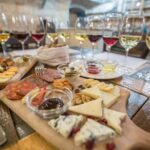
You’ll taste typical Hungarian products, with cold tastings only. Based on what’s promised, expect a lineup that includes:
- Hungarian salamis and sausages
- Typical Hungarian cheese
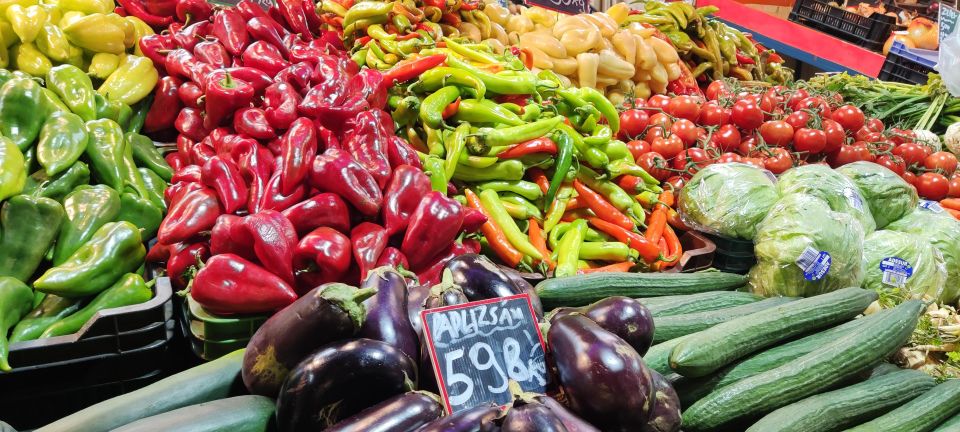
- Different types of paprika, with tasting so you notice the differences
- Three different local honeys
That mix is smart. It covers salty, savory, tangy/sweet (depending on the honey), and spice. So even if you’re not a huge foodie, you’ll leave with a clearer sense of which flavors you personally want to repeat.
What’s not included
This tour does not include warm dishes like goulash, and it also doesn’t include wines. If you want the hot Hungarian comfort foods, plan a meal stop on your own right after. If you want wine, you’ll either need to order it at a restaurant or choose a separate wine experience.
You can also read our reviews of more tours and experiences in Budapest




Salami, sausage, and cheese: the market’s core flavors
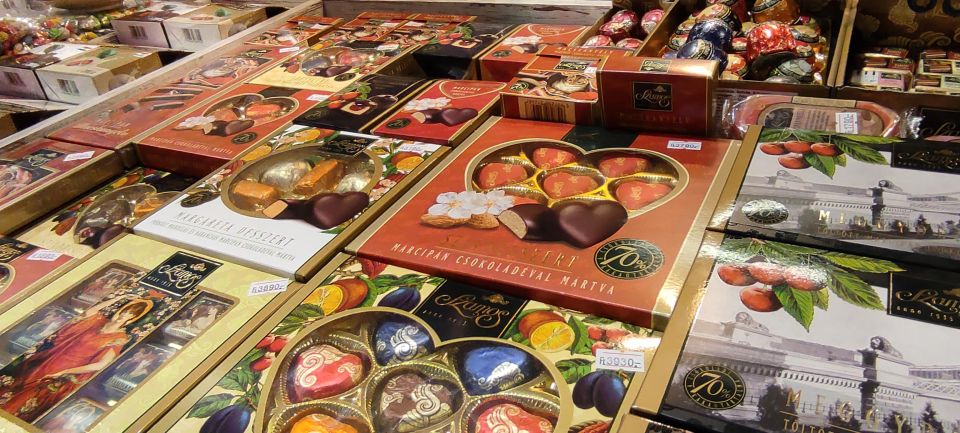
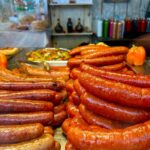
Hungarian cuisine leans heavily on meat, and this tour treats that as part of the reality rather than something to hide. The tastings include Hungarian salamis and sausages, plus a typical Hungarian cheese.
Here’s why that’s useful for you: cured meats and cheeses are exactly the kind of thing you’ll see in Hungarian shops and markets afterward. If you only know Hungary from restaurant dishes, you might miss what locals snack on at home or on the go.
As you taste, pay attention to texture and seasoning, not just flavor. Salamis and sausages often vary by fat content, spice blend, and how they’re aged or smoked. The cheese tasting helps you connect the salty products to how they get eaten—because in real life, people don’t eat these in a vacuum.
Paprika lessons you can taste, not just read about
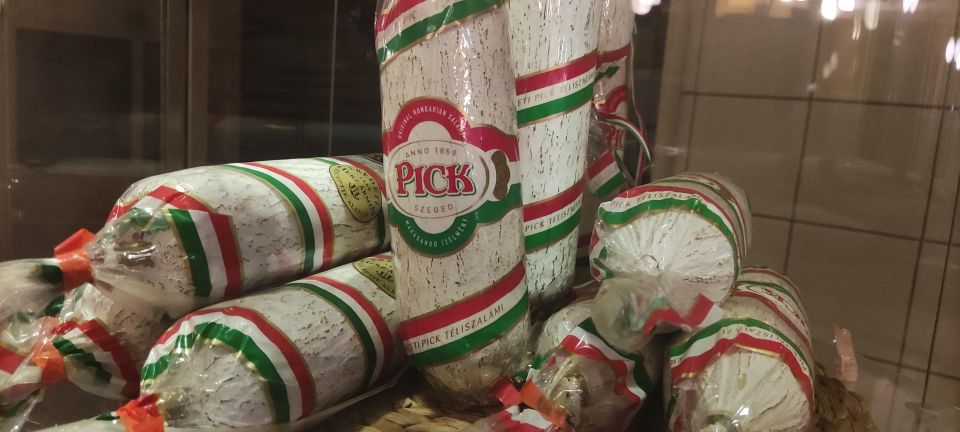
Paprika is the star of Hungarian pantry talk, and this tour handles it the right way: you don’t just hear about it, you try it. You’ll learn about different types of paprika and sample them so you can start telling them apart.
This matters when you shop later, because paprika isn’t one thing. In markets, you’ll see different grades and styles, and it can be confusing if nobody explains what the differences are supposed to do. A tasting gives your brain a reference point. Later, when you see a jar on a shelf, you’re more likely to choose based on how you want your food to taste.
Also, paprika is one of those gifts that doesn’t feel like a generic souvenir. If you bring a jar home, it’s the kind of ingredient you’ll actually use—especially if you like cooking.
Honey tasting: three local styles and what to do with them
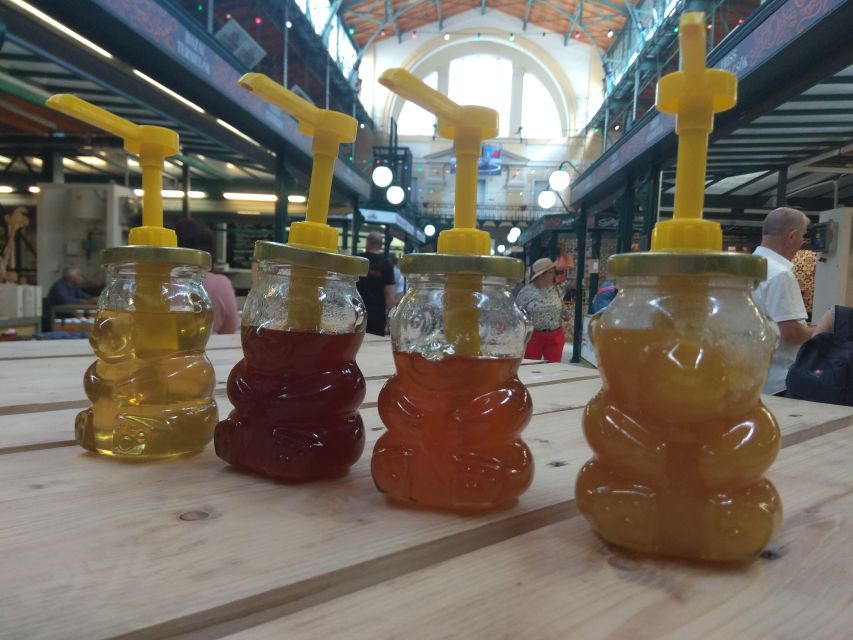
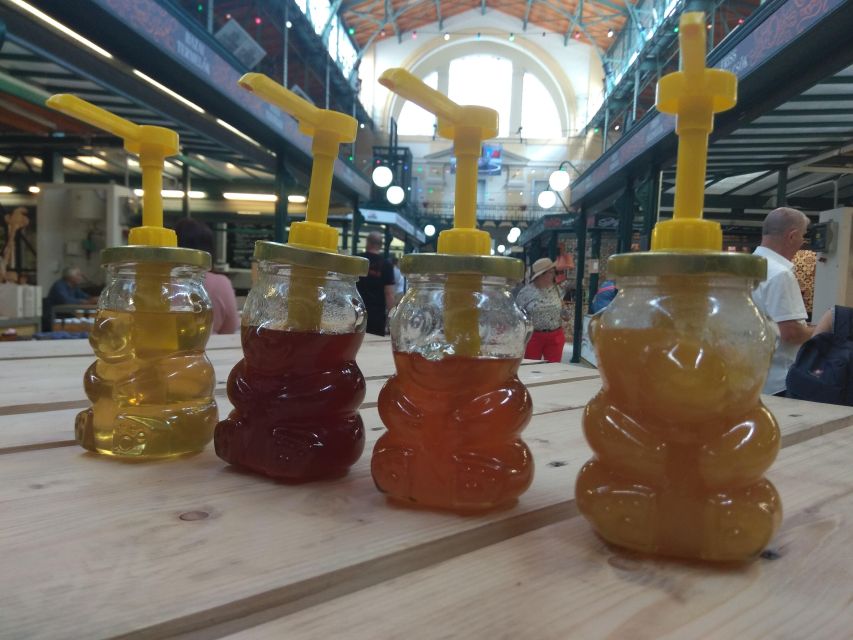
One of the most fun parts here is the focus on sweetness. You’ll taste three different local honeys, alongside cheese and other cold items.
I like this because it balances the salty flavors. Honey isn’t just dessert here; it’s part of the local food personality. After tasting, you’ll be better able to spot which honey you like in terms of flavor direction—thicker or lighter, floral or more intense, depending on the local source.
If you’re buying for home, think practical. Honey also makes a good add-on for breakfast or tea when you want something Hungarian without needing a full recipe.
Wine regions, pálinka, and fröccs—explained during your walk
Even though wines aren’t included as tastings, you’ll still learn how Hungarians talk about drinks. The tour covers Hungarian wine regions using a big 3D map of Hungary, plus explanations of:
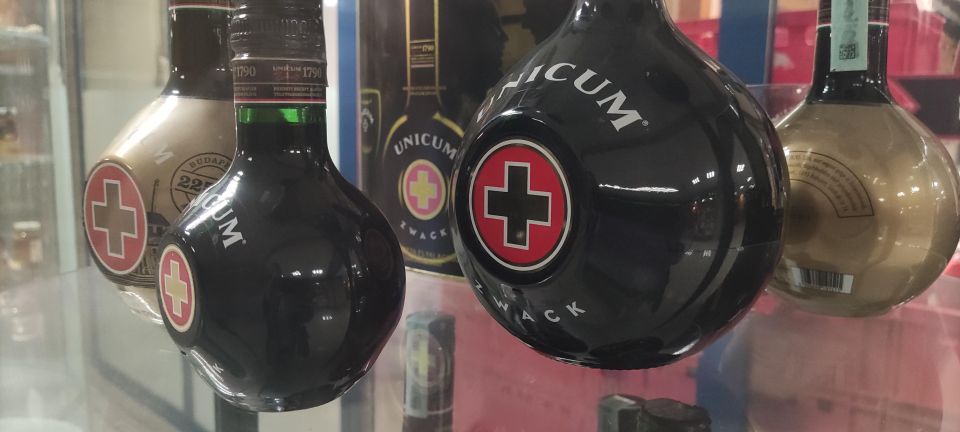
- pálinka (brandy)
- fröccs (wine mixed with soda water)
This is a smart approach for two reasons.
First, it prepares you for what you’ll actually see on menus. Budapest can be a little tricky if you only know the word wine. fröccs is common, and pálinka is a different category entirely. When someone explains them on the spot, you’re less likely to order the wrong thing for your taste.
Second, it keeps the tour friendly to different schedules. Since no wine tasting is included, the experience stays focused on market foods and you can still make plans for later drinking—or skip it entirely.
Your digital take-home: a restaurant guide you can use immediately
At the end, you get insider tips on what’s worth eating in Budapest, plus multiple digital tools:
- a 12-site restaurant guide (digital version)
- a little Hungarian receipt book (digital version)
- a WineGuide (digital version)
This is one of those small extras that adds real value. The market can show you what’s for sale, but it won’t tell you where to eat later. The digital restaurant list helps you convert what you learned into actual meals during the rest of your trip.
The same goes for the receipt book and WineGuide. You’re getting practical references, not just culinary trivia. That’s ideal when you want your Hungarian food trip to last beyond one stop.
Price and value check for a $15, 40-minute food stop
At $15 per person, this tour isn’t trying to be a full meal. It’s positioned as a short, high-impact taste-and-lesson experience. In that context, the value comes from three areas:
1) You get multiple tastings (cold dishes) rather than just one bite.
2) You learn shopping cues, especially for paprika and the product types you’ll keep seeing.
3) You leave with digital guides, which can save you time and guesswork later.
If you’re on a tight schedule, a short tour like this also prevents the common problem of losing half a day to research. You get direction and a flavor framework in under an hour.
One caution on value: because wines and warm dishes aren’t included, you’ll still want at least one proper meal outside the tour. Think of the tour as your market “starter chapter,” not the whole book.
Language, meat focus, and who should plan around it
This tour is in German, and the guide interaction is live. If you don’t feel comfortable with German, it’s still possible to follow the tastings, but you’ll miss some of the explanations—especially the wine regions work and the fröccs/pálinka parts.
Also, meat plays an important role in Hungarian cuisine, so this is only partially suitable for vegans/vegetarians. If you’re plant-based, don’t assume you’ll get a fully vegetarian lineup. The tastings include salamis, sausages, and cheese, and you’ll want to be ready to opt out of specific samples.
Not suitable for wheelchair users is also part of the reality here. If mobility support is needed, you’ll want to look for another food tour option that explicitly works for your route and your pace.
The guide factor: why a calm host matters in busy markets
Gábor Glasner is the provider, and you’ll see a red GastroGuides Budapest sticker on the guide. The vibe that stands out from the experience details is simple: clear guidance and lots of information linked to what you’re tasting.
In markets, that matters. Without a guide, you can end up with a pocket full of random items and no idea what to do with them. With a guide, you know why paprika matters, how different honeys can taste different, and which Hungarian specialties are worth chasing after the tour.
It’s the difference between shopping and learning.
Should you book this Budapest Central Market Hall guided food tour?
Book it if you want a fast, practical introduction to Hungarian flavors in a place where you could easily get overwhelmed. The tastings—paprika, honey, cheese, and cured meats—give you a real flavor baseline, and the wine-region context (even without wine included) helps you order with confidence later.
I wouldn’t book it if you’re expecting a wine-drinking session, warm dishes like goulash, or a fully vegetarian experience. And if German is a barrier, you may feel like you’re only getting half the value, since the tour’s explanations are part of the design.
If your goal is a short win: learn what to buy, taste signature items, and leave with a plan for your next meal—this one is a solid choice.
FAQ
What does the tour include for tastings?
The tour includes food tastings that are cold dishes only. You’ll try items like Hungarian salamis and sausages, typical Hungarian cheese, different types of paprika, and three different local honeys.
Are wines included in the tour?
No. Wines are not included, even though the guide explains Hungarian wines and wine regions.
How long is the tour?
The duration is listed as about 40 minutes (check available starting times).
Where do I meet the guide?
Meet at the side entrance of the Central Market Hall at Sóház utca 2. The guide has a red sticker that says GastroGuides Budapest.
What language is the tour in?
The live tour guide speaks German.
Is this tour suitable for vegetarians or vegans?
It’s only partially suitable for vegans/vegetarians because meat plays an important role in Hungarian cuisine and the tastings include meat products.
Is the tour wheelchair accessible?
It is not suitable for wheelchair users.