REVIEW · BUDAPEST
Budapest: Private 4-Hour Walking Tour with a Local
Book on GetYourGuide →Operated by Sweet Travel Private Tours in Hungary · Bookable on GetYourGuide
Budapest can feel like a puzzle—this tour helps you solve it fast. You get a private 4-hour walking experience built around your interests, with a guide meeting you at your hotel and steering you through big landmarks and lesser-seen corners. You can lean toward history, architecture, antique browsing, or even food stops, and the route adjusts as you go.
What I like most: you cover a smart mix of iconic sites (like Heroes’ Square and Castle District views) and practical city experiences that explain how Budapest works. I also like the pace: in four hours you move across neighborhoods using more than just foot power—like the subway and bus—so you’re not stuck “walking for walking’s sake.” One drawback to plan for: it’s still a lot of moving around in a half-day, so wear comfortable shoes and be ready for stairs and hills.
In This Review
- Key Things That Make This Tour Worth Your Time
- How the Private Format Changes Your Budapest Experience
- Setting Off from Your Hotel: Smart Timing and Real Local Flow
- Heroes’ Square and the Biggest Symbols First
- Szechenyi Bath and Vajdahunyad Castle: Park Beauty with Options
- St. Stephen’s Basilica: Why This Church Still Feels Central
- Castle Hill and the Views Over Pest: The Part You’ll Remember
- From Foot to Metro: The Subway Stop and the State Opera House
- Gellért Hill and the Citadel Stories: Panorama Time
- Gellért Baths Art Nouveau and the Great Market Hall
- Price and Value: $330 Per Group Up to 20
- Who This Tour Fits Best
- Should You Book This Private Budapest Walking Tour?
- FAQ
- How long is the Budapest private walking tour?
- Where does the guide meet us?
- Is this tour private or shared?
- What languages are available?
- What is included in the price?
- Are entrance fees included?
- Are food and drinks included?
- What kind of transportation is used during the tour?
- What is the cancellation policy?
Key Things That Make This Tour Worth Your Time
- Private, flexible half-day: Your guide can shift the focus toward antiques, architecture, or food ideas.
- Hotel pickup included: Your guide meets you in your hotel reception area, then you start immediately.
- Major sights without the crowd chaos: You’ll hit the big players like St. Stephen’s Basilica and Castle Hill.
- Budapest’s transport in miniature: You use the first subway line in continental Europe plus a public bus ride.
- History with street-level context: You’ll hear stories tied to Hungary’s “tumultuous history,” not just dates.
- Great photo range: Panorama time from Gellért Hill and viewpoints over Pest.
How the Private Format Changes Your Budapest Experience
A group tour can give you speed. A private tour gives you control. This one is built as a half-day with a local guide who meets you at your hotel at an agreed time, then takes you where you want to spend your attention. If you’re the type who wants the “must-see” hits, you’ll get them. If you’d rather hunt for antiques, focus on architecture, or follow your nose toward food, your route can reflect that.
I also like that it’s not just a history lecture. The guide ties stories to what you’re looking at right in front of you. Budapest’s personality comes from layers: empires, changing borders, and constant reinvention—so hearing how the city’s past connects to today’s streets makes the sights feel earned, not memorized.
And since it’s private for your group size (up to 20 people), you’re not fighting for space at viewpoints or waiting in a long line for every photo. You still see a lot in four hours, but you see it with breathing room.
You can also read our reviews of more walking tours in Budapest



Setting Off from Your Hotel: Smart Timing and Real Local Flow
The tour starts with an easy setup: your personal guide meets you in your hotel reception area. That matters more than it sounds, because Budapest is hilly and the center can feel like a tangle of streets. When you start together, you avoid the first-stress scramble of matching transit to a tight half-day.
In four hours, you’ll move through multiple areas of the city. The guiding approach is practical: you’ll walk when it makes sense, and you’ll switch to public transport when it saves time and keeps things comfortable. That matters for two reasons. First, it helps you cover more ground without turning your day into a leg-burn. Second, it lets you experience how locals move—like using the subway and a public bus—rather than treating the city like a museum you only look at from the sidewalk.
The guides are also multilingual. You can get the tour in English, Spanish, French, German, or Italian, depending on availability, and names like Anna and Xénia show up in real bookings. One guide, Krisltina Teplay, is specifically noted for being passionate and fast at catching the right connections between transit options—exactly the kind of competence you want when you’ve only got half a day.
Heroes’ Square and the Biggest Symbols First

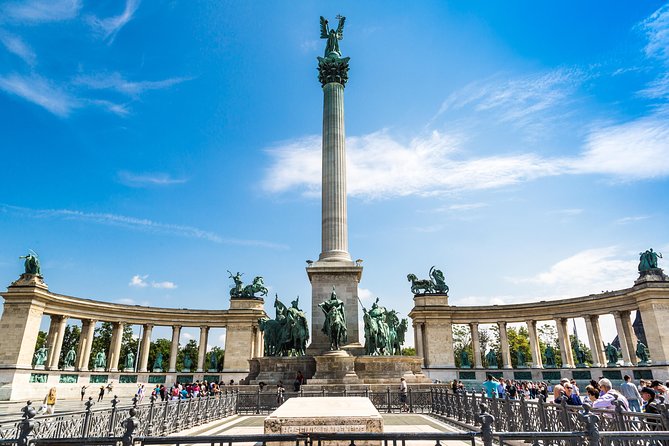
You’ll begin with major sights, including Heroes’ Square, which is one of the quickest ways to get oriented. It’s not just a pretty plaza. It’s a big visual statement about Hungary’s identity, and it sets the tone for the stories your guide will share throughout the walk.
From there, you can steer the day. If you want architecture, you can spend more time noticing styles and details. If you’re more into food or everyday culture, your guide can point you toward tasting ideas and markets later. If you like oddball shopping, antique hunting is an option—something that feels more like Budapest living than typical sightseeing.
The value here is your control. I like that the tour doesn’t force one “standard script” on everyone. Instead, the guide uses the same core highlights and then adjusts the emphasis around what you care about most.
Szechenyi Bath and Vajdahunyad Castle: Park Beauty with Options
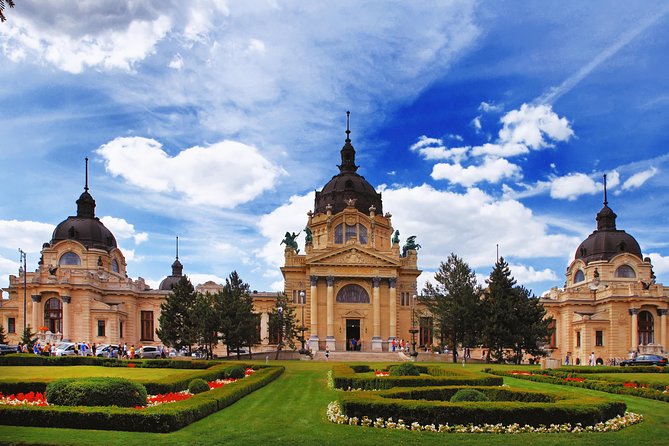
One highlight includes Szechenyi Bath and Vajdahunyad Castle. Even if you don’t plan to go inside, both locations give you a strong sense of Budapest’s recreational side—especially the way parks and grand buildings blend together.
This is also the kind of stop where personal preference really matters. Your guide may help you understand what’s worth entering and what you can appreciate from the outside. Entrance fees aren’t included, so treat these as optional upgrades. If your priorities are architecture and photo views, you can keep it simple. If you want the full experience at a bath or special area, you’ll likely pay extra for entry.
I recommend using this moment to slow down a touch. In four hours, energy matters. These stops are the kind that help you feel you’ve taken in Budapest, not just passed through it.
St. Stephen’s Basilica: Why This Church Still Feels Central
Next up: St. Stephen’s Basilica, the 2nd-largest church in Hungary. Even if you’re not a church enthusiast, this stop is useful because it’s a true landmark and a clear marker for how the city’s religious and civic life has shaped its center.
Your guide will share facts and stories that connect the building to Hungarian identity and the city’s history. That’s the real payoff. When you understand why a place is important, you look longer, and photos improve because you’re paying attention to details instead of just aiming your camera at the biggest thing in view.
Practical note: this is a stop where you might spend time depending on interest. If you want more explanation, ask for it. If you’re time-focused, you can still enjoy the sight and keep moving.
You can also read our reviews of more private tours in Budapest






Castle Hill and the Views Over Pest: The Part You’ll Remember

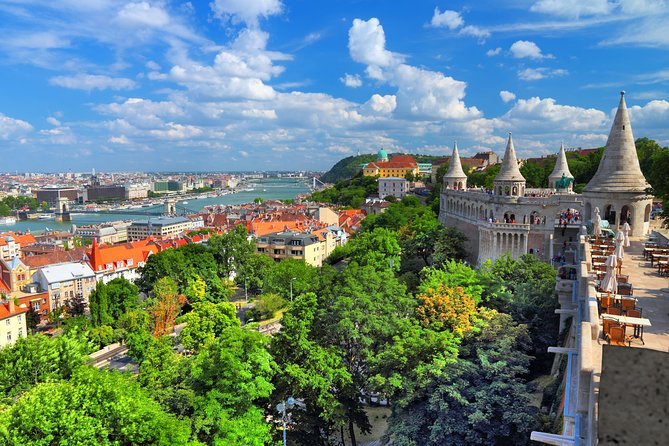
Castle Hill is where Budapest really starts to feel cinematic. The tour includes key highlights like Matthias Church—described as 700 years old—and Fisherman’s Bastion, with its 7 towers and a terrace overlooking Pest.
This is the area where I’d expect you to pause most. The views are part of the draw, but the guide’s history also changes the experience. When someone connects the architecture and the legends to the wider story of Hungary, the whole hill becomes more than a backdrop.
There’s also a built-in practical advantage: because you’re with a guide, you don’t waste time figuring out the best viewpoints or where to stand for the most dramatic perspective. You can focus on what you’re seeing and let the guide handle the route logic.
The only real consideration is physical effort. Castle District streets and stairs can add up quickly. In a 4-hour format, you’ll feel that—so plan for a steady pace, especially if you’re not used to hills.
From Foot to Metro: The Subway Stop and the State Opera House
One of the standout “how Budapest works” elements is using the first subway line in continental Europe. You’re not just touring; you’re experiencing a piece of city infrastructure that locals actually use. That turns a quick transit moment into a mini-history lesson.
You’ll also stop at the State Opera House, where you can hear interesting facts and stories about the building. This is a classic Budapest mix: grand architecture plus history plus city identity. If you’re into design, this is a strong stop. If you’re not, it still works because the exterior and scale are hard to ignore, and the guide adds context so it doesn’t feel like a random façade.
I like tours that include at least one “system” moment like this. It helps you stop thinking of Budapest as only monuments. It’s also a city built on layers of movement and technology.
Gellért Hill and the Citadel Stories: Panorama Time
After the Castle District, you’ll take a public bus with your guide up Gellért Hill. From the top, you get a spectacular panorama of the city. This is also where the tour leans into narrative: you’ll hear the legend of Bishop Gellért, plus history tied to the Citadel and the Statue of Liberty.
This combination—view plus story—makes Gellért Hill more than a photo stop. The legend helps explain why certain places matter beyond aesthetics. The Citadel and its history put Budapest’s past into sharp focus, because the hill is historically linked to power, conflict, and shifting control.
Then you’ll walk back down the hill, which leads into the next stop.
Gellért Baths Art Nouveau and the Great Market Hall
As you travel down from Gellért Hill, you’ll see Gellert baths and its Art Nouveau architecture. Even without entering, the style is a strong visual payoff after the hill panorama. It adds a softer, more decorative side to the day—almost like a breather between heavy history and major monuments.
After that, don’t miss Great Market Hall, described as the largest indoor market in the city. This is where the tour becomes practical for your future self. You can use the market as a reality check for what’s around, what looks good, and what’s worth trying on your own later.
Food and drinks aren’t included, but that’s fine. The guide’s job here is to point you in the right direction so you can make your own choices without guessing. If you care about cuisine, this is a great moment to ask what to taste, what to skip, and how to handle Hungarian food without getting overwhelmed.
Price and Value: $330 Per Group Up to 20
At $330 per group (up to 20) for a 4-hour private tour, the price can look high if you’re comparing it to a standard group ticket. But private tours work differently. You’re paying for a guide and for routing flexibility—plus hotel pickup and the ability to tailor the stops to your interests.
Here’s how I’d think about value: this tour can replace multiple separate outings. In four hours, you hit major monuments across multiple areas, ride public transport, and learn history that helps you understand what you’re seeing. If you’d otherwise spend a morning figuring out routes, transit, and “what matters,” this price can start to feel fair.
It’s also a good deal if you’re traveling with friends or family and want to move together. Since it’s private for your group size, a shared cost model makes the math friendlier than it looks at first glance.
Who This Tour Fits Best
This is a great match if you want:
- A structured half-day that still leaves room for your personal interests
- Strong coverage of classic Budapest highlights without feeling like you’re rushing a checklist
- A guide who can answer questions and adjust the route—whether you’re chasing architecture, cuisine ideas, or antique browsing
- The chance to use Budapest transit as part of the experience, not just to get between stops
If you’re the type who hates walking, has very limited mobility, or wants a full day with long museum time, this may feel tight. But if you can handle hills and a lot of movement in a short window, it’s a smart way to get oriented.
Should You Book This Private Budapest Walking Tour?
I’d book it if you want one guided half-day that gives you context fast—history, architecture, and city logic—while still letting you steer the focus. The hotel pickup, private format, and mix of major sights plus local-style transit make it more than a simple sightseeing stroll.
Skip it only if you’re trying to keep costs low enough that you can’t justify paying for a private guide, or if you know you won’t do well with hilly walking in four hours.
If you fall in the middle—wanting a lot of Budapest without wasting your limited time—this tour is an easy yes.
FAQ
How long is the Budapest private walking tour?
It lasts 4 hours.
Where does the guide meet us?
Your personal guide meets you in your hotel’s reception area at an agreed time.
Is this tour private or shared?
It’s a private group tour.
What languages are available?
The guide is available in English, Spanish, French, German, and Italian.
What is included in the price?
A professional personal guide is included.
Are entrance fees included?
No. Entrance fees to optional sites are not included.
Are food and drinks included?
No. Food and drinks aren’t included.
What kind of transportation is used during the tour?
You’ll do some walking and also use public transport, including the first subway line in continental Europe and a public bus up Gellért Hill.
What is the cancellation policy?
You can cancel up to 24 hours in advance for a full refund.