REVIEW · BUDAPEST
Communism in Hungary with a Historian
Book on Viator →Operated by Budapest Explorers · Bookable on Viator
Budapest has a communist shadow, and you walk it. In a small group, this 3-hour English tour pulls you through Elizabeth Square and key monuments, using real family stories to explain how Communist power changed daily life. You’ll also get a metro ride with tickets included, plus a coffee stop that feels like a time capsule.
What I like most is the small group size (capped at 10). It keeps the pace human, and questions don’t get lost in the crowd. The other win: the storytelling sticks to lived experience, from nationalized businesses and reassigned housing to the constant pressure of rule by fear.
One possible drawback to plan for: most of the big stops here are viewed from the outside (including St. Stephen’s Basilica and the Parliament Building). If you want lots of inside sightseeing, you’ll need to pair this with other add-on visits.
In This Review
- Key highlights to look for on this Budapest communist tour
- From Elizabeth Square to a practical metro ride through power
- St. Stephen’s Basilica: what Communism did to religion (from outside)
- Szabadság tér: memorials, statues, embassies, and a bunker edge
- Kossuth Square and Bloody Thursday: 1956 in front of Parliament
- Bambi Café: coffee, Communist-era feel, and why the stop works
- Why the historian guide style matters more than facts alone
- Price and value: what $59.13 buys you in Budapest
- Who this Budapest communist tour is best for (and who should skip it)
- Should you book this Communism in Hungary with a Historian tour?
- FAQ
- How long is the Communism in Hungary with a Historian tour?
- Is the tour offered in English?
- What are the main meeting and ending points?
- What is included in the price?
- Are admission tickets included for St. Stephen’s Basilica or the Parliament Building?
- What is the cancellation policy?
Key highlights to look for on this Budapest communist tour
- Elizabeth Square first: former Stalin Square monuments and the stories behind them
- Religion under Communism: why churches mattered, explained near St. Stephen’s Basilica
- Szabadság tér details: statues, embassies, and even part of a bunker seen from the outside
- 1956’s Bloody Thursday: a clear explanation tied to Kossuth Square and Parliament
- Bambi Café with coffee: a Communist-style café stop that turns history into everyday feel
- Intimate historian-led walking: examples from guides like Judit, Raymond, and Gábor that make facts personal
From Elizabeth Square to a practical metro ride through power
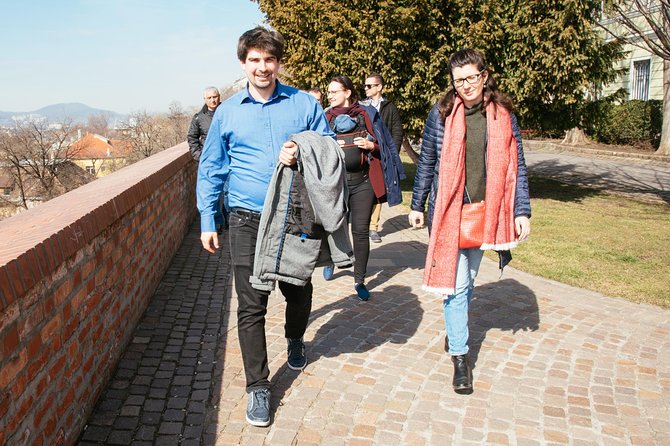
You’ll meet near the action at Kempinski Hotel Corvinus Budapest, right by Erzsébet tér (Elizabeth Square), with a 2:00 pm start. The early hit matters. Elizabeth Square is where Budapest’s political eras overlap in one view: it’s not a museum room, it’s a real public space people still use.
This part of the walk is focused and efficient. You spend about 15 minutes here getting your bearings, starting with the idea that the name and the monuments weren’t picked by chance. The tour frames the square as a symbol space—where the state tried to set the mood of the city, not just its laws. You’ll then head out again as a group, and this is where the tour gets practical: you travel by metro with tickets included. That’s a smart move, especially if it’s cold or drizzly, because it keeps the day from turning into a long slog of walking.
If you’ve visited Budapest once already, this is still useful. It doesn’t ask you to memorize dates. It asks you to notice how public spaces were used to teach obedience, pride, and fear in plain sight.
You can also read our reviews of more tours and experiences in Budapest.
St. Stephen’s Basilica: what Communism did to religion (from outside)
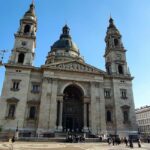
Next comes St. Stephen’s Basilica (Szent István Bazilika). The key thing to know: you’ll see it outside, not go in. The tour uses that exterior viewpoint on purpose. In places like this, you can literally compare what’s built for worship with what’s built for state authority.
You’ll talk about religion during Communism, including how church life had to survive inside a system that didn’t treat religious institutions as equal. The guide brings it into focus with family stories—personal examples that help you understand how policies landed in real routines rather than in headlines.
A practical note: the admission for St. Stephen’s Basilica isn’t included. That’s not a flaw, but it’s a decision point. If you want the inside experience too, plan to add it on your own time. If you mainly want the political meaning of the building and its setting, the outside stop is enough.
Either way, the tour’s approach keeps it balanced: it doesn’t reduce religion to one storyline. Instead, you get the sense of adaptation—how people negotiated space, influence, and limits.
Szabadság tér: memorials, statues, embassies, and a bunker edge
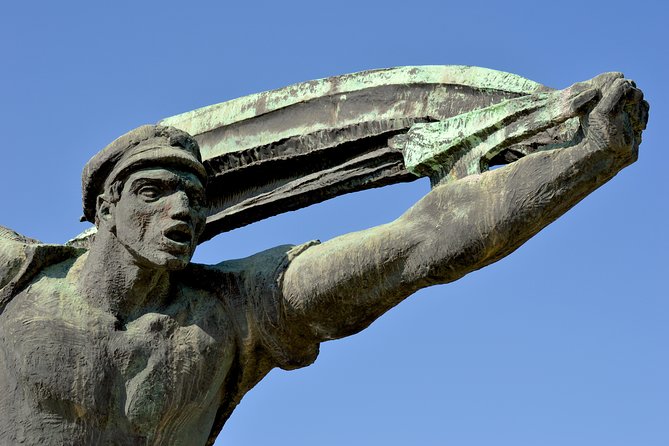
After the basilica viewpoint, you move to Szabadság tér. This stop is longer (around 45 minutes), and it’s the kind of place where you can feel history pressing in from multiple directions.
You’ll look at remnants of Communism through monuments and statues, and you’ll also notice surrounding buildings that hint at power still in motion—like embassies in the area. The guide helps you connect what you’re seeing to what it meant then: not just who held power, but how the city was shaped to make that power feel permanent.
One detail I really like here: you even get part of a bunker from the outside. It’s not a dramatic prop you’ve seen in movies; it’s presented as infrastructure tied to fear of future conflict. That matters because Communism in Hungary wasn’t only about elections and ideology. It also involved civil defense, surveillance thinking, and planning for worst-case scenarios.
If you’re the kind of person who pauses to read plaques and study angles, this is the section where you’ll enjoy slowing down. If you prefer rapid-fire facts, you can still keep pace because the guide uses the monuments as anchors for the story.
Kossuth Square and Bloody Thursday: 1956 in front of Parliament
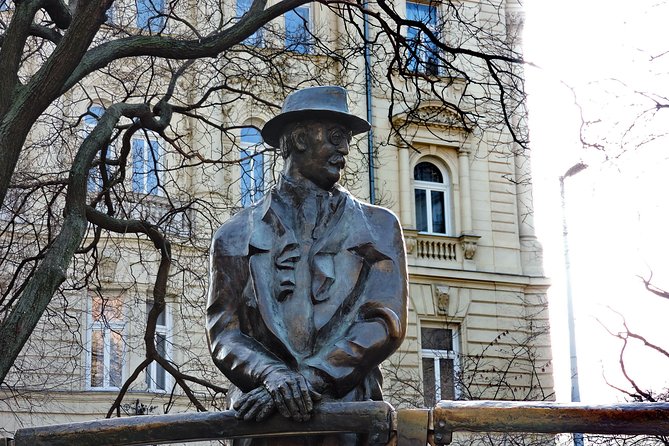
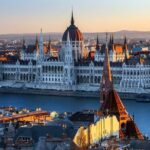
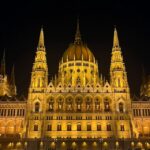
The tour then heads toward the Hungarian Parliament Building area for a short stop (about 15 minutes). Again, expect outside viewing. There’s no inside admission included here, but the guide makes the exterior position count by linking the location to one of the turning points of the Hungarian Revolution of 1956.
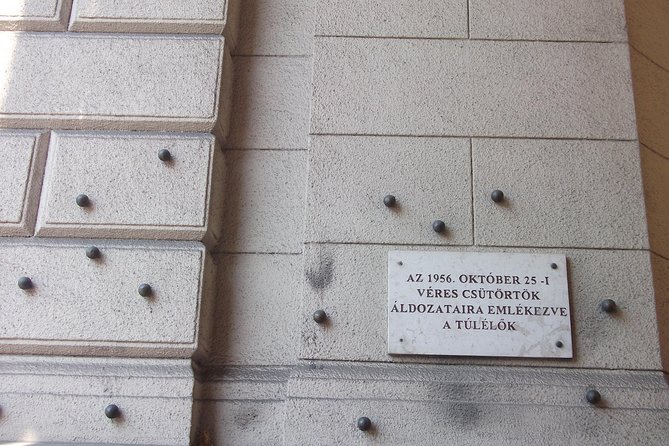
The highlight is the event commonly called Bloody Thursday, tied to what happened on Kossuth Square in front of the Parliament. The tour doesn’t treat 1956 like a single dramatic day that solved everything. It frames it as an explosive moment inside a longer struggle—one that reveals the limits of authority and the costs of protest.
What you get from this stop is context you can carry into the rest of your Budapest days. Once you understand how the square and the Parliament were tied to confrontation, you’ll look at the architecture differently. It’s not just pretty stone. It’s a stage where political power was tested.
Also, this is the kind of explanation you’ll appreciate even if you know only the basics. The guide keeps things clear and grounded, with enough detail to make the story feel coherent rather than chaotic.
Bambi Café: coffee, Communist-era feel, and why the stop works
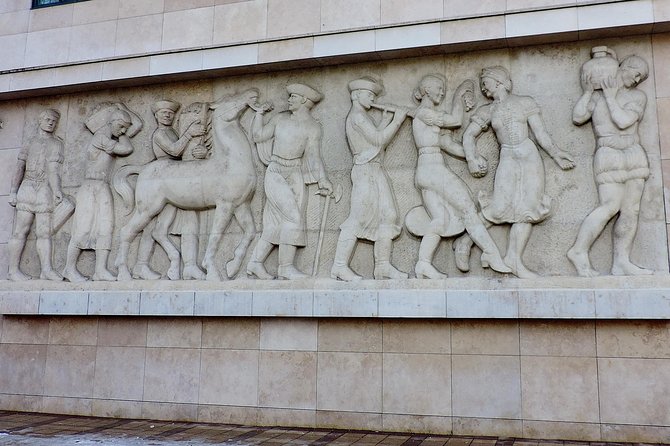
You end at Bambi Café on the Buda side close to the center and Margaret Bridge area. On colder or wet days, the ending point can shift to the Pest side closer to where you began. That flexibility is practical—no one enjoys finishing a tour soaked and annoyed.
The big reason this café stop works: it turns the day’s ideas into something ordinary. You’re not just walking monuments; you’re sitting down in a Communist-style café environment, and coffee is included. Even if you only take a short break, it changes the tone of the tour. History becomes something you can talk about out loud instead of absorbing silently while walking.
One extra detail that adds flavor: Bambi Café opened in 1961 and hasn’t changed too much since. That means it’s not trying to pretend it’s brand new. It’s giving you a sense of continuity—like the city kept moving, even after regimes changed.
This is also where you’ll likely start connecting the past to your current-day observations in Budapest. The guide often leaves room for questions, and once you’ve seen the symbols and stories, your questions get better.


Why the historian guide style matters more than facts alone
This is the kind of tour where the guide’s voice is the product. The best moments aren’t just the dates. It’s the personal angle and the way guides explain cause and effect without turning it into a lecture.
From what I’ve seen in these guide-led experiences, guides like Judit and Gábor bring Communism into focus through family narratives—how businesses were nationalized, how housing arrangements were reshuffled, and how people learned to live with uncertainty. Raymond’s storytelling stands out for how he framed it through his family’s own experiences, including the fear of being reported and how church survival sometimes depended on forced compromises.
And importantly, the tour doesn’t feel one-note. One review mentioned the guide tried to present both sides of the spectrum. That approach is exactly what makes a topic like this worth your time. Communism’s impact in Hungary isn’t a simple story of villains and heroes; it’s a story of pressure, survival, and choices people made under constraints.
So if you come with questions, you’ll likely get good answers. If you come with only curiosity, you’ll still get a clear thread.
Price and value: what $59.13 buys you in Budapest
At $59.13 per person for about 3 hours, the price is fair—mainly because it includes things that actually cost time and money in Budapest: metro tickets and a coffee included at the end. You’re also getting an intimate format (maximum 10 people), which tends to mean better pacing and more room to ask questions.
This isn’t a long museum tour where you’re paying for entry fees. It’s a guided political walk that adds context to real public spaces. For many people, that’s the value sweet spot: you get interpretive meaning on top of what you can see on your own.
One more value signal: it’s commonly booked about 23 days in advance. That usually means it’s popular during peak weeks and weekends. If you’re traveling in a high-demand window, you’ll have an easier time locking in your spot earlier.
Who this Budapest communist tour is best for (and who should skip it)
This tour is a strong fit if you:
- Want a clear explanation of Communism in Hungary without drowning in academic jargon
- Like walking tours that connect monuments to real life
- Have interest in World War II and the Cold War era, because the stories help bridge eras
- Enjoy hearing personal stories alongside public history
It’s also ideal if you’re the type who likes to ask follow-ups. The format encourages questions, and guides have a way of answering that builds understanding instead of shutting it down.
You might think twice if you:
- Only want inside visits at major sites
- Expect multiple church interiors or Parliament interior access (those aren’t part of this experience)
- Prefer a purely relaxed sightseeing pace with minimal political context
The good news: you can still enjoy the architecture and city views. You just get the meaning attached.
Should you book this Communism in Hungary with a Historian tour?
Yes, if you want a guided look at Budapest’s Communist-era imprint that feels personal, not textbook. The small group size, the historian-led storytelling (with family stories from guides such as Judit, Raymond, and Gábor), and the practical metro + coffee setup make it an efficient afternoon plan.
Before you book, check your expectations about access. You’ll be mostly outside at the major monuments, including St. Stephen’s Basilica and the Parliament Building. If that works for you—and it will for most history-minded visitors—this is a smart way to understand the city’s political layers without spending half your day on transit or ticket lines.
If you want one ticketed add-on day later, you can always pair this with separate independent museum or inside-sight visits. Start with the meaning here, then go see whatever you’re most curious about next.
FAQ
How long is the Communism in Hungary with a Historian tour?
It’s about 3 hours.
Is the tour offered in English?
Yes. The tour is offered in English.
What are the main meeting and ending points?
You start at Kempinski Hotel Corvinus Budapest near Erzsébet tér 7-8, and you usually finish at Bambi Café on the Buda side close to the center and Margaret bridge. On colder or wet days, the ending location may be on the Pest side in the center.
What is included in the price?
Metro travel tickets are included, and coffee is included at the end in the Communist-style café.
Are admission tickets included for St. Stephen’s Basilica or the Parliament Building?
Admission is not included for St. Stephen’s Basilica and the Parliament Building. The tour focuses on outside views at these stops.
What is the cancellation policy?
Free cancellation is available up to 24 hours in advance for a full refund. If you cancel less than 24 hours before the start time, the amount paid isn’t refunded.