REVIEW · BUDAPEST
Budapest: St.Stephen’s Basilica Grand Organ Concert Tickets
Book on GetYourGuide →Operated by Hungaria Koncert Ltd. · Bookable on GetYourGuide
A basilica concert with real behind-the-scenes access. You get a close look at St. Stephen’s Basilica’s Grand Organ and an organist-led explanation that makes the sound feel less mysterious and more human. The format is short, focused, and guided—so you don’t have to be a music expert to get a lot out of it.
I also love the way this ticket keeps going after the music. You’re not just hearing the organ—you can wander the basilica, visit the treasury (including the Holy Dexter), and then end with panoramic city views from the terrace. One thing to consider: the live performance itself is only about 20 minutes, so if you’re craving a long recital, you may feel the time is brief.
In This Review
- Key highlights at a glance
- Where you’ll go inside St. Stephen’s Basilica
- The Grand Organ explainer: what you learn before you listen
- The 20-minute concert: musical variety in two set list options
- After the concert: treasury time and the Holy Dexter
- Terrace views: Budapest from the basilica’s rooftop perspective
- Price and value: is $61 for one hour a fair deal?
- Who should book this organ concert—and who might skip it
- Tips to make your hour feel smooth
- Should you book St. Stephen’s Basilica Grand Organ Concert Tickets?
- FAQ
- FAQ
- How long is the Grand Organ concert experience?
- Is the concert only 20 minutes?
- What language is the experience offered in?
- Do I need to exchange a voucher before entering?
- What’s included besides the concert?
- Does the experience include a guided explanation of the organ?
- Are there different music programs?
- What pieces are on the possible set list?
- Is free cancellation available?
- Can I reserve without paying immediately?
Key highlights at a glance
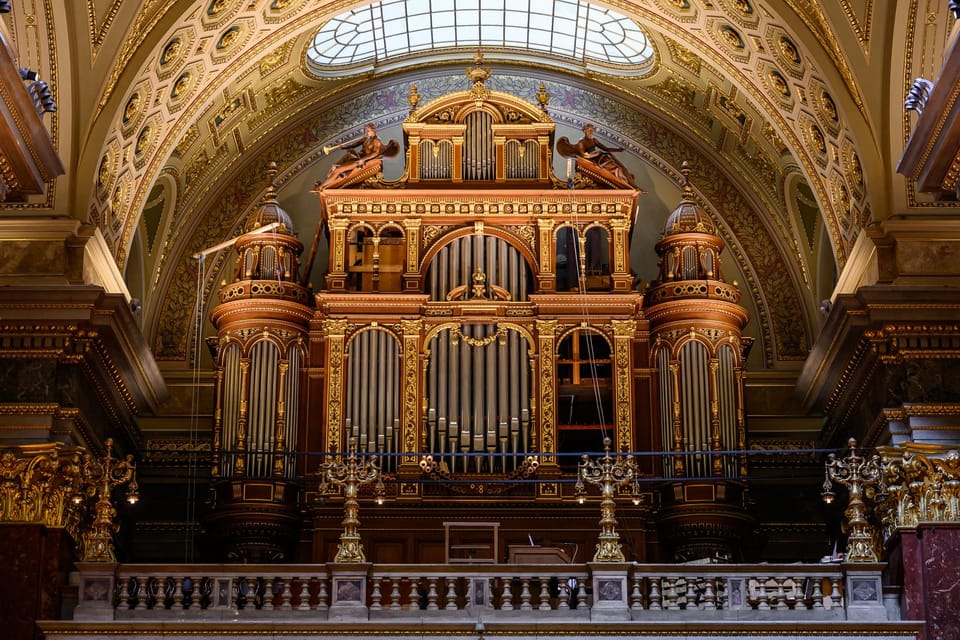
- Close-up gallery access to the Grand Organ before the concert
- Organist talk that explains the instrument and the role of the console
- A tight 20-minute live program with two possible set lists
- Treasury visit included, featuring the Holy Dexter and the mummified right hand of King St Stephen’s legacy
- Panoramic terrace time for wide city views right after the show
Where you’ll go inside St. Stephen’s Basilica
St. Stephen’s Basilica is one of those Budapest stops that’s instantly recognizable, even if you’re still learning your way around the city. With this experience, the ticket is built around one practical idea: you don’t just want to stand in the nave and hope you’re close enough to feel the organ.
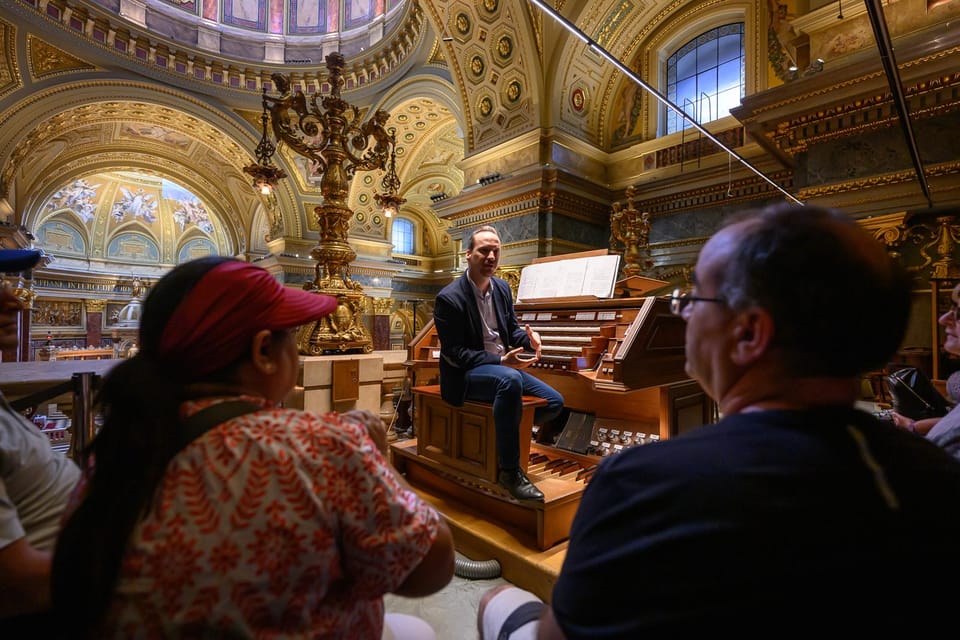
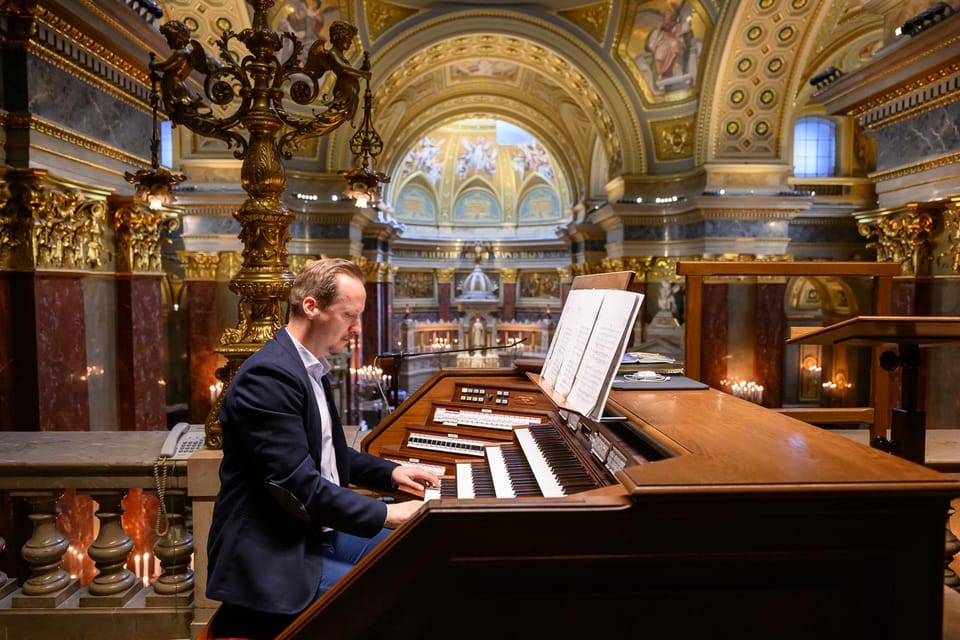
You’ll swap your voucher for a ticket at the basilica’s ticket office, then head to the main entrance to meet your group and your English-speaking instructor/organist team. From there, you follow your escort up to the gallery area for the organ portion. That matters because the Grand Organ isn’t only a backdrop—it’s the star, and seeing the instrument from near the console area is the difference between hearing and understanding.
Once the 20-minute concert ends, the structure changes from guided to self-paced. You can explore the building at your leisure, which is a smart pairing: you get the concentrated highlight first, then the slower, curious pace afterward.
You can also read our reviews of more tours and experiences in Budapest


The Grand Organ explainer: what you learn before you listen
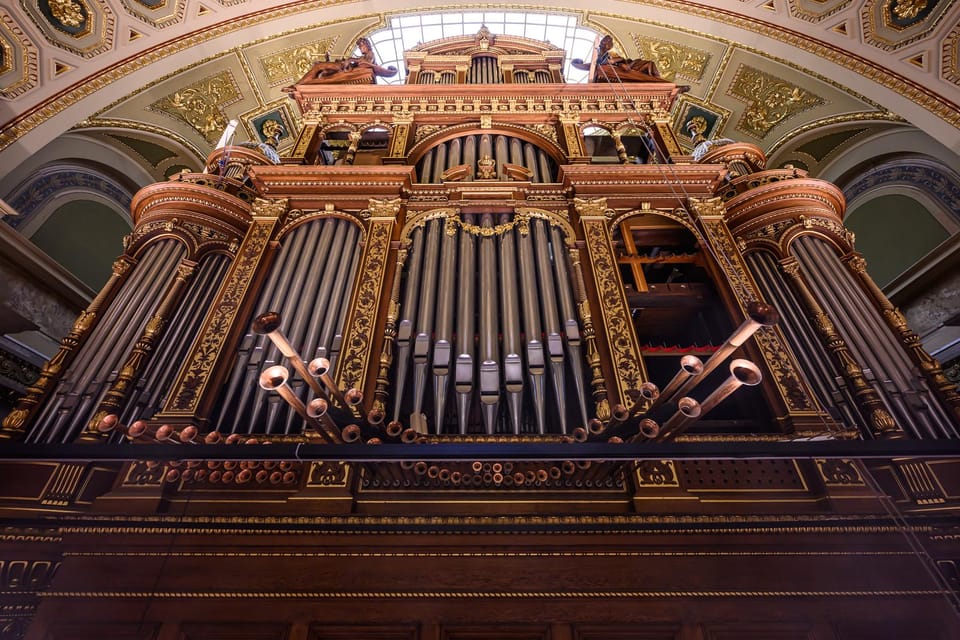
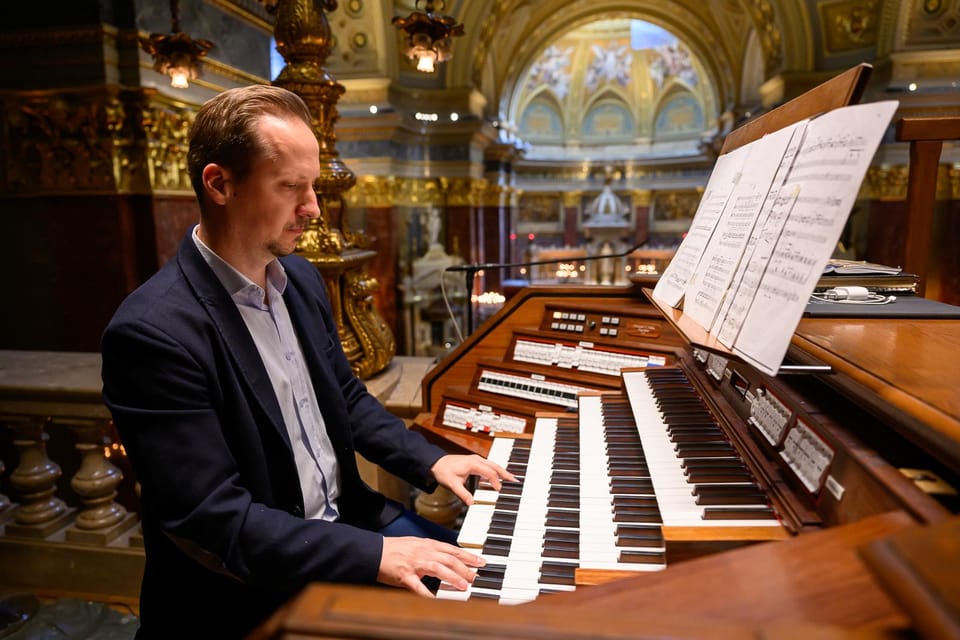
This is the part that makes the concert feel more than a quick performance. The organist introduces the instrument and explains the details directly, including the structure and the role of the console—the area often described as the heart of how the organ comes to life.
In one English-led session, Garry is mentioned in reviews as being especially engaging, answering questions and sharing lots of interesting context. Even when you’re not asking questions, that kind of clear explanation helps you hear more than notes. You start noticing the organ’s layers and how different stops affect color and power.
I like that the experience doesn’t talk down to you. One review specifically notes the organist addressed both musicians and non-musicians, which is exactly what you want in a mixed group. You don’t need a conservatory background to follow the logic of what’s being played.
And because the organist is physically part of the performance, the connection is immediate. It’s not a recording you’re watching; it’s a live instrument being shown, explained, and then performed.
The 20-minute concert: musical variety in two set list options
The live concert portion is about 20 minutes, with two possible set lists. The value here is that you get a real taste of how the same instrument can handle different eras and moods, without forcing you into a full-hour concert commitment.
Set List 1: Organ Classics
- G. F. Händel: Halleluja
- F. Schubert: Ave Maria
- J. S. Bach: Toccata and Fugue in D minor
- J. Pachelbel: Canon in D major
- F. Liszt: Canzonetta del Salvator Rosa
- Ch.-M. Widor: Toccata from Symphonie for Organ No. 5
This selection leans into recognizability and variety. You’ll hear big architectural Baroque energy in Bach and Handel, then shifts toward hymn-like lyricism with Schubert and the steady beauty of Pachelbel. By the time Widor appears, the organ’s dramatic side is right in your face.
Set List 2: From Baroque to Romanticism
- G. F. Händel: Zadok the Priest (Coronation Hymns)
- A. Vivaldi: Concerto in A minor (Allegro)
- J. S. Bach / F. Liszt: Chorus (Ich hatte viel Bekümmernis)
- G. Fauré: Après un Rêve
- F. Liszt: Legend of St. Elizabeth (The Crusaders)
- C. Franck: Prelude in H minor
- A. Guilmant: Final from Sonata No. 1
This second set is a nice “timeline in miniature.” Baroque structure leads into Romantic emotion, with Fauré and Liszt bringing a softer, more expressive feel after the earlier grandeur. The Franck and Guilmant pieces are great at showing how the organ can be both melodic and powerful, not just loud.
Either way, the concert length is ideal for a one-hour experience. You get enough performance to feel satisfied, and enough contrast to understand why this instrument is treated like a full orchestra in one body.
After the concert: treasury time and the Holy Dexter
Here’s where this ticket goes beyond being a simple music event. After the concert, you’re free to explore the basilica at your own pace, and the included stops add substance.
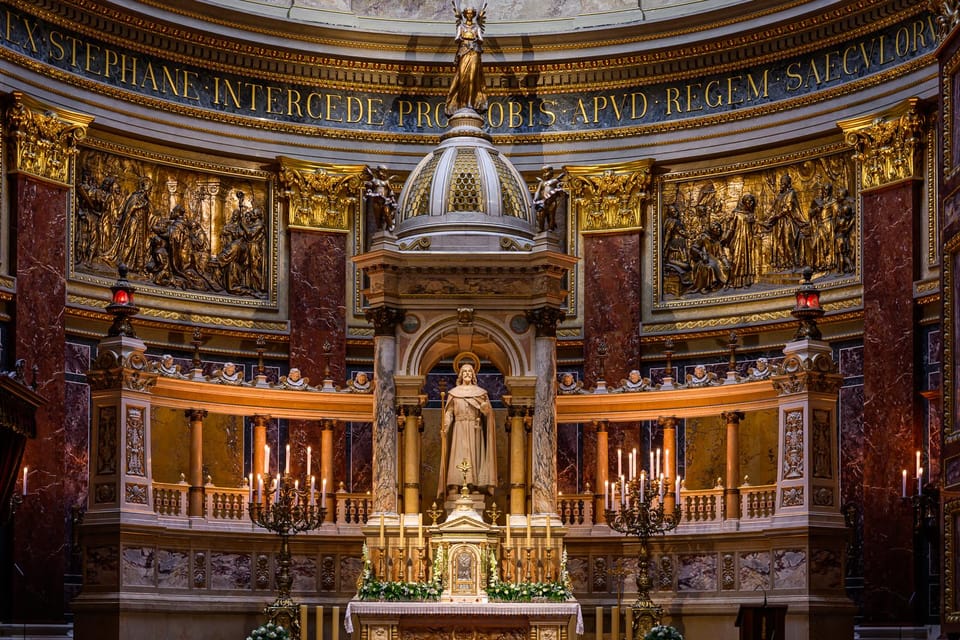
One of the most striking included elements is the treasury, which houses relics connected with King St Stephen. Among them is the Holy Dexter, described as the mummified right hand of the church’s patron, King St Stephen.
That’s the kind of detail that changes how you perceive a church. Before, you might think of St. Stephen’s Basilica mainly as an impressive landmark. After the organ music fades, seeing the treasury contents brings a different layer: tradition, memory, and faith history wrapped into a tangible story.
Even if you’re not a relic person, the treasury can be worth your attention because it gives you a reason to slow down. You’re not rushing from one photo spot to another—you’re letting the basilica make its case, first with sound, then with symbolism.
Terrace views: Budapest from the basilica’s rooftop perspective
The experience ends with time at the panoramic terrace. That’s a smart finishing move, because the terrace makes the “why this place matters” feel immediate. From up high, you get broad city views that help you connect what you’ve been doing to where you are in Budapest.
This also works well as a practical travel rhythm. You’ve had a focused, seated session in the basilica. Then you move to open air, stretch your legs, and take in the skyline without needing extra transportation. If you’re planning photos, this is often the better slot than trying to chase sunset at random—you’ll know you’re getting a guaranteed vantage point.
You can also read our reviews of more tours and experiences in Budapest






Price and value: is $61 for one hour a fair deal?
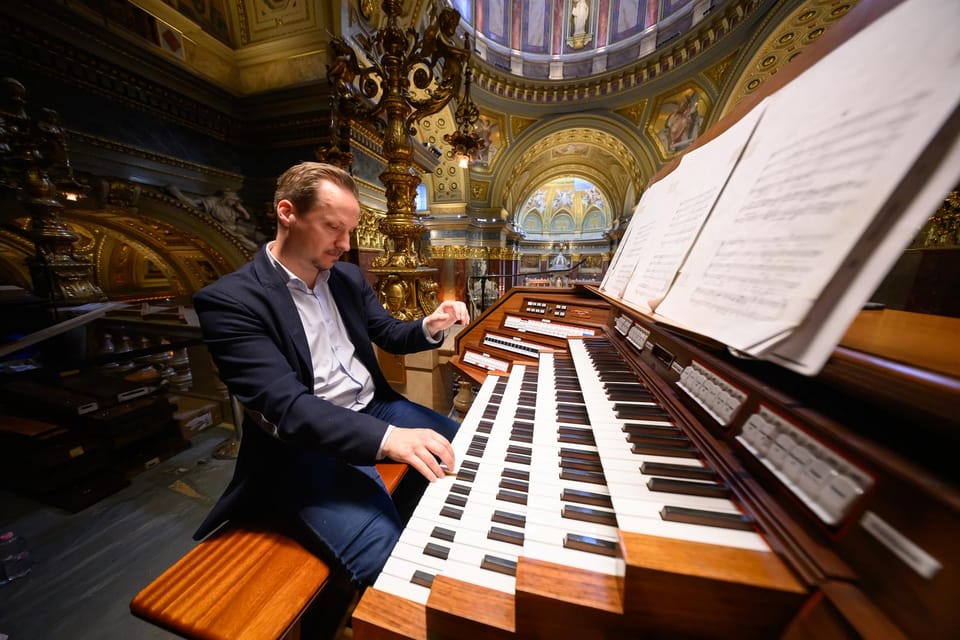
At $61 per person, you’re paying for three things bundled together: a guided instrument explanation, a live organ concert, and access to additional building highlights (church areas, treasury, and the panoramic terrace).
If you’re comparing it to doing everything solo, the value comes from the unique organ access. Getting close to the Grand Organ via the escort and hearing an organist talk about the console and instrument design isn’t something you typically get when you buy general basilica entry. You’re essentially paying for the “front-row plus context” package.
The concert is short—about 20 minutes—but that’s also why the price feels more reasonable. You’re not paying for a long session that might become repetitive if you’re just casually curious. Instead, you’re getting a compact, high-impact experience that still leaves time to explore the building afterward.
And the consistent 4.9 rating (based on 25 reviews) lines up with the experience’s structure: people usually don’t rate something this high for a vague memory. They’re reacting to the combination of excellent music, an engaging explainer, and access to key basilica features.
Who should book this organ concert—and who might skip it
This is a strong fit if you:
- Want Budapest culture that’s not just walking and looking
- Like live classical music but don’t want a long commitment
- Enjoy architecture and history, especially when it’s connected to a specific object (in this case, the Grand Organ)
- Prefer a guided start, then free time to explore on your own
You might think twice if you:
- Want a full-length organ recital with uninterrupted performance time
- Prefer to roam independently from the very first minute (this includes a group meeting and escort up to the gallery)
For most people, the balance is right. You get the main event, plus basilica highlights that you’d otherwise have to plan separately.
Tips to make your hour feel smooth
A few practical ideas can make your experience more satisfying:
- Arrive a bit early for the main entrance meeting, so you’re not stressing while your group gathers.
- During the organist explanation, listen for what changes. When the organist talks about the console and structure, it’s easier to recognize musical shifts once you know what you’re hearing.
- If you’re planning photos, think in two phases: concert focus first, terrace second. After the concert you’ll want your camera ready for the panoramic views.
- Afterward, don’t rush the treasury. The Holy Dexter detail is the kind of thing that rewards slower reading.
Also, consider language. This experience is conducted in English, which is a big plus if you’re trying to follow the explanation and not only the music.
Should you book St. Stephen’s Basilica Grand Organ Concert Tickets?
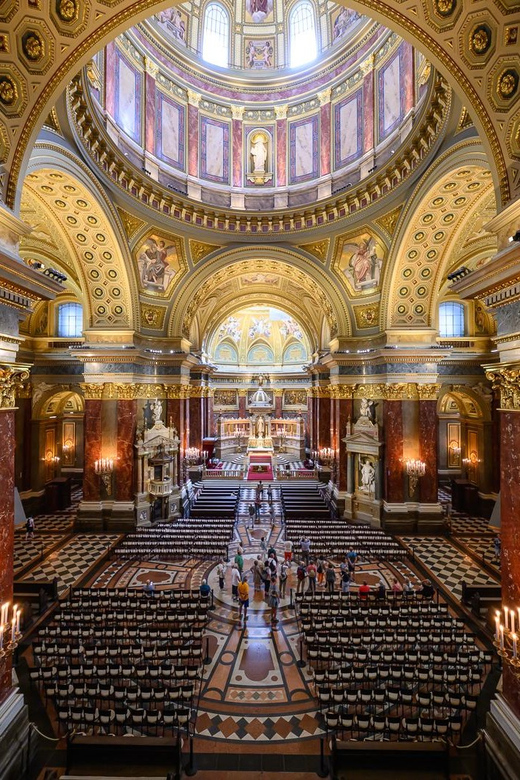
I’d book it if you want a compact, high-impact experience in central Budapest: a close organ view, a live concert that’s easy to enjoy even if you’re not a specialist, and included access to the basilica highlights that most first-timers want—treasury and terrace included.
It’s especially appealing when you value interpretation—the organist explanation makes the music land better. And if you’ve ever felt like classical concerts are too abstract, this format is designed to reduce that gap.
If you’re chasing an all-day activity, this won’t replace a full itinerary. But for an hour that feels genuinely worth your time and money, it’s one of the more “specific and memorable” options in the basilica area.
FAQ
FAQ
How long is the Grand Organ concert experience?
The total duration is 1 hour, including time for the organ introduction, the live 20-minute concert, and included visits.
Is the concert only 20 minutes?
Yes. The live performance portion is about 20 minutes.
What language is the experience offered in?
The instructor and explanations are provided in English.
Do I need to exchange a voucher before entering?
Yes. You exchange your mobile or printed voucher for a ticket at St. Stephen’s Basilica’s ticket office before meeting your group at the main entrance.
What’s included besides the concert?
Church entry, treasury entry, and panoramic terrace entry are included, along with the instrument explanation by the organist and the live concert.
Does the experience include a guided explanation of the organ?
Yes. The organist explains the history and details of the Grand Organ, including the structure and the role of the console.
Are there different music programs?
Yes. There are two possible set lists, each featuring a mix of famous pieces from different composers.
What pieces are on the possible set list?
Set List 1 includes works such as Händel’s Halleluja, Schubert’s Ave Maria, Bach’s Toccata and Fugue in D minor, Pachelbel’s Canon in D, Liszt, and Widor. Set List 2 includes Händel, Vivaldi, Bach/Liszt, Fauré, Liszt, Franck, and Guilmant.
Is free cancellation available?
Yes. You can cancel up to 24 hours in advance for a full refund.
Can I reserve without paying immediately?
Yes. There is a reserve now & pay later option, with payment due later.