REVIEW · BUDAPEST
Budapest Culinary & Wine Walk—Budapest’s Signature Food Tour
Book on GetYourGuide →Operated by Taste Hungary · Bookable on GetYourGuide
Hungary tastes better with a plan. I really like the Central Market Hall start because you get guided context fast, plus you’re surrounded by the produce Hungarians actually cook with. I also love that the tour ends with a focused Hungarian wine tasting in a small-group format, though note it’s a lot of walking and it’s not wheelchair accessible.
You’ll get a clear sense of how Hungarian flavors work, not just a checklist of stops. I’ve seen guides named like Barbara, George, and Anna stand out for pacing and Q&A, and the wine portion often includes Carlos as the host at the tasting. If you hate standing, or you want a super slow meal day, this one may feel like too much movement.
In This Review
- Key takeaways before you go
- Entering Central Market Hall the right way
- The ingredient lesson: pork fat, paprika, and goose liver
- After the market: the tasting stops that shift by day
- Butcher shop bites and patisserie cake you can recognize
- Coffee house time: where the walk slows down
- Hungarian wine tasting that makes the regions make sense
- Price and logistics: is $120 good value?
- Pacing, walking time, and what to wear
- Who should book this Budapest culinary and wine walk?
- Should you book it or skip it?
- FAQ
- Where does the tour start?
- How long is the Budapest Culinary & Wine Walk?
- What kinds of tasting stops should I expect?
- Do I get wine on the tour?
- What’s included in the price?
- Is there a skip-the-line benefit?
- Is the tour wheelchair accessible?
- Is the tour running on Sundays or national holidays?
- What is the cancellation policy?
Key takeaways before you go
- Central Market Hall first, then real neighborhood food so you can learn the city’s food map while your appetite is working
- 4 to 5 tasting venues that keep the experience varied instead of repeating the same thing
- Ingredient stories you can use later like how pork fat, paprika, and goose liver show up in everyday cooking
- Dessert and coffee stops are part of the plan, not an optional detour
- Wine tasting covers 3 key wines from different Hungarian regions to help you understand what you’re drinking
- Small groups (2 to 8) make it easy to ask questions and get the guide’s attention
Entering Central Market Hall the right way
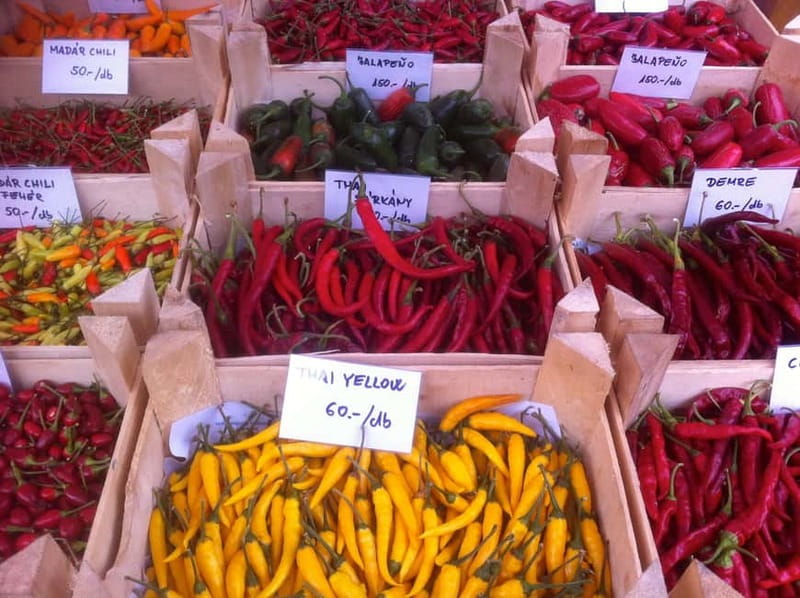
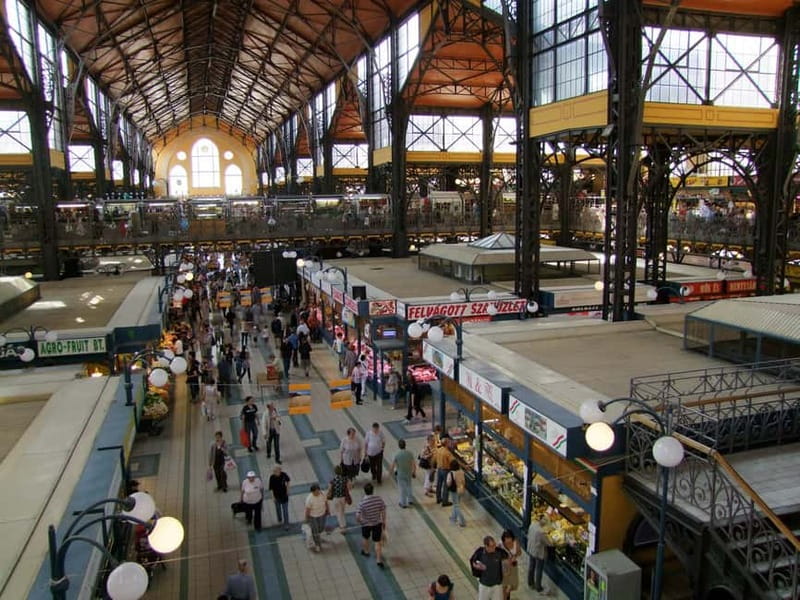
The tour starts inside Central Market Hall, right at the main entrance near the up escalators. It’s one of those places where you can easily get overwhelmed on your own, because it’s huge and packed with smells, colors, and people moving in every direction. With this walk, you’re not just sightseeing—you’re learning what to look for and why.
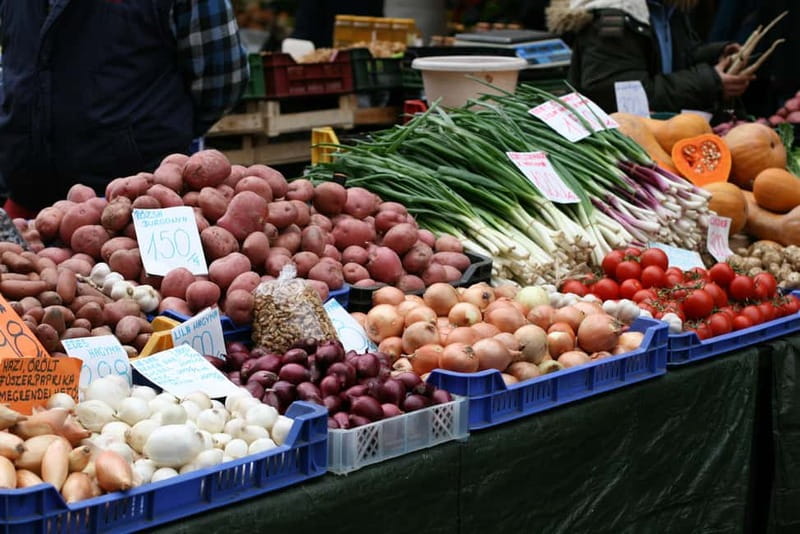
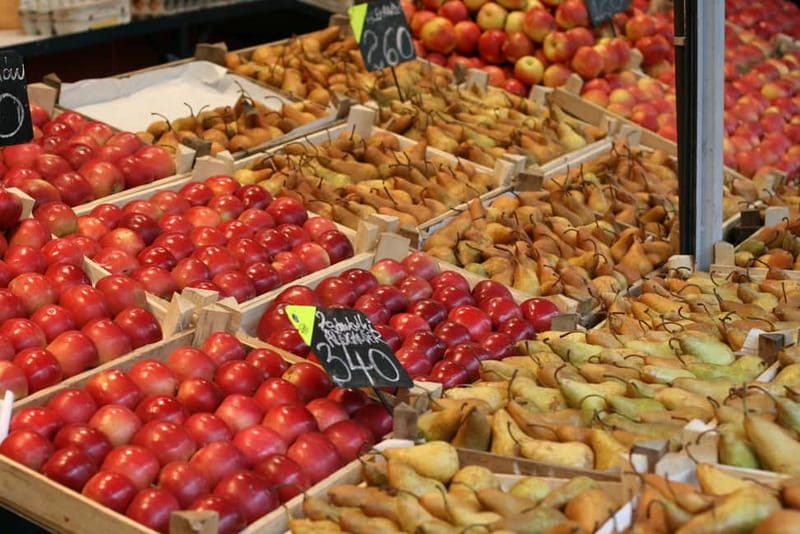
The big win here is that you’ll get the history of the building and a grounded explanation of Hungary’s food culture while you’re surrounded by the evidence. You’ll also get time to admire produce up close, and that matters because Hungarian cooking is ingredient-driven. You’ll see what’s in season, what vendors focus on, and what kind of flavors dominate the local pantry.
A practical tip: go hungry, but not sloppy-hungry. The tour includes plenty of tastings, and there are photo stops and short “questions for the guide” moments built into the walk. If you arrive starving, you’ll spend early tastings rushing. If you arrive with just a light snack, you’ll actually taste everything.
You can also read our reviews of more walking tours in Budapest



The ingredient lesson: pork fat, paprika, and goose liver
One of the most useful parts of this food walk is that it doesn’t treat Hungarian dishes like trivia. Your guide will talk through signature ingredients and how locals use them, including pork fat, paprika, and goose liver.
Here’s why that kind of explanation pays off on the rest of your trip. Once you understand what those ingredients do, you can read the menu more confidently. You’ll start recognizing flavor patterns: warmth and depth from paprika, richness and mouthfeel tied to pork fat, and the unmistakable comfort/umami direction that goose liver often brings in pâté-style preparations and savory spreads.
I also like that the tour keeps the tone practical. You’re not stuck in a lecture. The ingredient stories show up right when you’re about to taste something, so it clicks instead of fading.
After the market: the tasting stops that shift by day
After you’ve soaked up the Central Market Hall experience, you’ll move into nearby neighborhoods for additional food shops and producers. The exact lineup can change depending on the day, which is a smart way to keep the tour feeling alive rather than scripted.
On most days, you’ll visit places like a spice shop, a kosher bakery, a coffee house, a candy producer, or an artisan chocolate shop. You may also stop at a butcher’s shop for typical tasting bites and then continue to a traditional patisserie for cake.
Why this works: it mirrors how Hungarians actually eat and shop. It’s not one “big meal” after another. It’s layered—spices, cured or meat-focused items, baked goods, then coffee and dessert, and finally wine.
A small caution: because the venues change and you’re in small shops, you may see offerings that are different from what you expected before arriving. The upside is variety and local authenticity. The downside is you can’t plan on one exact shop every single time.
Butcher shop bites and patisserie cake you can recognize
Some food tours rush to the next stop and leave you with a blur of tastes. This one tends to space things out better, so you get moments where a flavor type makes sense.
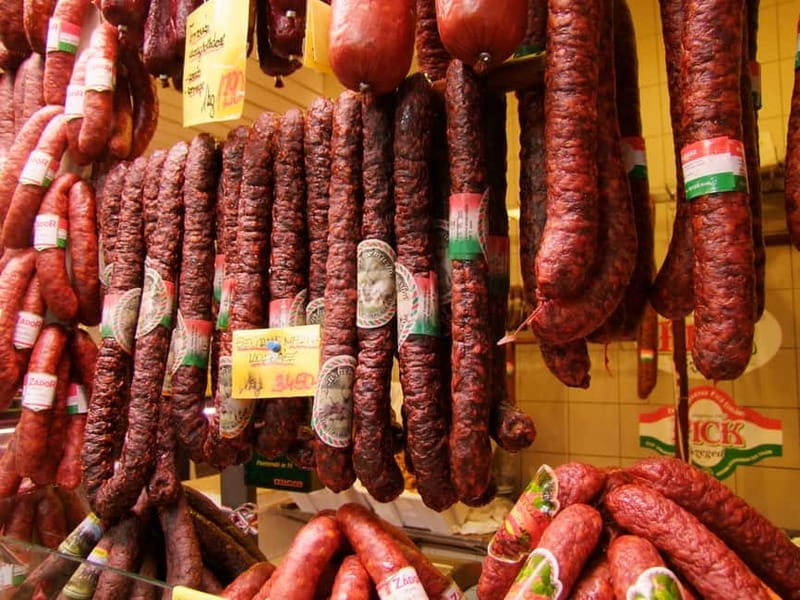
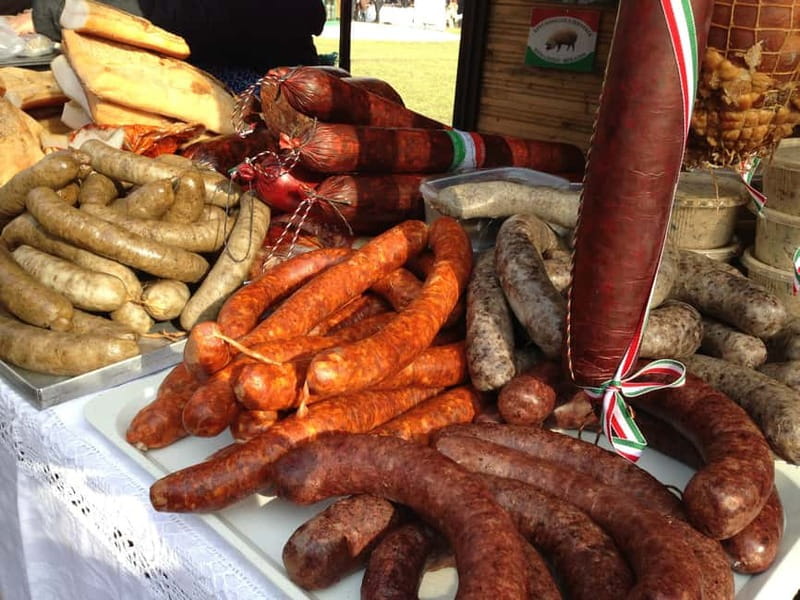
In the butcher’s shop segment, you’ll sample typical items related to Hungarian meat culture. Expect richer, savory bites where pork and spice culture connect. The guide’s earlier ingredient talk helps you understand what you’re tasting instead of just guessing.
Then you’ll reach the patisserie portion, where the focus turns elegant—think cakes that are more refined than what you’d see in a quick bakery grab. If you like dessert but don’t want a sugar marathon, this is a nice balance. You’ll get cake as a real tasting moment, not just a sweet afterthought.
If you’re watching portion size, don’t worry too much. The tour is built around tastings across multiple venues, so the goal is variety over stuffing yourself at one place.
Coffee house time: where the walk slows down
A coffee and cake stop is part of the experience plan. This is the perfect midpoint to reset: you sit for a bit, you talk with the guide, and you let the market noise fade. It also helps you process what you just ate, because by then you’ve sampled savory items, spices, and sweets across different stalls and shops.
I like that the tour doesn’t treat coffee as a souvenir stop. Your guide connects it to the broader food culture, so the break feels like part of the story rather than a pause for the sake of pausing.
Practical note: if you’re sensitive to caffeine or sugar, you still won’t be forced into anything. Just know that the tour includes these tasting moments as part of the flow.
You can also read our reviews of more food & drink experiences in Budapest


Hungarian wine tasting that makes the regions make sense
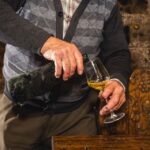
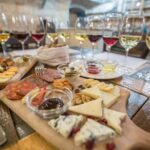
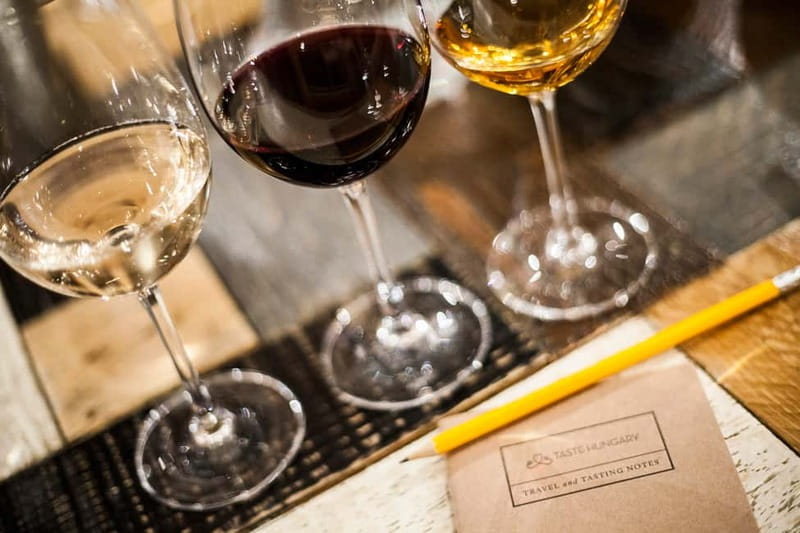
The tour ends with a Hungarian wine tasting of 3 essential wines from different wine regions. This is the finishing touch that turns a “food tour” into a full food-and-drink story.
The big value isn’t just drinking. It’s learning enough to tell the difference between styles. By tasting three wines tied to different regions, you start to understand how Hungary’s geography shapes flavor—something you can carry into restaurants later.
From what I’ve seen recommended by name, wine hosts like Carlos are often part of the experience, and the tone stays friendly and explanatory. The pacing usually feels like a guided conversation rather than a rushed tasting flight.
Important consideration: the tour includes wine tasting as part of the standard experience. If you don’t drink alcohol, you’ll need to decide whether this is still worth it mainly for the food stops. (The tour does include mineral water, but the wine portion is specifically part of the itinerary.)
Price and logistics: is $120 good value?
At $120 per person for a roughly 4-hour walk, you’re paying for three things at once: guide-led navigation, multiple tastings, and the wine component. A lot of Budapest food tours are either heavy on sightseeing or heavy on meals. This one leans into tastings at 4 to 5 venues, plus bottled mineral water per participant and a wine tasting of 3 wines.
If you break it down, the value is strongest for first-time visitors who want to understand the city quickly. Central Market Hall alone is a big stop, and the tour adds smaller shops around it that many people don’t find on their own. You also get the “local ingredient” education that makes later meals easier to order.
Where the price may feel less perfect: if you already know Hungarian food well, or you’re trying to keep your food and drink spending very tight. This isn’t a budget snack crawl—it’s a structured tasting experience.
Also note: the tour is rain or shine, but it’s not available on Sundays and Hungarian national holidays because some venues close. Plan your schedule so you’re not stuck hoping for last-minute availability on those days.
Pacing, walking time, and what to wear
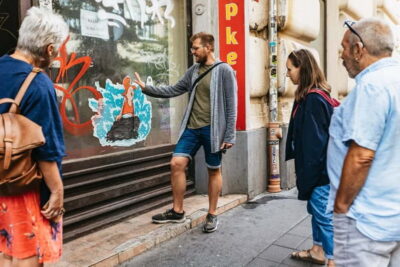
This is a walking tour, and you will cover ground. The tour description makes it clear you should be ready for a fair bit of time on your feet, even though there are plenty of eating breaks along the way.
Wear comfortable shoes with grip. Central Market Hall itself involves moving through a dense space, and the neighborhood portion means you’ll be walking between smaller shops. If your plan is to do a lot of museum time afterward, you’ll probably want to schedule something lighter later that day.
One more reality check: it’s not wheelchair accessible. If that matters for you, you’ll need a different format.
Who should book this Budapest culinary and wine walk?
This is a great fit if you’re:
- Visiting Budapest for the first time and want to get your bearings fast
- A foodie who likes learning how ingredients connect to flavor
- The kind of person who enjoys walking through markets, then sitting for coffee and dessert
- Interested in Hungarian wine but wants a guided starting point across multiple regions
It’s less ideal if you want:
- A fully seated experience
- Very low walking
- A tour that skips wine entirely
If you’re traveling as a couple or solo, the small-group format (2 to 8) can feel especially comfortable. And if you want something more tailored, private tours are available and can be requested when booking.
Should you book it or skip it?
Book it if you want a guided Budapest food day that combines market energy with real local shops, then ends with wine tasting that teaches you something useful. The tour’s structure—Central Market Hall, multiple tasting venues, dessert/coffee, and then three-region wine—sets you up to order better for the rest of your trip.
Skip or reconsider if you dislike wine tastings or you know you’ll struggle with lots of walking. In that case, you might prefer a shorter market-focused experience.
If you can do moderate walking and you want to understand Hungarian flavors beyond a quick sampling, this $120 tour is a solid, straightforward value.
FAQ
Where does the tour start?
Meet inside the main entrance of Central Market Hall, near the up escalators. The address listed is Vámház körút 1-3, and your guide will hold a canvas tote bag with the tour operator’s logo.
How long is the Budapest Culinary & Wine Walk?
The duration is listed as 4 hours. Starting times depend on availability.
What kinds of tasting stops should I expect?
You’ll visit Central Market Hall and then 4 to 5 additional venues. The tastings can include a butcher’s shop, a traditional patisserie, and other options such as a spice shop, kosher bakery, coffee house, candy producer, or artisan chocolate shop depending on the day of the week.
Do I get wine on the tour?
Yes. The tour includes a wine tasting of 3 essential wines from different wine regions of Hungary.
What’s included in the price?
Included items are an English-speaking guide, generous food and drink tastings, bottle of mineral water per participant, visits to Central Market Hall and additional venues, and time for photo stops and small food shopping.
Is there a skip-the-line benefit?
The tour includes skip the ticket line.
Is the tour wheelchair accessible?
No. This tour is not wheelchair accessible.
Is the tour running on Sundays or national holidays?
It is available any day of the week (rain or shine) except Sundays and Hungarian national holidays, since some venues are closed.
What is the cancellation policy?
Free cancellation is available up to 24 hours in advance for a full refund.