REVIEW · BUDAPEST
Budapest: Historic Downtown Bicycle Ride with Scenic Views
Book on GetYourGuide →Operated by Bike Tour Kft · Bookable on GetYourGuide
Budapest clicks into focus on two wheels. This 3.5-hour ride strings together the city’s big-name sights on an easygoing route, with photo stops and a small-group feel that keeps things calm. I like that you cover both Buda and Pest without exhausting yourself on foot, and you still get real context as your guide points out what matters—especially around World Heritage areas like Andrássy Avenue and the Danube Bank.
One catch: this is an active bike tour. You need to be able to ride confidently for the full 3.5 hours, and luggage or large bags aren’t allowed—so pack light and wear shoes you’re comfortable pedaling in.
In This Review
- Key highlights you’ll care about
- Why this Budapest bike loop works for first-timers
- Starting at Madách: Jewish Quarter energy with a quick intro
- From Franz Liszt Academy to Andrássy Avenue: grand streets, clean lines
- Heroes’ Square and House of Terror: two very different messages
- Városliget (City Park) and the thermal bath sightings: scenic breaks that don’t eat your day
- The Opera House, St. Stephen’s Basilica, and Liberty Square: ornate to dramatic
- Parliament to the Danube: seeing the river city from street level
- Crossing the Chain Bridge: the shift from Pest to Buda feels real
- Matthias Church and Fisherman’s Bastion: the views you came for
- Market Hall, National Museum area, and the Grand Synagogue welcome
- Price and what you’re really paying for
- Who should book this Budapest bike ride (and who shouldn’t)
- Tips to make the ride feel easy and safe
- Should you book this Budapest bicycle tour?
- FAQ
- How long is the Budapest bike tour?
- Where do I meet the tour guide?
- Is this tour private or small group?
- What’s included in the price?
- Are meals included?
- Is the tour suitable for everyone?
Key highlights you’ll care about
- World Heritage hits: Andrássy Avenue, Heroes’ Square, and the Danube Bank on one loop
- Photo-stop pacing: quick picture breaks at major landmarks, not rushed sprinting
- A small group by design: limited to 10 participants, so the guide can manage traffic and questions
- Two-city perspective: you’ll cross the Chain Bridge to feel the shift between Pest and Buda
- Thermal-bath views: you’ll see places like Szechenyi and Gellért without treating this like a museum day
- Strong guide energy: names that show up in recent feedback include Oliver, Karol/Karoly, Naomi, Baliant, and Esther
Why this Budapest bike loop works for first-timers
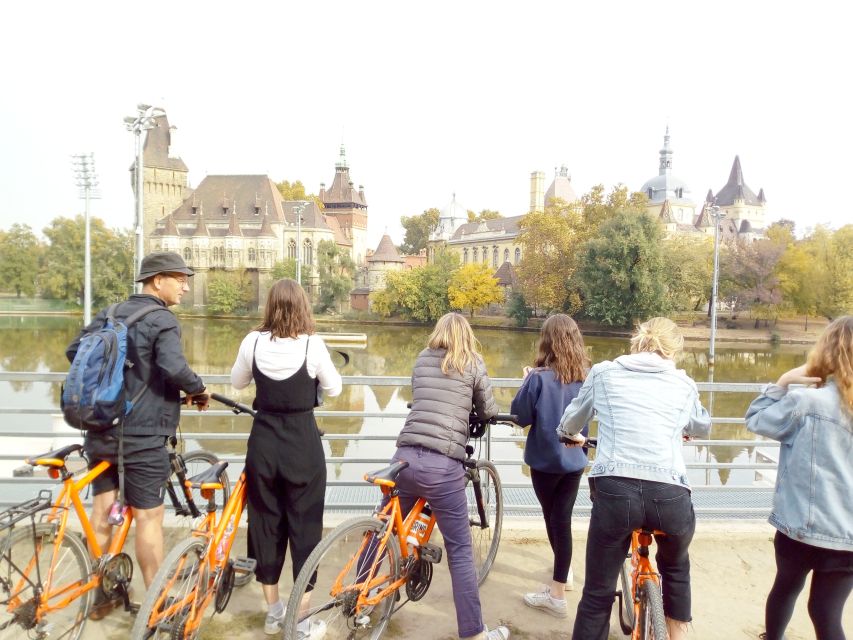
Budapest is one of those cities where the “classic sights” are spread out for a reason. The river divides neighborhoods, and the grand boulevards on Pest contrast with the views and steep-feeling streets on Buda. A bike tour like this solves the problem: you get lots of distance covered while still seeing faces of the city up close.
The setup is smart for a short trip. You spend time where visuals matter most—Parliament by the Danube, Heroes’ Square, the Chain Bridge approach, and the lookout areas on the Buda side. And since the tour is timed for stopping and photographing, you’re not just rolling past in a blur.
At $45 for a 3.5-hour guided ride, value comes from combining movement + interpretation. You’re not paying for a couch tour. You’re paying for a route that connects landmarks efficiently, plus an English live guide and a refreshing drink.
You can also read our reviews of more historical tours in Budapest


Starting at Madách: Jewish Quarter energy with a quick intro
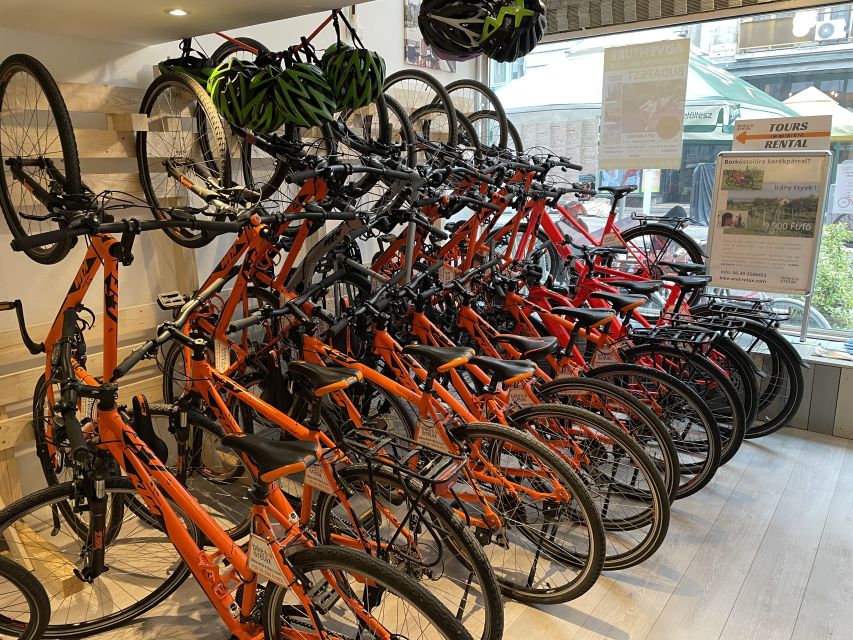
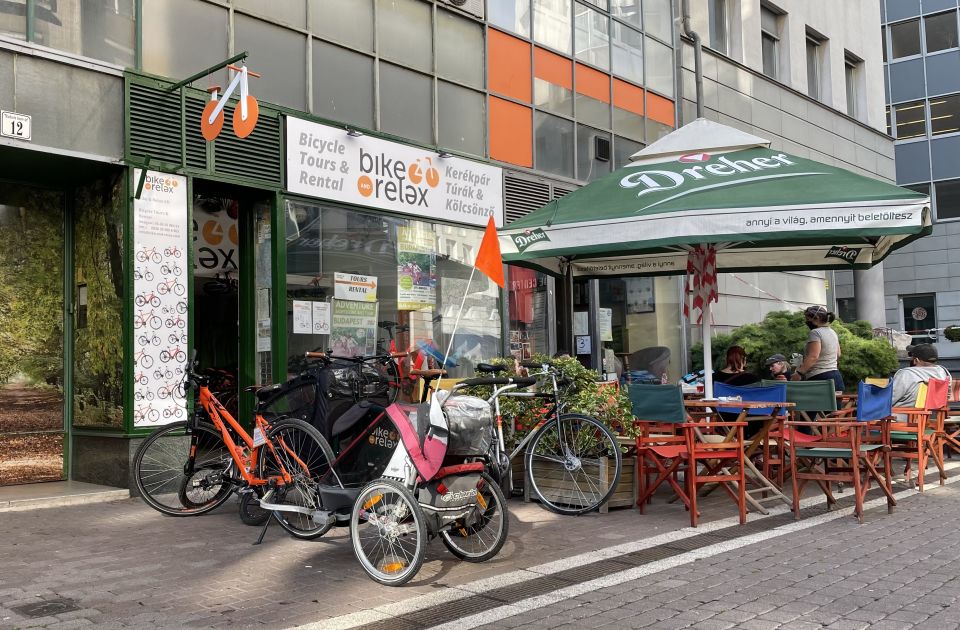
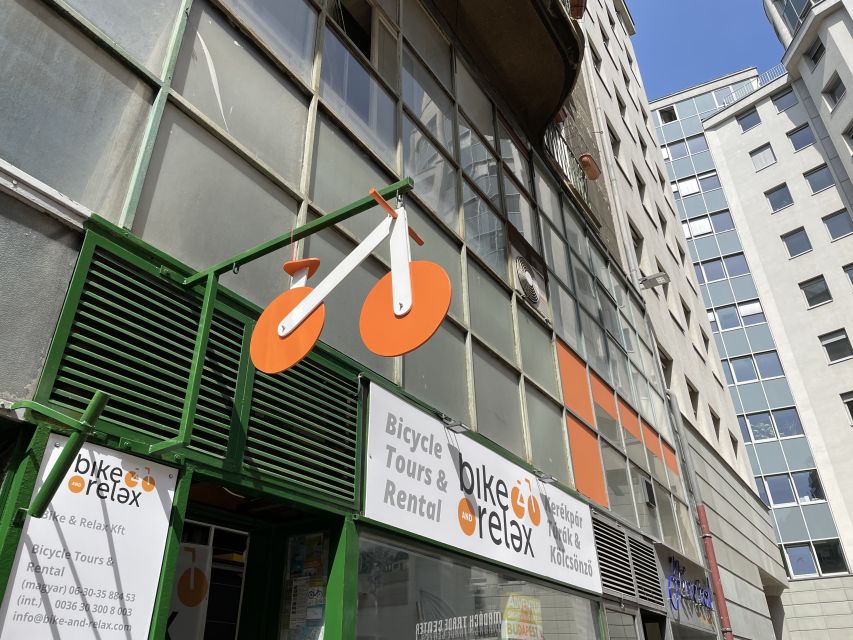
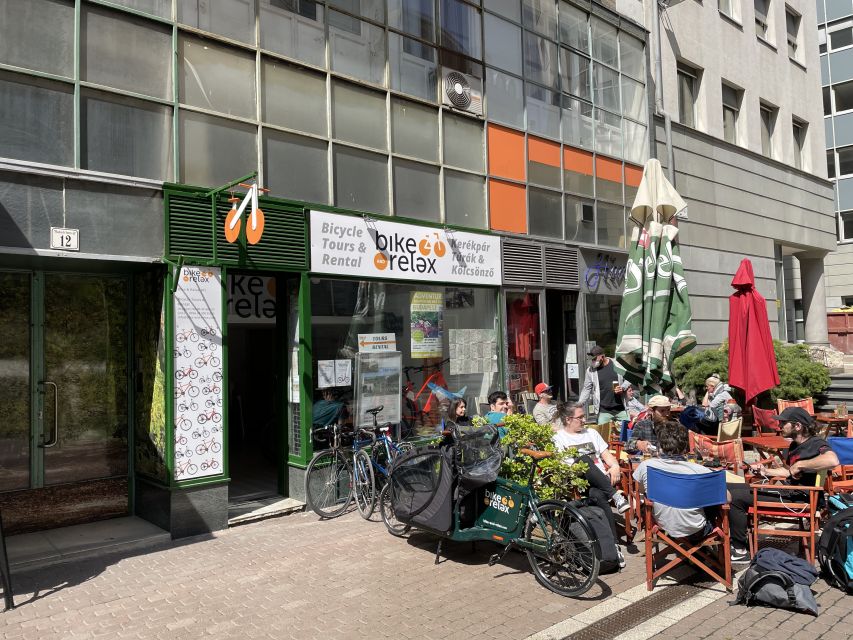
You begin in the Jewish Quarter, at Madach Imre ut 12—look for Bike & Relax, and the meeting point is right by Cafe Hivatal beside the shop near the Gozsdu court area. The location is convenient because it’s near Deák Square (M1, M2, M3) and several trams, so it’s easy to reach even if you’re staying outside the center.
Before you pedal far, you get a guided intro for about 20 minutes. This matters because Budapest can feel confusing at first: street names change character fast, and different neighborhoods have very different vibes. Starting here also gives you context for why the Jewish Quarter is such a lively anchor for night life and dining—so when you pass later landmarks, you’re not just collecting photos, you understand where you are.
If you’re the type who likes to orient fast, you’ll appreciate that the ride begins with the city’s pulse and then expands outward toward the grand civic monuments. I also like that the tour ends where you started, in the same Jewish Quarter area, so you’re not stranded miles away when you want food.
From Franz Liszt Academy to Andrássy Avenue: grand streets, clean lines
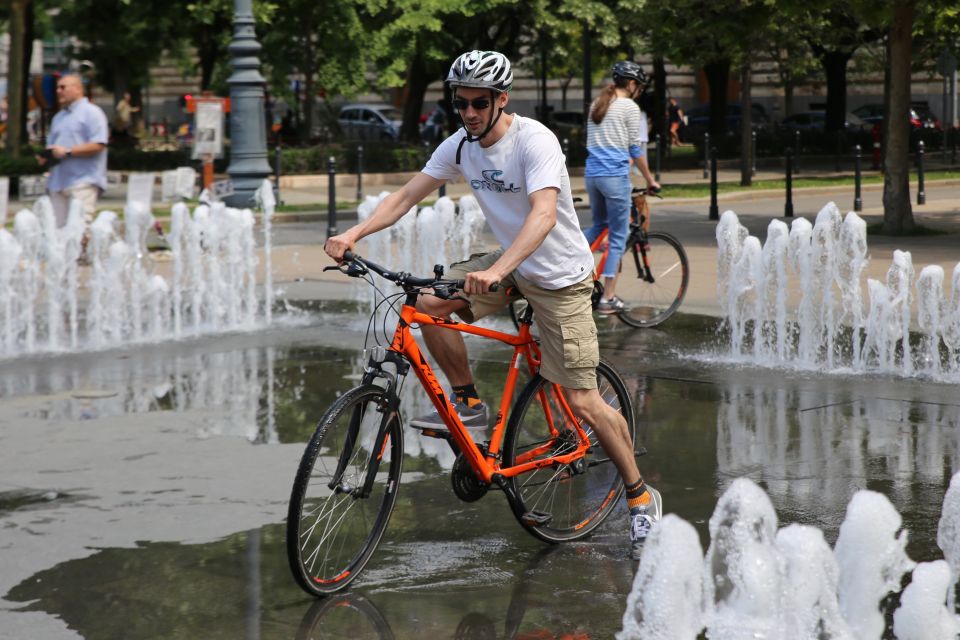
After the initial meet-up, there’s a photo stop around the Franz Liszt Academy of Music area, then the ride heads toward Andrássy Avenue. This stretch is one of the reasons Budapest has such a strong “walk-around-me” reputation for photographers. Even when you’re not stopping for long, you’re moving along a boulevard with big architectural statements.
Andrássy Avenue is one of the World Heritage sites you’ll experience on this tour, and that’s a big deal for planning. It means you’re seeing a protected, intentional urban space—not just a random street with pretty buildings. The guide’s explanation is what turns it from scenery into understanding: what you’re looking at, and why that street layout matters.
Expect a guided moment here (about 10 minutes) and enough time to pull the bike into a safe viewing spot for photos. You’re not getting stuck at a fence for 30 minutes. You’re getting a taste, then you keep rolling.
Heroes’ Square and House of Terror: two very different messages
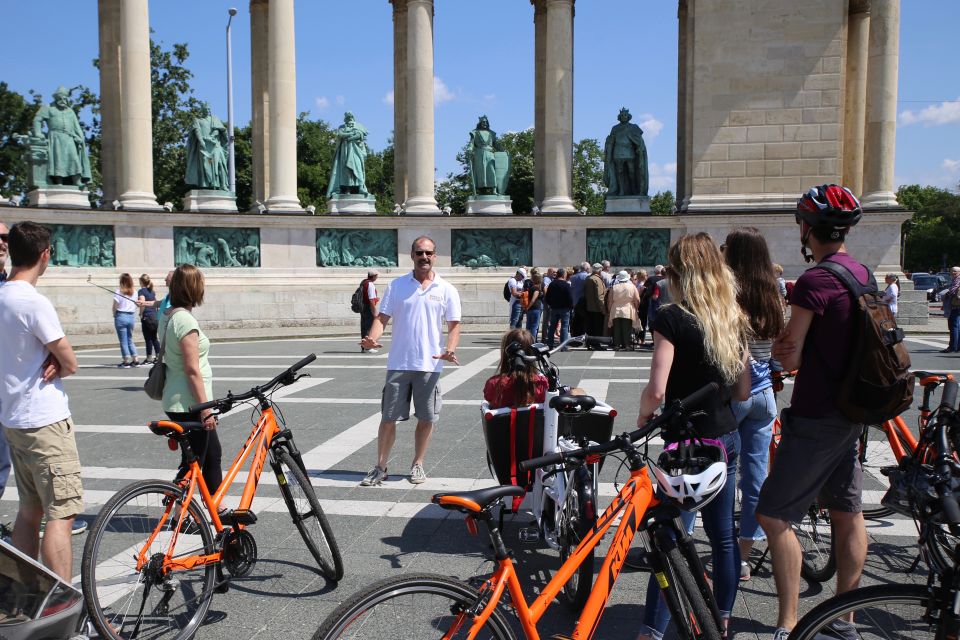
Heroes’ Square is a stop you’ll recognize instantly. The tour gives you a dedicated photo stop (around 15 minutes), which is long enough to frame the classic views and still move on while your legs feel okay.
From there, you’re guided past or toward the House of Terror area, with another photo stop. This is one of the stops that balances the city’s “look how gorgeous we are” reputation with something heavier. The guide uses the moment to connect what you see to how Hungary’s 20th-century story shaped the city.
Then you head into the area that feels more like stepping into the past, including a stop near Hungarian medieval history themes—so the tour goes from civic grandeur to a more reflective mood, then toward lighter sightseeing again.
Practical note: this part of the route is where you’ll want to have your phone camera ready. The viewpoints tend to be wide and dramatic, but the best angles take a second or two of positioning.
Városliget (City Park) and the thermal bath sightings: scenic breaks that don’t eat your day
City Park (Városliget) is where the ride gives your mind a breather. You get a guided segment here (about 20 minutes), and the park area leads into stops that feel distinctly Budapest: castles, bathing culture, and big public spaces.
You’ll see Vajdahunyadi Castle in City Park by way of a photo moment. This castle is one of those places people point to when they describe the “storybook” side of Budapest—so even if you’ve only seen it on postcards, seeing it from the bike lane feels more real than a screen ever does.
Then comes the thermal bath stop sequence. You’ll have photo stops at well-known bathing locations, including Szechenyi Thermal Bath and later Gellért Baths and Rudas Thermal Bath. The value here is in the contrast. Budapest isn’t only about monuments. It’s also about how people relax and gather—literally in historic bathing complexes.
One thing to keep in mind: your time is for sight and photos, not a long soak-and-stay. The tour is designed to keep you moving and still cover major landmarks efficiently.




The Opera House, St. Stephen’s Basilica, and Liberty Square: ornate to dramatic
As you continue, you’ll pass the Hungarian State Opera House, then later reach St. Stephen’s Basilica. Both are classic city icons, but they create different feelings. The Opera House shows Budapest’s more formal, performance-minded face. The Basilica delivers a more spiritual landmark vibe with huge visual presence.
The tour includes photo stops at both (with St. Stephen’s Basilica getting a dedicated photo moment). Liberty Square (Szabadság Square) also appears with a photo stop. You’ll learn about Hungary’s more recent history here, which gives the ride a thoughtful thread even while it stays light enough to enjoy.
This is also a good section for questions. If you’re the kind of person who wants to know why a country remembers certain events in certain places, ask your guide while you’re near those landmarks. You’ll get clearer answers when the buildings are right in front of you, not 24 hours later from memory.
Parliament to the Danube: seeing the river city from street level
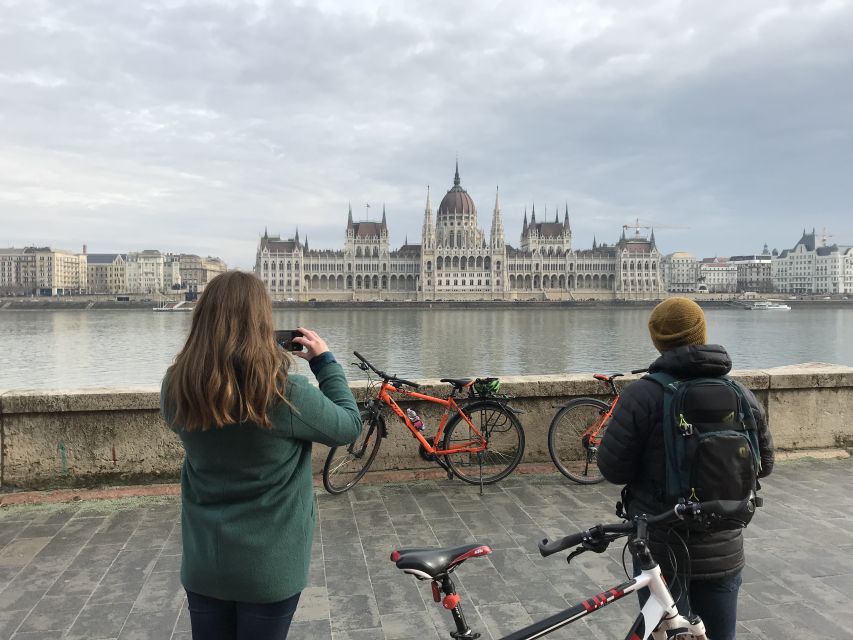
Eventually you reach the Hungarian Parliament Building for a photo stop. This is one of the biggest “signature” views in Budapest, and the tour doesn’t treat it like a 60-minute museum stop. You get your time to frame the building, then you keep going toward the river.
Near the Danube, you’ll see the Monument of the Shoes on the Danube Bank, though direct access isn’t granted. That’s normal for this kind of memorial—often the best you can do is view from designated areas. Still, the moment matters. It’s a stark reminder that this city’s beauty and history aren’t separate things.
Then you ride along the river downstream toward the Chain Bridge. This section is exactly why bikes are a good choice in Budapest. You’re close enough to feel the scale of the river and the monuments, but you’re moving faster than walking would allow.
Crossing the Chain Bridge: the shift from Pest to Buda feels real
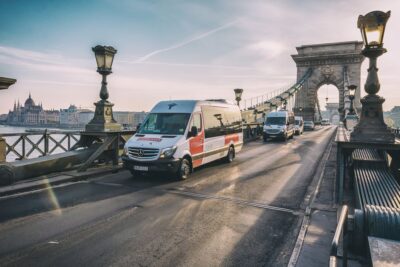
The Chain Bridge is the kind of landmark that doesn’t need an explanation. You cross it and you instantly feel the change. The tour includes a guided portion (about 10 minutes) here, which helps because Budapest’s river crossing is more than just a photo moment. It’s the divider between two halves of the city that feel different in architecture, views, and street rhythm.
On the Buda side, the ride continues past Rudas Bath, then eventually toward Gellért Baths and back over Liberty Bridge to return toward the downtown/Pest side. Again, bath complexes appear as sightseeing stops. That’s a Budapest pattern: even the “scenery” carries everyday culture with it.
From a pacing standpoint, the guide’s role matters most here. Urban cycling can feel intimidating if you don’t ride much. The small-group size and the tour structure keep things manageable, and the ride tends to feel safe with clear leadership.
Matthias Church and Fisherman’s Bastion: the views you came for
Once the tour reaches the Buda highlights, you’ll get photo stops at Matthias Church and Fisherman’s Bastion. These are the moments that make people understand why Budapest is so famous for viewpoints.
What’s useful about these stops is that you can enjoy them without turning the day into a climb-and-queue ordeal. You’re not stuck planning public transport between far-apart lookouts. You arrive, you get the view from the right angle, and then you move on.
Fisherman’s Bastion in particular works well as a bike-tour stop because the surrounding angles are visible from street approaches. You’ll still want to position yourself for your photos, but the time window makes it doable without feeling rushed.
Market Hall, National Museum area, and the Grand Synagogue welcome
On the way back toward the Jewish Quarter, you’ll pass Central Market Hall and the Hungarian National Museum with photo stops (Central Market Hall gets a short photo time, while the National Museum gets a bit more). Even if you don’t go inside, seeing these from the street gives you a map for your next visit.
Finally, the ride returns to Dohány Street Synagogue for a photo stop, and the Grand Synagogue area is where the tour welcomes you back into the Jewish Quarter neighborhood again. This finish is practical: you end in a dining-and-drink zone, so you can keep exploring on your own without needing a new ride plan.
Also, this matters for energy. A bike tour like this can be surprisingly satisfying because it’s not just monuments. It has neighborhood rhythm built in—start lively, see big sights, then return to real-life streets where you can celebrate with dinner.
Price and what you’re really paying for
$45 for a guided 3.5-hour bicycle ride is a fair deal when you look at what’s included and what’s not.
Included:
- 3.5-hour bike tour with an English live guide
- A refreshing drink
- Small group size (limited to 10)
Not included:
- Meals and other drinks
So you’re paying for efficiency, not convenience foods. This is why I strongly suggest planning a snack strategy. The tour can include long stretches between food opportunities, and you’ll be more comfortable if you’re not running on empty.
Also, the guide is the “inclusion” that turns a route into an experience. Based on recent guide feedback, people often praise guides who connect the landmarks to stories you actually remember. Names that have come up include Oliver, Karol/Karoly, Naomi, Baliant, Esther, and Joel—so whoever you get, there’s a good chance you’ll leave with a sharper sense of Budapest.
Who should book this Budapest bike ride (and who shouldn’t)
This is a great fit if you:
- Want a fast overview on an active day
- Like seeing World Heritage sites without spending all day in museums
- Enjoy photos but also want real explanations during stops
- Prefer a small group over big coach crowds (this one caps at 10)
It’s also ideal for a first day in town. The route covers major anchors across Pest and Buda, so it helps you decide what deserves a longer second visit.
Skip this bike tour if you:
- Can’t ride a bike confidently
- Have mobility impairments or use a wheelchair
- Are pregnant
- Have motion sickness
- Have epilepsy
- Need to bring luggage or large bags
- Travel with babies under 1 year, or small kids below 1.50m (child bikes/seats are limited, and you’re asked to contact the local partner in advance)
Tips to make the ride feel easy and safe
Budapest cycling isn’t a stunt show. Still, you’ll be moving through city streets for 3.5 hours, so a few basics make a big difference.
Bring:
- Comfortable shoes
- Weather-appropriate clothing
Know:
- You can’t bring luggage or large bags
- The tour is English-language guided
- There’s a short refreshment stop with a drink included, but you’ll still want your own plan for extra snacks
One more practical tip: keep your meeting point simple in your head. Look for Bike & Relax at Madach Imre ut 12, by Cafe Hivatal, near the connection of Madach Square and Gozsdu court. If you’re using transit, Deák Square is the easiest hub to target.
If you want maximum value, do this early. It gives you orientation across major sights like Heroes’ Square, Andrássy Avenue, the Parliament area, and the Danube bank—so later, your self-guided time feels smarter.
Should you book this Budapest bicycle tour?
If you want a guided overview that hits both Buda and Pest while keeping photo time realistic, yes, I think this is a strong booking. The route is built around the city’s most recognizable anchors—Heroes’ Square, Andrássy Avenue, Parliament, the Danube Shoes memorial (viewed from allowed areas), and Chain Bridge—plus classic Budapest bathing sights and neighborhood stops like the Jewish Quarter and Dohány Street Synagogue.
The decision hinges on one thing: can you ride a bike comfortably for 3.5 hours? If you can, the small-group size, guide-led context, and the way the day ends right back where you started make it feel like a smart, high-impact use of limited time.
If you want, tell me your travel month and whether you’re a confident cyclist. I can suggest what to prioritize nearby after the tour—especially around the areas you’ll finish in.
FAQ
How long is the Budapest bike tour?
It lasts 3.5 hours.
Where do I meet the tour guide?
Meet at Madach Imre ut 12 in the Jewish Quarter. Look for Bike & Relax, and the meeting point is right by Cafe Hivatal beside the shop.
Is this tour private or small group?
You can choose between a private or small-group tour. The small group is limited to 10 participants.
What’s included in the price?
Included are the 3.5-hour bike tour, the guide, and a refreshing drink.
Are meals included?
No. Meals and other drinks are not included.
Is the tour suitable for everyone?
No. It’s not suitable for people who can’t ride a bike, people with mobility impairments or wheelchair users, pregnant women, people with epilepsy, and some others (including babies under 1 year). There are also limits for child bikes and seats below 1.50m, with advance contact recommended.