REVIEW · BUDAPEST
Budapest Art Nouveau Walking Tour
Book on GetYourGuide →Operated by insightcities.com · Bookable on GetYourGuide
Budapest’s Art Nouveau is all show and skill. This 3-hour walk focuses on the city’s early-1900s Hungarian Secession style, and I like that you get an expert art-and-architecture historian explaining what you’re seeing, not just pointing at pretty facades. Two standouts for me are the chance to take in the Postal Bank (Royal Post) by Ödön Lechner from the outside and then peek into the entrance hall details, and the guided look inside the Gresham Palace entrance area, where the design language becomes way more than decoration.
One consideration: access and small entry fees can shift depending on the day. On weekends you can’t enter the Hungarian National Bank, and the Orthodox Synagogue on Kazinczy Street is closed on Saturdays, with a tour reroute to other Art Nouveau stops when needed.
In This Review
- Key highlights to look for
- Why Hungarian Art Nouveau feels different (and worth 3 hours)
- Price and logistics: is $123 good value?
- The 3-hour pace: how the walk is structured
- Bedö House: a classic way to start reading the details
- Hungarian State Treasury: where design meets civic power
- Postal Bank (Royal Post) by Ödön Lechner: Hungary’s Gaudí moment
- Gresham Palace: where interiors teach you how to look
- Rózsavölgyi utca and Paris Passage: the walk gets more intimate
- Zsolnay porcelain tiles: the material story you’ll remember
- Asian motifs and European Orientalism: what the guide will help you decode
- Kazinczy Street Orthodox Synagogue: finishing with an Art Nouveau interior
- Who should book this tour
- Practical tips that make your day easier
- Should you book the Budapest Art Nouveau Walking Tour?
- FAQ
- How long is the Budapest Art Nouveau walking tour?
- What does the tour cost?
- Is the tour guided, and what language is it in?
- What’s included in the price?
- Are tram and metro tickets included?
- Where does the tour meet if I choose optional pickup?
- Can you enter the Hungarian National Bank on weekends?
- Is the Kazinczy Street Orthodox Synagogue open on Saturdays?
- Are there extra entrance costs during the tour?
Key highlights to look for
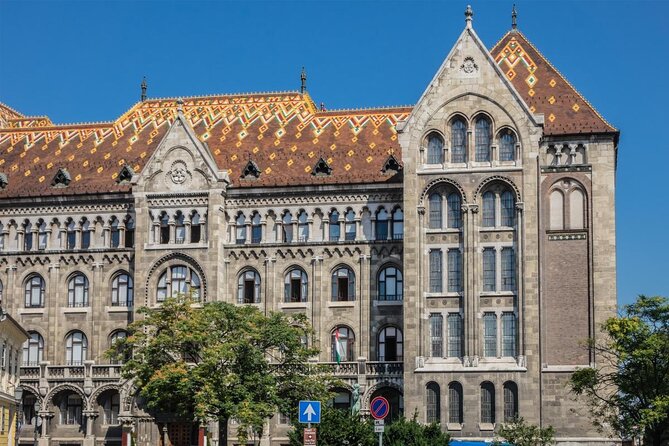
- Postal Bank by Ödön Lechner: known as Hungary’s Gaudí for a reason, with porcelain-and-detail spotting
- Inside entrance halls: you get more than a photo-op at both the Postal Bank and Gresham Palace
- Zsolnay porcelain in the street view: learn how Pécs ceramics shaped Hungarian Art Nouveau looks
- Asian motifs explained: you’ll hear how Hungarian Secession mixed “eastern” ideas with European Orientalism
- A strong ending at Kazinczy Street Synagogue: a memorable Art Nouveau interior finish
- Flexible routing on closure days: if key sites are shut, the guide can adapt to keep the story going
Why Hungarian Art Nouveau feels different (and worth 3 hours)
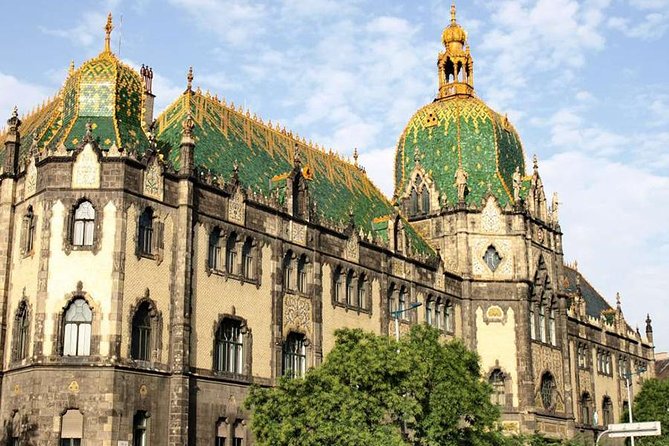
Budapest is a city of styles stacked on styles, but Art Nouveau here doesn’t feel like imported decoration. It feels like ambition. Around the turn of the 1900s, designers and patrons wanted buildings that looked modern, cosmopolitan, and proud of Hungary’s own identity. That’s where Hungarian Secession comes in, and it’s the backbone of this tour.
You’ll learn that the movement wasn’t just about facades. It showed up across applied arts and fine art, and Hungarian designers pulled in materials and patterns that made the look unmistakable. Expect to hear about porcelain use (often linked to Zsolnay ceramics) and the unusual way Asian motifs appear on buildings. The guide also frames it with two lenses: the supposed eastern origins of the Hungarian nation, and the broader European fashion for Orientalism that influenced Art Nouveau almost everywhere.
If you like architecture that has a point to make, you’ll enjoy how this walk ties aesthetics to meaning. You’ll also leave with a better sense of why wealthy-looking buildings in Budapest weren’t only status symbols. They were also designed to communicate energy, openness, and a city looking outward.
You can also read our reviews of more walking tours in Budapest



Price and logistics: is $123 good value?
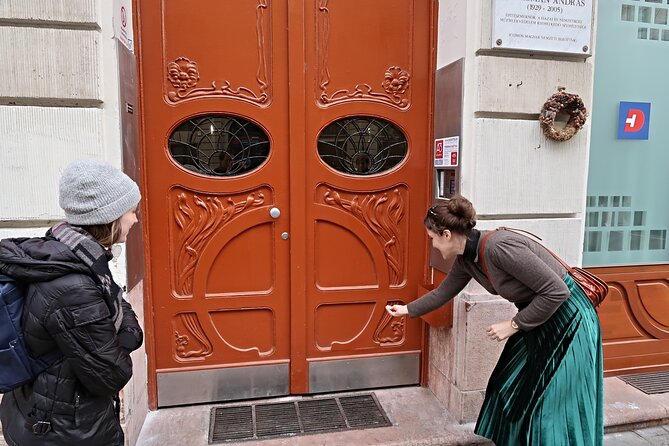
At $123 per person for a 3-hour guided walk, you’re paying mainly for the guide and the tight, curated route. The good news: this tour isn’t just exterior viewing. The highlights focus on two major Art Nouveau buildings where you can typically enter the entrance hall areas so you’re not stuck with street-level sightseeing only.
What’s included is straightforward: a 3-hour walking tour and an art/architecture historian guide. What’s not included is tram and metro service, so plan on walking between stops with whatever public transport you’re already using in your day.
You should also factor in possible extra entrance costs if specific sites are open. The House of Hungarian Art Nouveau is listed at 1000 HUF per person (about $3.50), and the Orthodox Synagogue on Kazinczy Street is listed at 2000 HUF per person (about $7) when you’re able to go inside. This kind of add-on isn’t rare with architecture tours, but it’s worth planning for so there are no surprises.
The 3-hour pace: how the walk is structured
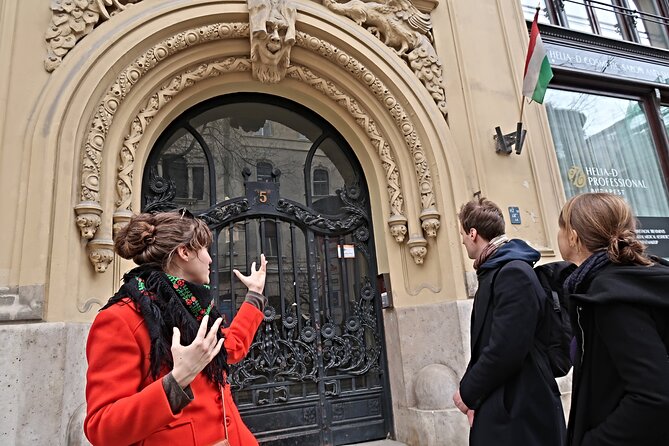
This is a real walking tour, not a bus loop. That matters because the style is visual and tactile. Art Nouveau in Budapest rewards the slow approach: the time it takes to look up, to spot ceramic panels, and to notice how ornament turns a building into a story.
The schedule is built around a clear arc:
- Start with major Art Nouveau anchors
- Move through smaller stops that help you connect the design language
- Finish with a churchy-spiritual but stylish climax at Kazinczy Street Synagogue
You’ll hit a mix of banks, a post-related landmark, and cultural or commercial spaces. Along the route, you can expect stops like a flower shop with its original interior, a department store, several bank offices, plus a small Art Nouveau museum and coffee house. In other words, you don’t only see the “famous buildings.” You also see how people actually lived with the style day to day.
One practical tip: if you’re visiting on a weekend, don’t assume every interior is accessible. Some sites may be off-limits, and that’s exactly why the guide can adjust the route to keep the tour cohesive.
Bedö House: a classic way to start reading the details
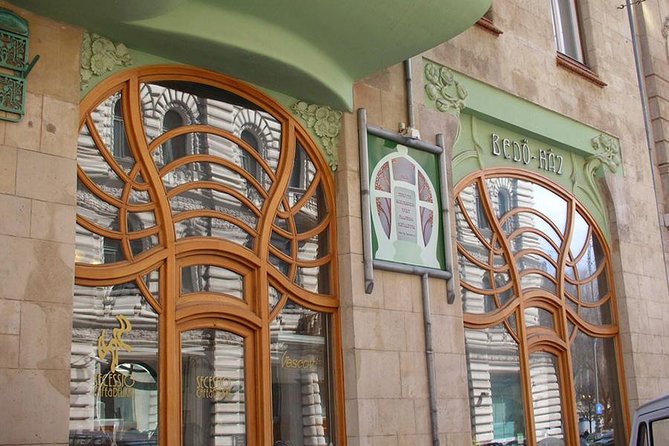
The tour includes Bedö House, guided. Since the emphasis here is on Hungarian Art Nouveau, this kind of stop is useful. Big landmarks are great, but a mid-size building helps you train your eye on recurring elements before the tour pushes into the heavyweight attractions.
When a guide uses smaller, focused sites early, you can usually understand the design rules faster. You’re more likely to catch how materials and shapes work together, and you start noticing patterns in ornament that might otherwise blend into the background.
Expect the guide to point out what makes the Hungarian take feel distinct. That means explaining why certain materials show up repeatedly and how designers made the buildings look energetic rather than static. Even if you’re not an architecture nerd, these “training wheels” stops make the famous buildings later on more satisfying.
Hungarian State Treasury: where design meets civic power
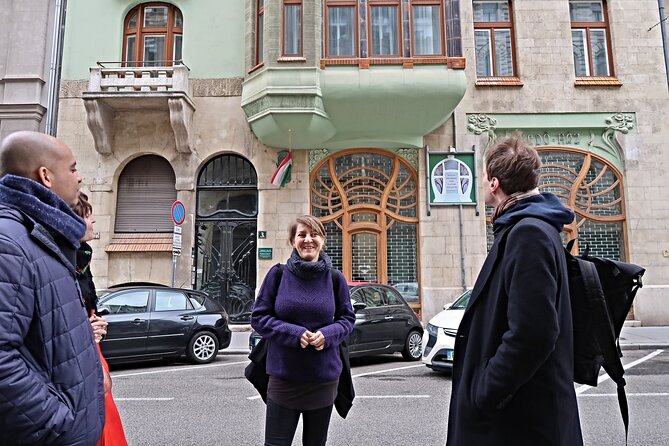
Next up is the Hungarian State Treasury, also with guided time. Treasury buildings tend to play double duty: they need to feel authoritative, and they also need to impress. That’s a perfect match for Art Nouveau’s interest in grandeur and symbolism.
This stop helps you connect the dots between “pretty” and “power.” In Budapest’s Belle Époque era, institutions that handled money and governance were often among the first places where bold design showed up. You’ll likely hear how ornament and materials weren’t accidental. They were used to signal stability, modernity, and national pride.
Since the tour is only three hours, the guide’s job is to keep you moving while still giving you enough context to understand why each building looks the way it does. A civic stop like this is a good bridge between private luxury and public identity.






Postal Bank (Royal Post) by Ödön Lechner: Hungary’s Gaudí moment
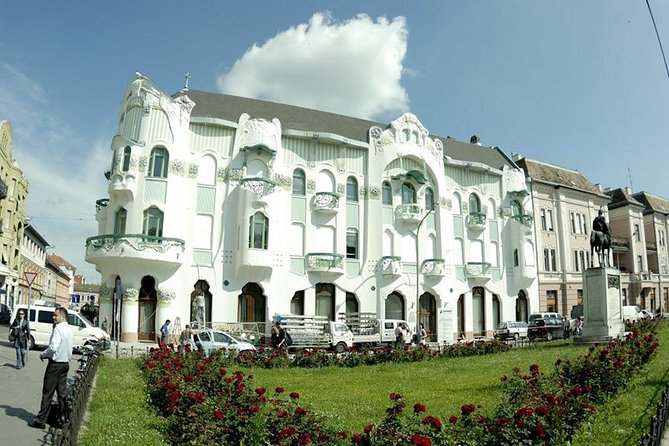
The highlight is the Palace of the Royal Post, designed by Ödön Lechner. It’s often called Hungary’s Gaudí, and you’ll see why once the guide starts breaking down the details. Lechner’s work is known for dramatic surfaces and a sense that the building is alive, not merely sitting in place.
What I like about this tour is that it doesn’t treat the Postal Bank as a single photo angle. You get time to study the exterior character, and then, importantly, you can take in the entrance hall area as well. That inside peek matters because Art Nouveau flourishes in transitions: doorways, corridors, and the moments where you move from street to interior.
This is where you’ll start connecting several themes that run through the entire tour:
- the Hungarian Secession look
- the role of porcelain and crafted surface materials
- the way motifs and patterns build a visual rhythm
If you’re only casually interested in architecture, this is the stop that tends to convert you. It’s the one where the design feels most theatrical, and it anchors the rest of the walk.
Gresham Palace: where interiors teach you how to look
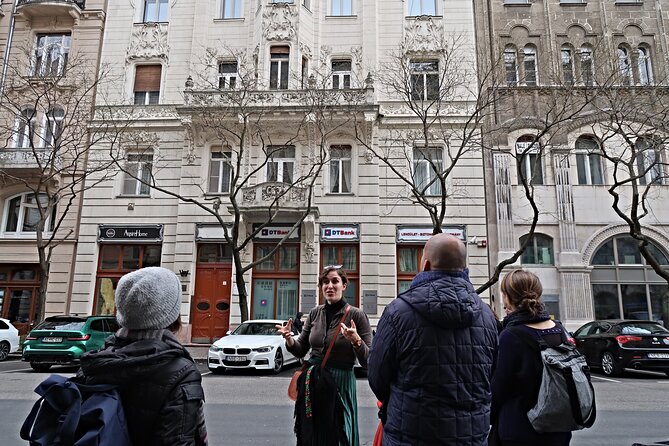
After the Postal Bank, you’ll visit Gresham Palace, with guided time and the ability to enter the building’s entrance hall area. This is the second major anchor, and it gives you a different kind of payoff than Lechner’s more flamboyant look.
Gresham Palace is a lesson in the balance between facade drama and interior coherence. Exterior views are impressive, but inside is where you understand the design as a system. The guide’s explanations help you see how elements are meant to work together—how ornament, material choices, and spatial design build the overall “feel” of the place.
This stop also connects well to the theme of affluence and cosmopolitanism in early-20th-century Budapest. The Gresham Palace vibe isn’t just local. It feels like the city wanted to compete with the design capitals of Europe, and it did so through architecture that projected confidence.
Tip for getting the most out of it: slow down at the entrance-hall transition. That’s where your eyes often need a moment to adjust, and that’s where your guide’s comments will click fastest.
Rózsavölgyi utca and Paris Passage: the walk gets more intimate
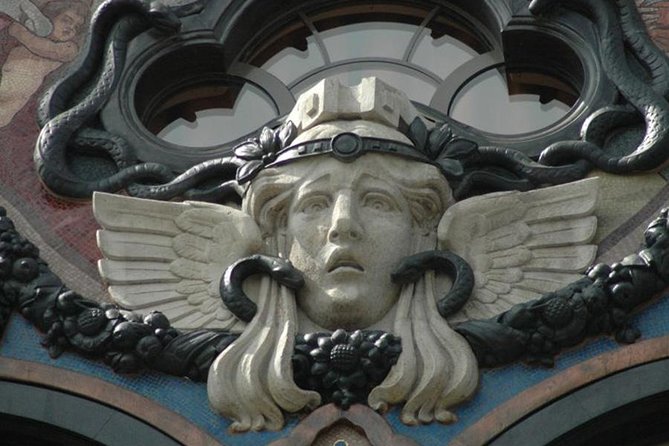
The route includes guided stops in Rózsavölgyi utca and Paris passage. These names point to the “in-between” character of Budapest. You get a sense of how Art Nouveau sat inside everyday city life—on streets and through passages where people would browse, work, and pass through.
Stops like these also help you notice the smaller design choices that don’t always make it into the postcards. In Art Nouveau, the vibe is built from repeating details: tiles, ornament styles, and motif variations. A guide can help you connect those details so they feel meaningful instead of random.
You’ll also encounter the tour’s commercial and cultural rhythm: a coffee house and a small Art Nouveau museum are part of the experience, plus a flower shop with its original interior and a department store stop. Even if you’re mostly there for big names, these smaller moments often end up being the most memorable because they feel lived-in, not staged.
Zsolnay porcelain tiles: the material story you’ll remember
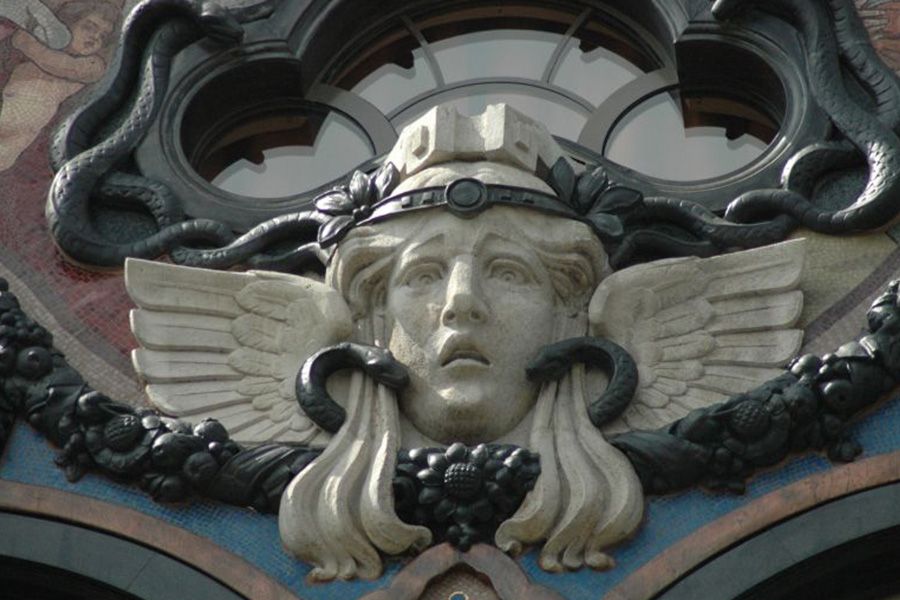
A key theme here is the use of Zsolnay porcelain tiles on facades, including at Thonet House. The guide also includes ceramics from the renowned Zsolnay factory in Pécs in the mix, so you’re not only seeing the end result. You get at least a small slice of the craft behind it.
Why does this matter? Because porcelain isn’t just decoration here. It’s a way to create durability and surface richness. The ceramic tiles allow designers to play with color and texture in a way that flat stone or plain plaster can’t always match. It’s one reason Hungarian Art Nouveau can look so polished even in close urban views.
Once you understand the material, you start seeing patterns everywhere on the walk. You’ll begin to recognize where the tiles emphasize curves, where they frame windows, and where they create visual movement. This makes the architecture feel more intentional, almost engineered for the eye.
If you’re the type who takes architecture photos, this part of the tour gives you better targets. You’ll stop shooting only whole buildings and start capturing the “surface language.”
Asian motifs and European Orientalism: what the guide will help you decode
Another signature of Hungarian Art Nouveau is the use of Asian motifs and elements. The tour doesn’t leave this at the “cool pattern” level. You’ll hear how it connects to supposed eastern origins of the Hungarian nation, and you’ll also get the bigger European context: Orientalism influenced Art Nouveau across the continent.
This matters because the meaning of motifs changes depending on who’s looking. The same decorative idea can be interpreted as cultural identity, romantic fantasy, or fashionable trend. A good historian guide helps you keep that complexity in your head, so you don’t end up treating every motif as a simple statement.
As you move from building to building, you’ll likely notice how designers used these elements to give a sense of reach beyond Europe’s borders. Even when the motifs are stylized and not literal, they communicate something: the city’s self-image as modern and connected.
It’s a small but smart payoff. When you understand the “why,” the ornament becomes more than a style. It becomes a clue.
Kazinczy Street Orthodox Synagogue: finishing with an Art Nouveau interior
The tour ends at the Kazinczy Street Orthodox Synagogue. The selling point is the Art Nouveau interior, and that’s the kind of finish that makes the whole walk feel worth it. After looking at exteriors, transitions, tiles, and motifs, you get a final scene where design shows up as atmosphere.
This stop also has a scheduling reality check. The Orthodox Synagogue with its Art Nouveau interior is closed on Saturdays. If that affects your date, the tour can adapt to other Art Nouveau jewels, with examples listed such as the Gellért Bath Hotel, the Museum of Applied Arts, and the Geology Museum.
When the synagogue is open, the tour lists an additional fee of 2000 HUF per person (about $7) if you want to enter the site. Plan for that and you’ll keep the tour experience smooth.
If you’re deciding whether to book: finishing here is a strong reason. It’s the kind of interior you remember later, even if you can’t name every ornament you saw.
Who should book this tour
This is a great fit if you:
- care about design details, not only big-city highlights
- want a guided explanation that connects buildings to materials and themes
- like Budapest but want a focused lens on one movement and how Hungary did it its own way
It’s also a smart option for a first visit. In three hours you’ll see the major Art Nouveau anchors and learn enough context to recognize the style in later walks on your own.
If you hate walking or you only want museum-sized time, this may feel too fast. The goal is breadth plus interpretation, not hours inside one location.
Practical tips that make your day easier
- Bring the idea of extra time for interior access. The tour aims to enter entrance halls at key stops, but not every site may be open on weekends.
- If you’re visiting on a Saturday, expect the synagogue to be closed and rely on the guide’s reroute options.
- Budget small extras: the House of Hungarian Art Nouveau may cost 1000 HUF, and the synagogue may cost 2000 HUF if open.
- If pickup is optional for you, the meeting point can be Madal Café, Budapest, Alkotmány u. 4.
Also, the tour is designed for an English-speaking experience with a historian guide. If you want facts with a human voice, this kind of guided format is usually the better deal than trying to piece together everything yourself.
Should you book the Budapest Art Nouveau Walking Tour?
I’d book it if you want a focused, guided introduction to Budapest’s Art Nouveau that actually explains what you’re looking at. The value comes from three things: the expert historian context, the ability to see entrance hall details at the two biggest anchors, and the way the tour ties Lechner, Zsolnay porcelain, and motif symbolism together in one coherent story.
I’d think twice if you’re traveling with rigid plans for specific interior visits on weekends or Saturdays. The tour can adapt, but the whole point of this style is tied to access and timing, so build in flexibility.
If you’re into architecture that mixes craft, materials, and symbolism, this is one of the most efficient ways to understand Budapest beyond the usual sightseeing boxes.
FAQ
How long is the Budapest Art Nouveau walking tour?
It’s 3 hours long.
What does the tour cost?
The price is $123 per person.
Is the tour guided, and what language is it in?
Yes. It includes a historian guide and the tour is offered in English.
What’s included in the price?
The tour includes the 3-hour walking tour and the historian guide.
Are tram and metro tickets included?
No. Tram and metro tickets are not included.
Where does the tour meet if I choose optional pickup?
If you prefer a central meeting point, you meet at Madal Café, Budapest, Alkotmány u. 4.
Can you enter the Hungarian National Bank on weekends?
No. On weekends you cannot enter the Hungarian National Bank.
Is the Kazinczy Street Orthodox Synagogue open on Saturdays?
No. The Orthodox Synagogue on Kazinczy Street is closed on Saturdays.
Are there extra entrance costs during the tour?
There may be additional costs if sites are open, such as 1000 HUF per person for the House of Hungarian Art Nouveau and 2000 HUF per person for the Orthodox Synagogue on Kazinczy Street.